
 Español
 Français
 Pусский
 繁體中文
繁體中文 简体中文
简体中文 Select another language

t barely 20, Aymeric Peters is already talking about his future workshop. He does not dream of a position at a major manufacture or a five- or ten-year career plan. Instead, the young Belgian imagines a few machines installed at home, small production runs, a select clientele and, eventually, watches he would want to wear himself.
Beside him, Arthur Choquet, a student in Rennes, talks about 3D design, automata, cam systems and bringing technologies from other fields into watchmaking. He wants to look elsewhere for mechanical solutions the industry may not yet have thought to adopt.
Both embody the aspirations of their generation, at a time marked by a new golden age of artisanal and independent watchmaking. Both are gifted and promising, and this year their talent has earned recognition.
In June, at Cartier’s Maison des Métiers d’Art in La Chaux-de-Fonds, Peters won first prize in the apprentice category of the Cartier Watchmaking Prize for Talents of Tomorrow with Silence Choisi. Choquet took the top honour in the technician category with Un Instant. The theme of this 28th edition — “Changing the balance: reading and experiencing time differently” — challenged them to use a clock movement as the starting point for questioning how we read the time.
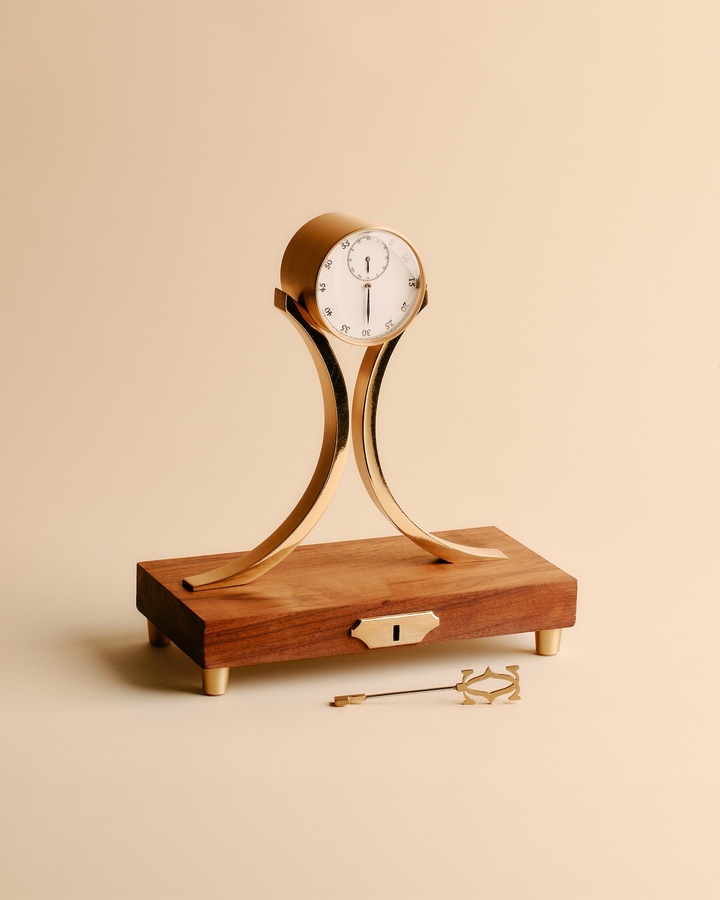
Silence Choisi
In Peters’ creation, the hands remain frozen at six o’clock. To discover the time, the owner must take a key and awaken the mechanism. The hands then move to their actual positions. The young watchmaker reinterprets principles borrowed from chronographs and split-seconds mechanisms, giving the owner the choice of whether or not to reveal the time.
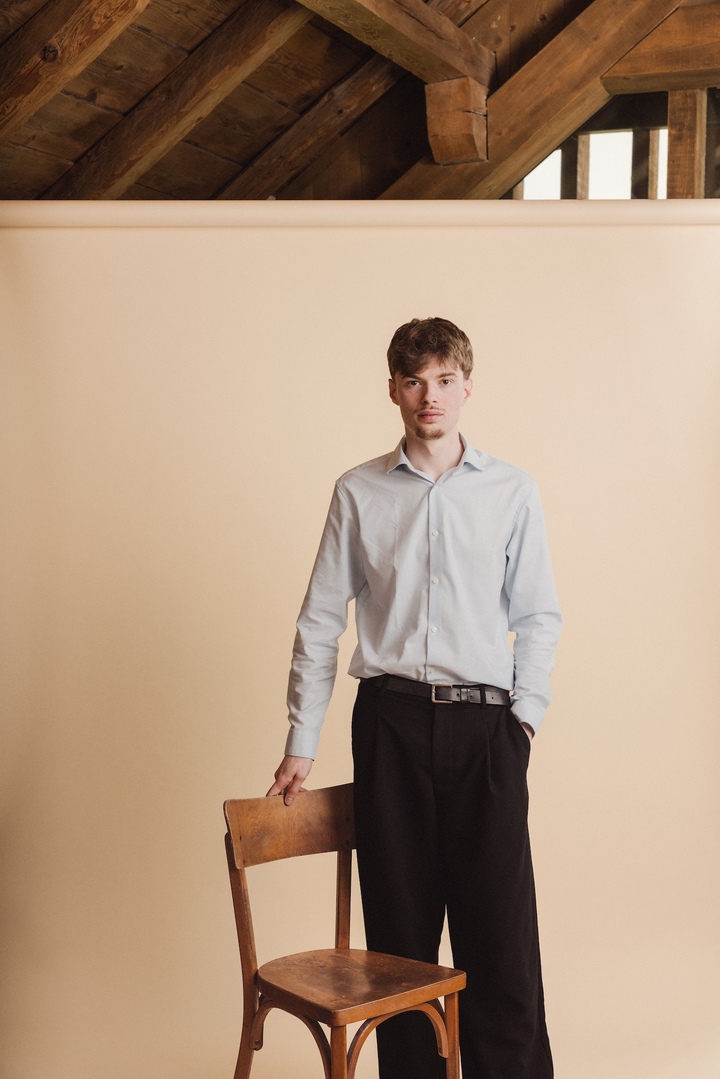
Brass, wood and classical proportions: Peters makes no secret of his fondness for 1950s watches and restrained forms. The apparent contradiction between traditional craftsmanship and unconventional mechanics says much about his approach.
“The watches I want to make in the future are watches I want to wear,” he explains. In other words, there is no question of designing to a marketing brief. His own tastes will be the starting point. Indeed, the idea for Silence Choisi came to him almost immediately. After an initial sketch reminiscent of a Cartier mystery clock, he drew a new proposal that same evening. It would change very little before becoming the finished object.
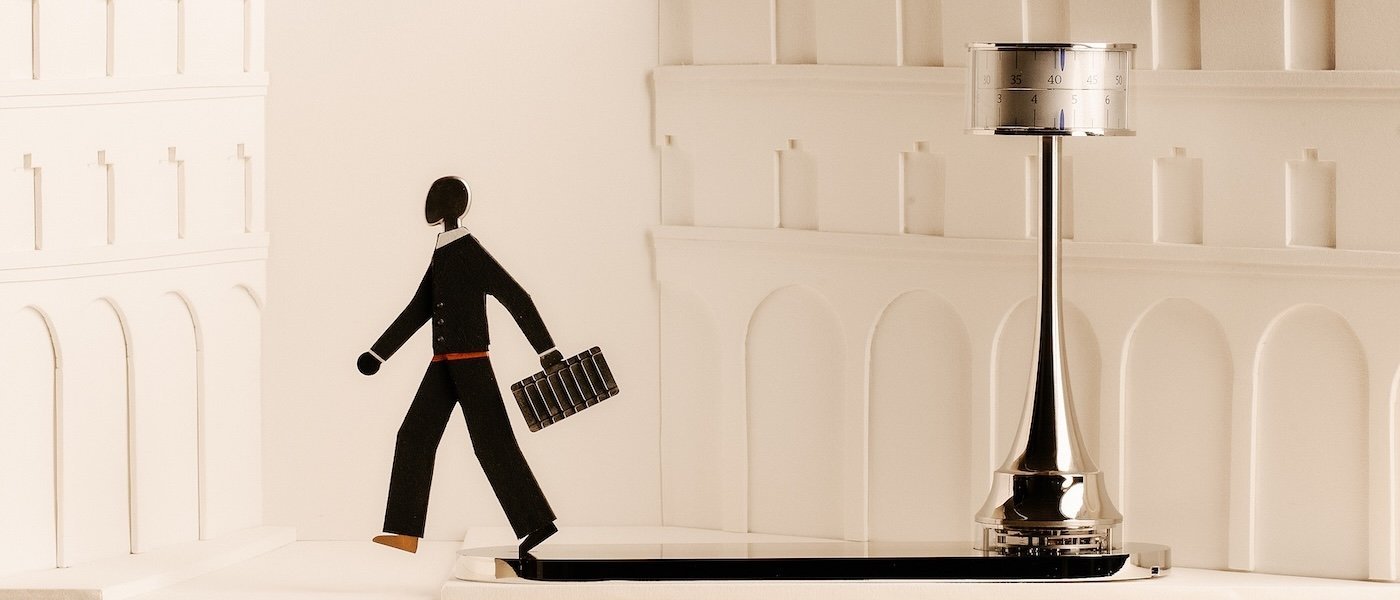
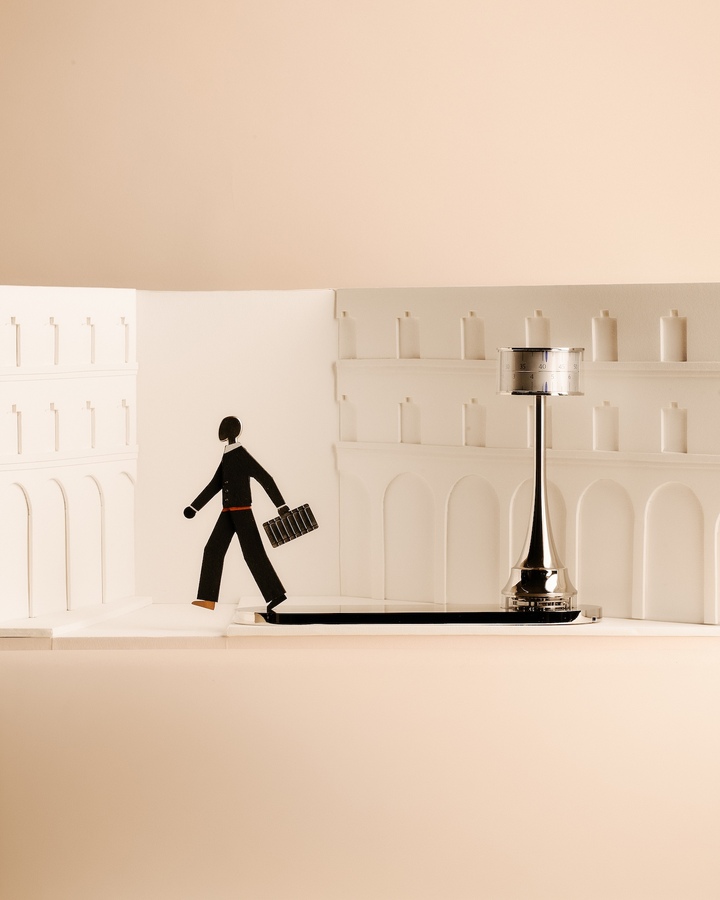
Un Instant
With Un Instant, Choquet begins from a more visual world. Paris, Haussmannian façades, street lighting and Cartier’s history inform a clock whose mechanism stages a precarious balance.

In Rennes, his course combines watchmaking, design, computer-generated imagery, video and artistic research. He talks about his projects as much like an industrial designer as a watchmaker. His next dissertation will explore “extravagance”, with research into compression, expansion and departures from the norm.
Above all, however, he is drawn to automata. During his placements, Choquet works on mechanical design, movement optimisation and 3D renderings. His long-term idea is simple: to look to other disciplines for assembly methods, cam systems and transmission mechanisms, then explore what they might bring to watchmaking. Not necessarily to revolutionise it, he adds, but to open up other possibilities.
“Not a marketing award”
Both creations express a distinctly artisanal poetry. And the two young men share one striking characteristic: neither seems to regard joining a major brand as the obvious destination.
Peters is quite explicit. Climbing the ranks within a large organisation holds little appeal. Independence, small production runs and greater control over his work are more attractive. From September, he plans to begin acquiring his own machinery in Belgium and develop his projects alongside his work as a watchmaker. The influence of a golden generation of successful young independents — Rexhep Rexhepi, Simon Brette and Theo Auffret among them — is palpable in the ambitions of this “new wave”.
It would be easy to see a paradox here: Cartier organises a competition for young watchmakers and rewards precisely those who dream of working elsewhere — first and foremost, for themselves.
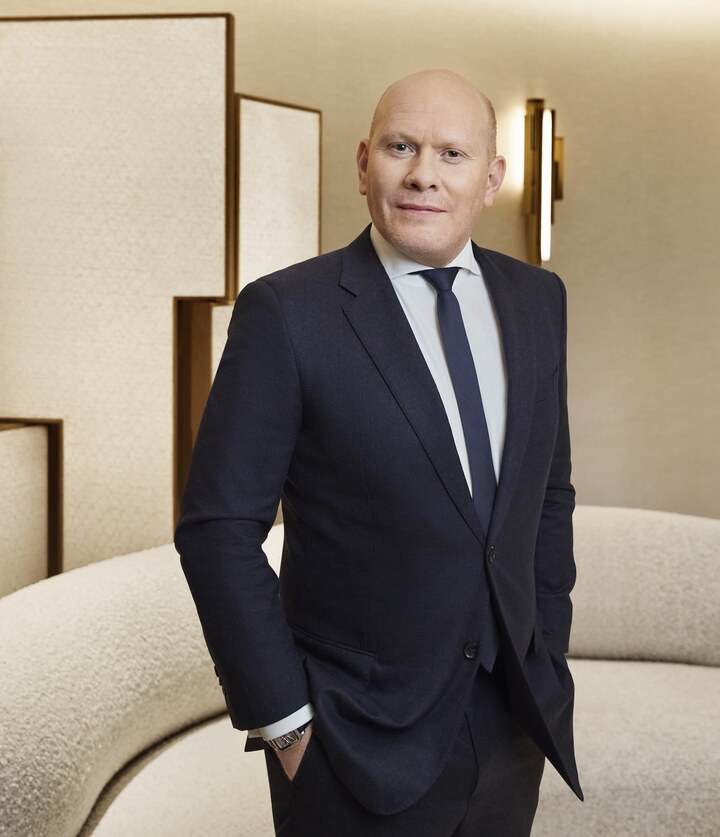
For Karim Drici, Cartier’s Chief Operating Officer, however, there is no contradiction. “This is not a marketing or commercial award,” he insists. The aim is neither to appropriate the candidates’ ideas nor to create an exclusive recruitment pool for Cartier. “It is a platform for them.” Some former winners now work at Cartier or elsewhere within Richemont; others have joined competing houses. “But they make the choice. We impose nothing.”
Established in 1995, the competition has welcomed some 2,000 candidates. Initially reserved for apprentice watchmakers, it was opened to microengineering technicians in 2024.
For Drici, its underlying principle remains unchanged. Cartier supports schools, funds or provides equipment and backs the crafts more broadly, often without putting its name to the initiative. The word he uses to describe this policy? “Generosity.”
There is, of course, an industrial interest too. The next generation is vital to the manufactures. But the house says its ambition is to support an entire ecosystem rather than simply secure its own recruitment needs.
A powerful draw
The generational shift is certainly visible. Cartier is seeing growing demand for its own training programmes. Its Institut Horlogerie welcomes around fifty apprentices a year, and applications are increasing. Drici sees this partly as a reaction to the ubiquity of digital technology: some young people are seeking tangible, manual professions in which the result of their work is “concrete”… and poetic.
Yet those entering these programmes today are no longer quite like their counterparts of twenty or thirty years ago. They follow independents on Instagram, visit their workshops, observe their production methods and have a much more immediate understanding of what it means to launch a brand. Peters readily cites young independent workshops as reference points and explains how their closeness in age makes those career paths feel attainable.
80 hours to learn how to decide
Arnaud Carrez, Cartier’s Marketing Director, emphasises the competition’s collaborative nature. Each creation has a name, an author and a ranking, but its production often relies on an extensive network: teachers, mentors, classmates and specialists in other crafts. Some candidates from the same class even helped one another despite competing for the prize. For Carrez, this ability to pool expertise directly reflects Cartier’s own culture.
The competition’s constraints make such cooperation almost indispensable. Finalists have just eighty hours, spread over three months, to complete their creations. Given that limit, Drici says he is struck not only by the objects’ technical sophistication but also by the poetry and narratives the young entrants build around them.
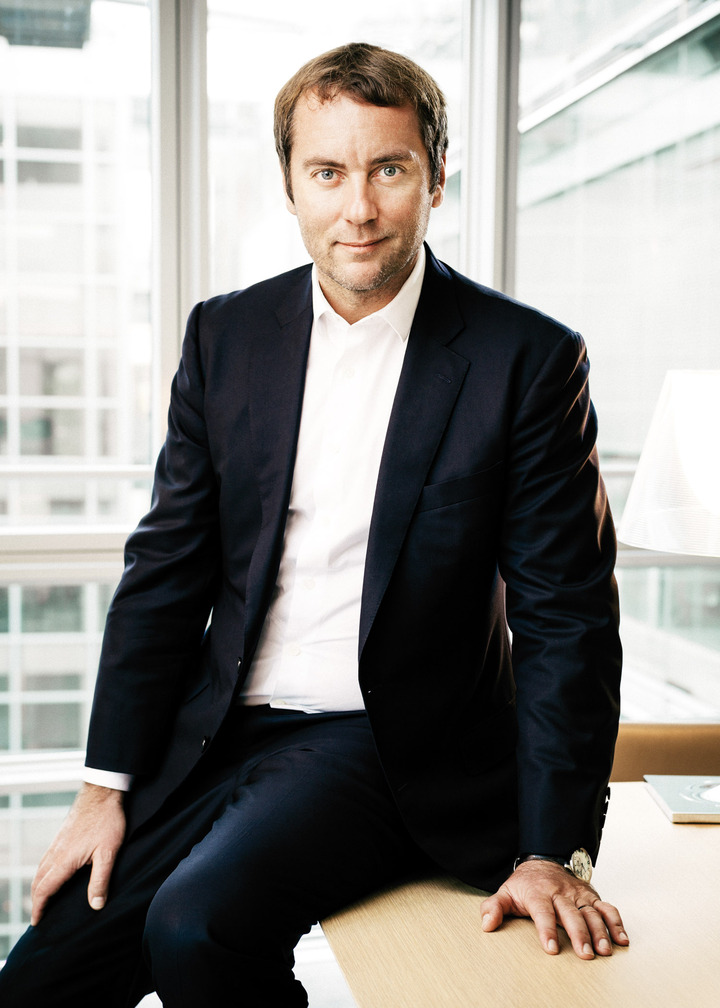
Peters readily used 3D printing to shorten prototyping cycles. Some solutions were adapted from existing mechanisms rather than developed from scratch. The point is not to glorify time spent at the bench, but to arrive at a working solution within the deadline.
Choquet, meanwhile, notes that the exercise also teaches candidates to place orders, follow up, find suppliers and organise other people’s work. In short, to make the transition from student to project manager.
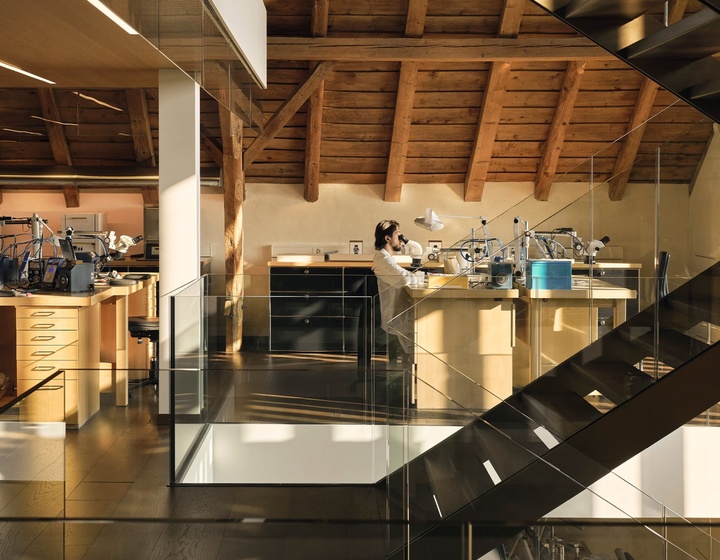
This blend of craftsmanship, engineering and creativity is also found just a few metres away, in the Maison des Métiers d’Art where the ceremony took place. Around 120 people now work there. Young apprentices rub shoulders with artisans who have decades of experience. The idea, Drici explains, is to bring highly technical and more creative minds together, encouraging exchanges between watchmaking, artistic crafts and new technologies. Cartier calls it “the right balance between craftsmanship and technology”. The two winners could serve as illustrations of that principle.
This year’s creations are due to travel to several boutiques before joining the Musée international d’horlogerie in La Chaux-de-Fonds. The house also wants to maintain a community of former candidates and winners, giving them access to some of its studios and workshops. The competition itself continues to evolve. Cartier speaks about it more openly than it did ten or fifteen years ago and is gradually broadening its geographical reach.
Next stop: jewellery
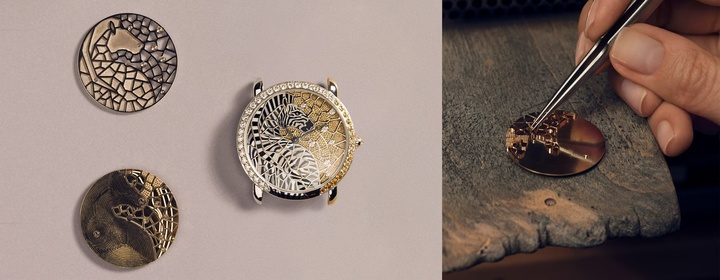
The next development will be significant: jewellery will join the programme. The two disciplines are expected to explore a shared theme centred on fauna, a longstanding part of Cartier’s creative world. The choice of countries, access to materials and practical arrangements are still being defined, but the ambition is clear: to create a jewellery equivalent of the creative laboratory that has served young watchmakers for thirty years.
The shift is revealing. In 1995, the competition was primarily concerned with passing on professional skills. In 2026, that mission remains, but the context has changed. Young people arrive with Instagram, 3D design, an understanding of design culture, entrepreneurial role models and much more direct knowledge of independent watchmaking. They do not simply want to learn how to make a watch properly. They want to decide what it should be.
Peters dreams of small production runs and a workshop in Belgium. Choquet wants to bring automata, design and watchmaking into dialogue. Neither knows exactly where he will be in ten years. But Cartier will have given them a platform from which to shape their own future.