
 Español
 Français
 Pусский
 繁體中文
繁體中文 简体中文
简体中文 Select another language


hina is less talked about in the watch world these days. After twenty years of obsession, a certain indifference has set in: attention has shifted to the United States, or even India. But China plays the long game. A bump in the road, however serious, is not enough to halt its progress. Among the most surprising watchmaking projects we have had the opportunity to discover, the new Sino Swiss Inno Park in Dongguan offers a spectacular illustration. The complex is due to be completed in December 2026, ahead of an official opening scheduled for May 2027.
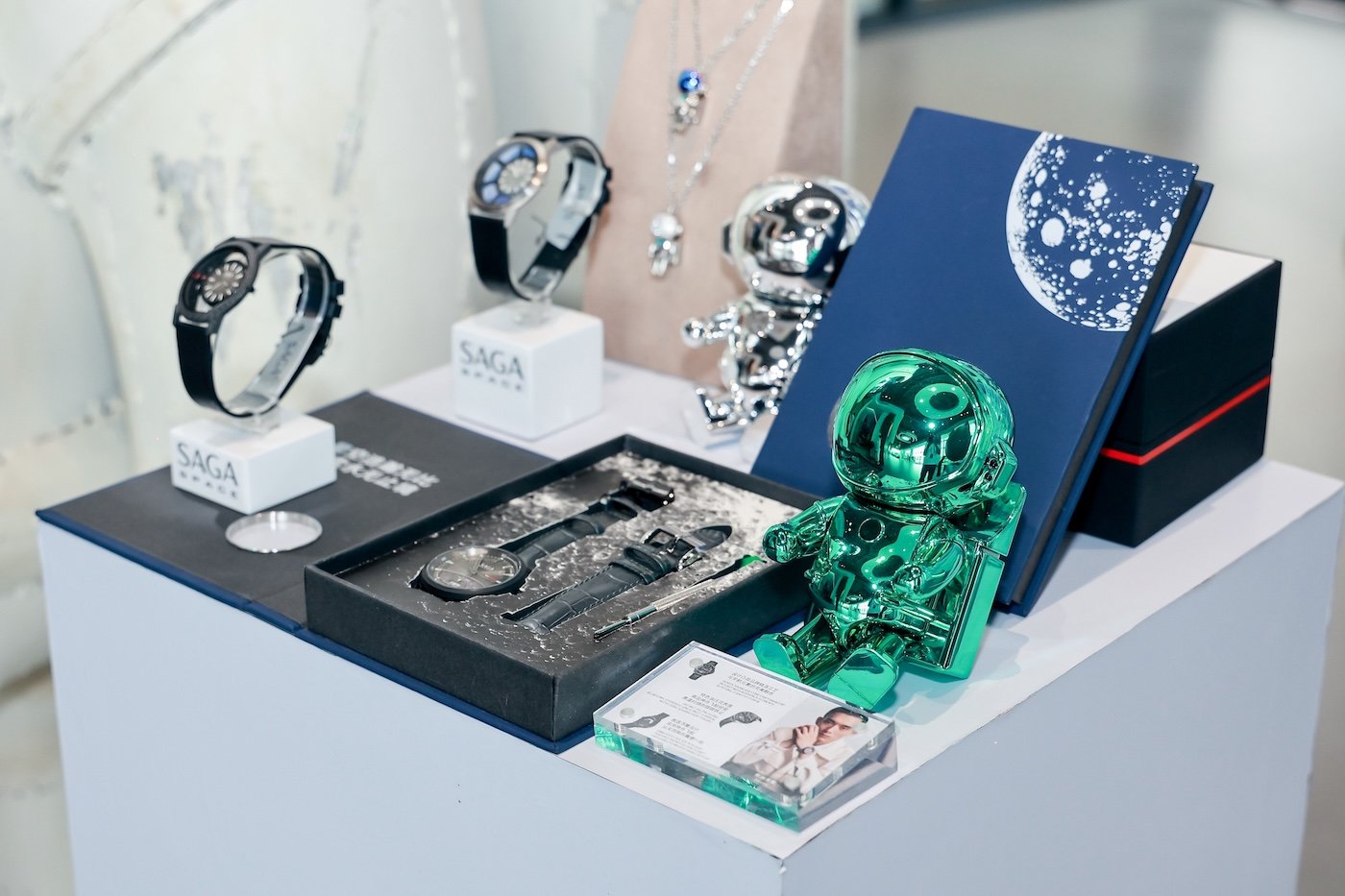
At its helm is Eddie Leung, an industry veteran. Almost 80, with 47 years in watchmaking behind him, this influential entrepreneur, who grew up in Hong Kong and served in China’s parliament in Beijing, clearly has no intention of slowing down. His group, Dailywin, a private-label specialist founded in the late 1970s, reports more than 720 employees and annual production of around 2.5 million watches, including over 700,000 Swiss made pieces produced with its partners in Switzerland. Added to this are more than 800,000 pieces of jewellery.

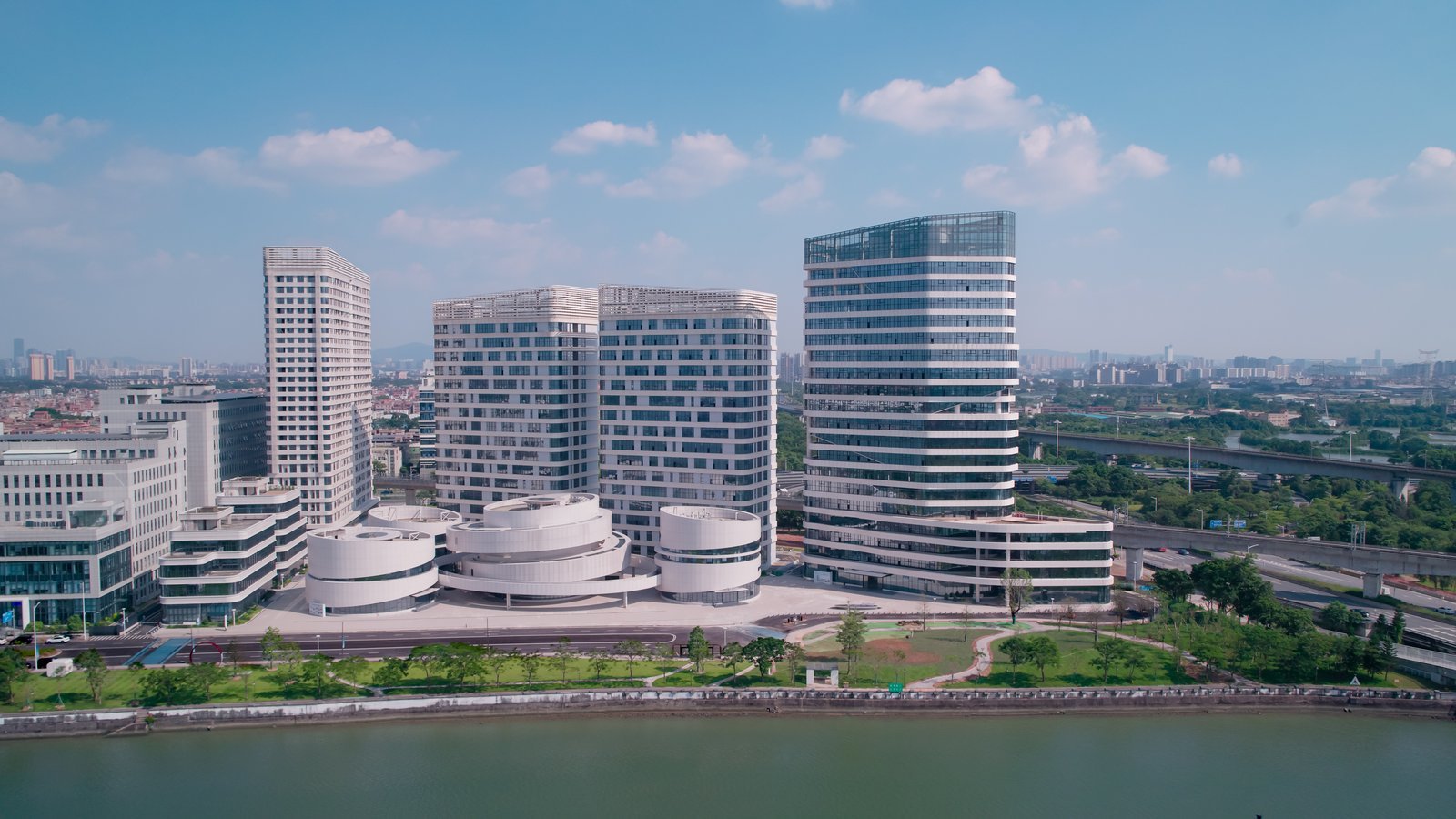
This behind-the-scenes industrialist, accustomed to working for others — apart from his own brand, SAGA — is now embarking on a project whose success will also depend on its visibility. Across 130,000 square metres, the Sino Swiss Inno Park aims to bring together much of what keeps watchmaking alive: designing, manufacturing, assembling, repairing, presenting and selling. Linking these activities and attracting the public will be a museum devoted to time measurement.
“This is the biggest project of my entrepreneurial life,” Eddie Leung tells us. His daughter Wendy, Vice President of the Dailywin group, is already involved in the family venture. The project is also conceived in these terms: an enterprise to pass on to the next generation.
A vertical watchmaking city
Dongguan has a population of around eleven million. At the heart of the Greater Bay Area, which has the highest urban density on the planet, between the hubs of Hong Kong, Shenzhen and Guangzhou, the city also forms part of one of the world’s greatest concentrations of industrial expertise. While Shenzhen today embodies high-tech industry, Dongguan remains deeply rooted in manufacturing. For anyone seeking components, machinery, surface treatments or production specialists, this proximity is an asset.

Eddie Leung knows the territory well. In the 1980s, he was among the first industrialists to cross the border from Hong Kong to establish manufacturing facilities in Dongguan, and he has just renovated his entire production site. Equipment, automation, quality control, production monitoring: the group continues to invest in its manufacturing capabilities, including Swiss machinery. Some repetitive tasks, such as labelling, are gradually being automated. “People no longer want to do this kind of work,” the factory managers explain.
The Sino Swiss Inno Park aims to position itself as a “one-stop shop” for all Swiss companies’ component and manufacturing needs — a single gateway to China, without having to build a complex sourcing network themselves. This monumental project brings directly into focus the requirement for 60% of manufacturing costs to be incurred in Switzerland to qualify for the coveted Swiss made label: for many brands, that equation involves components sourced in China. Dailywin is, indeed, a specialist in making this equation work.
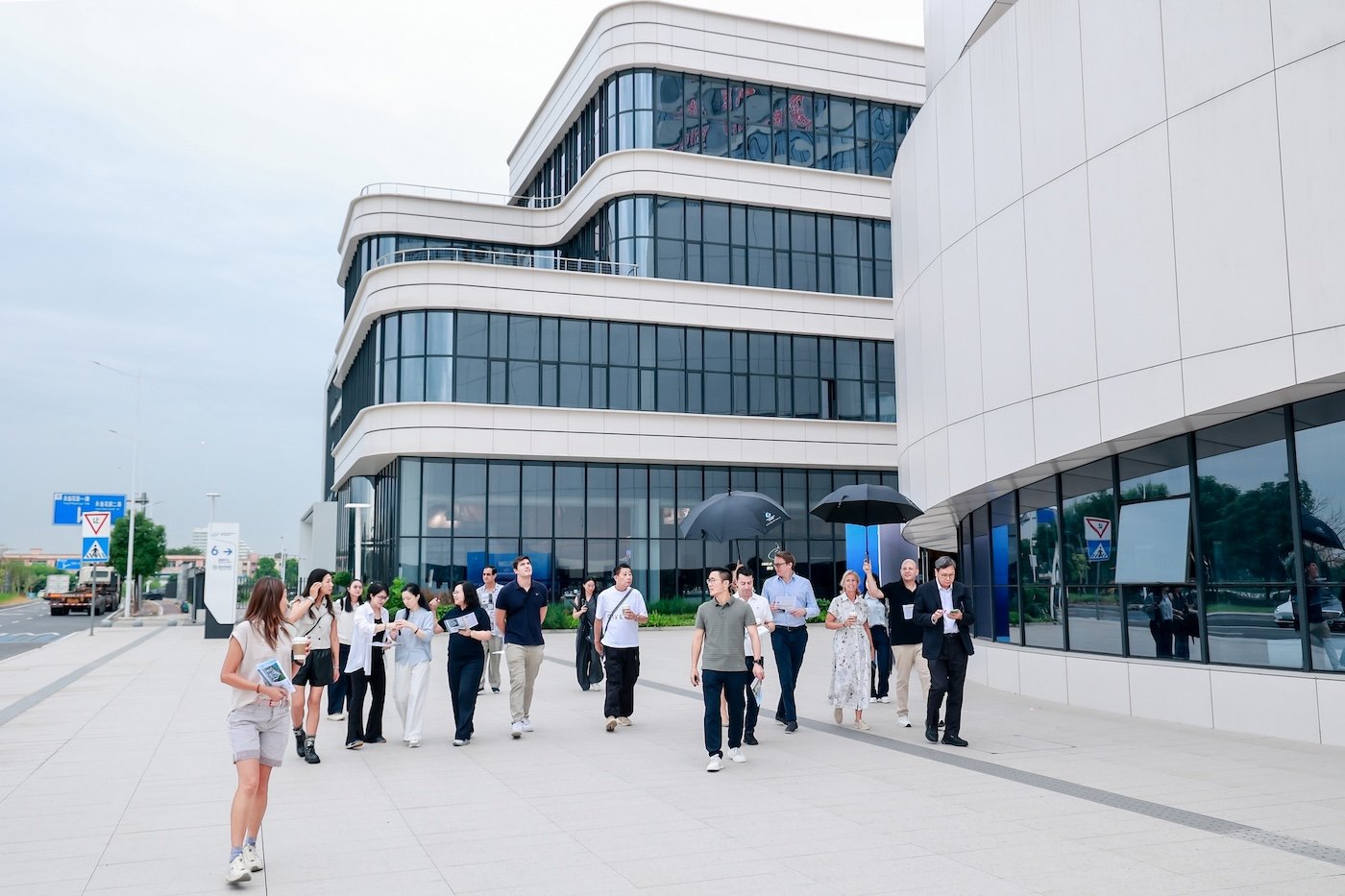
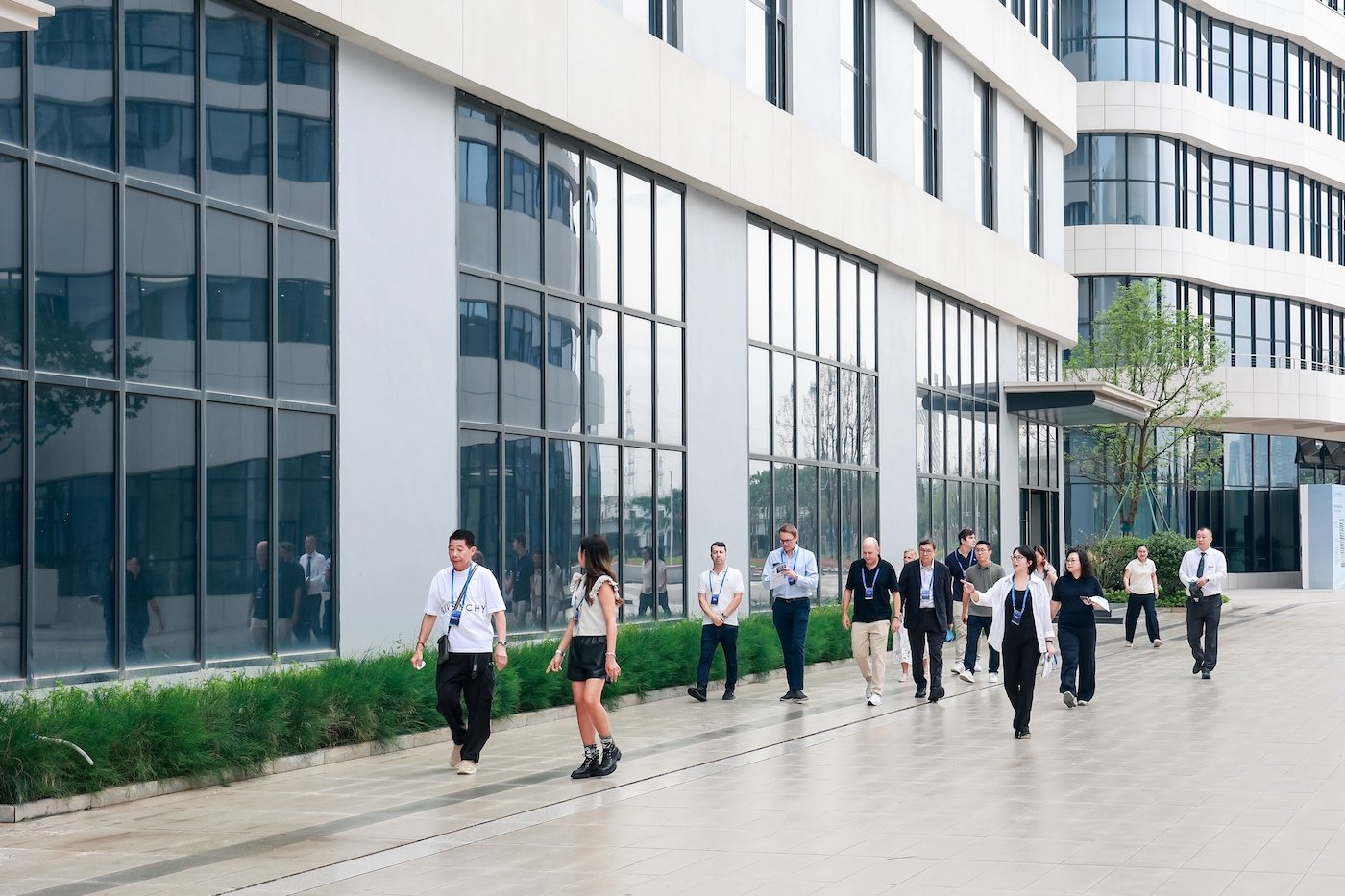
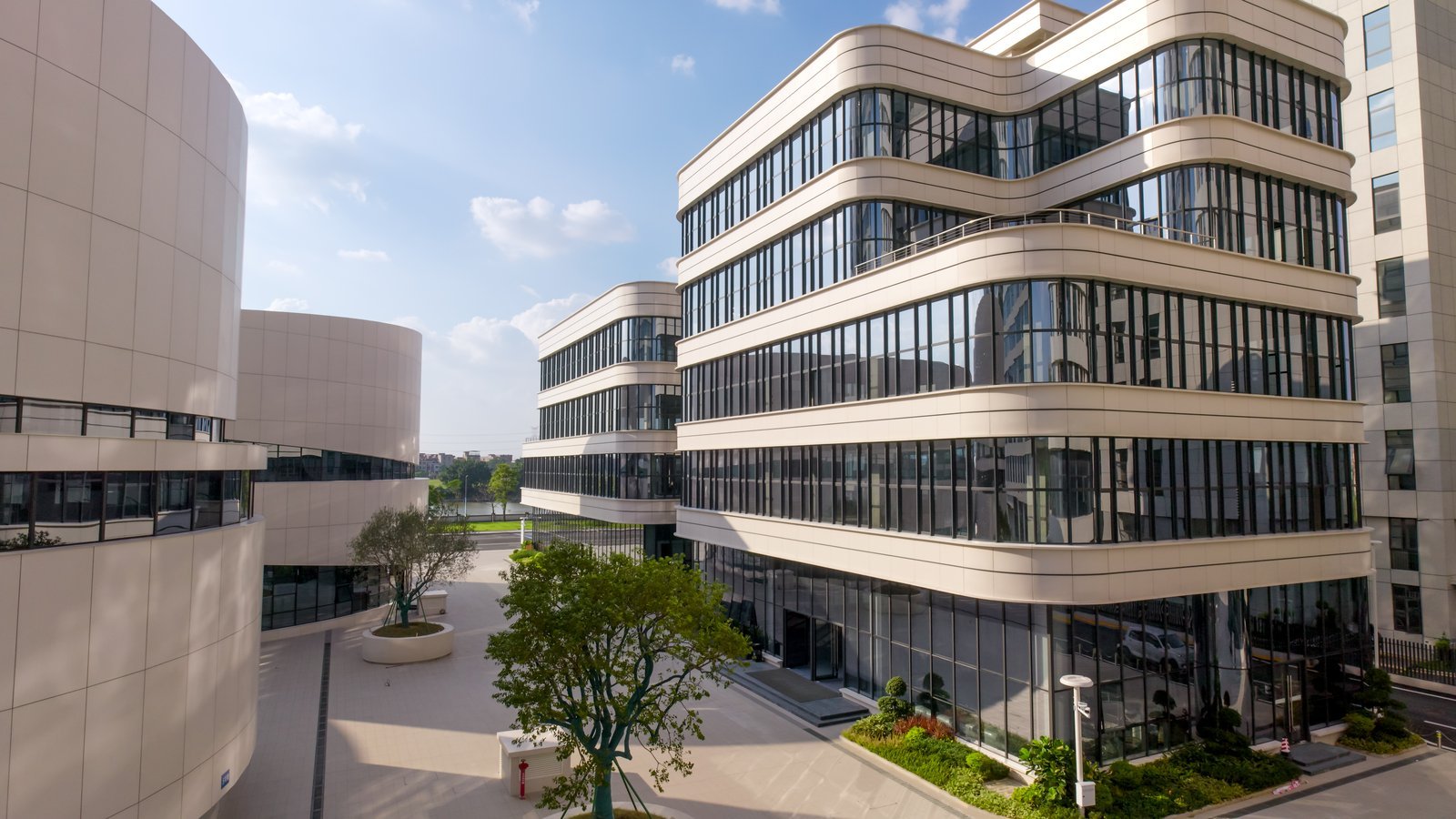
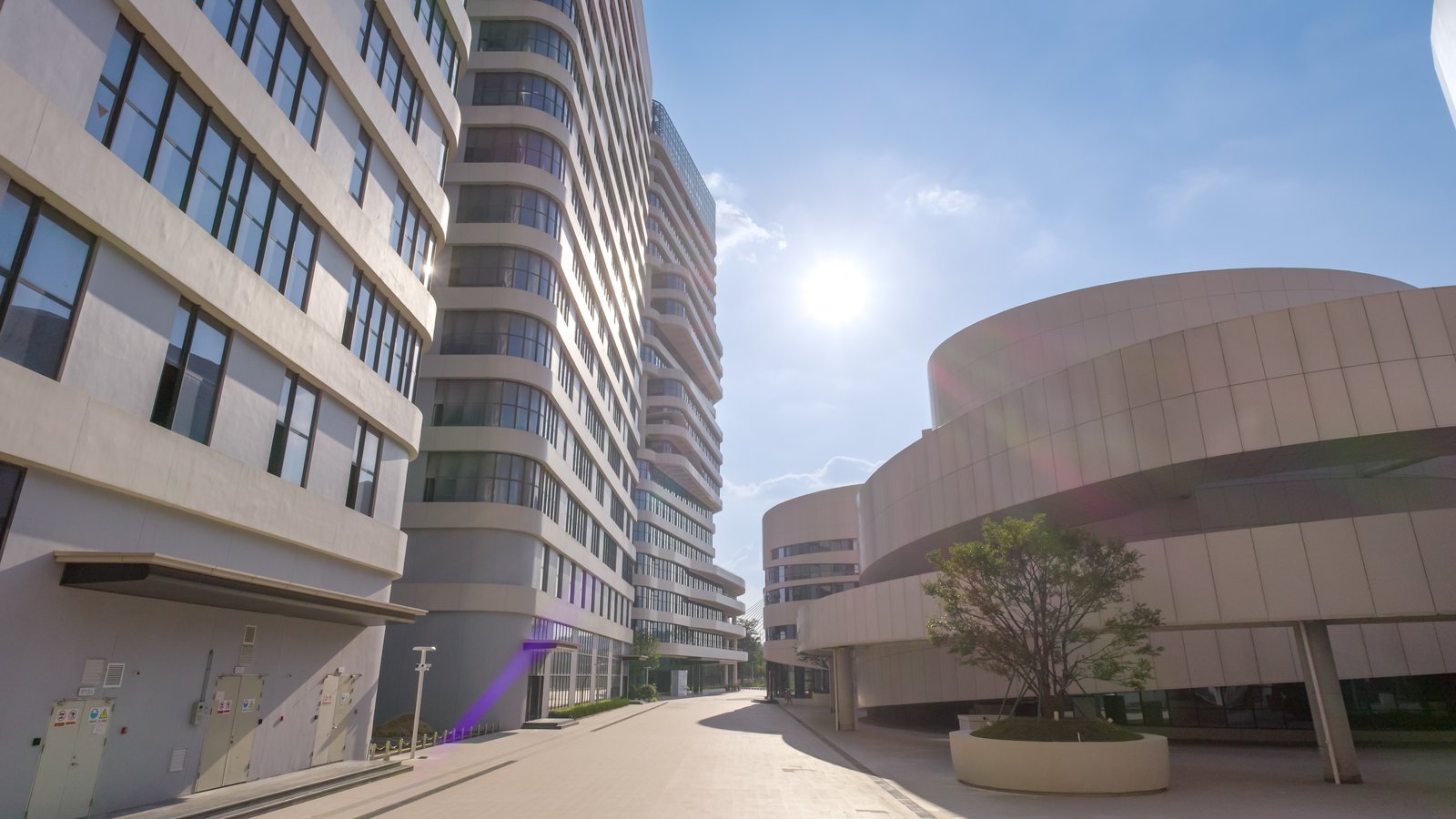
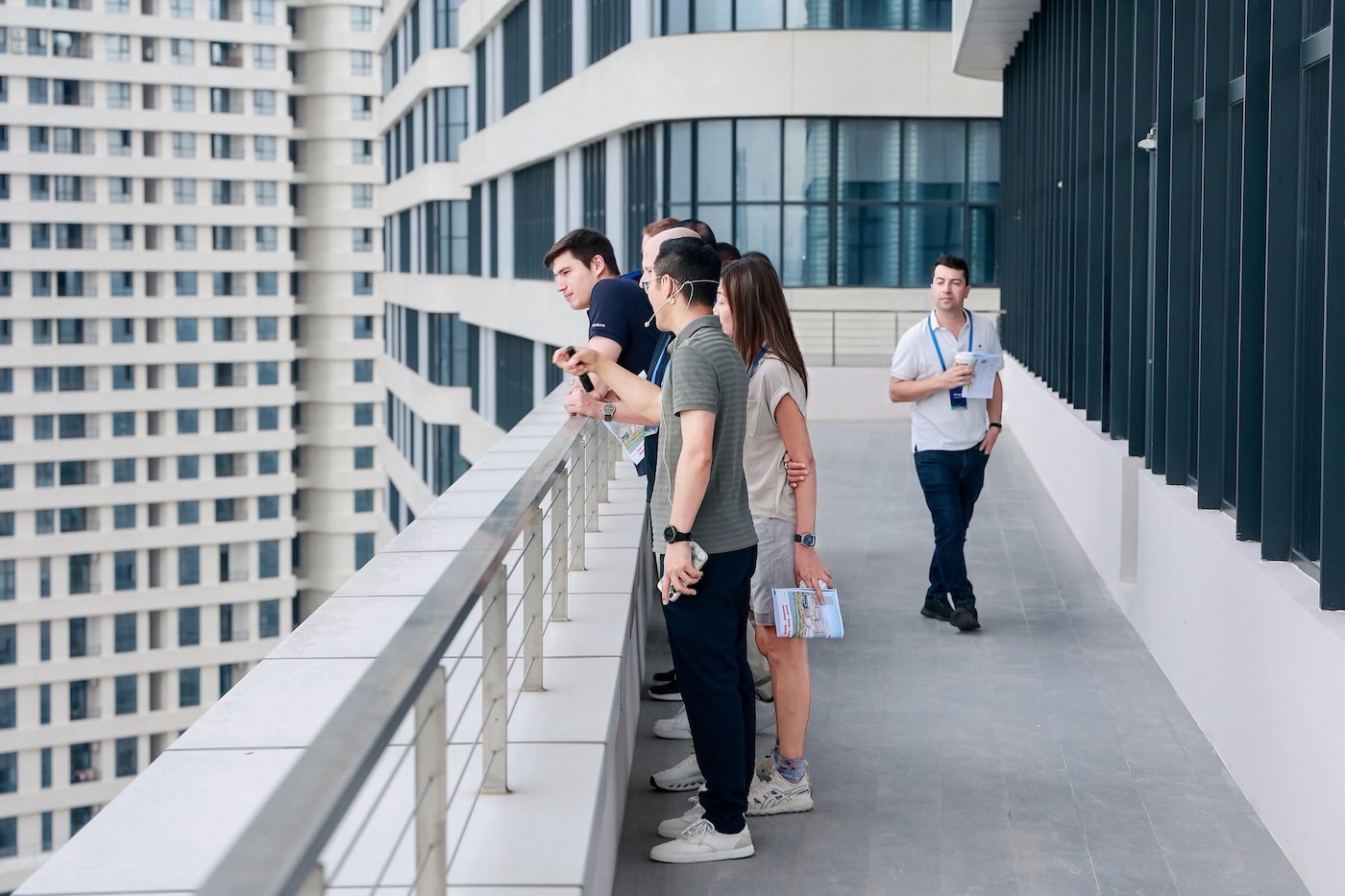
On the site, still under construction but already partly operational, an unusual scene greets us: workshops in skyscrapers, a thirty-storey staff residence with apartments every bit as well appointed as a typical Ikea interior, a business tower and a training centre. A project of this kind in Switzerland would cost hundreds of millions, if not billions…
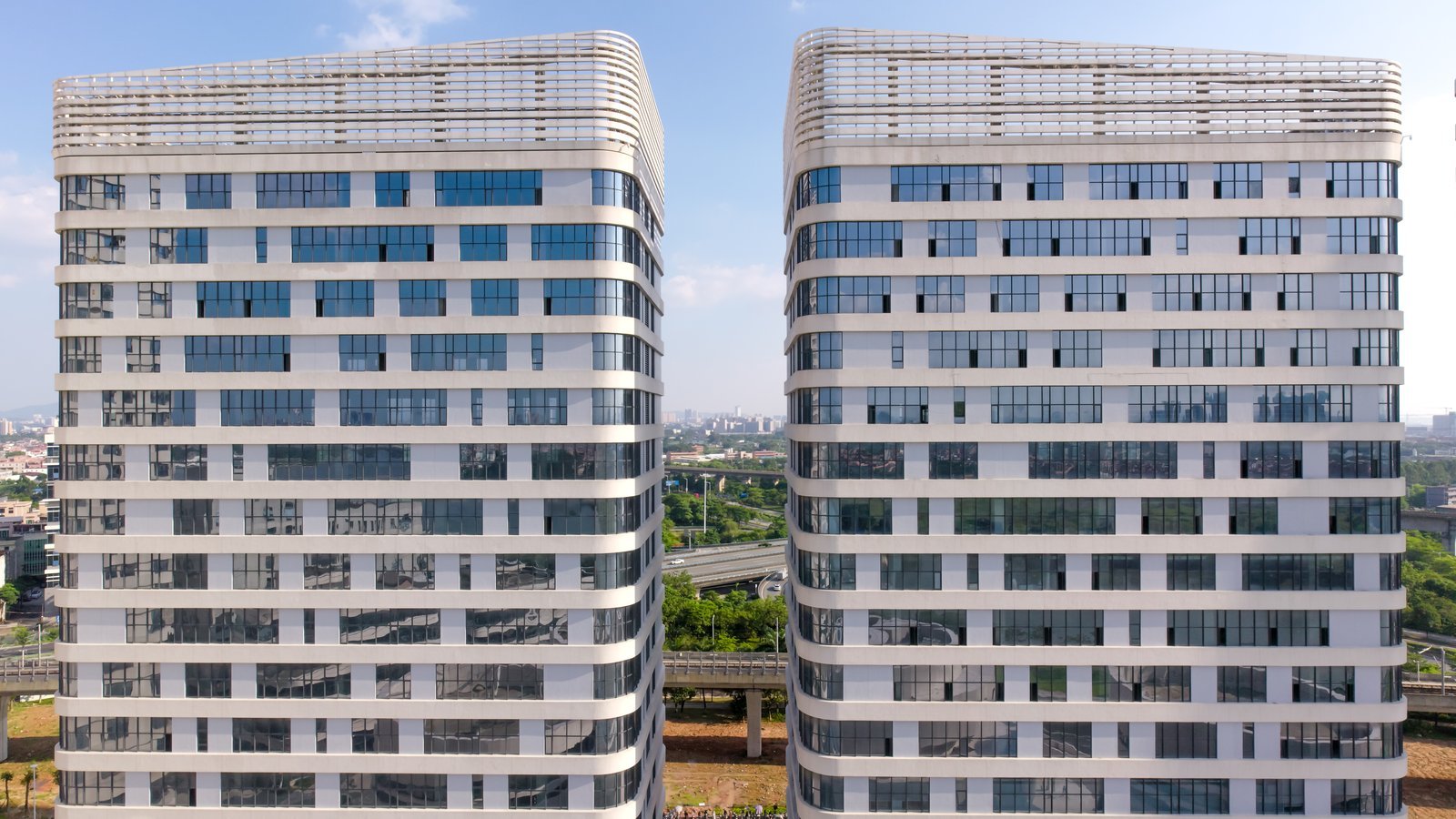
A watch case manufacturer owned by Eddie Leung has already moved into its new premises here. Other suppliers are being invited to establish specialist units, while larger production runs are set to remain within a network of manufacturing sites across the region. At the Sino Swiss Inno Park, Leung wants to bring physically closer together businesses that already work with one another, often at the cost of extensive travel and complex coordination.
“Time to market has changed so much. Here, everything will be more efficient because everything will be close by,” he stresses. In an industry that remains relatively inflexible, where development lead times matter more than ever and the lag between demand and manufacturing can cause considerable damage, this promise is a powerful selling point.
A single address in China
For a brand sourcing in Asia, the appeal is easy to understand: finding, at a single address, expertise that currently has to be sought from multiple contacts. The park does not claim it will manufacture everything itself. Much of its value is intended to come precisely from its ability to bring together and organise a network.
“Today, a brand has to find all its suppliers itself,” notes Pascal Winkelmann, Eddie Leung’s partner on the Swiss side. The ambition is to offer a point of entry, a trusted contact and the means to coordinate its project.
This coordination is already part of daily life at Dailywin and Watchelly. Pascal Winkelmann knows both sides of the relationship: he was initially a client of Eddie Leung’s before working with him. In Switzerland, Watchelly and the technical office Tribetech support development, prototyping and the transition to production. In China, the teams oversee suppliers and components, with a dedicated manager assigned to each brand.

Enquiries are coming in from many countries, driven in particular by the rise of microbrands. But turning an idea into a watch ready for delivery remains a specialist undertaking. “Clients often arrive with products they believe are almost ready to launch,” observes Diego Böttger of Watchelly. Yet technical and manufacturing challenges still need to be resolved.
Choosing a supplier is only the beginning. Tolerances must be specified, finishes approved, parts inspected, supplies organised and assembly problems anticipated. A succession of details on which the quality of the watch ultimately depends. The service consists of taking on this complexity so that brands can concentrate on design and business development.
Dailywin itself has evolved in response to these demands. Swiss made, still a marginal part of its activity a decade ago, now accounts for around 40% of its business by value, according to the group. Jewellery has also become an important part of its activity. This move upmarket provides the industrial foundation for the new park.
The Swiss made equation
Swiss made occupies a central place in this organisation. Components and kits for the watches concerned are shipped to Switzerland, where the group works with partners on assembly. Before that, considerable thought goes into how operations and costs are divided between the two countries.
Pascal Winkelmann readily returns to this subject, which is rarely discussed in such detail or so openly. The industrial balance changes according to the movement chosen, the components and the market segment. For some projects, particularly quartz watches, stamping case components in Switzerland plays an important role, before other operations are carried out in China.
“We are transparent with all our clients about what we do and where we do it,” he says. He emphasises the calculations shared with brands and the documentation of costs: “We are prepared to show the invoices for what we actually pay.”

This ability to organise production that meets Swiss made requirements is part of the service on offer. “Brands also come to us because they don’t have this expertise,” he continues.
The Sino Swiss Inno Park aims to give these exchanges a shared address. But bringing watchmaking companies together immediately raises a question: who will be able to see what? In this small, highly competitive world, proximity must not compromise confidentiality. All the more so since “Swiss made” is a highly sensitive subject, precisely because of this sourcing from China, which is pervasive in the industry but rarely advertised. Certain production areas therefore have restricted access. The success of this concentration of businesses will depend as much on trust and discretion as on equipment.
We are therefore not permitted to name the brands we see on site. We can, however, identify suppliers such as Bergeon and Trigalight among the businesses already present.
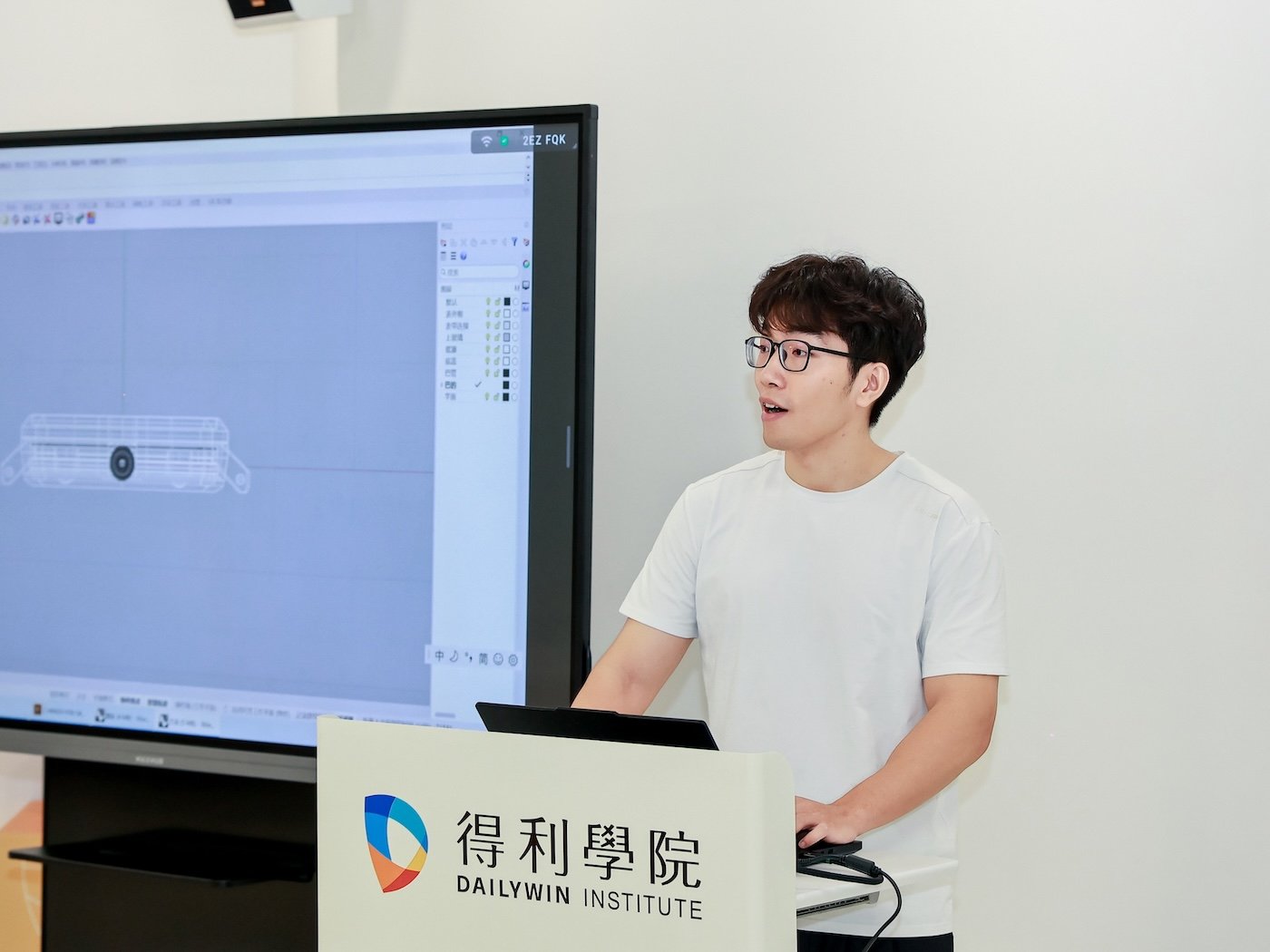
Expanding free trade
The ambition extends well beyond subcontracting. A brand could also establish a representative office, a retail outlet or an after-sales service centre here. “We help register the company and recruit staff; we take care of accounting and tax matters,” Eddie Leung explains. Employment contracts, logistics, administrative procedures: the team aims to simplify the process of setting up in China.
After-sales service offers a particularly tangible opportunity. Some watches taken in for servicing in China still have to pass through Hong Kong before being shipped abroad. Carrying out more work locally would shorten these routes and simplify follow-up. “We could do everything here,” the entrepreneur believes.

The bilateral context is also opening up opportunities. Negotiations to expand the Switzerland–China free trade agreement concluded in August 2026. The text still has to be signed and go through approval procedures before its new provisions enter into force. Eventually, 99.8% of current Swiss exports could benefit from duty-free access to China.
The expanded agreement also covers services, e-commerce, trade facilitation and market access for Swiss investors. These developments could support the plans to establish operations and develop sales for which the park hopes to provide a base.
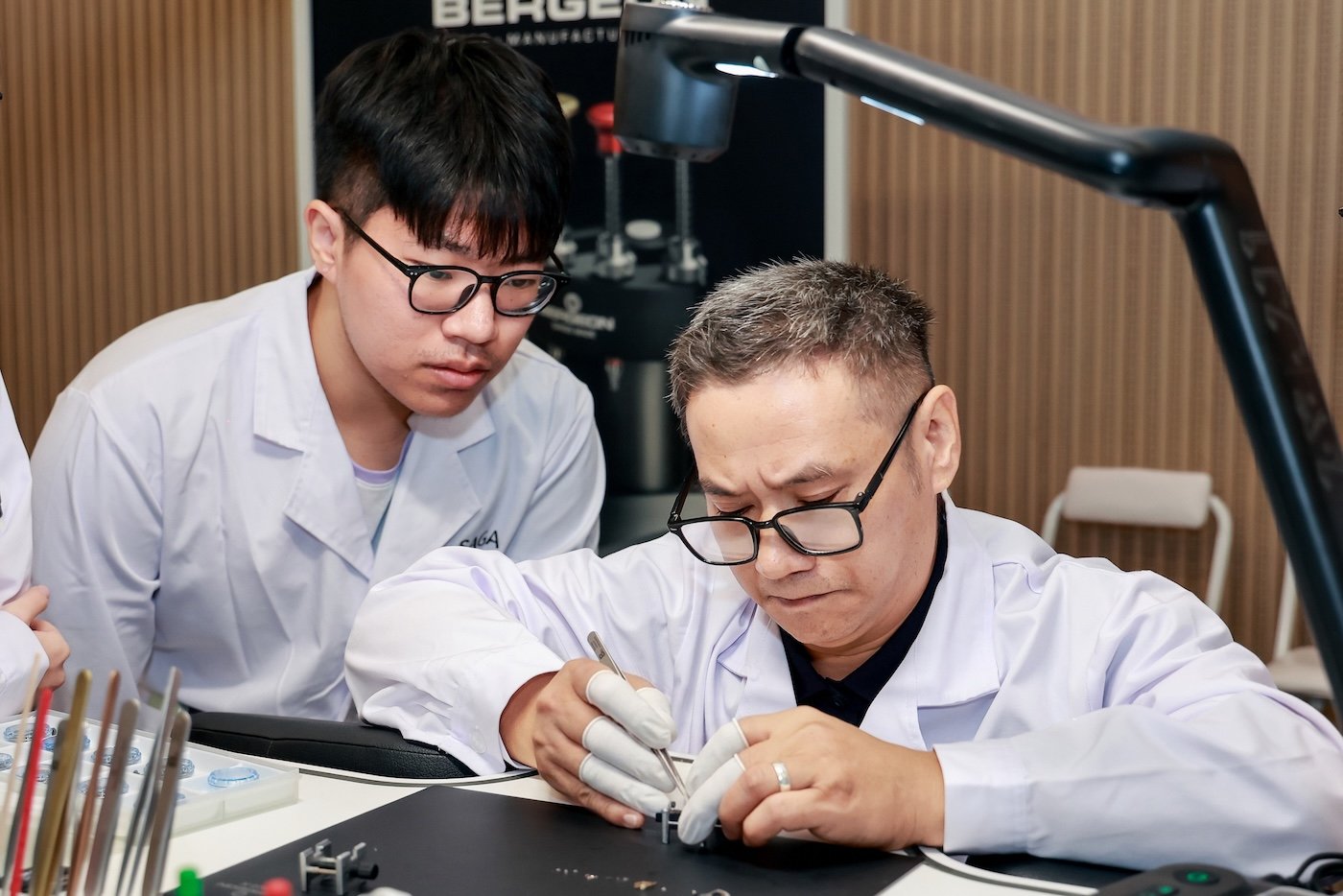
The first-mover challenge
“Many brands are interested, but they are waiting to see other businesses move in,” observes Eddie Leung. This is the challenge for a place that relies on the presence of numerous businesses at once: each will be easier to persuade once the others are established. Dailywin’s existing clients will undoubtedly be among the site’s first occupants.
The project has weathered Covid, followed by the difficulties of China’s property market. Between its conception and the arrival of its first occupants, the economic environment has changed profoundly.
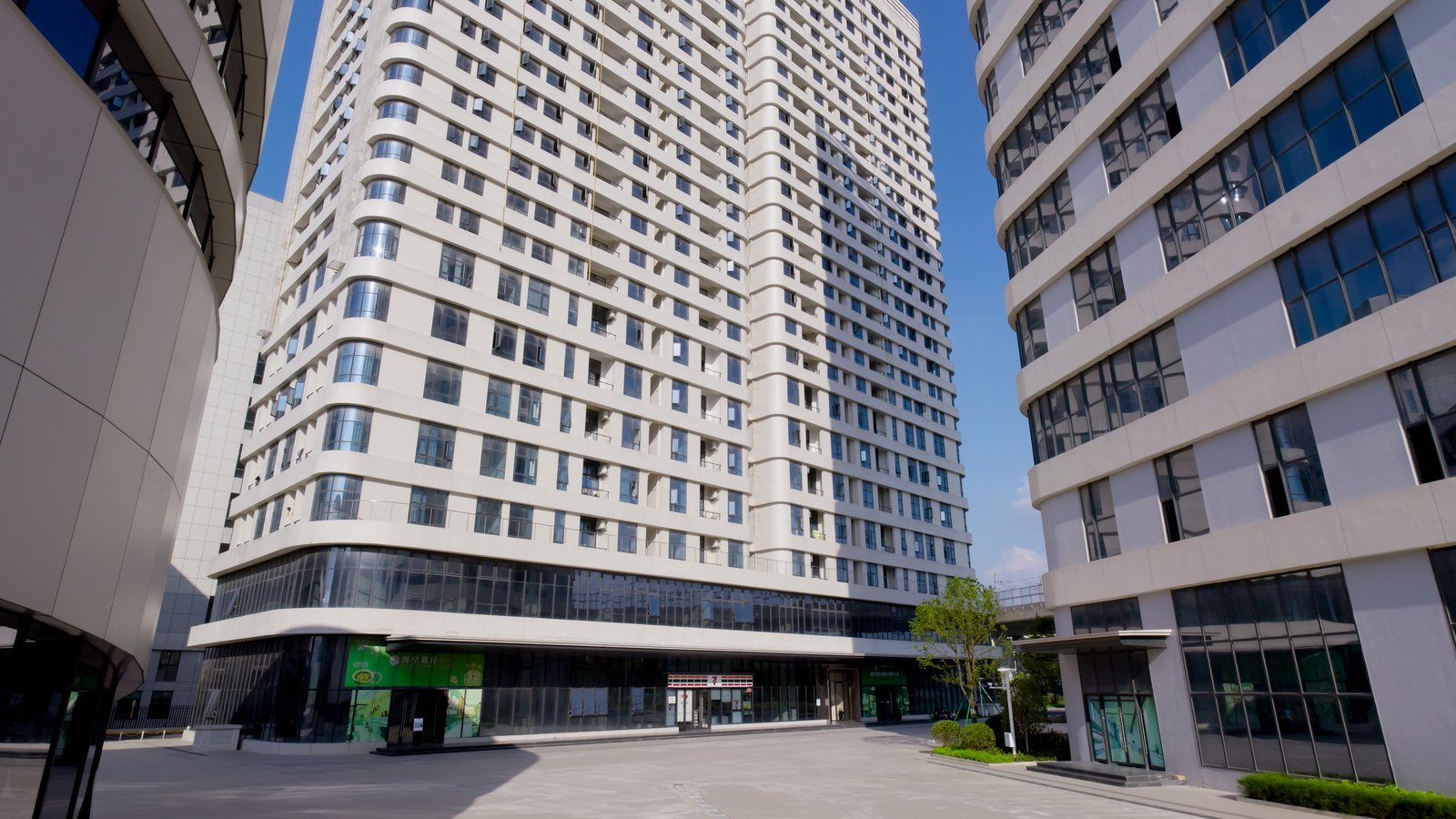
The idea began to take shape in 2017, design work continued in 2019 and ground was broken in May 2021. The investment, initially envisaged at around CHF 50 million, has now reached some CHF 80 million. Eddie Leung stresses that he is committing his own funds and those of his company, with bank financing. The authorities facilitate procedures and support the park’s development, but he reports no direct subsidy at this stage.
“It is our money, but I believe in this project for the long term. We cannot rush things,” he says. He knows it will take time to fill the premises and establish their reputation. Dailywin went through a comparable phase in Switzerland: “Nobody knew us.” Credibility was earned gradually, through relationships and successfully completed projects.
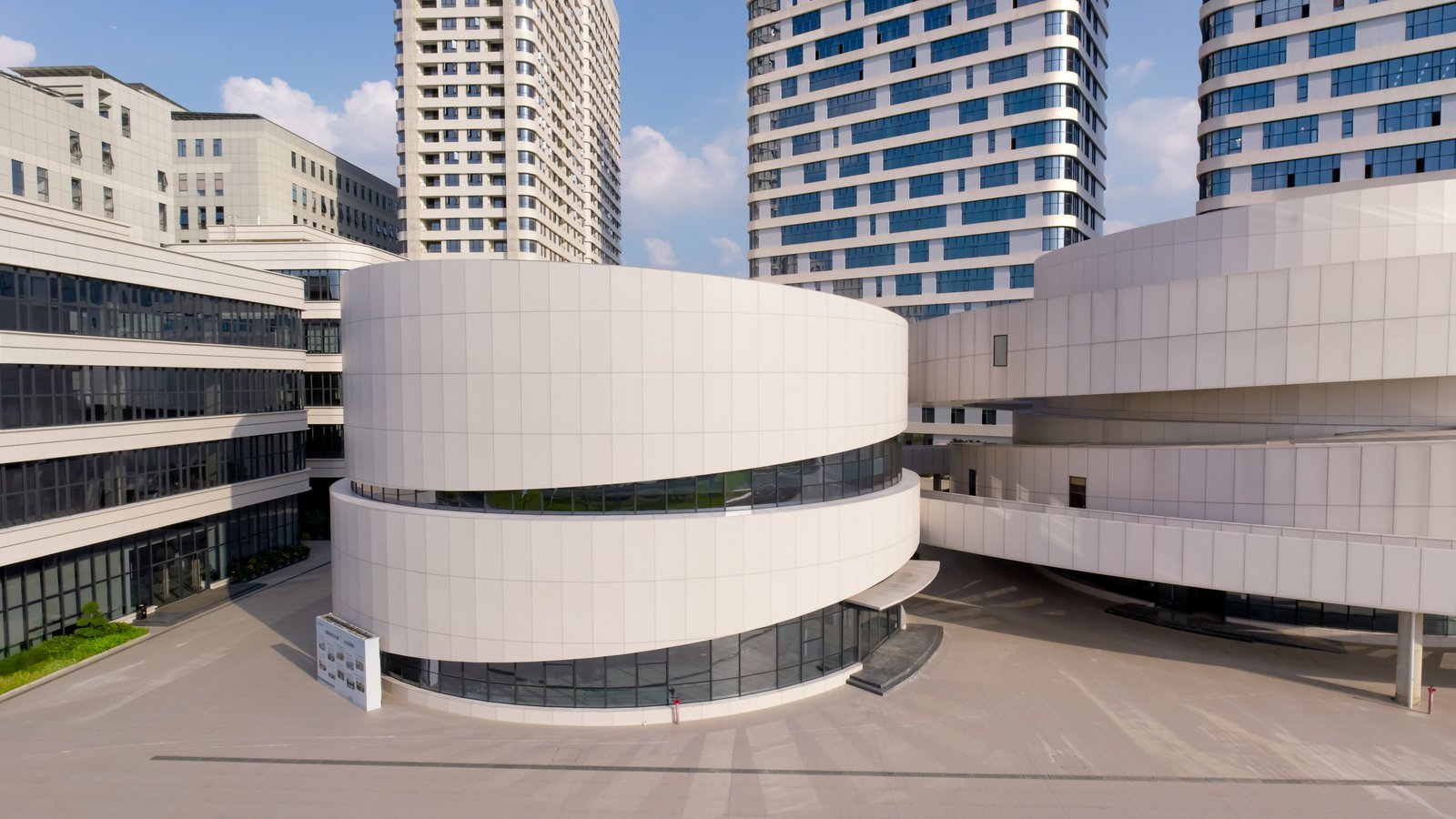
The museum: key to the project’s success
The next impetus, however, will be cultural rather than industrial. At the heart of the park, a museum will tell the story of time measurement. Its opening is announced for November 2026, ahead of the official inauguration of the whole complex, planned for May 2027.
The content is being developed with the National Time Service Center of the Chinese Academy of Sciences. The visitor journey will reach back to the Big Bang and make extensive use of artificial intelligence and virtual reality. The aim is to place the watch within a much broader history: that of the ways humanity has devised to observe, measure and organise time, with particular attention to Chinese inventions.
“The museum is essential,” Eddie Leung insists. The entrepreneur is targeting half a million visitors a year. School groups are central to this ambition. Passing on an enthusiasm for watchmaking to younger generations matters deeply to him; their visits should also help bring the site to life. The park is counting on support from the city’s tourism authorities and travel agencies to attract a wider audience, including visitors from abroad.
Why would someone come to an industrial complex to buy a watch? The museum is intended to provide part of the answer. Visitors might come for a tour, then discover a brand, enter a boutique or attend a presentation. Product launches, encounters with independent watchmakers and perhaps a watch fair could enrich the programme.
Conference facilities, private lounges and accommodation should also enable the park to host professional gatherings. The proposed business model rests on rents, museum admissions and commissions on online sales, particularly through livestreaming, a very popular way to shop in China. The complex therefore has its own recording studios.
Eddie Leung is counting on a virtuous circle: the public should attract brands, which should in turn make the place more appealing. The museum will therefore be much more than a cultural showcase. It is expected to be one of the park’s driving forces.
One man’s vision
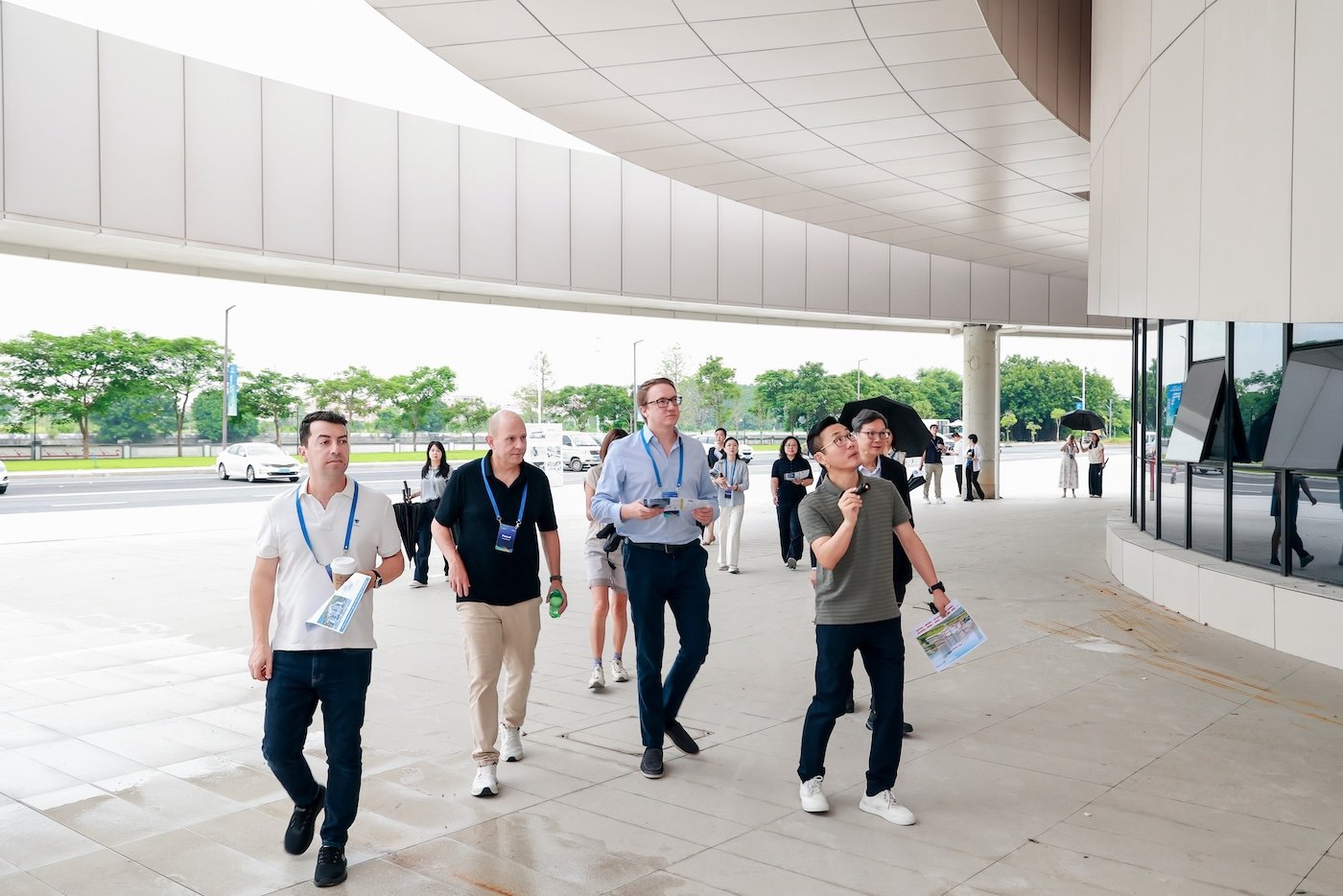
What strikes us during this visit is the breadth of the project. Eddie Leung wants to bring together the subcontractor and the brand, the workshop and the boutique, the professional seeking to resolve a production problem and the schoolchild discovering how a watch works.
The challenges match the scale of the ambition. More companies will have to be persuaded, their confidentiality guaranteed, visitors attracted and possible events turned into regular fixtures. The proximity of the buildings will not, in itself, create a watchmaking community.
But the entrepreneur has a foundation to build on: decades of industrial relationships, manufacturing facilities he continues to modernise and a new generation of the family now working alongside him. At a time when groups are diversifying their sourcing, he is betting on the depth of expertise accumulated in China and how it complements that of Switzerland.
A watchmaking utopia? Perhaps. In Dongguan, it already has its buildings. It still has to become a city.