
 Español
 Français
 Pусский
 繁體中文
繁體中文 简体中文
简体中文 Select another language


ounded in 1957, Casio existed long before it entered watchmaking. And it still does. Beyond watches, the company remains active in electronics, machine tools and musical instruments. One of its latest flagship launches is the Moflin, an endearing AI-powered companion robot designed to interact emotionally with its owner. And who hasn’t had a Casio keyboard at home at some point? This diversity has helped the group generate more than 260 billion yen ($1.66 billion) in revenue and employ approximately 8,300 people worldwide.

Yet watchmaking has become an increasingly strategic pillar within Casio’s product mix. In the face of the smartwatch wave — a segment to which it might have seemed particularly exposed — the brand has proven more resilient than many expected. This resilience stems from two sources: its Casio Vintage collections, hugely popular among younger generations for their distinctive retro-futuristic aesthetic, and its flagship G-Shock line, which has effectively evolved into a brand of its own.

Today, watches account for more than 60% of total group revenue. They are the company’s primary profit engine, offsetting economic headwinds in other divisions (Consumer, System Equipment, Others).

Casio has long distinguished itself through its ability to democratise technology — from the first fully electric compact calculator to digital cameras — remaining faithful to its twin credo of “creativity” and “contribution” (to society). Its stated purpose is the following: “Through the power to put wonder at hand, bring new levels of joy to lives one by one.” This philosophy stands in stark contrast to the increasingly exclusive trajectory of high-end Swiss watchmaking, where volumes shrink as average prices soar.

One of the most sought-after expressions of this “democracy at your fingertips” — or, quite literally, at your finger — is the playful G-Shock nano, launched in November 2025. This strikingly miniaturised ring watch is an ultra-compact reinterpretation of the iconic 5600 series, designed to be worn on the ring finger — a true declaration of love for Casio. Reduced to roughly one-tenth the size of the original, the G-Shock nano faithfully replicates the aesthetic proportions of the DW-5600 while retaining core functions: 20-bar water resistance, shock resistance, LED backlighting and world time. The project encapsulates Casio’s ethos: bold engineering, playful creativity, accessibility and a willingness to challenge conventional codes.
From Yamagata to the world: the Casio method
Even so, Casio is not insulated from broader shifts in the global watch industry. It, too, is experiencing a form of premiumisation — albeit expressed through industrial mastery rather than exclusivity. Nowhere is this more tangible than in Yamagata Prefecture, specifically in the quiet town of Higashine in northern Japan.
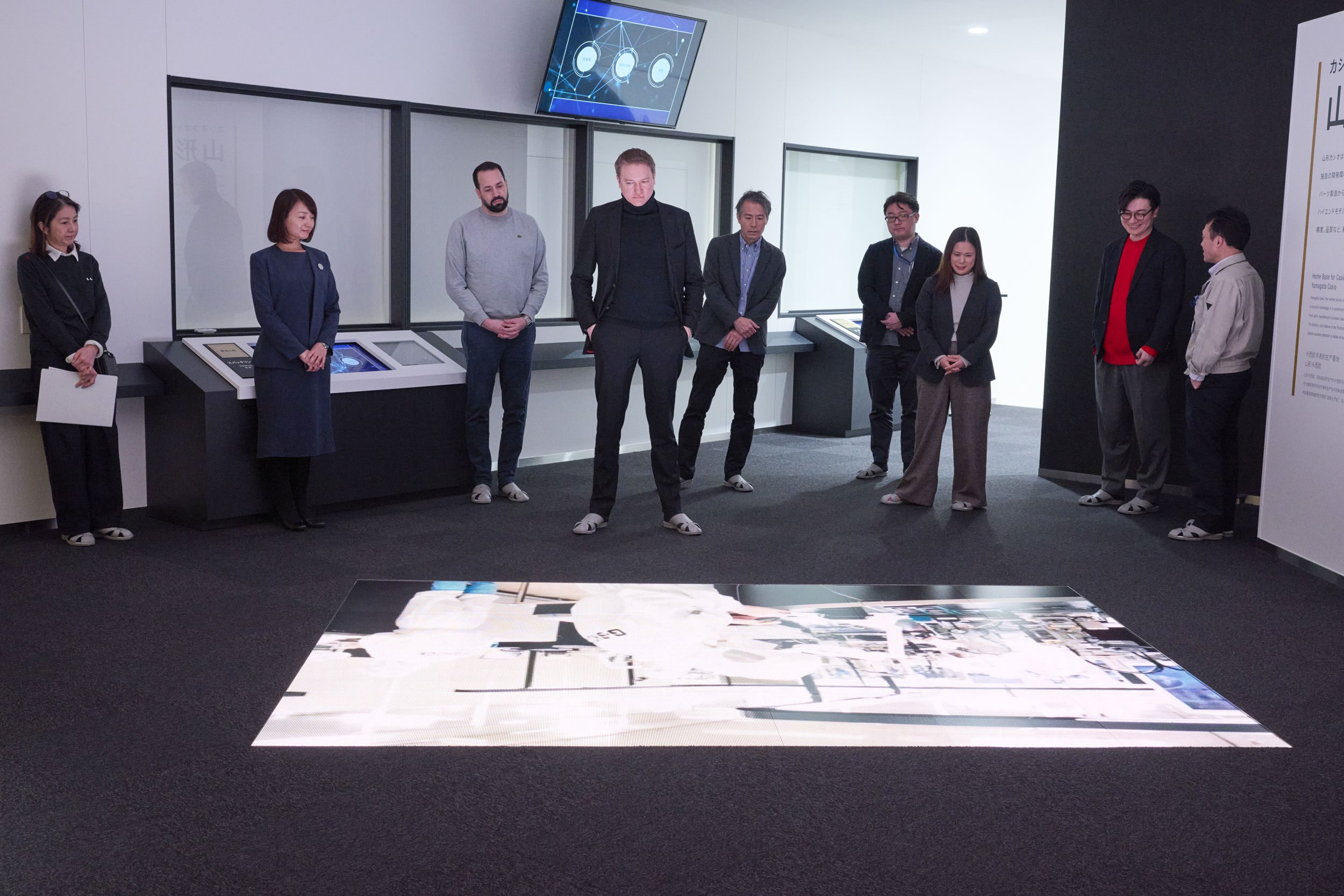
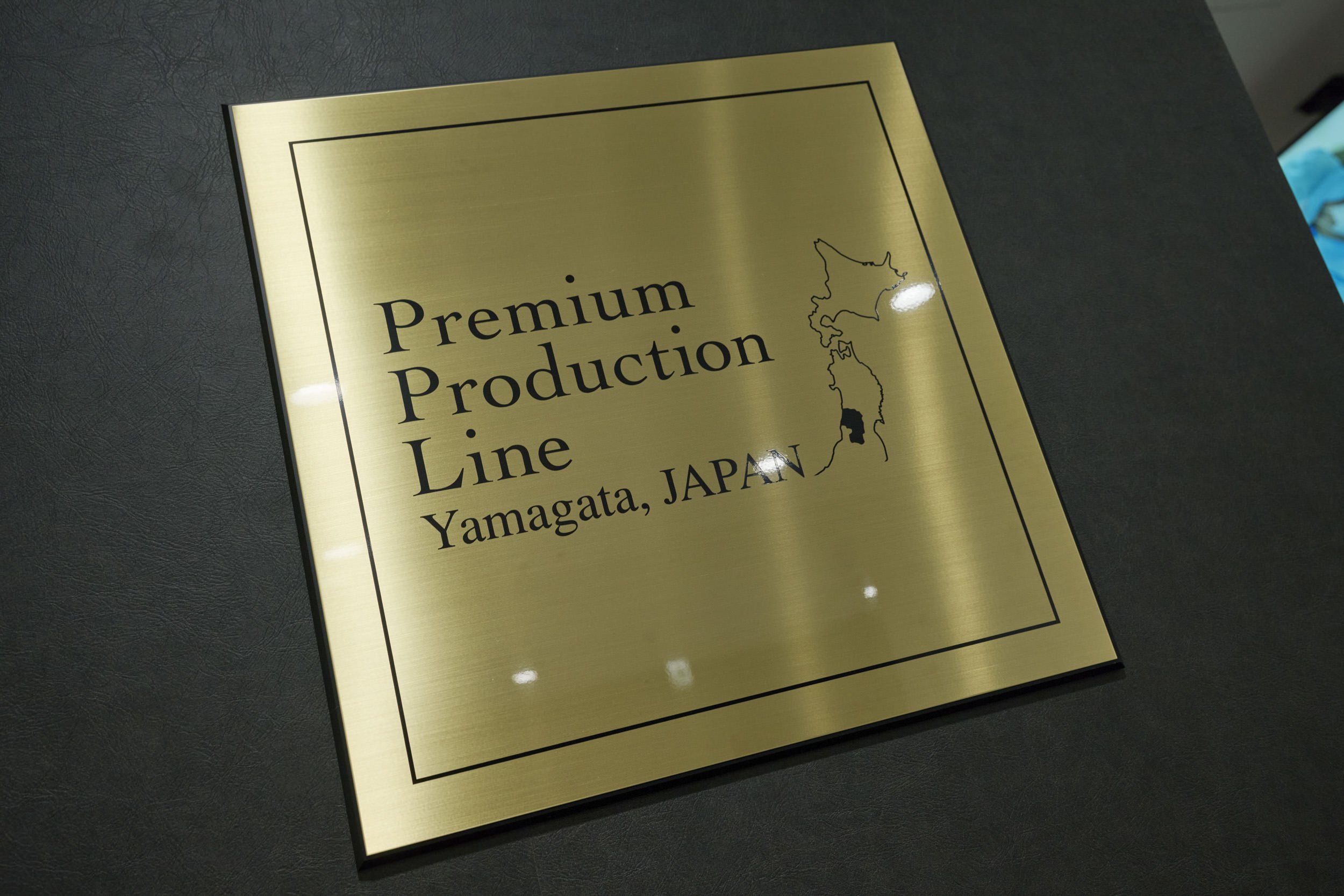
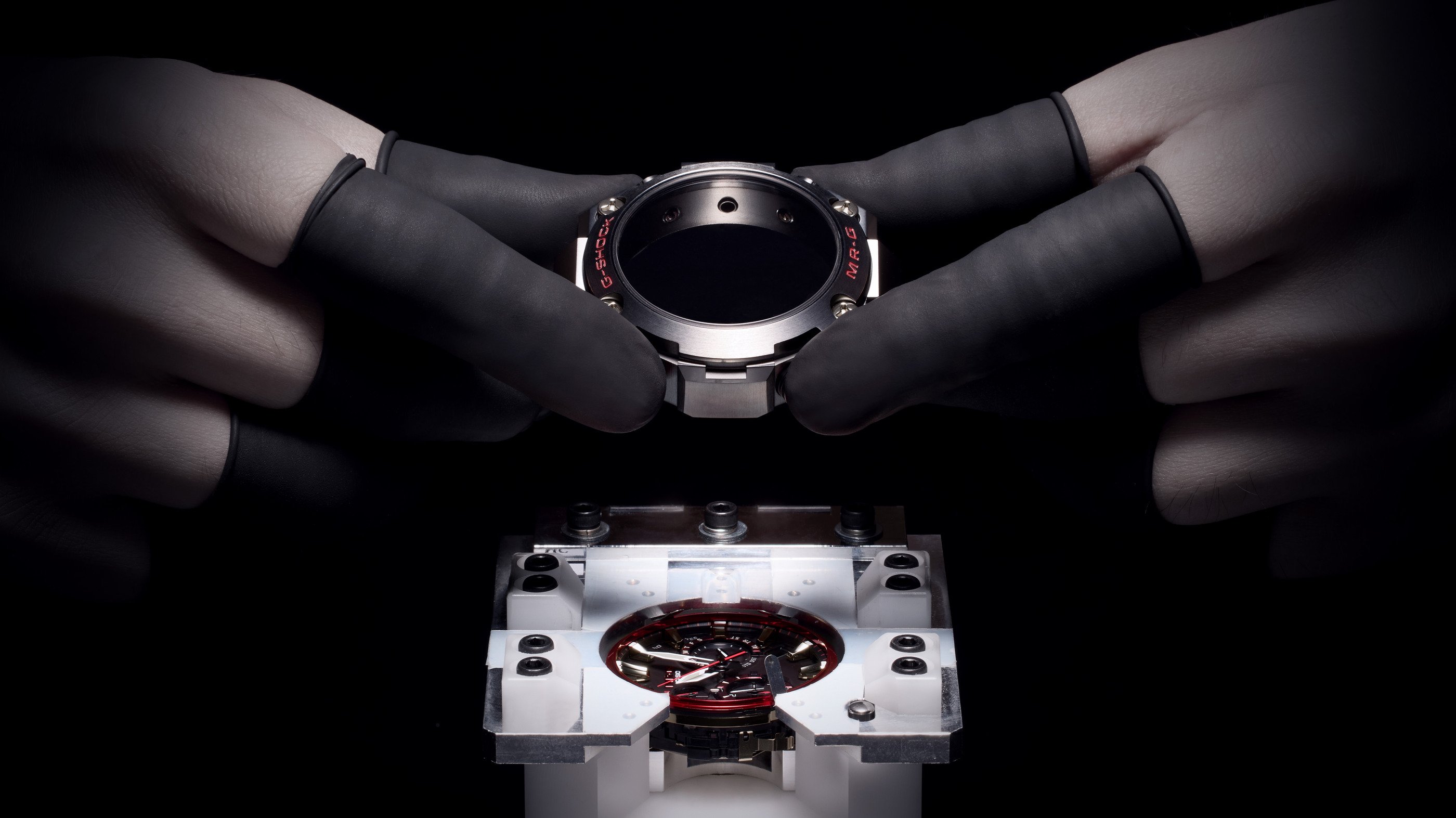
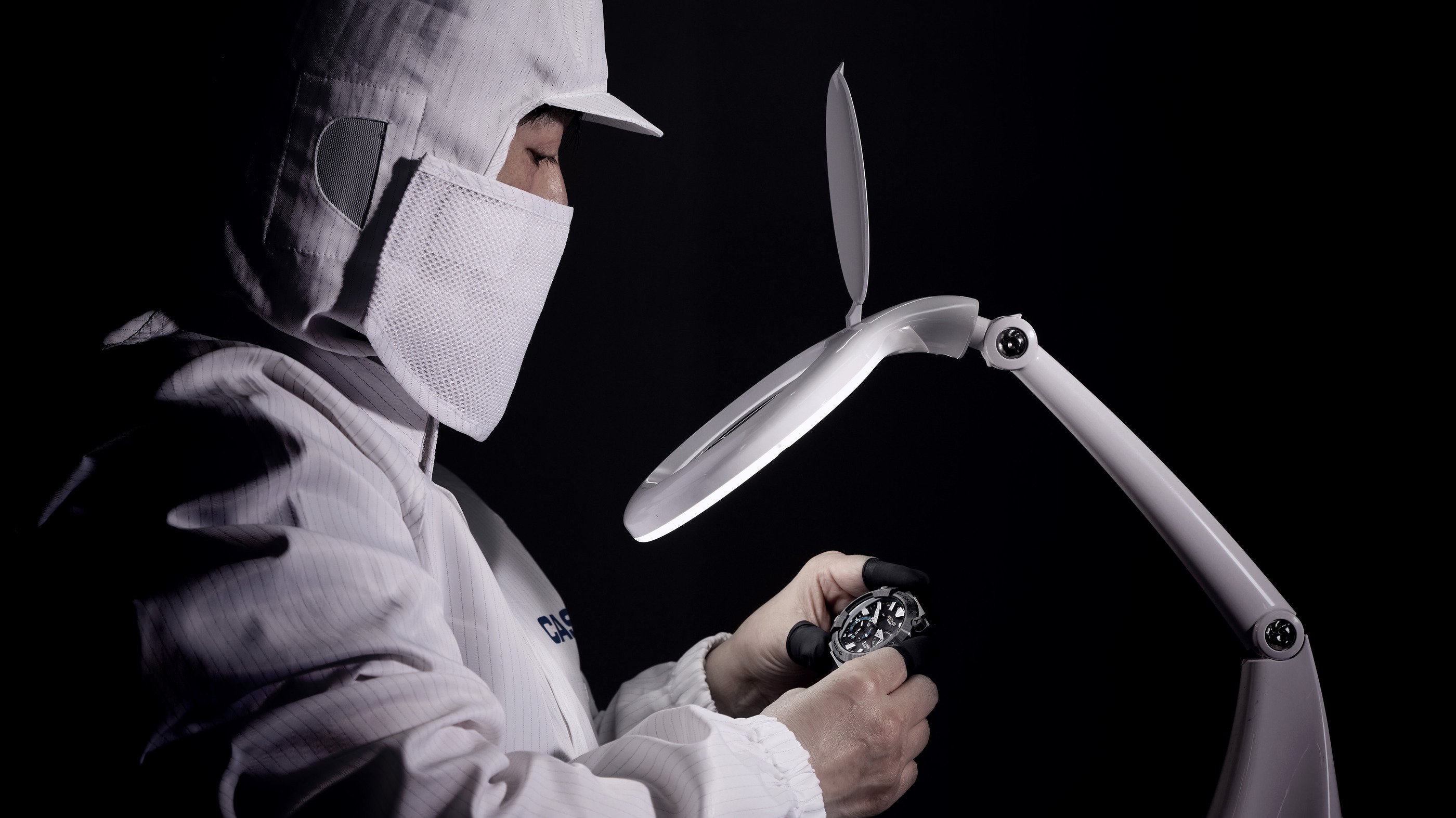
Yamagata Casio is far more than a simple assembly plant. It serves as the group’s “mother factory”, tasked with developing and disseminating industrial expertise across other sites, while remaining the exclusive production facility for its most high-end models.
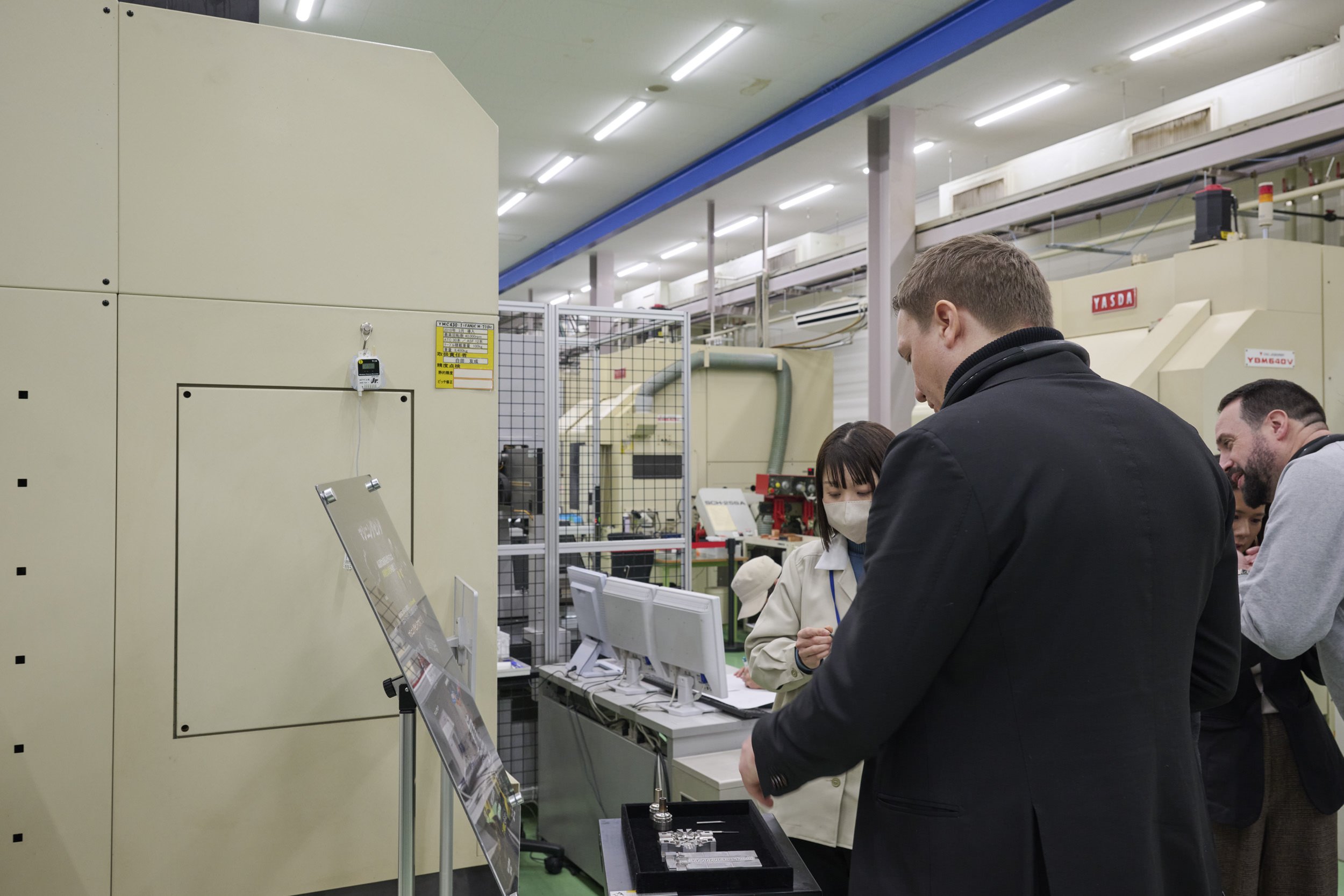
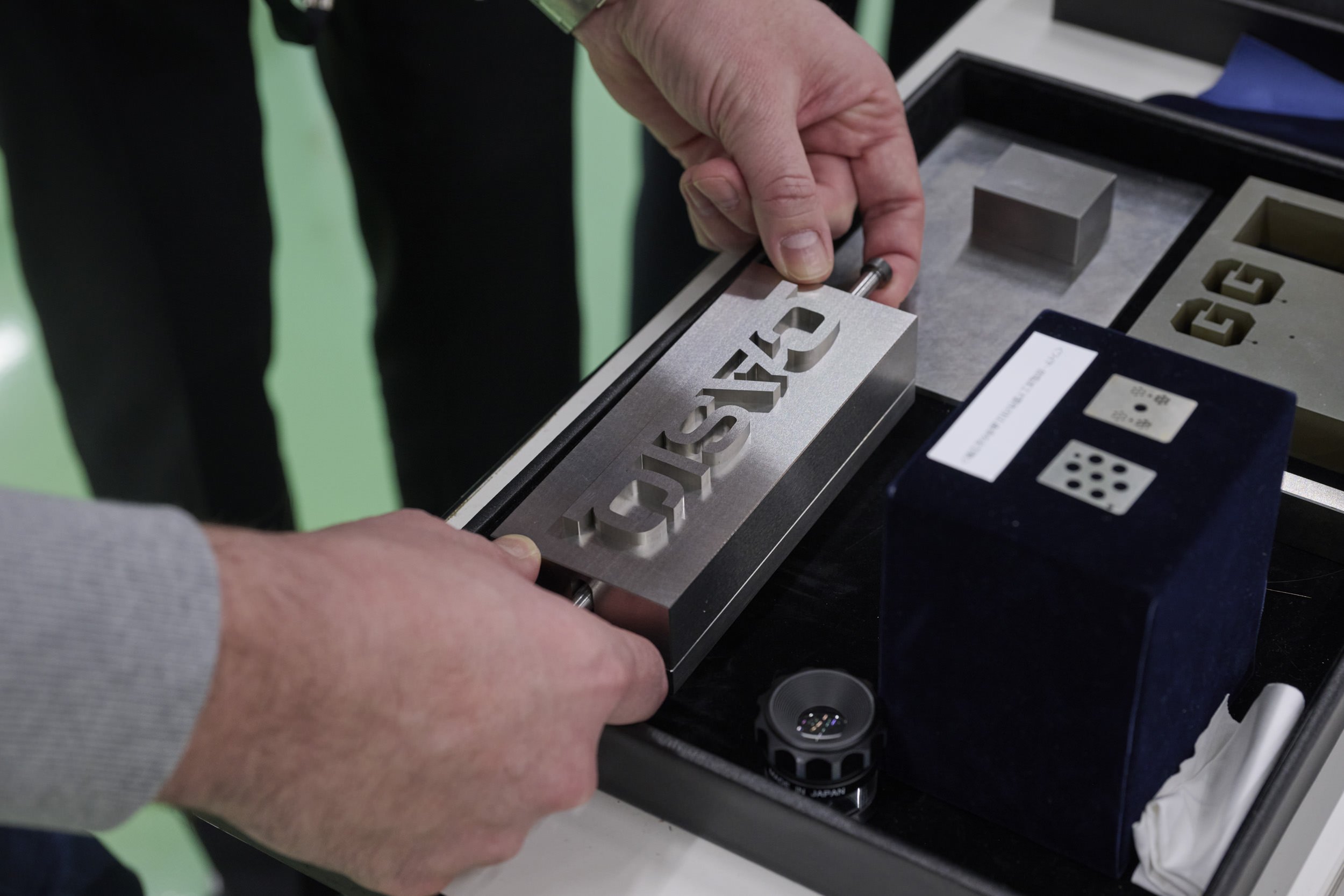
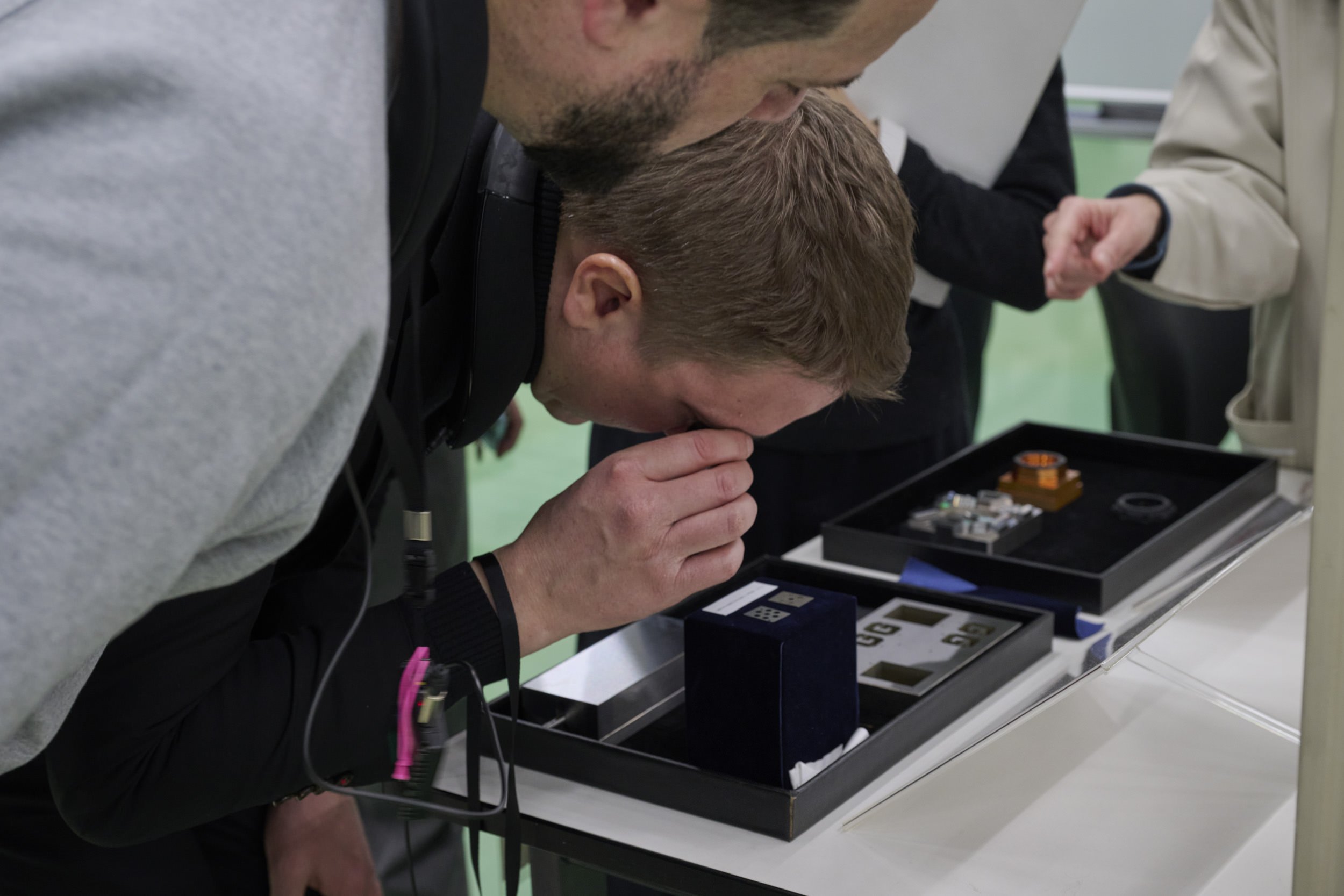
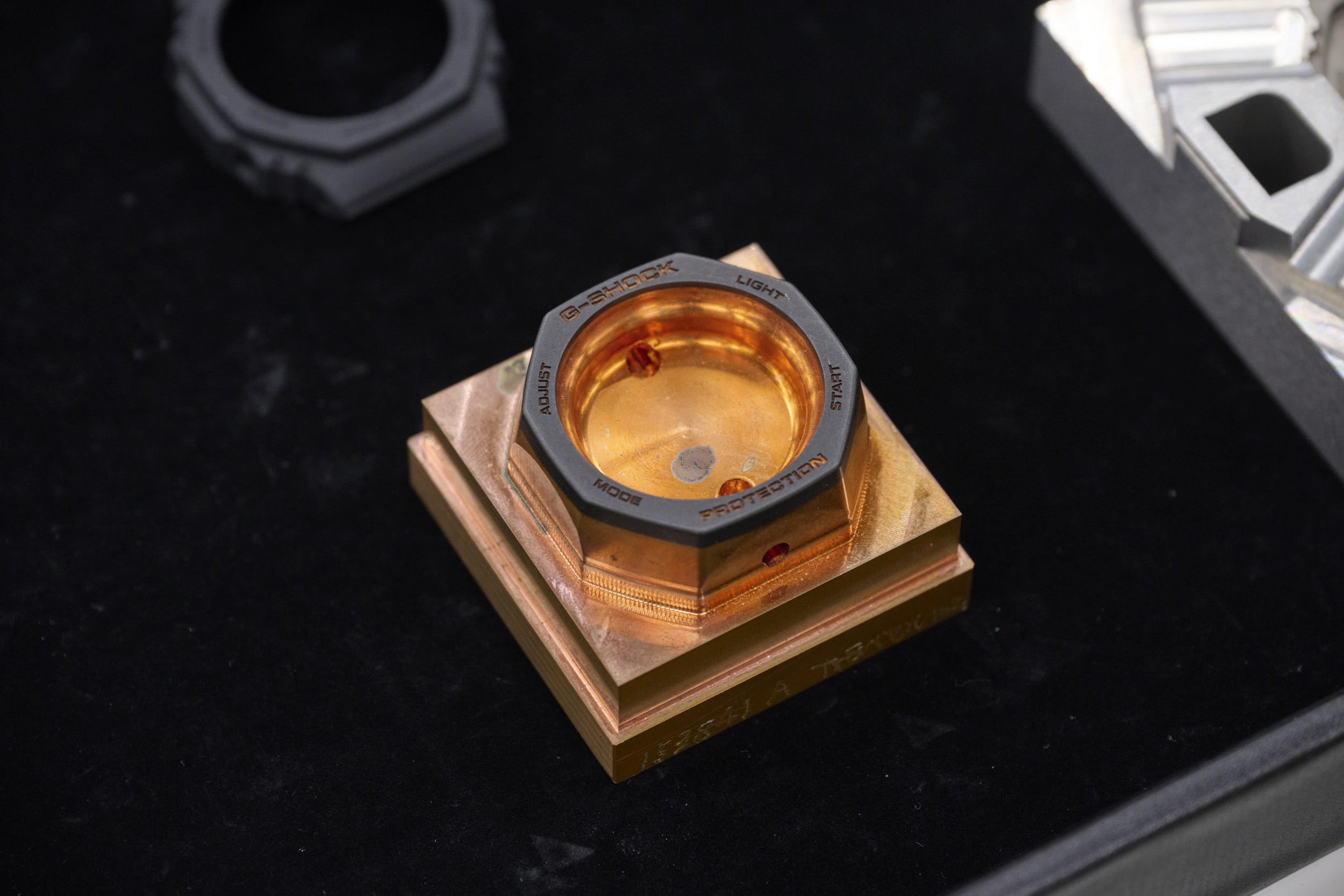
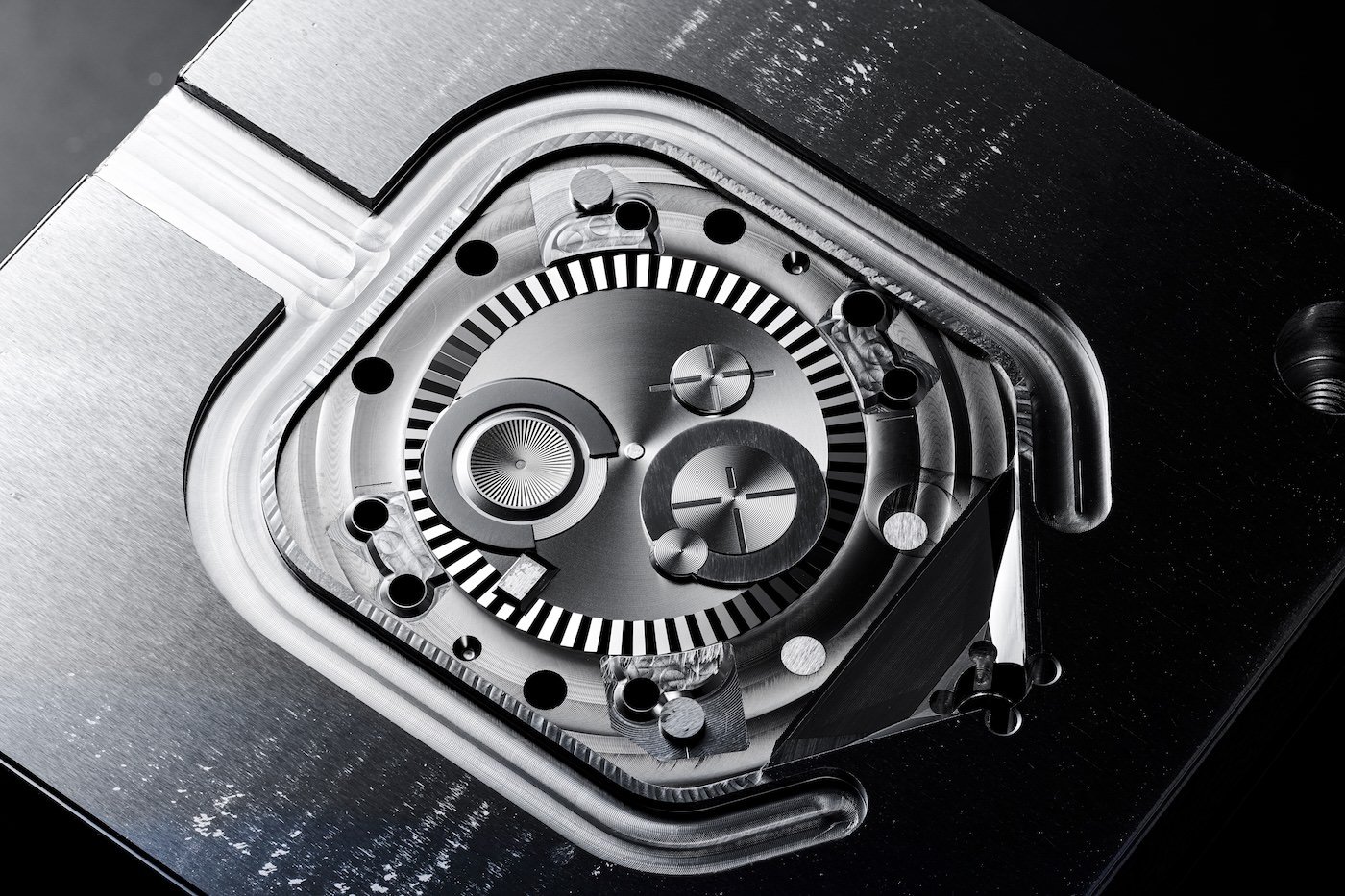
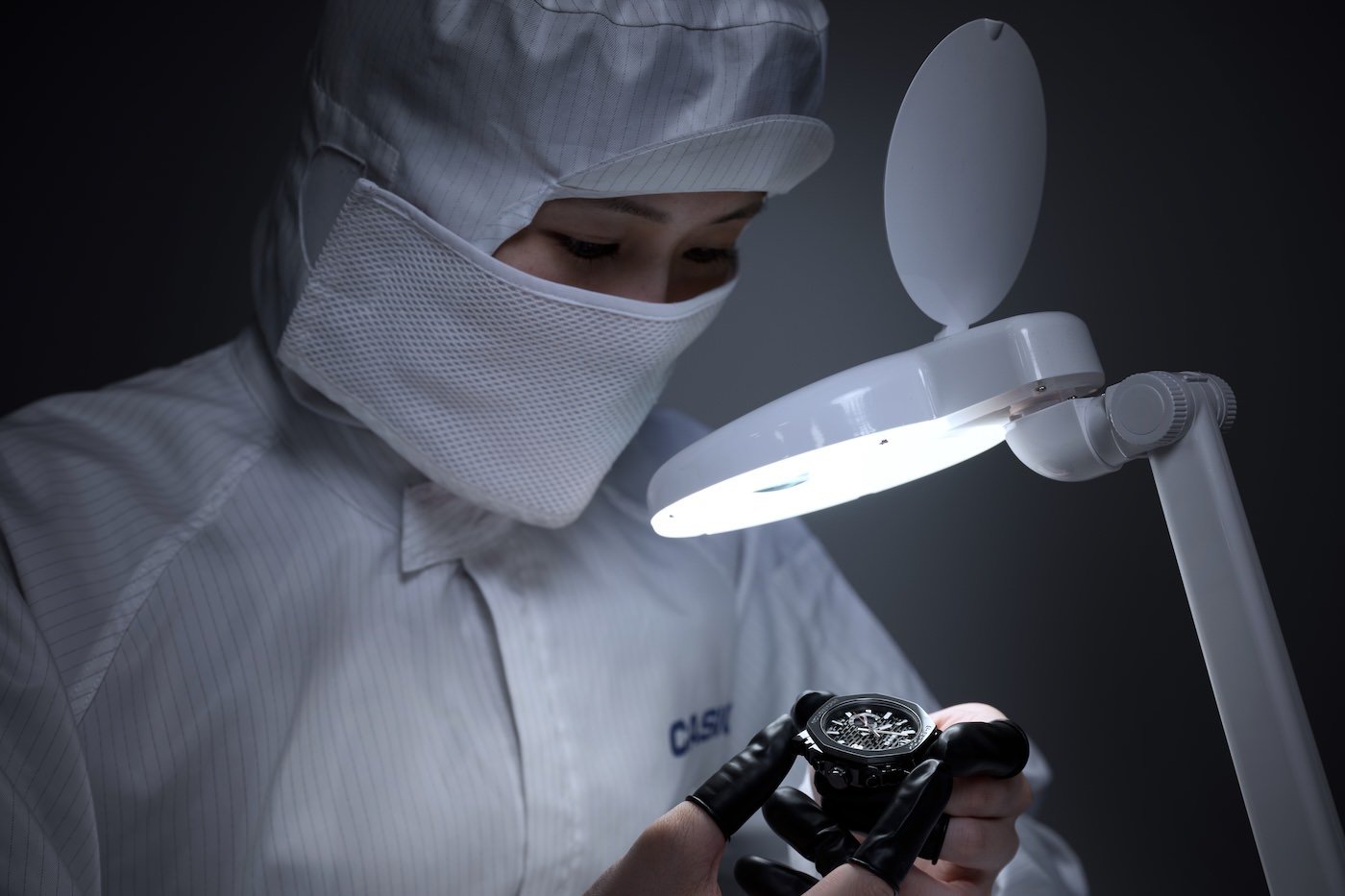
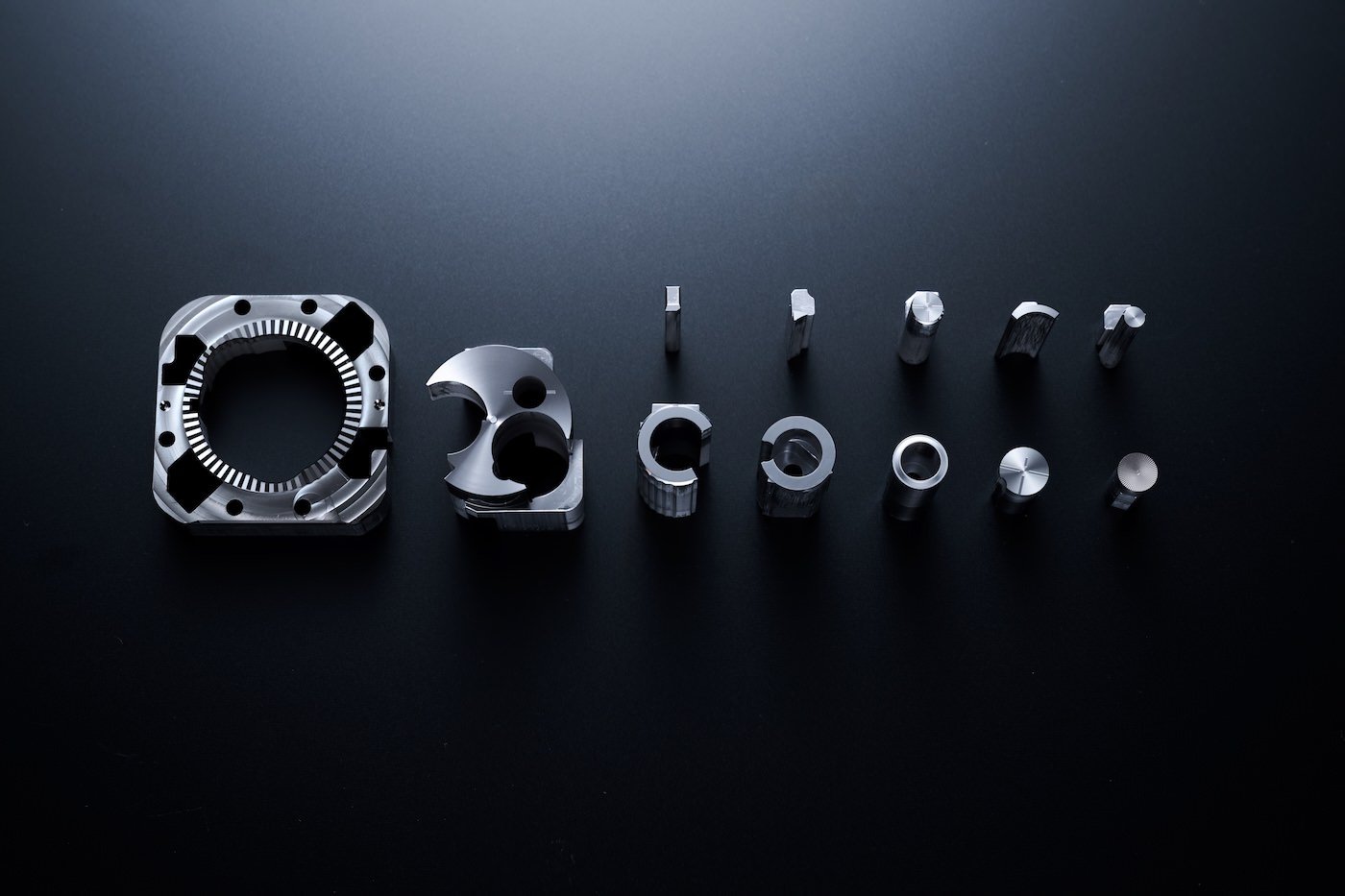
In 2018, Casio inaugurated Building G, a facility entirely dedicated to watch production. It houses a fully integrated industrial continuum, from mould design to nanometric ultra-precision machining, through to final assembly. Production lines run continuously around the clock, while high-end models are assembled on a dedicated line meeting ISO 5 cleanroom standards - a level more commonly associated with semiconductor manufacturing than with watchmaking.
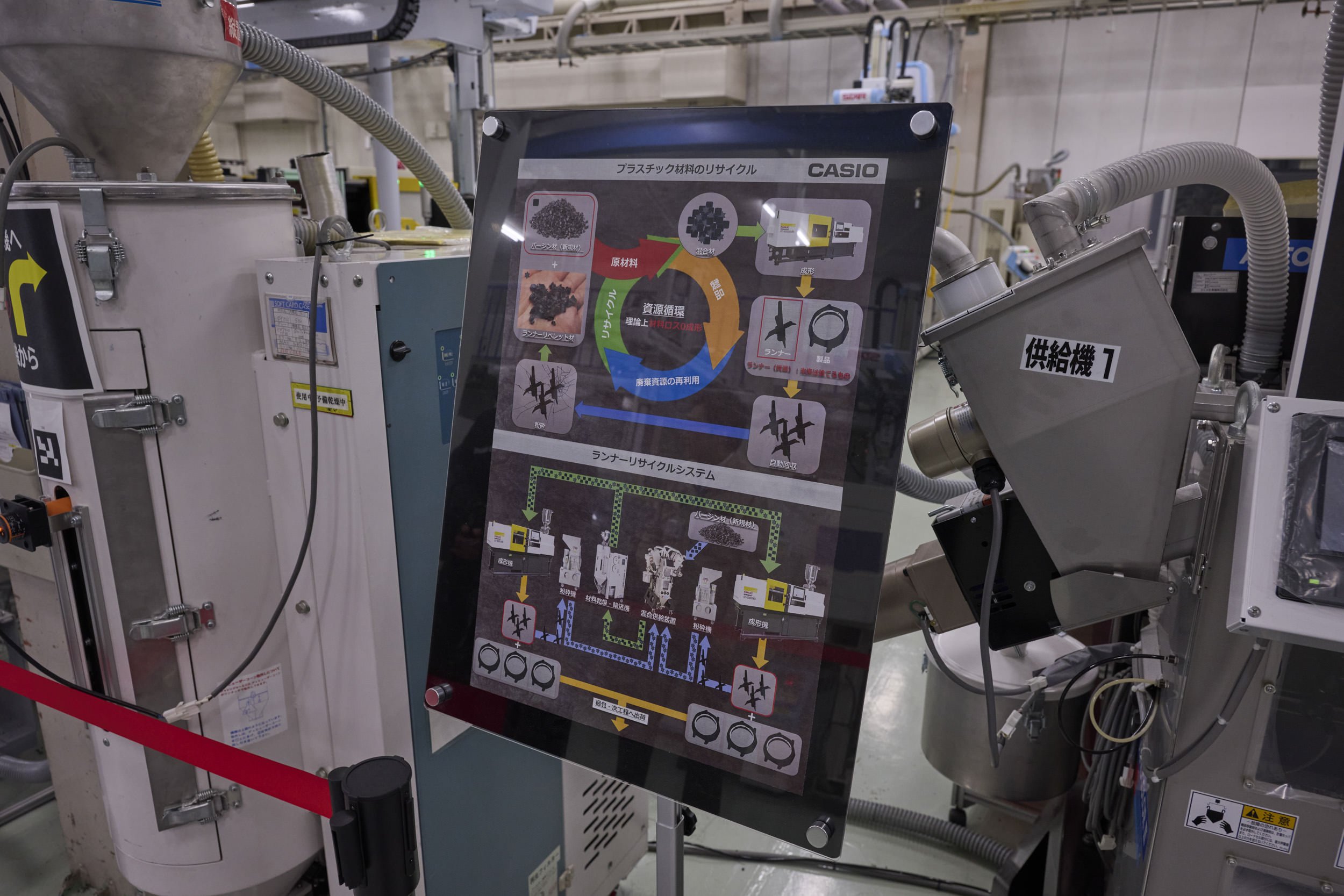
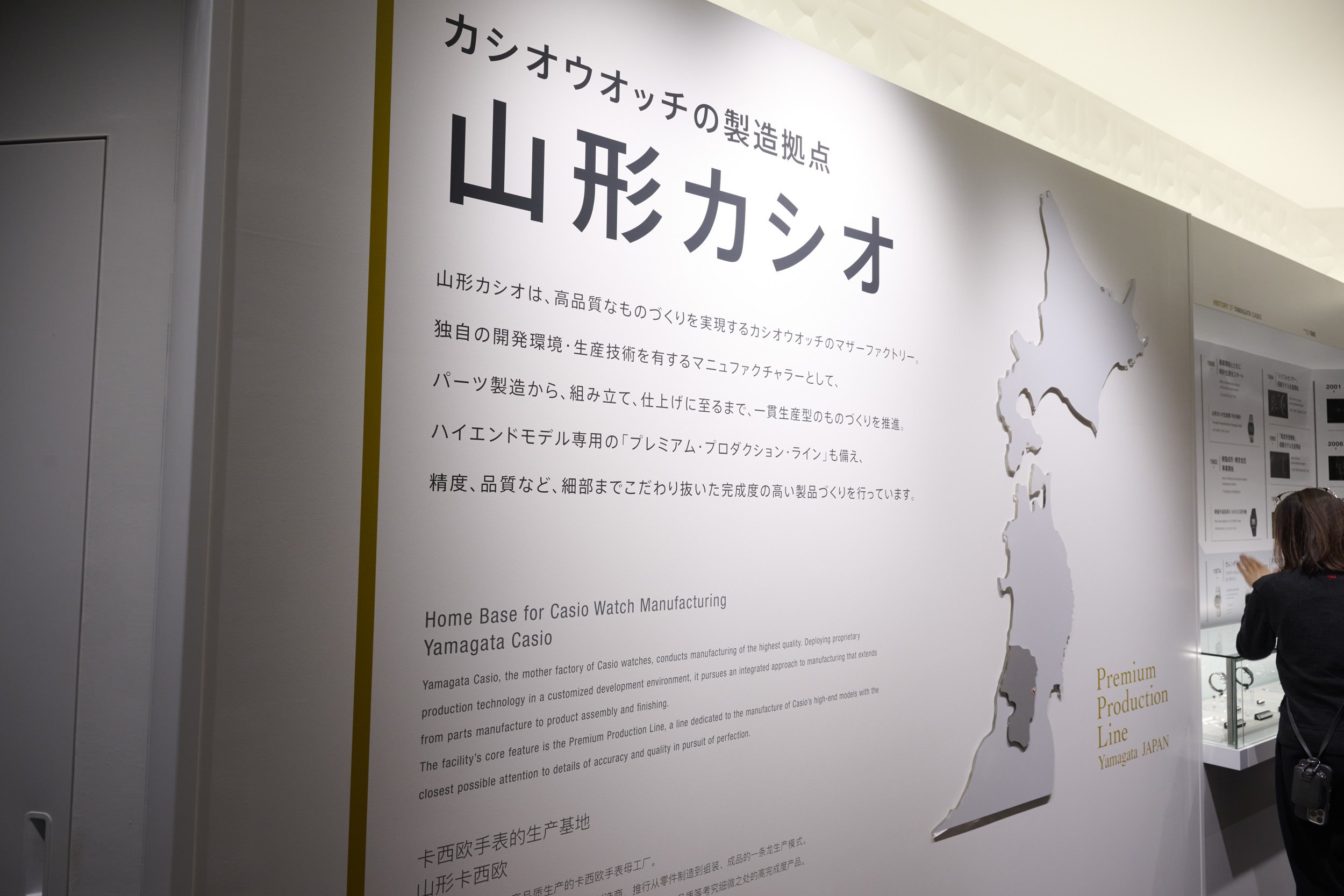
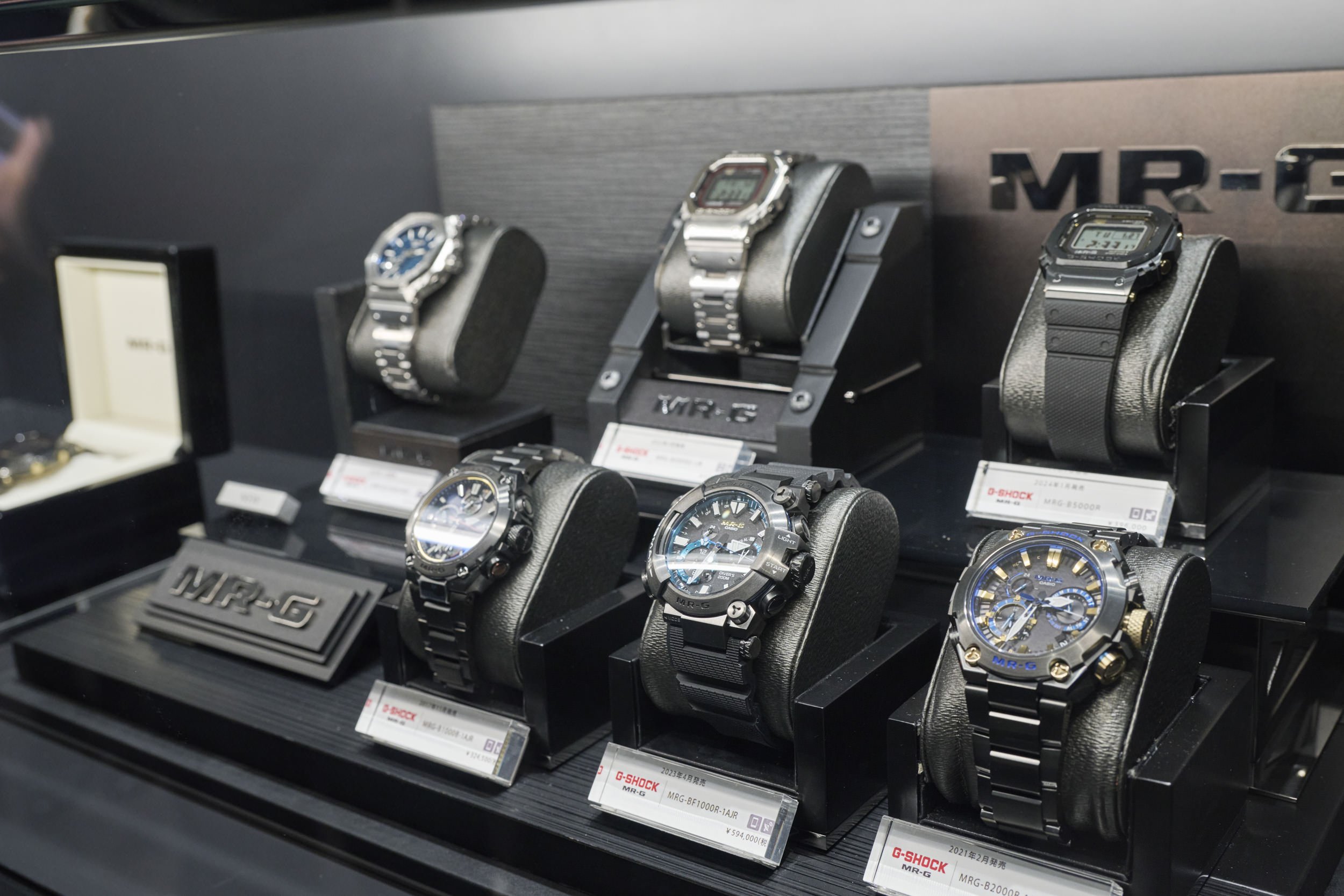
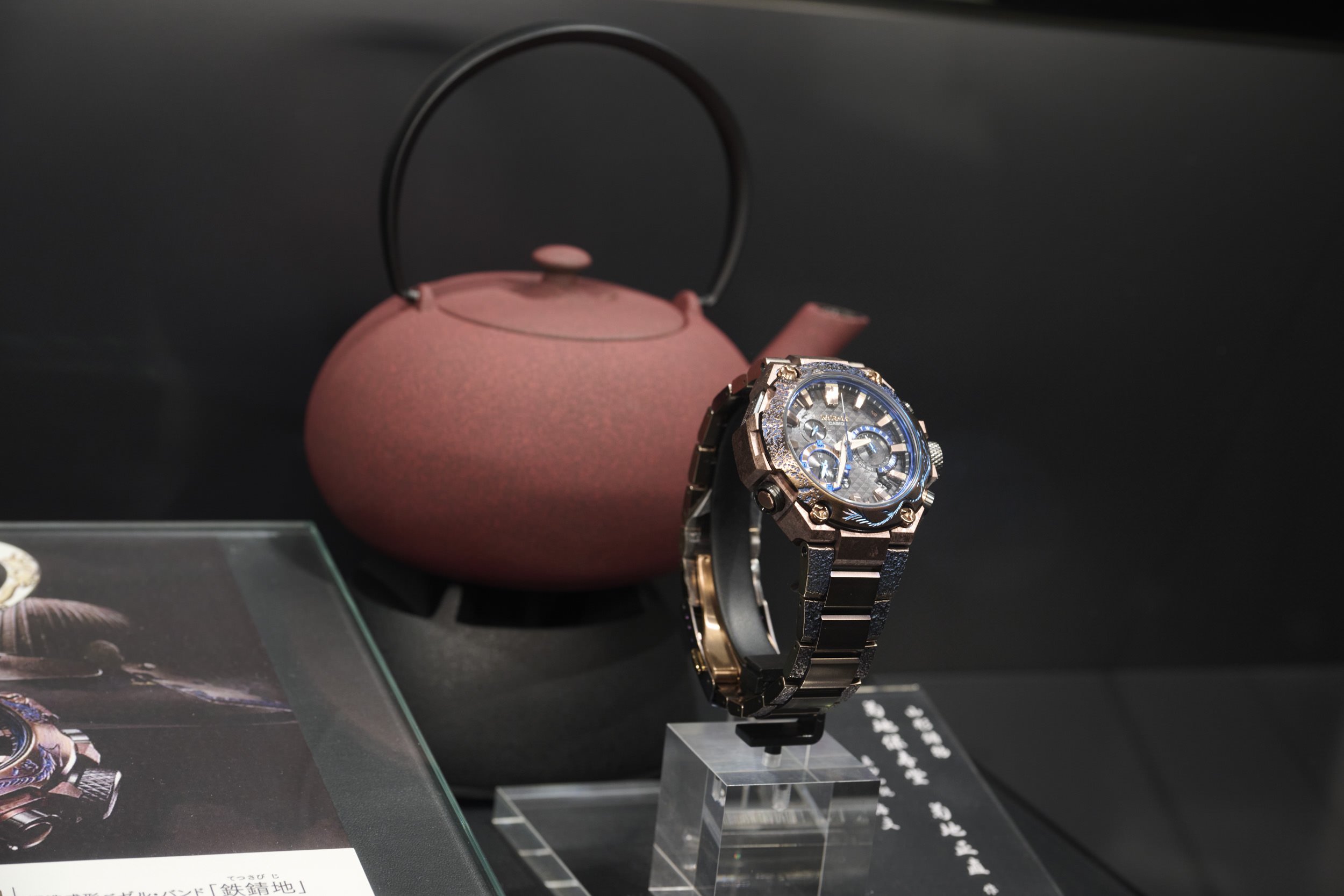
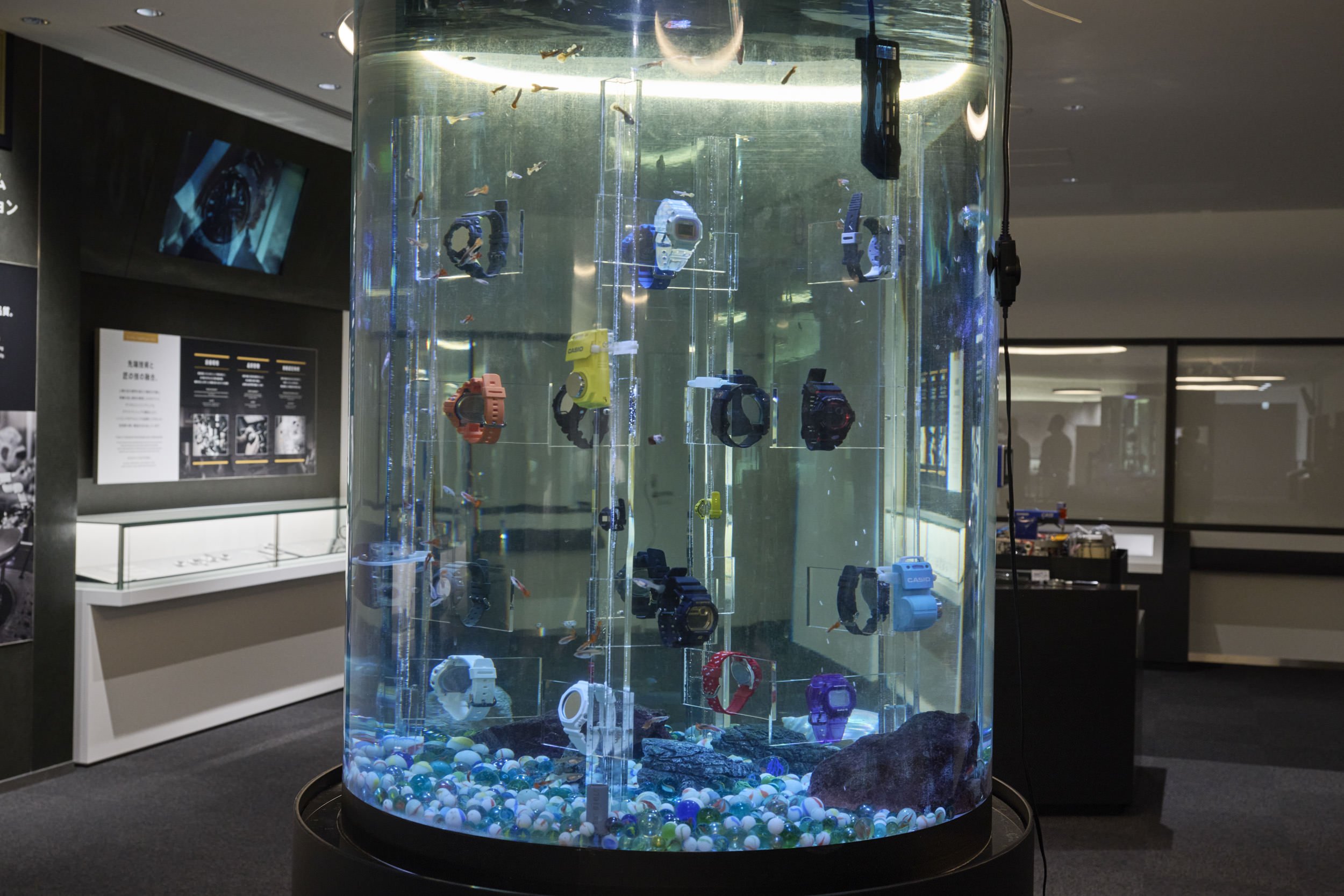
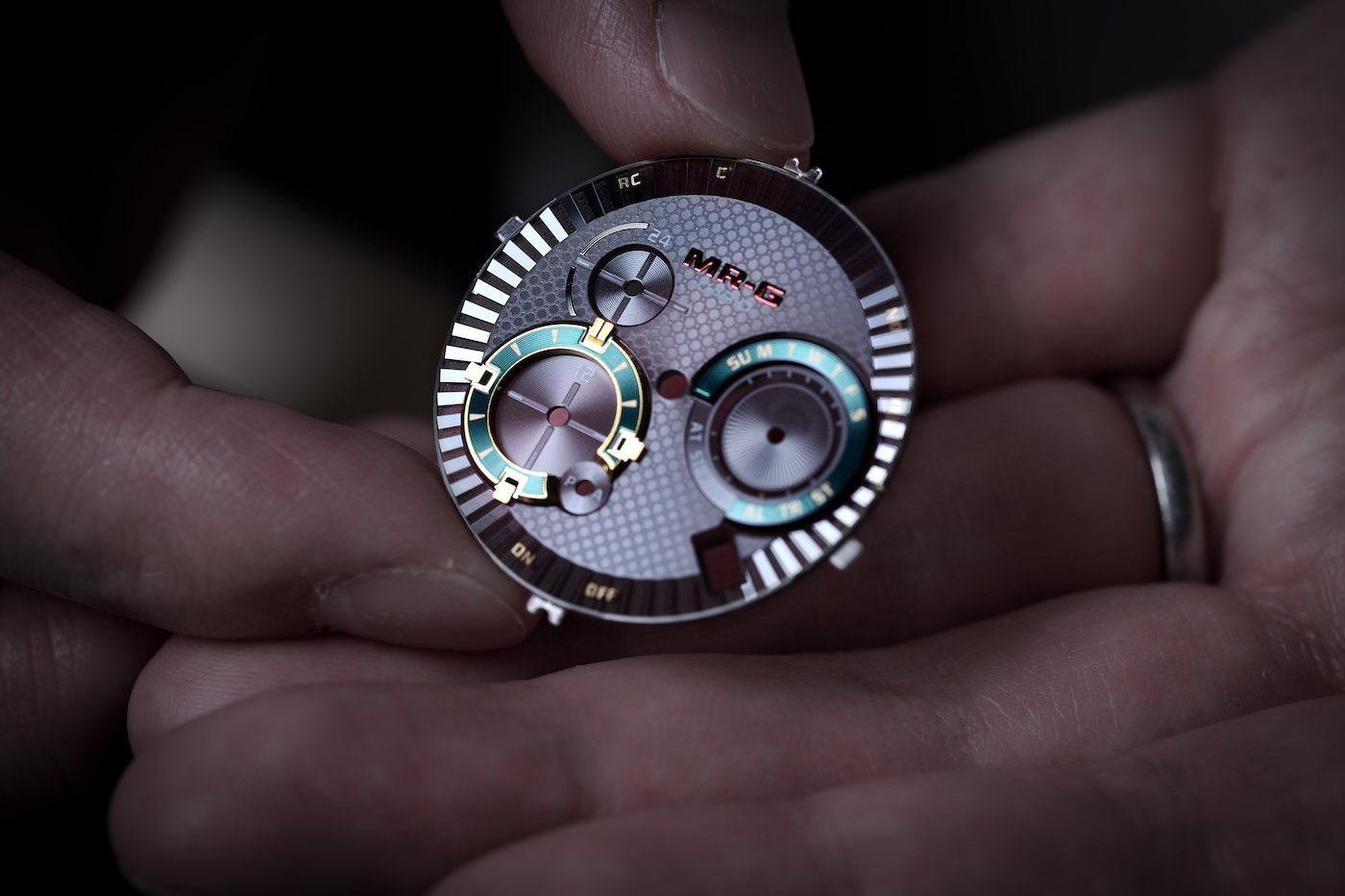
This industrial rigour underpins the group’s move upmarket, particularly around G-Shock — the brand that redefined robustness in 1983 with the DW-5000C and its “Absolute Toughness” concept. Today, G-Shock spans a broad spectrum, from entry-level resin models to titanium MR-G references incorporating traditional Japanese craftsmanship and refined finishing.

Recent quarterly results confirmed strong demand for the GMW-B5000 “full metal” versions, as well as more exclusive pieces such as the MRG-B5000HT - a fusion of artisanal techniques and contemporary engineering - which sold out rapidly despite a price approaching one million yen.
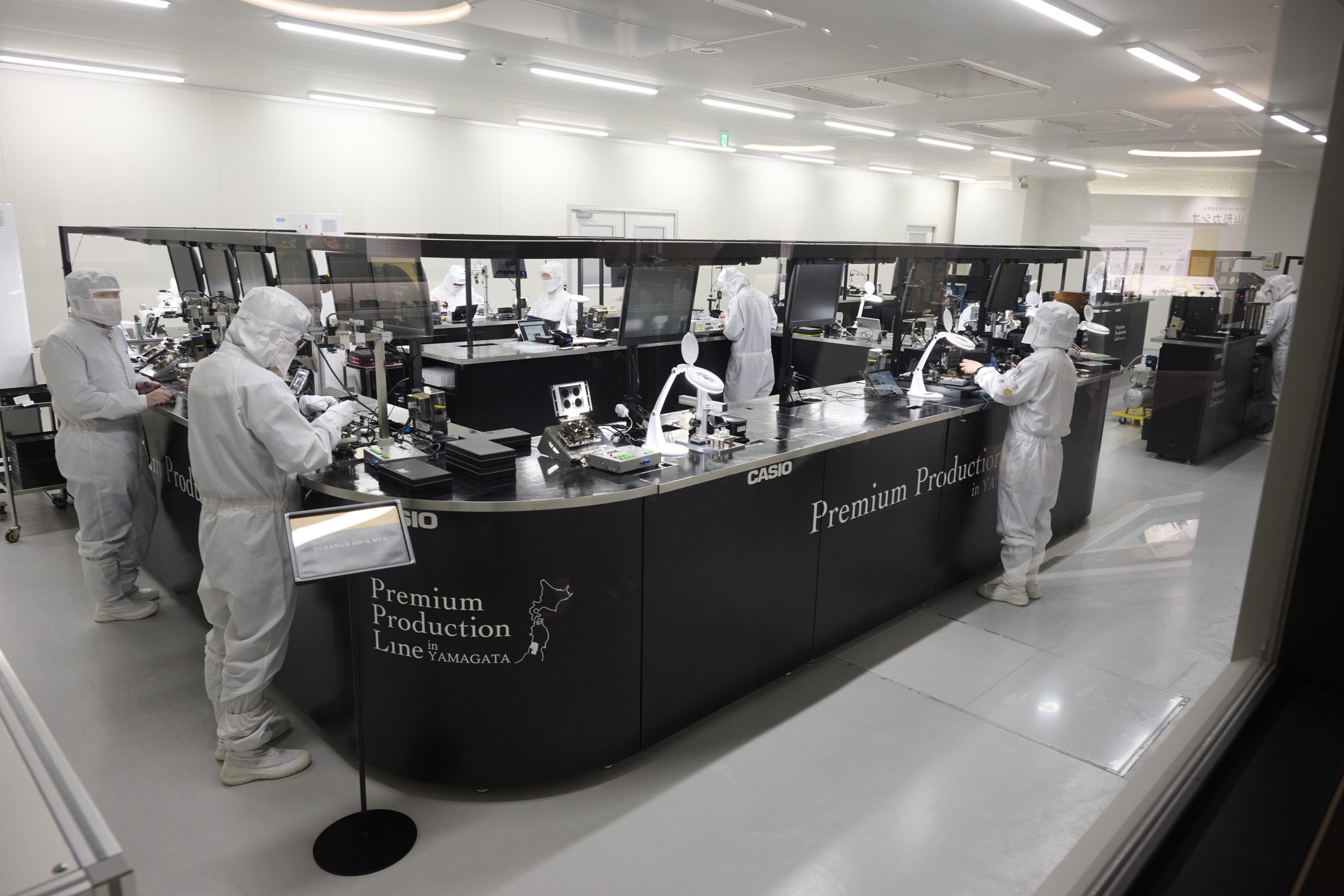

Casio’s strategy today rests on comprehensive domestic industrial control, a brand architecture structured around G-Shock and Casio Watch, disciplined financial management, and a willingness to explore new frontiers — from AI-assisted co-creation to immersive virtual experiences.
‘Innovation must contribute to society as a whole’
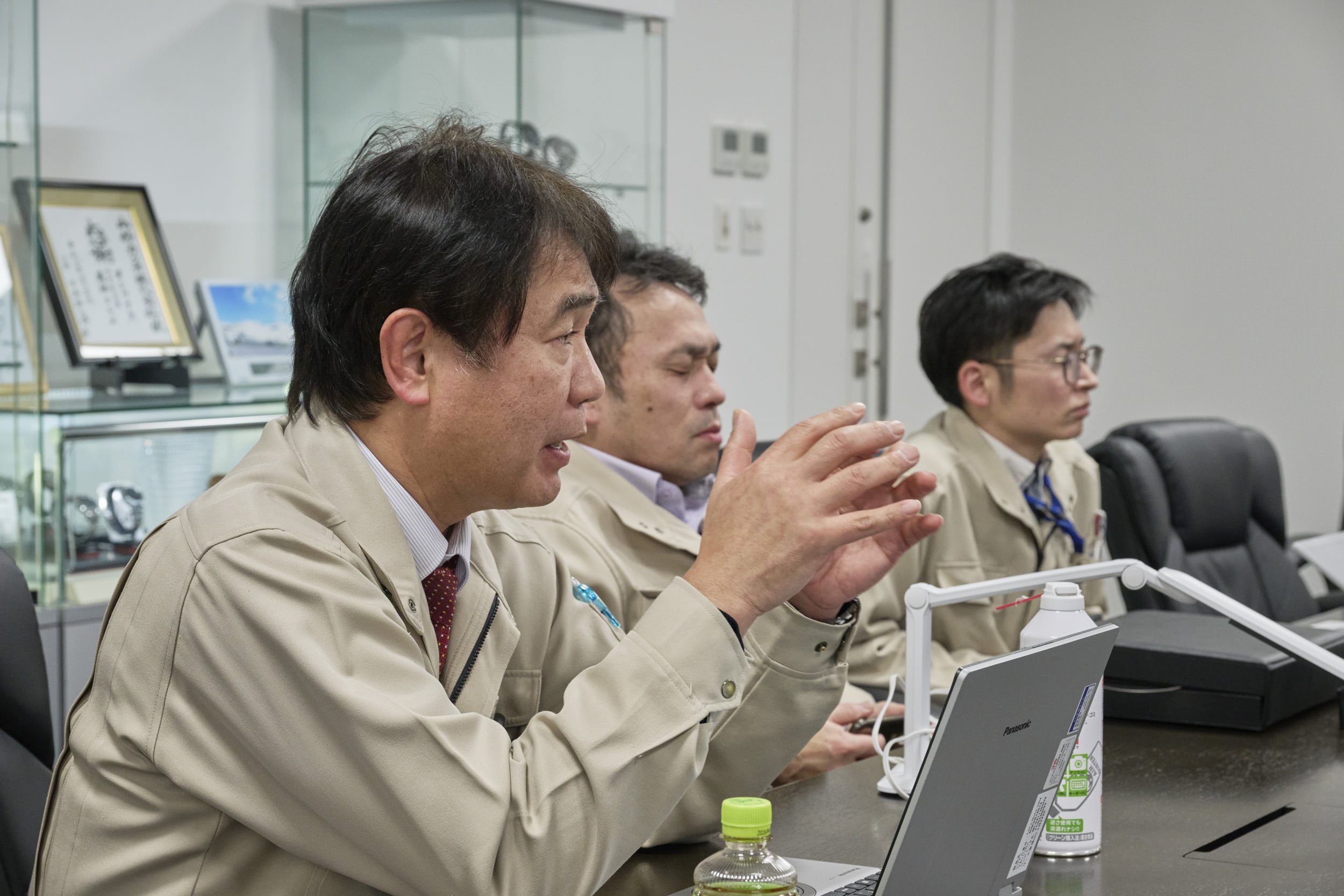
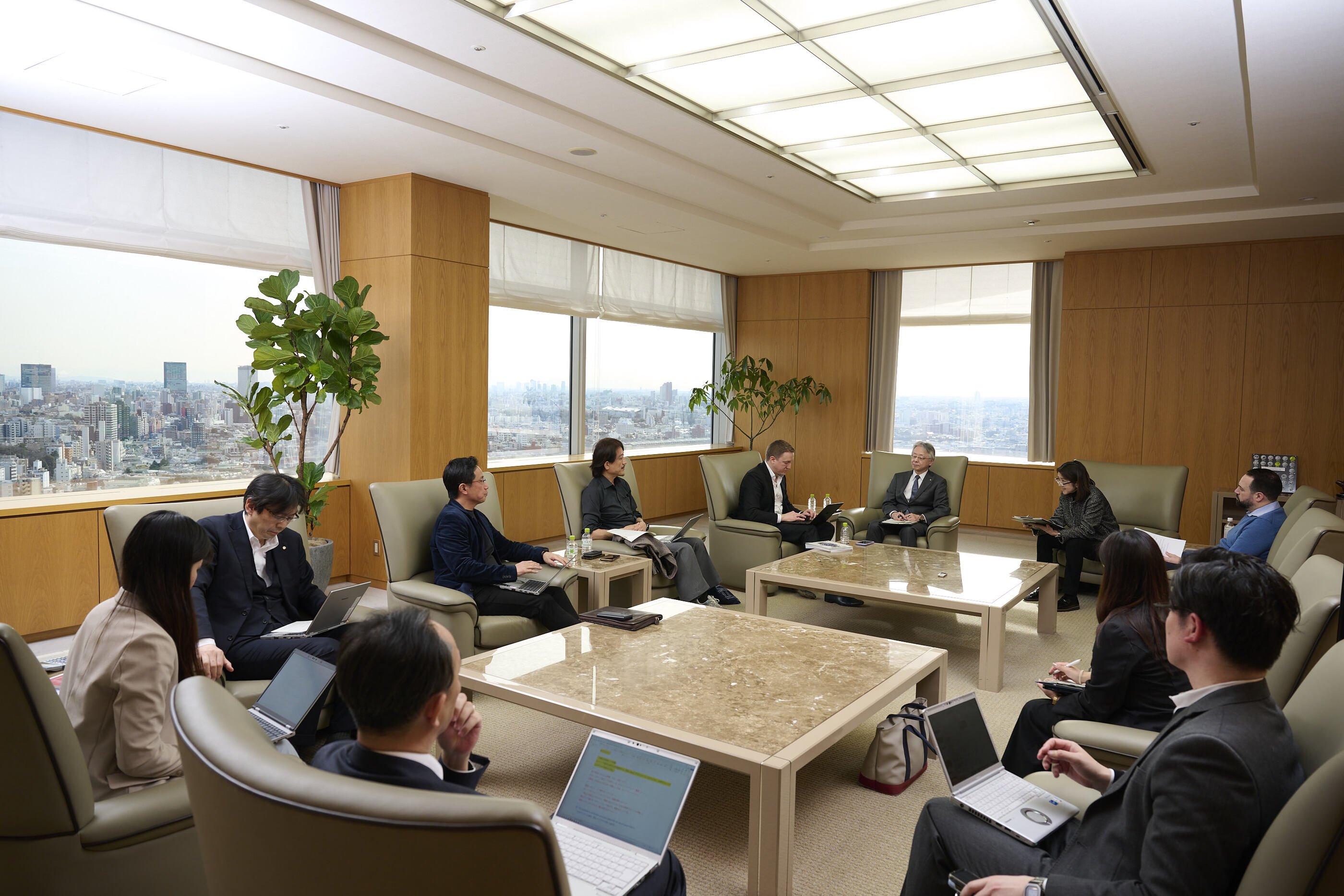
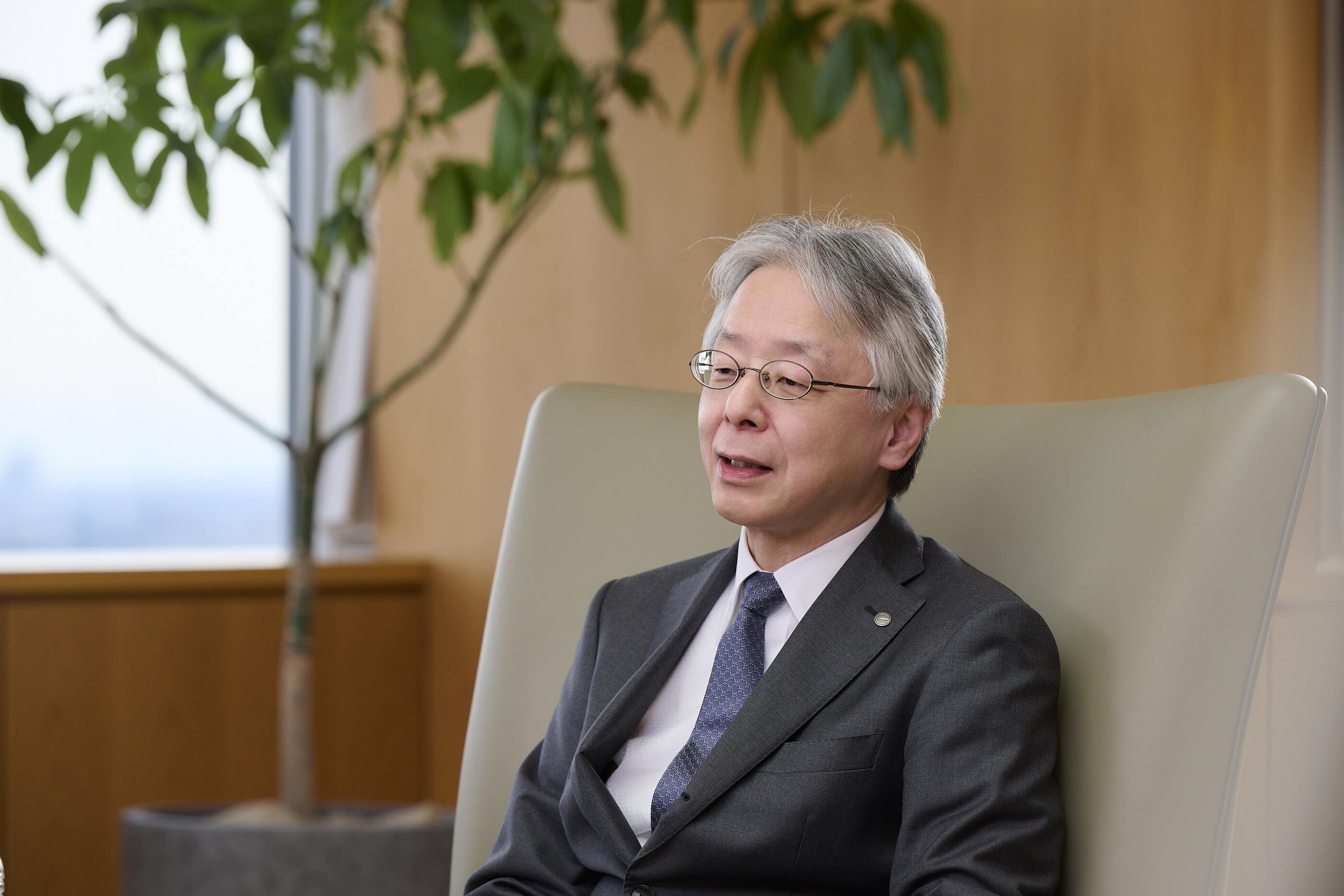
It was against this backdrop — industrial autonomy, technological ambition and a sharpened premium positioning — that we met CEO Shin Takano in the upper floors of the Tokyo tower housing Casio’s global headquarters to discuss the group’s trajectory and its particular vision of “premium” the Casio way.

Europa Star: Before looking ahead, let’s reflect on the past five years. Since Covid, the world has shifted rapidly - particularly in watchmaking, with the rise of Apple and tech-driven smartwatches on one side and high-end Swiss watches on the other. How has Casio adapted?
Shin Takano: Over the past five years, we have sharpened our focus on our core pillars, starting with watchmaking. Within that segment, our priority has been strengthening our global brand presence and expanding our digital footprint. We have concentrated on reinforcing our flagship lines and clarifying their identities.
With G-Shock, for instance, we revitalised iconic models such as the all-metal GMW series. We wanted to return to the roots of G-Shock — robustness and shock resistance — and ensure the brand remains strong and relevant.
At the same time, we developed other lines such as Casio Vintage, which appeals not only to traditional G-Shock enthusiasts but also to a broader, more fashion-oriented audience, particularly in Europe. We also introduced innovative concepts like the G-Shock Nano ring watch, offering a new way to experience timepieces.
Geographically, we strengthened our presence in Asia, notably in India, while enhancing our e-commerce capabilities and online customer experience. We also reinforced our production infrastructure, dedicating new facilities to watchmaking and highlighting the value of “Made in Japan”.
Recent financial results suggest that while overall sales are stable, profitability has improved. Is profitability now a greater priority than volume growth?
Profitability is indeed essential. The watch business represents more than half of Casio’s total sales, making it a key performance driver. We analyse each market carefully and adapt our product portfolio accordingly. Profitability is not solely about increasing sales volumes — it is also about disciplined cost management and ensuring that each product line performs optimally in its respective market.
Can you explain the philosophy behind the distinction between G-Shock and Casio?
G-Shock stands for ultimate toughness, innovation and a strong personality. We continue to introduce new models, as well as design concepts rooted in Japanese culture. G-Shock also explores high-end innovation, from advanced display technologies to cutting-edge materials.
Casio Watch, by contrast, emphasises refined design, vintage appeal and accessibility. We create collaboration models with brands and pop culture franchises, including the fashion label A.P.C. and the movie Back to the Future. The Casio Vintage line, in particular, has resonated strongly with younger, style-conscious consumers.

2025 was a historic year with the launch of your first automatic watch, the Edifice EFK-100 Automatic. What was the thinking behind this move?
Edifice has always been associated with motorsport and precision. Introducing an automatic movement was a natural evolution.
For a company with five decades of watchmaking experience, entering the mechanical segment was a significant milestone. The EFK blends mechanical expertise, sporty aesthetics and advanced materials.
The market response has been extremely positive, especially among customers who appreciate the artistry of mechanical watchmaking. It enhances our competitiveness and opens new opportunities in this segment.

How do you tailor your product offering to different regions?
We adapt according to economic maturity, consumer preferences and cultural dynamics. In mature markets such as Europe, the United States and Japan, G-Shock remains a priority. In developing markets, we focus on accessible Casio models that allow customers to enter our universe. The objective is to accompany them over time, from entry-level products to higher-end segments.
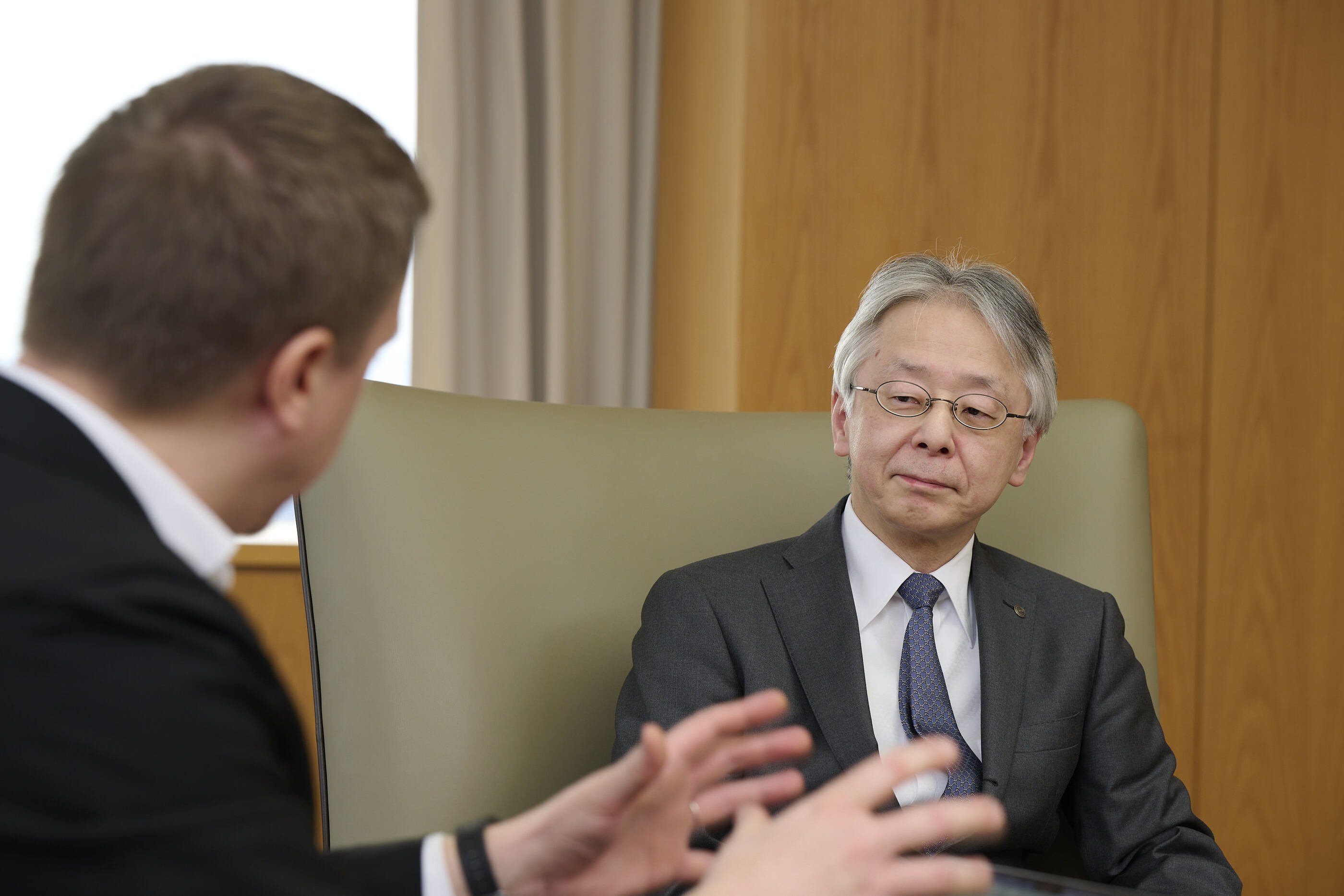
Innovation has always defined Casio. What are your R&D priorities today?
Since becoming president, I have placed R&D at the heart of the organisation. It now reports directly to me.
Innovation is not only about technology; it must also contribute to the company and to society as a whole.
We are exploring new materials, AI-assisted design processes and smart factory concepts. In watch design, for example, we combine AI-generated concepts with human sensibility — a true collaboration between technology and creativity.
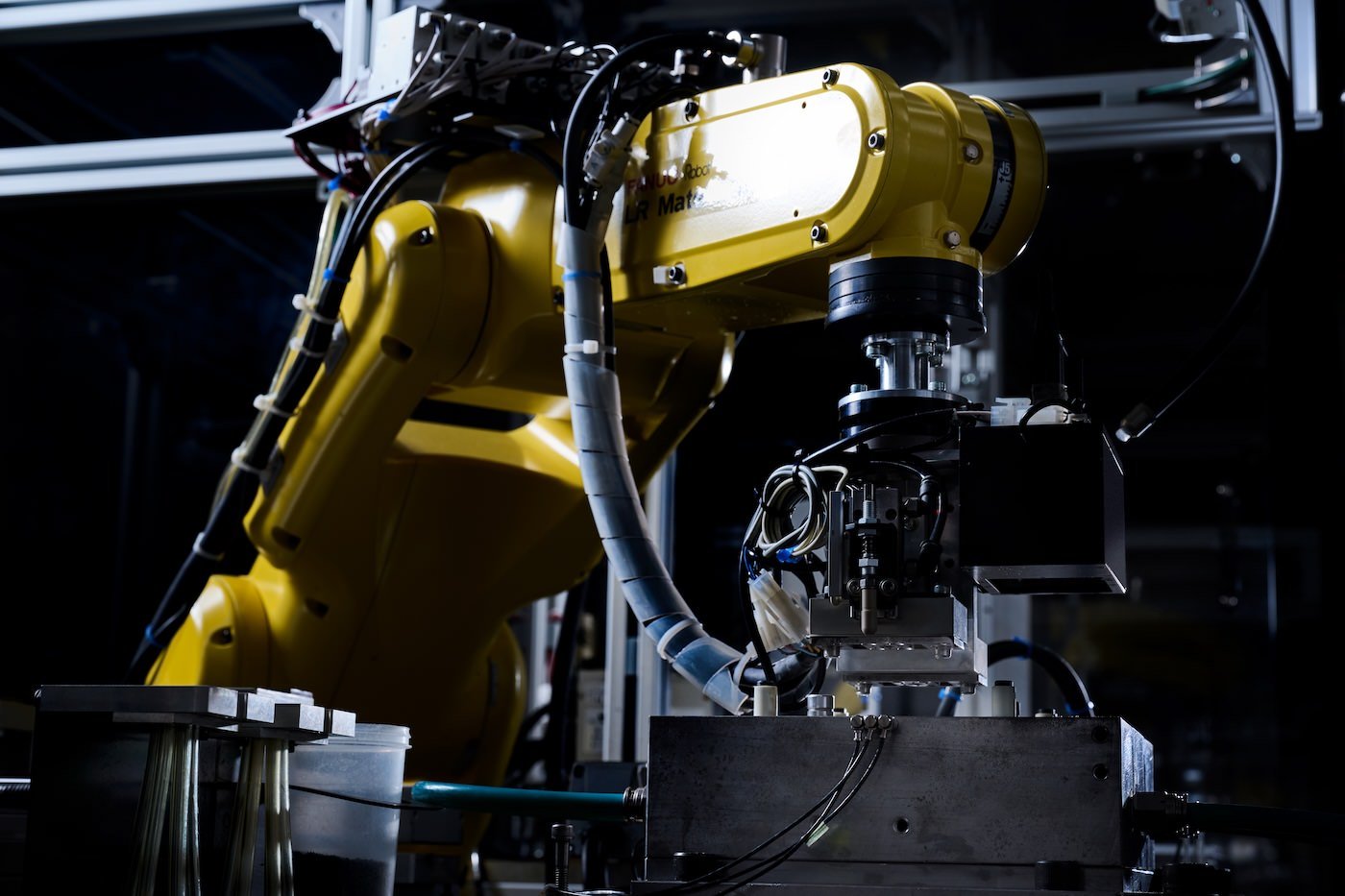
On the production side, we are increasing automation and improving operational efficiency across Japan, China and Thailand. Yamagata remains our key Japanese site for high-end models, where industrial precision and artisanal expertise converge.
With rising trade barriers and tariffs, particularly in the United States, how is Casio responding?
We consider the total cost structure, not just customs duties. Production is already diversified across Japan, China and Thailand.
Our investment decisions are guided not only by cost, but also by brand equity and customer appeal. Cost efficiency matters - but preserving brand strength is paramount.
How do you approach premiumisation, particularly with MR-G?
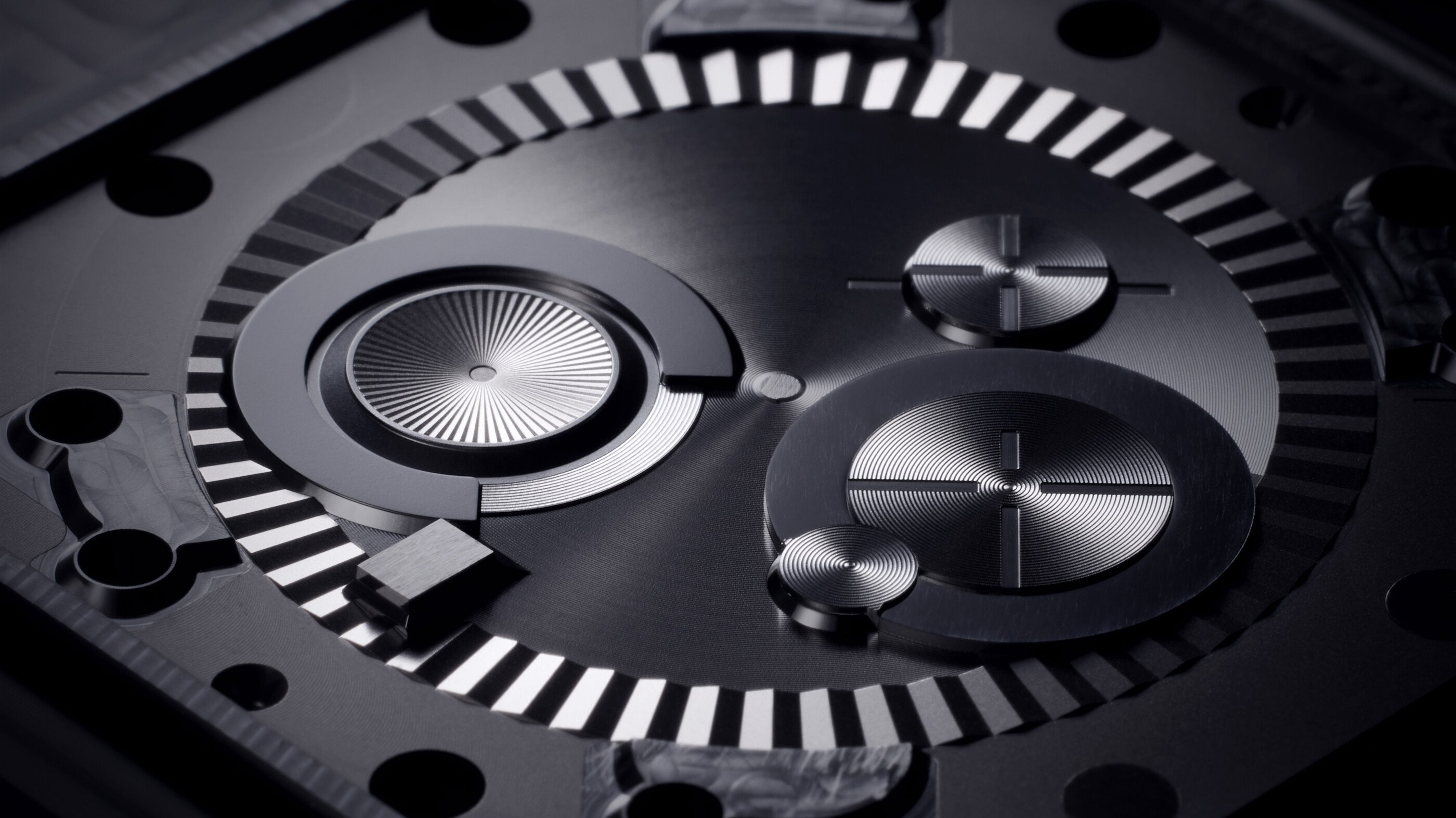
MR-G represents the high-end expression of G-Shock. We will continue to explore the upper segment without compromising our core positioning: robustness, innovation and functionality. Premiumisation is not simply about raising prices; it is about delivering distinctive value.
Are you streamlining distribution and placing greater emphasis on direct-to-consumer channels?
We are strengthening direct relationships with customers through e-commerce and Casio-owned stores. That said, distribution strategies vary by market.
In some regions, a mono-brand approach is most effective; in others, multi-brand retail remains essential. Flexibility is crucial.
How would you define the Casio spirit?
Our founding philosophy is “Creativity and Contribution” - creating value for society through innovation.
When G-Shock was introduced, watches were widely perceived as fragile. We changed that perception and expanded the digital watch market.
G-Shock embodies toughness and a “never give up” mindset. Casio expresses everyday functionality, design awareness and cultural relevance.
What are your main strategic objectives for the next five years?
First, we will further strengthen our two core brands: G-Shock and Casio.
For G-Shock, we will continue evolving the concept of toughness, expanding into lifestyle territory and creating new usage scenarios.
For Casio, we will refine the brand architecture and optimise communication, design and promotion.
We will also continue developing Edifice and exploring new concepts such as ring watches.
At the corporate level, we will maintain investment in watchmaking, education and innovation to maximise long-term value.
Will Casio move further towards high-end watchmaking or embrace a broader lifestyle positioning?
Technology remains at the heart of Casio. While design and fashion play an important role, our foundation is technological innovation.
Our distinctiveness lies in the combination of cutting-edge technology, distinctive design and accessible value. That balance will guide us forward.
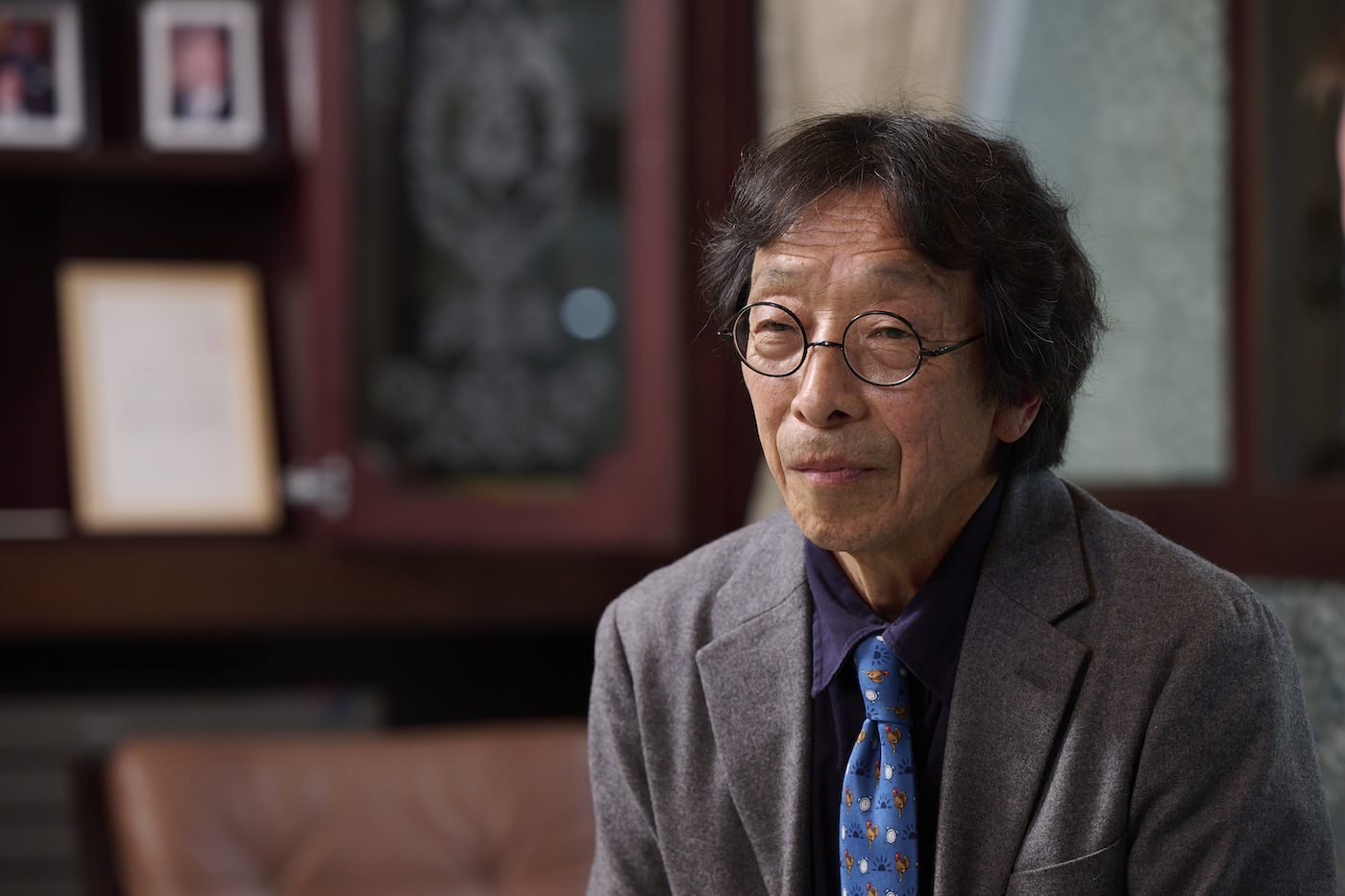
We concluded our visit with a tour of the Casio museum and a moment suspended in time with Kikuo Ibe, the father of G-Shock, freshly returned from a global tour. One word lingered in the conversation: “kokoro” (心), a fundamental Japanese concept meaning “heart”, “mind” or “spirit”. Unlike Western distinctions, it does not refer to the physical organ but to an inner essence. Our interview will soon appear in Europa Star.