
 Español
 Français
 Pусский
 繁體中文
繁體中文 简体中文
简体中文 Select another language


here could hardly be a more fitting setting. Hidden among the tree-lined streets of western Tokyo, the former home of Toshio Kashio, one of Casio’s co-founders, has been transformed into a museum chronicling the company’s remarkable industrial journey. The tranquillity of its garden and pond feels worlds away from the relentless pace of the Japanese capital.
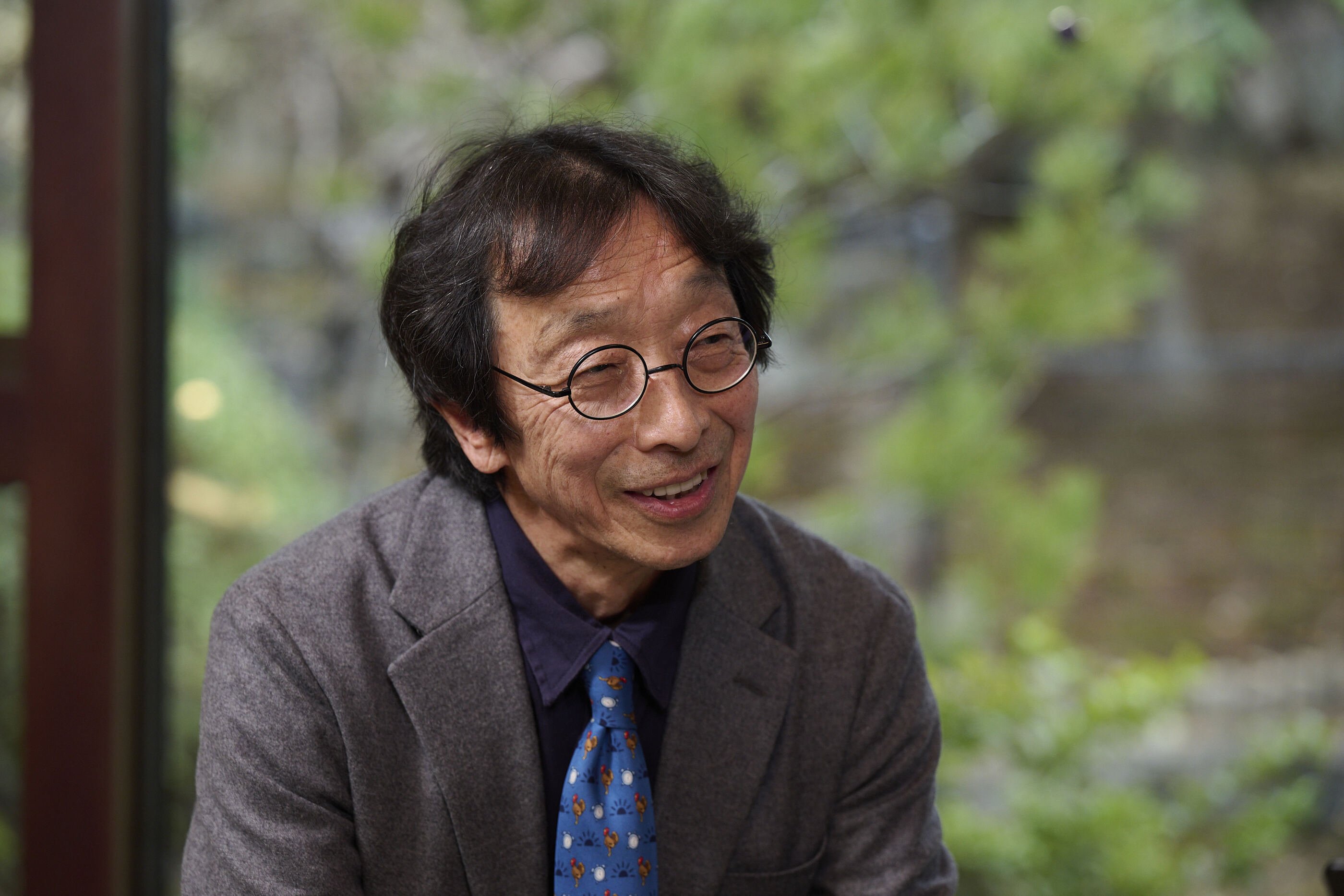
Kikuo Ibe welcomes Europa Star with the understated warmth that has always defined him. More than fourty years after sketching the idea of a watch that could survive a fall, the father of G-Shock continues to mentor younger engineers while travelling the world to meet the community that has grown around his creation. To him, G-Shock is far more than a technical feat or a design icon. It is “a partner on your wrist” - one that should inspire kokoro, the Japanese notion of heart, spirit and inner strength.
Europa Star: Looking back over more than 40 years of G-Shock, what do you see as the key milestones in its evolution?
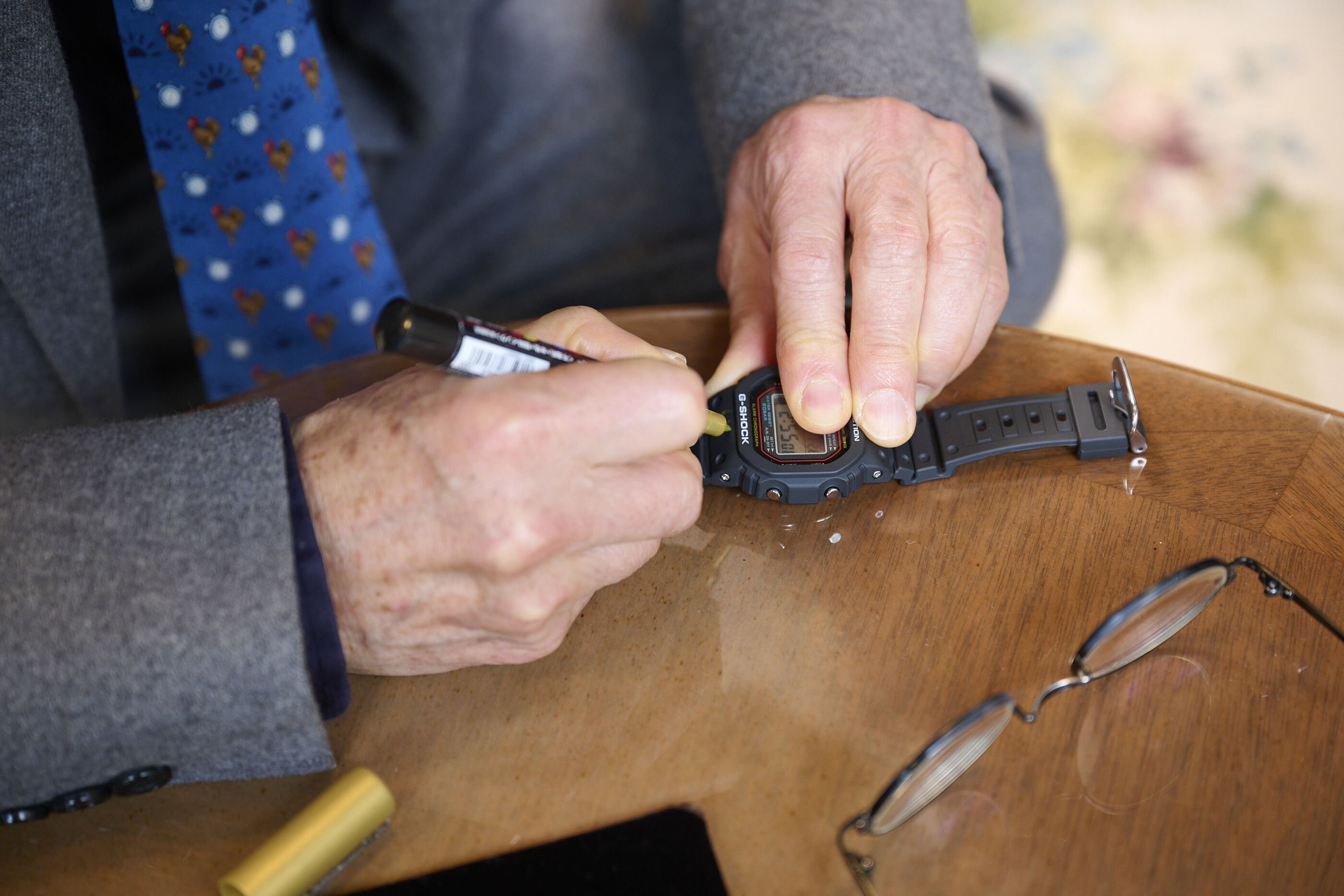
Kikuo Ibe: The first milestone was, naturally, the launch of the original concept in 1983: creating a watch that could survive being dropped. At the time, watches were seen as fragile precision instruments. We completely overturned that perception.
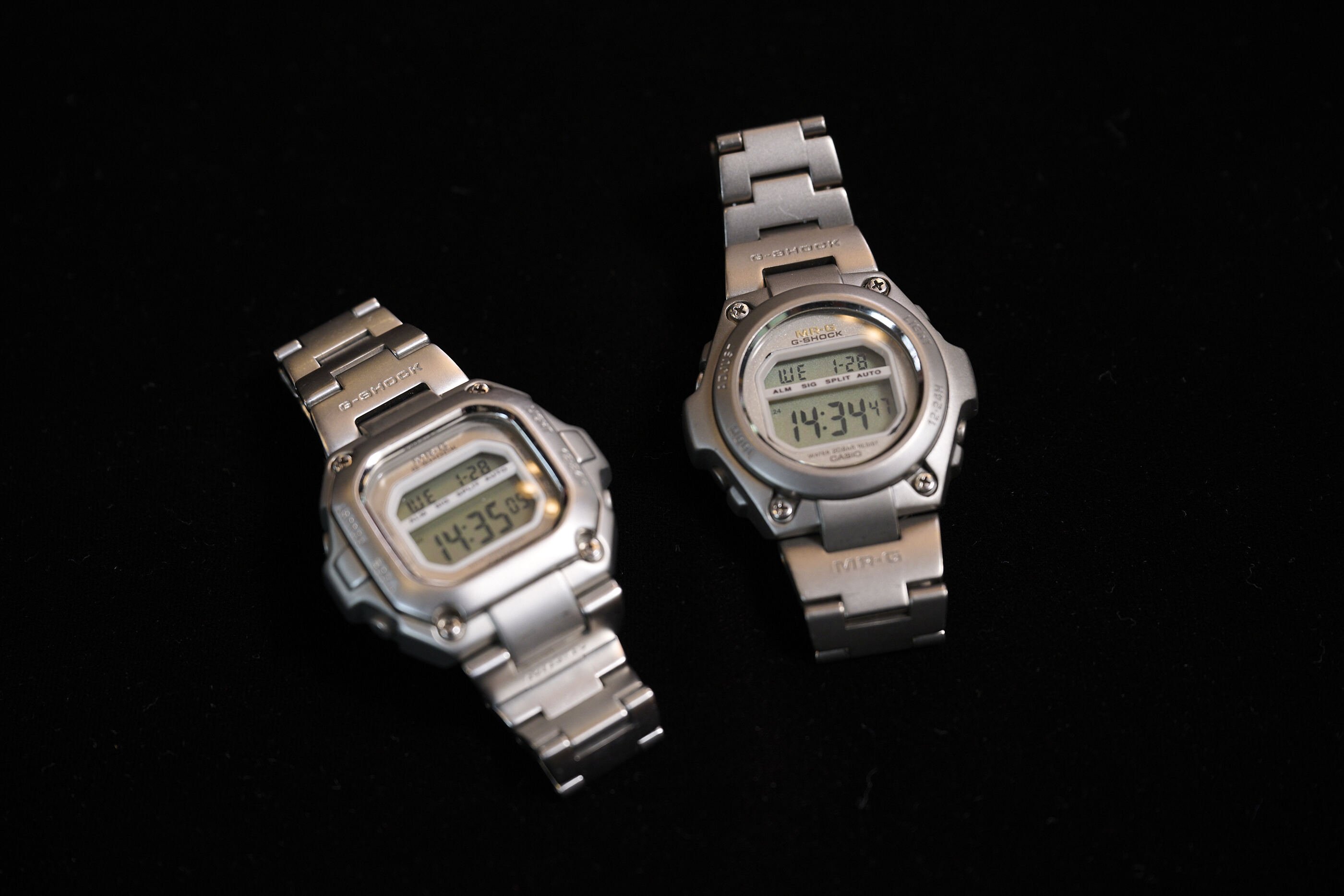
Another major turning point came with the Full Metal series. G-Shock was born in resin, using an innovative protective structure. Translating that concept into metal was an enormous challenge. How could we preserve the idea of absolute toughness while using a material traditionally associated with prestige and classical watchmaking? It took many years to achieve, but it represented a fundamental step forward. It allowed G-Shock to move into a more premium territory without losing sight of its original DNA.
G-Shock has gone through countless design iterations, yet its identity remains unmistakable. What lies behind that enduring appeal?
Everything starts with the idea of toughness - absolute resistance. To make a genuinely shock-resistant watch, we had to embrace a bold, powerful, almost radical design language. Nothing comparable existed at the time.
But toughness is only part of the story. There also has to be enjoyment. G-Shock is not simply a technical object - it should create an emotional response. When you wear one, it should energise you and lift your spirit. There is a Japanese word I often use: kokoro. It expresses the idea of something that touches the heart and creates inner motivation. That is exactly the feeling we want every G-Shock to deliver. It should inspire confidence, encourage action and make you feel ready to take on a challenge.
The G-Shock’s layered construction has become iconic: its protective architecture, commanding proportions and 20-bar water resistance. How did that visual identity emerge?
The structure was never conceived as decoration. Every element comes directly from its function. The multi-layer construction, the protection of the module, the resistance to shock and pressure - all these technical requirements naturally shaped the watch’s appearance.
Whenever we develop a new model, we don’t begin by asking how it should look. We begin by asking what it should do and, just as importantly, what it should make the wearer feel. If it brings energy and enjoyment, then the design has achieved its purpose.
The early G-Shock models also became known for their bold colours. Where did that confidence come from?
It reflected exactly the same pioneering spirit. Watches at the time were generally conservative - metallic, serious and conventional. We wanted to redefine what a watch could be.
Introducing vibrant colours such as yellow or purple, or producing an entirely white watch, was our way of expressing creativity and a certain rebelliousness. G-Shock wasn’t just tough - it was expressive and optimistic. That creative freedom remains deeply embedded in our DNA.
After resin, metal and premium collections such as MR-G, what is your vision for the future of G-Shock, both in the near term and over the long run?
In the near future, I believe G-Shock should continue striving for excellence. I want it to become the “premium of premium”. That doesn’t simply mean increasing prices - it means delivering exceptional value, uncompromising quality and becoming the ultimate expression of toughness.
Looking much further ahead... why shouldn’t G-Shock go into space? We have already mastered some of the harshest environments on Earth. The next frontier may involve even more extreme conditions: severe temperatures, radiation, zero gravity. I like to imagine a G-Shock capable of accompanying people on another planet.
Is there a material you still dream of working with?
Yes. I would love to develop a metal capable of adapting to temperature. A metal watch can feel cold in winter and hot in summer. My dream would be a material that always feels comfortable against the skin, regardless of the environment. I believe there are still many possibilities waiting to be explored beyond today’s materials.

What role do you play at Casio today, and how have you passed your vision on to younger generations?
Passing on that vision has never been about speeches alone. It has happened through everyday work and through the culture of teamwork. When our engineers see the enthusiasm of G-Shock fans, read positive press coverage or hear feedback from users, it becomes an extraordinary source of motivation. Those reactions help sustain the G-Shock spirit.
Today, I am no longer involved in day-to-day product development. Instead, I contribute through internal programmes where I share my experience, and I continue travelling around the world to meet G-Shock enthusiasts. I still suggest ideas - as I did for the Mudmaster - but today’s teams develop them with their own creativity.
How would you define G-Shock today? Is it a watch, a fashion accessory or a piece of high technology?
It is fundamentally a watch built on technological innovation, but it has also become a fashion object. More than anything, though, I think of G-Shock as a partner. A partner on your wrist. It gives you confidence when you’re facing a challenge. Whether you’re climbing a mountain or taking on an ambitious project, G-Shock is there beside you.
With smartwatches becoming increasingly popular, where do you see G-Shock fitting into today’s market?
Smartwatches are excellent products. We manufacture connected models ourselves. But I don’t believe G-Shock should become a smartwatch in the strict sense. Its identity is rooted in toughness under extreme conditions. Smartwatches are primarily about connectivity and information. I think many people will own both: a smartwatch for digital functions, and a G-Shock for the resilience and mindset it represents.
Back in 1983, you famously tested the original G-Shock by throwing it off the third floor of a building. How do you test your watches today?
The philosophy has never changed. Today we have highly sophisticated testing facilities, but the objective remains exactly the same: ensuring that every G-Shock can withstand the situations people encounter in real life. Whatever the conditions, it must continue to keep accurate time. And perhaps one day, we’ll be testing it in space for real.