
 Español
 Français
 Pусский
 繁體中文
繁體中文 简体中文
简体中文 Select another language


t a time when many watch brands are accelerating product launches and constantly reinventing their collections, Minase stands apart. Based in Japan’s Akita Prefecture, the company embraces a philosophy of continuity. “We have not fundamentally changed our collections over the past five years,” explains CEO Tsuyoshi Suzuki when we meet him in Tokyo.
The Seven Windows and Divido lines remain the cornerstones of the collection, while the Horizon range continues to occupy a more niche position, appealing primarily to seasoned enthusiasts and collectors.

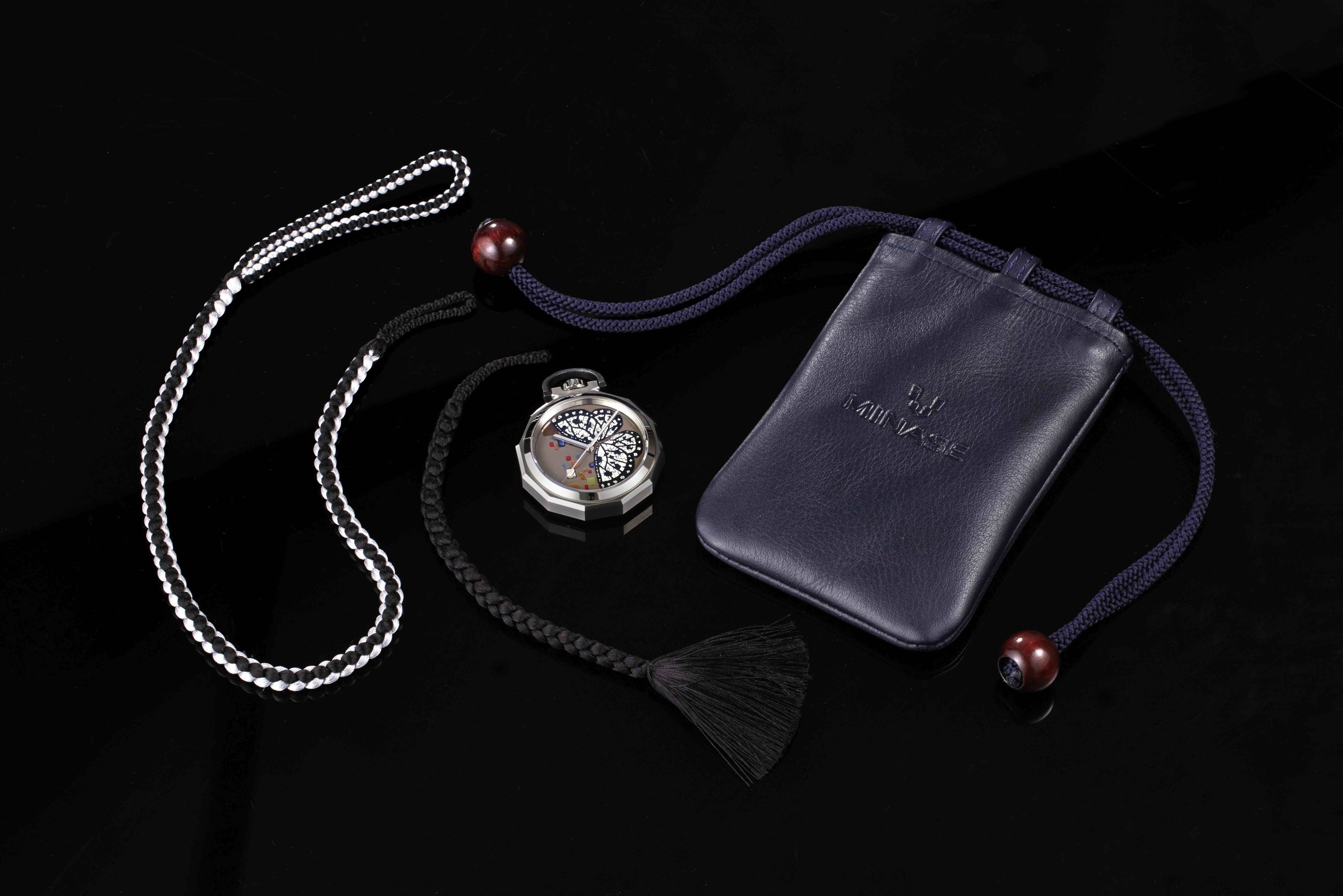
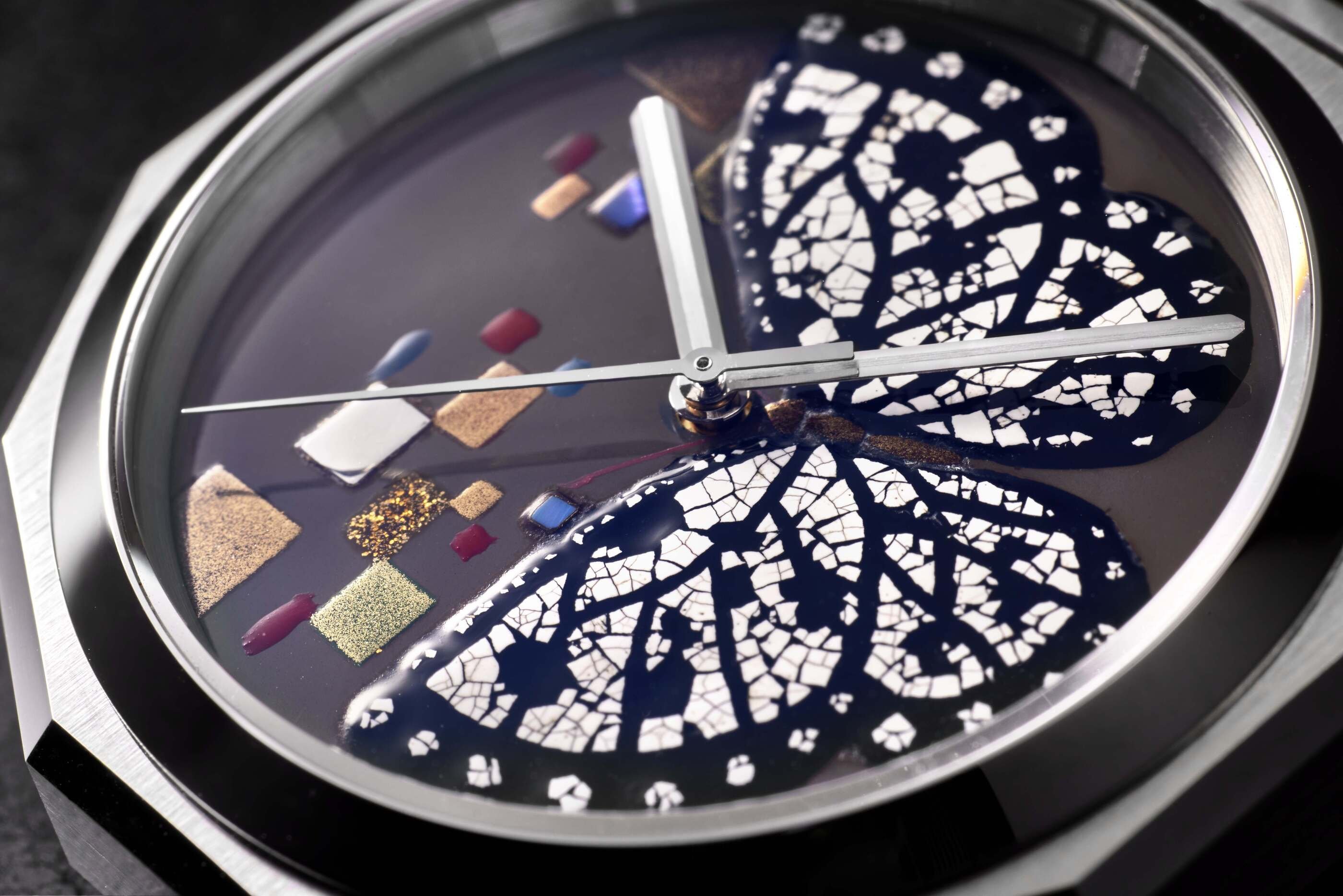
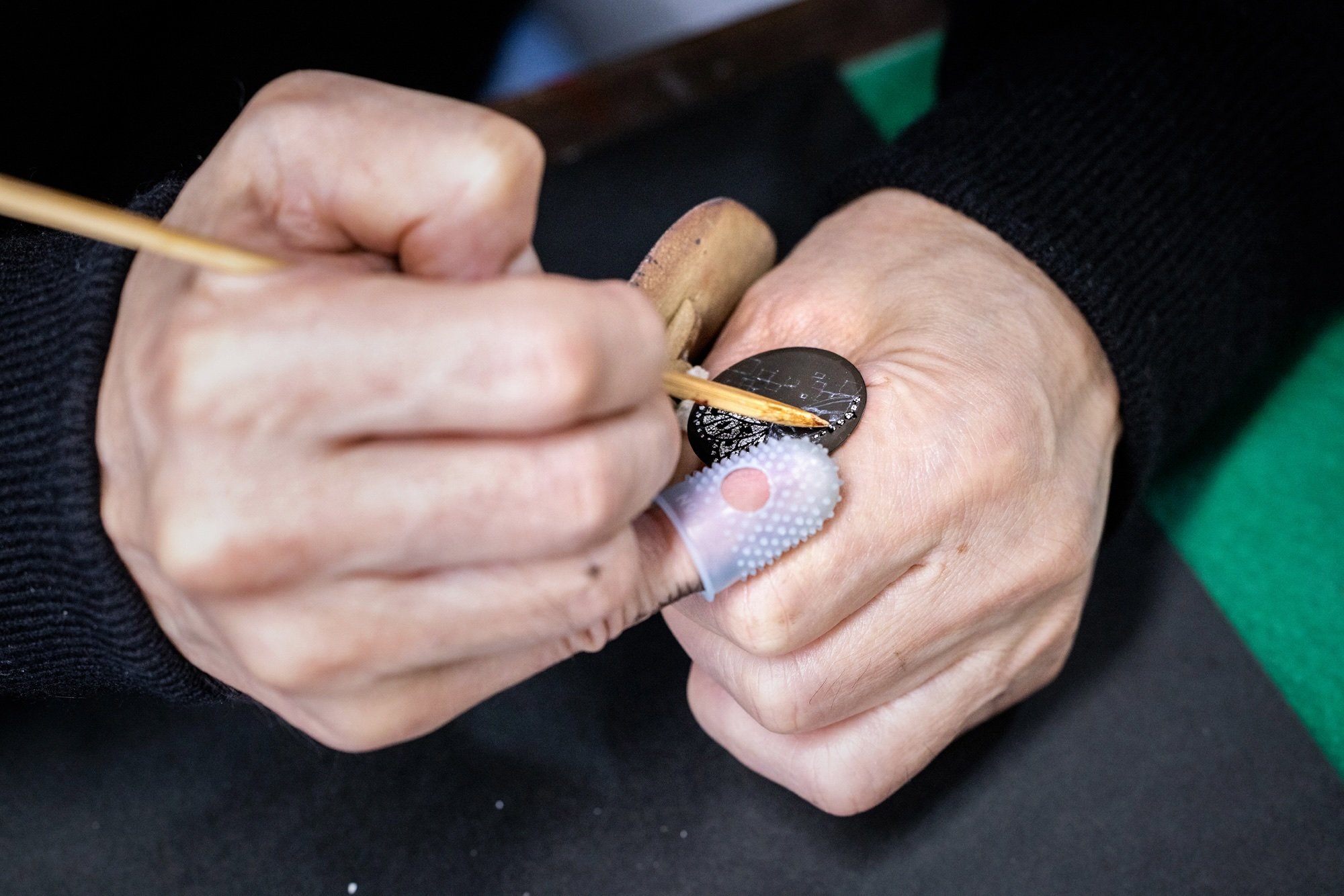
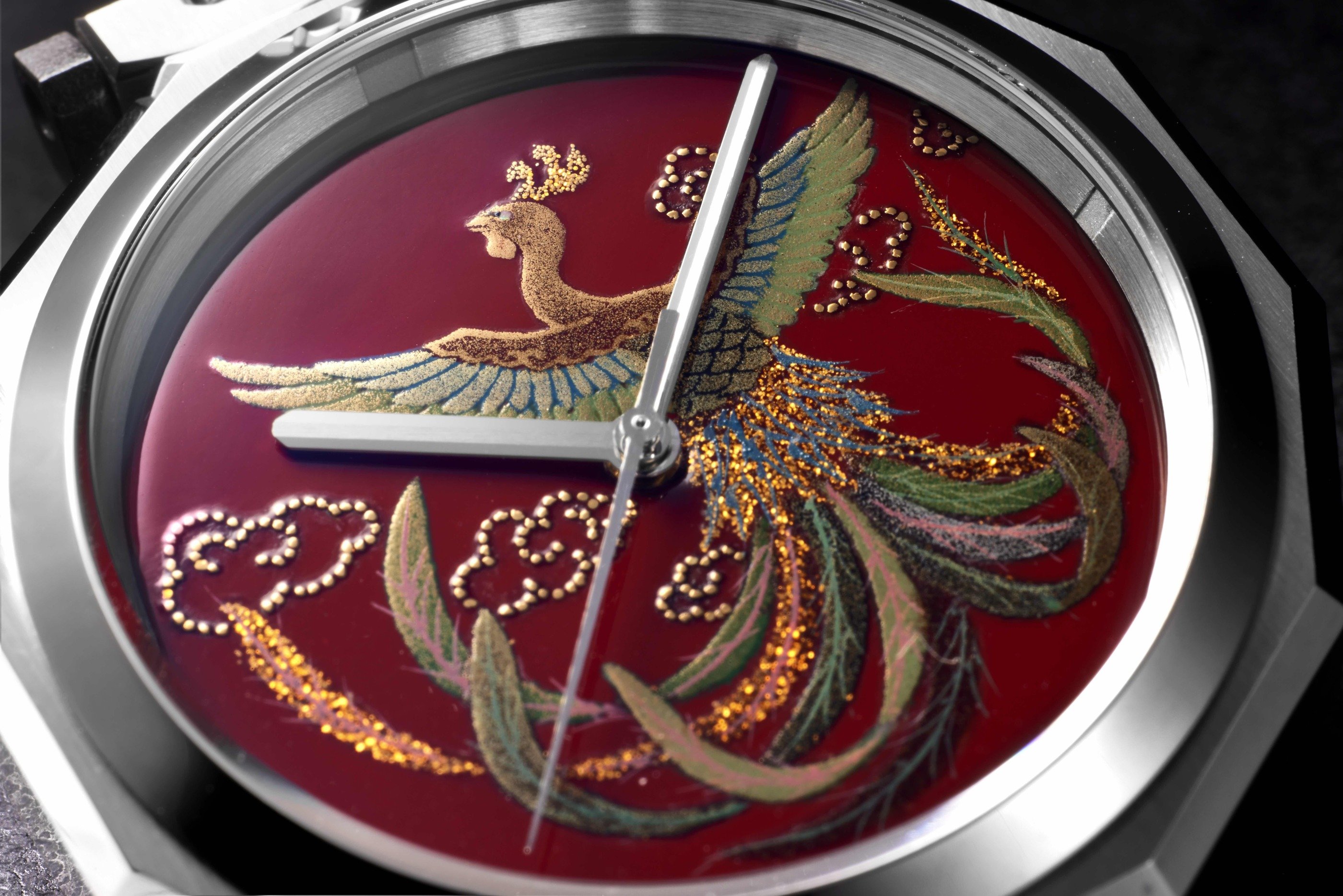
Yet this commitment to consistency has not prevented Minase from exploring new creative avenues. The brand recently unveiled two bespoke pocket watches, Asagimadara and Phoenix, which embody its vision of Japanese craftsmanship. Each piece combines a hand-crafted maki-e lacquer dial – requiring several months of painstaking work – with elements fashioned from tamahagane steel, the material traditionally associated with the forging of samurai swords.
Created through a collaboration between master swordsmith Ishida Kunihisa and master lacquer artist Junichi Hakose, the two timepieces exemplify Minase’s ambition to create a meaningful dialogue between traditional Japanese craftsmanship, artistic expression and contemporary watchmaking.
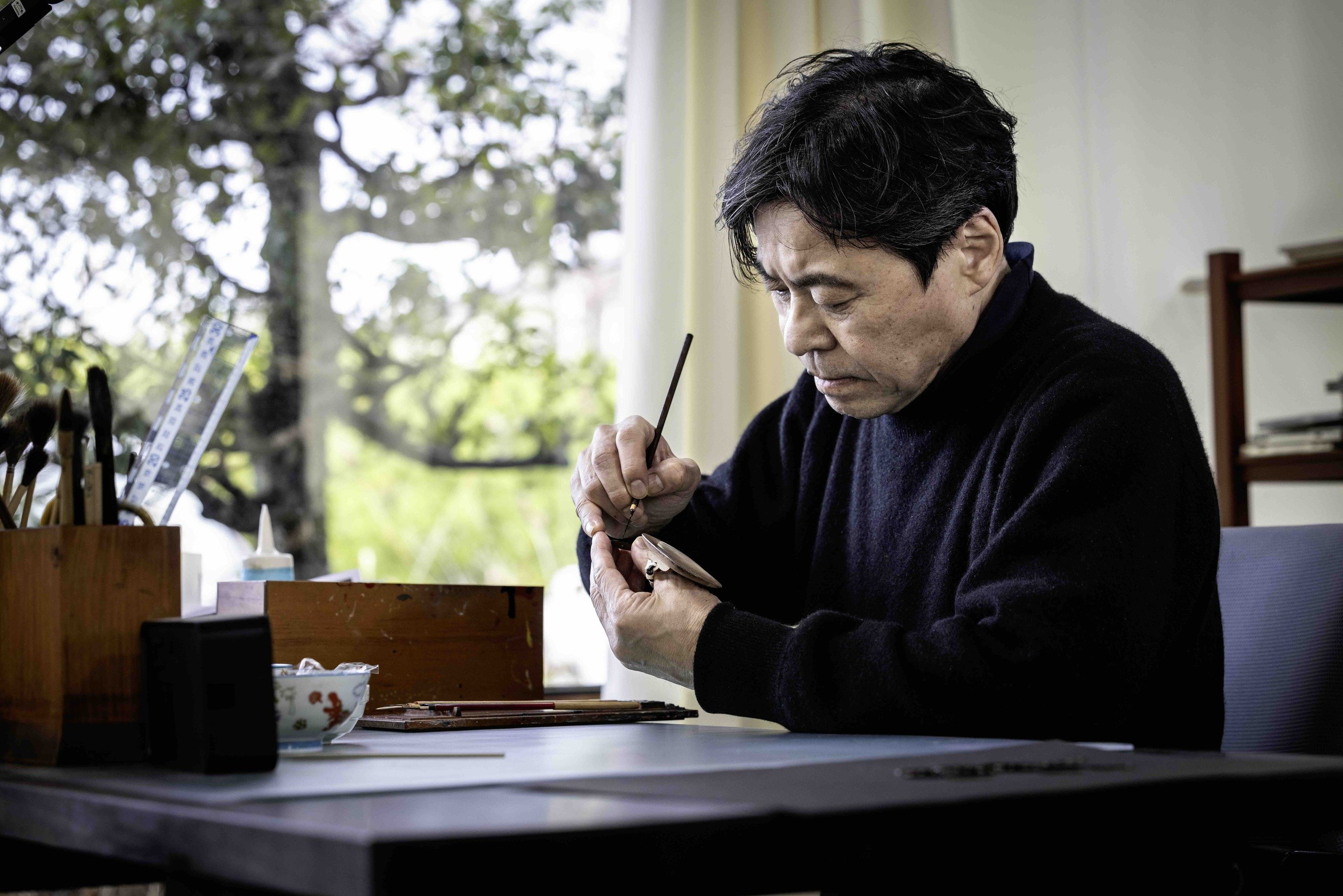
Artistic crafts are also playing an increasingly important role within the brand’s broader strategy. Through the Japan Art Project, Minase collaborates with artists from different generations to develop original dial creations that reinterpret Japanese decorative traditions through a contemporary lens.
Demand for watches incorporating techniques such as urushi lacquer and maki-e continues to grow, while interest in more experimental artistic approaches is also gaining momentum. Suzuki points to the work of Tokyo-based artist Towa Takaya, who employs materials drawn from the cosmetics industry to create striking visual effects on selected pieces.
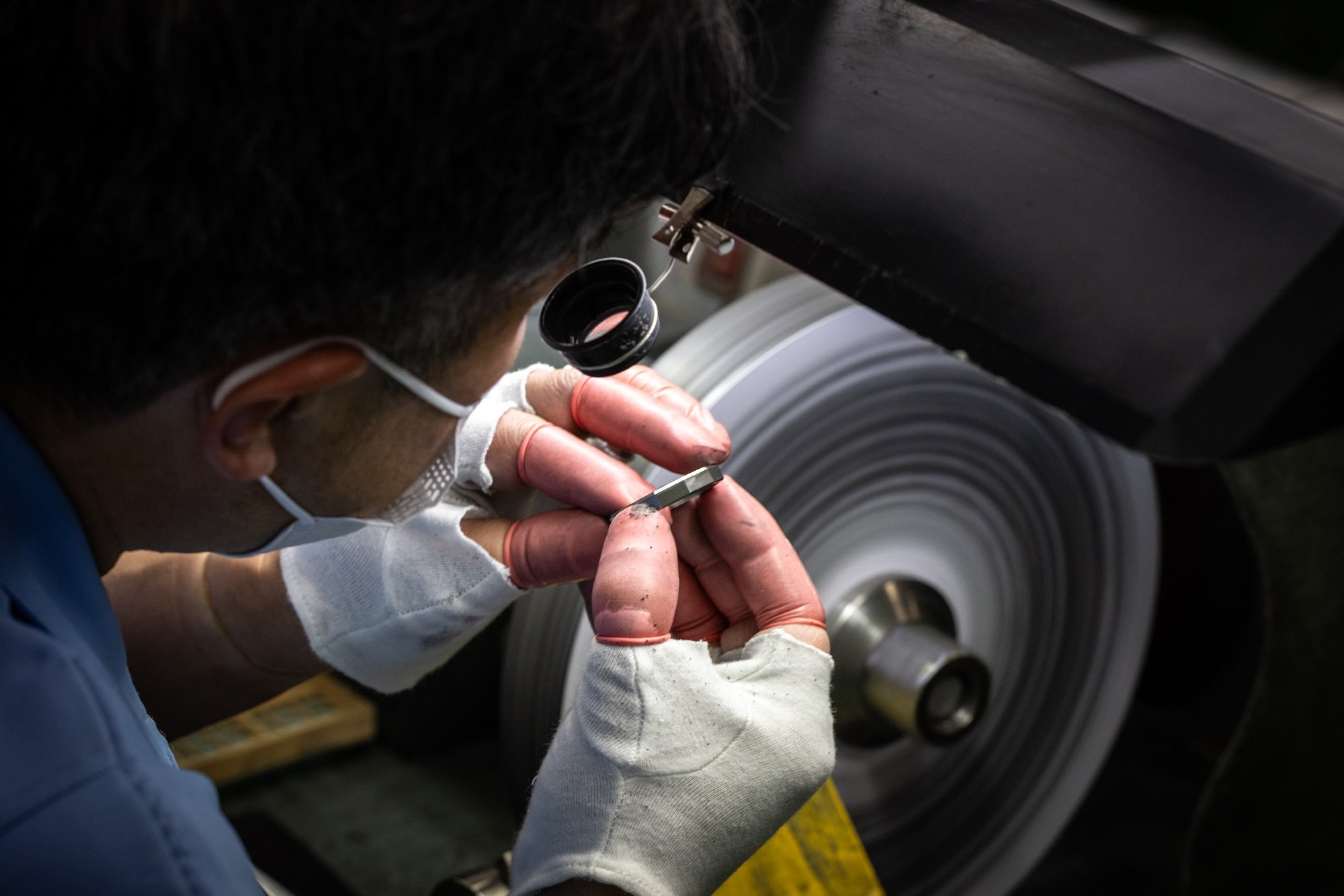
Besides these artistic explorations, Minase’s most distinctive signature remains its celebrated Sallaz polishing. The technique’s remarkably smooth surfaces and sophisticated play of light continue to define the brand’s aesthetic identity and set its watches apart.
Today, Minase produces approximately 800 watches per year. Its distribution network includes around 30 retailers across Japan, complemented by four international points of sale: one in France, two in Switzerland and one in Singapore. Through e-commerce, the brand also reaches a global audience, with particularly strong demand coming from the United States.
One of the company’s key strengths lies in its industrial structure. The group behind Minase has historically operated in two core sectors: the production of high-precision tooling for the automotive and semiconductor industries, and watchmaking.
Within the watchmaking division, OEM manufacturing still accounts for roughly 65% of turnover, compared with 35% generated by the Minase brand itself. The company continues to manufacture components and watches for various Japanese and European brands, drawing on expertise developed through decades of horological subcontracting.
A significant development is expected in July with the launch of the J Collection, the first within a new family known as the Mastercraft Series. Powered by Miyota movements, the range will target a more accessible segment, retailing between ¥200,000 and ¥300,000 (around CHF 1,150–1,750), while retaining a distinctly Japanese character.
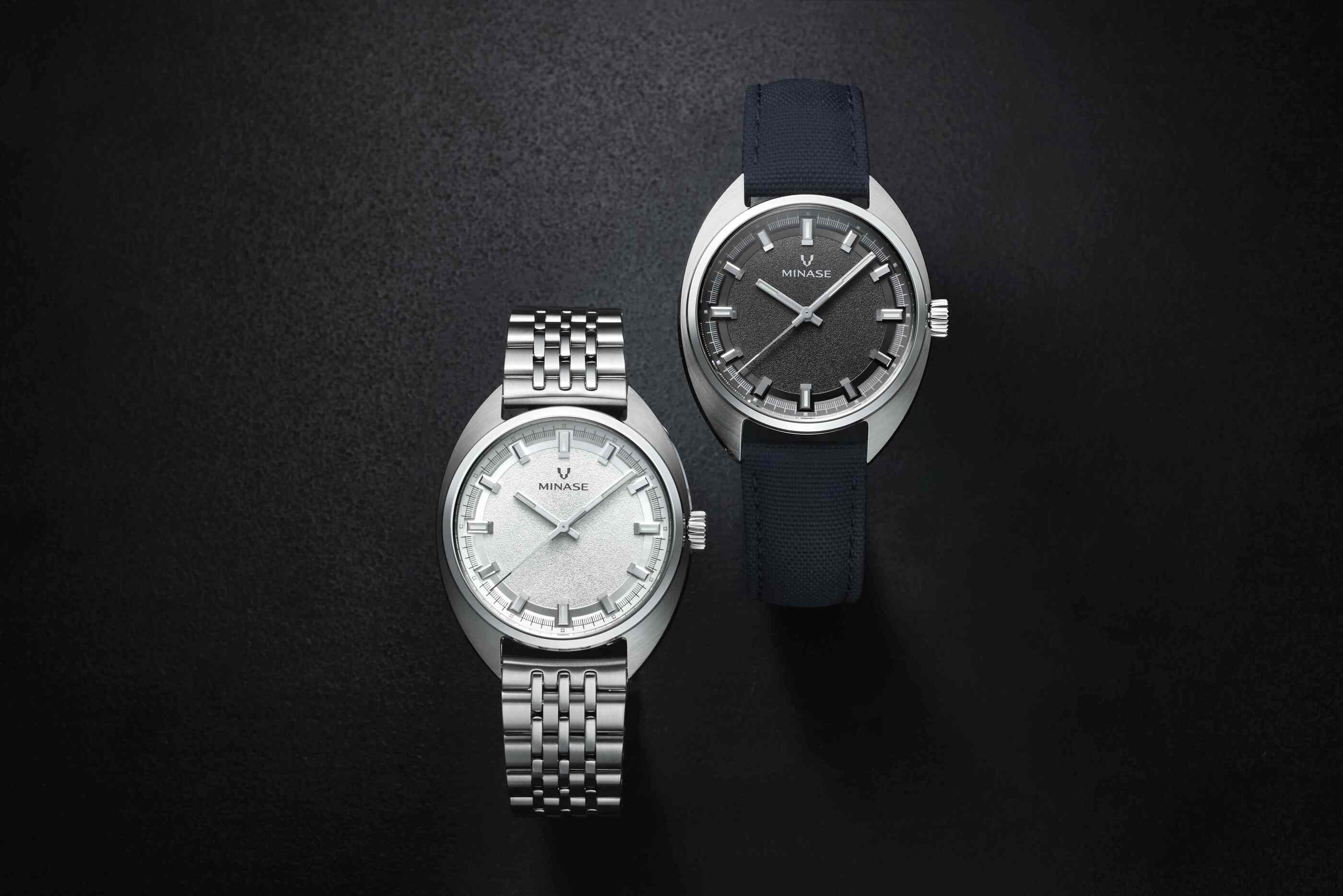
Initially intended for the domestic market, the new collection will be distributed through a separate retail network to avoid overlap with Minase’s flagship Seven Windows and Divido lines. International expansion may follow at a later stage.
At the opposite end of the spectrum, Minase is also exploring the possibility of offering fully bespoke watches. Planned within the next three years, the programme could include client-specific complications as well as ultra-limited productions of only a handful of pieces.
The strategy perfectly encapsulates what makes Minase unique. Few brands are able to simultaneously pursue greater accessibility while moving further into the realm of highly exclusive, artisanal watchmaking. Yet whether addressing a broader audience or crafting one-of-a-kind creations, Minase remains firmly rooted in the values that define it: Japanese craftsmanship, artistic expression and meticulous attention to detail.