
 Español
 Français
 Pусский
 繁體中文
繁體中文 简体中文
简体中文 Select another language

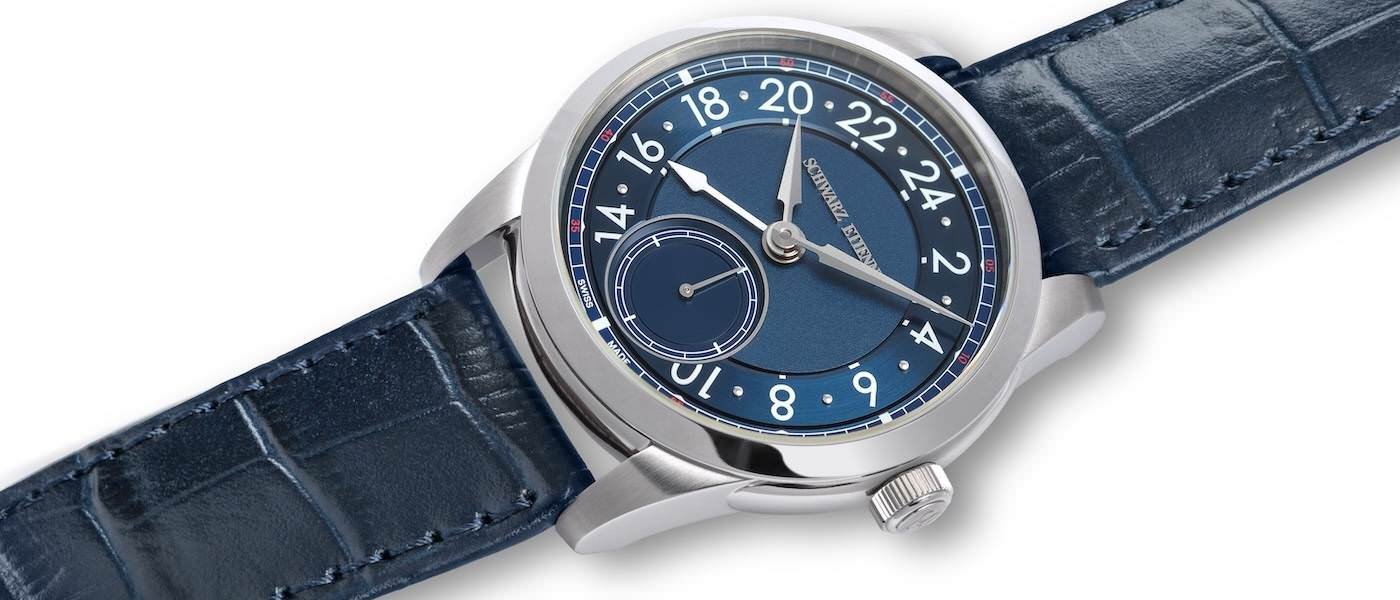
ounded in 1902 in La Chaux-de-Fonds, Schwarz Etienne is one of those discreet manufactures whose history runs parallel to that of Swiss watchmaking itself. While its name has long circulated behind the scenes – serving partner brands for which it developed, and continues to develop, movements and complete watches – the company has always upheld its own identity as a brand.
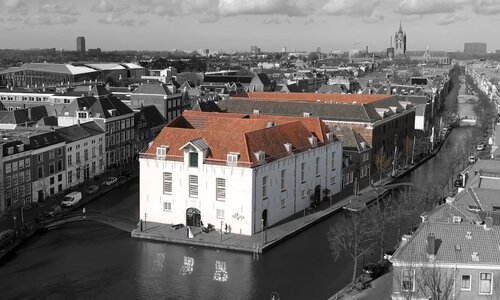
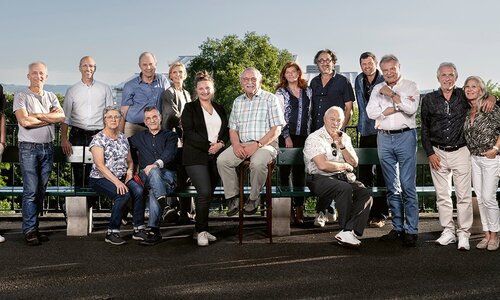
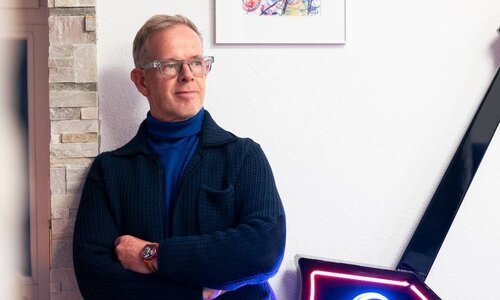
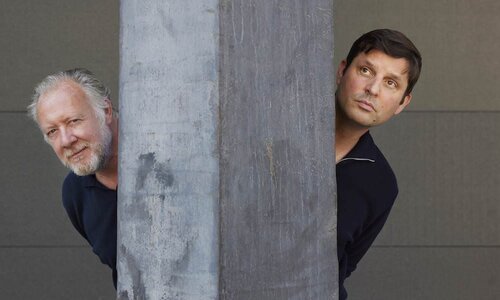
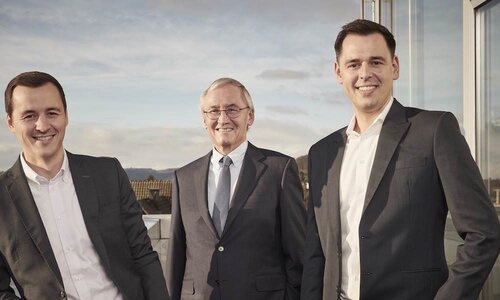
At the helm since July last year, Florian Brossard previously worked at Minerva and then Greubel Forsey before joining Schwarz Etienne. With a team of 13 based in the 1910 Villa Sonnenheim, a historic mansion, the manufacture possesses a rare asset: the ability to design and produce its own movements. Its ambition today is to strike a sustainable balance between its historical private label business and the development of the Schwarz Etienne brand itself. Interview.
Europa Star: You took over the management of Schwarz Etienne last year. What was your priority when you arrived?
Florian Brossard: My first priority was to redefine the company’s strategic balance. Schwarz Etienne is capable of doing everything in-house thanks to its proprietary movements and highly skilled team. Yet we were better known for our private label activity than for our own brand.
Historically, development for third parties carried greater weight. Today, the objective is clear: to move towards a 50/50 balance between private label and the Schwarz Etienne brand. In the current environment, it is essential to rebalance our activities and restore the brand to its rightful place.
So private label remains – and will remain – an important component of your model?
Absolutely. We develop components, movements and sometimes complete watches. We sign confidentiality agreements, so it is difficult for me to reveal everything, but some projects evolve over ten years.
It is an interesting, structuring and economically sound activity. But it must not overshadow the brand. Private label remains a strength, particularly for entrepreneurs or emerging brands entering the market, yet our strategic priority is now the visibility and recognition of Schwarz Etienne.

This ambition has notably taken shape through the 1902 collection…
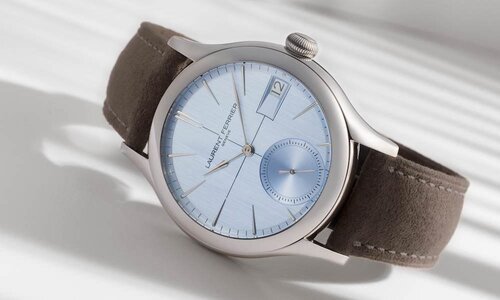
1902 is a founding date: the year the company was established. We wanted to make it a pillar – a permanent collection that respects our historical DNA while asserting our contemporary watchmaking legitimacy.
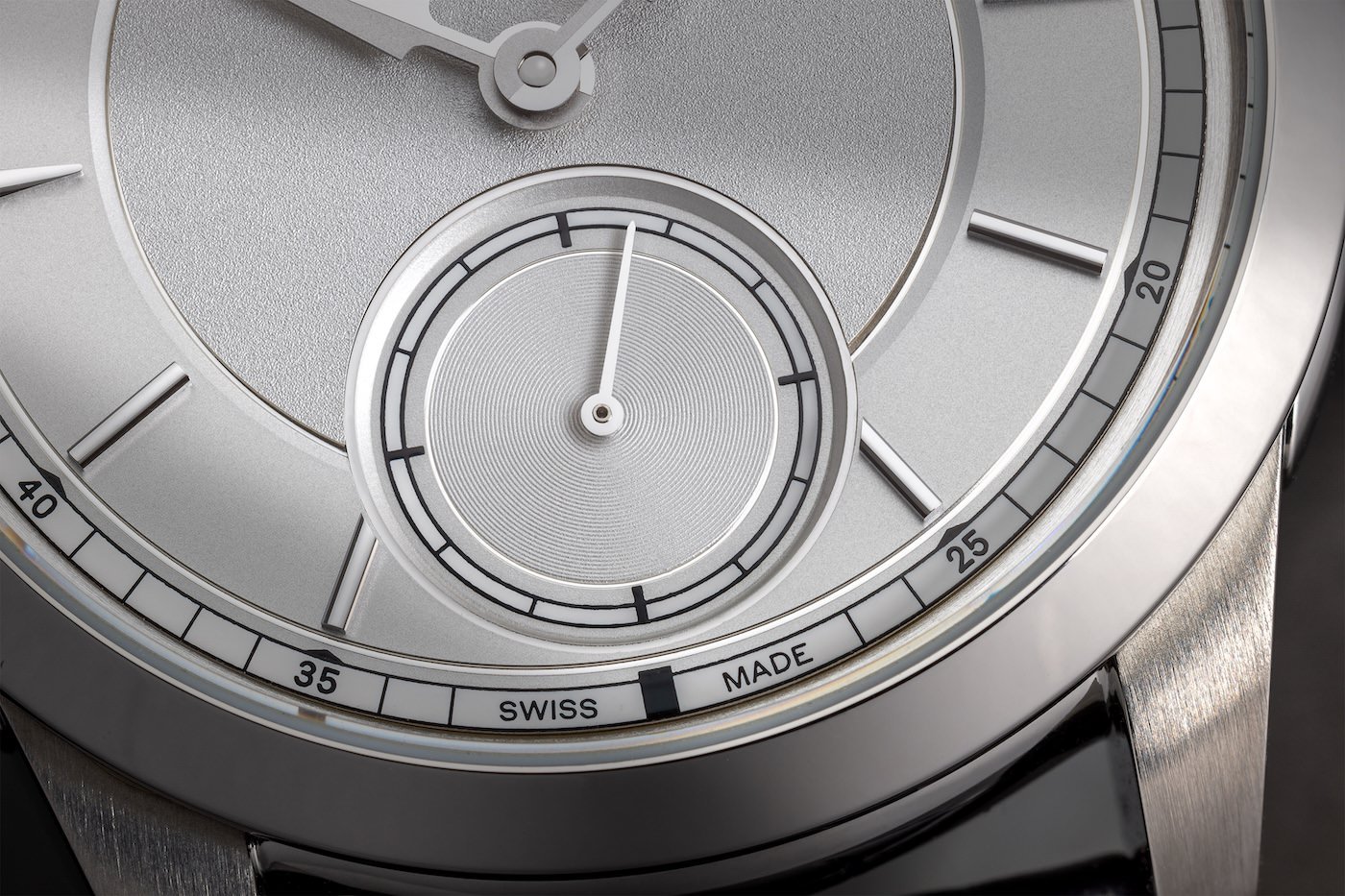
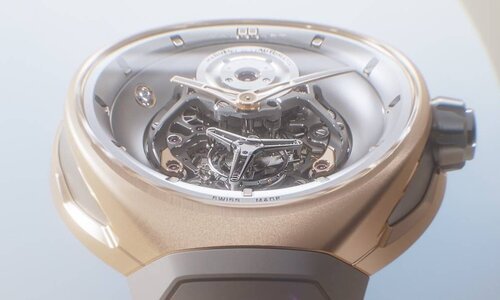
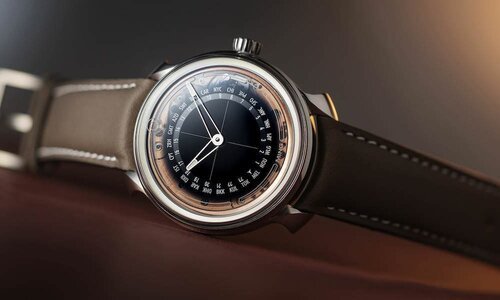
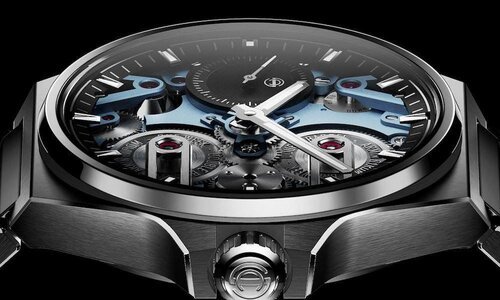
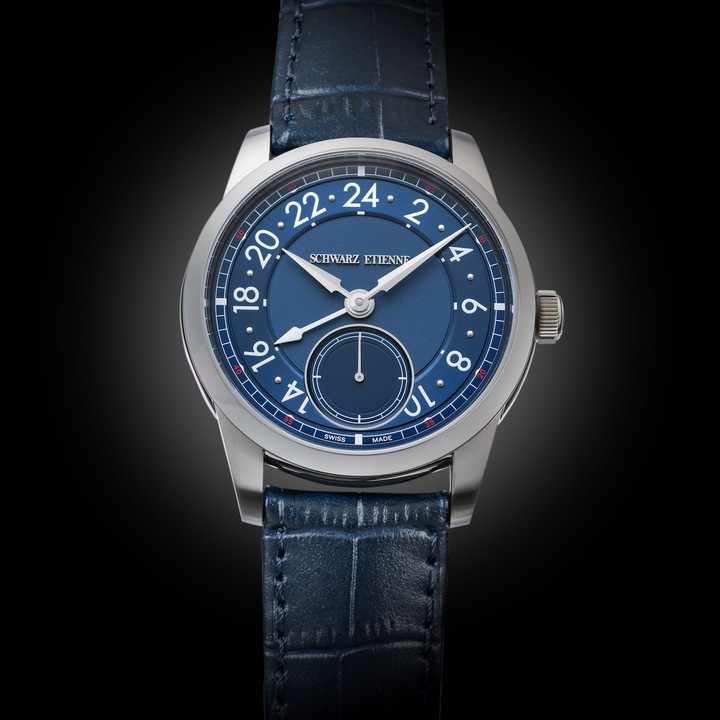
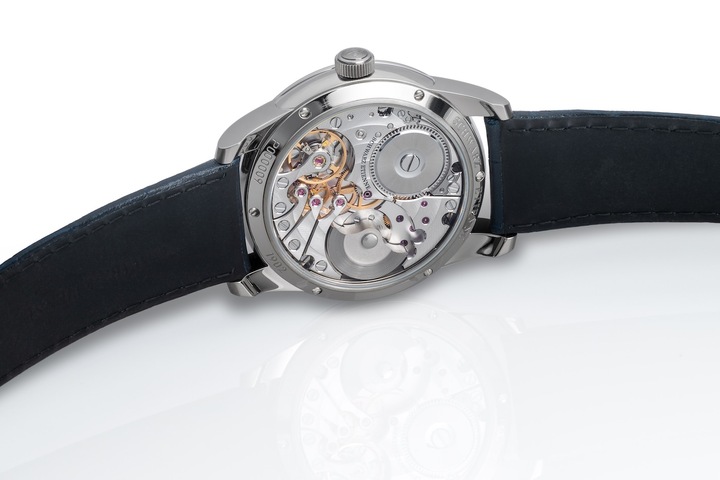
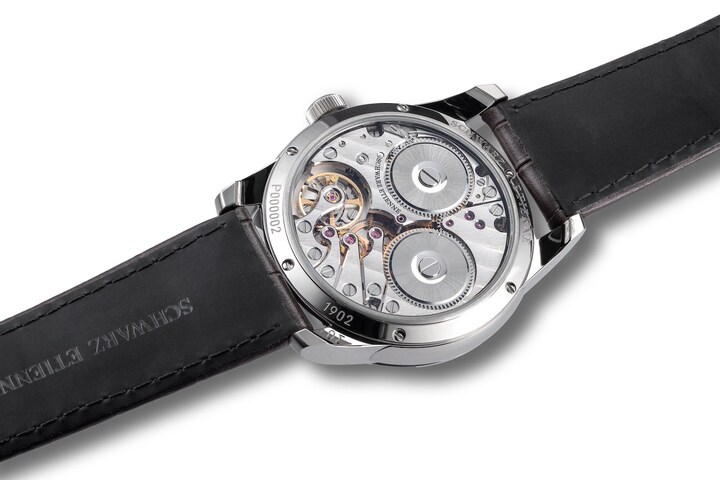
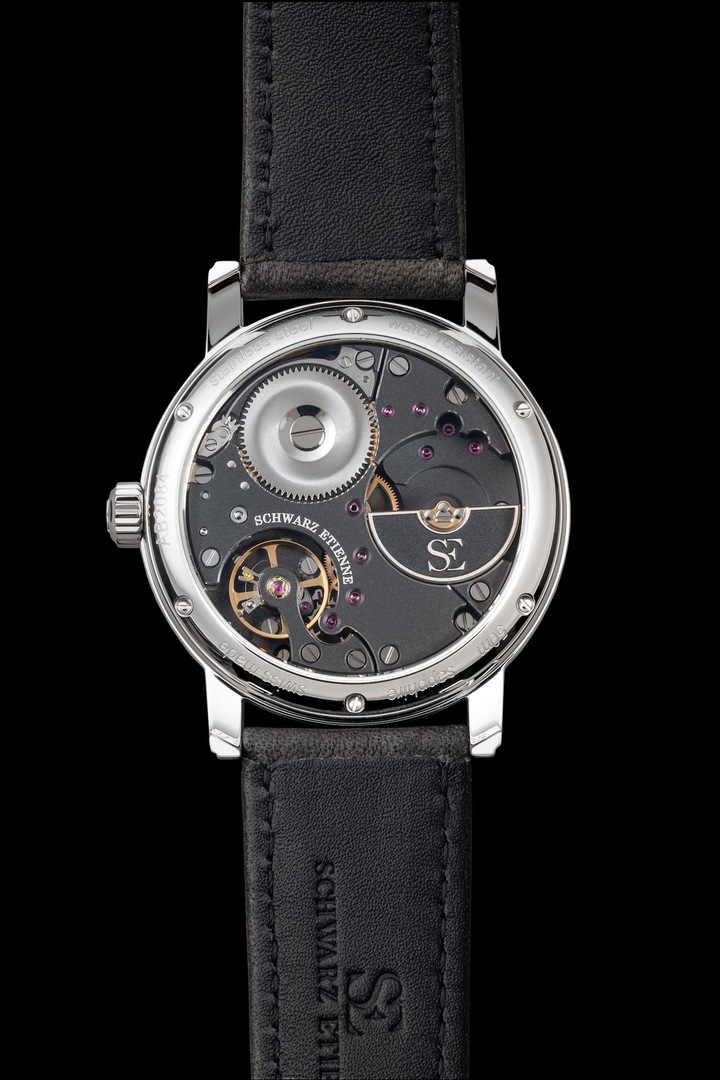
We laid solid foundations with a very classical yet strong aesthetic, structured around our six-bridge manufacture movement. It is an exclusive, identifiable calibre that gives the watch real personality.
The 1902 collection is now available in several versions. How are they positioned?
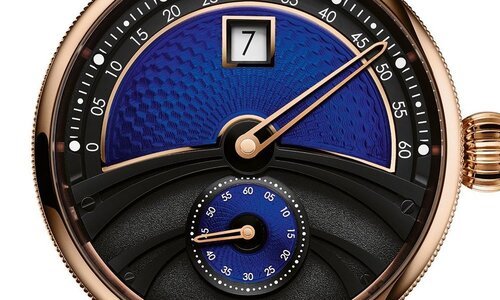
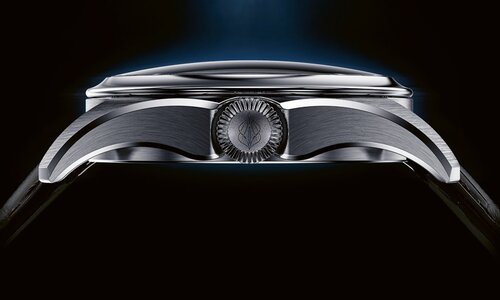
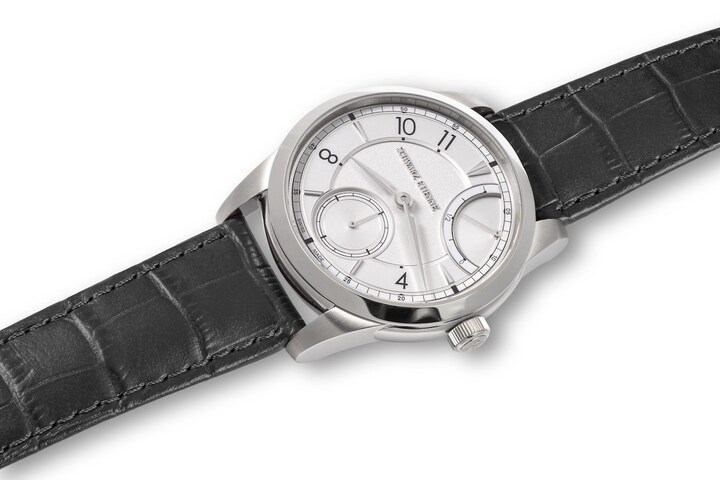
We began with the Petite Seconde, priced at 18,500 Swiss francs. Then came the five-day Power Reserve version, equipped with two barrels, at 19,500 Swiss francs. The GMT is positioned at 19,850 Swiss francs and notably features a grade 5 titanium case. Each model has its own decoration and finishing. The Petite Seconde stands out with circular Côtes de Genève, while the Power Reserve features 45-degree Côtes de Genève.
What are your production volumes?
We produce approximately 200 to 250 watches per year.

How is your international clientele distributed?
Around one third of our sales are in the Middle East, one third in the United States and one third in Asia. We work with long-term partners. For a small house like ours, these relationships are essential. We move forward with distributors and retailers who understand our positioning and our standards.
How do you see the brand’s place today within the watch industry?
Schwarz Etienne probably deserves greater recognition. We have the industrial tool, the historical legitimacy, manufacture movements and real product coherence. Our task now is to make that known.