
 Español
 Français
 Pусский
 繁體中文
繁體中文 简体中文
简体中文 Select another language

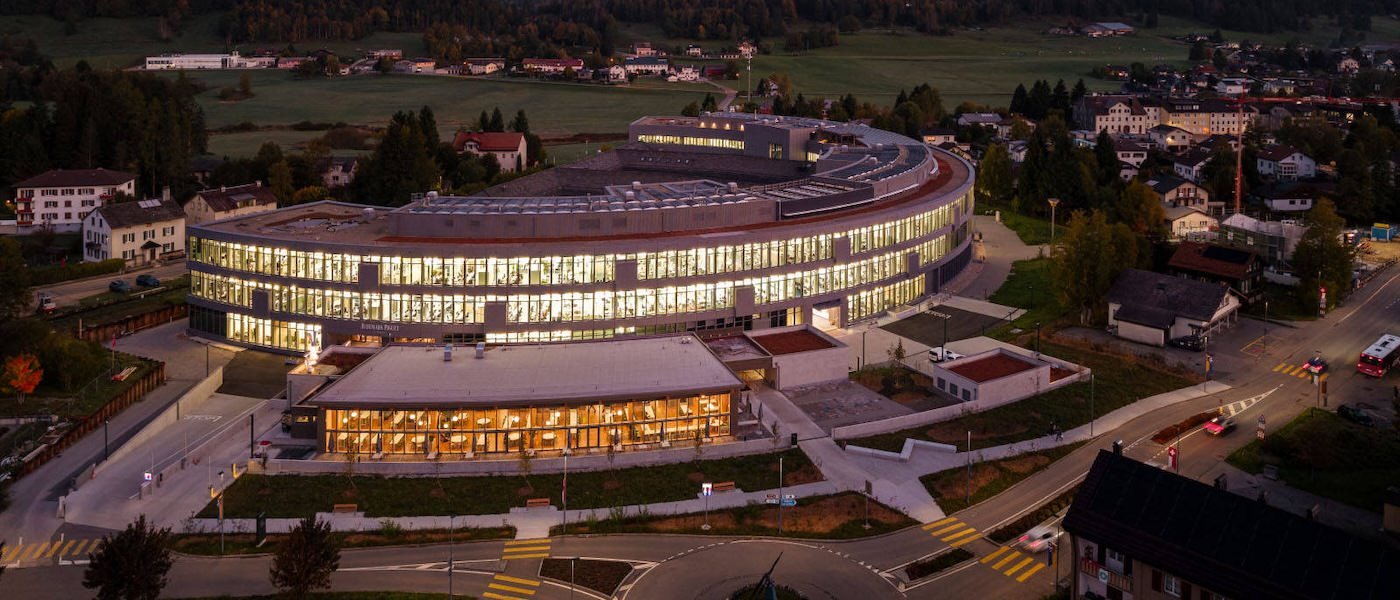
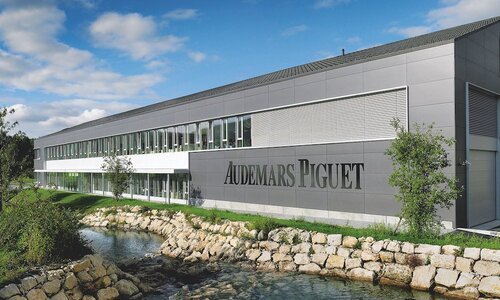
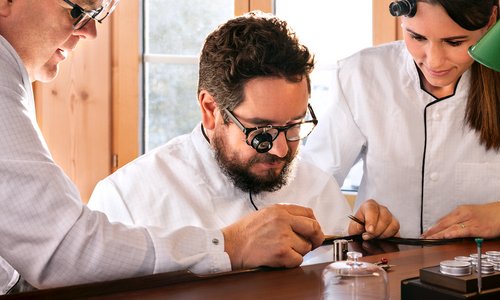
rom the early days of the Établissage system - a network of artisans and ateliers specialised in individual watch components - Audemars Piguet has fostered a strong sense of collaboration while nurturing individual talent. Guided by this philosophy, this ambitious building project was developed with the aim of gathering the manufacturer’s technical specialities – previously dispersed across the Vallée de Joux – under one roof.
Designed by Geneva-based architectural firm de Giuli & Portier, and built by Alpenda SA, construction was completed within three years of receiving the building permit in 2019. Modelled on the Industry 4.0 concept , the project’s flexible infrastructure addresses future ways of working, allowing the company to adapt to evolving needs over time.
With a surface area of 23,700 m2, the new production site accommodates up to 700 employees, offering a pleasant working environment characterized by open space and natural light. Transparent partitions and ample meeting rooms encourage communication and idea-sharing between teams, while dedicated quiet zones and traditional offices allow for focus and privacy, allowing individuals to choose the environment that suits them best.
Fitted with electrochromic technology, the tint of the glass façade automatically adjusts to light intensity and heat, ensuring optimal comfort for employees at all times without obstructing their exposure to natural light and surrounding views.
“With this new building, Audemars Piguet continues to invest in the well-being and expertise of its employees. Designed to optimise collaboration and workflow, the flexibility of the space will allow us to adapt to evolving needs as we build the future of the brand,” said Ilaria Resta, Chief Executive Officer Audemars Piguet.
Poised to support future brand growth, the newly centralised production site will gradually allow for an increase in production capacity thanks to an optimised workflow and state-of-the-art facilities. Automated solutions designed to eliminate certain manual tasks will enable more employees to focus on those requiring dexterity and expertise.
As such, Audemars Piguet continues to bring its savoir-faire into the 21st century while promoting and safeguarding watchmaking expertise native to the Vallée de Joux. By contributing to the region’s growth, the Manufacture contributes not only to economic development but also to local community life.
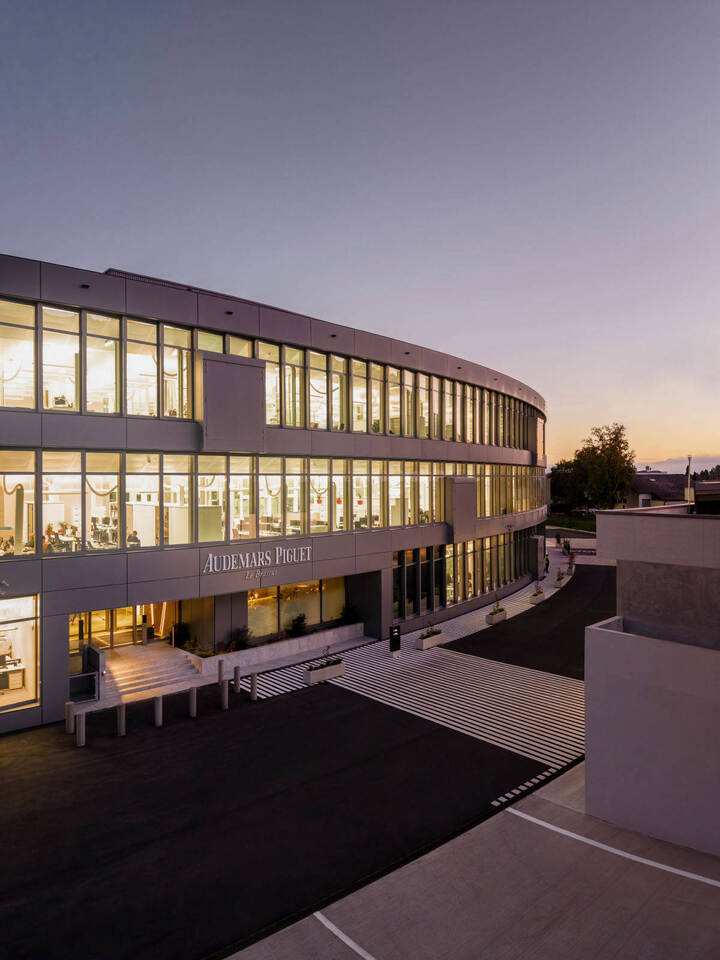
The Arc is equipped with a centralised storage system designed to streamline stock management and improve efficiency. Making optimal use of limited space, this GTP (Goods-to-Person) system uses shuttles to deliver components and parts to the appropriate workshops. Standing 15 metres high and fitted with 66 robots, this automated tool can perform up to 350 movements per hour (1,200 by 2030).
Production and Customer Service teams will now be able to retrieve the necessary components while saving around 15 seconds per operation. As the technical heart of the Manufacture in Le Brassus, the centralised storage system required several months of construction and testing before becoming fully operational and meeting the expectations of the various production teams.
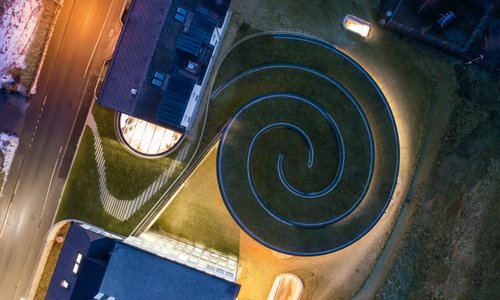
Following in the footsteps of Audemars Piguet’s existing production sites in Le Locle and Meyrin, the Arc is Minergie-ECO® certified, meeting the highest ecological standards for buildings in Switzerland. From the outset, the project was developed with the aim of limiting its impact on the environment.
Thanks to a carefully considered Partial Land Use Plan, an eco-responsible approach was prioritised. A dedicated green roof, for instance, recreates the ideal conditions for insects and birds, while simultaneously offering a panoramic view of the Vallée de Joux. The building benefits from advanced energy efficiency: in addition to heat recovered from industrial machinery, a fully renewable complementary energy source is provided via connection the “Brassus Bois” wood-fired heating plant located next to the station.
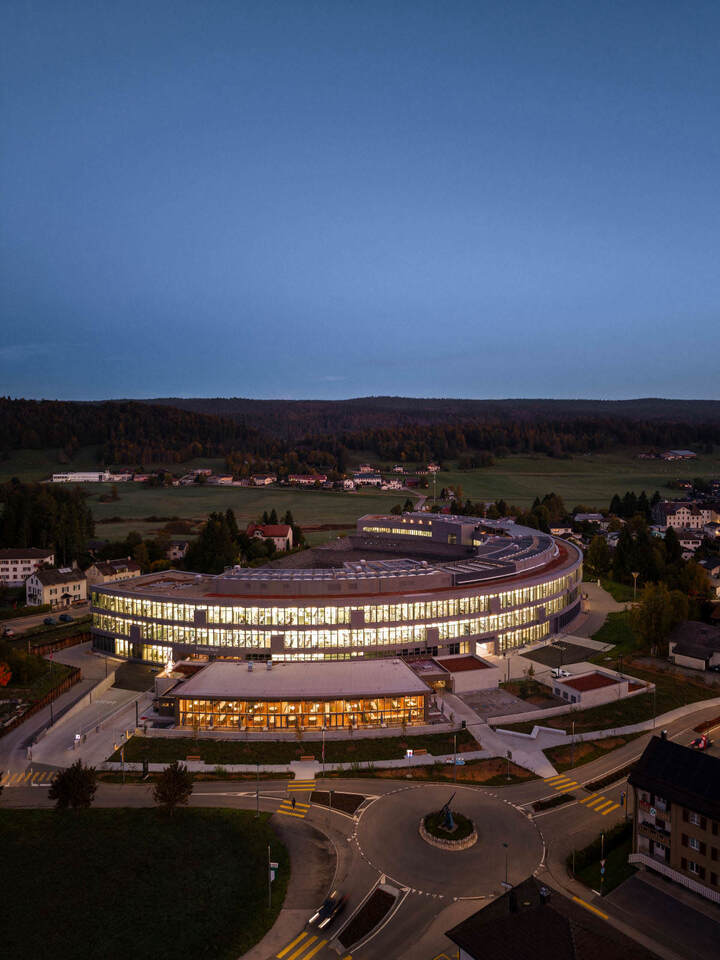
At the start of the project, non-polluted excavated soil was transported from this same station for reuse in a major infrastructure project, reducing the ecological impact of the construction phase. Finally, the installation of a photovoltaic panel surface exceeding regulatory requirements provides additional energy to the Manufacture.
The architects proposed a crenelated surface to animate the curved façade, which stretches 321 metres. Beyond its aesthetic appeal, it reduces the risk of bird collisions and limits glare from glass reflections. To guard against potential flooding, the building is surrounded by an 80-centimetre wall that protects it by diverting water towards a natural drainage channel without altering the surrounding environment.
Located next to Le Brassus station, the Arc is accessible by public transport and offers 502 parking spaces (274 at the Arc, 228 at the station) to minimise the impact of parking on public areas. The Brassus-Gare car park is also available to the community at weekends and during special events outside company use. Numerous spaces for electric vehicles have been provided. The company has also implemented an internal programme to encourage carpooling among employees and has generalised remote working for administrative roles.
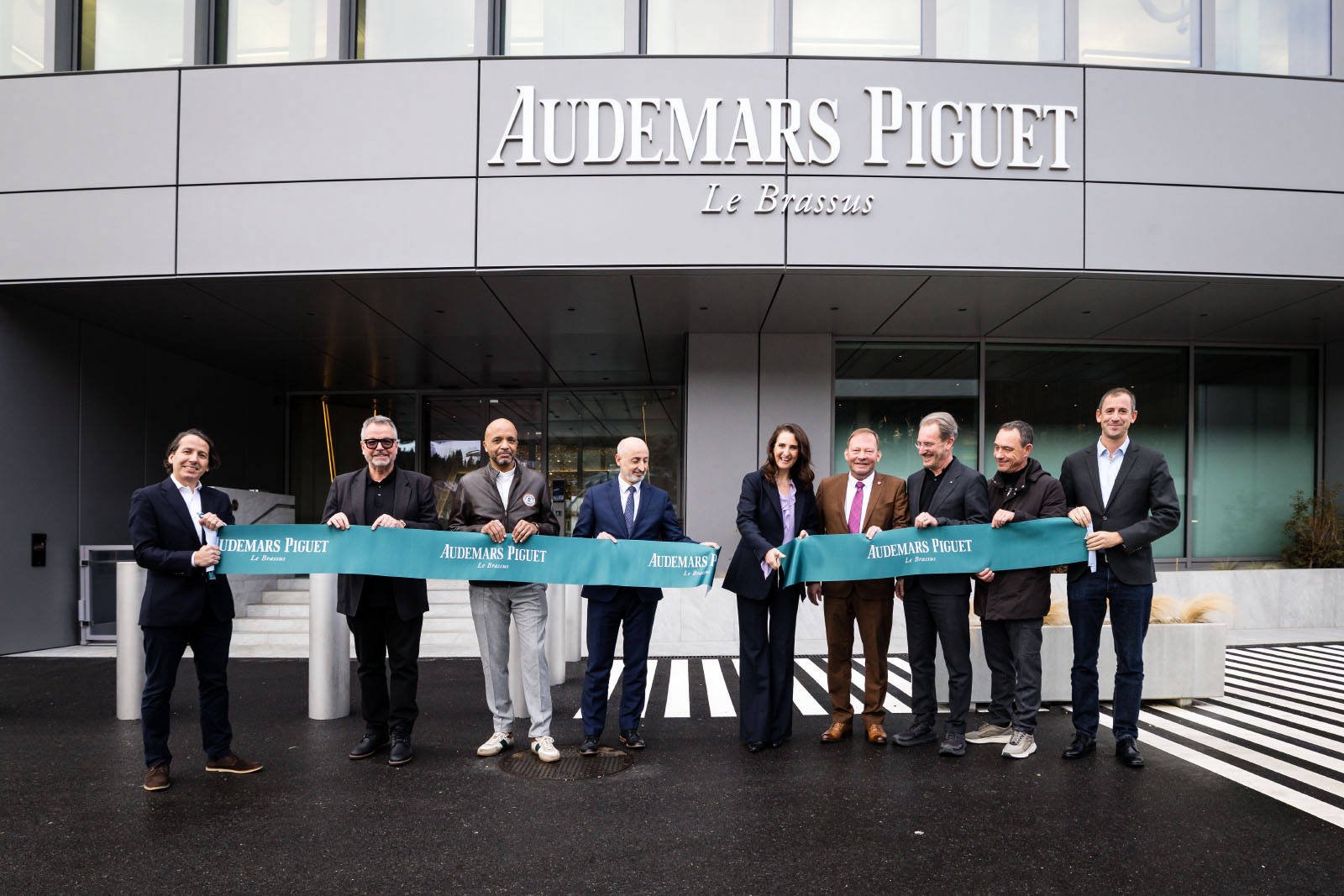
Combining heritage and forward-looking vision, ancestral know-how and cutting-edge technology, this new building marks a significant milestone for Audemars Piguet and reflects its deep roots in the Vallée de Joux.





![Audemars Piguet [RE]Master02: an archive beauty returns](local/cache-gd2/b7/07b2204ef3001c4cb092068c225f3f.jpg?1779556263)