
 Español
 Français
 Pусский
 繁體中文
繁體中文 简体中文
简体中文 Select another language

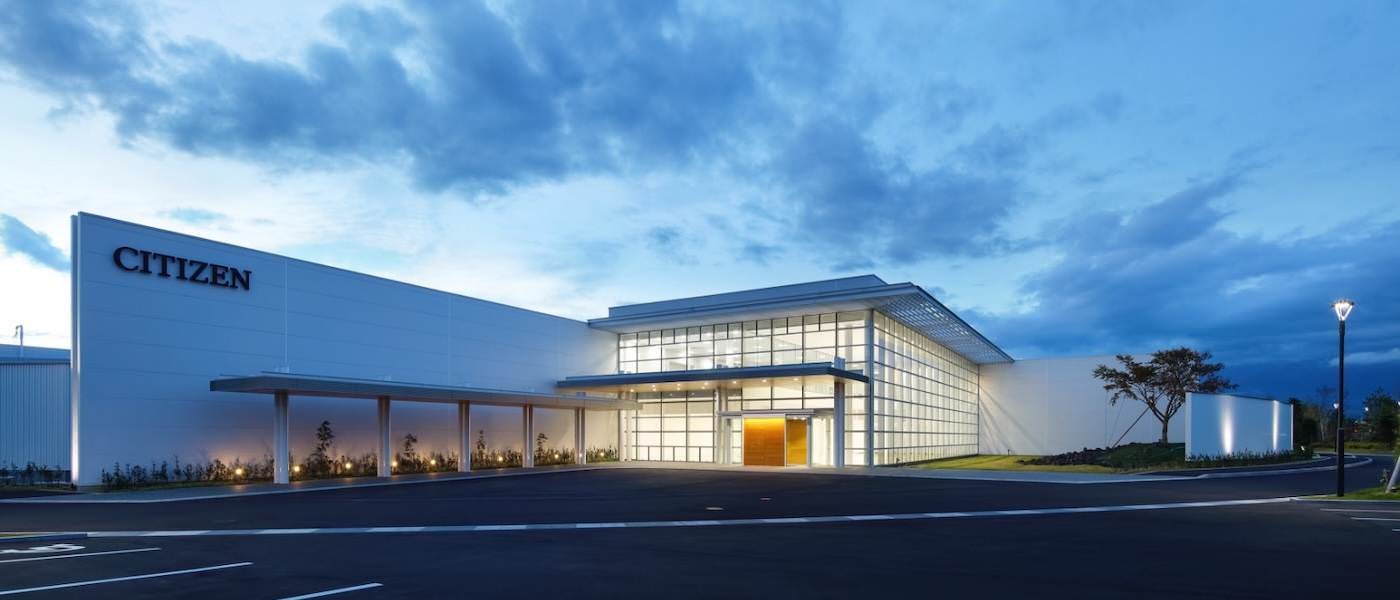
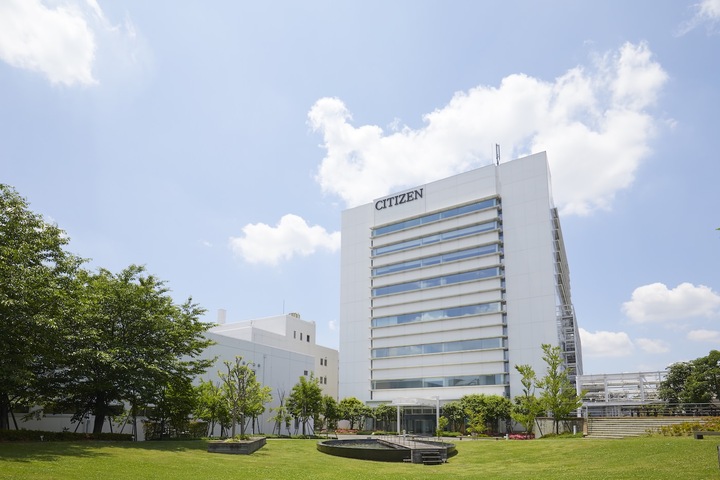
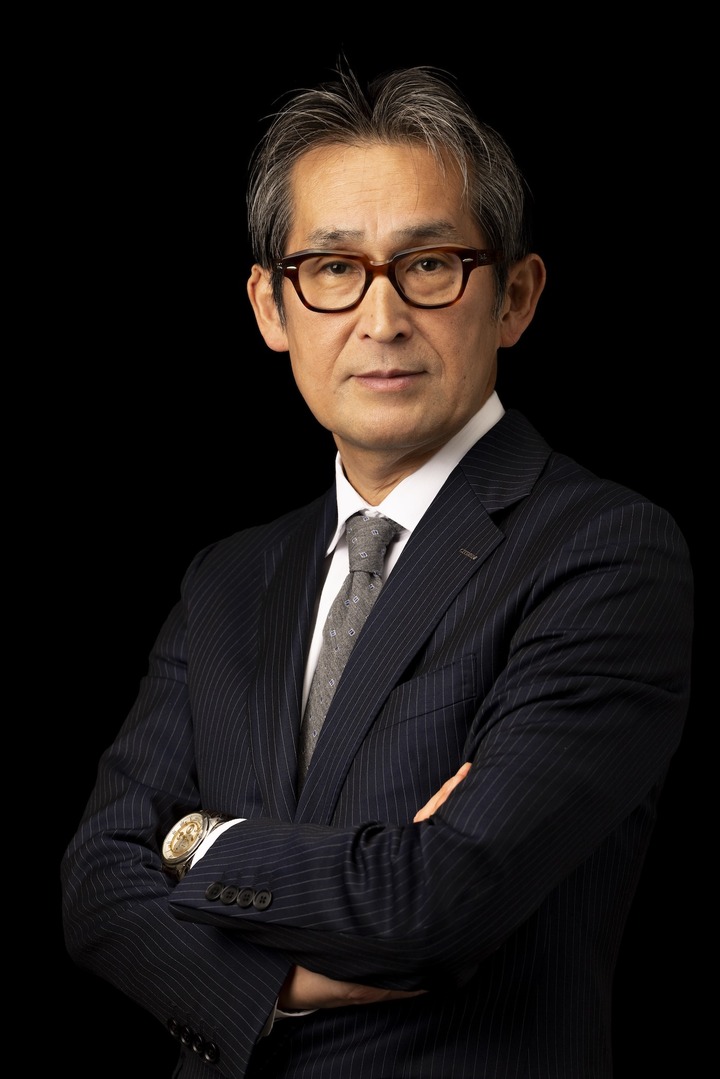
e are no longer primarily focused on increasing volumes, but on creating greater value,” explains Yoshio Miura, Brand Manager at Miyota, when we meet him at the international headquarters of Citizen Group, of which the movement maker is part, in Tokyo. A statement that has become commonplace among Swiss brands raising their average prices, yet carries particular weight given Miyota’s output, which reaches tens of millions of calibres per year. Its quartz calibre 2035 is likely the most widely produced movement in the history of watchmaking (in 1999, it was awarded the Guinness World Record for production volume).
Watchmaking is a living ecosystem, and “premiumisation” is reshaping all its segments and stakeholders. Miyota stands as one of its ubiquitous pillars: it must respond to the growing demand for automatic movements, a profound shift affecting the entire industry.
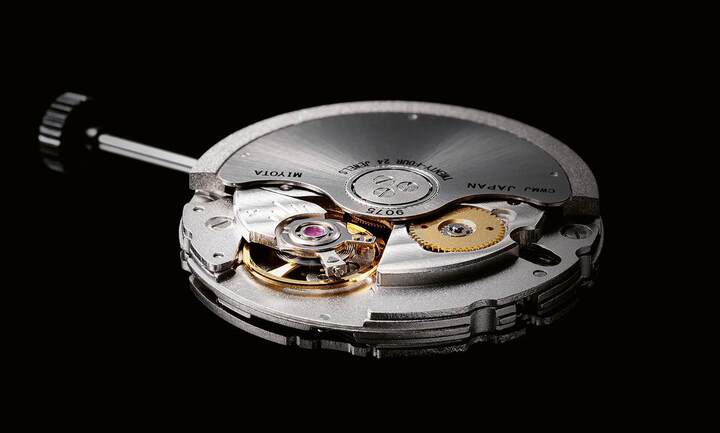
Citizen Group already includes a high-end movement manufacturer within its portfolio: the Swiss manufacture La Joux-Perret. So far, the exchanges appear mutually beneficial: solar quartz, a Japanese forte, has made its way into the Swiss maker’s catalogue; while the Japanese movement manufacturer is placing increasing emphasis on the development of automatic movements (which still represent less than 10% of its volumes, but significantly more in value), including a “true GMT” calibre, the 9075, launched in 2022.
Miyota no longer wishes to be perceived merely as a “movement maker”, but as a brand in its own right – one that watchmakers are proud to showcase. This ambition has led to sustained efforts in recent years around brand identity and positioning. The goal is no longer to remain an invisible supplier, but to establish a recognised signature synonymous with Japanese quality, industrial reliability and horological credibility. Our interview.
Europa Star: What are the most important movement families at Miyota?
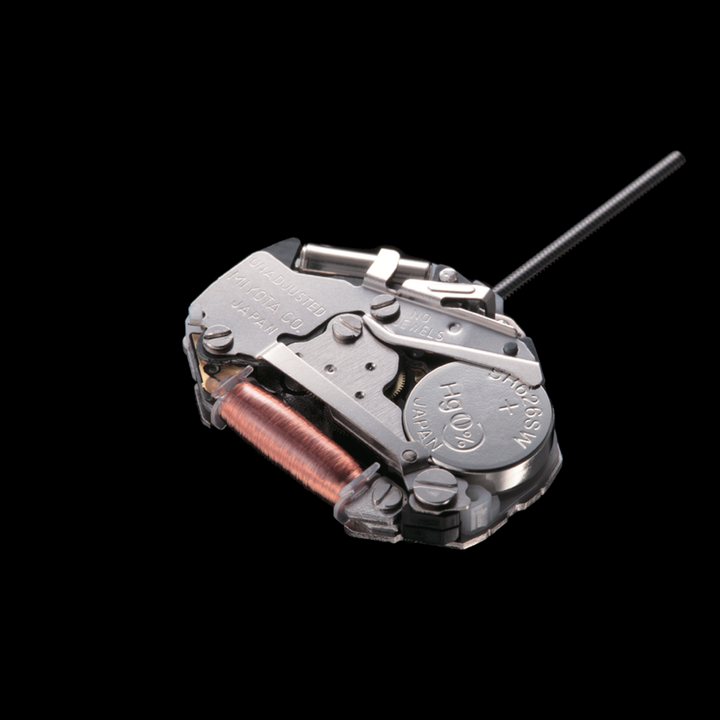
Yoshio Miura: Historically, we have been a major player in standard quartz. Our calibre 2035, produced for more than 40 years, remains a global benchmark, with numerous variations. Quartz still represents the majority of the market for us, even though the segment is gradually contracting.
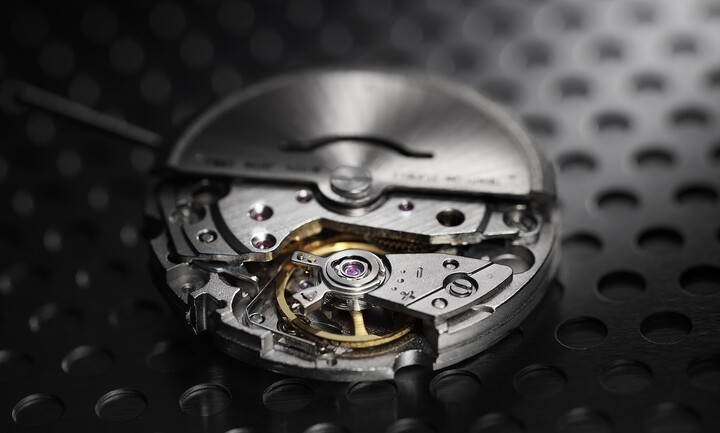
On the mechanical side, our standard automatic 8XXX series, notably the 8215, plays a comparable role: robust and time-tested, it has effectively become an industry standard. Since the 2000s, however, we have also been developing a premium automatic range, offering enhanced finishing, additional functions and greater value.
Today, we are no longer seeking to multiply references. Instead, we are rationalising, standardising and, above all, enriching our movements: blued screws, decorative finishes, complications such as the “true GMT”. Miyota is no longer just a name stamped on a movement; it is a brand in its own right.
How is your production split between quartz and mechanical?
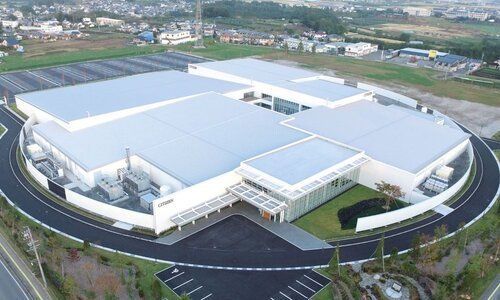
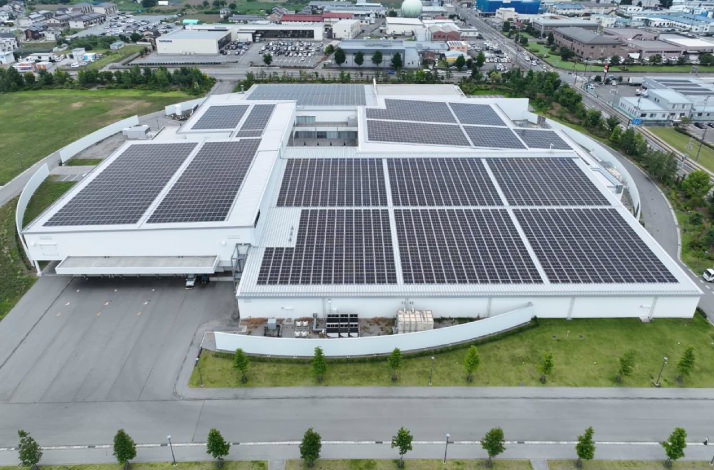
In volume terms, more than 90% remains quartz. Our production lines are highly automated, particularly at our Saku facility, ensuring consistent quality and high reliability.
Mechanical movements are more complex to produce and industrialise. However, this is clearly where value creation lies. Retailers trust Miyota: they know they can sell watches equipped with our movements with confidence, allowing them to focus on design and branding.
As you mentioned, within this strategy you have introduced a “true GMT” automatic movement. Does this calibre embody your move upmarket?
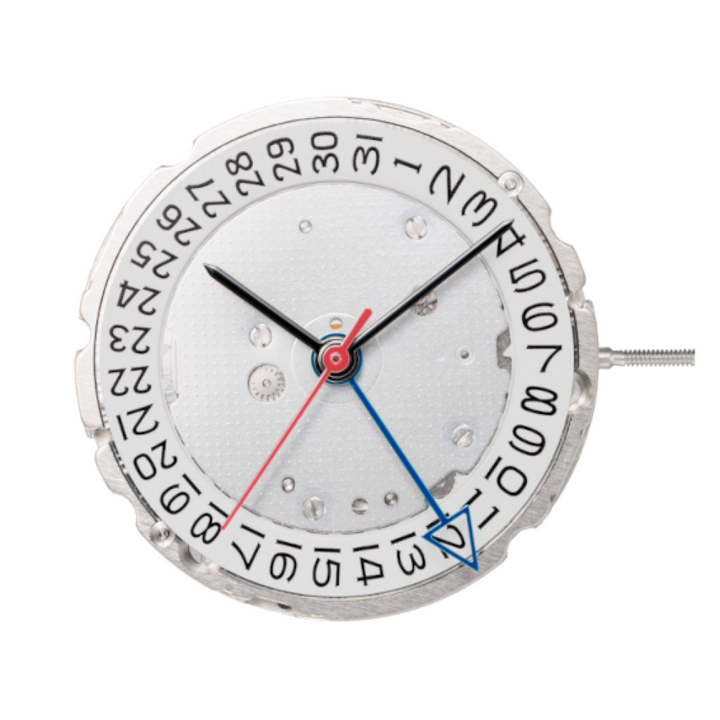
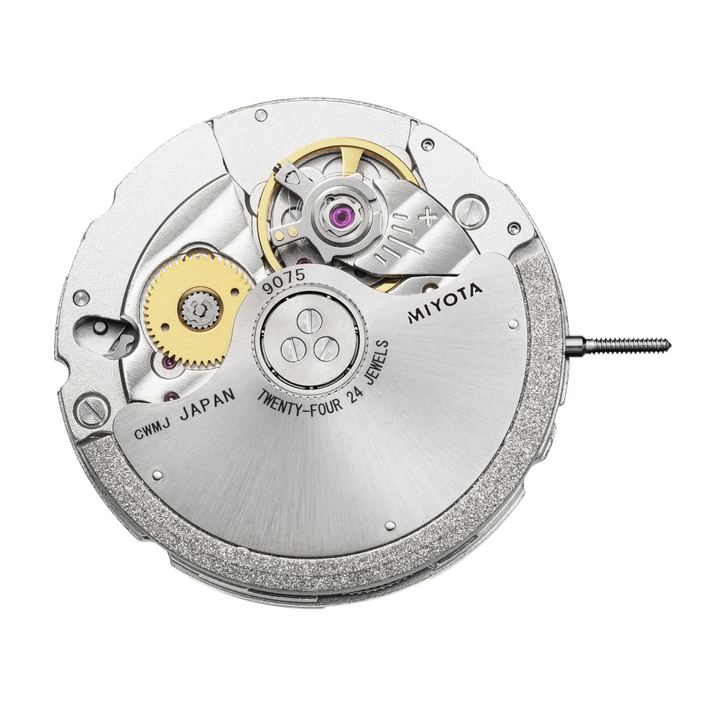
The calibre 9075 is extremely important for us. It is a true GMT, featuring an independently adjustable hour hand synchronised with the date – a function highly valued by enthusiasts.
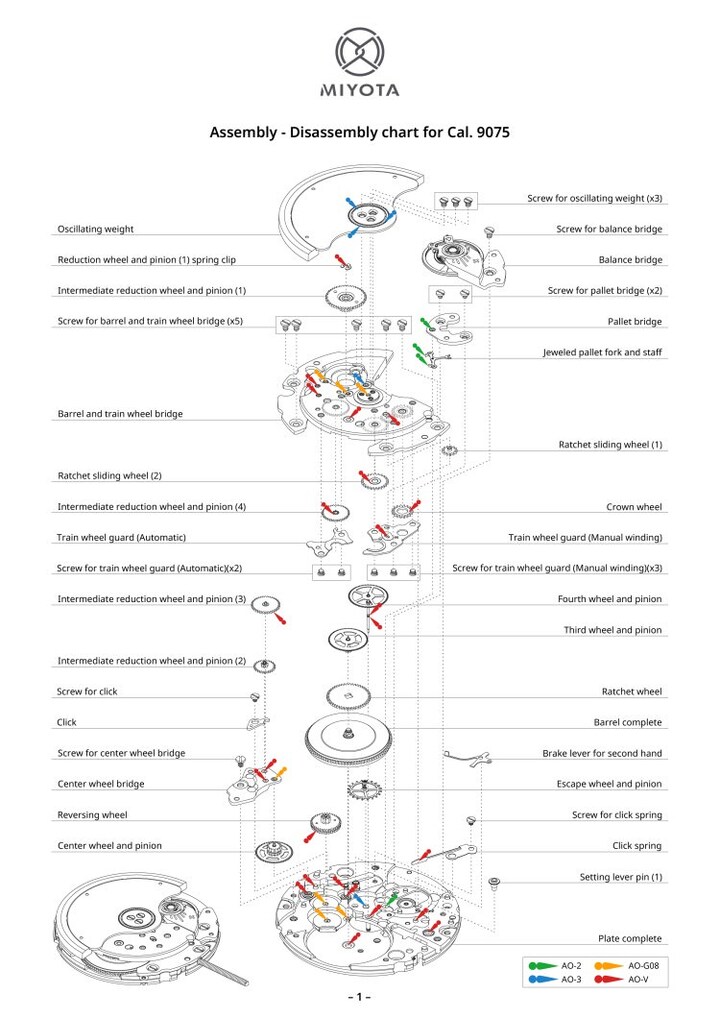
Its technical specifications – 28,800 vibrations per hour, a 42-hour power reserve, 24 jewels – clearly position it within our premium offering. It is a tangible expression of the added value we aim to deliver.
What is the profile of your clients? Where are they located?
Historically, China was our primary market. Today, we have a global presence: the United States, Europe, Asia, and more recently India, which is experiencing strong growth.
Microbrands play a key role. Many combine Swiss movements such as Sellita with Japanese Miyota calibres. In reality, we do not have a direct competitor within our positioning: some movement manufacturers operate at the lower end with very aggressive pricing, while just above us are Swiss movements.
We also believe we have a responsibility: to provide reliable movements at a reasonable price.
In this market context, what are your main strengths today?
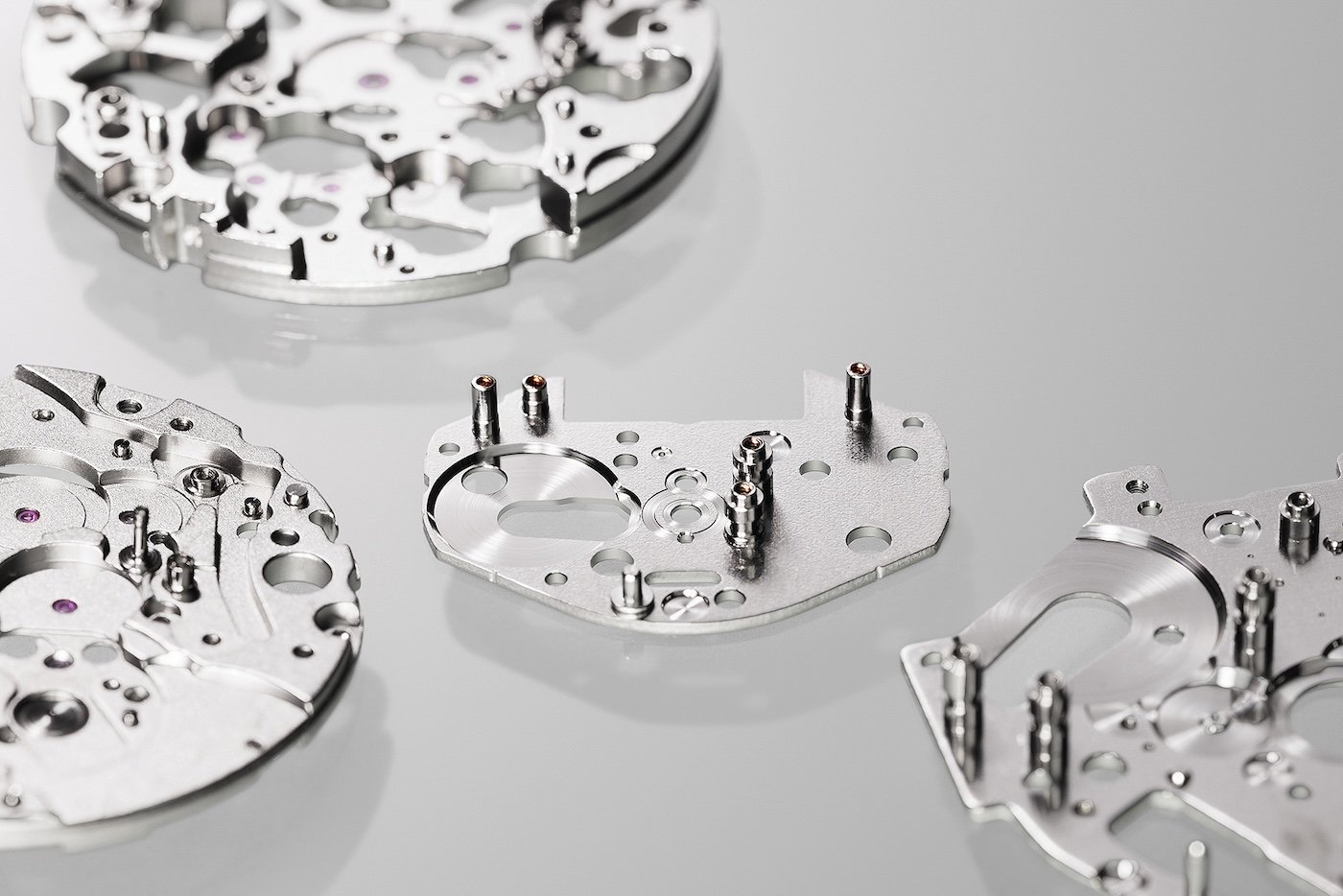
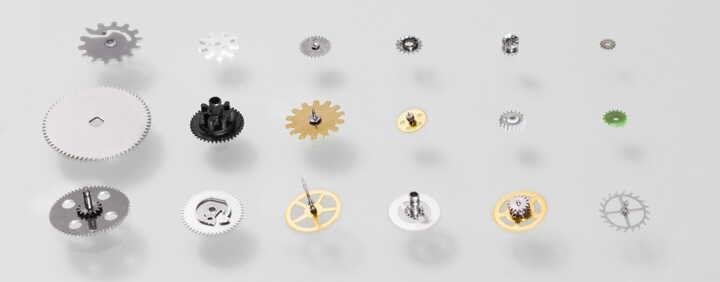
Our stability of supply and our vertical integration of manufacturing. We manufacture the majority of our components in Japan: hairsprings, mainplates, screws, coils… This ensures an exceptionally high level of quality control.
I mentioned our sense of responsibility, because our role is critical. Without Miyota, parts of the watch industry could be destabilised. In a way, we are among the pillars supporting this industrial infrastructure on a global scale.
Even if automatic is your strategic priority, quartz remains an area of innovation. What role does solar quartz play in your offering?
We offer standard solar quartz, but we do not supply Eco-Drive technology, which is cutting-edge, to third parties. Solar has strong potential from a sustainability standpoint, but demand remains limited. The challenge lies in narrowing the price gap with standard quartz. However, stronger commitment from major brands could accelerate its adoption.
On the automatic side, what are your key areas of research?
We are working on silicon hairsprings and anti-magnetic solutions. Our priority is clear: to further develop premium mechanical movements, with greater value and differentiation.
On that subject, how do you collaborate with the Swiss manufacture La Joux-Perret, also part of Citizen Group?
Since its acquisition more than a decade ago, synergies have continued to strengthen. La Joux-Perret brings expertise in high-end mechanical watchmaking, while we contribute our know-how in industrialisation, productivity and quartz technologies.
We benefit from Swiss expertise, particularly in finishing and craftsmanship, while they leverage our industrial capabilities. Together, we contribute to reinforcing the broader watchmaking infrastructure.
What are your main strategic objectives?
We aim to continue developing mechanical movements to enhance the appeal of mechanical watches among microbrands and brands not yet active in this segment but looking to expand into it.
We introduce relatively few new movements – every two to three years – as the process is complex. However, we are streamlining our offering and phasing out certain references.
Finally, we are implementing a gradual increase in prices, driven by rising component costs and the move upmarket. Our objective is not so much to gain market share as to reinforce our leadership in the qualitative mid-range segment, which today is increasingly driven by mechanical movements.