
 Español
 Français
 Pусский
 繁體中文
繁體中文 简体中文
简体中文 Select another language

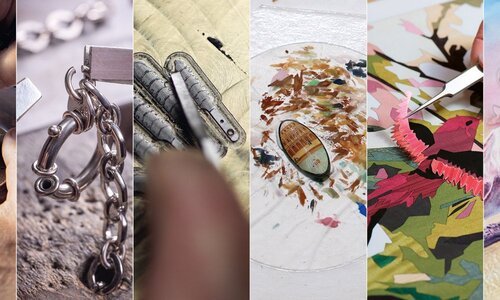
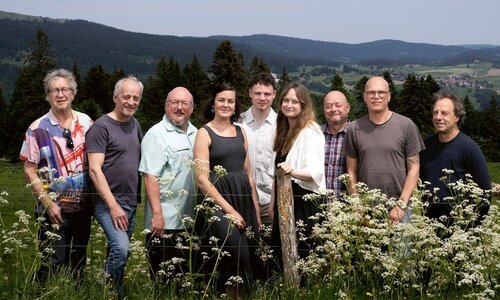
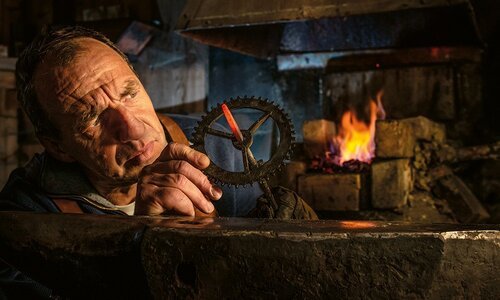
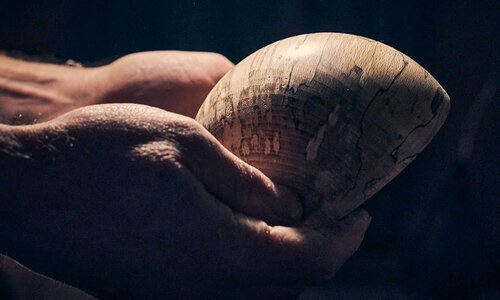
he Ateliers de l’Extraordinaire occupy a unique position within Piaget’s manufacture in Plan-les-Ouates. Bringing together the Maison’s most accomplished artisanal skills, they perpetuate a tradition that dates back to the 1950s. Jewellers, gem-setters, engravers, goldsmiths and chain makers work side by side here, preserving expertise that has long been woven into Piaget’s identity.
Their mission extends beyond safeguarding rare techniques. The challenge is also to reinterpret them in line with the Maison’s contemporary creative ambitions. This year’s collections once again illustrate this approach, from the Swinging Sautoirs and Swinging Pebbles creations to the technical feat represented by the Altiplano Ultimate Concept Tourbillon.
Europa Star: What are Piaget’s Ateliers de l’Extraordinaire and how did they come about?
Rémi Jomard: The Ateliers de l’Extraordinaire represent, in a sense, the summit of Piaget’s manual savoir-faire. They are deeply rooted in the Maison’s history. Yves Piaget viewed craftsmen as artists in their own right, guided by the conviction that fulfilment comes through the work of the hand.
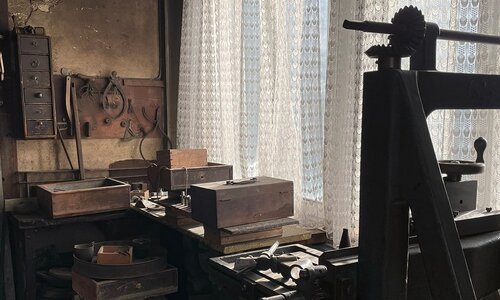
These workshops have existed in various forms in Plan-les-Ouates since the 1950s. Today, they bring together disciplines ranging from jewellery-making and gem-setting to engraving, finishing and goldworking. They are fully integrated into our manufacture.
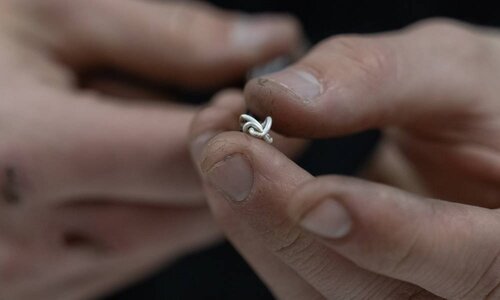
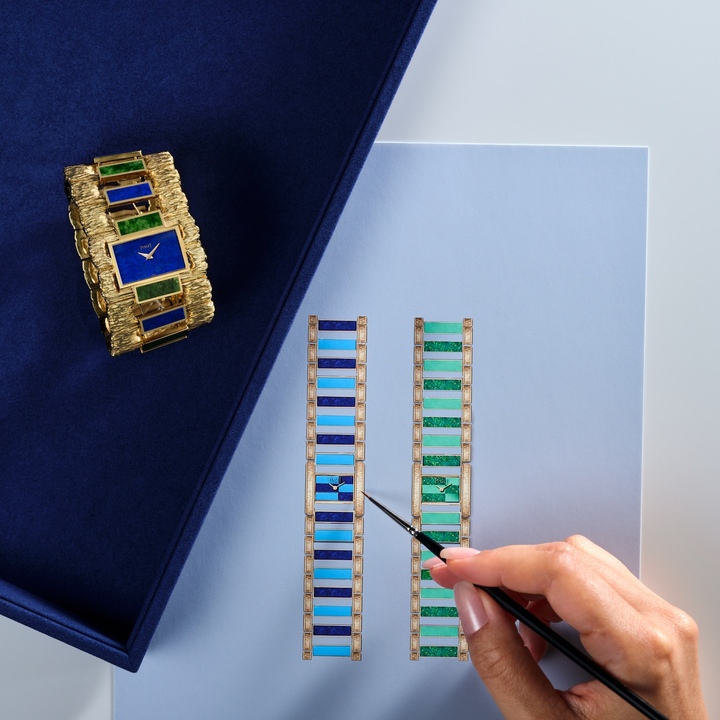
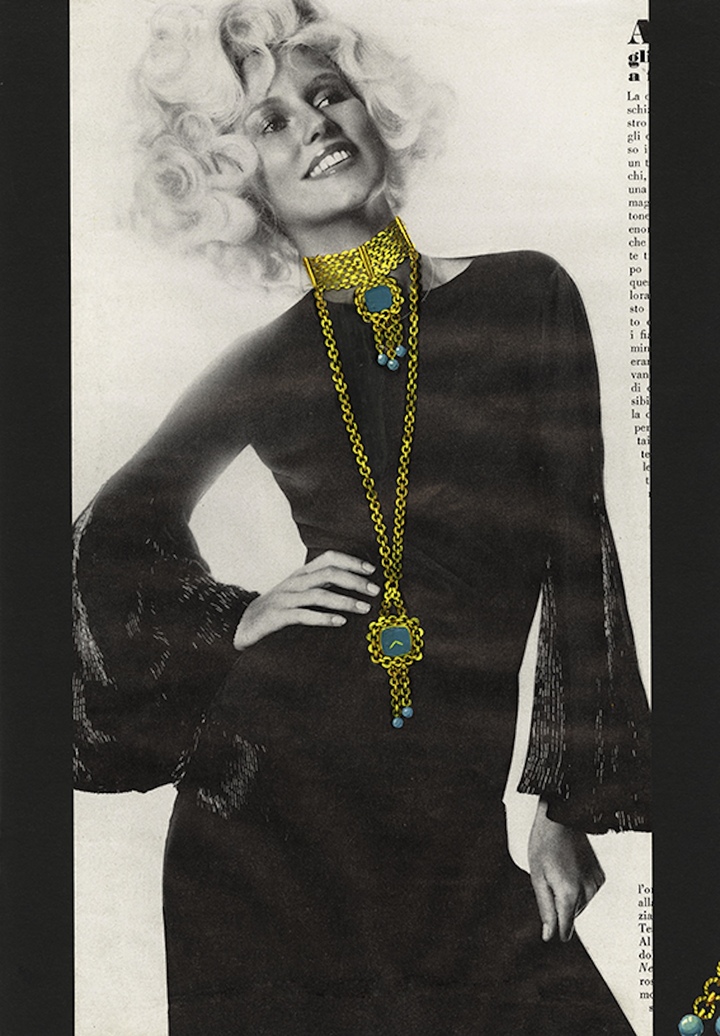
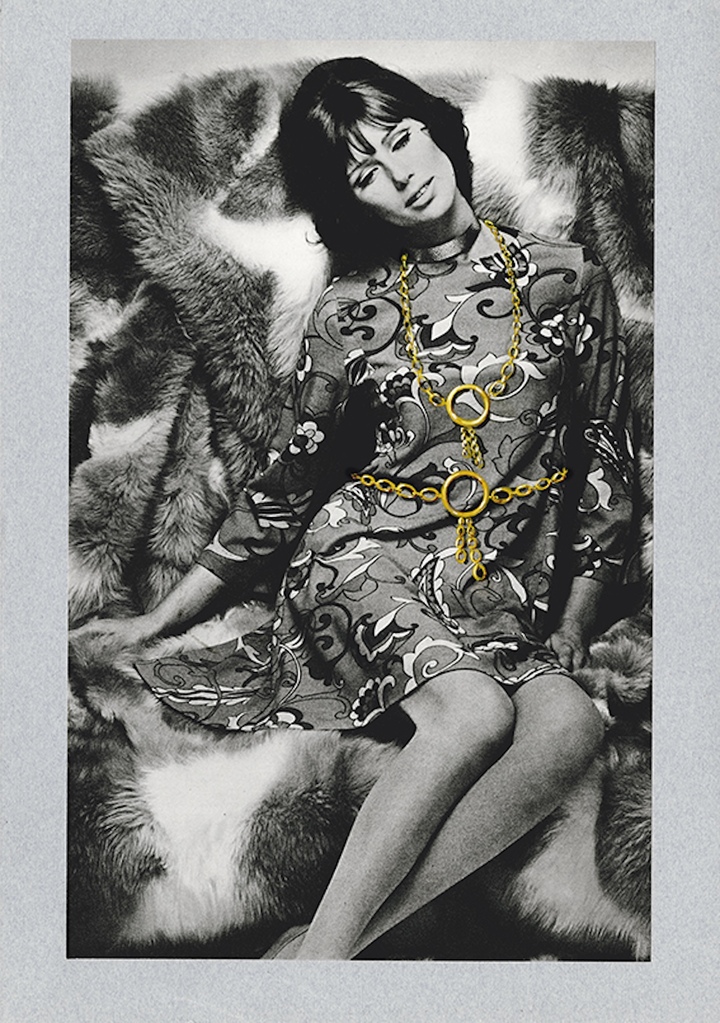
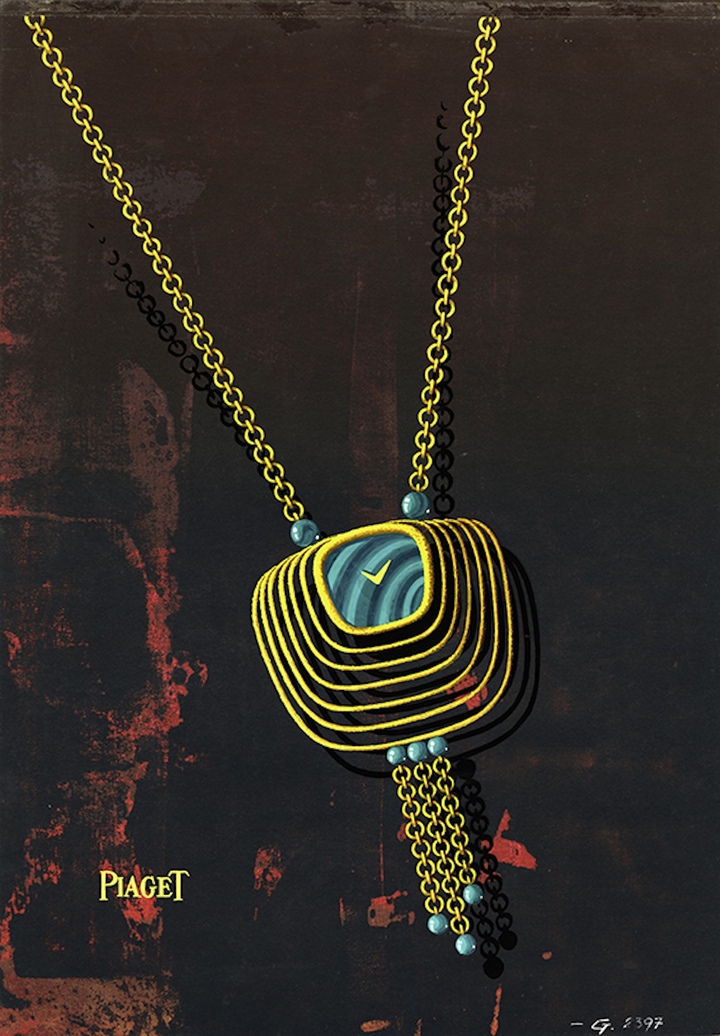
One of our most emblematic skills is chain making. Historically, Piaget crafted its chains entirely by hand, transforming a raw cylinder of gold, link by link, into finished creations. This expertise gave rise to some of the Maison’s most distinctive pieces from the late 1960s onwards, when our designers were encouraged to imagine new ways of wearing jewellery, inspired by the spirit that would later define the Fashion Weeks. Long necklaces, cuffs and “second-skin” jewellery all emerged from that creative momentum.
When we recently reintroduced some of these sautoir necklaces, we had to rediscover the original techniques. It involved a genuine reverse-engineering process, relearning methodologies that had sometimes been forgotten in order to recreate these pieces with the same authenticity as the originals.
How are these historical skills expressed in this year’s creations?
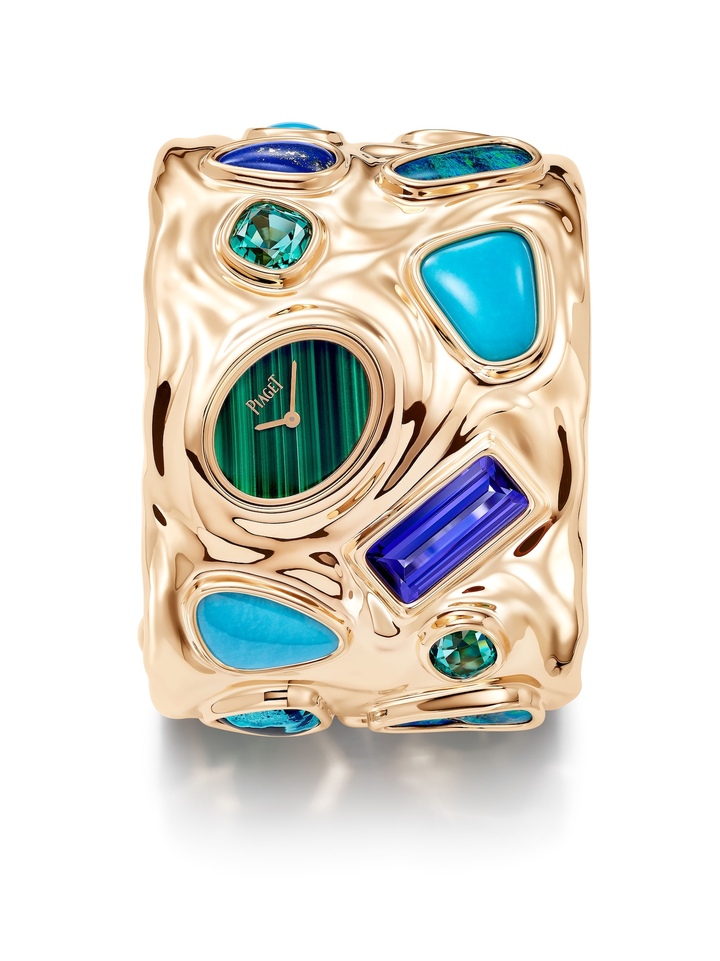
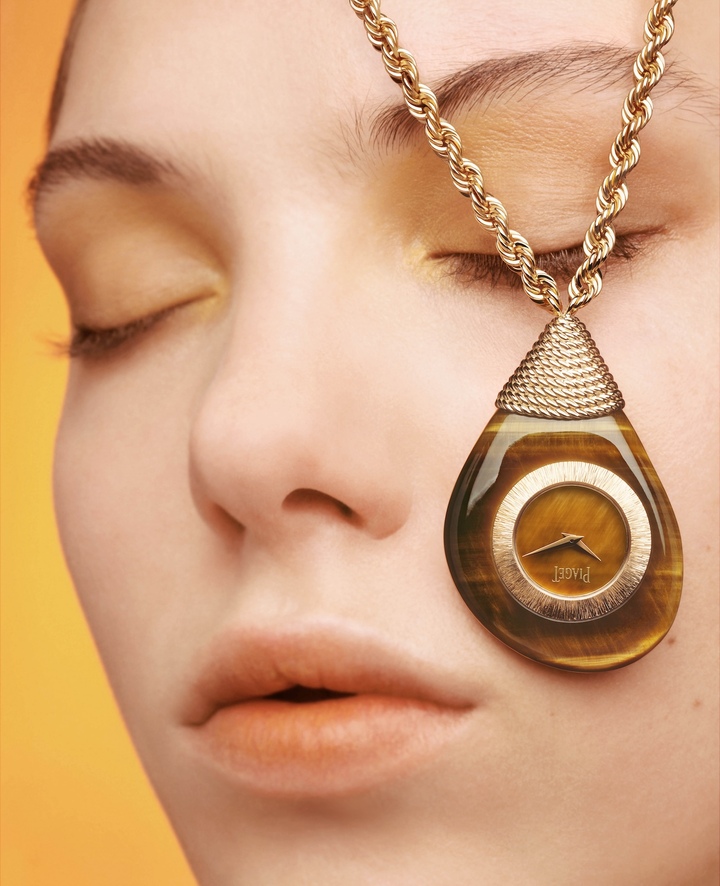
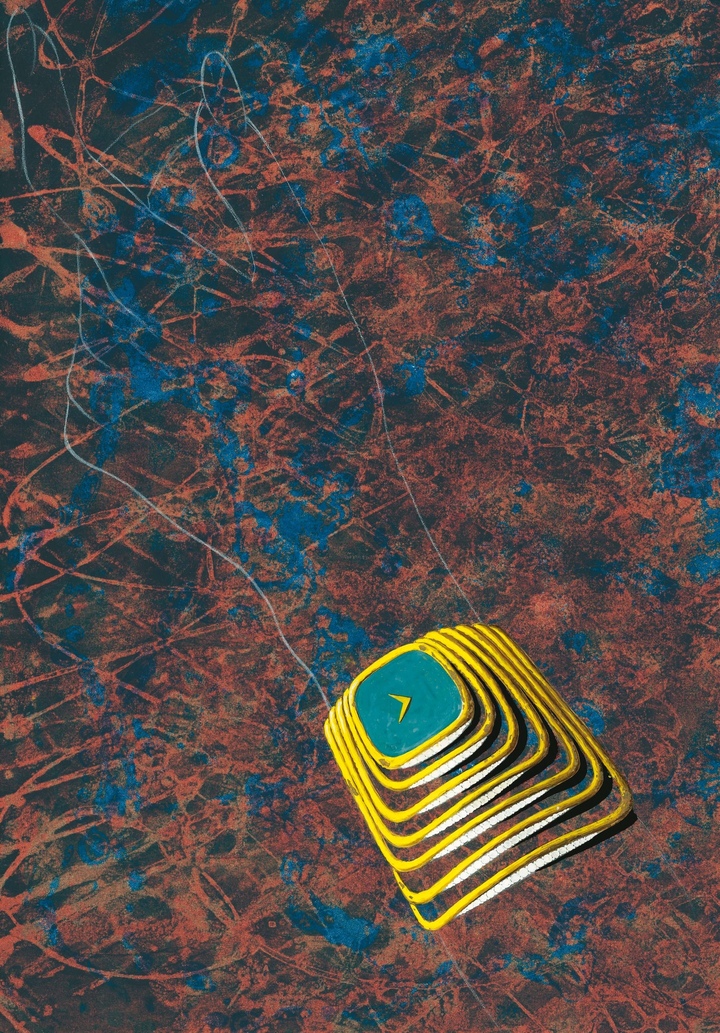
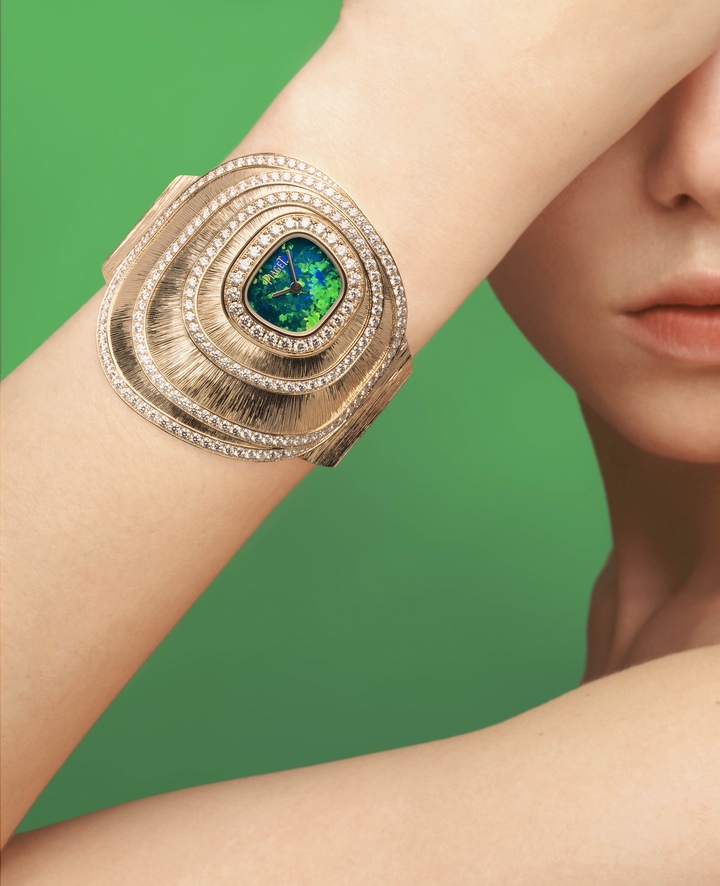
Swinging Pebbles provides a particularly compelling illustration. The collection brings together chain making, gold craftsmanship and ornamental stones – three pillars of Piaget’s identity.
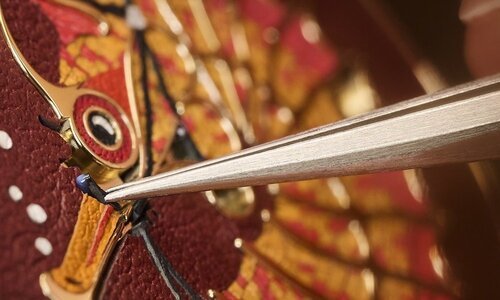
We developed decorations inspired by the Palace motif, deliberately irregular and executed by hand using a graver. Some radiate outward, as on the Sixtie cuff, while others follow horizontal lines. These textured surfaces interact with the ornamental stones, which embody our vision of the Art of Colour.
At Piaget, colour does not rely on coatings or surface treatments. It is expressed through the materials themselves: gold, worked, shaped and sometimes transformed, as well as gemstones and ornamental stones. This is a territory the Maison has explored for decades and one that remains among its most distinctive forms of expression today.
How many crafts and decorative techniques do you master in-house?
We retain in-house all the skills we consider strategic to our identity. These include chain making, jewellery-making, watchmaking, gem-setting, engraving and a variety of gold-finishing techniques.
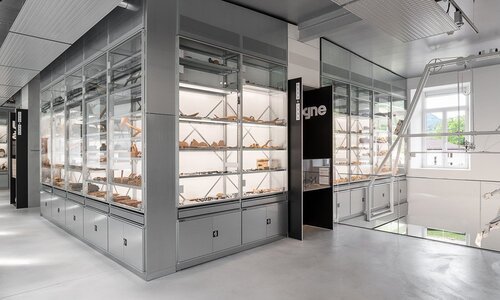
We also preserve an exceptional heritage of decorative engravings. Our archives contain around a hundred historical motifs, which we continue to maintain and transmit. Some have remained virtually unchanged and form an essential part of our aesthetic DNA.
Our objective is twofold: to master these skills and to ensure their transmission. We regularly welcome apprentices and interns, notably from HEAD Geneva and jewellery schools across French-speaking Switzerland. This close relationship between creation, production and training is essential to keeping these crafts alive.
Ornamental stones occupy a central place at Piaget. Which ones best embody the Maison’s identity?
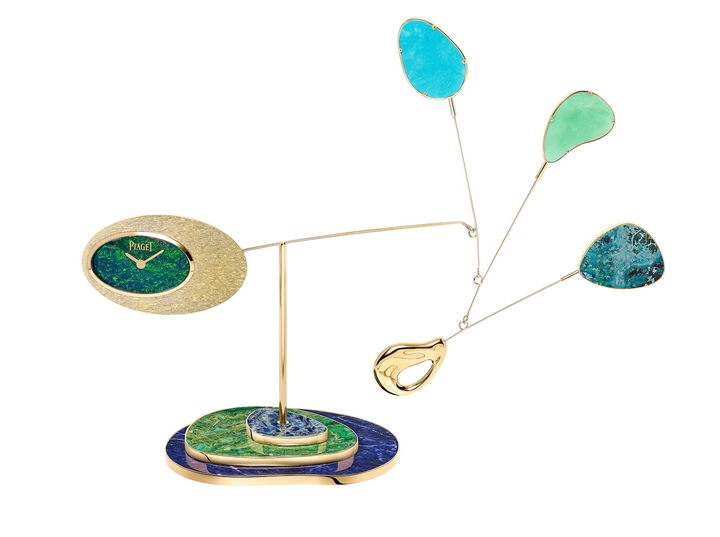
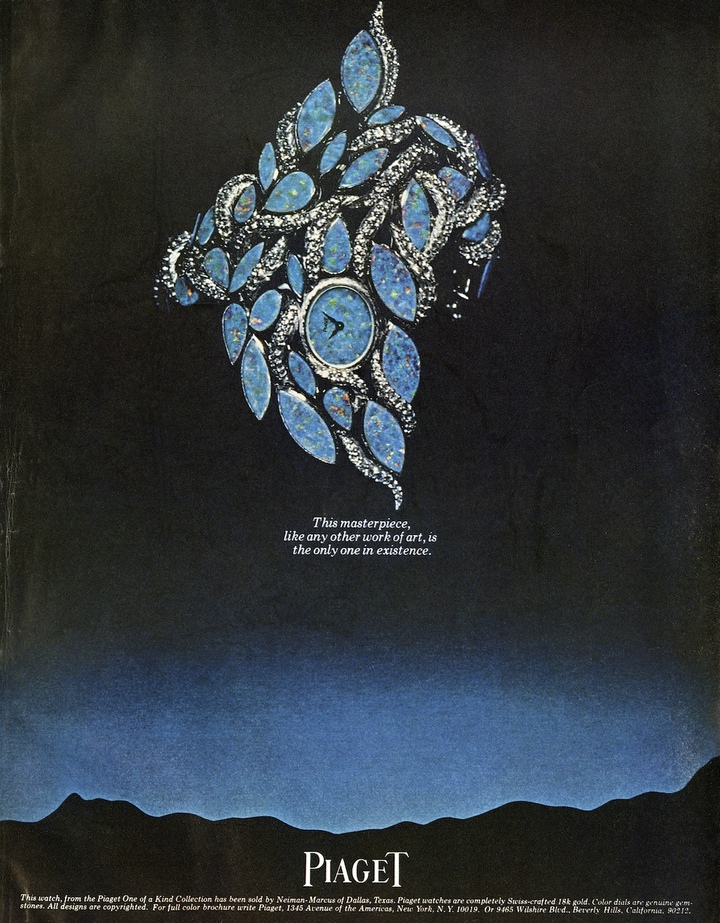
Certain stones are particularly representative of Piaget, regardless of their size. Opals, for example, hold a special place, as they were Yves Piaget’s favourite stone. They possess a life of their own, displaying extraordinary plays of colour ranging from green to blue, punctuated by flashes of red, orange and midnight blue.
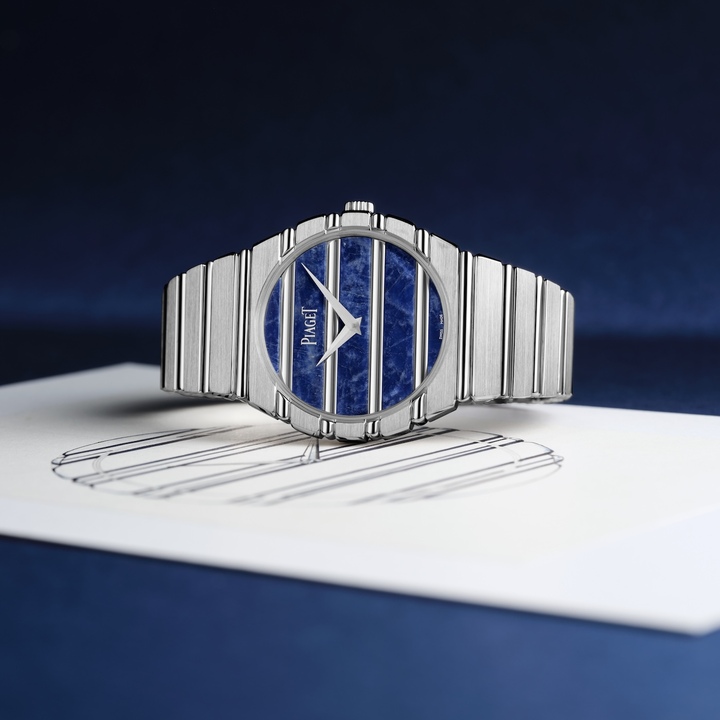
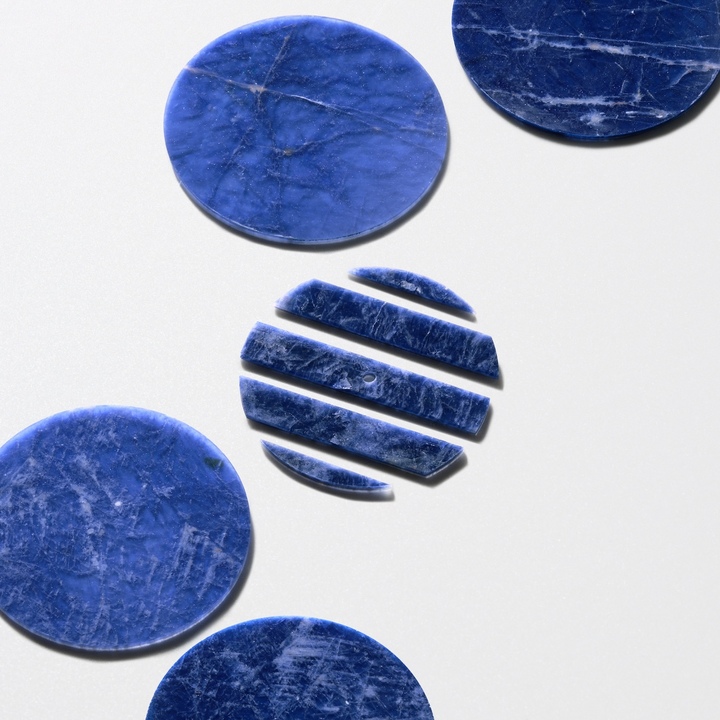
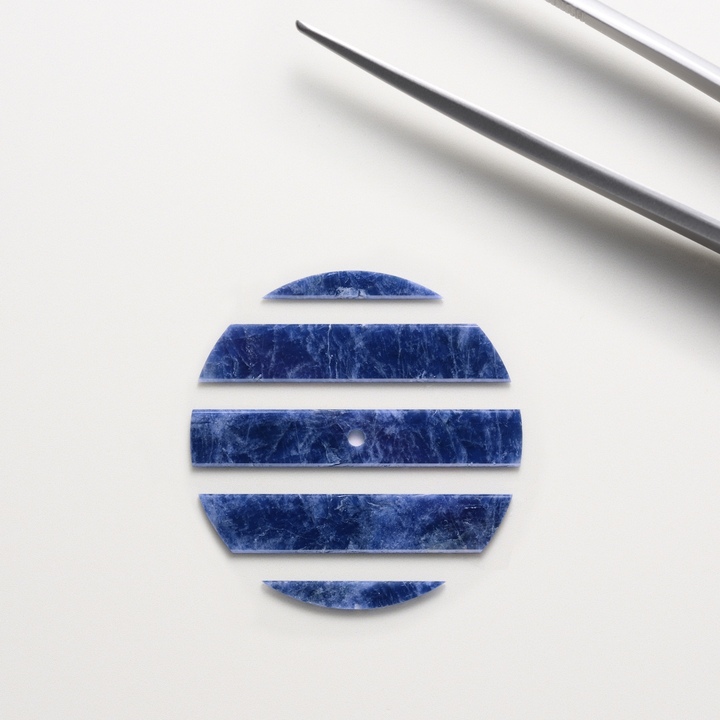
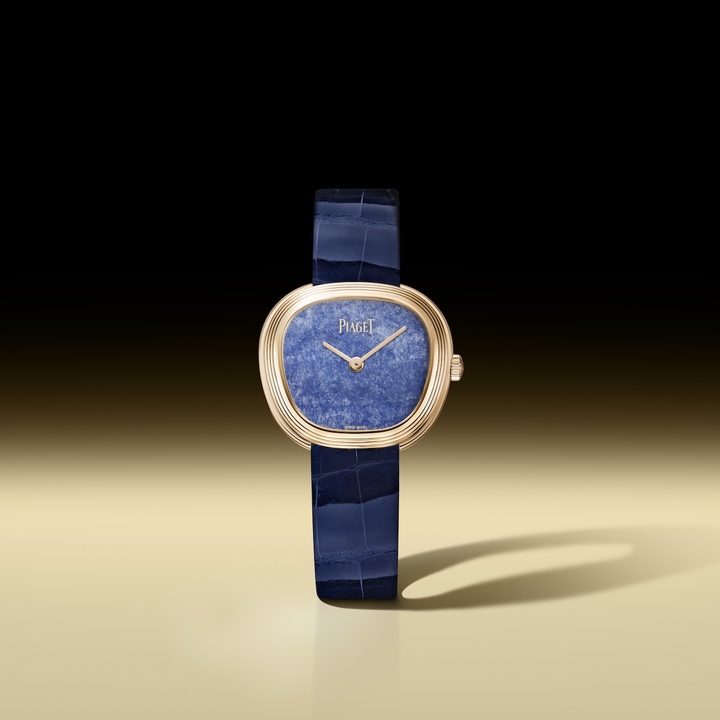
We also maintain a longstanding affinity with blue tones, notably through sodalite. Its depth and vibrancy create a natural dialogue with gold.
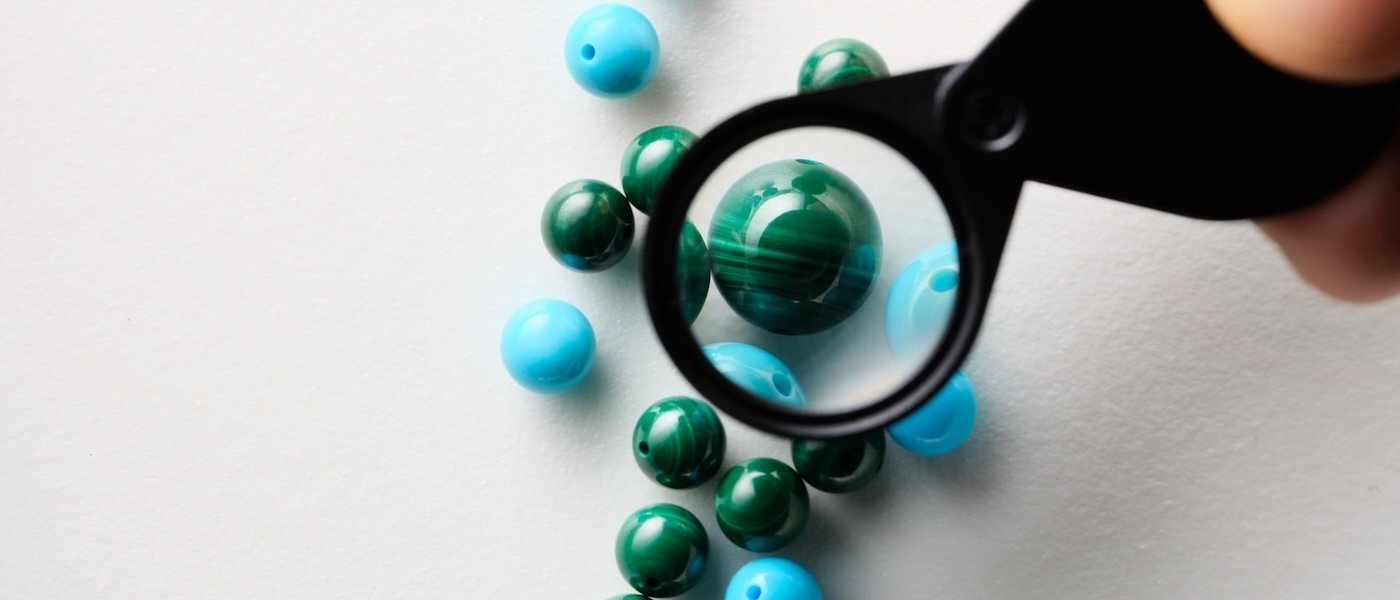
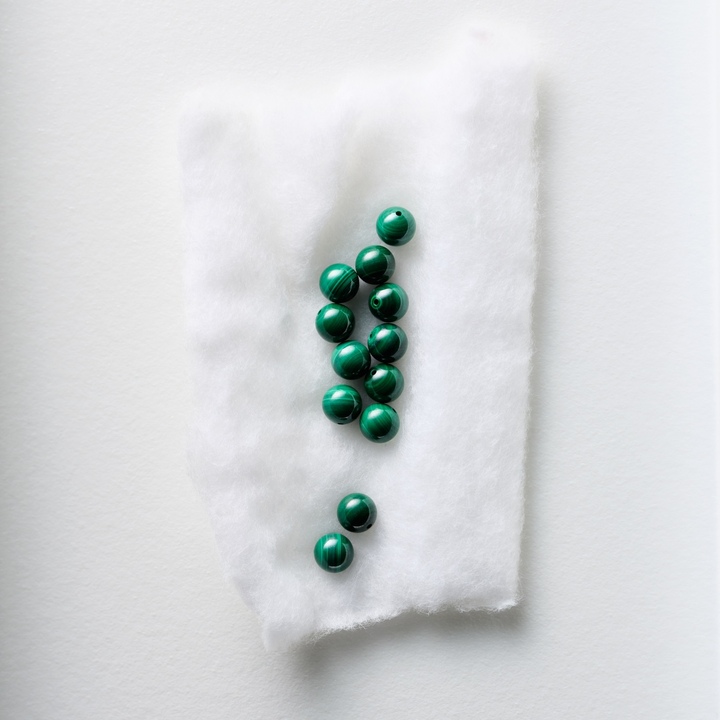
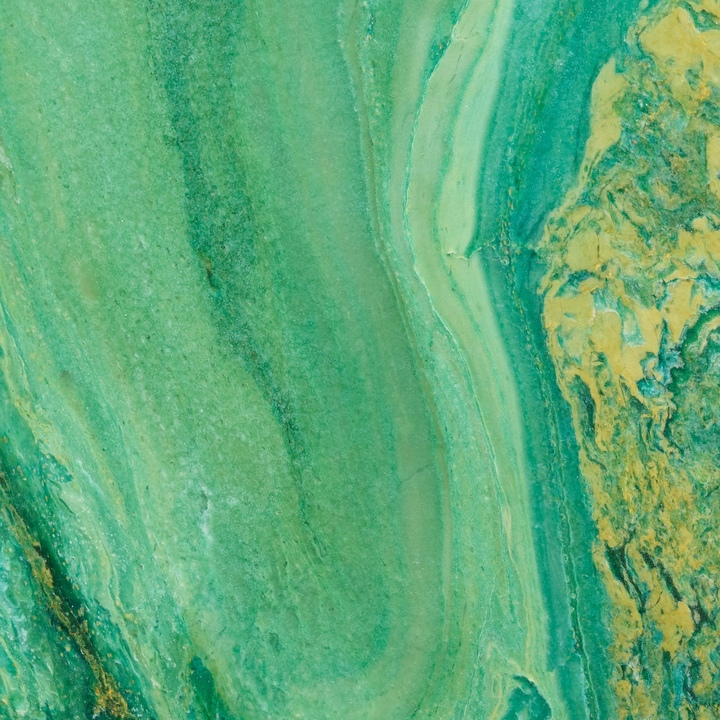
Among the green stones we work with are malachite, chrysoprase, verdite and pietersite. We are also especially fond of tiger’s eye for its remarkable optical effects.
Beyond the stone itself, however, there is the way it is worked. From the outset, Piaget sought to give volume to stone, sculpting it into spherical and three-dimensional forms rather than using it merely as a decorative surface. This approach to volume has become one of the Maison’s signatures.
Do you continue to explore new mineral territories?
Absolutely. We are constantly searching for new stones and new chromatic expressions. The ornamental stones we have used to date probably represent less than 5% of the possibilities available.
Some stones have never been exploited because of their colour, stability or technical constraints. Today, we continually reassess these possibilities. If we are looking for a new shade of purple, for example, we may study stones such as charoite.
The Ateliers de l’Extraordinaire also have a strong gemmological dimension. Historically, Piaget even incorporated meteorite into certain Andy Warhol creations. While our exploration today remains largely focused on terrestrial materials, our curiosity is undiminished.
What challenges did the Altiplano Ultimate Concept Tourbillon Tiger’s Eye present?
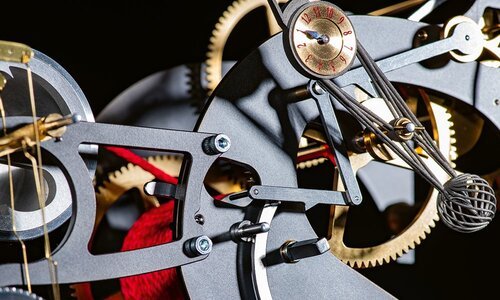
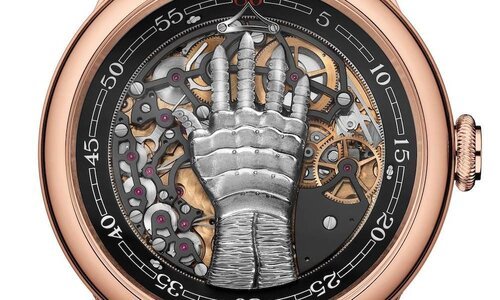
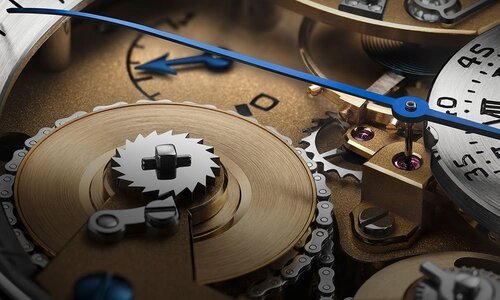
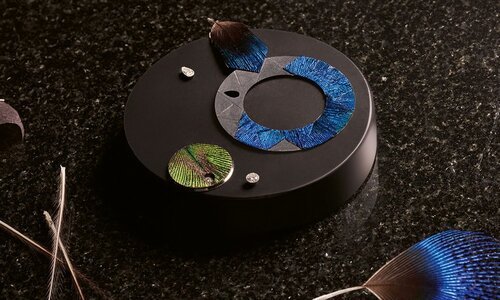
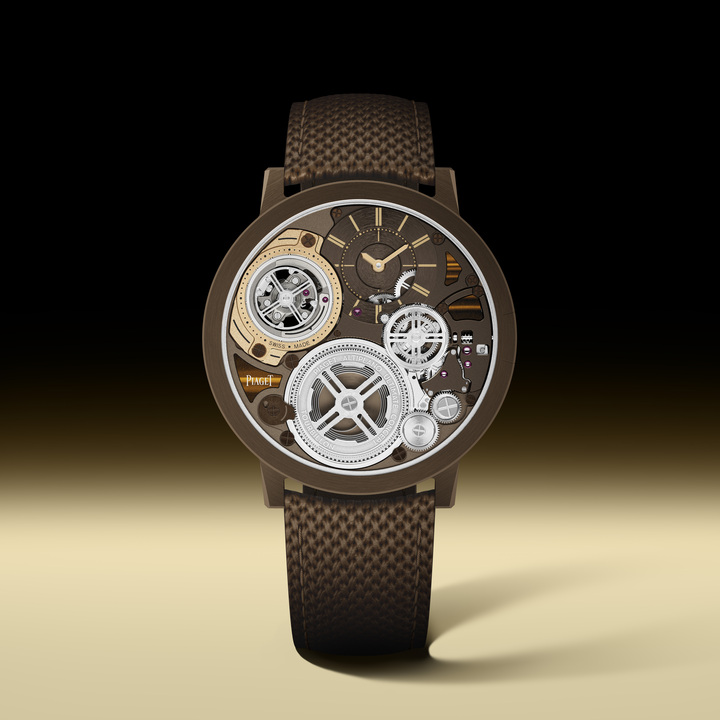
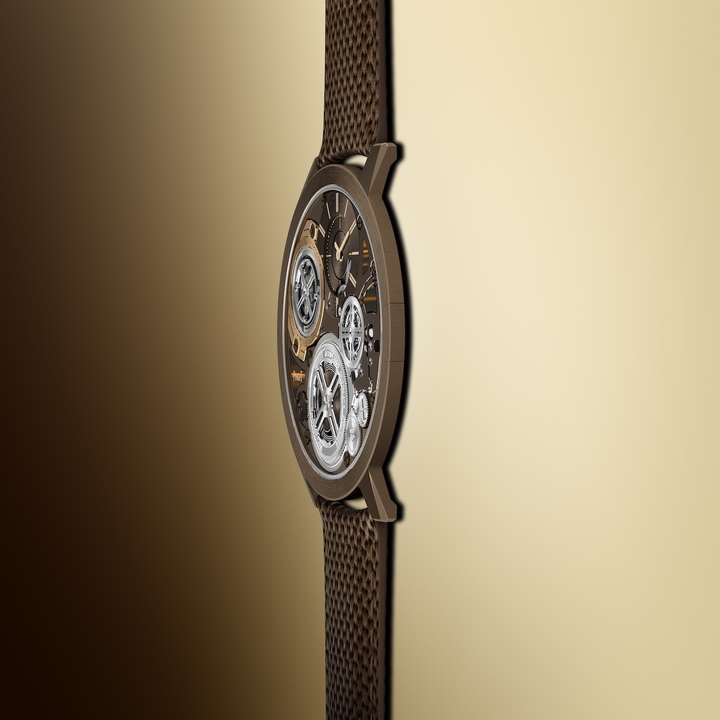
This watch encapsulates almost everything Piaget stands for within a thickness of just 2 mm. It brings together ultra-thin watchmaking, complication, movement architecture and the Art of Colour.
The challenge was considerable. We integrated ornamental stone elements directly into movement components. Yet we are dealing here with extremely tight tolerances, absolute flatness requirements and highly precise mechanical parts. This is almost at odds with the very nature of stone, which is a living, unique material.
To achieve this, we employed contemporary CNC machining technologies adapted for stone. We also deliberately chose a particularly demanding material: tiger’s eye, with its natural veins and variations. As a result, every watch displays subtle visual differences, since each stone possesses its own personality.
How do you anticipate the effects of time on natural stones?
We always distinguish between internal and external components. Some stones are sensitive to water, others to UV exposure or specific environmental conditions.
We therefore conduct extensive testing to understand how they behave over time. Certain stones are deliberately excluded because their ageing characteristics cannot be controlled sufficiently.
When it comes to exceptional pieces, our priority is to ensure long-term durability. The objective is not to deprive ourselves of extraordinary materials, but rather to understand their limitations so they can be used responsibly and sustainably.
In which cases do you collaborate with external artisans?
We distinguish between three categories.
The first comprises the strategic métiers that we are determined to master in-house: Milanese mesh, jewellery-making, watchmaking, engraving and several of the Maison’s historic artistic crafts.
The second concerns specialised components, such as certain dial elements, for which we have long collaborated with trusted partners.
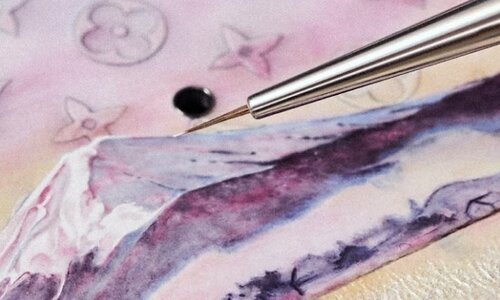
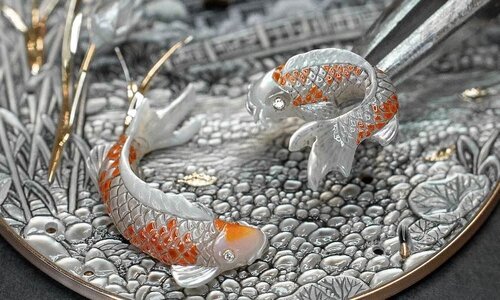
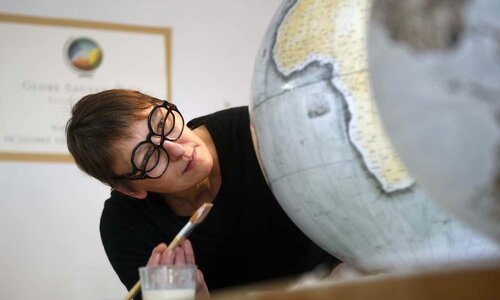
Finally, we occasionally work with artists and artisans who possess highly specialised expertise. Anita Porchet immediately comes to mind, along with other creators with whom we can develop particularly specific projects.
This openness is important. While preserving our core competencies, it also allows us to benefit from the fresh perspectives and remarkable creativity of external talents.
How do you ensure the transmission of these skills?
This is probably one of our greatest responsibilities. Whenever handcraft is involved, transmission becomes essential. As our CEO Benjamin Comar often says, our challenge is to preserve “artisanal intelligence” in the age of artificial intelligence.
We maintain close ties with schools specialising in artistic crafts, notably in La Chaux-de-Fonds. We also support an award programme at HEAD Geneva, whose laureates can join our workshops for several months. The objective is not necessarily immediate recruitment, but rather to provide an experience that will enrich their professional journey.
Today, Piaget celebrates more than 150 years of history. This heritage represents an extraordinary resource. We constantly draw upon our archives, historical objects and savoir-faire to imagine the creations of tomorrow.
Above all, however, we believe it is important to recognise the men and women who keep these skills alive. Behind every pair of hands lies an individual, a sensitivity, a passion and a creativity that make each piece unique. Preserving this profoundly human dimension is precisely the mission of the Ateliers de l’Extraordinaire.