
 Español
 Français
 Pусский
 繁體中文
繁體中文 简体中文
简体中文 Select another language

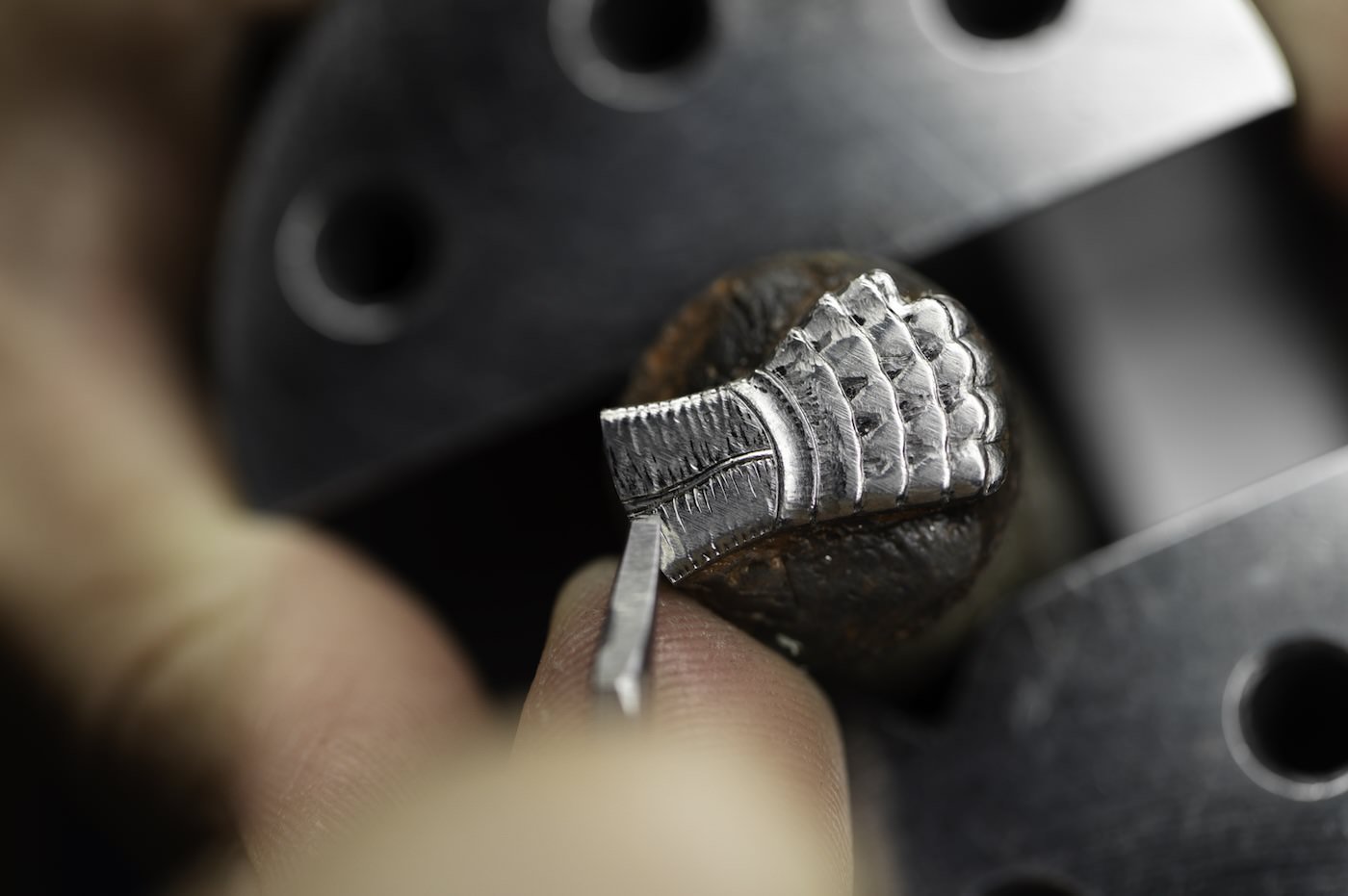
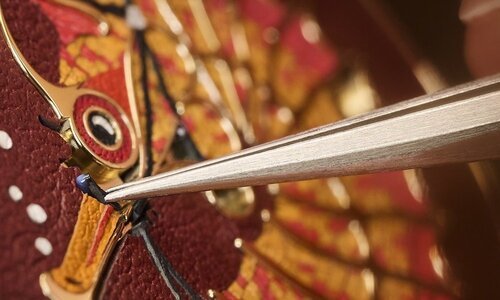
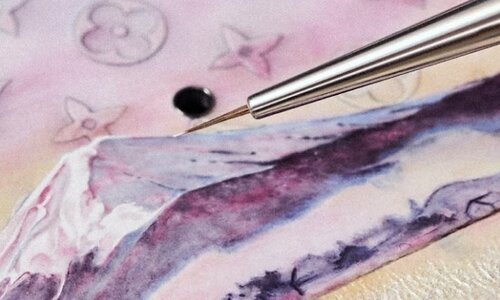
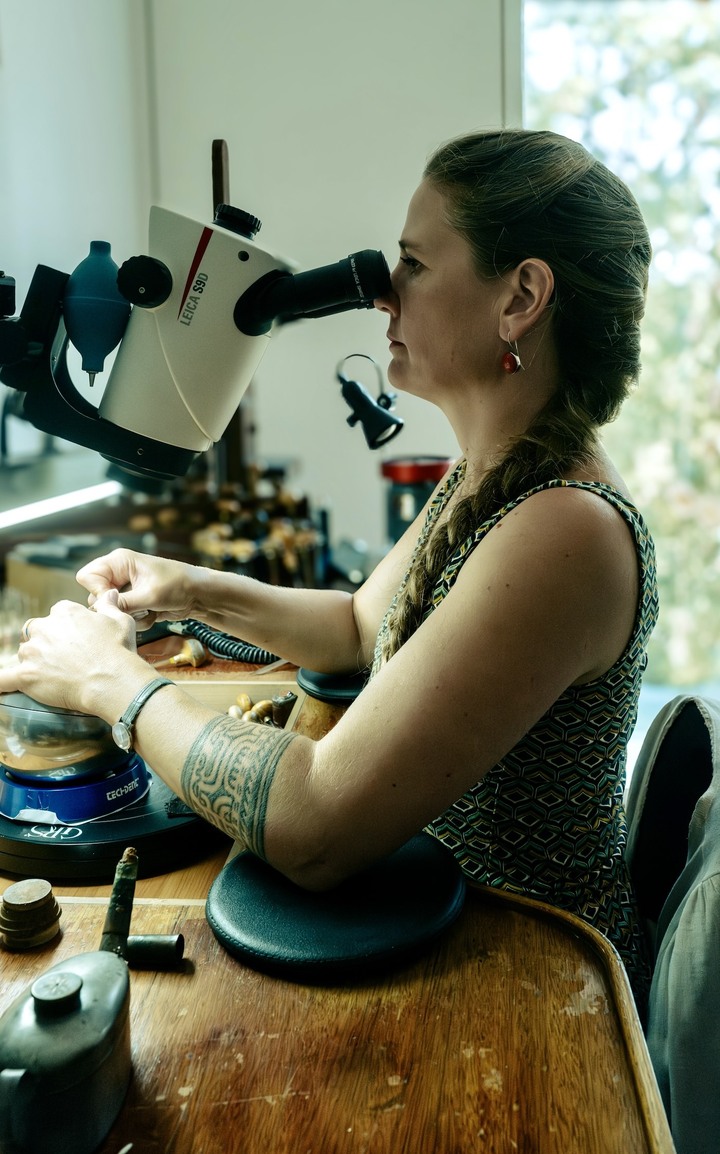
ith her eyes fixed on her binocular loupe and her body perfectly still, Jeanne-Valentine Ulrich’s movements are barely perceptible. The blade of the chisel, like a sixth finger, advances in steady, measured strokes. Finely carved grooves gradually bring an image into focus.
“I love sculpting materials,” says the engraver, who works not only with metal—copper, gold, titanium—but also with wood, semi-precious stones, wax and mother-of-pearl.
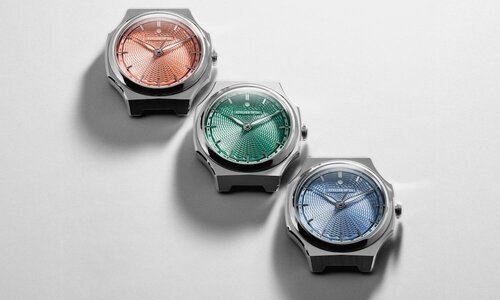
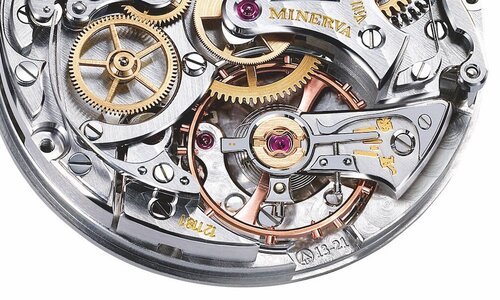
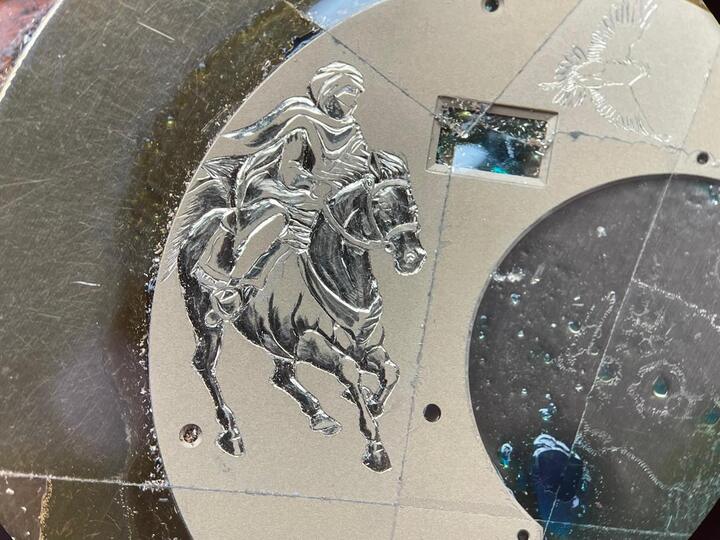
This versatility is all the more remarkable given that, for decades, watchmaking confined engraving to the decoration of movement plates and bridges. The recent shift toward more expressive, design-driven watchmaking has since extended the craft to cases, case middles, attachments and, above all, dials. Machine guilloché engraving, with its grains de riz and clou de Paris motifs, has returned to the spotlight. Yet the most ambitious creations often call for the intervention of expert hands. The time has come for complementary techniques.
Techniques and tools of traditional engraving
For Jeanne-Valentine, traditional metal engraving can be divided into three distinct approaches. The first consists in revealing the motif by directly incising the material with a burin, held almost vertically against the surface. This technique is known as intaglio engraving, producing clean, shallow lines.
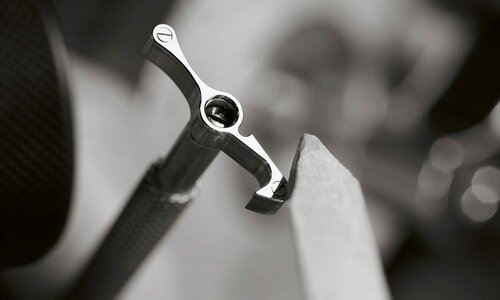
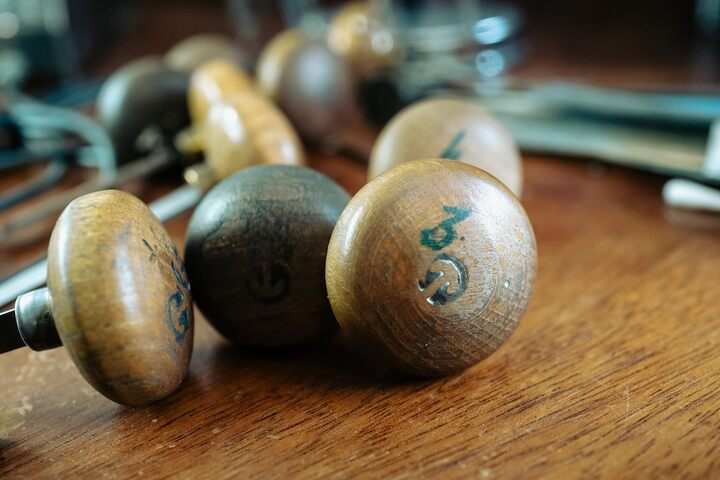
Used by great masters such as Albrecht Dürer (1471–1528), the burin remains the engraver’s tool of choice. Mounted in a pear-shaped wooden handle that rests in the palm of the hand, its square-section steel shaft ends in a sharp, bevelled tip. In cheek engraving, a variation of intaglio, “the chisel is tilted to carve thicker areas, allowing light to follow the lines,” explains Jeanne-Valentine. This approach is often found in the volutes of certain case designs.
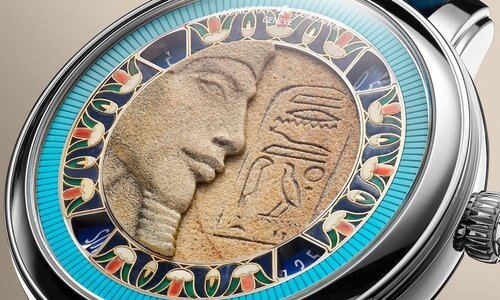
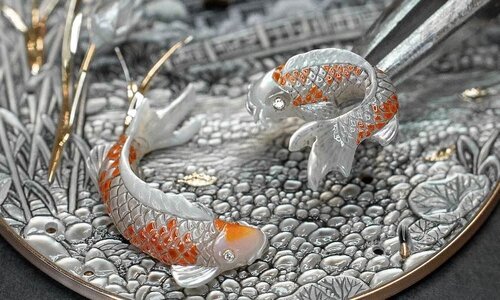
Finally, bas-relief and high-relief engraving are employed when a project calls for complex depths and textures. In such cases, the engraver deploys a wide array of tools—from traditional chisels and various files to small (dental) burs and even fine stones. The result is a sculptural, three-dimensional work that demands exceptional technical versatility.
From the mountains of Neuchâtel to the big city
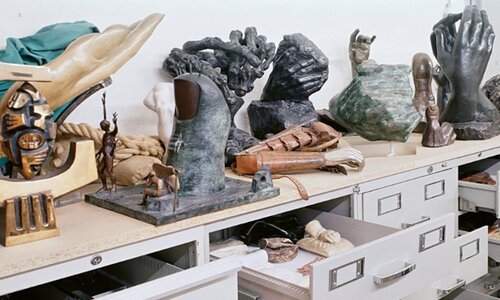
Jeanne-Valentine Ulrich welcomes us into her Geneva studio. The walls, adorned with projects for prestigious brands, reflect the breadth of her practice. “I like to build bridges between disciplines,” she confides. The meticulously crafted cases and dials on display also testify to the progress she has made since her training at the School of Applied Arts in La Chaux-de-Fonds.
She owes her first decisive professional experience to independent engraver Jean-Bernard Michel. “He was extremely generous. It’s thanks to him that I joined Vacheron Constantin.” During her seven years at the Geneva-based manufacture, Jeanne-Valentine refined her engraving skills before embarking on her independent journey in 2019.
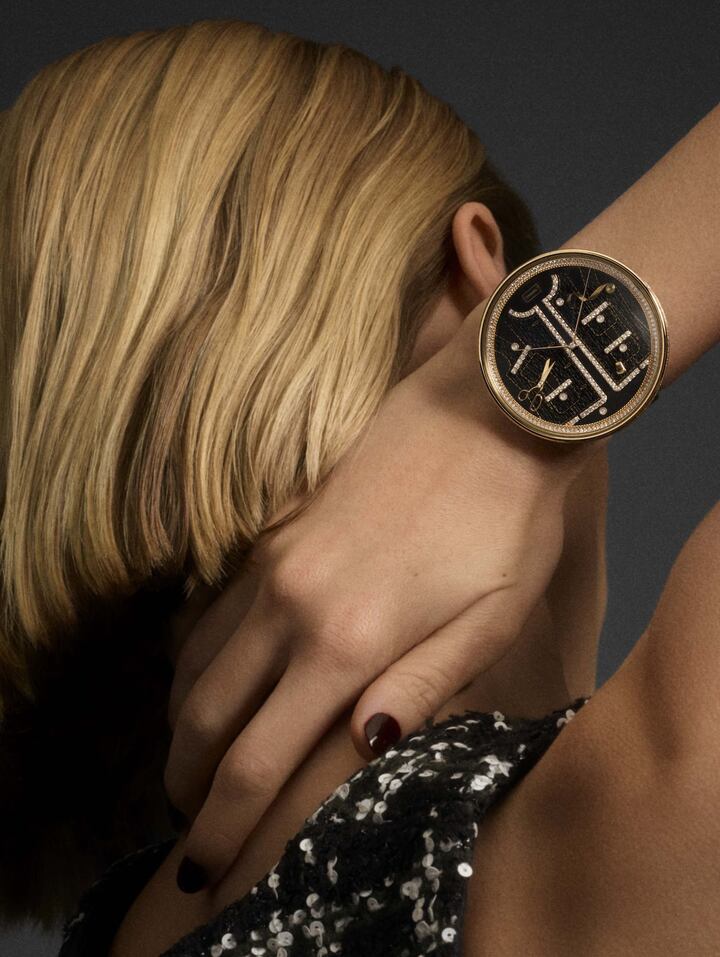
Today, she no longer needs to seek out clients. “Brands are looking for the experience and quality of my work,” she says. Her versatility, disciplined drawing practice and unbridled appetite for exploration are widely appreciated. One client in particular—an outspoken champion of artisanal independence—would prove decisive: François-Paul Journe.
An outstretched hand
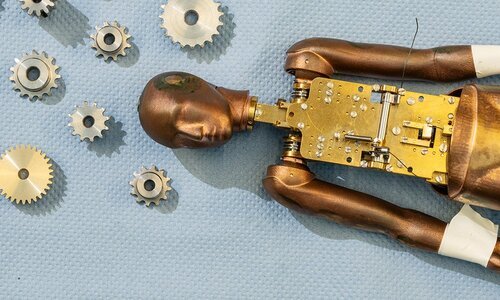
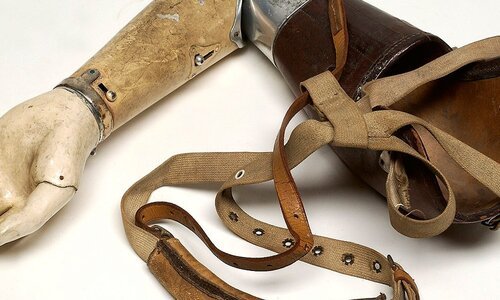
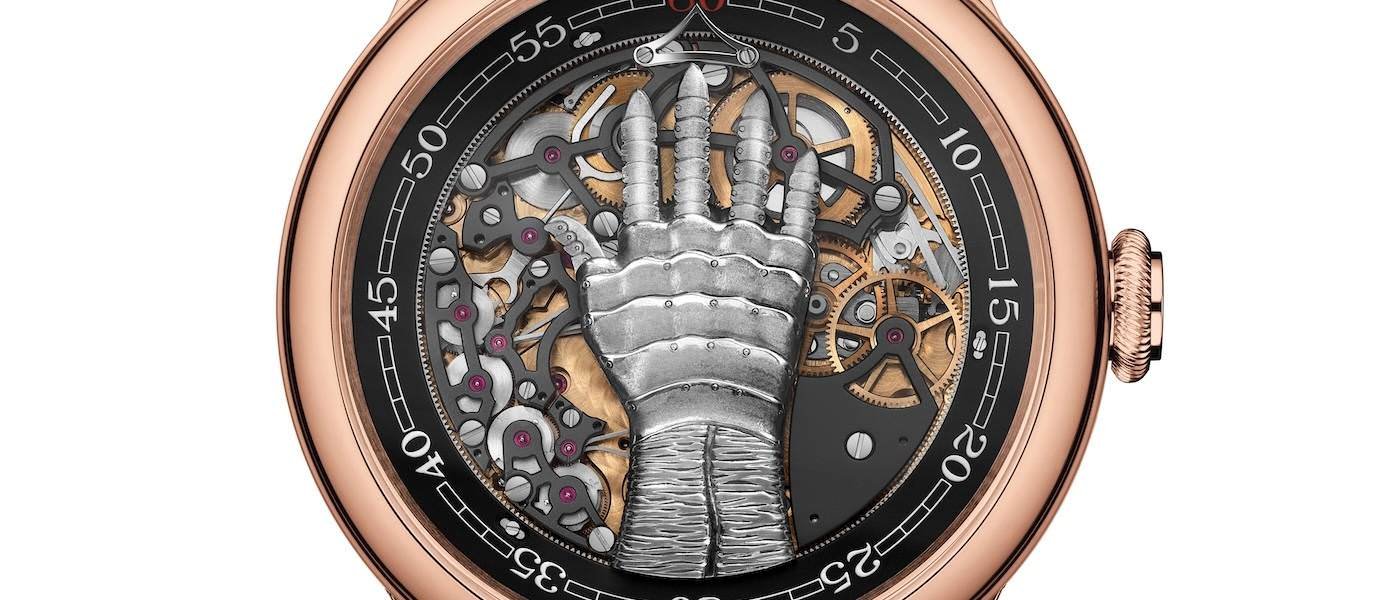
“One day, François-Paul handed me a drawing of an articulated hand by surgeon Ambroise Paré (1510–1590). At the time, I had no idea what the project was about. It was only much later that I received the technical drawings for the future F.P. Journe FFC. I produced several interpretations, and one of them was chosen.”
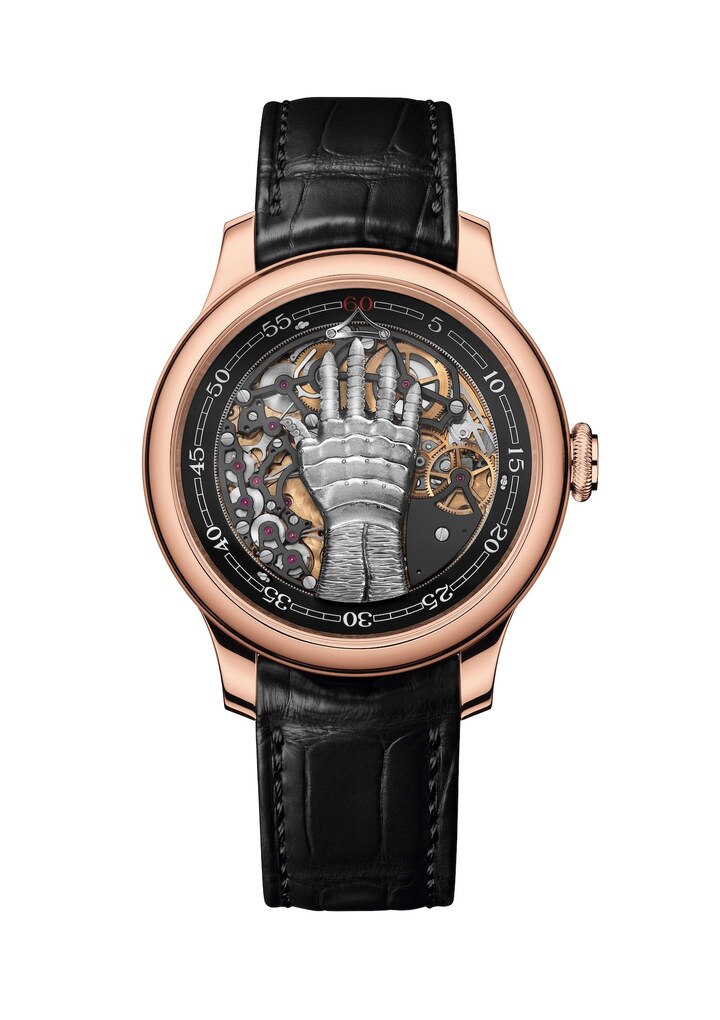
She did not yet realise that this model would enter the pantheon of the most expensive watches in mechanical watchmaking history. The prototype presented to filmmaker Francis Ford Coppola was sold at Phillips New York on 7 December 2025 for $10,755,000 (approximately €9,245,000).
At first, Les Cadraniers de Genève—responsible for the dial—sent Jeanne-Valentine a hand with a perfectly machined palm, while the visible surface remained flat. “François-Paul wanted an expressive hand with a metallic tone, close to the original drawing,” she explains.
Drawing on her artistic sensibility, experience and full range of tools, Jeanne-Valentine set out to contrast polished areas with matte titanium, while preserving “the material carved out underneath to make room for the fingers.” The resulting metallic texture retains the dial’s depth—“a real challenge when rendering volume.”
The retractable fingers indicating the hours arrived fixed to a mounting. “Given their delicacy, it would have been impossible to remove and fix them in wax,” she explains. “So I engraved them step by step, directly on the mount.”
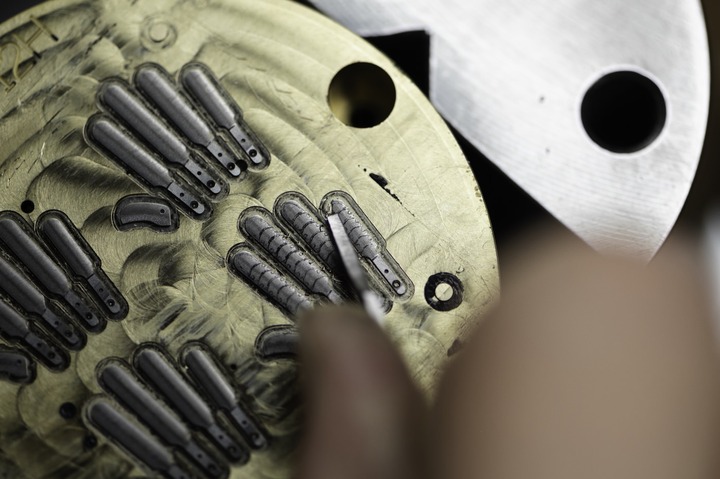
The result is strikingly lifelike, a testament to the engraver’s mastery. François-Paul Journe openly credits Jeanne-Valentine Ulrich for her work. “He spoke about me. That’s huge!” A gesture rare enough in the industry to be noted.
Price, value and recognition
“François-Paul transformed the way I perceive my own work. He believes pricing should reflect the project’s value, not the hours invested. He even rejected my first quote and asked me to raise it!”
This iconoclastic approach will come as no surprise to those familiar with the independent watchmaker’s strong convictions. In an industry where suppliers are seldom given a voice, the FFC commission marked a turning point for the engraver.
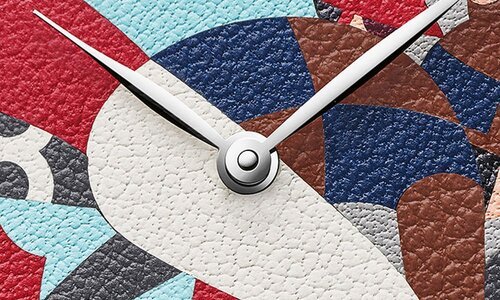
Today, time constraints allow her to select her projects carefully. Whether working on a bespoke request from a private collector or a case for Vacheron Constantin, she maintains close relationships with her clients. Watchmaker Laurent Ferrier also enlisted her for a limited edition created in collaboration with artist Hervé Di Rosa.
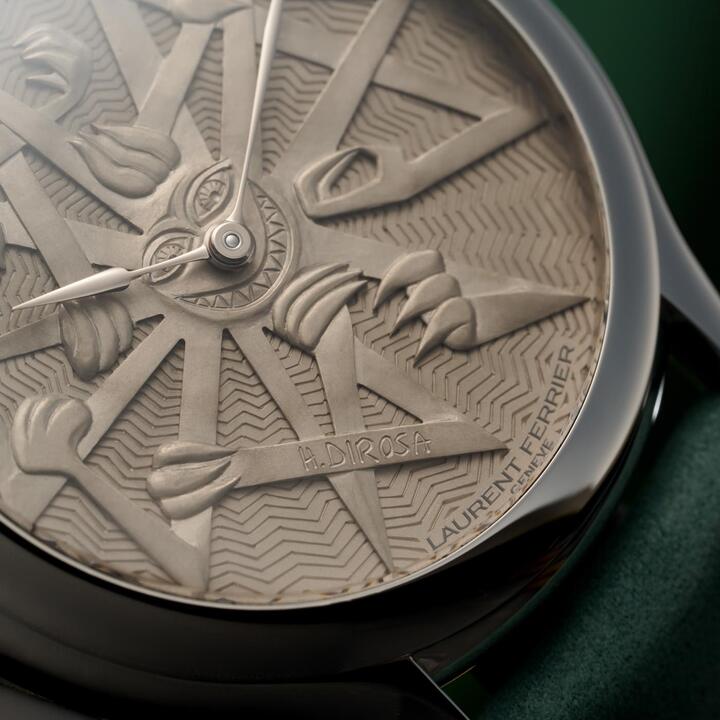
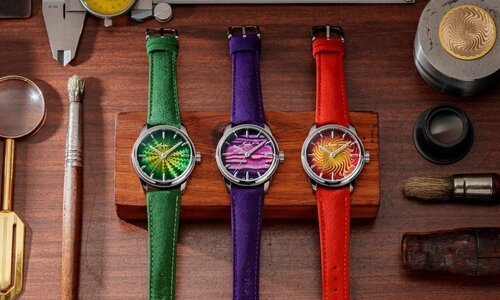
Once again, a presentation video will be filmed in her workshop—and her name will be credited. “When I’m involved in the design and creative process, it seems only natural to be acknowledged.” Here, the artwork consists of two superimposed elements: a guilloché-engraved base dial paired with a much more complex bas-relief upper plate depicting the sun.
Transmission
Watch brands active in the field of artistic crafts often maintain one or more in-house workshops. Calling on independent artisans helps ensure the transmission of expertise at a time when technical training opportunities are increasingly scarce. One notable exception is the School of Applied Arts in La Chaux-de-Fonds, which continues to offer hands-on training in metal engraving.
Jeanne-Valentine Ulrich has also joined the newly formed Swiss Association of Manual Metal Engravers (ASGMM), whose mission is to promote existing training programmes to a wider audience.
“There’s a sense of urgency,” she explains. “Politicians don’t necessarily realise the importance of this training—or the consequences if it were to disappear. That’s why we created the association.”
The association also serves as a forum for dialogue on contemporary issues surrounding recognition and visibility. This modern guild of metal engravers could well reshape how watch brands view a profession that has repeatedly proven its ability to reinvent itself.
As for the future, Jeanne-Valentine remains optimistic. “There are exciting developments ahead. The engravers at the École Boulle, for instance, are bringing a fresh artistic energy. In Switzerland, we tend to focus more on technology and industry.” She concludes: “I would like to break free from imposed frameworks - and be recognised for it.”
Europa Star is launching a new monthly column dedicated to the intelligence of craftsmanship, entitled Behind the Scenes of Craftsmanship. Following on from the Hands feature, it explores often unique personal journeys—rich in technical and human lessons—capable of inspiring new vocations.
------------
BIOGRAPHY
1982 Born in La Chaux-de-Fonds
2002 Obtains the Federal Certificate of Competence (CFC) in metal engraving at the School of Applied Arts in La Chaux-de-Fonds
2005 Joined Vacheron Constantin in Geneva, where she was trained by independent engraver Jean-Bernard Michel
2013 Subcontracting workshop
2019 Opened her own workshop, accompanied by her dog Miata...