
 Español
 Français
 Pусский
 繁體中文
繁體中文 简体中文
简体中文 Select another language
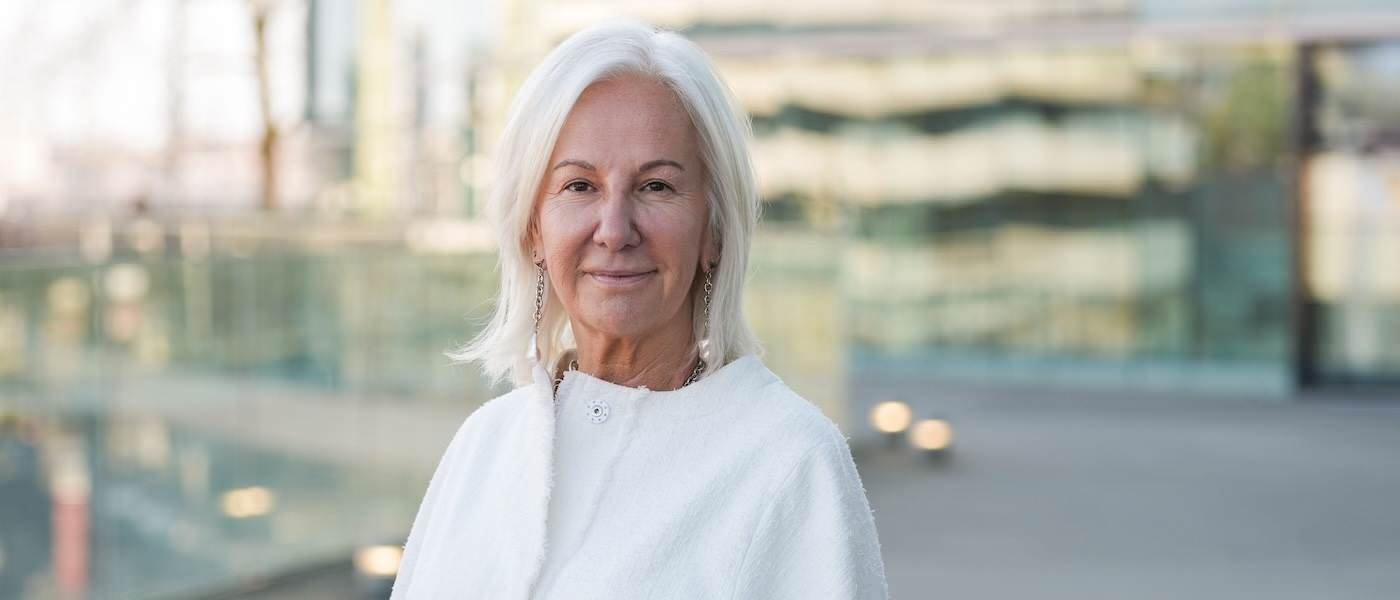
he International Women’s Day was established by the United Nations nearly 50 years ago, in 1977. The day commemorates the struggles of women in the early 20th century: securing the right to vote, to work and to equal pay. Its aim is to promote gender equality and to combat violence and discrimination against women.
According to the World Economic Forum’s Global Gender Gap Report of June 2025, if we consider the hundred economies continuously covered since the 2006 edition, the gap has narrowed by 0.4% compared to 2024, moving from 68.6% to 69%. At this pace, it will take… 143 years to reach parity. The International Labour Organization (ILO) confirms that globally only 30% of senior management positions are held by women, who continue to earn 20% less than their male counterparts for equal work. According to a Deloitte study in 2024, only 6% of CEOs worldwide are women. Clearly, the day remains as relevant as ever.
The paradox of luxury
For the World Bank, adopting laws that strengthen women’s rights and opportunities is an essential first step towards a more inclusive and resilient world. Companies should therefore naturally strive towards this goal. And yet, in the luxury industry, according to the latest McKinsey study, women—who represent a very large majority, both in terms of employment and consumption (70 to 85%!)—are heavily underrepresented in key positions, with only between 14 and 28% of roles held by women.
There are, of course, notable exceptions at CEO level in luxury, such as Francesca Bellettini at Gucci, Ilaria Resta at the helm of Audemars Piguet, Sabina Belli at Pomellato, Delphine Arnault at Dior, Hélène Poulit-Duquesne at Boucheron and—just announced—Béatrice Goasglas at TAG Heuer. But in luxury too, much work remains to be done.
Diversity as a source of resilience
What does parity bring to a company? The ILO highlights, in a 2025 study, the key arguments in favour of better female representation in organisations:
- Improved financial performance: companies with gender-diverse leadership teams are more likely to achieve higher profitability and outperform their peers.
- Enhanced innovation and problem-solving: diverse perspectives drive greater innovation and creativity in addressing complex business challenges.
- Stronger corporate culture and higher talent retention: women leaders often prioritise mentoring, collaboration and inclusive work environments. This increases employee satisfaction, engagement and retention.
- Better understanding of consumer expectations: as women make many purchasing decisions (particularly in luxury), having them in leadership positions helps companies better understand their customers and strengthens market relevance.
- Stronger social responsibility: more diverse executive committees are often more committed to sustainability and ethical governance.
- Iris Van der Veken, Executive Director and Secretary General of the Watch & Jewellery Initiative 2030 (WJI 2030), concurs: “Gender equality is not just a ‘nice to have’, it is a strategic imperative. For our industry—which relies on excellence, creativity, expertise, craftsmanship and innovation—it is about attracting talent, creating inclusive supply chains and building trust with today’s consumers, who are increasingly committed to diversity.”
Inclusivity is in fact one of the pillars required to join WJI 2030 (alongside climate, nature and biodiversity), which requires member companies to sign the Women’s Empowerment Principles (UN Women’s WEP) as an initial step. As is its practice, WJI 2030 is also working on the development of a dedicated tool to help companies, whatever their size, implement gender-responsive supply chains in collaboration with the WEP.
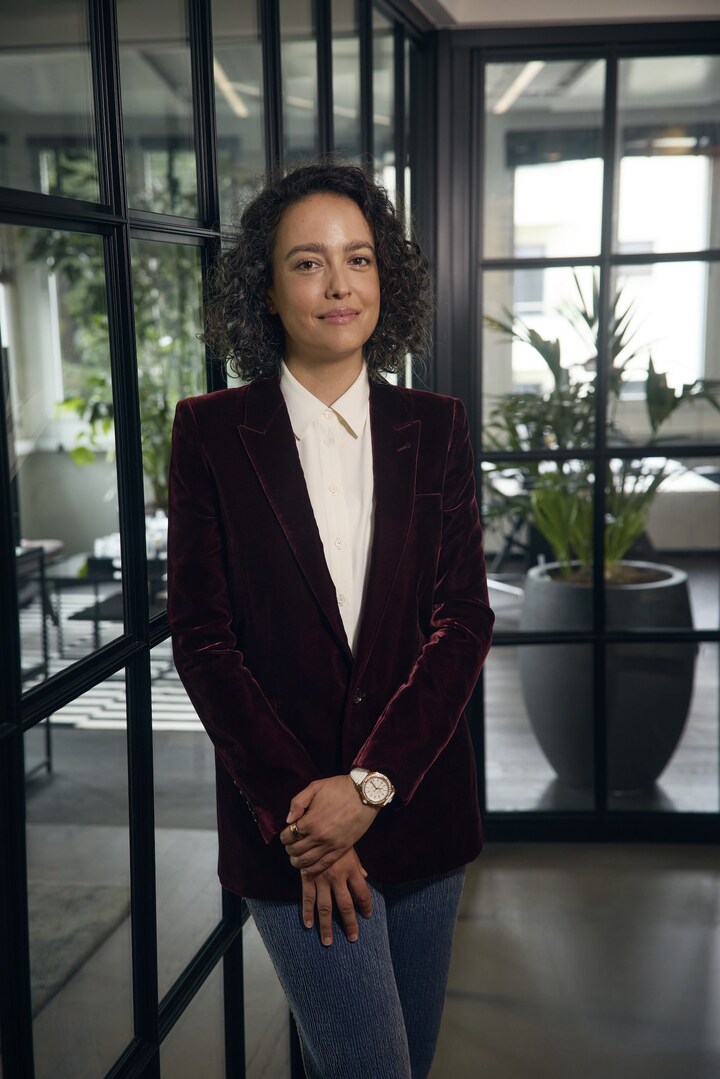
Marie-Claire Daveu, Chief Sustainability Officer at Kering since 2012, places this logic within an even broader vision: “Female leadership—and more broadly diversity within decision-making bodies—is a driver of sustainable performance. As in natural ecosystems, biodiversity is a condition for resilience: when it disappears, the ecosystem weakens. The same applies to organisations.”
She echoes the ILO’s conclusions: “More diverse leadership teams make better decisions, innovate more and manage risk more effectively. A plurality of perspectives enables organisations to anticipate economic, social and environmental transformations with greater relevance and impact. Beyond business, female leadership helps to shift social norms, strengthen equal opportunities and build more inclusive models. It is an essential lever to reconcile economic performance, social progress and respect for the planet.”
A distinguished watchmaking company
Breitling is also among the industry’s pioneers, both in terms of its overall environmental, social and governance (ESG) policy and its specific approach to gender parity. The company was awarded Best Employer in Switzerland in the industry in 2024 and Top Employer Watch & Jewellery in 2025, for the third consecutive year in this Top Employers Institute ranking. Could this be a sign that the approach is working?
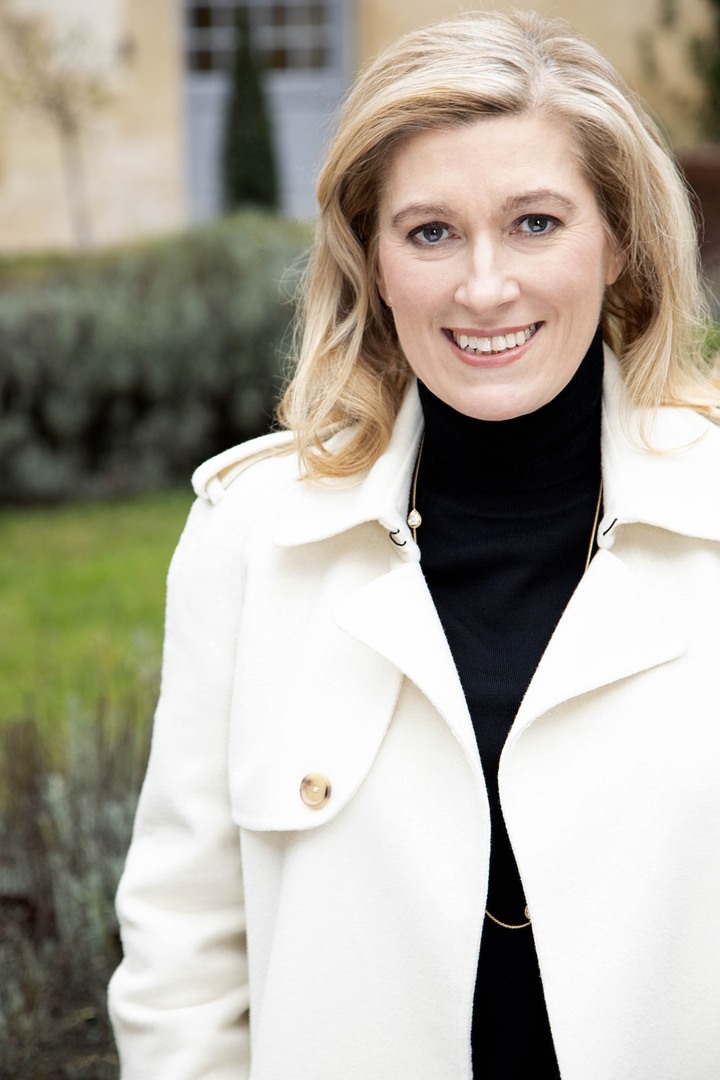
Aurélia Figueroa, the brand’s Chief Sustainability Officer since 2020, adds: “We were also awarded the Universal Fair Pay Developer label by the Fair Pay Innovation Lab in 2025. Breitling is the first watchmaking company to receive such a distinction. This demonstrates our progress in terms of pay equity as well as corporate culture. It strengthens Breitling’s attractiveness. We are also very proud to have many women successfully leading numerous activities, from our boutiques to global markets, all the way up to our executive committee.” A focus on diversity and the promotion of female leadership appears to be paying off at Breitling.
Undeniable progress
Today, group figures show clear improvement, demonstrating that the challenge is well identified and that efforts are being actively implemented to address it. A review of the sustainability reports of major brands and groups reveals notable progress. At Kering, one of the pioneers in ESG approaches, 55% of management positions are held by women. Their board of directors is composed of 58% women, and their executive committee includes 33%.
Similar proportions can be found among other major groups and brands (sources: companies’ sustainability reports): 50% of mid- and top-management positions at Richemont are held by women, 48% at LVMH and Hermès, 43% of the executive committee at Audemars Piguet, and 36% of top management at Breitling. Progress in women’s representation appears to be gaining momentum in the luxury sector. But stereotypes die hard.
Persistent barriers
Despite this progress, there is still a long way to go. Numerous studies highlight the most common obstacles that persist. Gender-related stereotypes, whether conscious or unconscious, remain deeply entrenched. Certain qualities—often perceived as feminine—such as sensitivity, empathy and gentleness are still considered signs of weakness for senior leadership roles. The unequal distribution of domestic responsibilities often adds an additional burden for women.
Women also frequently experience imposter syndrome, which can lead them to doubt their legitimacy or downplay their achievements. In luxury in particular, women face greater pressure regarding their appearance and style. And everyday sexism is far from gone. The glass ceiling clearly still exists and is perpetuated by a lack of female networks, in contrast to the often prevailing male-dominated co-optation systems. But things are changing.
Taking action
As with the entire ESG agenda, it is time to move to full-scale implementation. Marie-Claire Daveu puts it clearly: “It is time to move from commitment to concrete implementation. I would like to see more measurable targets, greater transparency and accountability at the highest levels of organisations on this issue. Above all, I would like equality to no longer be seen as a peripheral or symbolic topic, but as a strategic priority, inseparable from performance and sustainability. We are at a turning point: one where conviction can translate into results!”
For Iris Van der Veken of WJI 2030, the hope is that “gender equality becomes the oxygen of every organisation, that it is strategic and an integral part of a long-term vision”. She acknowledges that “we need more women in leadership positions, where decisions are made and impact is shaped. At the same time, we need more male allies who actively support gender parity and drive meaningful systemic change.”
As the Gender Gap Report stated in 2025, “advancing women is not only a moral imperative, but also a strategic advantage that fosters a more equitable, productive and ultimately prosperous future for all”. Isn’t that the ultimate goal?