
 Español
 Français
 Pусский
 繁體中文
繁體中文 简体中文
简体中文 Select another language

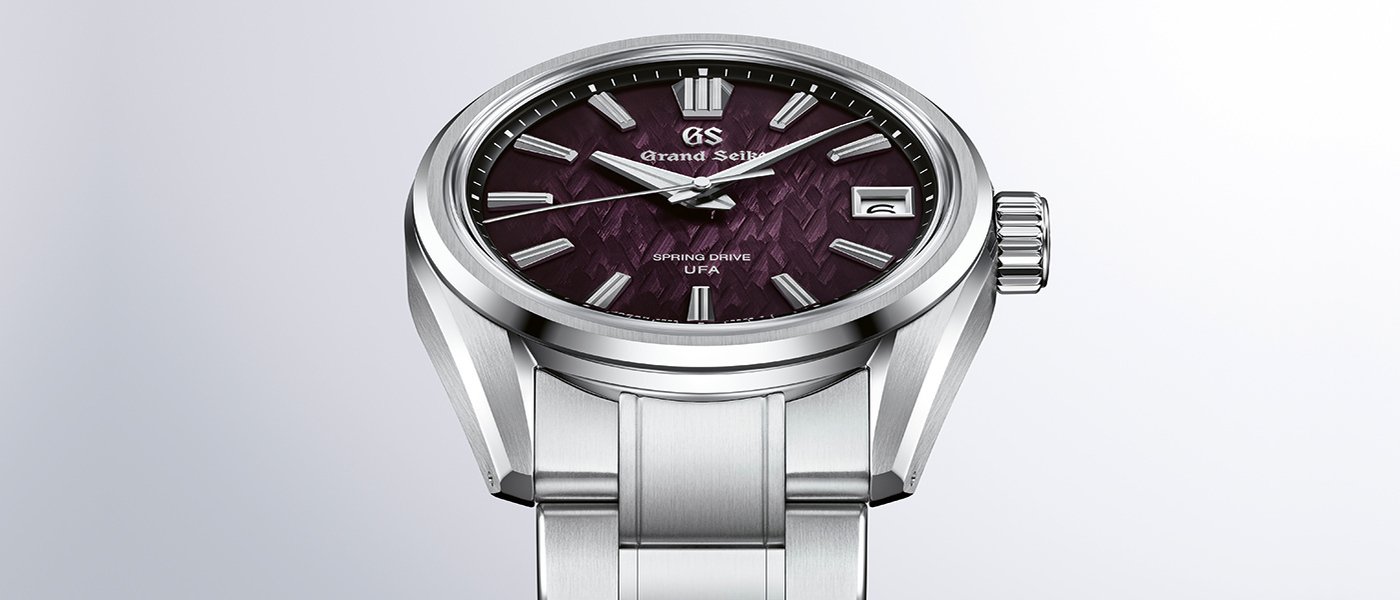
rand Seiko is, to my mind, a brand that deserves to be better known. One that far too many collectors still underestimate, even dismiss outright. In the collector’s subconscious mind, a luxury watch cannot carry the logo of a Japanese brand. Yet the Japanese perform well in the automotive market, with solid, reliable cars. They are head and shoulders above any competition in the camera market. In wildlife photography [Denis Asch is a renowned wildlife photographer, as well as a trained watchmaker], Japanese mechanical and electronic optics have reached a level of perfection that has no equivalent anywhere in the world.
Mentalities evolve. Shifting perceptions of electric and hybrid sports cars will surely be mirrored by changing attitudes towards hybrid watch movements. It’s only a matter of time.
How does Spring Drive work?
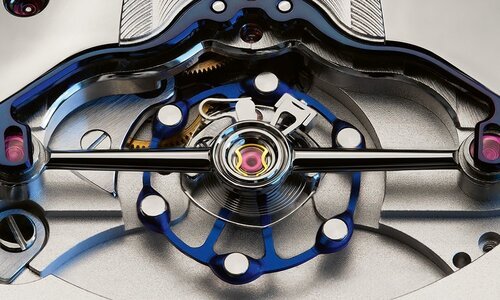
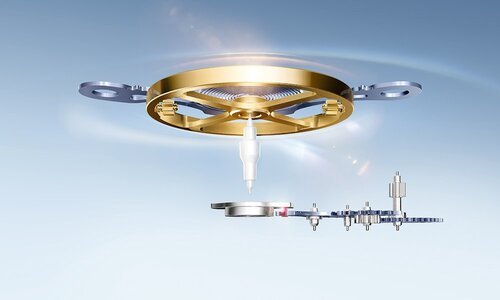
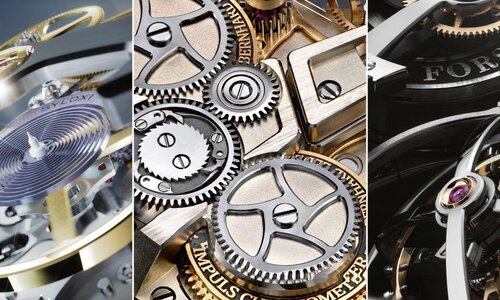
The only hybrid movement in our selection has the gear train of a mechanical watch, an oscillating weight and a barrel. However, Grand Seiko has replaced the balance and spring by what it calls a “glide wheel” that makes eight revolutions per second. This wheel is connected to a stator which generates and stores the electricity that activates an integrated circuit and a classic quartz oscillator.
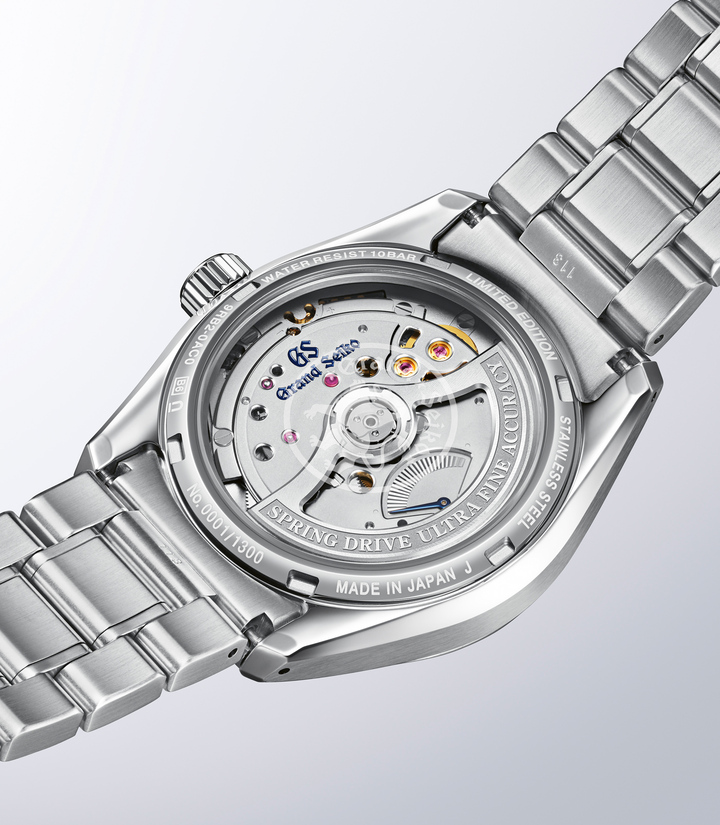
The oscillator provides a reference signal to the integrated circuit which in turn controls the glide wheel, which gives the seconds hand its smooth, gliding motion. When the glide wheel rotates too quickly, the circuit applies an electromagnetic brake.
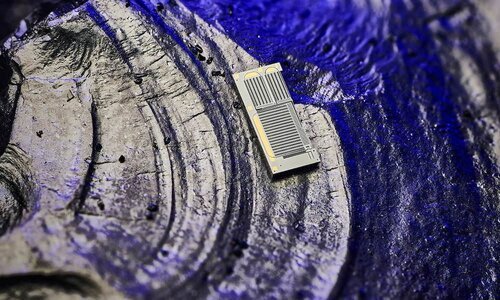
Spring Drive uses a quartz with a standard 32,768 Hz frequency. Why this frequency? The larger a quartz crystal, the lower its frequency. A crystal with a frequency of 1 Hz would be too large and use too much electrical energy. Electronic circuits operate by binary divisions. Fifteen binary divisions of 32,768 Hz (32,768 divided by two 15 times) equals 1 Hz or one pulse per second.
Fine-tuning the quartz
Quartz is fragile by nature. It is physically unstable, sensitive to knocks, and to variations in temperature and humidity.
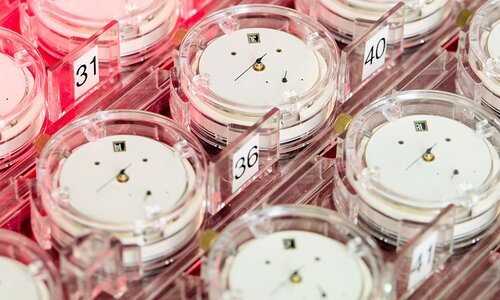
Grand Seiko’s solution is to place a temperature sensor in the integrated circuit. This sensor monitors temperature data 540 times a day to compensate any changes to the oscillation rate. Both the oscillator and the integrated circuit are vacuum-sealed to protect them from humidity and temperature change. So as to prevent variations in precision that could occur due to the natural ageing of the crystal, the quartz oscillator is pre-aged and tested to maintain accuracy. Furthermore, a regulator switch minimises any slight deviations in precision due to ageing after assembly.
Spring Drive is the result of more than two decades of analysis and research by Grand Seiko. Mechanical, electromagnetic and electrical energies are not easily mastered nor necessarily compatible. To combine the three is a remarkable feat, with a result measured in seconds per year—plus or minus 20 seconds per year—and the guarantee of lasting chronometric stability.