
 Español
 Français
 Pусский
 繁體中文
繁體中文 简体中文
简体中文 Select another language

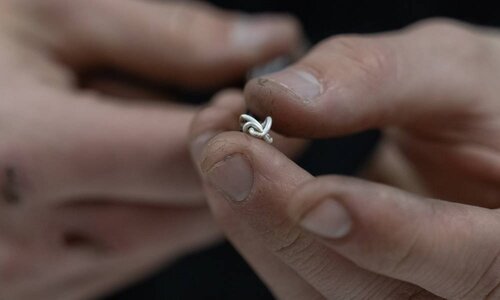
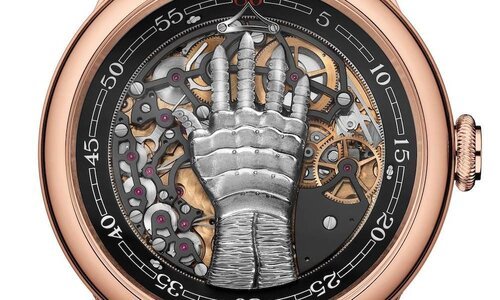
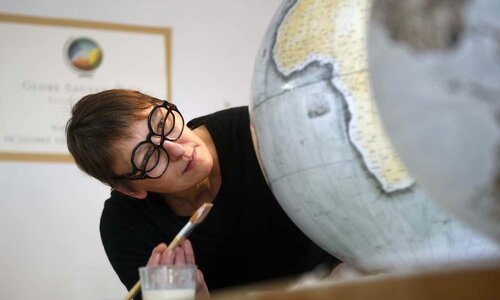
rtistic crafts occupy a unique place in contemporary Swiss watchmaking. They are omnipresent in the most admired, most collected and most highly valued creations of haute horlogerie, yet the individuals behind them often remain invisible. Behind an enamel dial, a miniature engraving, a delicate painting or a hand-executed decoration stand artisans whose work is generally absorbed into the narrative of the brands. Their contribution is essential; their visibility remains limited.
This situation is all the more paradoxical given that enthusiasm for artistic crafts has never been greater. Today’s collectors are looking for more than mechanical performance alone. They are increasingly interested in know-how, in the rarity of a technique and in the human dimension of creation. Yet the specialists who produce these works often remain in the background. It is precisely from this observation that PARVIS was born.
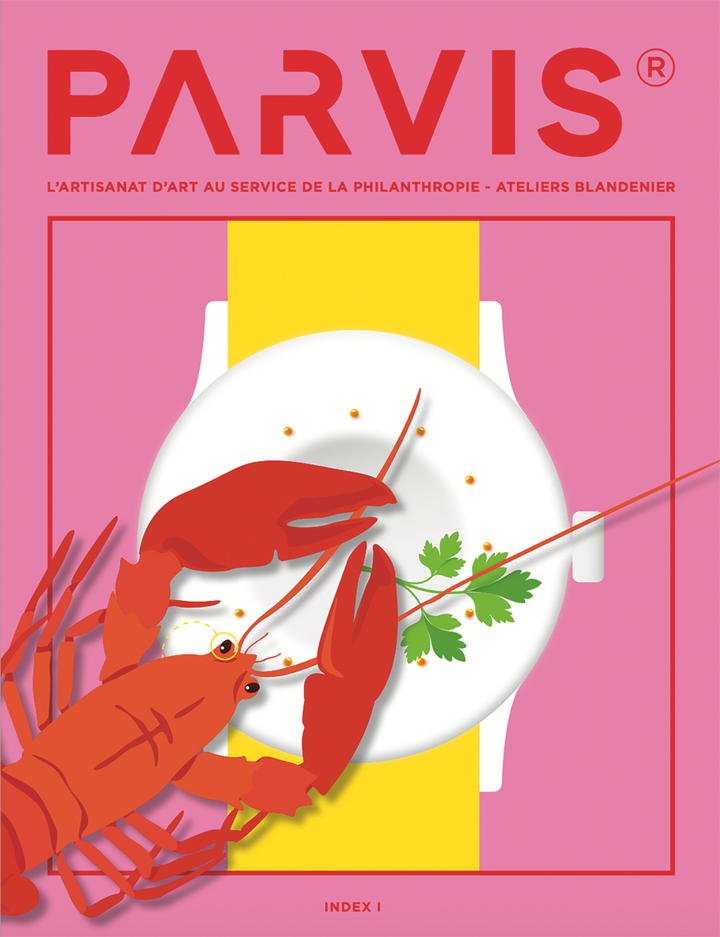
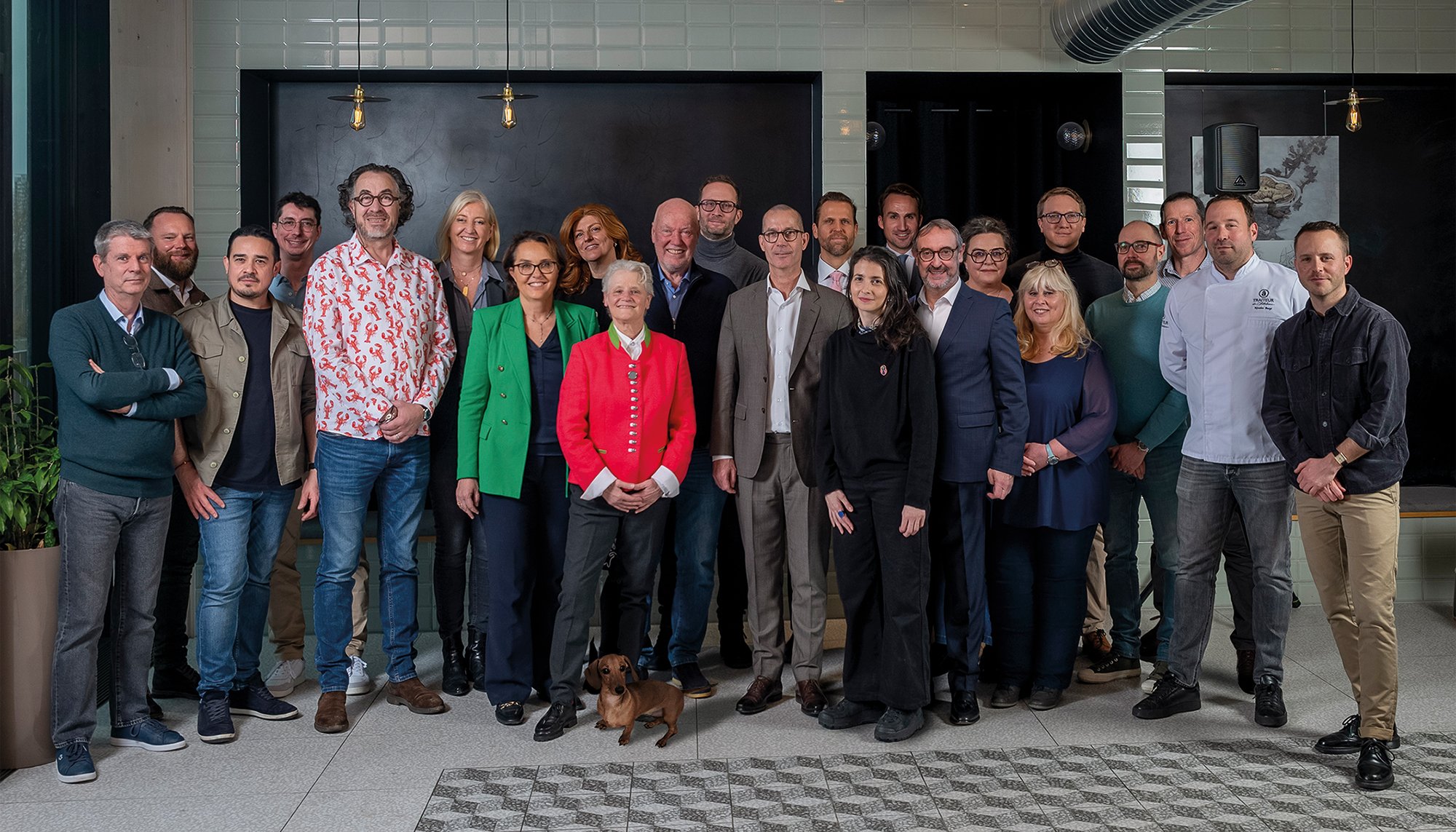
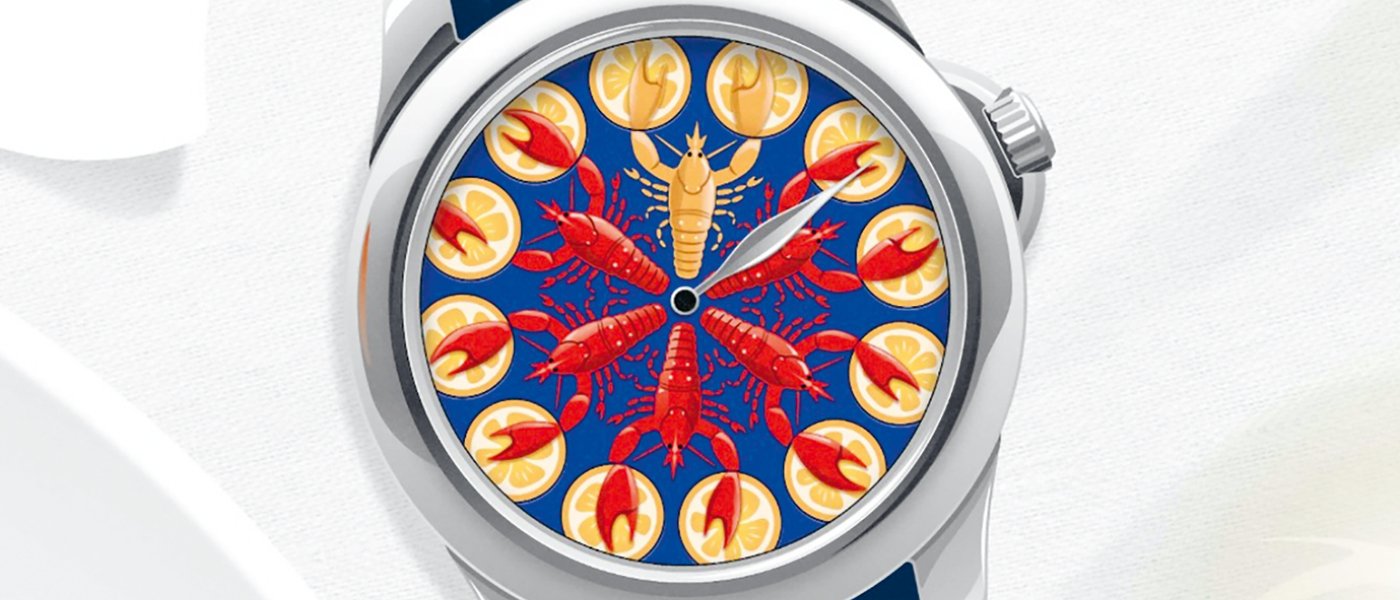
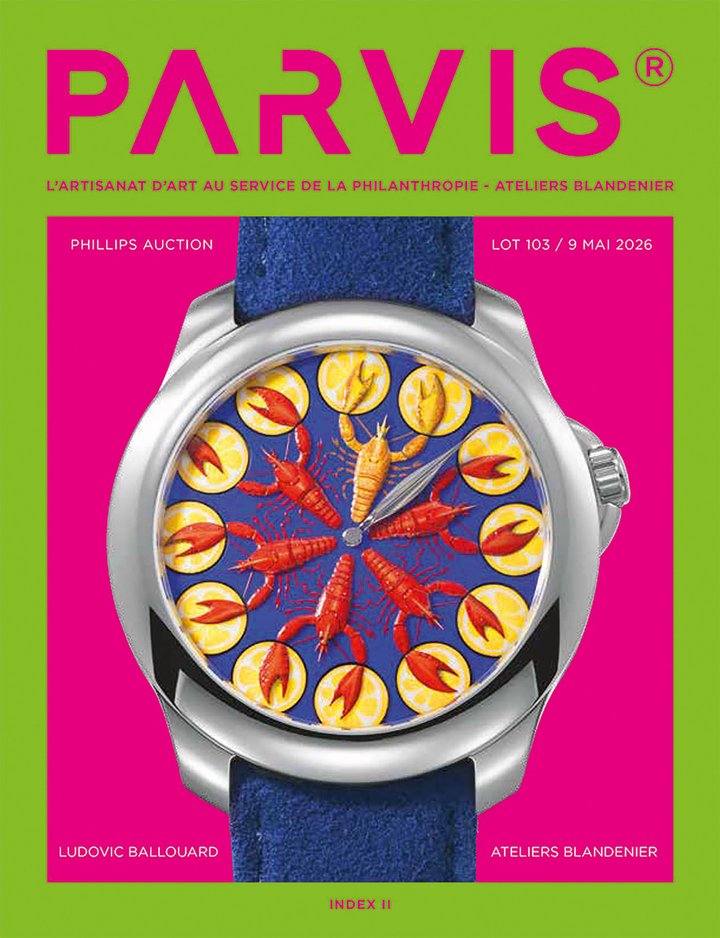
Launched by Geneva-based Ateliers Blandenier, the initiative has gradually evolved beyond the scope of a watchmaking project to become a genuine platform for encounters between artisans, watchmakers, students, educational institutions, figures in gastronomy and philanthropic partners. Over the course of nearly two years, more than 75 participants contributed to the creation of a highly original unique piece, Quel Homard Est-Il?, based on a platinum Upside Down generously donated by independent watchmaker Ludovic Ballouard. Auctioned by Phillips in May 2026, the watch achieved CHF 152,400 in support of the Paint a Smile Foundation.
But the true legacy of PARVIS cannot be measured by the outcome of the sale alone. It lives in how the project has placed artistic crafts at the centre of a collective adventure, supported by individuals whose talents extend beyond the world of watchmaking.
Putting know-how centre stage
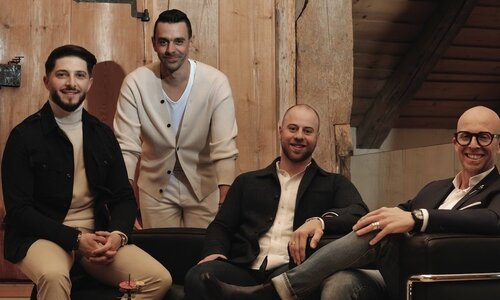
Engraver Christophe Blandenier, founder of Ateliers Blandenier, faced a Catch-22 situation. Like many other specialist subcontractors, his workshop contributed to some of the most refined timepieces but, because it was held to strict confidentiality agreements, couldn’t showcase its skills publicly. And what of the future? How can a profession that remains out of the public eye hope to inspire vocations?
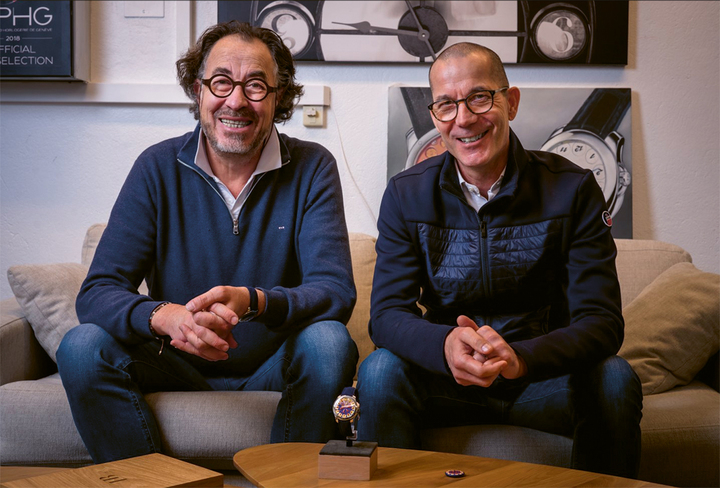
Rather than communicating about its achievements, Christophe Blandenier chose to communicate about the crafts themselves. The objective was not to highlight a company, but an ecosystem. Not a brand, but expertise. Not a product, but the women and men who make its creation possible.
This reflection gradually took shape as PARVIS, an acronym for Partners, Art, Encounters, Vision, Innovation and Switzerland. The word also evokes the square in front of a large building where people meet, exchange ideas and build a community. This would prove a particularly fitting image for a project that would eventually bring together worlds as diverse as independent watchmaking, design schools, gastronomy, audiovisual production, philanthropy and artistic crafts.
Behind this approach lay another very practical concern. Artistic crafts require years of learning and practice. They can survive only if new generations choose to devote themselves to them. First, however, they need to know these professions exist.
Philanthropy at the heart of the project
From the outset, the project’s founders wanted to place PARVIS within a non-commercial framework. The decision to support the Geneva-based Paint a Smile Foundation quickly emerged as an obvious choice.
For the past twenty-five years, the organisation has transformed hospital environments, particularly paediatric wards, through colourful murals designed to bring comfort, imagination and a sense of escape to children and their families.
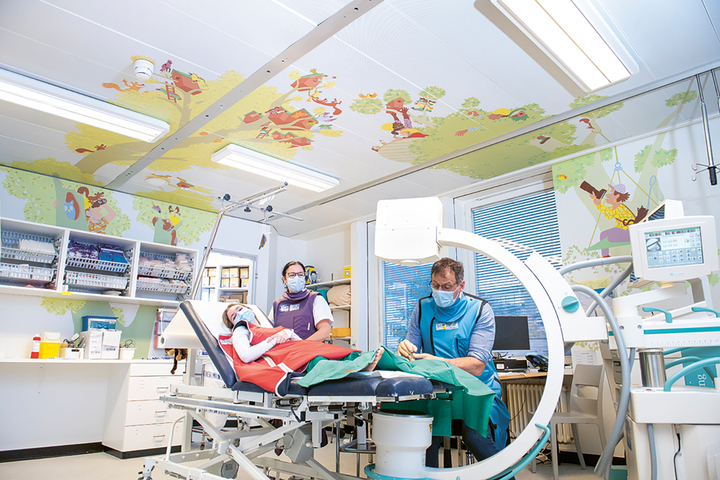
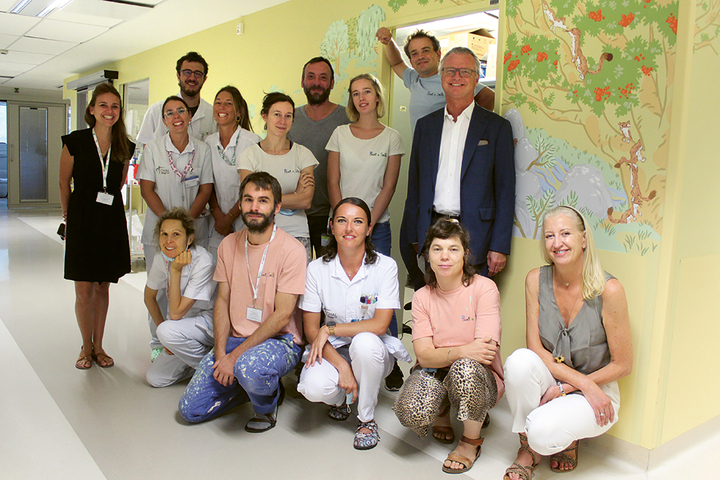
The foundation itself was born from a simple conviction: colour can help soften the experience of hospitalisation. Over the years, Paint a Smile has completed more than 200 projects in around twenty countries, transforming healthcare facilities into more welcoming and more humane environments. The parallel with artistic crafts emerged naturally. In both cases, creation is not an end in itself. It serves a broader purpose: improving everyday life, evoking emotion and bringing beauty where it is sometimes lacking.
This philanthropic dimension also allowed PARVIS to move beyond traditional promotional logic. The watch became a vehicle serving a cause rather than an end in itself.
Ludovic Ballouard joins the adventure
To give concrete form to this ambition, the project needed a watch capable of embodying its spirit. The encounter with Ludovic Ballouard proved decisive. A highly respected figure in independent watchmaking, the Brittany-born, Geneva-based watchmaker has established himself as one of the most singular creators of his generation. His Upside Down model, launched in the aftermath of the 2008 financial crisis, has become emblematic. Its principle is simple yet deeply evocative: the twelve hour numerals are carried on rotating discs, yet only the current hour appears upright. All the others remain upside down.
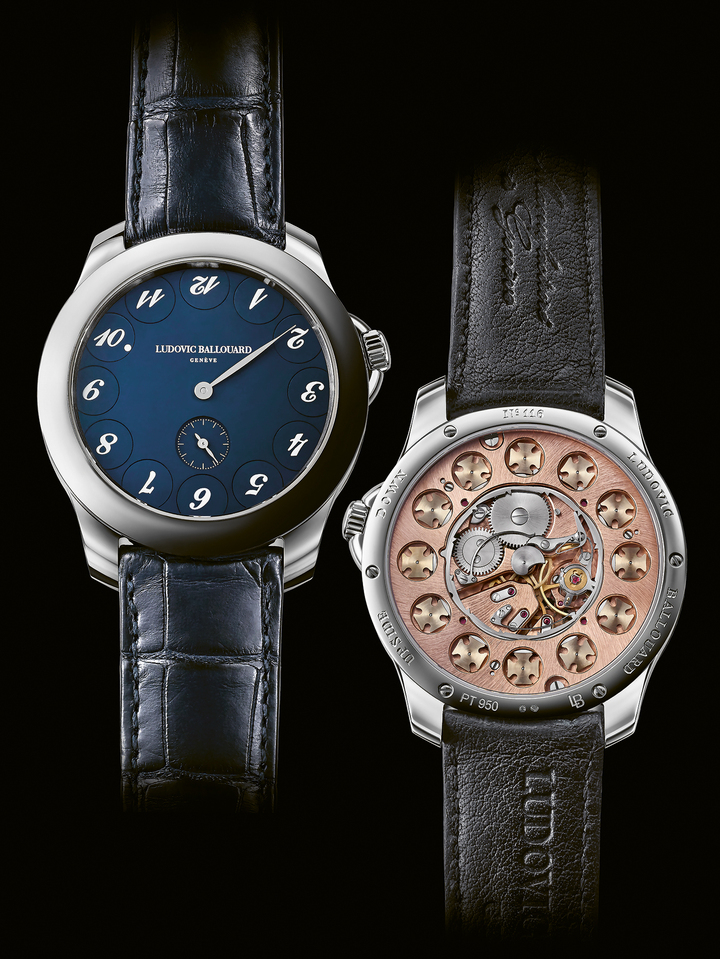
As well as an impressive feat of horological engineering, the complication carries a message of hope. Even when everything seems upside down, there is always something to hold onto.
When Christophe Blandenier presented the project to him, Ludovic Ballouard not only came on board: he donated a platinum Upside Down that would serve as the foundation for the future prototype. The gesture gave the project a special dimension and reflected a generosity that would become one of the recurring characteristics of the entire adventure.
Transmission as a core mission
Transmission constitutes the other major pillar of PARVIS. Schools were involved in the initiative from the earliest stages. Students from the HEAD Genève Chair in Watch Design were invited to imagine the future dial, while pupils from CFP Arts Genève documented the project through reports, interviews and digital animations.
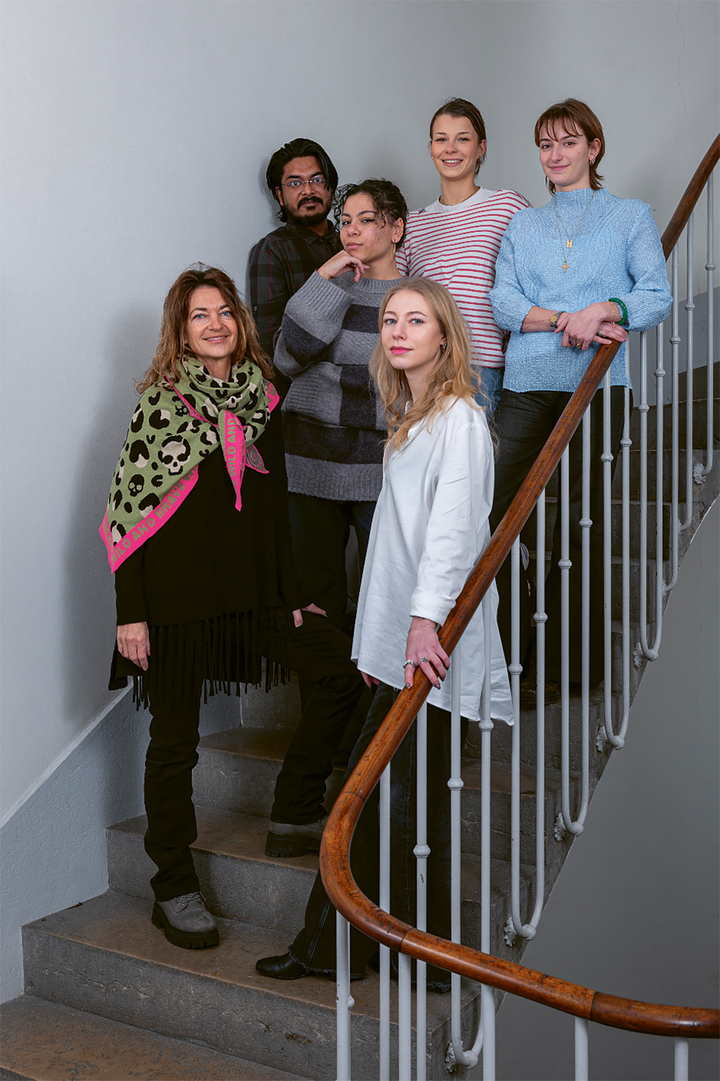
Their involvement went far beyond a simple educational exercise. In an industry facing the challenge of renewing skills and attracting talent, the objective was to create tangible bridges between generations.
Students gained exposure to the realities of both industrial and artisanal constraints. Professionals, meanwhile, benefitted from a fresh perspective on the traditional codes of watchmaking. The dialogue became just as important as the final outcome.
PARVIS demonstrates that transmission is not merely about passing on techniques. It also involves sharing a culture, a curiosity and a particular way of looking at the world.
When haute cuisine meets haute horlogerie
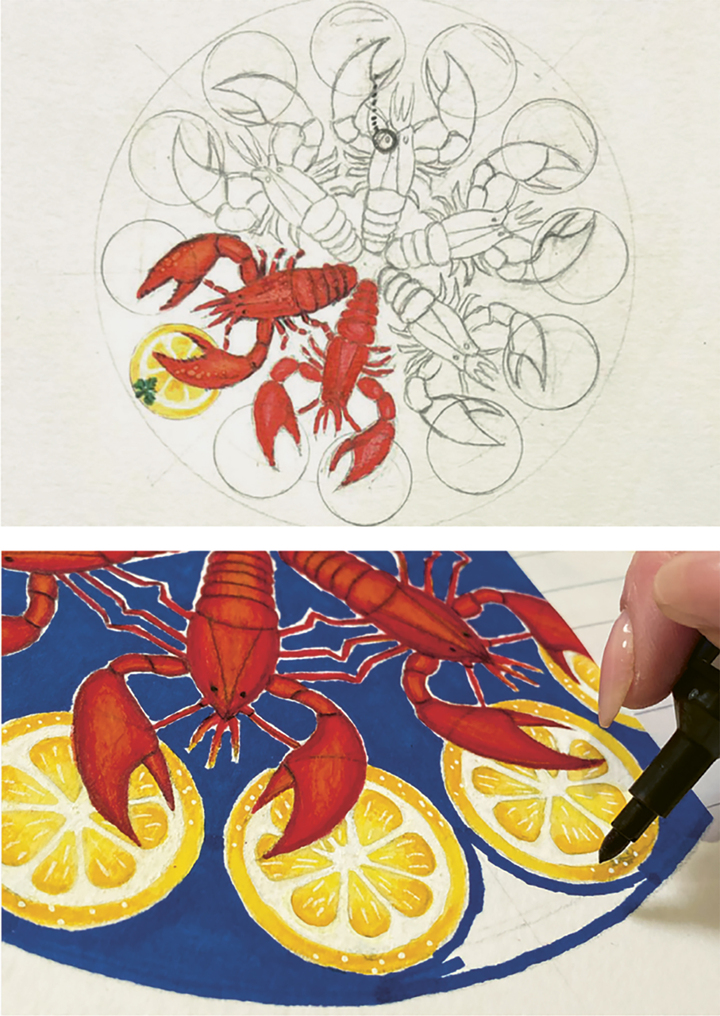
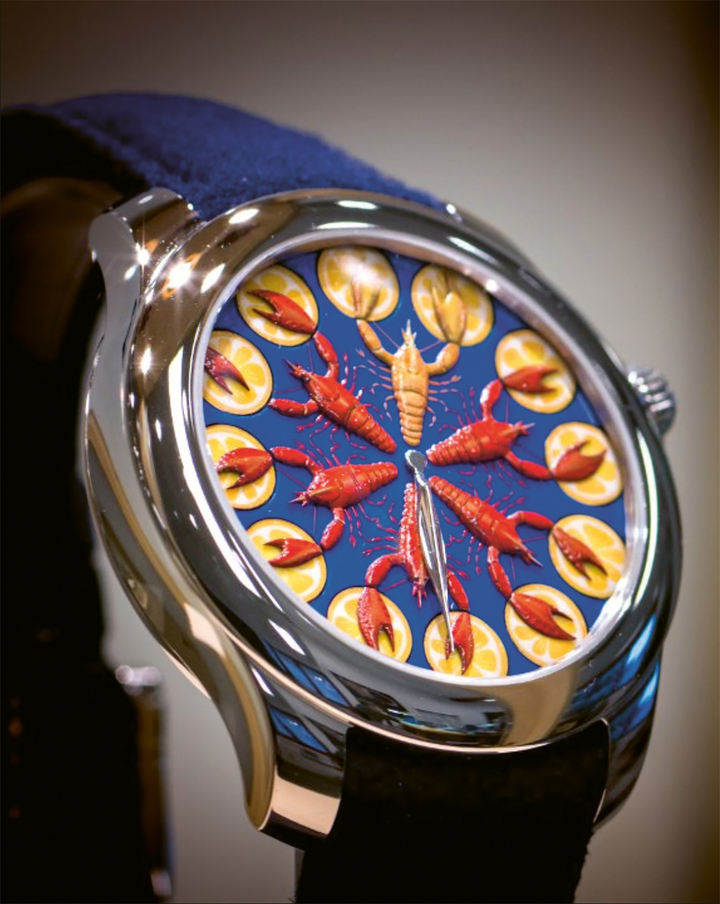
The chosen design was that of two HEAD Genève students, Iris Grondein and Léa Maniscalco. Working to the project’s brief of Watchmaking Art x Culinary Art, they imagined a dialogue between horology and gastronomy through an unexpected figure: the lobster.
One of the project’s principal partners is Chaîne des Rôtisseurs. This historic institution of international gastronomy shares with watchmaking a common culture of excellence, transmission and mastery of technique.
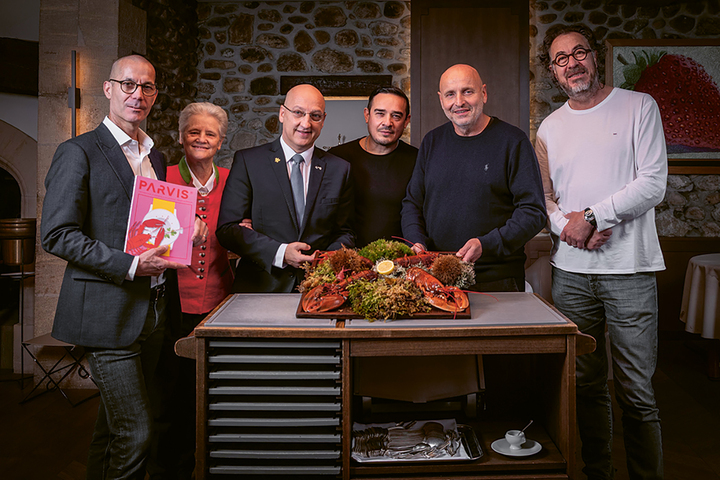
As Alain Brunier, President of the Geneva Bailliage, points out, numerous parallels exist between a watchmaking artisan and a great chef. Both devote their lives to perfecting gestures that may appear simple but in reality require years of learning and refinement.
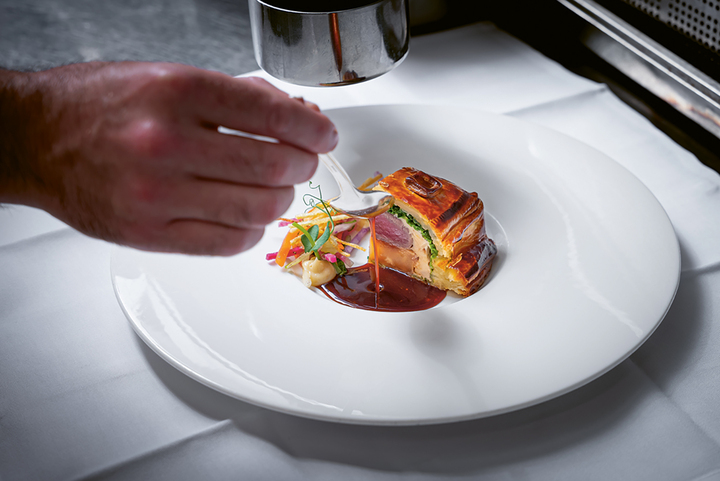
This notion of the “right gesture” became a recurring theme in Christophe Blandenier’s reflections. It applies equally to the engraver, the calligrapher, the chef and the musician. Behind every artistic craft lies the same quest for precision, fluidity and excellence achieved through repetition.
A living laboratory of craftsmanship
Once the dial concept had been validated, the real challenge began: transforming a creative idea into a tangible object.
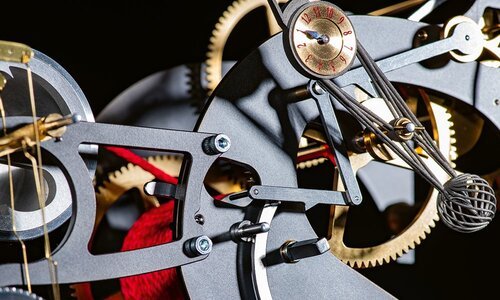
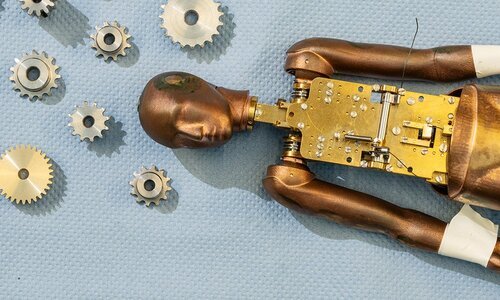
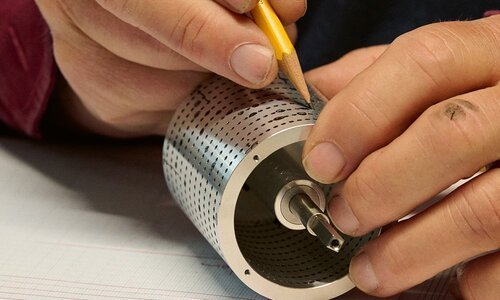
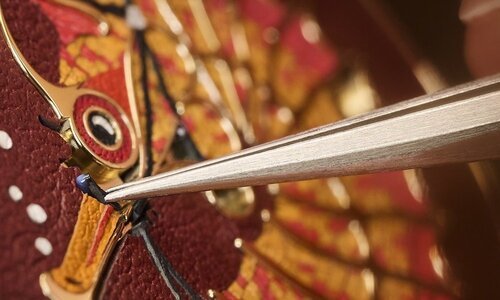
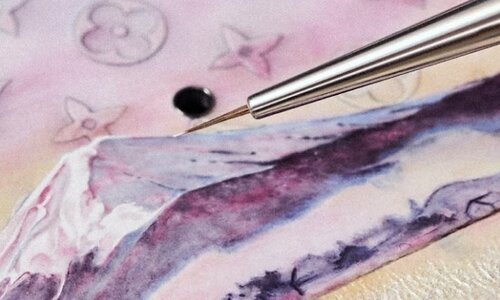
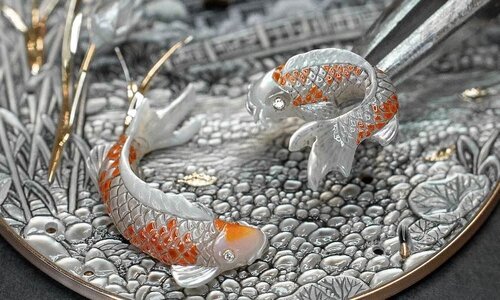
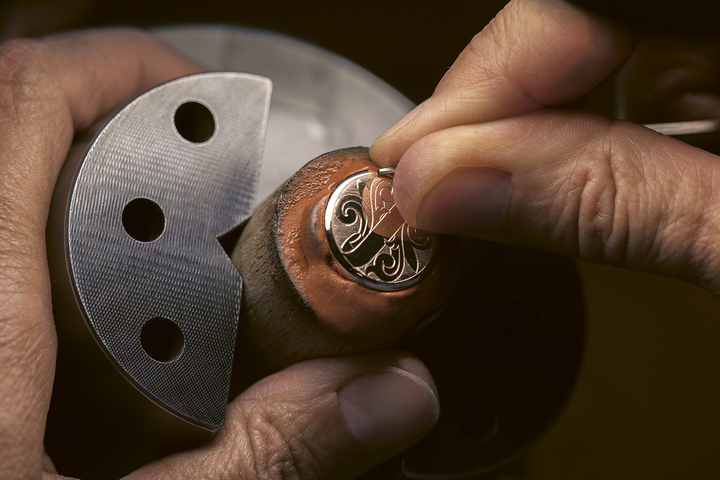
Engraving, enamelling, miniature painting, precision machining, laser-cutting and assembly: the project called on virtually every one of Ateliers Blandenier’s specialisations.
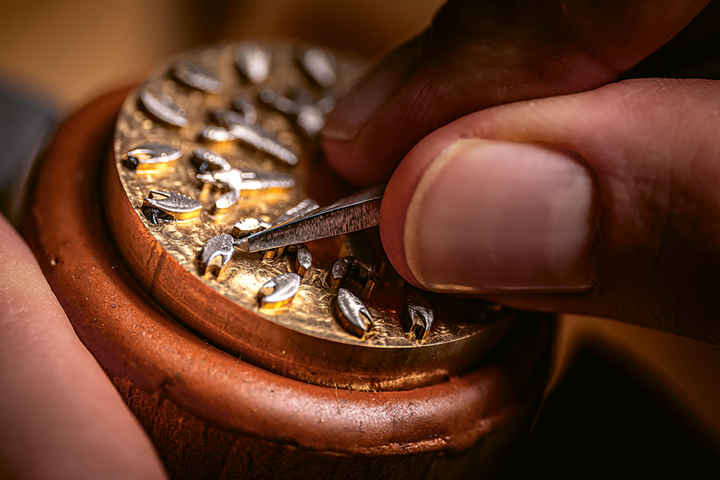
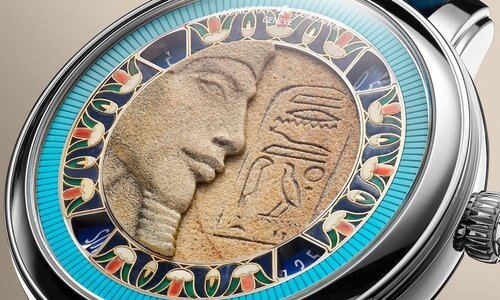
The dial base was executed in Grand Feu enamel, a demanding technique that requires multiple firings at temperatures exceeding 800°C. The lobsters were engraved in white gold then enhanced with translucent enamel and miniature painting to recreate their texture and relief. The lemon slices were hand-painted before being laser-cut with extreme precision.
This coexistence of centuries-old techniques and contemporary tools perfectly illustrates the reality of artistic crafts today. Contrary to certain preconceptions, they are not merely about preserving heritage. They also represent spaces for innovation.
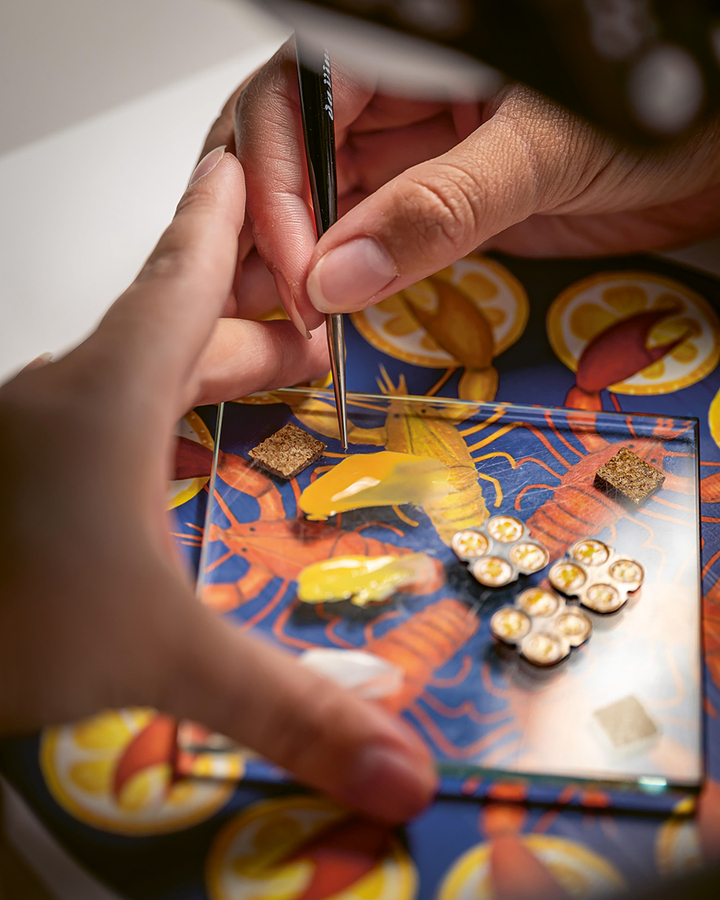
Every new creation requires research, experimentation, corrections and, at times, the invention of entirely new solutions. The development of the Quel Homard Est-Il? dial offers a particularly compelling example.
Turning an idea into reality
The development process involved numerous adjustments. The artisans discovered, for example, that lobsters possess two different claws: a crusher claw and a cutter claw. The original design had to be modified to reflect this biological reality. At another stage, the number of legs required correction. Every detail mattered.
However anecdotal they may seem, details such as these reveal the depth of work required to transform a concept into a credible object. From the students’ original design to the final piece, numerous technical adaptations were necessary to respect the constraints of the Upside Down mechanism while preserving the creative intent.
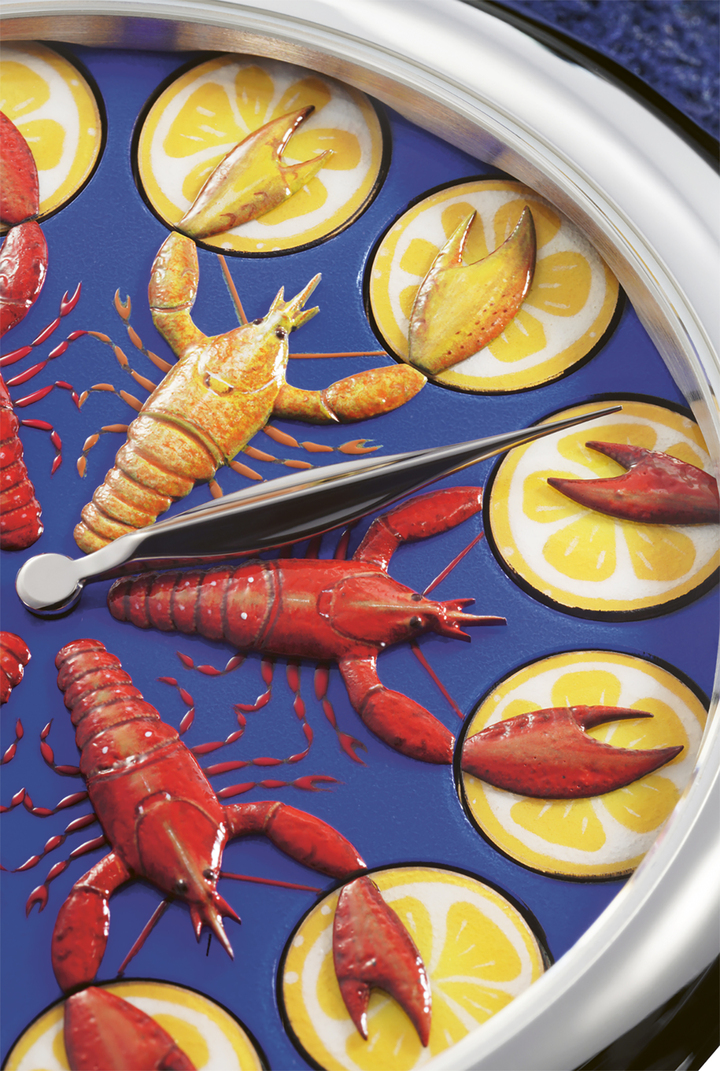
This phase also highlighted the essential role that specialist workshops play in contemporary watchmaking. They are not merely executors. They actively participate in problem-solving, concept refinement and technical innovation.
When the prototype was finally unveiled, it crystallised two years of encounters, experimentation and transmission.
More than a watch: a collective endeavour
As the months passed, PARVIS acquired a momentum of its own. New partners joined the adventure. Unexpected collaborations emerged. Students discovered new professional perspectives. Participants gradually embraced the project and contributed far beyond their initial roles.
This evolution is perhaps one of the initiative’s greatest achievements. The watch progressively ceased to be a simple object and became the focal point of a community.
Supported by Carole Hübscher of Caran d’Ache and Jean-Claude Biver, the project demonstrated that it is still possible to bring together very different actors around a shared vision. In a world often characterised by increasing specialisation and compartmentalisation, this ability to build bridges appears particularly valuable.
The market verdict
The final stage took place at Phillips. By including the watch in its international auction programme, the auction house recognised the singular nature of the project.
For Phillips’ specialists, Quel Homard Est-Il? brought together several major trends shaping today’s market: growing interest in independent watchmakers, the appeal of prototypes, greater appreciation of artistic crafts and demand for objects with an authentic story.
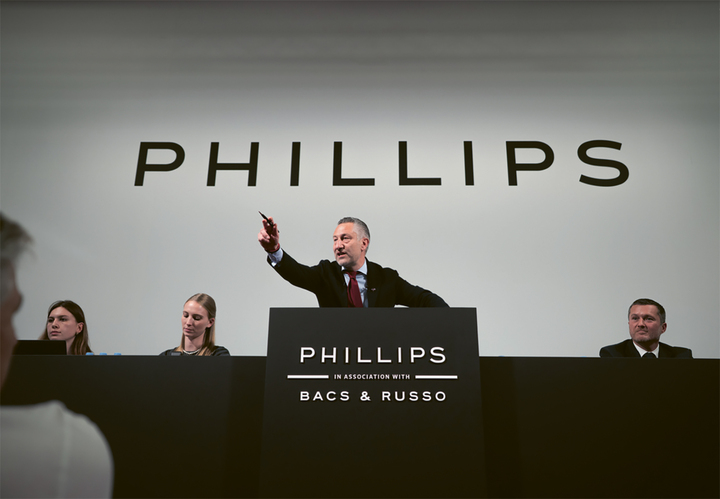
Beyond the financial outcome, the sale confirmed collectors’ interest in creations capable of combining technical excellence, artistic expression and human commitment.
Craftsmanship as a common language
At a time when the watch industry is reflecting on the future of its skills and expertise, PARVIS reminds us that artistic crafts are neither relics of the past nor embellishments reserved for a handful of exceptional pieces. They constitute a living heritage with the capacity to innovate, share knowledge and establish connections between worlds that might otherwise remain far apart.
This is, perhaps, what distinguishes PARVIS’s first season: a demonstration that artistic crafts can become a common language, uniting artisans, creators, students, collectors and institutions behind the shared conviction that the human gesture, that famous “right gesture”, remains one of the most precious assets of our time. As the project looks towards its second season, the adventure continues.