
 Español
 Français
 Pусский
 繁體中文
繁體中文 简体中文
简体中文 Select another language

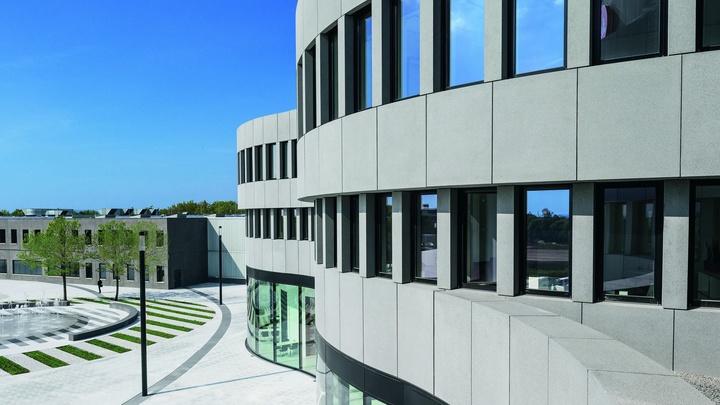
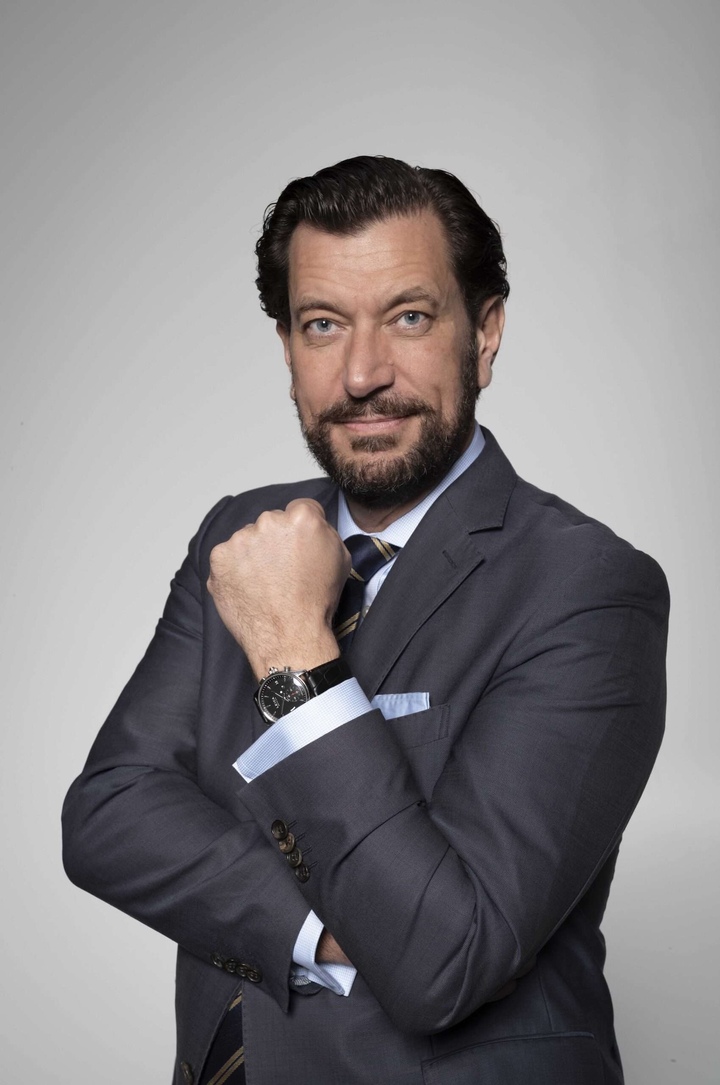
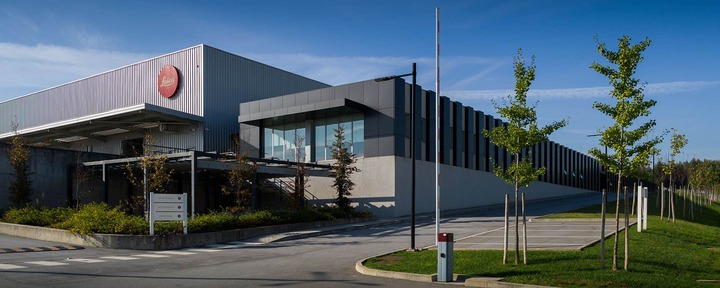
contemporary Bauhaus-inspired campus on the edge of the historic small town of Wetzlar in central Germany now allows visitors to enjoy the full “Leica experience”: welcome to Leitz-Park, where you can stay at the Leica hotel, indulge in a pastry at Café Leitz, tour the camera factory, temporary exhibition and Leica museum, buy souvenirs – and even Leica watches. One important point: these are not treated as mere accessories licensed out to a third party. They have their own dedicated unit and are being developed with a serious and ambitious approach under the leadership of industry veteran Henrik Ekdahl, whose career has notably included a stint at IWC.
Leica Camera AG’s new CEO since April 2026, Andreas Voll, also comes from IWC, where he served as Chief Operating Officer. The parallels between these two industries, each capturing time in its own way, are numerous and obvious: precision, micromechanics, rigorous industrial processes, but also a powerful appeal to the imagination through their association with some of humanity’s greatest achievements. A few decades apart, both faced their own existential crisis with the advent of electronic and digital technologies – and both survived, albeit narrowly.
The Leica revolution
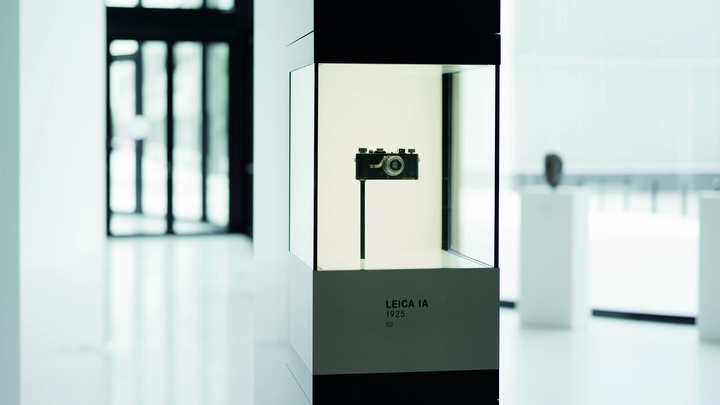
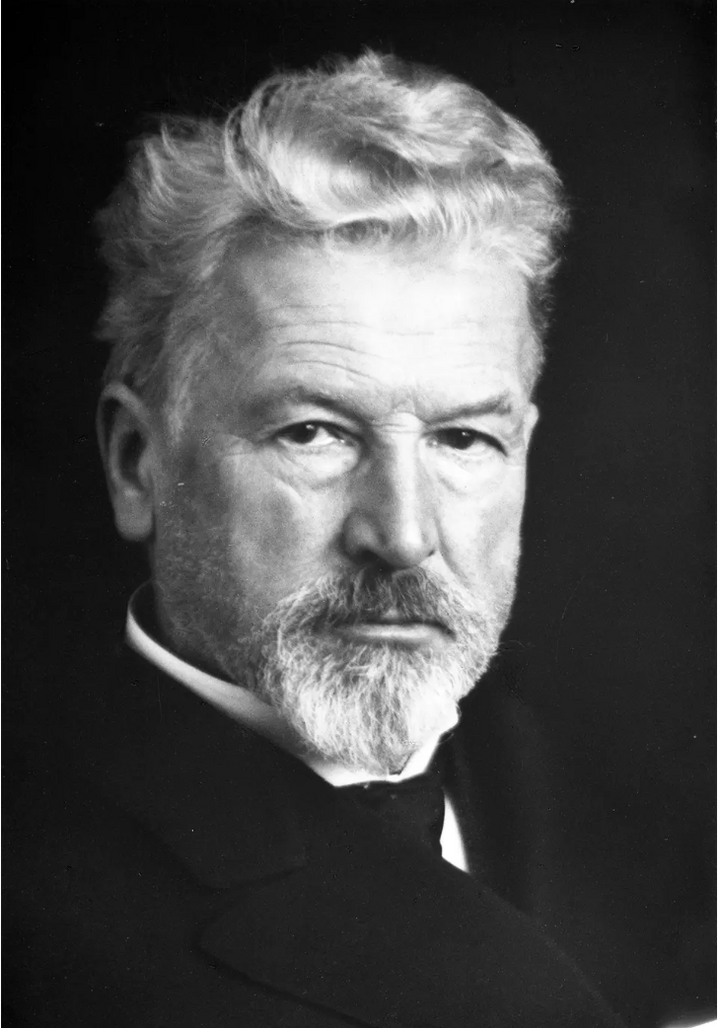
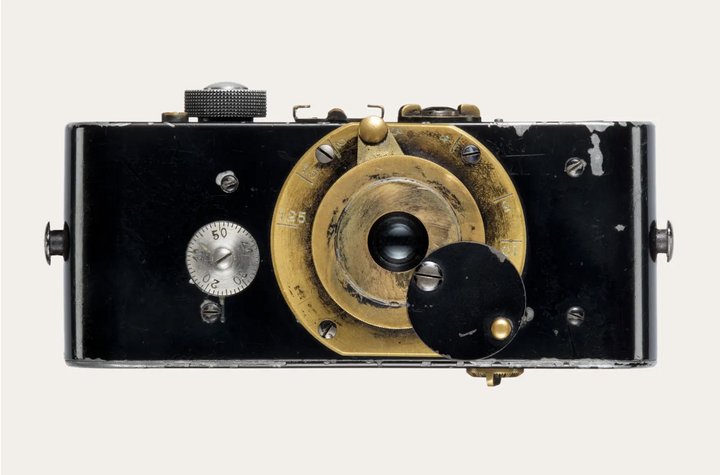
Leica’s story begins with watchmaking. In 1863, at the age of twenty, Ernst Leitz I, the brand’s founding figure, travelled to Neuchâtel to train in precision mechanics with watchmaker and inventor Matthäus Hipp. In 1914 came the prototype of the portable Ur-Leica, designed by engineer Oskar Barnack in 35mm format (a number of moving photographs survive of crowds in the streets of Manhattan, taken by Ernst Leitz II in New York), before the official launch of the Leica I in 1925, which popularised the 24×36mm format in photography. The disruption was considerable: photography became portable and accessible, at roughly the same time as the wristwatch was gaining widespread popularity. Both acquired the power to move from the preserve of elites into the hands of the masses.
“It was a revolution comparable, in a way, to the first mobile phone. Suddenly, you could document life,” says Henrik Ekdahl. In 1954 came the Leica M3, the most iconic of them all, which he readily compares to the Porsche 911: a product that can be continuously evolved without fundamentally altering its identity.
A culture of precision in Wetzlar
A tour of Leica’s workshop reinforces the similarities between the two industries, with rows of CNC machines producing camera components. While digital camera production remains overwhelmingly dominant, there is a noticeable revival of good old-fashioned analogue photography and the ritual of film from our childhood – even developing baths, with their unmistakable smell. The celebrated M6, relaunched by Leica in 2022, has proved particularly successful.
Where the comparison ends – as it so often does – is in the degree of transparency surrounding production networks in the explanations provided during the tour, an area in which watchmaking tends to be far less forthcoming. Leica is entirely open about operating a major production site in Famalicão, Portugal – “rather than in China” – which manufactures some of its components and employs roughly the same number of people as its German headquarters, around 800 at each site. Wetzlar has historically produced the brand’s most high-end cameras, such as the M10, assembled from around 1,100 components. For products bearing the “Made in Germany” label, at least 45% of the value must be generated in Germany. The remainder may, among other places, come from Portugal.
Avoiding the merchandising trap
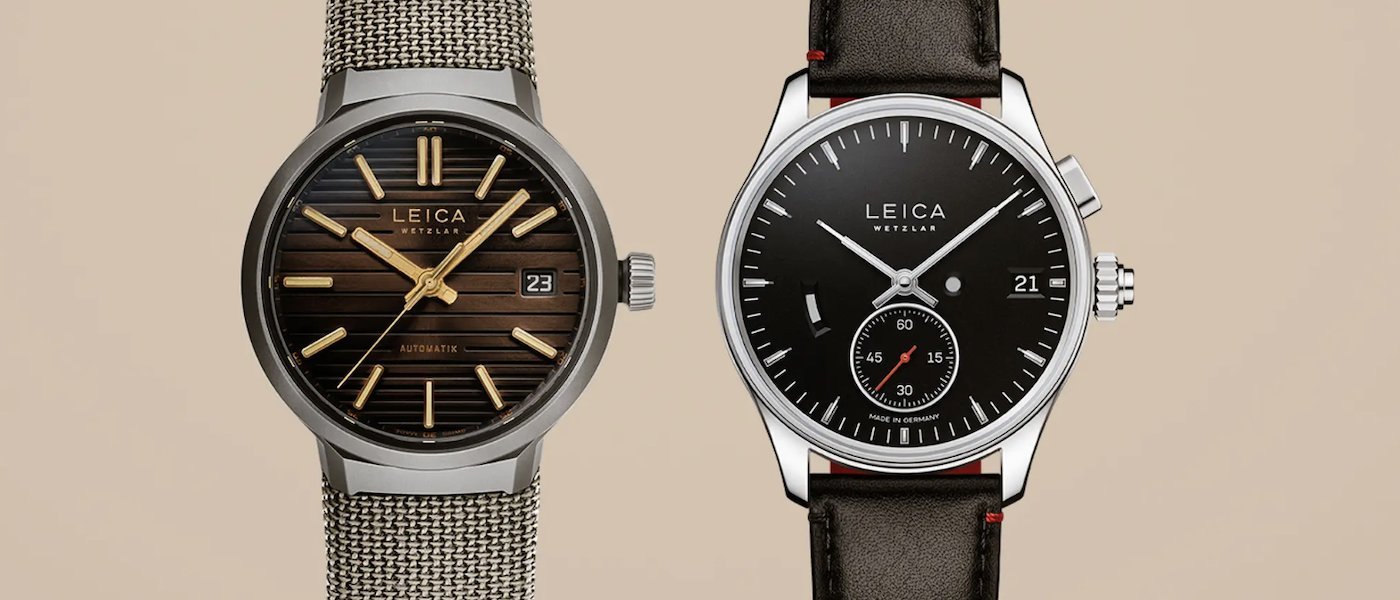
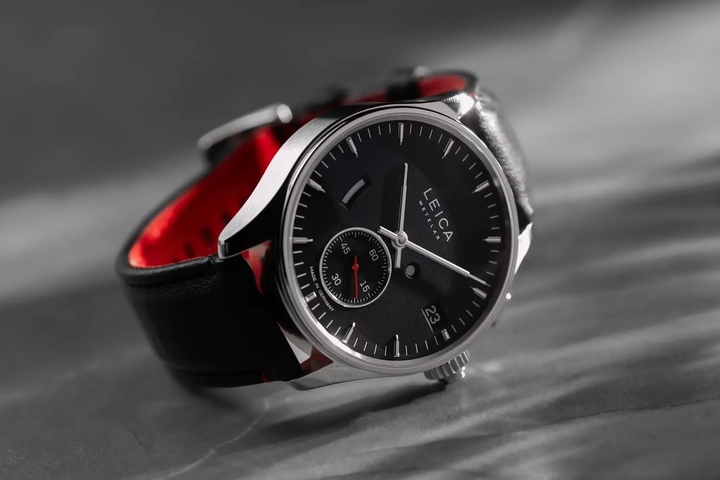
Leica Camera AG generated revenues of €596 million in the 2024/2025 financial year. Watch production remains highly confidential compared with cameras. But, as we have seen, it is both symbolically and technically closely aligned with Leica’s approach to precision instruments. Although the brand had made a few forays into watchmaking in the past, the decisive turning point came only in 2022 with the opening of the Ernst Leitz Werkstätten at Leitz-Park in Wetzlar and the presentation of its first two mechanical watches, the Leica L1 and L2. They were designed by Achim Heine, who had already been involved in the design of numerous Leica products.
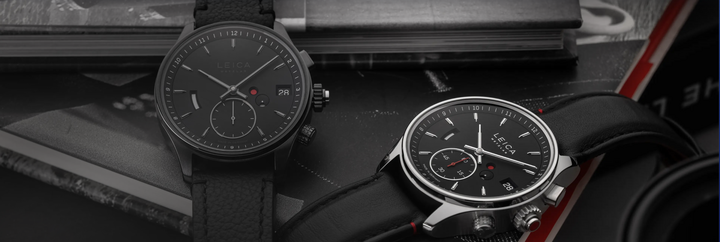
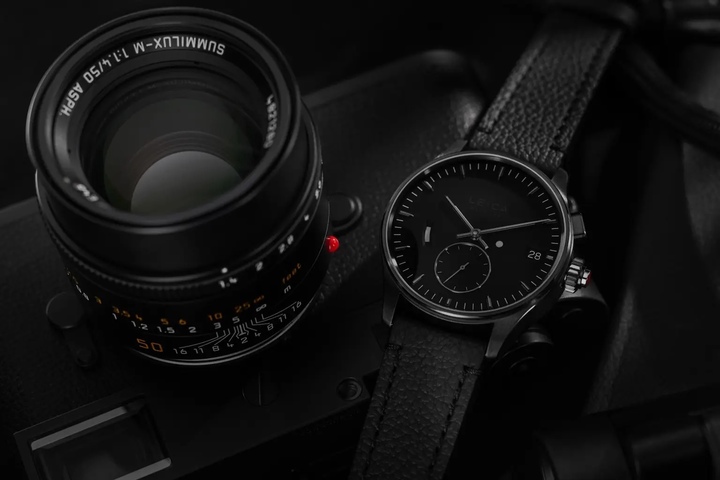
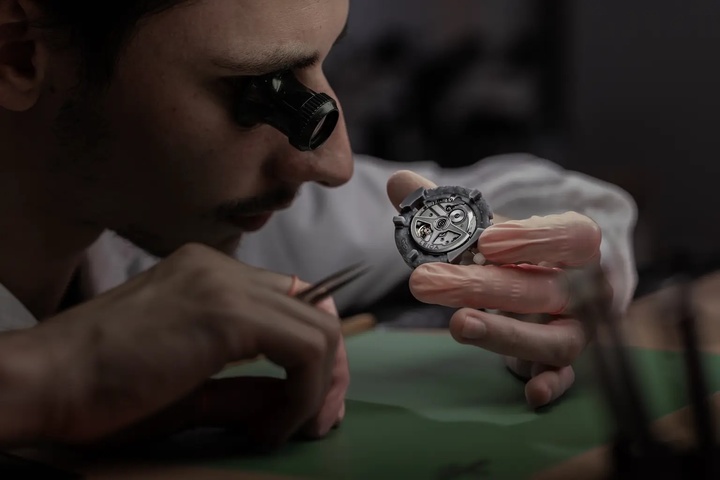
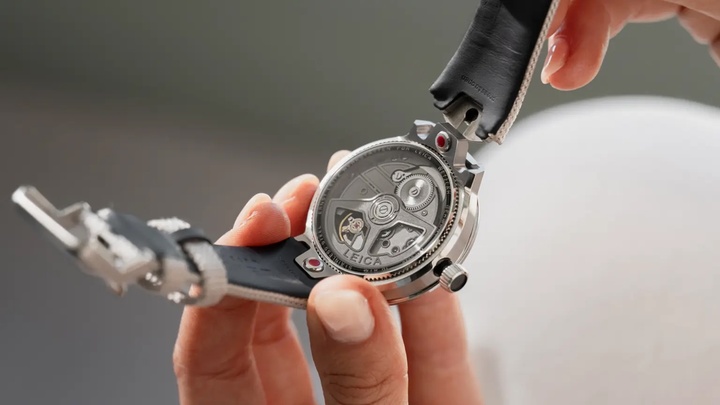
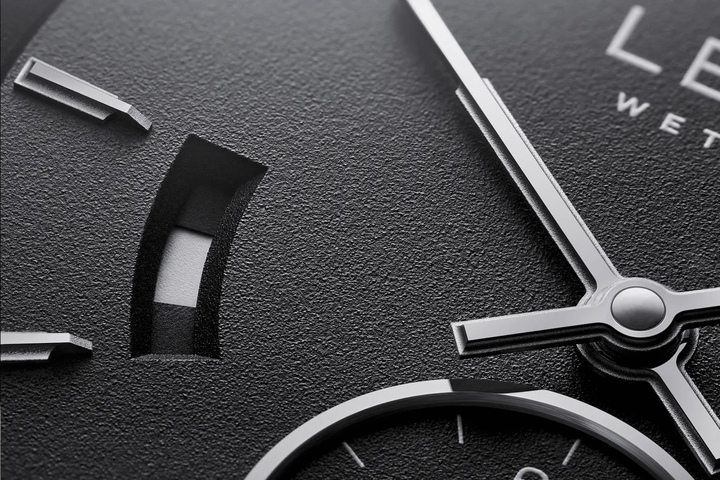
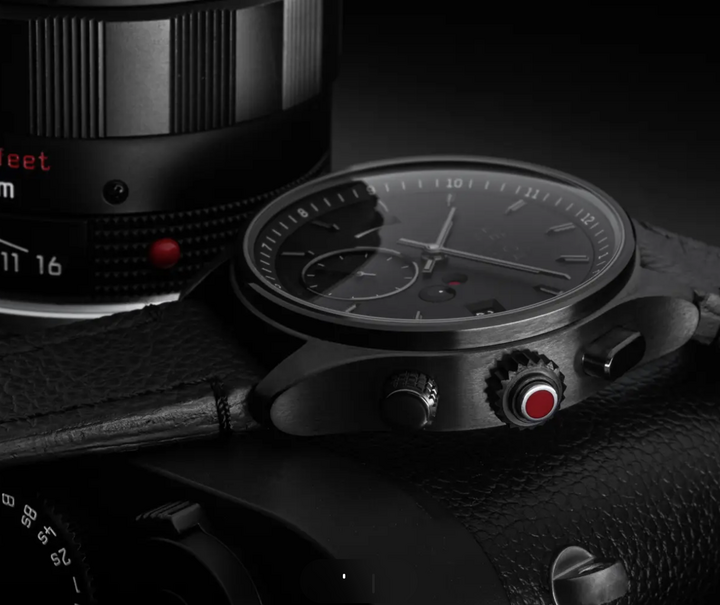
For the hand-wound mechanical movements, Leica collaborated with Lehmann Präzision in the Black Forest. These first models therefore carry the “Made in Germany” label. One of their distinguishing features is a patented push-crown, whose operation deliberately recalls the shutter release of a Leica camera. The design also incorporates several references to cameras, including the knurling of the crowns and the domed crystal, reminiscent of a lens.
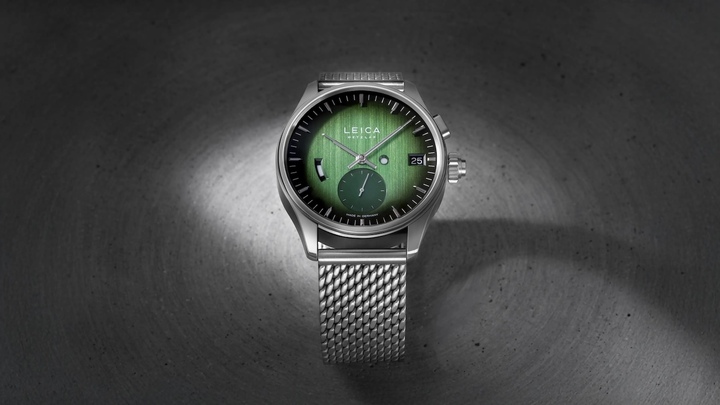
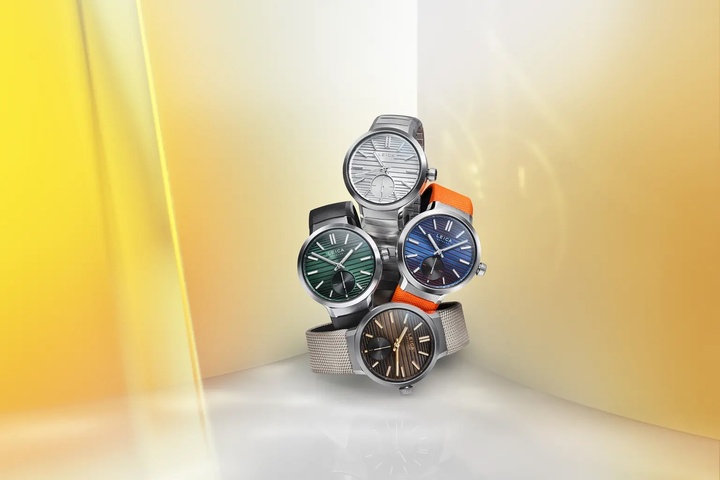
From 2022, Leica restructured its watch offering under the ZM name, short for Zeitmesser, German for “timepiece”. The L1 and L2 became the ZM 1 and ZM 2 respectively. The ZM 2 notably adds a second time-zone function. Leica then introduced its first Swiss-made models, the ZM 11 followed by the ZM 12, whose automatic movement was developed by Jean-François Mojon at Chronode.
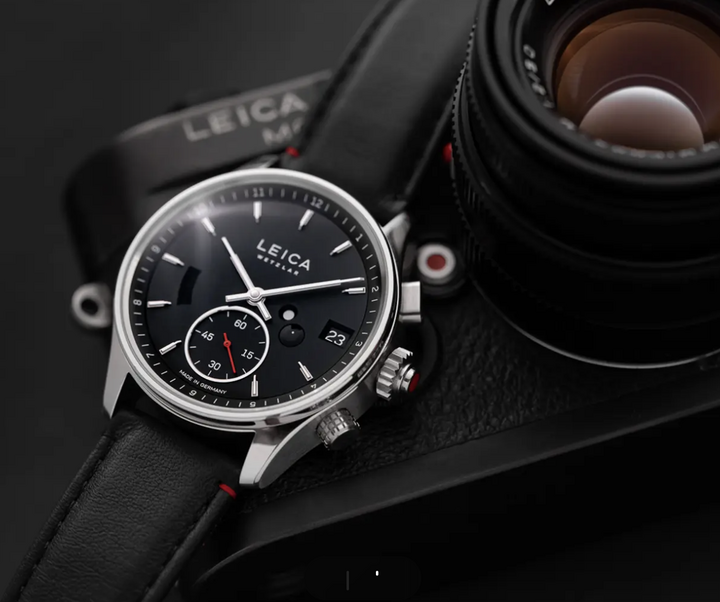
“Cameras are more than lifestyle products. They are tools. The Ur-Leica completely changed the world. This isn’t simply a story about watches or cameras. It is always about identity. Leica did not begin with luxury: Leica began with a tool and a technology,” explains designer Achim Heine, whose background notably includes Vitra and furniture design.
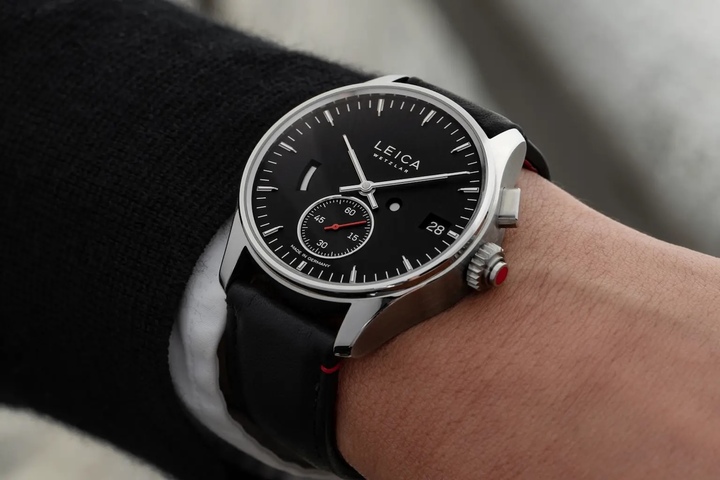
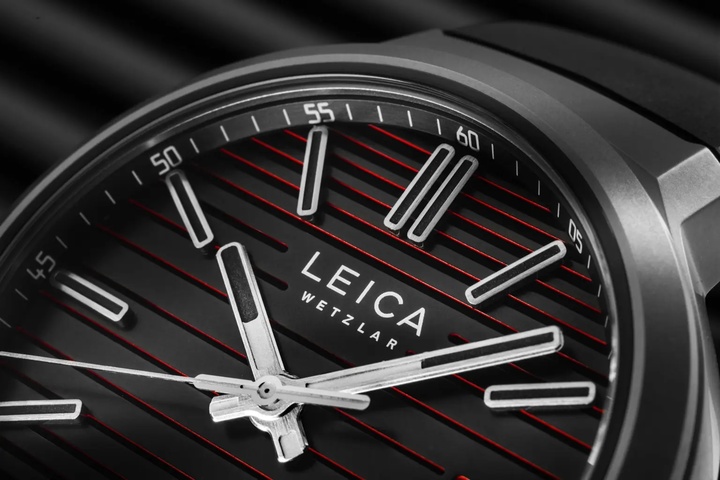
The challenge, then, is how to translate this vocabulary without slipping into pastiche. The first temptation would have been obvious: placing the famous red dot on the dial. “But the red dot is so powerful that it immediately looks like merchandising!”
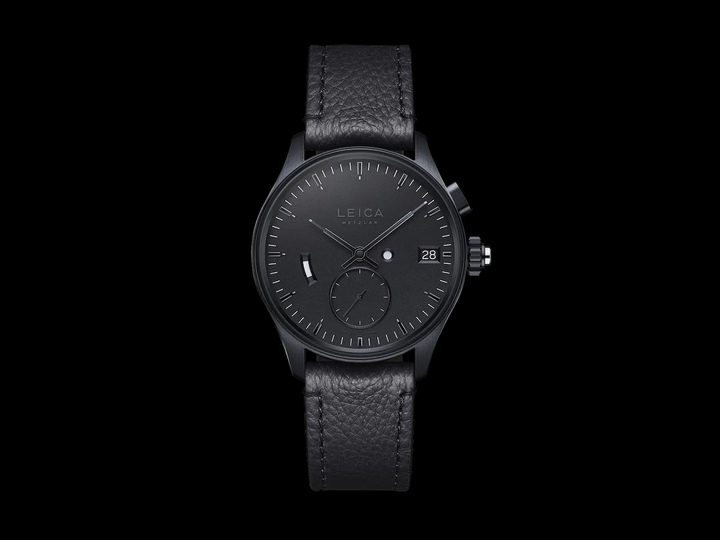
The answer therefore lies in more subtle cues. For the typography, for example, the designer went back to the graphics of the Leica M6 to develop a bespoke typeface: recognisable without directly reproducing the logo.
The work also focuses on surface transitions and the way volumes meet. At Leica, Heine explains, no form is truly accidental. For the watch, the historic camera is less a collection of details to be copied than a “grammar”.
“Of course, everyone has an opinion on what a Leica watch should look like,” adds Henrik Ekdahl with a smile.
Industrial philosophy
Does the coexistence of Swiss Made and Made in Germany watch production not risk creating confusion? “Ideally, in the long term, we would obviously centralise manufacturing in Wetzlar,” acknowledges Ekdahl. “For now, we are going to focus on Swiss Made. Switzerland is extremely important: that is where we find the expertise we need.”
He adds: “At some point, we will certainly produce the cases ourselves, just as we already manufacture those for our cameras.”
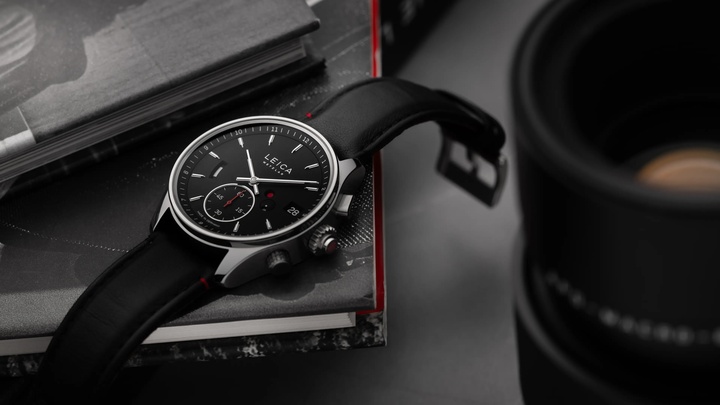
Ekdahl also points out that Leica possesses expertise that few watch manufactures can claim at this level: optics. “There is something from that know-how that could be translated into watchmaking.”
Like mechanical watchmaking, Leica has come back from the brink. Henrik Ekdahl knows this first-hand: he was already working at Leica in the 1990s, when photography was undergoing its abrupt shift towards electronics. “It was a very difficult period. Leica came close to bankruptcy. But some people decided that this company could not simply be allowed to disappear.”
Hermès then took a stake in the company, before the arrival of Dr Andreas Kaufmann, today Leica’s majority shareholder and Chairman of the Supervisory Board – and himself a keen watch enthusiast. These investments gave Leica the resources to make the transition to digital. The decisive move was to ensure that new generations of cameras remained compatible with the vast existing range of lenses.
The strategy worked. Leica returned to Wetzlar and built its new campus around a simple idea: the camera remains at the core, but it no longer represents the entirety of the Leica universe. Today, the group is active in binoculars, riflescopes, projection, accessories and smartphones, notably through its partnership with Xiaomi. A Leica-branded mobile device can now give its user access to settings reminiscent of those found on a compact camera.
For Leica, the two realities coexist. Never have so many photographs been taken. And yet, paradoxically, the generation raised on smartphones is also rediscovering analogue photography. According to Leica, around one in five M bodies sold today is analogue.
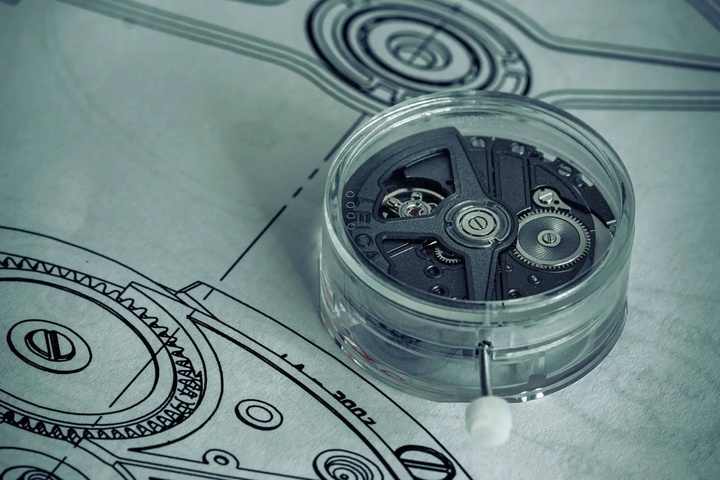
The architecture of Leica’s watch movements maintains a subtle connection with Wetzlar: viewed from above, it evokes the layout of Leitz-Park. There is no question, however, of covering the components in decoration simply because high-end watchmaking convention demands it. “We don’t play extensively with traditional decoration, because we are an industrial company,” Henrik Ekdahl sums up.
Leica watches are available in approximately 55 Leica Stores worldwide. In its camera business, the brand generates around 90% of its revenue outside Germany. Its international retail presence is longstanding: as early as the 1990s, Leica already operated around ten boutiques in Japan. The brand also works with several thousand retailers worldwide.
Watchmaking could of course benefit from a stronger presence across these networks. But above all, Henrik Ekdahl believes, “we need to move beyond our own ecosystem and engage more with the watch community, because we are not making watches solely for existing Leica customers.” With some pride, he also notes that certain customers are now entering the Leica universe not through photography, but through watchmaking.
“The idea is not to dilute Leica’s core, which remains cameras, optics and observation equipment. Watchmaking is still a small area, but we want to grow it. Step by step, it can be done.” Some brand purists object to this diversification strategy – Leica leather goods also exist today. “They will say that this isn’t Leica. But we have to grow the brand, and its image is extremely strong.”
The Leica touch
Watchmaking also raises a question of communication for Leica. Here again, the brand intends to keep its distance from some of the luxury industry’s habitual reflexes. “We don’t want to pay celebrities to wear our watches. That wouldn’t be authentic,” says Henrik Ekdahl. Leica prefers to collaborate with photographers and personalities directly connected to its cultural universe. A film was notably produced with watch collector John Goldberger, himself a keen photographer and admirer of the German brand’s cameras.
This approach is nothing new. Achim Heine recalls campaigns conceived around the hands of artists and photographers: instead of showing celebrity faces, they focused on the gesture, the tool and the physical relationship with the camera. Wim Wenders was part of this universe. Watchmaking is not far removed from it.
Three years after the business truly got under way commercially, Ekdahl still describes the project as only the beginning. “We have just set off on a very long journey. Three years is nothing for a watch brand. Even a few years will not be enough. We think in decades.” The next challenge lies lower down the price pyramid. With the ZM2 at the top and the ZM11 in a lower segment, what may still be missing is a genuinely more accessible entry point into Leica watchmaking.
Leica is a company that has already lived through a technological revolution violent enough to bring it close to extinction. It survived by transforming its products without abandoning their connection to history. The watch now raises a parallel question: what can Leica become through another object, without ceasing to be Leica?
The stay in Wetzlar, which began with a visit to the picturesque centre of the small German town – camera in hand – concludes in the precious archives preserved at Leitz-Park… Leica, which has brought to life some of the most recognisable images in our collective visual heritage, finds a natural extension in the measurement of time.