
 Español
 Français
 Pусский
 繁體中文
 简体中文
 Select another language


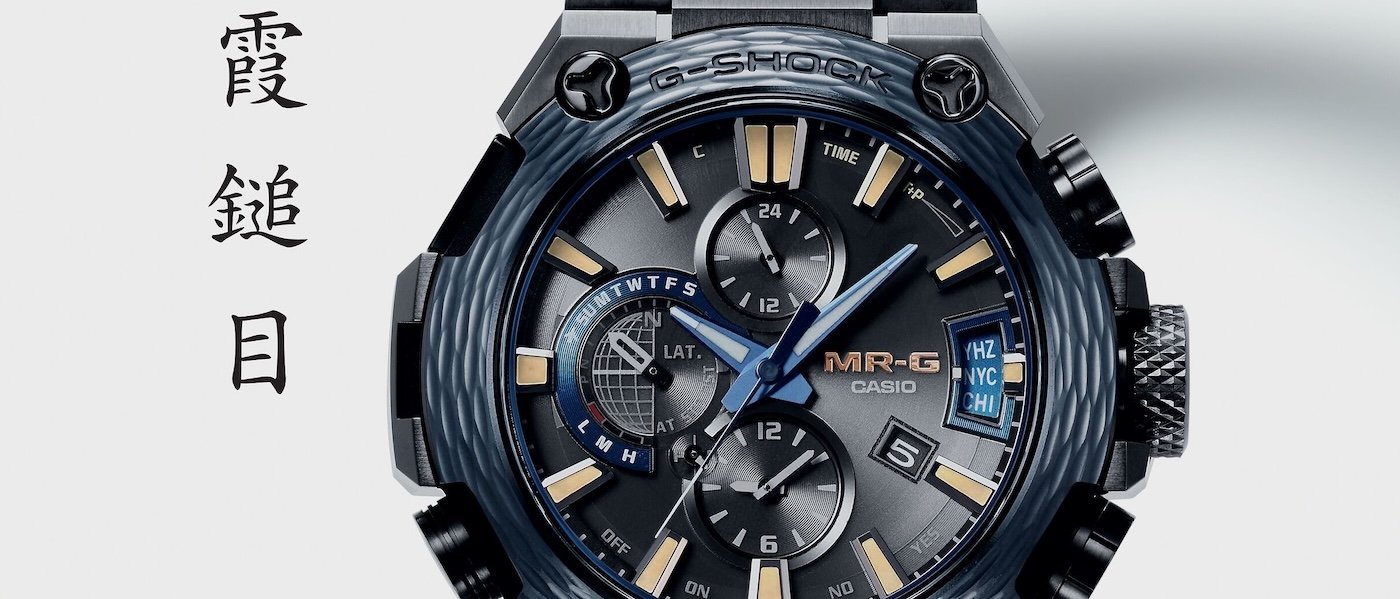
apanese watch brands have made a notable comeback on the global market in recent years. The sharp decline of the yen and Swiss watchmakers’ retreat from the mid-range segment have been key factors, creating favourable conditions for this resurgence. Yet it would be misleading to attribute Japanese brands’ growing competitiveness solely to these macroeconomic factors. Japanese companies have adopted new strategies to enhance the appeal of their products, breaking with their original obsession with technology and finding considerable success with consumers.
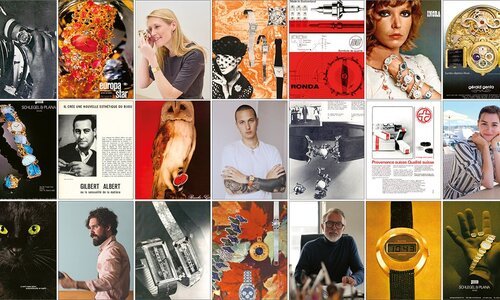
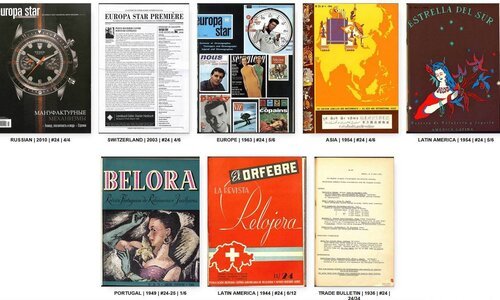
The archives of Europa Star offer an excellent resource for understanding this comeback and placing it within the longer history of Japanese watch brands. We begin today with Casio.
Founded in 1946, this family business initially specialised in manufacturing small mechanical components. It moved into calculators and quickly embraced electronic technology. Casio watches were developed in 1974 as part of a diversification strategy. They first appeared in Europa Star in 1975 with the Casiotron, a digital quartz watch intended to shake up the market. Casio’s ambition was to offer precision and quality at prices everyone could afford.


In the 1970s, innovation and technical specifications were central to the brand’s communication. Prices were falling, and innovative technology was what made the watches desirable. At Casio, multifunction digital quartz watches became the norm in the 1980s.
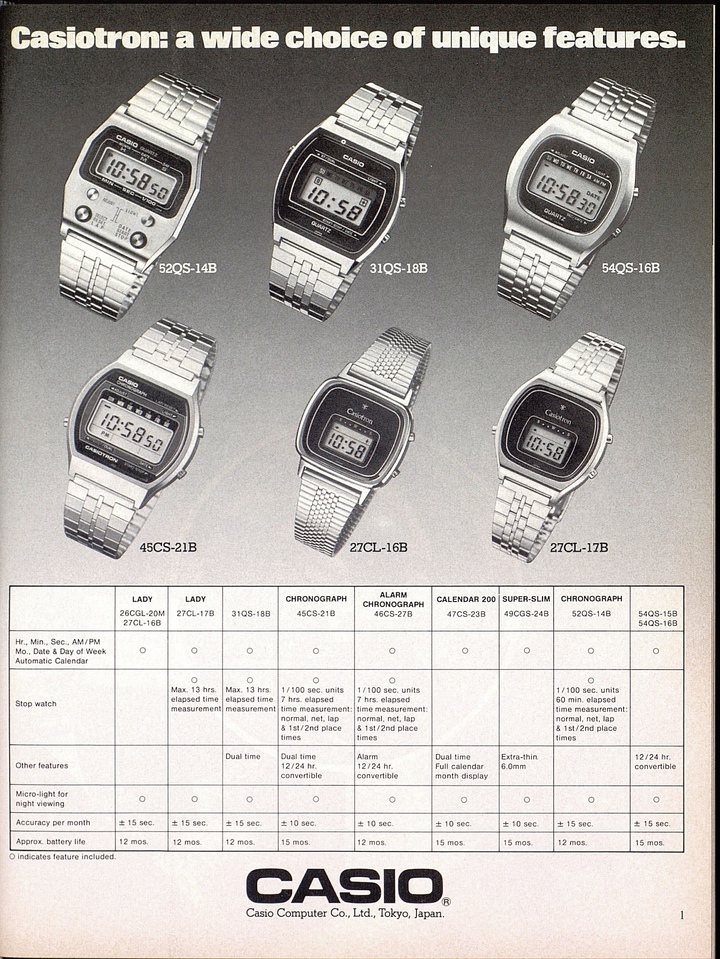
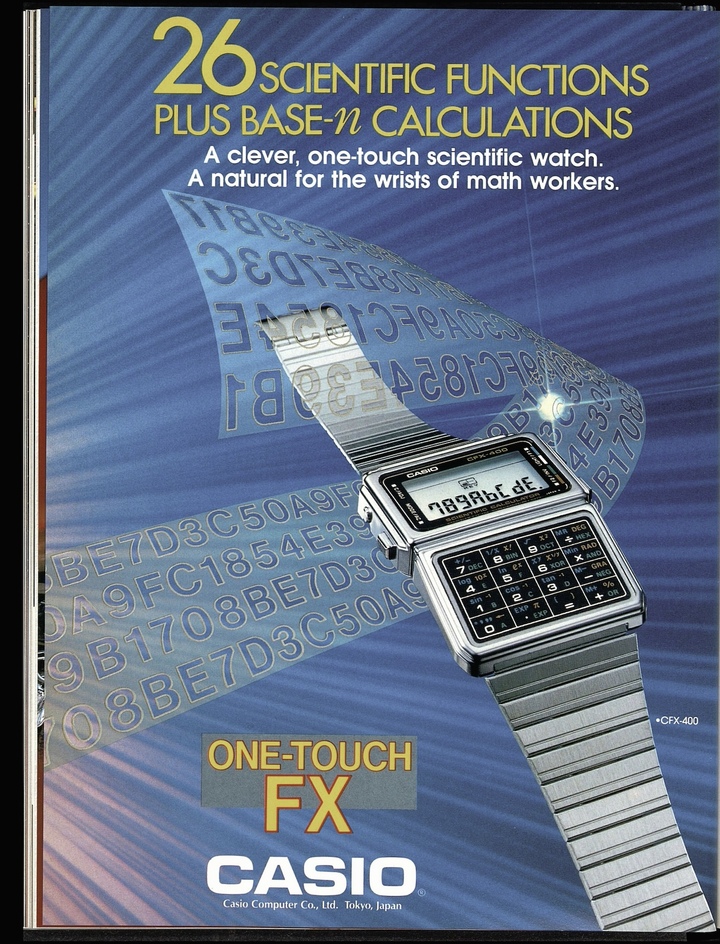
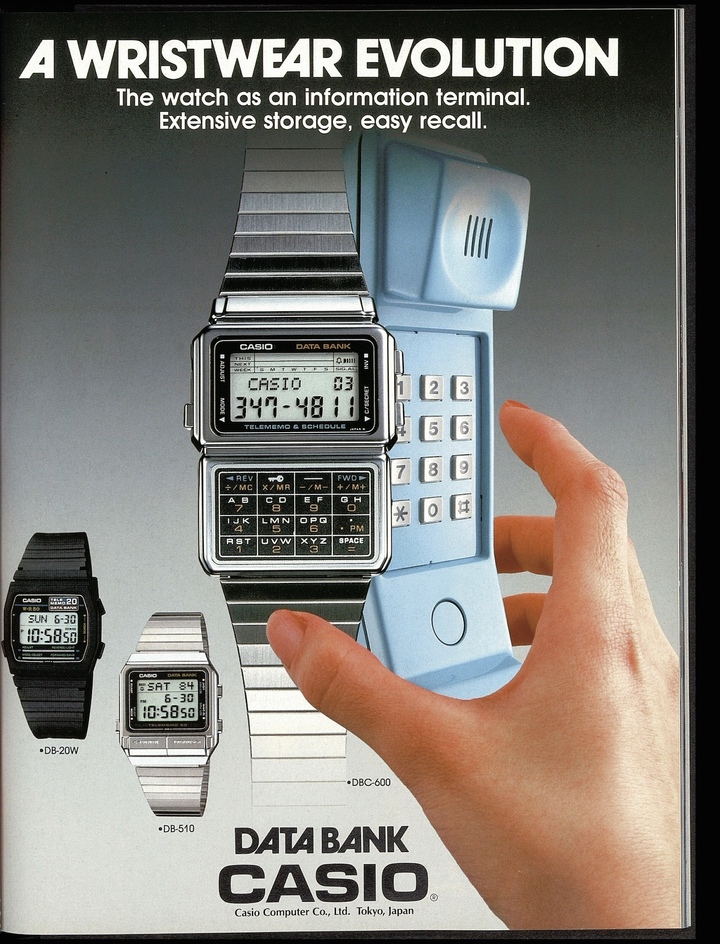
From the mid-1980s, however, this race to innovate ran up against watch manufacturers in Hong Kong, which flooded the global market with extremely inexpensive quartz watches. Japanese companies could no longer pursue growth through mass production alone. They needed to develop appealing products that would win consumers over.
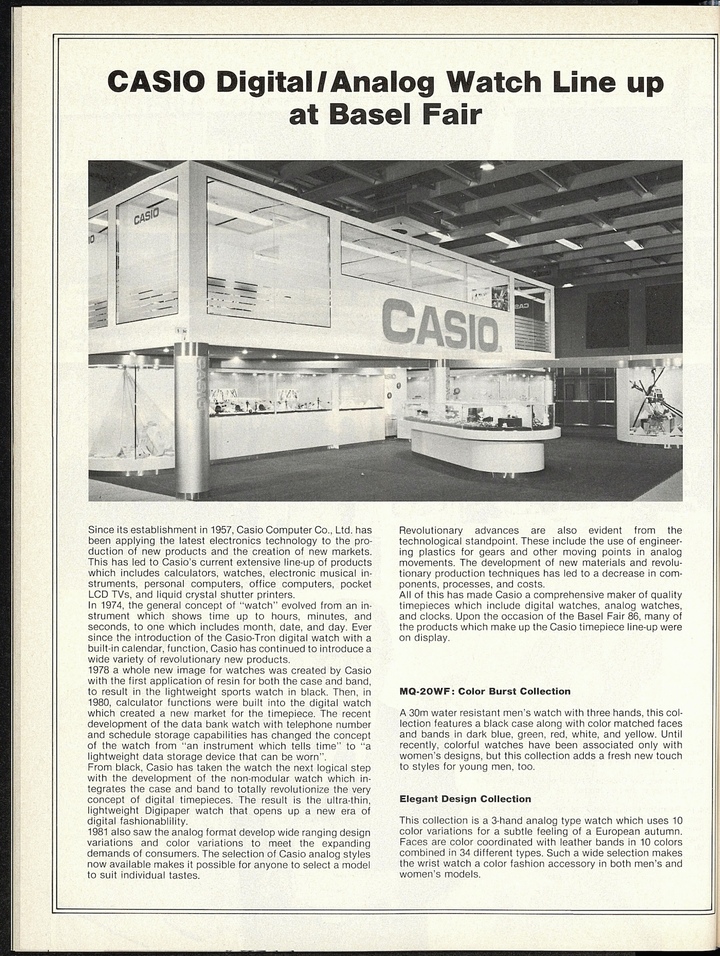
Casio took several steps in this direction. First, it began adding a touch of fashion to its watches, notably with the Janus models, which combined digital and analogue displays. These were presented as fashion accessories at the Basel Fair in 1986.

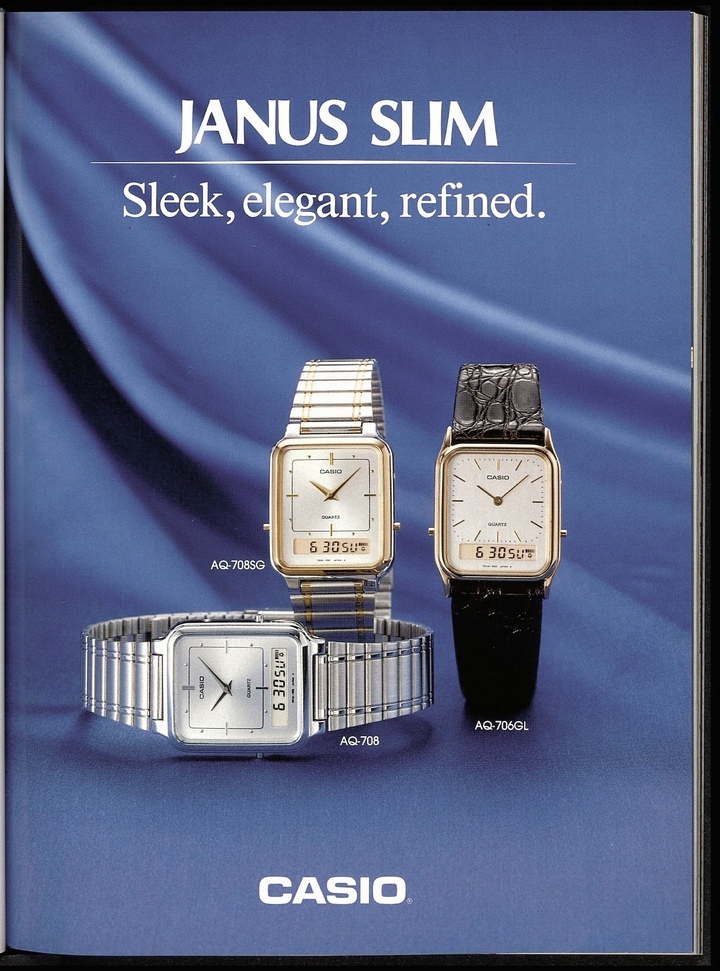
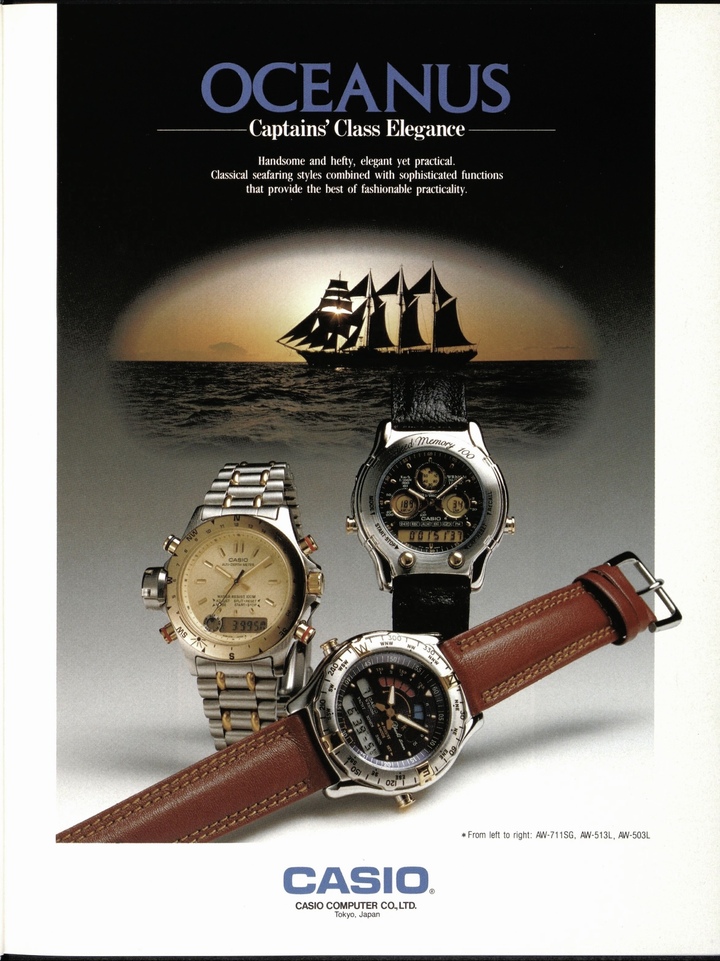
A few years later, one of these models gave rise to the Oceanus collection.
The other major strategy for enhancing the brand’s appeal was to develop a whole range of watches tailored to specific needs, with campaigns featuring businessmen and athletes. The watches’ functional value was intended to set Casio apart from its competitors. It was within this range of collections that G-Shock appeared on European markets in the late 1980s. Initially, it was associated with the Paris–Dakar Rally.
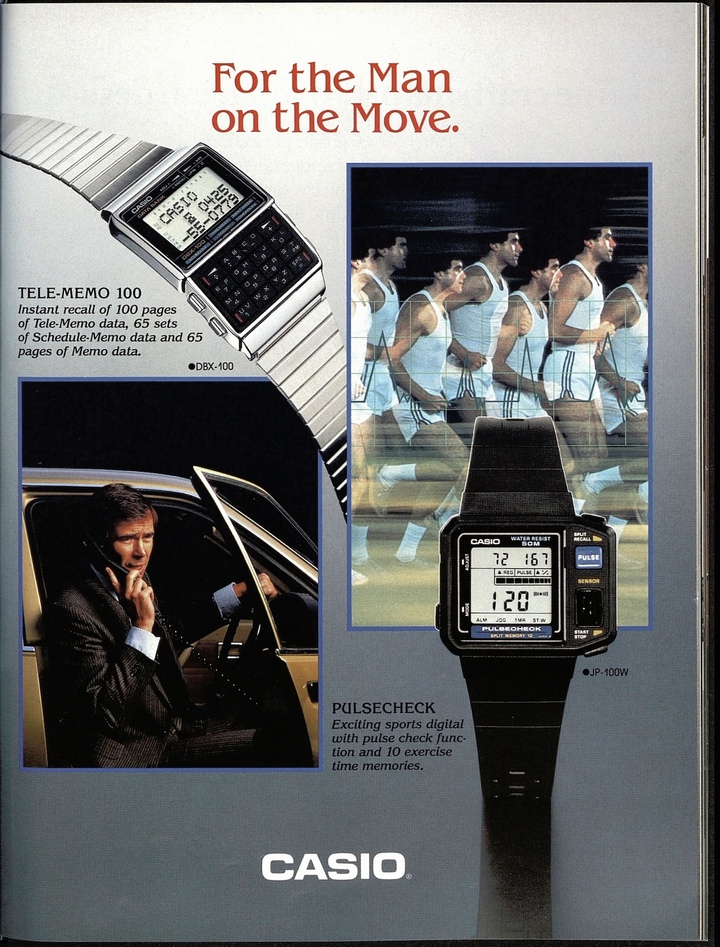
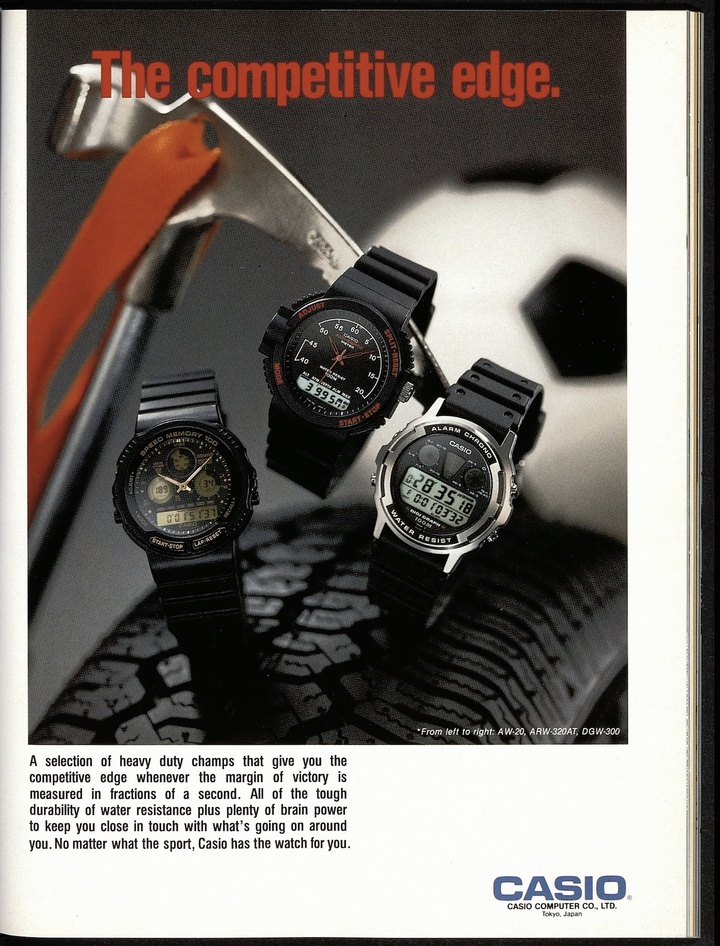
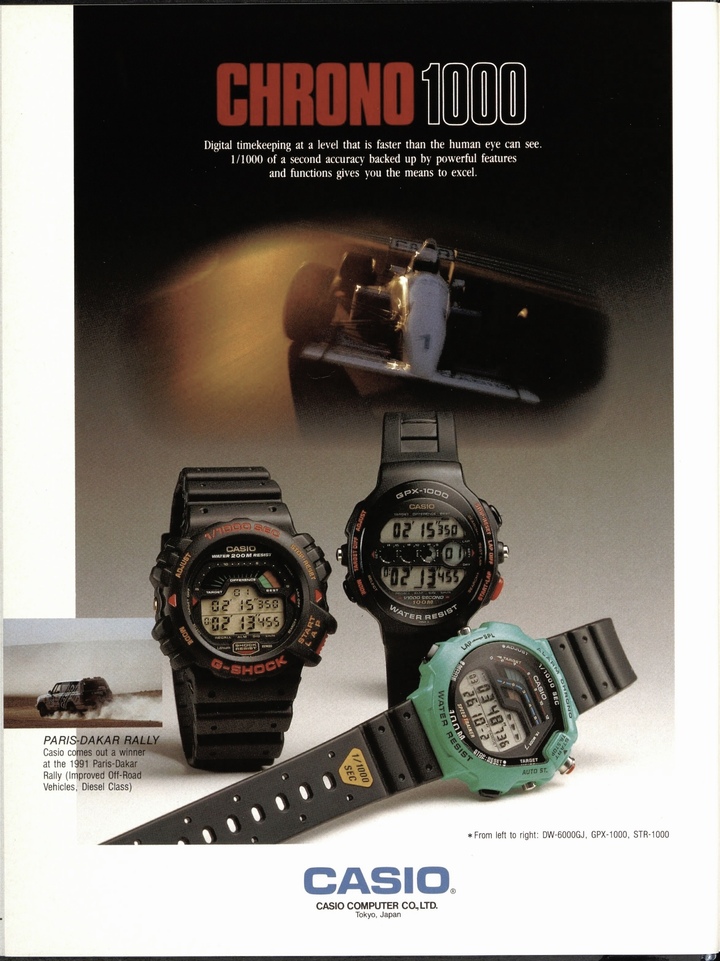
These initiatives nevertheless failed to put Casio on a path to growth in a fiercely competitive global market, squeezed between ultra-cheap watches from Hong Kong and the Swiss brands that dominated the middle and upper segments. During the 1990s, Casio responded by pushing ever further into electronic gadgetry. Watches, meanwhile, accounted for a sharply declining share of revenue as the company diversified extensively into consumer electronics.
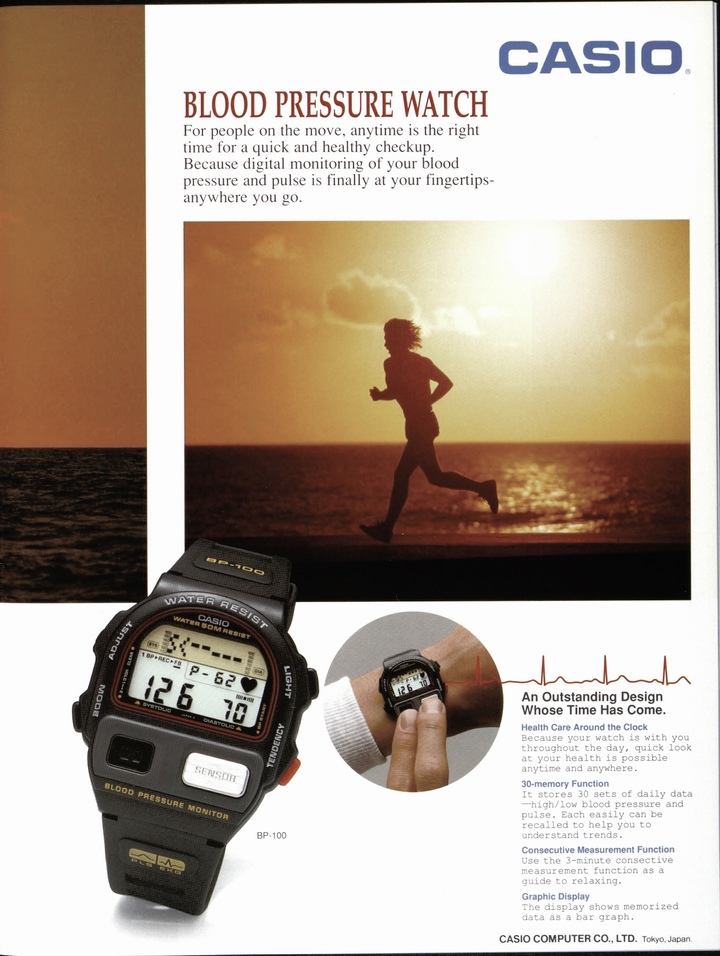
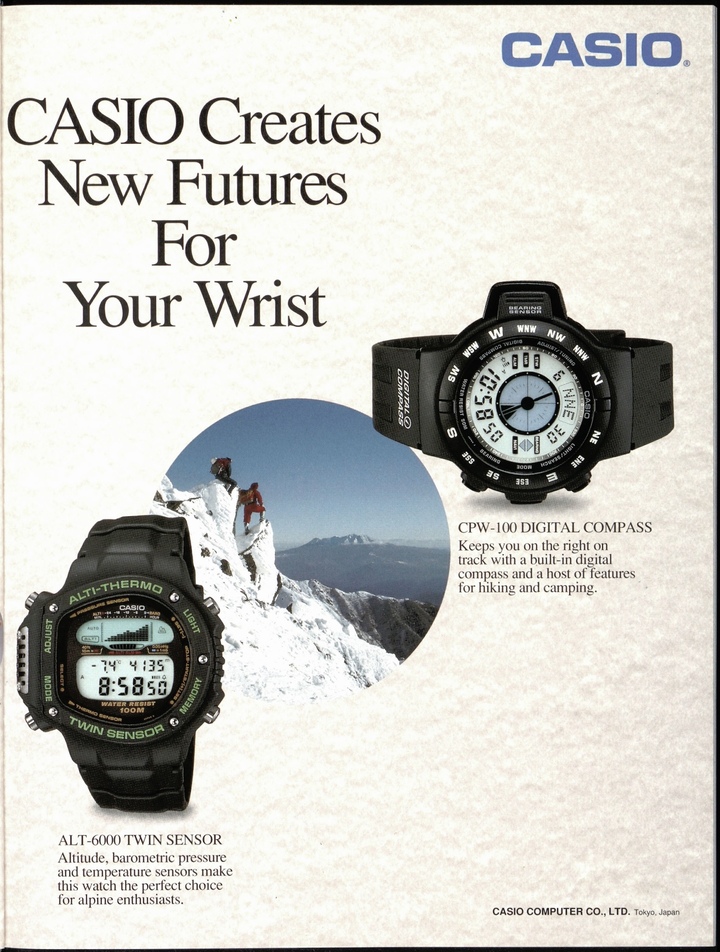
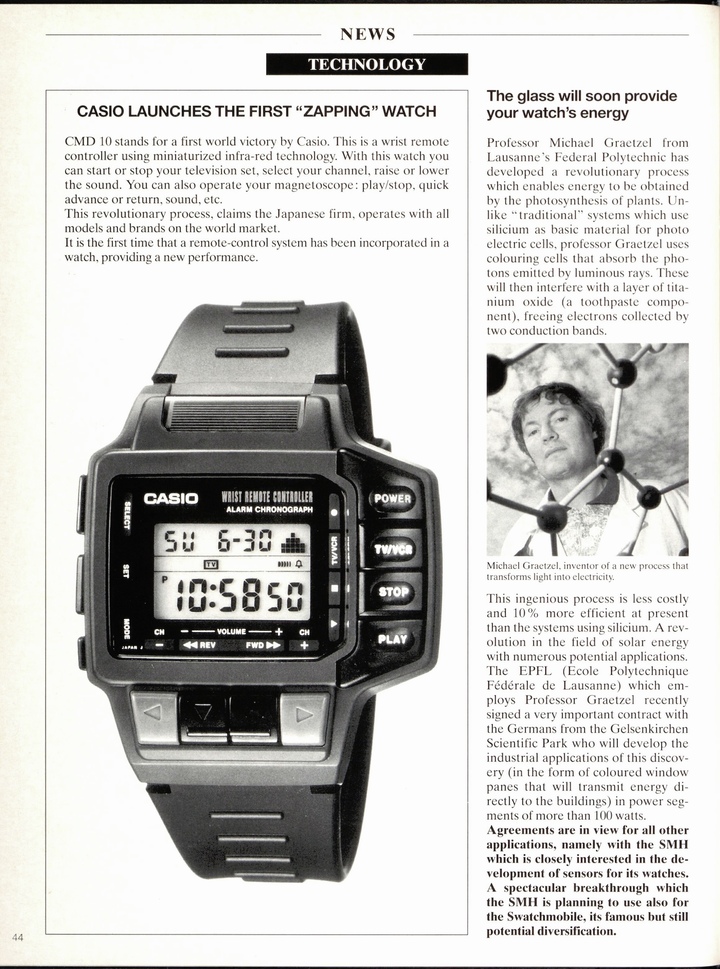
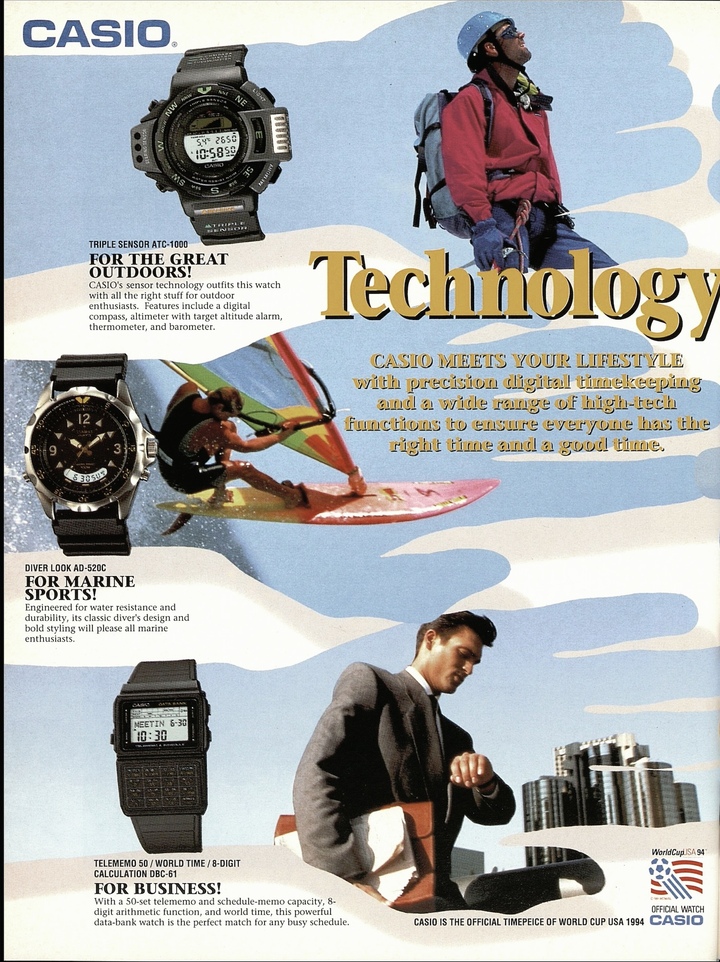
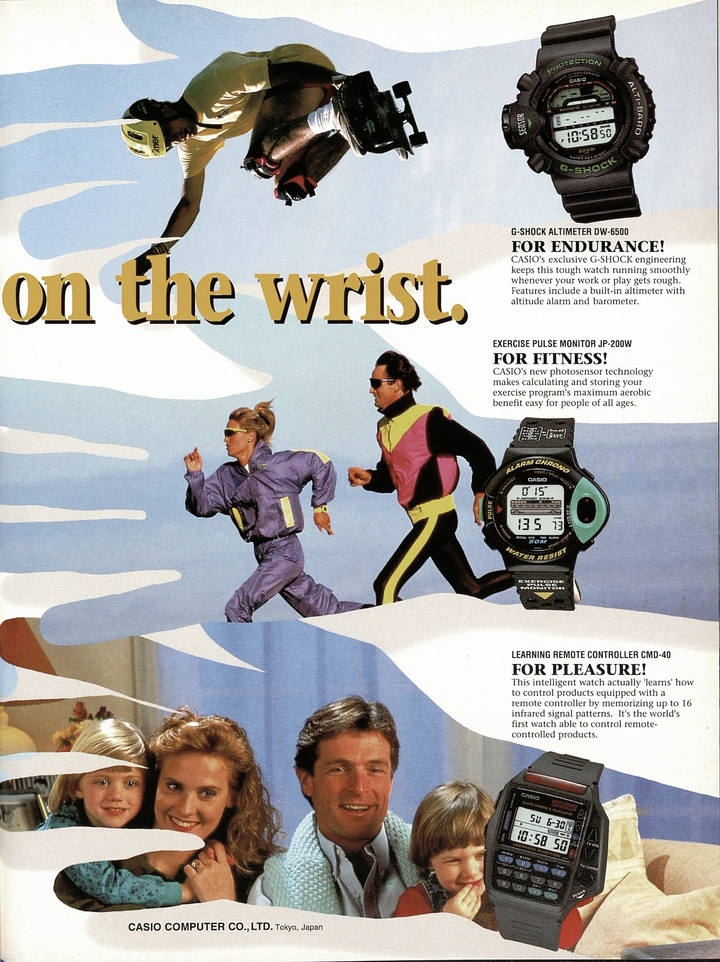
G-Shock also took centre stage in the second half of the 1990s. Following its extraordinary success in Japan in 1996, the company sought to make it the driving force behind its global expansion. The results, however, were disappointing. The 2000s proved to be a difficult decade.
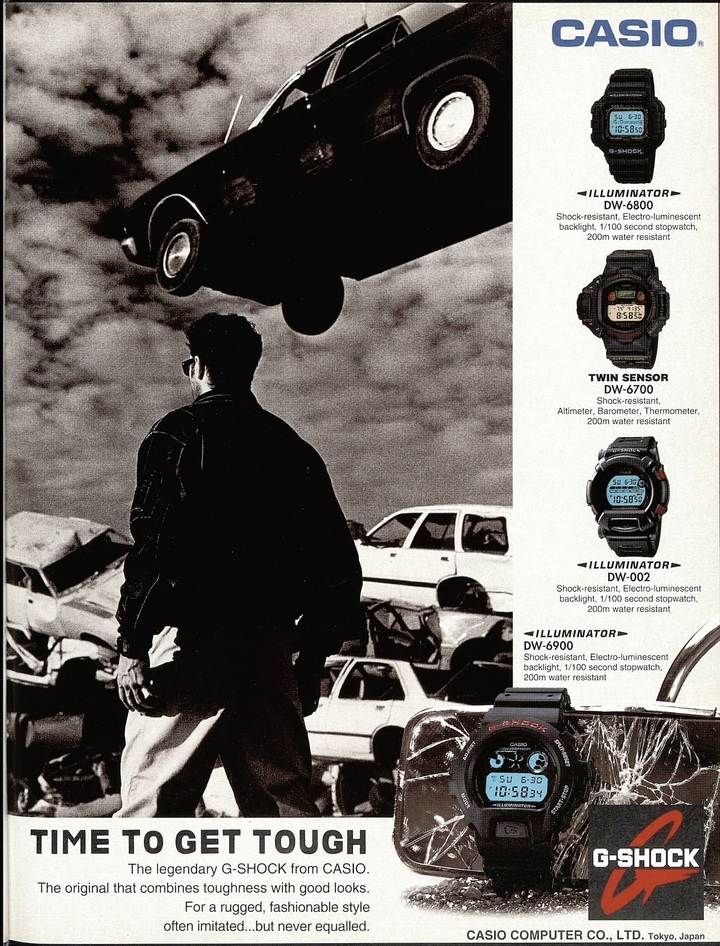
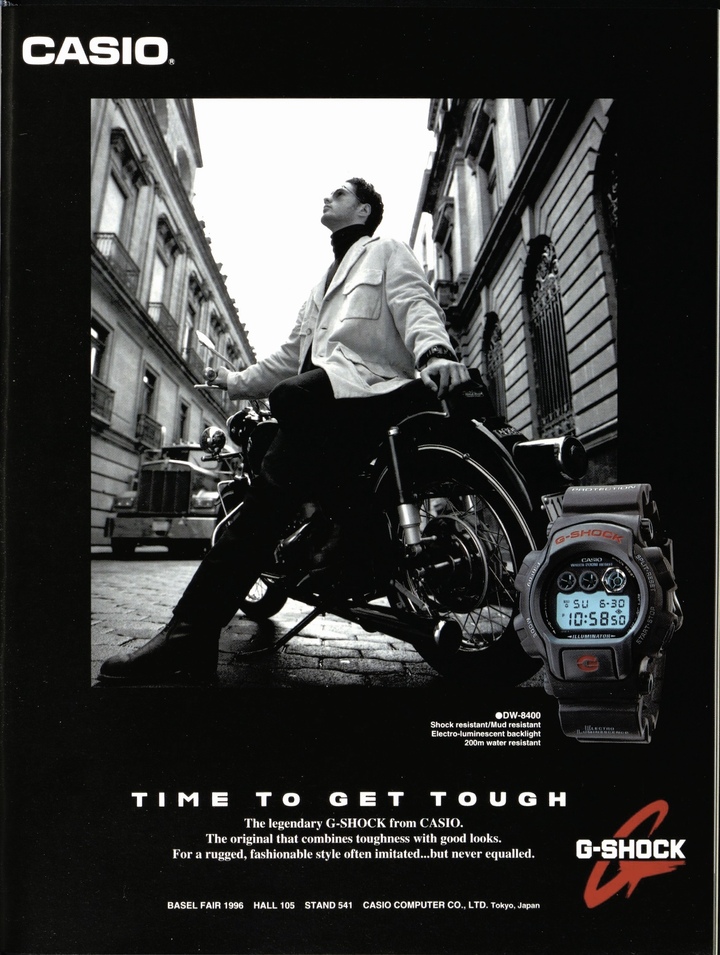
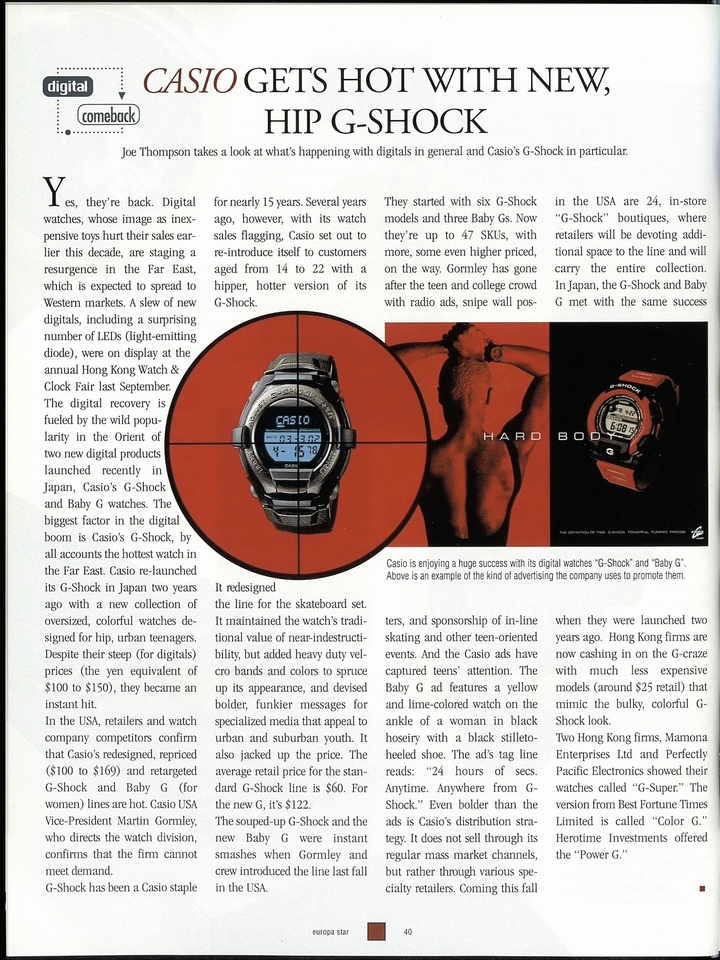
Casio’s revival dates back to the early 2010s, when the watch was transformed into a cultural object. It was no longer simply a functional item that told the time and offered its wearer a host of additional features, but a product with emotional value.
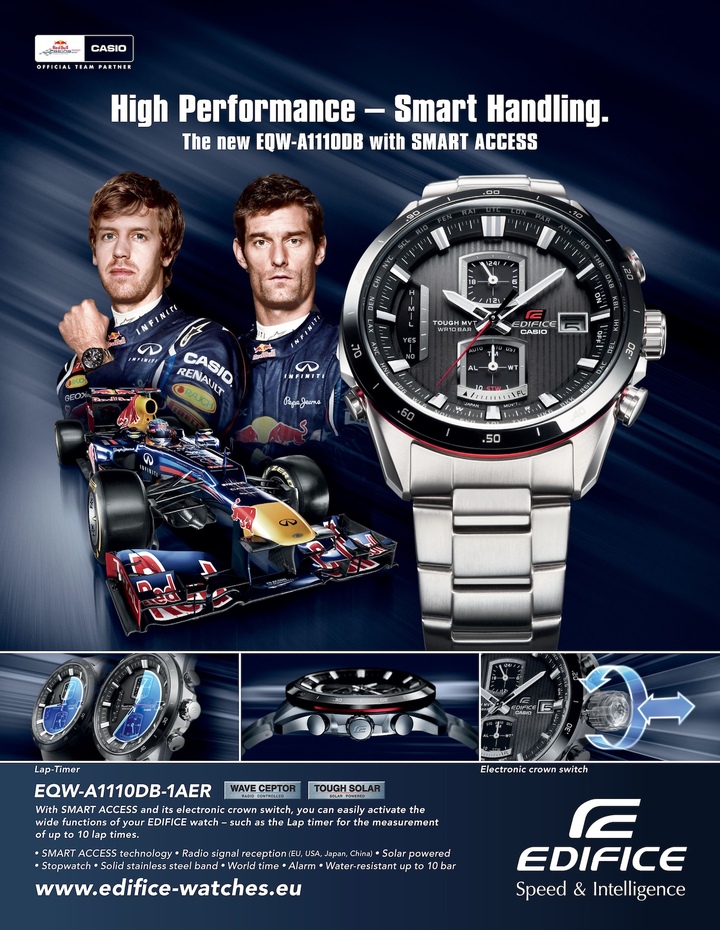
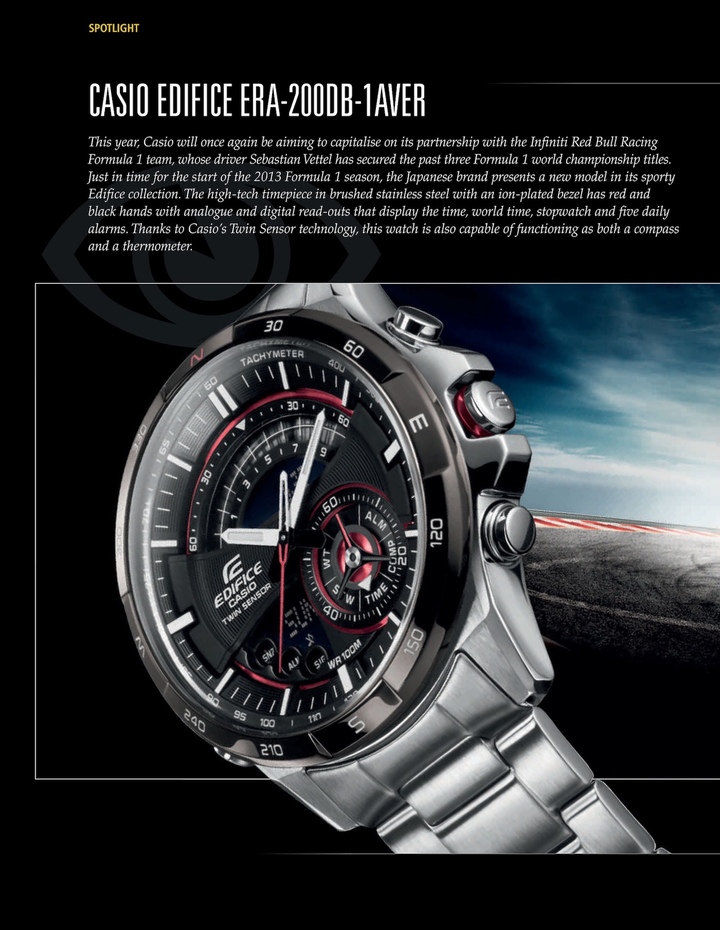
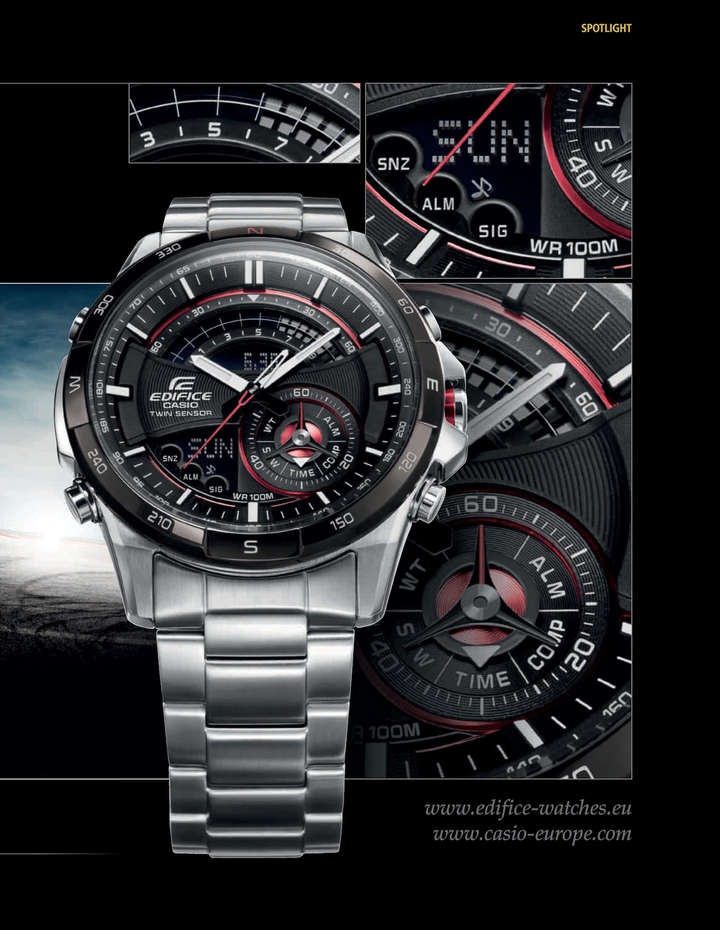
To achieve this, Casio moved its products upmarket, introducing watches with analogue displays. The Edifice collection embodies this transformation. Launched in 2000, it enjoyed considerable success after 2010, thanks in particular to its involvement in motorsport.

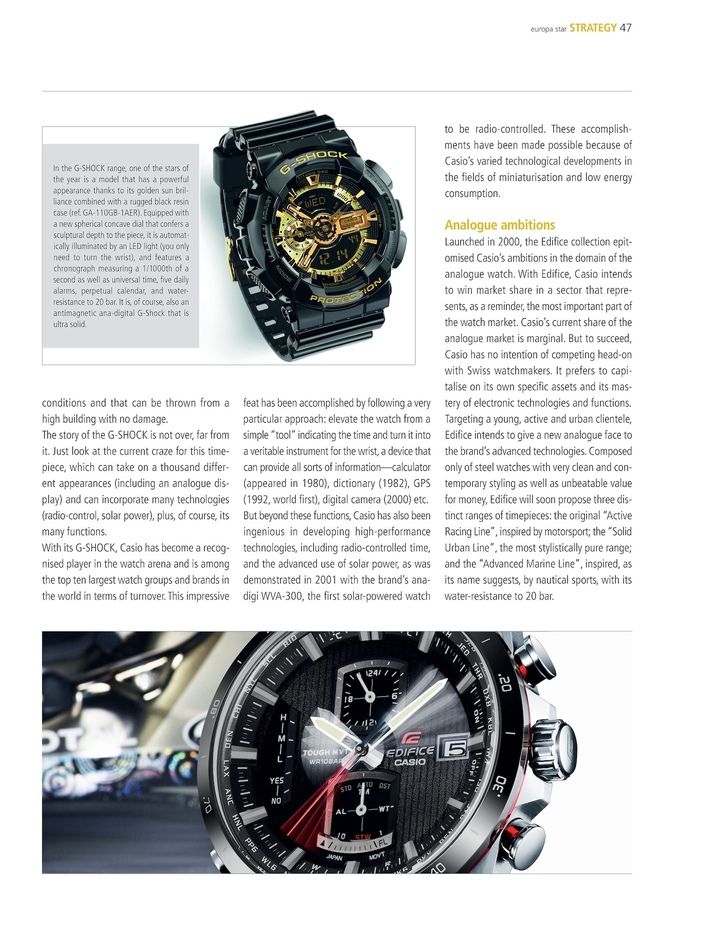
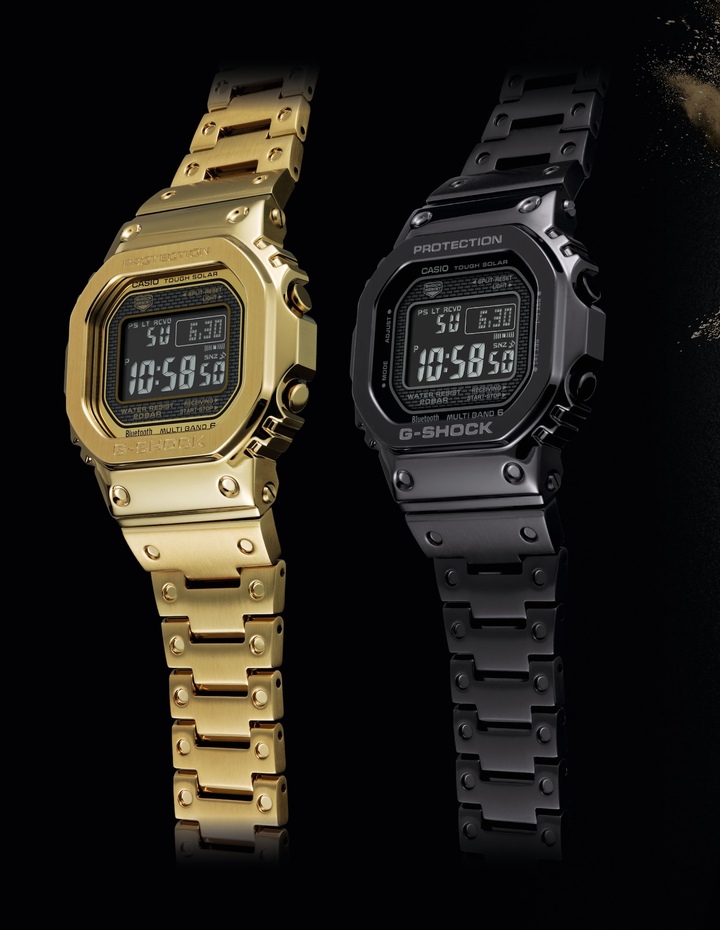
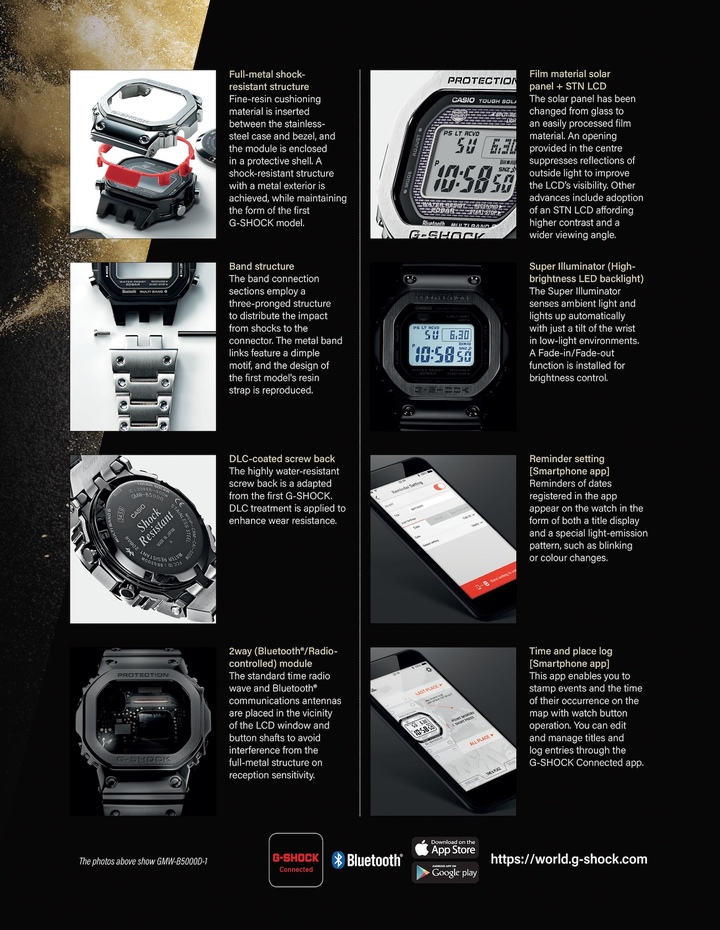
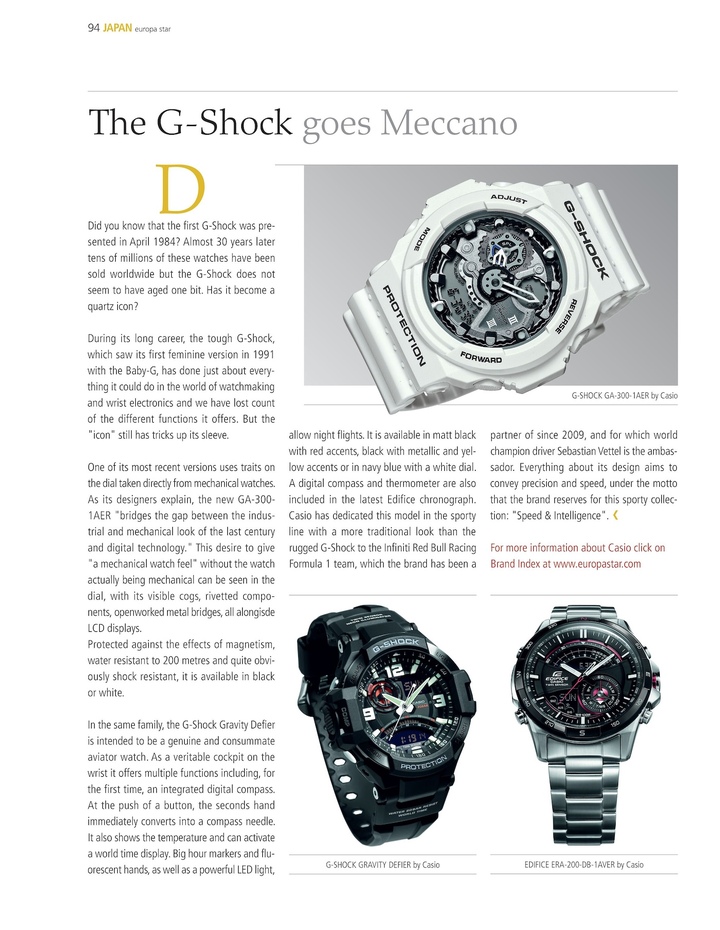
G-Shock, too, was transformed into a fashion item with a futuristic design that echoes Swiss luxury watches from brands such as Hublot and Audemars Piguet.
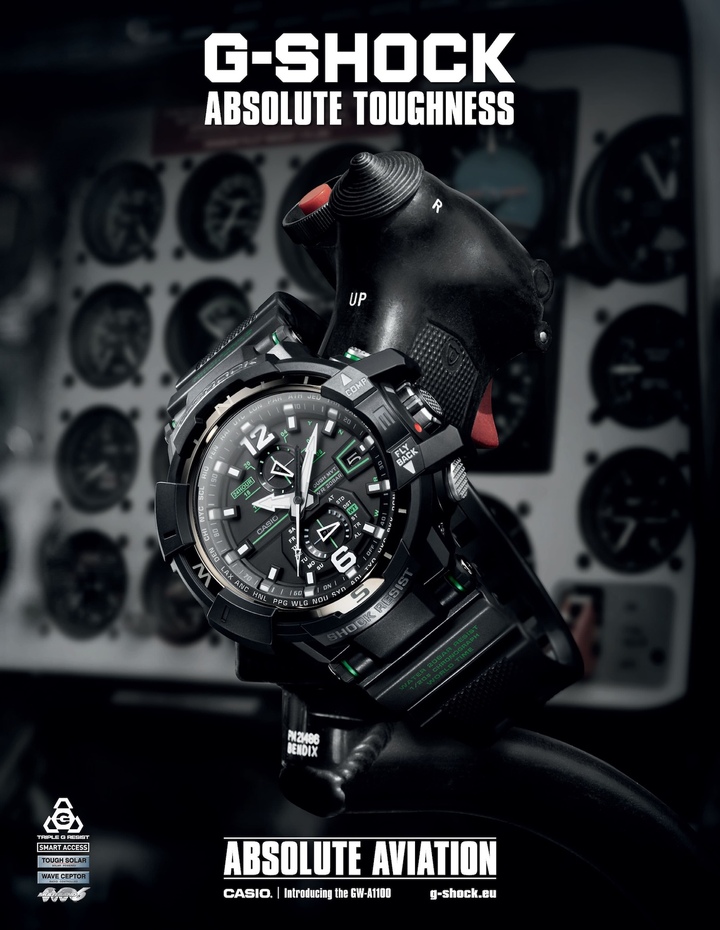
Above all, however, showcasing Japanese craftsmanship enabled Casio to distinguish itself and add emotional value to its watches. They were no longer merely industrial goods developed by a major Japanese electronics company, but objects rooted in a long tradition of craftsmanship. The global appeal of Japanese culture became a selling point for the country’s watchmakers.
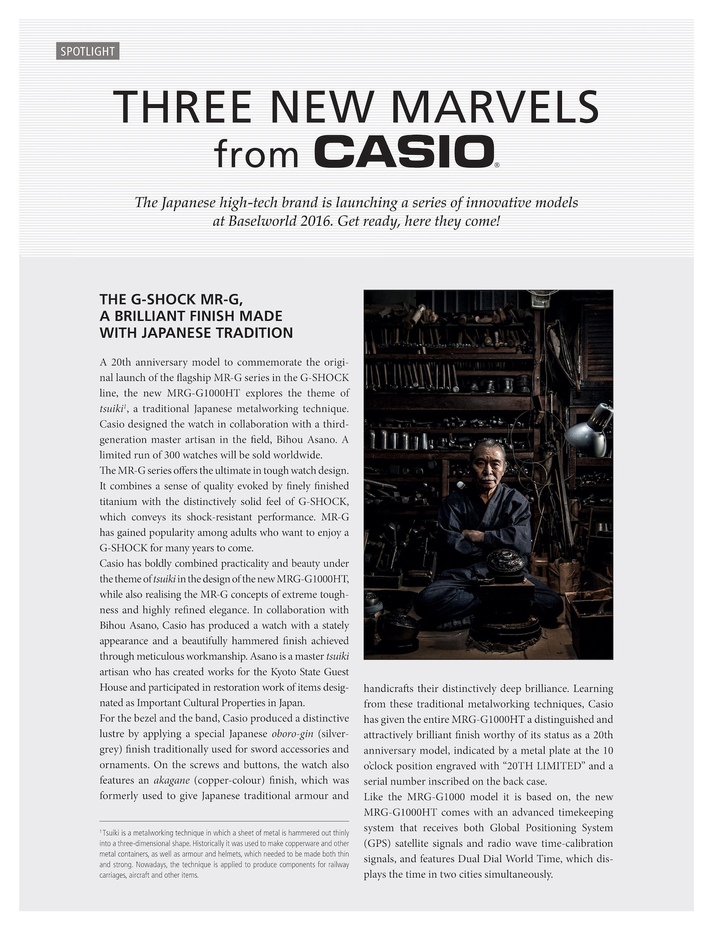
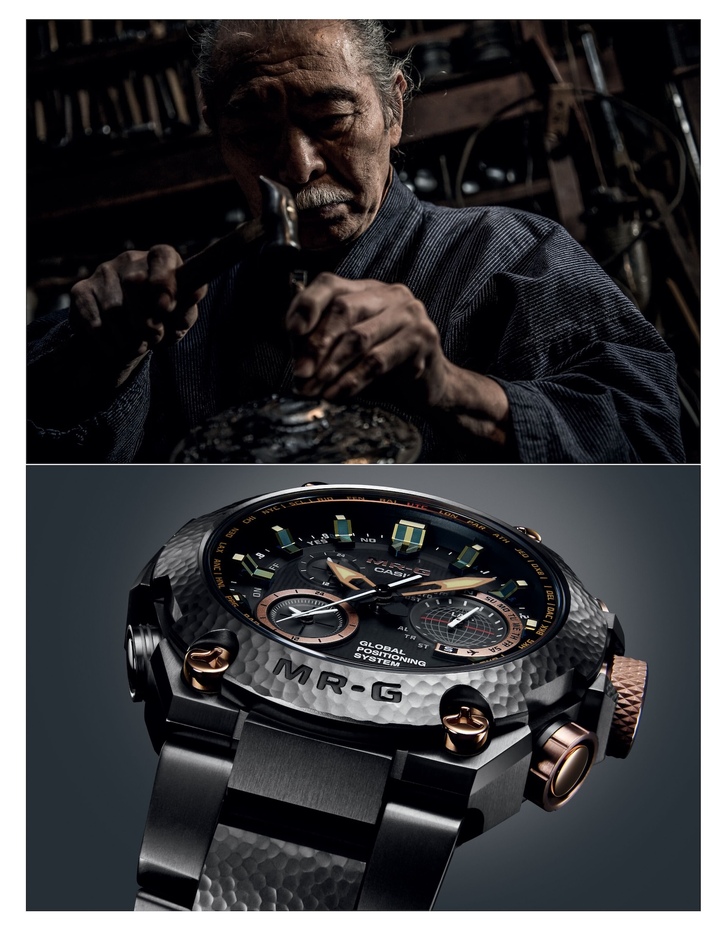
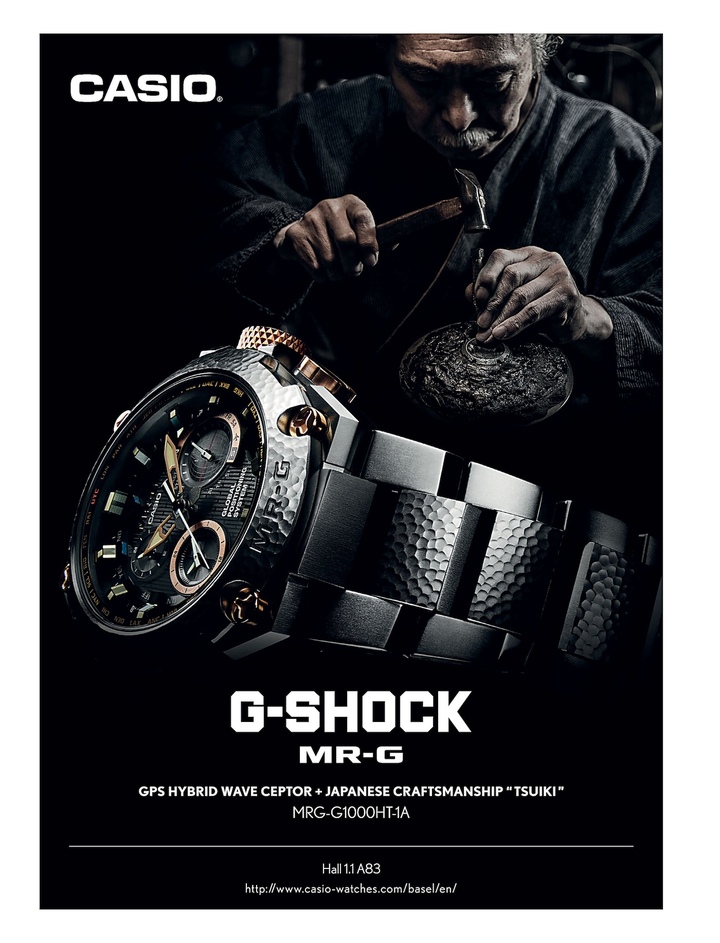
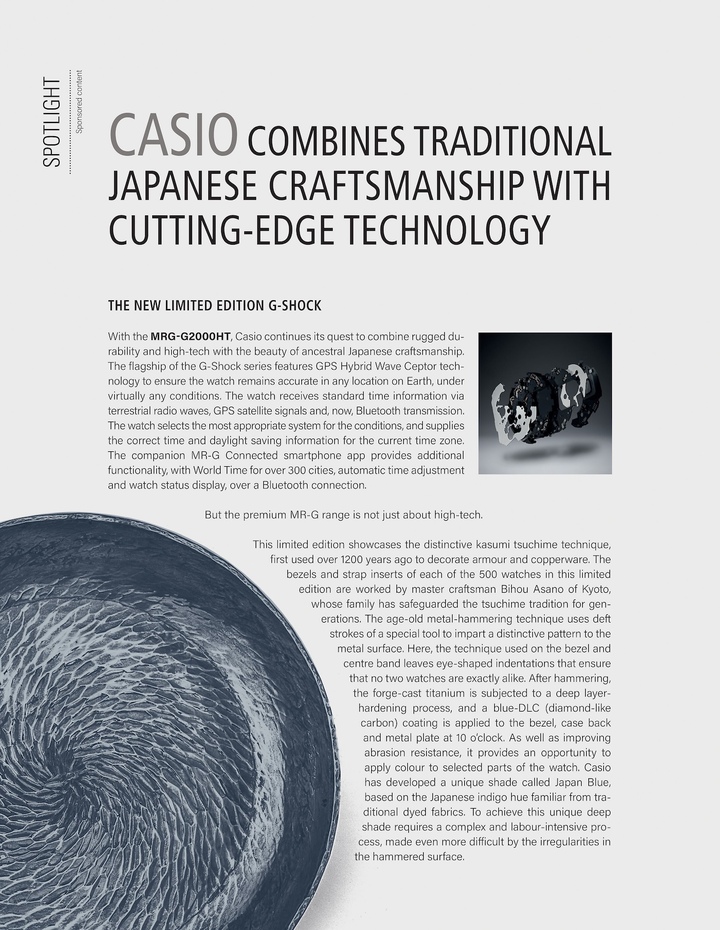

Beyond craftsmanship, Japanese culture as a whole soon became associated with Casio, from manga to samurai. Made in Japan was framed within a broader cultural heritage stretching back centuries.
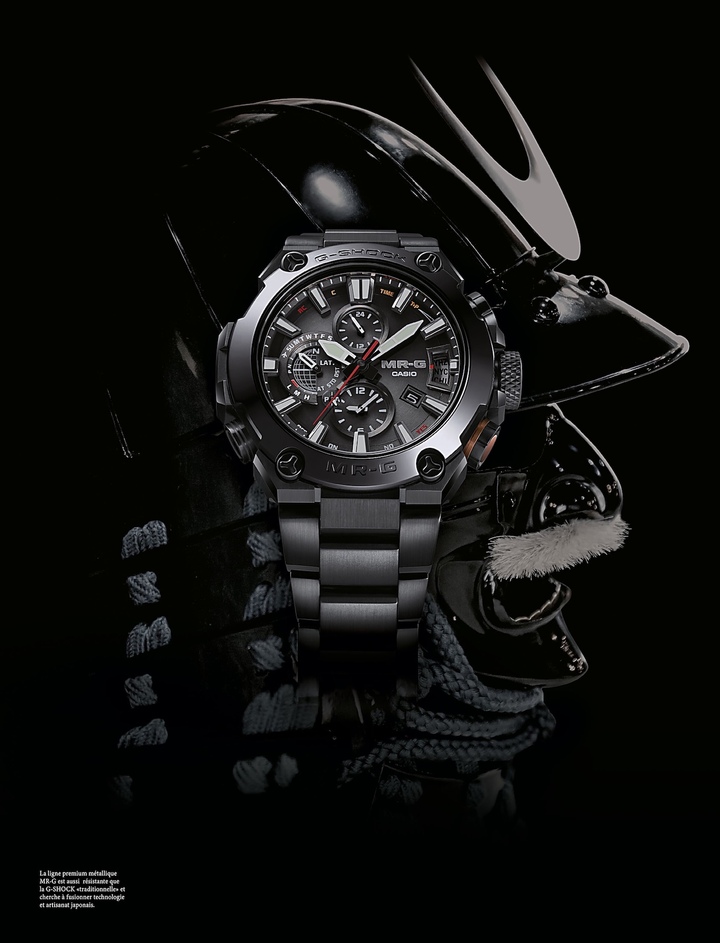
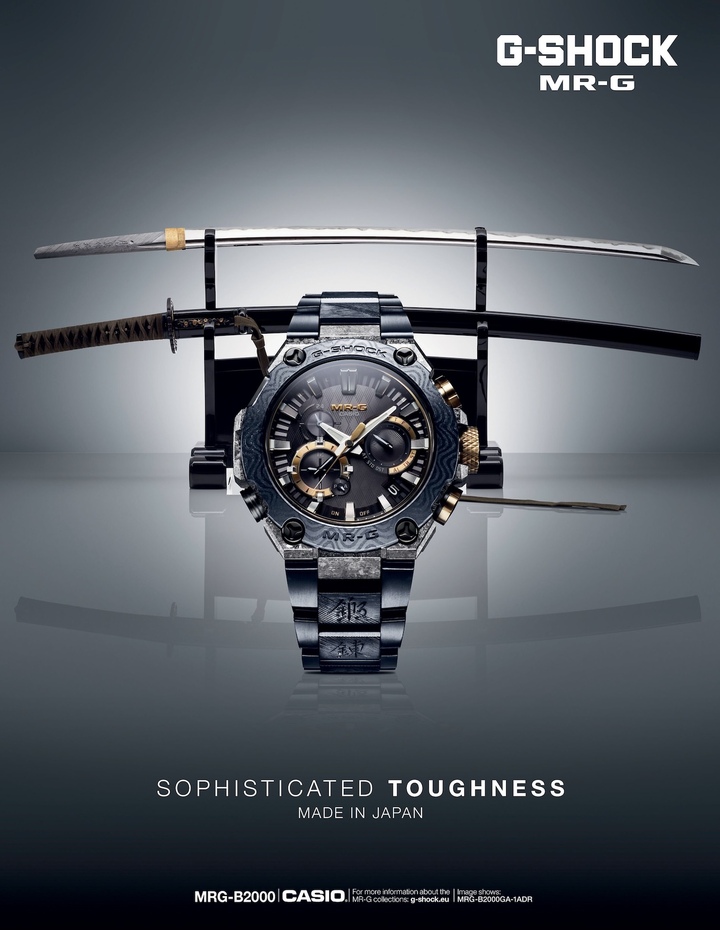
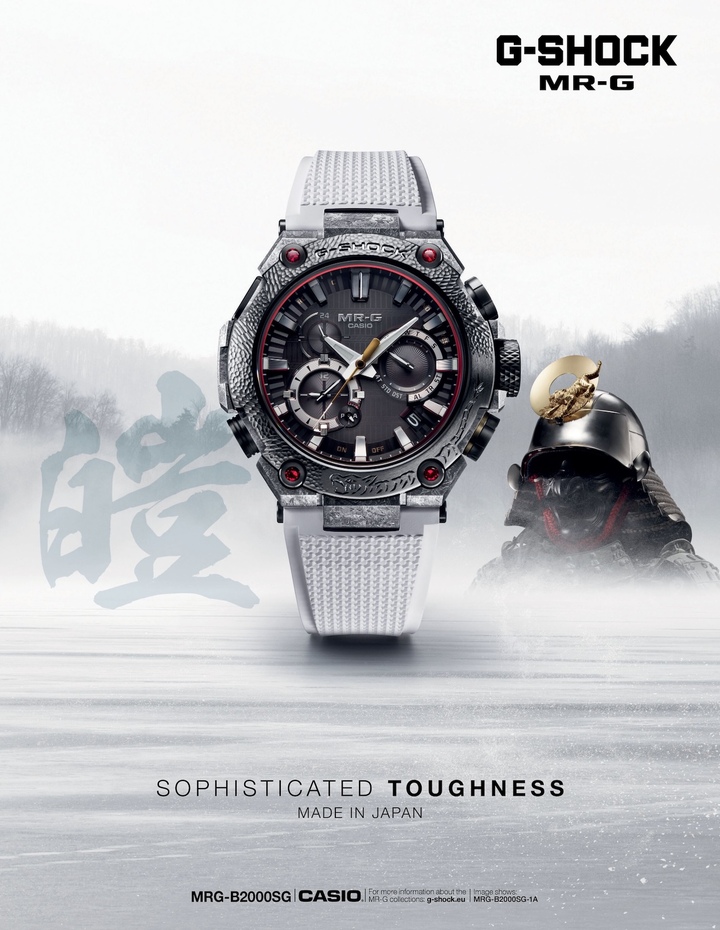
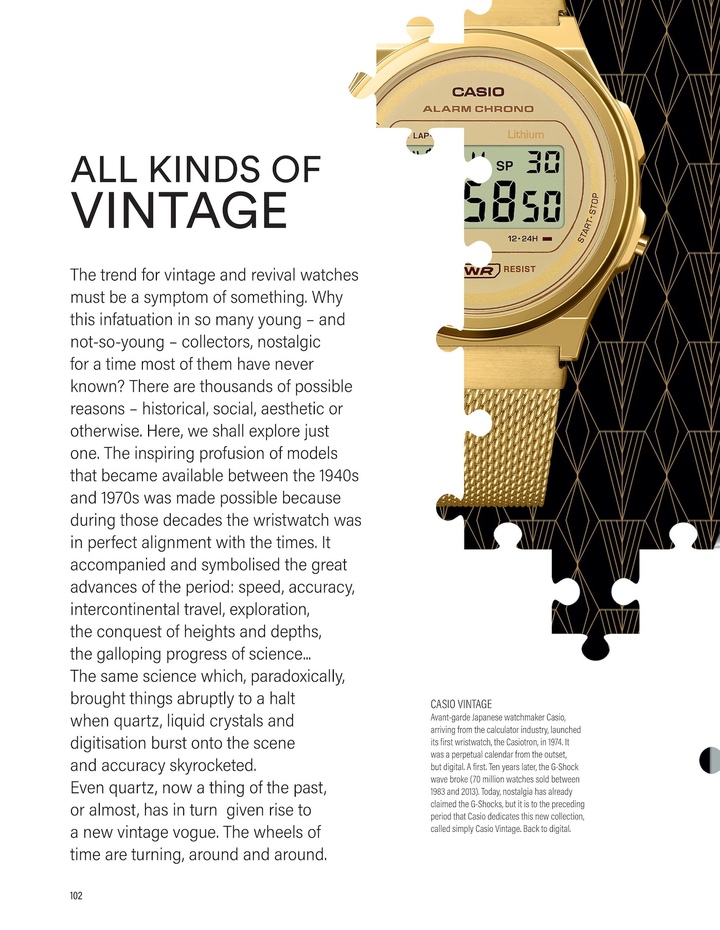
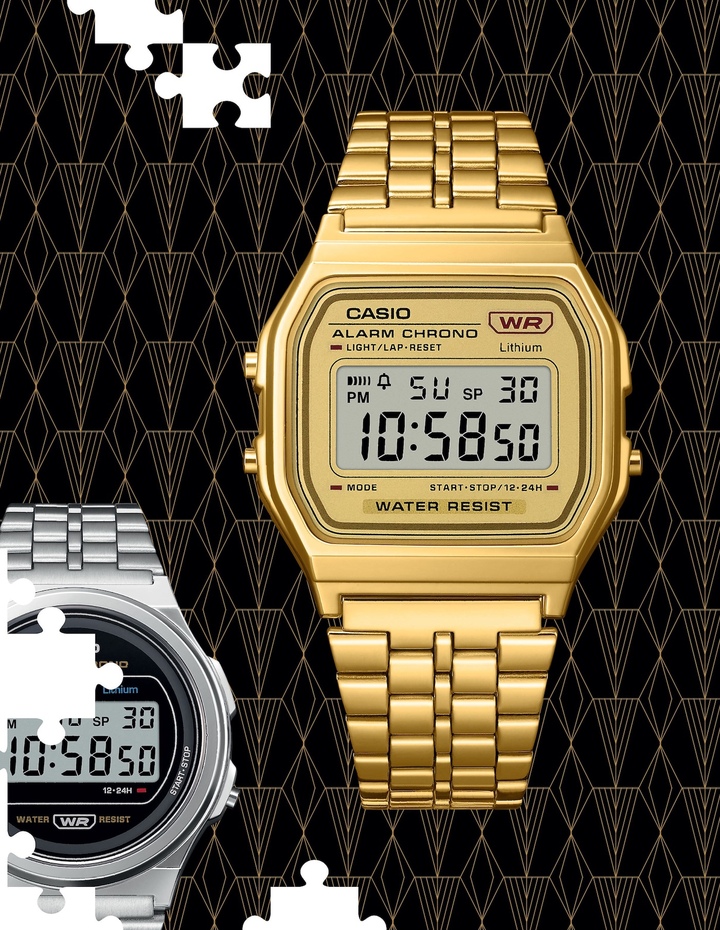
Finally, Casio’s success since the 2010s has transformed its image as a watch brand. So much so that the inexpensive digital watches of the 1970s and 1980s, once symbols of mass-produced utilitarian goods, have been relaunched to meet demand from customers eager for vintage products. Revenue from these digital watches has recently overtaken that of Casio’s other watches. They, too, have become objects steeped in history, no longer purchased for their functional value alone.