
 Español
 Français
 Pусский
 繁體中文
繁體中文 简体中文
简体中文 Select another language

ince its creation in 1973, the Contrôle Officiel Suisse des Chronomètres (COSC) has certified close to 57 million movements, including 2.1 million in 2025 alone. The institution remains a cornerstone of the Swiss watchmaking ecosystem.
Yet the environment in which this non-profit public-interest association operates has been profoundly transformed over the past fifty years. COSC, too, is adapting to a new reality: that of an increasingly exclusive Swiss watch industry.
-
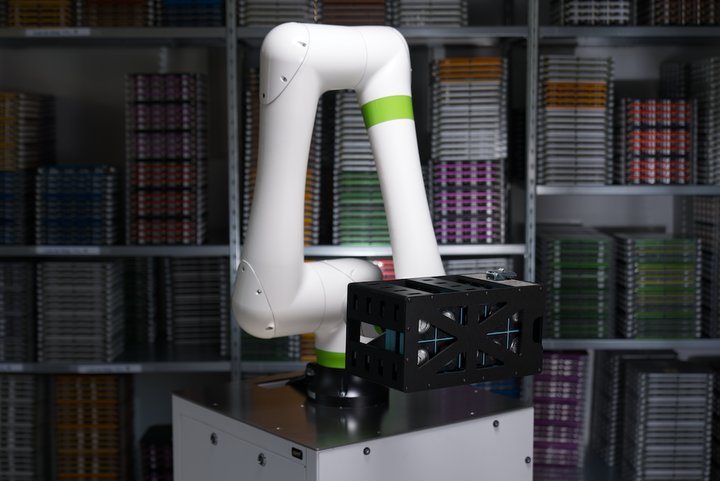
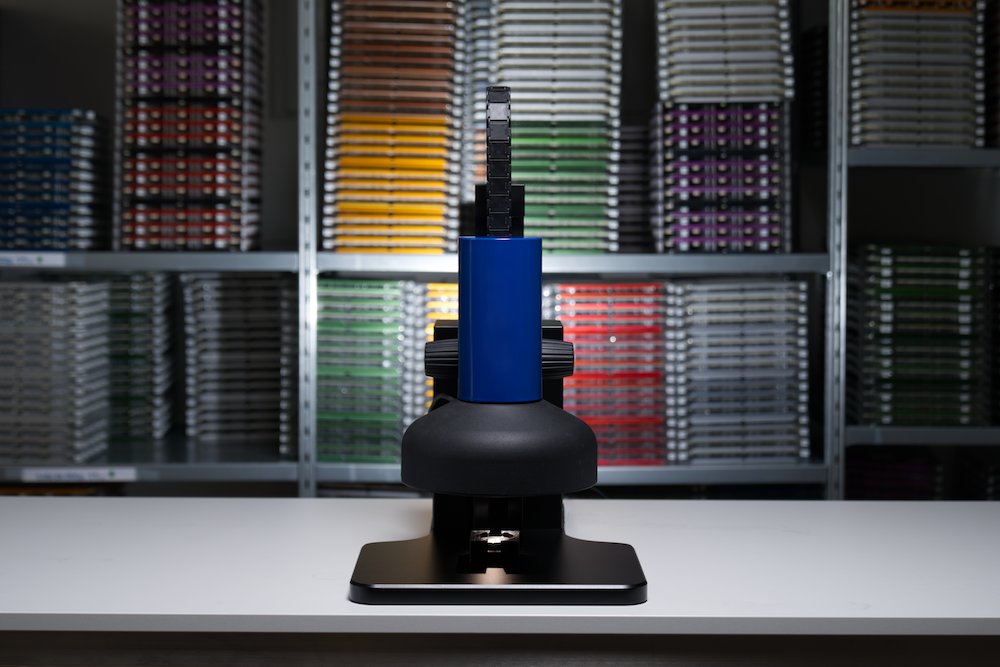
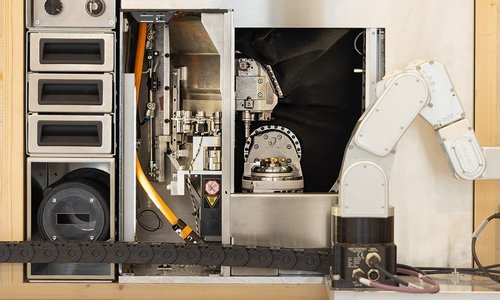
- Robotic-arm wear simulation
In a natural reflection of this industry shift, the institution itself is moving upmarket with the introduction of the “Excellence Chronometer” and its more stringent criteria. This time, it is no longer the movement alone that is evaluated, but the finished watch as a whole. Once the movement has obtained chronometer certification, the fully cased-up watch undergoes an additional five days of testing designed to reproduce real-life wearing conditions.
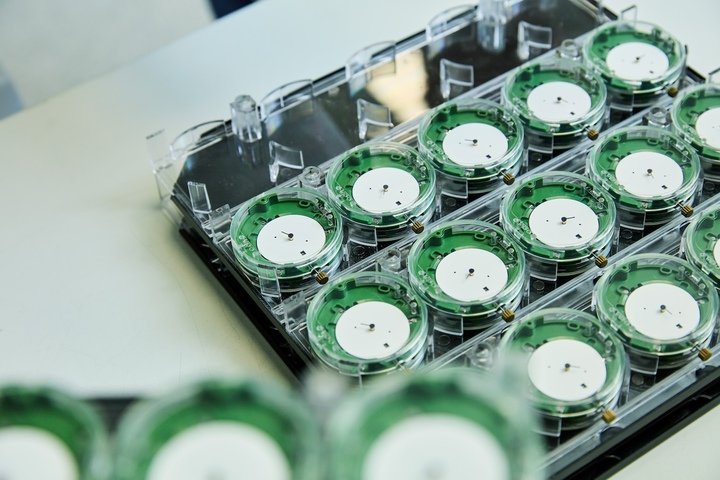
Beyond tighter precision standards - now set at −2 to +4 seconds per day, compared with −4 to +6 seconds for the classic certification - the new protocol introduces several additional parameters: simulated real-world wear, magnetic resistance up to 200 gauss, and effective verification of power reserve. Our interview.
Europa Star: When will we see the first watches bearing COSC’s new Excellence Chronometer label?
Andreas Wyss: We are currently in the accreditation phase for the label. Our objective is to officially certify the first pieces in September-October 2026. All procedures must be validated by the Swiss Accreditation Service (SAS). We are due to be audited in June. There will no doubt still be a few minor non-conformities to address, but we hope to be ready by autumn.
One of the major developments is that this certification will apply to complete watches rather than movements alone.
Exactly. Today, COSC already certifies chronometer movements according to ISO 3159. With Excellence Chronometer, we are taking things a step further: we will certify finished watches - complete watch heads - through tests that are far closer to actual wearing conditions.

Is the market truly ready for such demanding criteria? Isn’t the bar too high for many brands?
If we decided to launch a certification that goes beyond ISO 3159, it is precisely because this issue has been coming up repeatedly for the past decade. Today, very clearly, the market is asking for it. Several of our clients told us this approach is more consumer-oriented, offering reassurance through a neutral and independent certification.
The real challenge was to define limits stringent enough to be meaningful, while remaining achievable through realistic industrial efforts. Had we imposed a daily tolerance of −1/+1 second, very few brands would have been able to follow. The feedback we are receiving today suggests the criteria are demanding, but coherent.
Who will be the first clients for Excellence Chronometer?
Initially, we will probably see mainly existing COSC clients adding the certification to selected collections. We work with more than 60 client brands. Overall, however, COSC certifies around 40% of the mechanical movements exported from Switzerland, which means that 60% remain uncertified. Naturally, we also hope to attract those brands. That is one of the key objectives behind this evolution.

The first watch to bear this label might enter watchmaking history. Enough to spark competition…
It is only natural to think there may be a certain degree of competition surrounding Excellence Chronometer. But our role is not marketing - our role is certification. We are a neutral, independent, non-profit organisation. Registrations will follow a strict “first come, first served” principle. Above all, we encourage interested brands to begin testing upstream.
Which of the new criteria are raising the most questions among brands?
The major question mark is clearly magnetic resistance. The threshold of 200 gauss is already extremely demanding for a large part of the industry. Today, many watches are designed around requirements of approximately 60 gauss, which corresponds to the current ISO 764 standard for magnetic-resistant watches. Moving to 200 gauss represents a major leap.
-
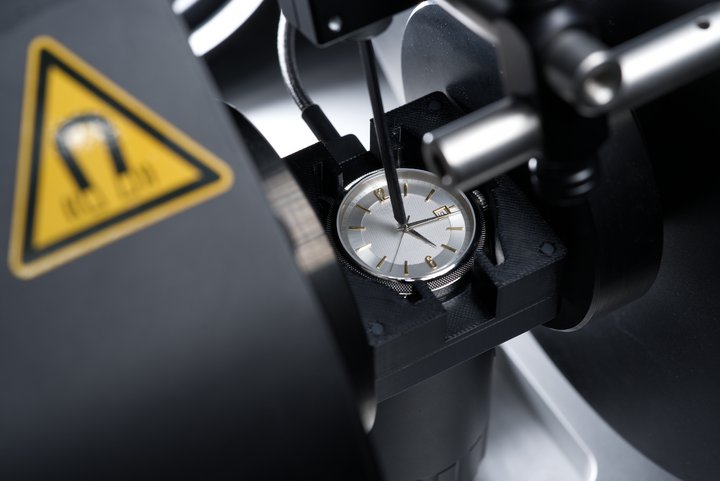
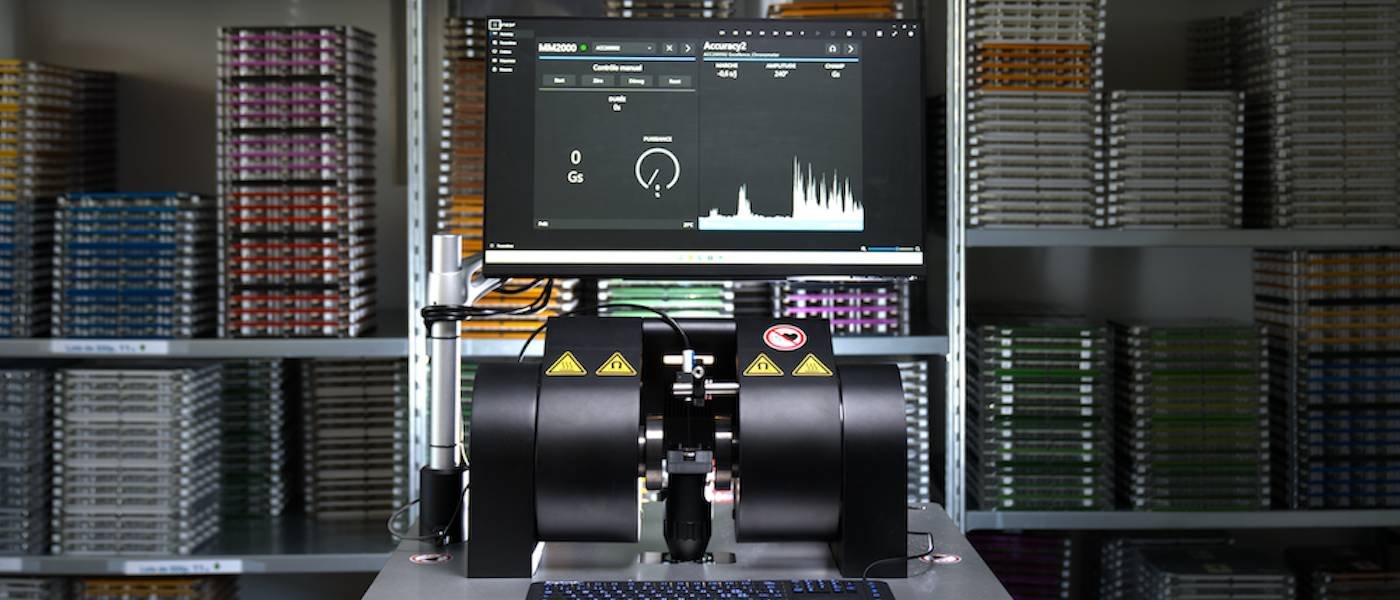
- Magnetic-resistance testing
Why specifically 200 gauss?
Because at that level, we are dealing with real interactions with everyday objects. With Excellence, we impose a residual rate deviation of ±10 seconds per day after magnetic exposure - roughly three times stricter than the ISO standard.
Magnetism alone accounts for six elimination criteria. The watch is exposed in three different orientations. After each exposure, we analyse the residual rate before demagnetising and starting again. The watch must never stop while under a magnetic field. If it does, it fails immediately.
-
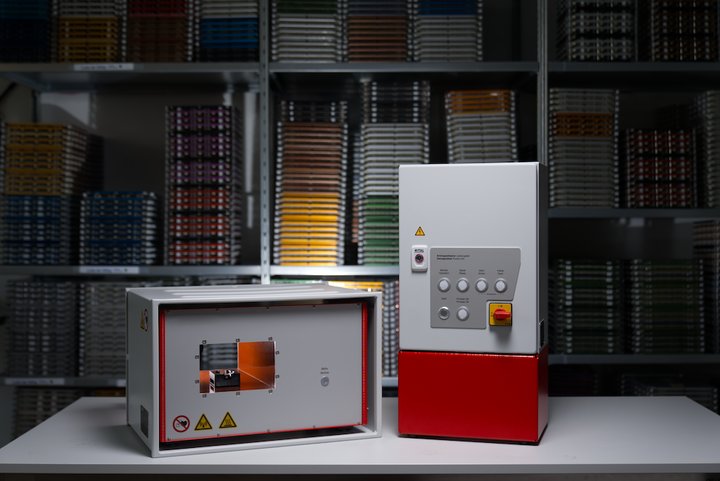
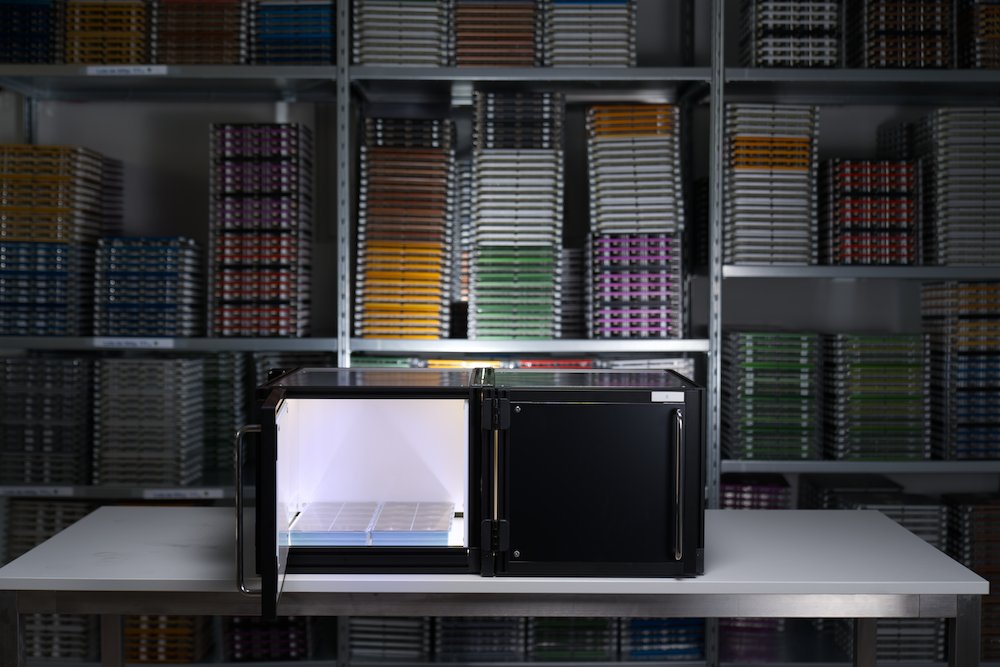
- Demagnetiser
What other tests make up this certification?
The movement alone is first tested according to the classic chronometer protocol. Over fifteen days, we analyse the influence of position on precision across five different positions. This is followed by three days of temperature testing on the uncased movement. This existing foundation remains our chronometer base. The movement is then cased up for the three major new tests that define Excellence Chronometer.
Which are?
The most important is probably the simulation of real wear. We developed a protocol based on the wearing habits of a sample of around 1,000 individuals. Over a 24-hour cycle, the watch alternates between different positions representative of real-life wear: two hours in one position, one hour in another, three hours in a third, and so on. The logic is both semi-static and semi-dynamic - far closer to daily reality.
At the end of this simulation, the watch’s rate must remain within a tolerance of −2/+4 seconds per day. This is followed by the magnetic-resistance test mentioned earlier and, finally, by power reserve verification, ensuring that the reserve claimed by the brand genuinely corresponds to what the customer will experience on the wrist.
-
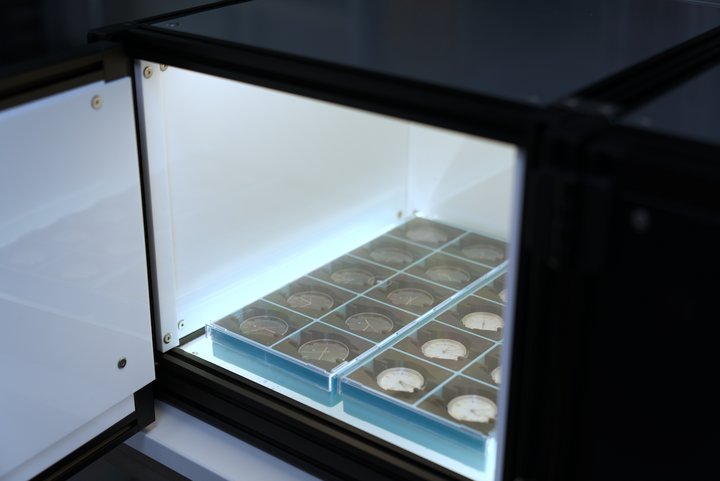
- Power reserve verification
Are you concerned that the Excellence standard could devalue the classic chronometer certification, creating a sort of two-tier system?
We do not see it that way at all. The classic chronometer certification has existed for more than fifty years and remains highly relevant. Excellence simply adds another layer. Within the same brand, one could perfectly imagine several product families with different levels of certification. The two approaches can coexist perfectly well.
Could this development eventually influence ISO standards, which are often criticised for being insufficiently demanding?
Naturally, we hope our work may inspire the future evolution of standards. But ISO is a complex international body, with representatives from many countries - including some with no watchmaking industry at all. Within the technical watchmaking committee TC 114, Switzerland is represented by the FH, of which we are members.
Will this certification remain a niche product, far removed from the volumes of classic certification?
Initially, probably yes. Even the classic certification took time to grow - from around 200,000 tested pieces per year in our early days in 1973 to the two million certificates reached from 2018 onwards. Moreover, the constraints are considerably greater when working on complete watches. In the event of failure, the watch must be reopened and adjusted again. The industrial stakes are therefore far higher. The first brands will most likely reserve this certification for exceptional products. But over the long term, should the market demand it, there is no reason why volumes could not increase significantly.