
 Español
 Français
 Pусский
 繁體中文
 简体中文
 Select another language


nives and watches are deeply entwined with the human experience. One, among our oldest tools, gave us the means to shape the world; the other arose from our enduring, elusive ambition to measure and master time.
Both are rooted in the art of working materials, metal in particular. In the late 17th century, the first watchmakers in the Vallée de Joux were ironworkers — cutlers and gunsmiths — who turned their hands to precision mechanics. In Geneva, where the Calvinist Reformation had banned ostentatious objects, goldsmiths embraced watchmaking, giving rise to the world’s first watchmakers’ guild in 1601. The network that would later become known as “la Fabrique” brought together watchmakers, jewellers, engravers, enamellers, lapidaries and other specialist artisans, united by their materials and complementary skills. Together, they created objects that crossed disciplines — snuffboxes, singing-bird boxes, pistol watches — with metalworking as their common foundation.
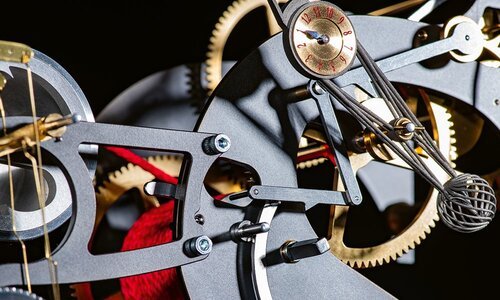
Three centuries on, where do these connections stand? The clearest official recognition to date comes from the French Ministry of Culture, which places knifemaking and watchmaking in the same category of “precision techniques”. Drawn up in 2018, this inventory entry helped underpin the 2020 inscription of Franco-Swiss craftsmanship in mechanical watchmaking and art mechanics on UNESCO’s Intangible Cultural Heritage list. In workshops and businesses alike, meanwhile, industrial, technical and artistic ties continue to grow.

Diversification as a driving force
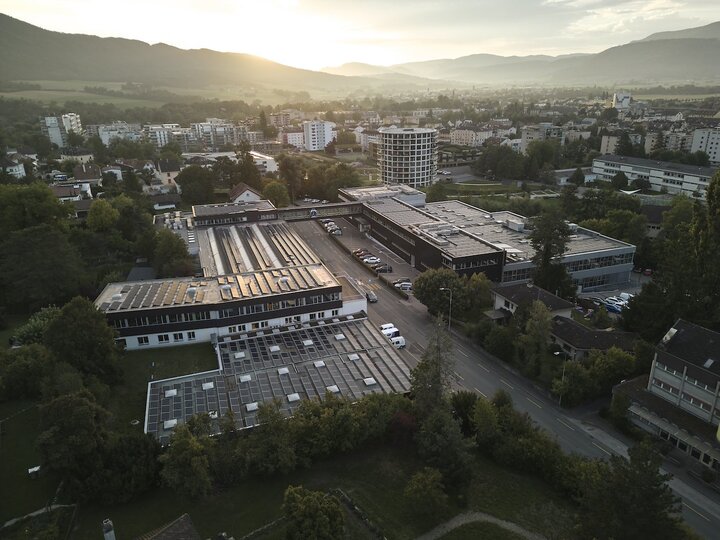
The histories of Victorinox and Wenger, founded in 1884 and 1893 respectively, offer a striking early example of this convergence. Towards the end of the 20th century, these two Swiss knife manufacturers ventured into watchmaking, establishing themselves as watch brands in their own right by the late 1980s. A testament to the success of this diversification, Victorinox now operates a watchmaking centre covering almost 18,000 m² in Delémont, where it employs more than 200 specialists.
Swiza, the watchmaking company founded in 1904, travelled in the opposite direction. In 2013, it launched its “Swiss knife”, drawing on its watchmaking expertise to position it as a luxury object. More recently, the brand has taken this approach a step further, inviting customers to assemble their own knife in partnership with Initium.
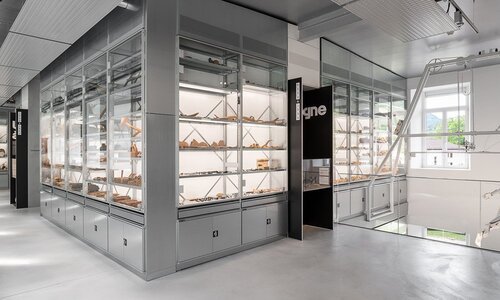
Sknife, a specialist in fine tableware, offers another example of this technical convergence, applying the technologies, equipment and exacting standards of watchmaking to the craft of the knife.
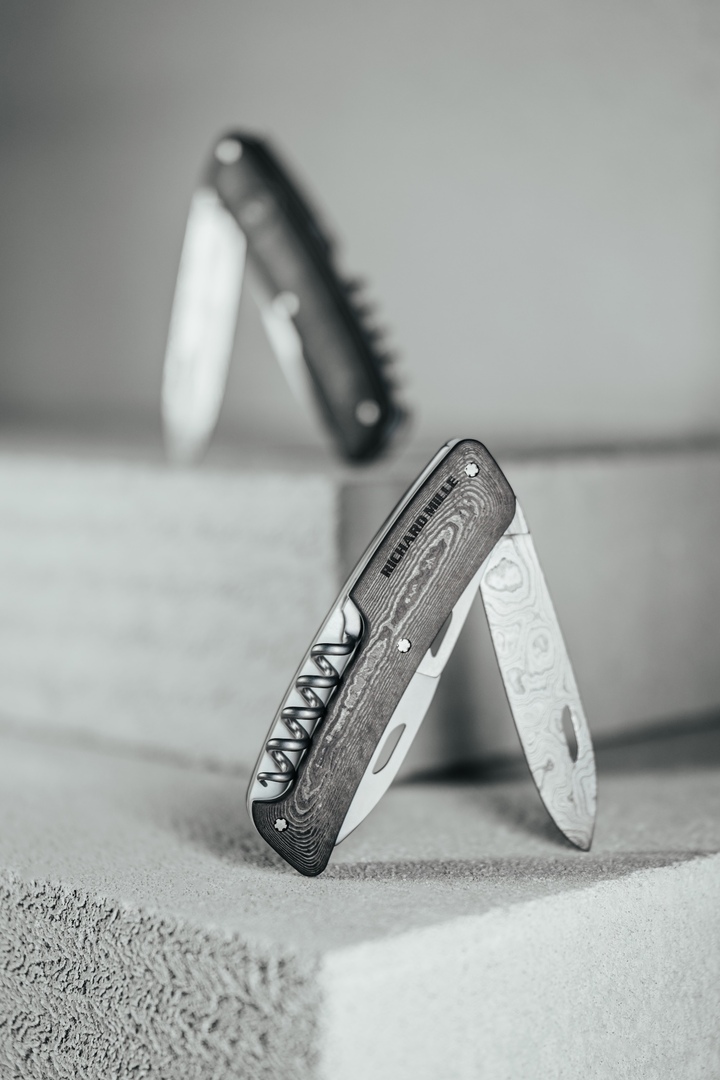
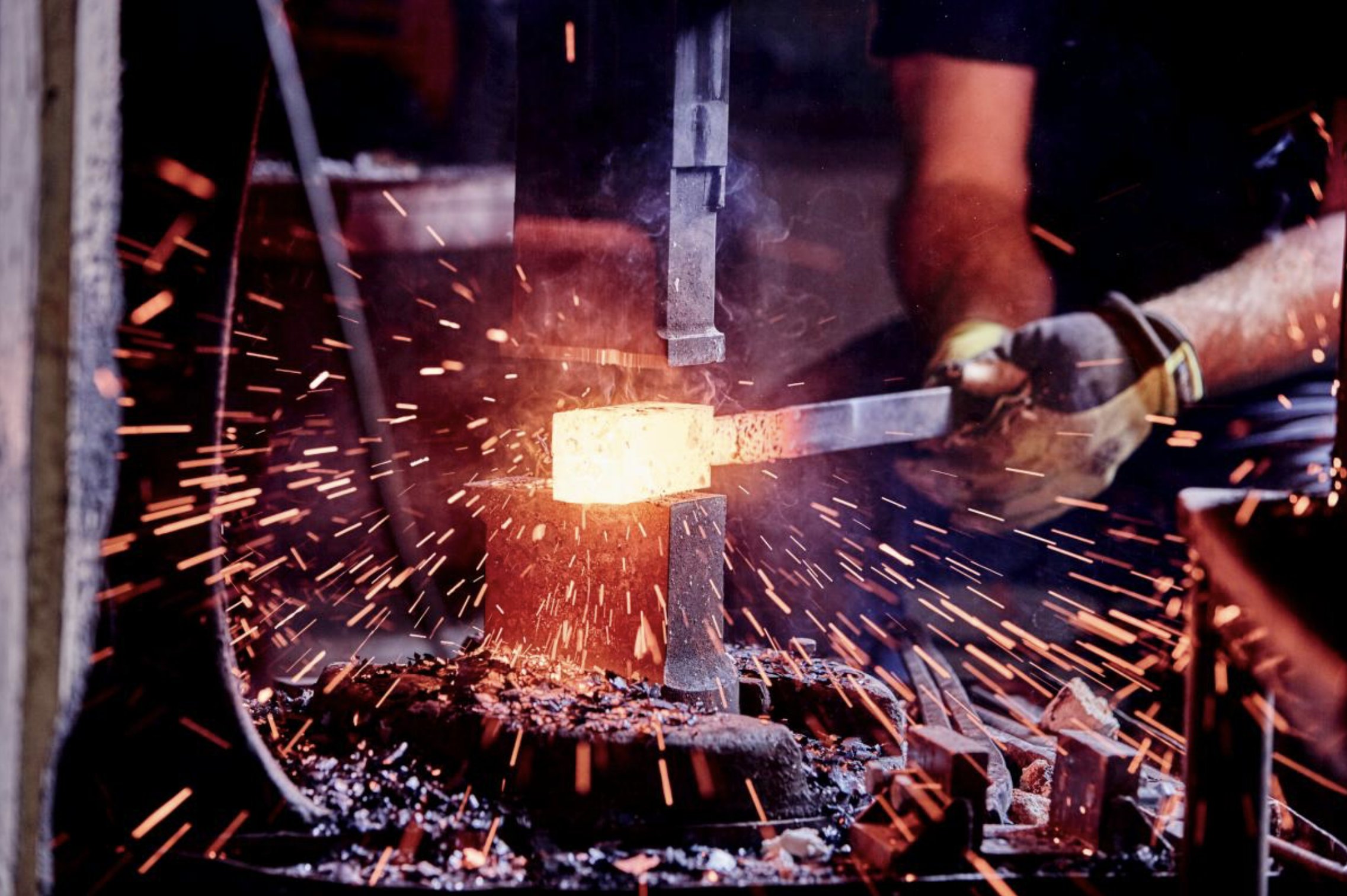
In early 2026, a collaboration between Ateliers du Jura, the manufacturer of Swiza knives, and Richard Mille caused a stir with a pocketknife priced at CHF 12,000. At its heart is Damascus steel: an art of forging in which steel is “woven” and repeatedly folded to produce unique patterns, revealed through acid etching.
The knife is reserved for the private clients of the Les Breuleux watchmaker. Richard Mille is, however, far from the first watch house to explore the forge. Hublot unveiled a Big Bang with a Damascus steel case in 2022, followed a year later by Franck Muller’s Vanguard Damascus Steel.
A shared language of craftsmanship
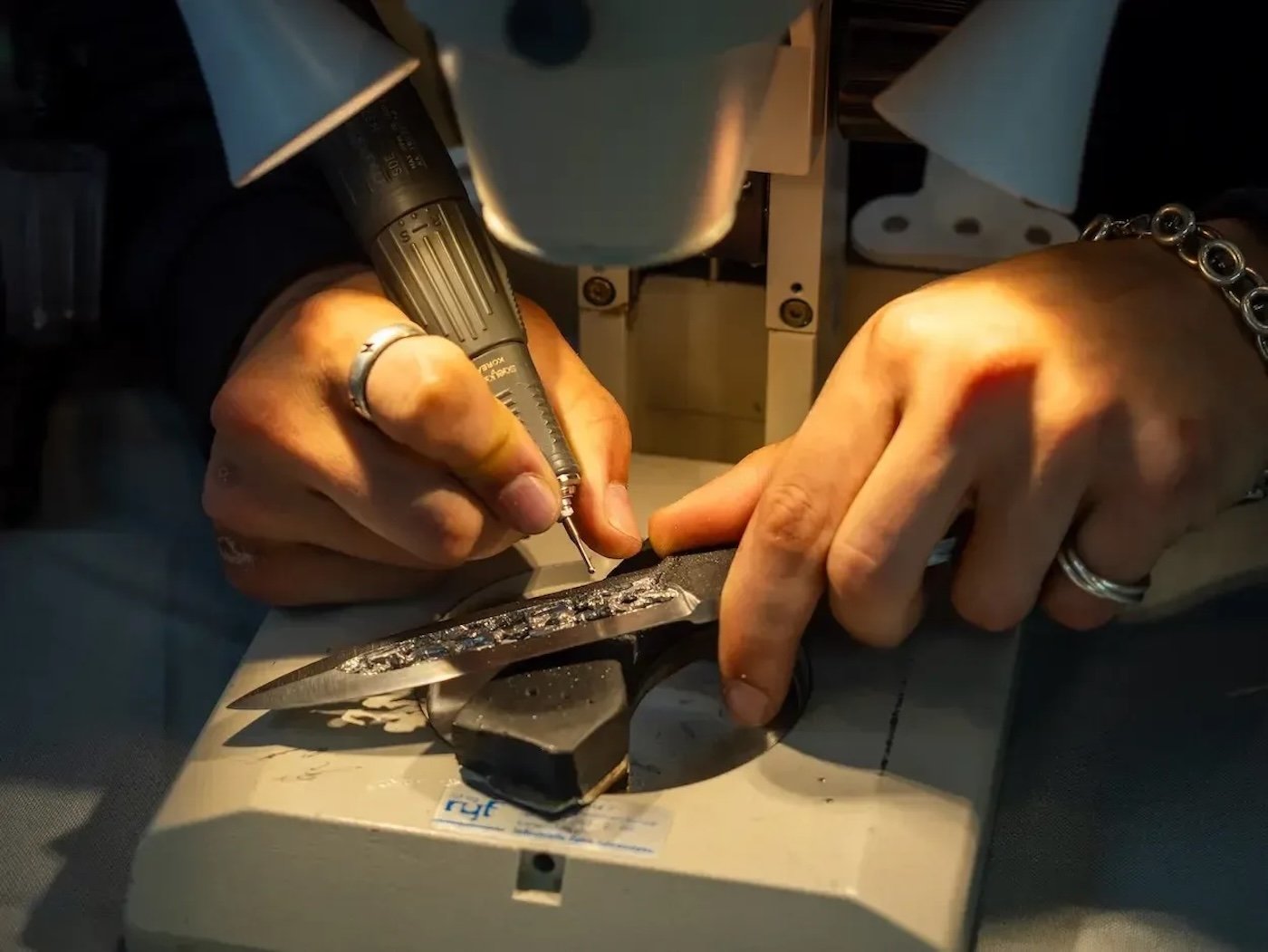
Beyond these industrial and commercial connections, haute horlogerie and haute coutellerie share a deeper affinity: the language of the métiers d’art. This early 19th-century penknife, concealing a miniature timepiece believed to be signed Piguet & Meylan, is a remarkable expression of that kinship.

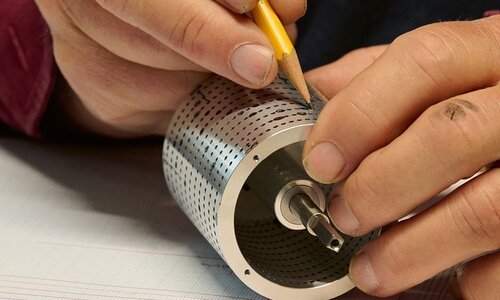
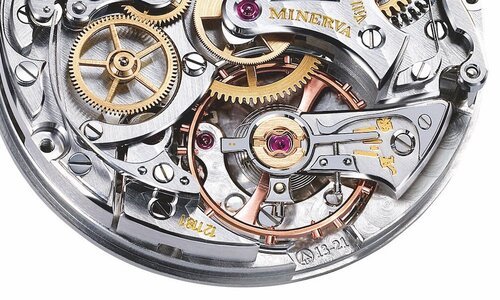
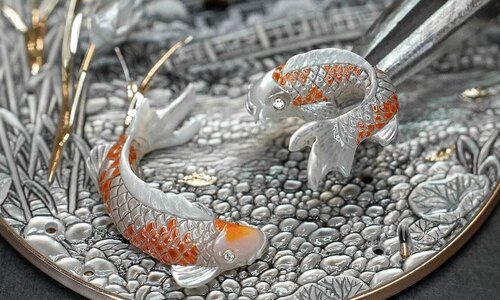
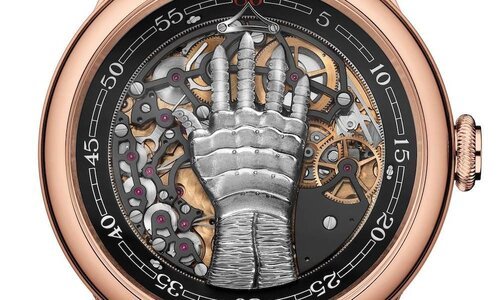
Guilloché is perhaps one of its most telling examples. Dating back to the 16th century, the technique found a natural showcase in watchmaking. Yet this form of mechanical engraving also has a long tradition in fine knifemaking, where it adorns blade spines and locking springs. Bevelling, black polishing, straight graining and engraving belong to the same vocabulary of finishing, whether applied to the plates and components of a watch movement or the mechanisms of an exceptional knife.
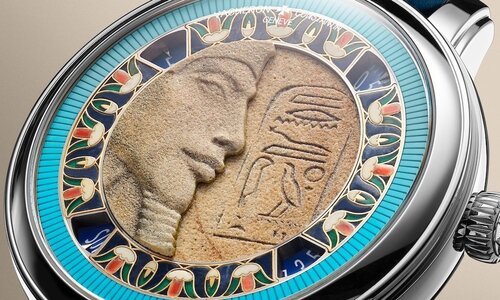
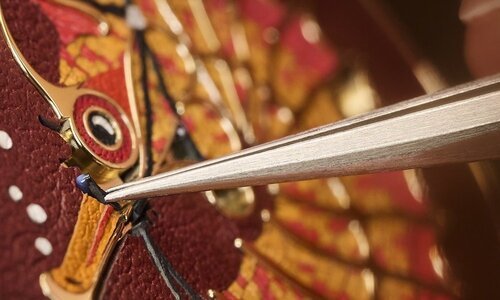
Other skills — Damascus steel forging, grand feu enamelling and gem-setting — have long been part of fine knifemaking and are now enjoying renewed attention. Some artisans embody this exchange in their own work. In Neuchâtel, Patrick Goussard brings watchmaking techniques, notably grand feu enamelling, to his blades. He has given this approach a name of his own: “Cout’Horlogerie”.
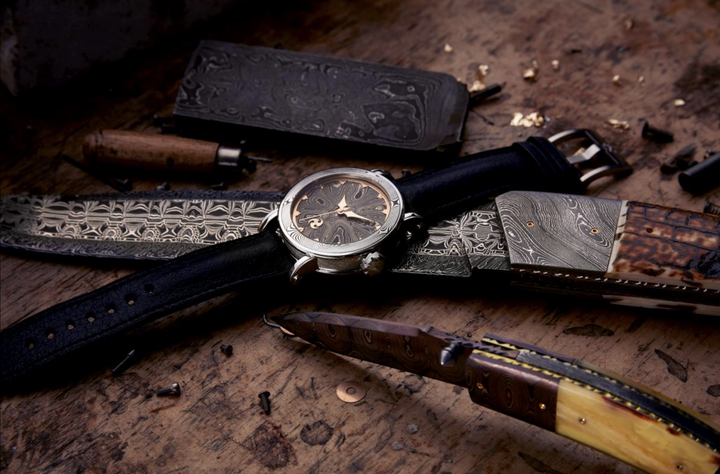
In Sweden, GoS (Gustafsson & Sjögren) takes the fusion further, uniting a watchmaker with a bladesmith specialising in Damascus steel. Their watches feature cases and movement components bearing its distinctive patterns, with matching knives completing the pairing.
Fine knifemaking: a new frontier for haute horlogerie?
Some watch houses now see the master knifemaker as a natural artistic partner, alongside the celebrated enameller or engraver. Emmanuel Esposito exemplifies this shift. Renowned for his intricate locking mechanisms and mother-of-pearl inlays, the Italian craftsman makes pieces that start at around CHF 19,000, with waiting times stretching to several years for certain creations. His standing is increasingly comparable to that of a successful independent watchmaker.
In 2018, Esposito collaborated with Urwerk on the UR-T8, creating a collector’s knife, the Colibri T-8, to accompany the watch. The knife drew directly on the vocabulary of mechanical watchmaking, with a 416 stainless steel handle, a blade mechanism running on ceramic ball bearings, bevelled edges and black polishing.
At Geneva Watch Days 2026, he presented a dial collaboration with independent watchmaker Luca Soprana, whose workshop is housed in Vaumarcus Castle in the canton of Neuchâtel. His presence at the event confirmed both his growing recognition and his increasingly assured place in the watchmaking world.

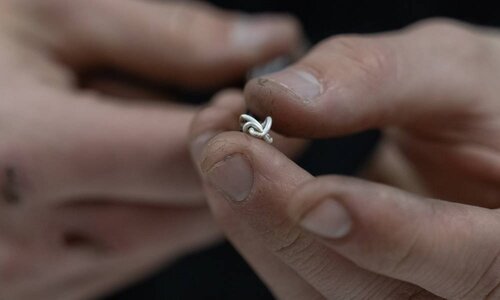
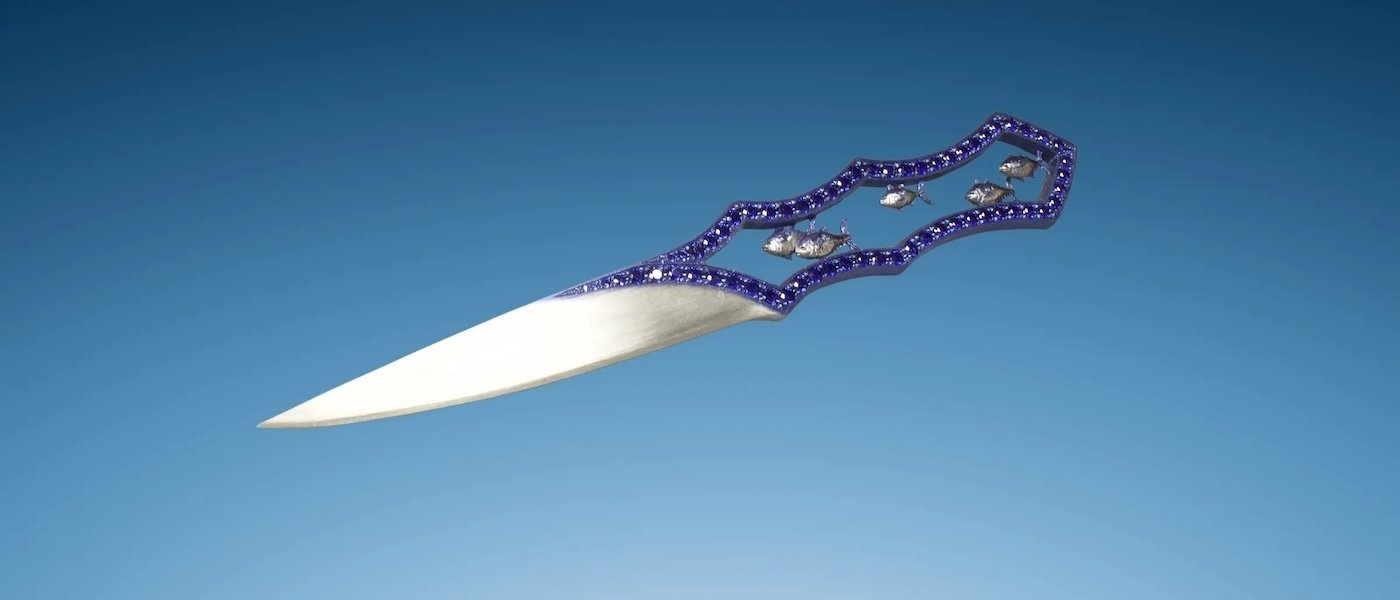
Another talent in this generation is Ugo Mighali. At 23, he is carrying forward the rare art of micro-sculpture previously embodied by master craftsman Charles Roulin. His work sits at the crossroads of knifemaking, jewellery and goldsmithing. For Mighali, the knife is what the canvas is to a painter: a medium for expression through which he keeps a singular heritage alive. Already noticed at several European fairs, his creations bring the aesthetic language of high jewellery to fine knifemaking.

One of his signature creations holds a secret: a concealed jewel, with the piece combining three forms of gold and 251 diamonds. The artist, once described as having “something of Salvador Dalí about him”, also makes letter openers and cigar cutters. Sculpted and gem-set on three planes, these objects create unexpected shifts in perspective, as playful as they are poetic.
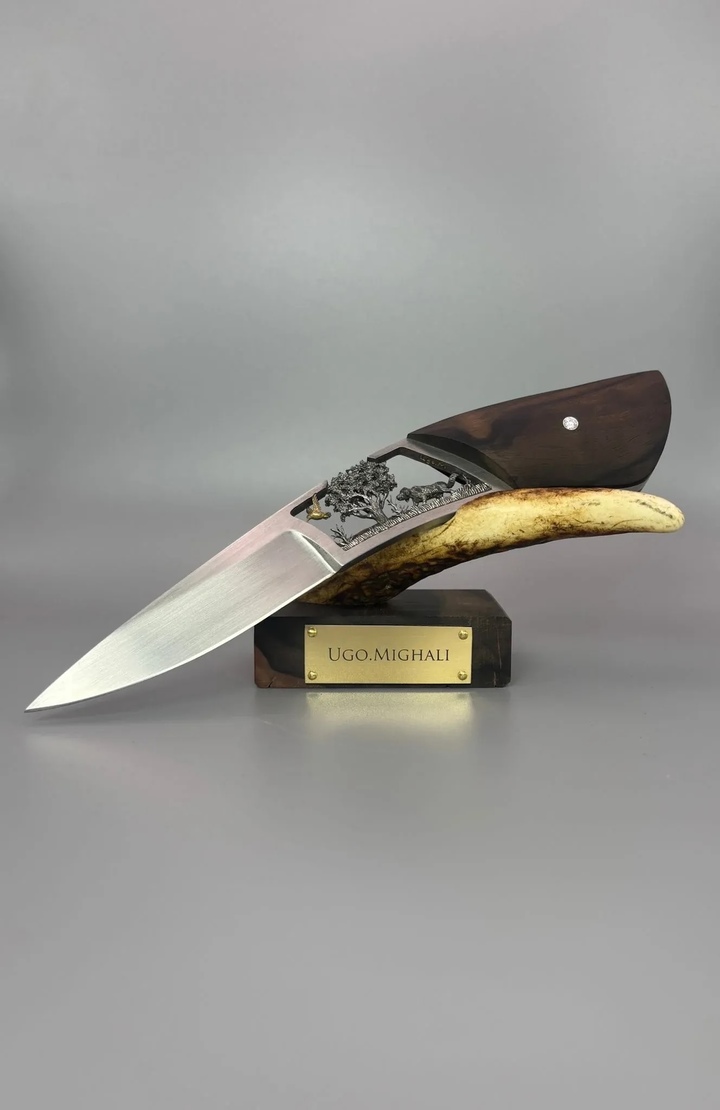
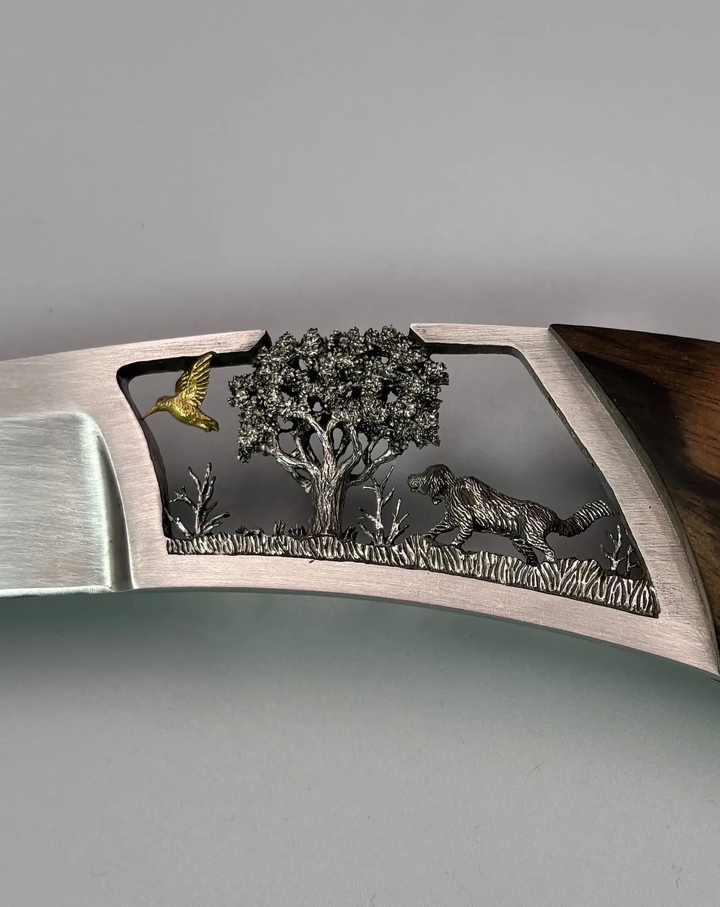
The growing affinity between knifemaking and watchmaking comes as little surprise to Mighali. “Fine knifemaking calls for the same precision, attention to detail and finesse as watchmaking. We are also constantly searching for the perfect design and the perfect idea. Above all, it is the medium that differs. Personally, what drives me is seeing the emotion on my clients’ faces when they discover what they had dreamed of.”
Having recently opened his workshop in Geneva, he reveals that he is already in discussions with local watchmakers. Shared techniques, a common heritage and new collaborations are gradually dissolving the boundaries between haute horlogerie and haute coutellerie. For admirers of both, the prospect is a welcome one: a new field of expression for the métiers d’art. How far this encounter will take them remains to be seen.