
 Español
 Français
 Pусский
 繁體中文
繁體中文 简体中文
简体中文 Select another language


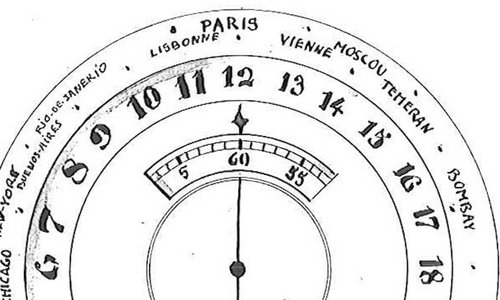
n 17 August 1964, at 16:07 Greenwich Mean Time, Les Fabriques des Assortiments Réunis (FAR) launched an operation of planetary scale. The goal? To capture on photographic film that exact minute at 184 locations worldwide. In other words, 184 photographers in 184 different places pressed their camera button at the exact same minute on the same day (though when it was 16:07 in Greenwich, it was, for example, 23:07 in Bangkok).
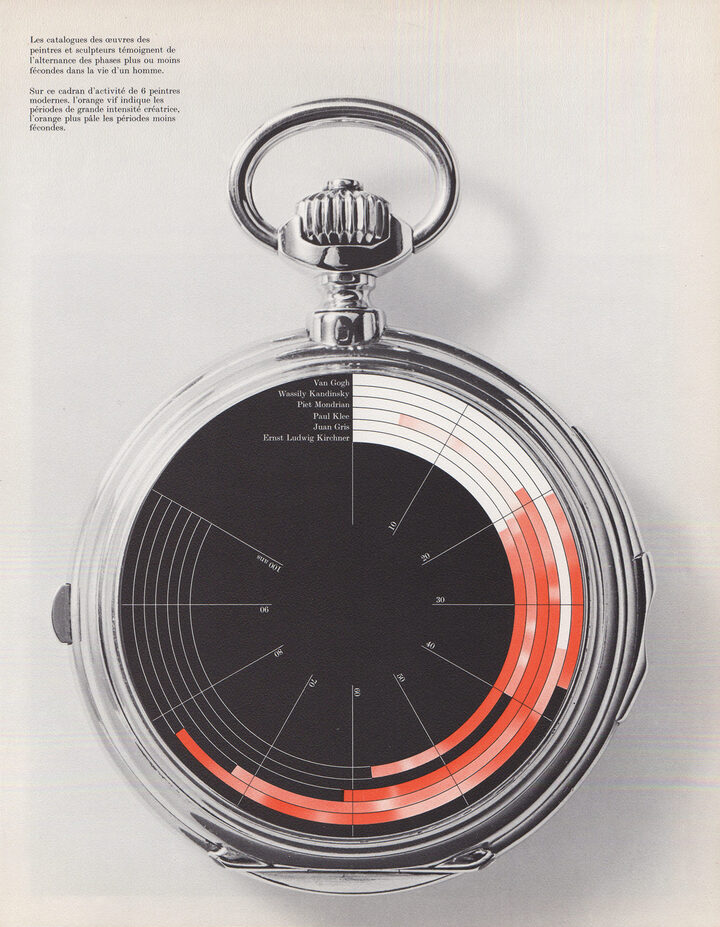
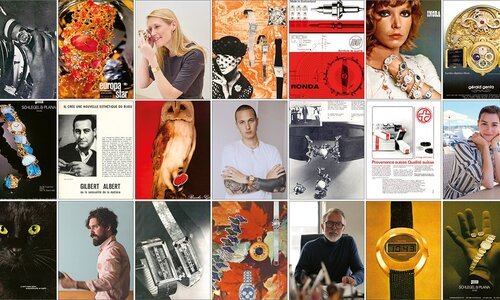
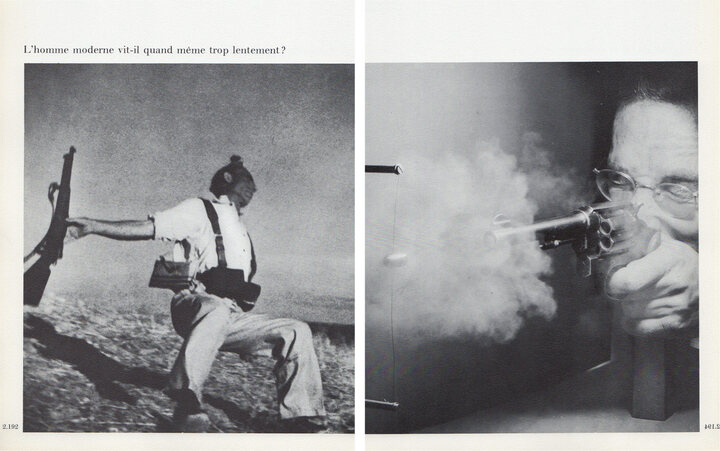
The result was the subject of the inaugural issue of Micromégas, a veritable encyclopaedia of Time, which was published in instalments right into the 1970s. Today, browsing through these twenty or so precious issues, you cannot help but be astonished by the richness, depth and scientific rigour, the quality of the contributors and the graphic inventiveness of this considerable undertaking dedicated to Time and its mysteries.
The first Micromégas photographic issue is subtitled L’horloge qui donne l’heure au monde – the clock which tells the world the time. It was followed, over the years, by broad-ranging chapters split into nearly twenty, sumptuously printed editions (with a circulation of 2,500 copies) on Time and Life, Time in Human Thought, Time in Industry, Time and Music, The Pleasures of the Table (eating also being governed by our most personal of clocks), as well as one issue devoted to Time in the Work of Marc Chagall, and a 33rpm record specially pressed for the occasion. It featured Symphony 101 in D major, known as The Clock, by Joseph Haydn, and Chronophonie, an original piece of electronic music commissioned and written for the Montreux Music Festival in 1968. A lavish and highly ambitious programme!
Why the name Micromégas?
Micromégas, a fictional character in a short story by Voltaire, published in 1752, is a young, omniscient savant from Sirius who speaks all languages, is 39 kilometres tall and who, after landing on the Earth, discovers the existence of men. He is astounded to find that the creatures which, to his eyes, resemble microbes, have a soul and are aware of their own existence and therefore of Time.
“What is the soul?” Micromégas asks one of these microscopic Earthlings. The homunculus in question, a philosopher by profession, replies: “The soul is the hand of a clock that tells the time while my body rings out. Or, if you like, it is my soul that rings out while my body tells the time, or my soul is the mirror of the universe, and my body is the border of the mirror. All that is clear.” This response delights Micromégas.
Derived from ancient Greek, “Micromégas” means both “small and great”. Does that not perfectly define the watchmaker, who works at the small or even tiny, scale, but is entirely at the service of the great – or even vast – infinite and incomprehensible Time?
This duality of the watchmaker – the micromechanical transcription of the cosmos and its “grand clock”, as the universe was wont to be described at the time of Voltaire – is and always will be at the heart of watchmaking. It is one of the keys to its prosperity and the fascination it continues to exert.
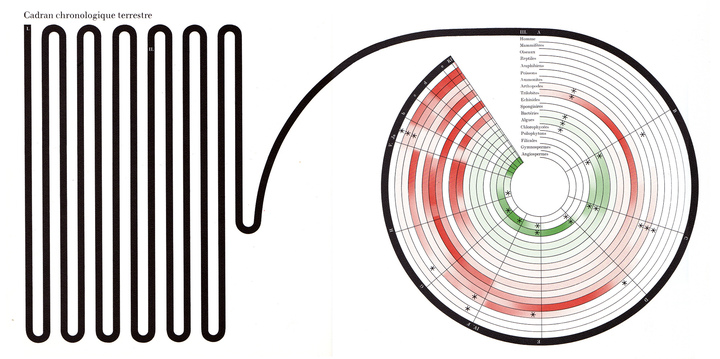
What is Time? We do not really know; it comes from the cosmos and we are able to control only some of its cogs, nestled at the very heart of matter. And even though, since 17 August 1964 at 16:07 GMT, science has continued its research into time down to the infinitely small and up to the infinitely great, it remains as mysterious as ever.
As the Swiss physicist Ernst Stückelberg (who in 1941 proposed the interpretation of the positron as an electron of positive energy travelling backward in time) said: “It is impossible to define a time prior to the initial physical state of the universe” – that is, before the Big Bang – “just as we have no intimate knowledge of the time which preceded our birth”.
Les Fabriques des Assortiments Réunis (FAR)
And so it was under the very apt name of Micromégas, that in 1964 Les Fabriques des Assortiments Réunis launched their ambitious and overall hugely expensive project devoted to Time.
What was Les Fabriques des Assortiments Réunis?
Les Fabriques des Assortiments Réunis, or FAR, was founded on 5 September 1932 when several manufacturers of pallet fork assortments joined forces. Their goal was to “neutralise all the manufacturers of pallet fork assortments”, the Dictionnaire du Jura explains, and between 1932 and 1943 FAR went on to buy out fourteen companies, double its workforce and multiply its turnover by eight. FAR was part of ASUAG, Switzerland’s largest watch industry group, to which also belonged Ebauches SA (later ETA) and the balance spring manufacturers Société des Fabriques des Spiraux Réunies (later Nivarox) and Les Fabriques Réunies de Balanciers.
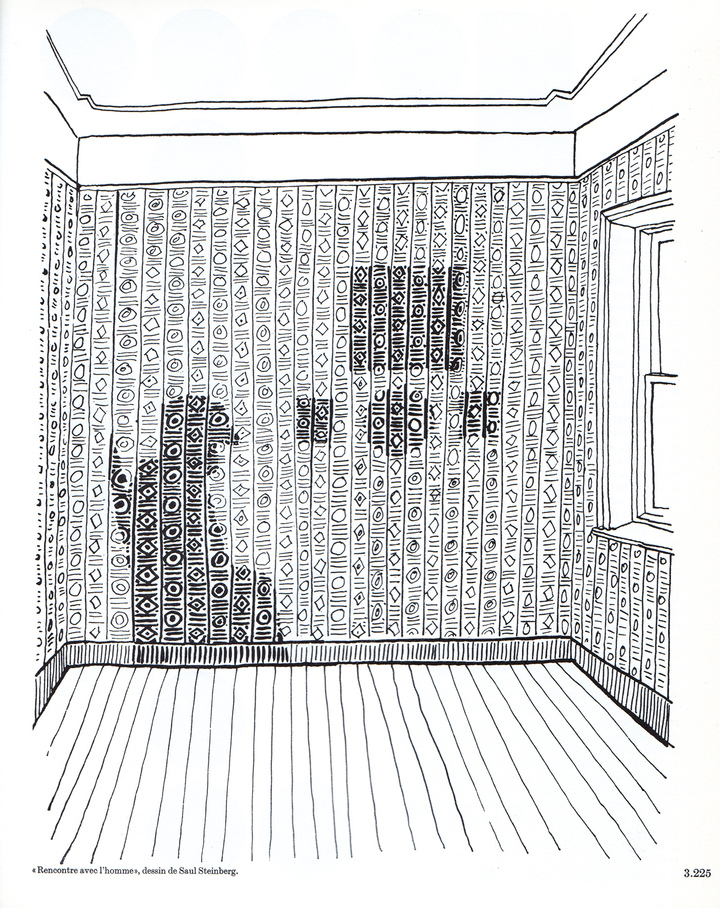
It was, in short, a powerful cartel that would dominate the Swiss watchmaking industry until its merger with SIHH (Omega, Tissot, Blancpain, Lemania, etc.), then its final takeover in 1985 by Nicolas Hayek under the name of SMH, which became the Swatch Group in 1998.
And not a word about watchmaking…
Today, only the most flourishing watch brands publish voluminous and luxurious coffee table books, richly and abundantly illustrated, as outward signs of their prosperity that reinforce their legitimacy. The fact that in 1964, assortment manufacturers – “suppliers” – embarked upon such a costly and scholarly publishing venture is a sign of the power they wielded at the time.
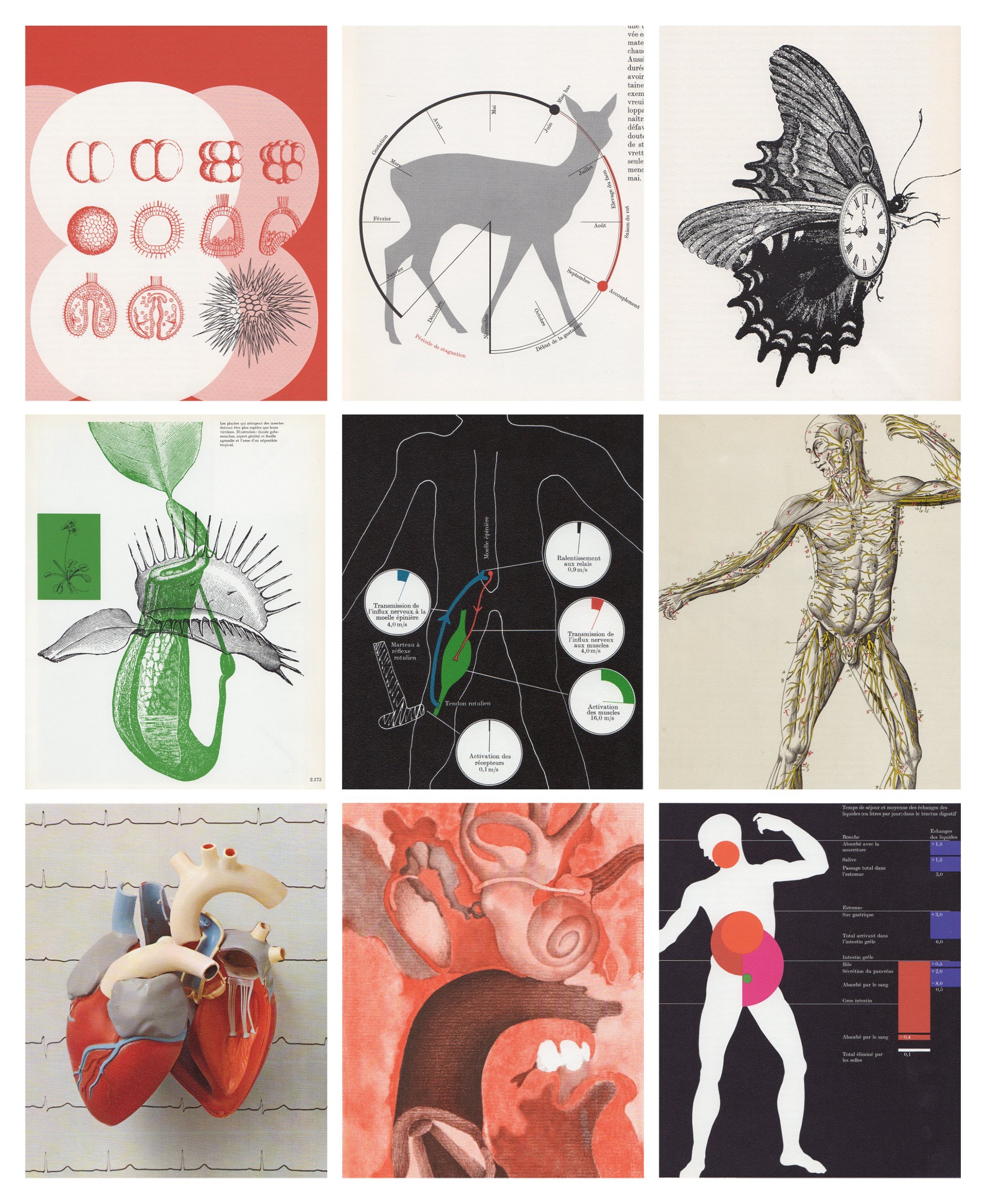
The great difference is that, unlike the watch brands themselves, the aim was by no means to glorify and magnify their own products – not a single issue in this “encyclopaedia” is devoted to watchmaking and its various professions – but to offer an intellectual and artistic journey which is demanding, enriching and attractive and puts forward a wealth of questions, observations and discoveries.
To achieve this, Micromégas called on the services of myriad leading specialists: scientists, academics, artists, writers, philosophers, musicians, astronomers, physicists, biologists, doctors, painters, chefs and other experts from every field of knowledge, under the orchestrating hand of Fritz Reust and a gifted young creative director, the Australian graphic designer, Barrie Tucker.
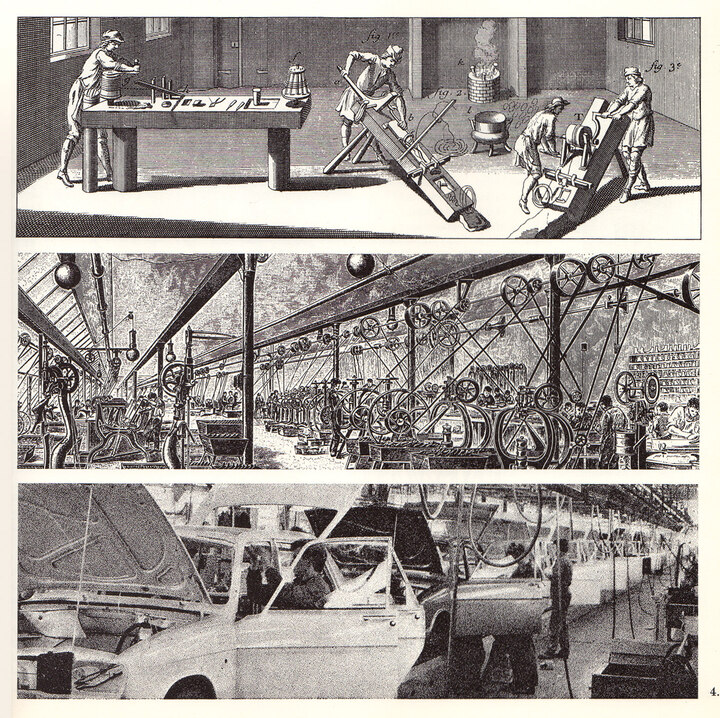
No watch brand is ever named, and even the name of the brains behind the project, Les Fabriques Réunies du Temps, only appears in small print in the credits at the end of each issue.
Is such an editorial undertaking devoted entirely to the dissemination of knowledge, without any apparent mercantile purpose, conceivable today? It is doubtful. The times, they are a-changin’…