
 Español
 Français
 Pусский
 繁體中文
繁體中文 简体中文
简体中文 Select another language
or Positive Coating, the story begins in 2004. Pierre-Albert Steinmann, a trained engineer, built a career spanning both academia and scientific research. After three years at NASA, where he worked on the development and characterization of self-lubricating coatings for space applications, he returned to Switzerland.
While teaching “Materials and Surface Technologies” at Haute École Arc Ingénierie, he decided, at the age of 50, to launch a start-up specializing in vacuum surface treatments. Based in the heart of the Jura watchmaking region—and already deeply familiar with the subject through both laboratory work and teaching—he identified an initial need in watchmaking: to develop a new way of coloring metals other than steel, such as brass or gold, in blue, without relying on traditional flame heating, which can yield inconsistent results.
The young company was initially housed within the very school where Pierre-Albert was teaching. This marked the first “layer” of the start-up—a concept embedded from the outset in its very name: Positive Coating, meaning an additional coating layer.
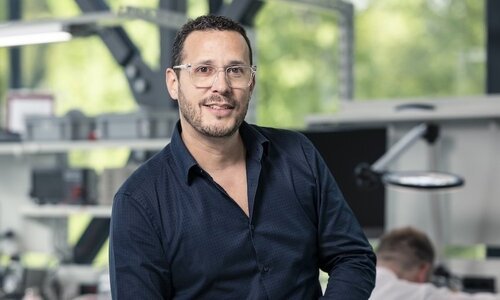
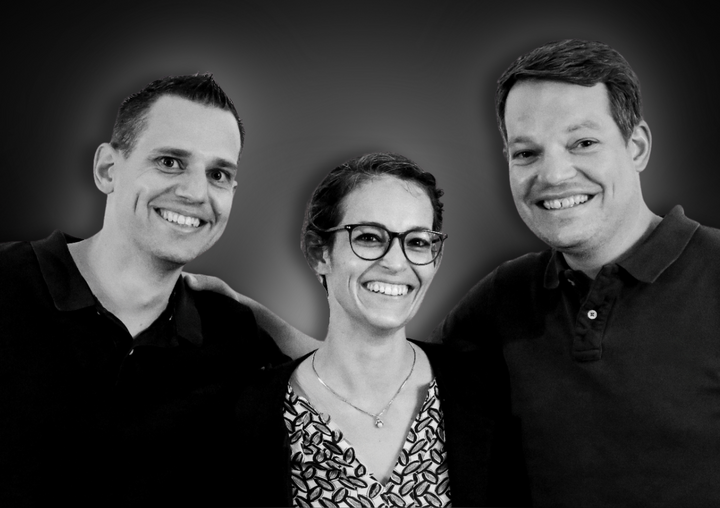
Pierre-Albert Steinmann’s children quickly joined the venture: Benoit, an engineer by training, in 2010, focusing on technical development and production; Lucien, also an engineer, followed in 2011, turning towards sales and client relations; and finally their sister Ophélie, with a background in literature and the arts, joined in 2021, at the time of the company’s transition to the new generation.
The innovation layer
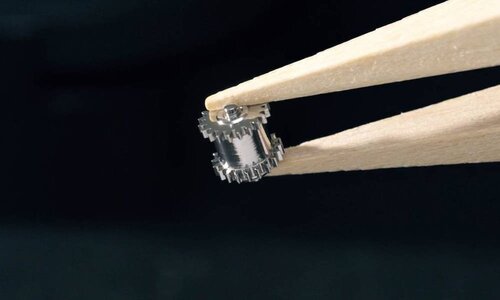
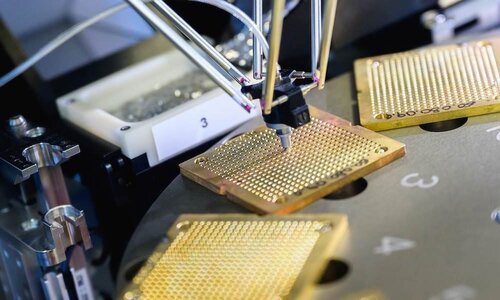
Positive Coating was founded on what was then an emerging technology: Physical Vapor Deposition (PVD). Today, the company is recognized for its expertise in cathodic sputtering. This technique makes it possible to coat objects of various materials and complex geometries with a thin colored layer—ranging from 0.2 to 2 microns—serving both decorative and functional purposes.
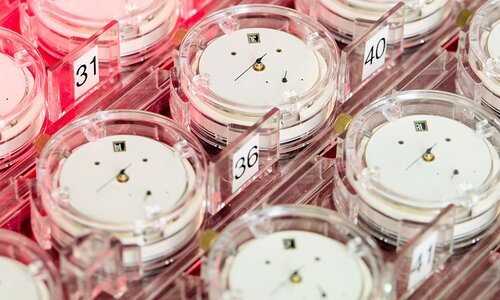
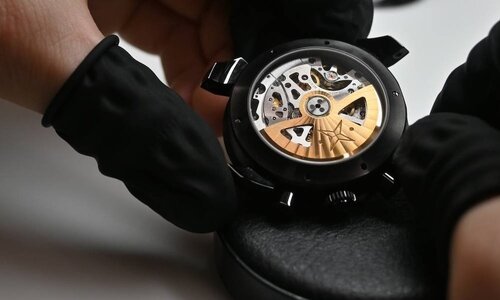
The coloration is permanent, enhances material resistance (high hardness), and preserves traditional watchmaking finishes (sandblasted, satin-brushed, polished, perlage, Côtes de Genève, etc.). The process takes place in a sealed vacuum chamber: under plasma activation, the target releases particles that gradually deposit onto the components, forming a highly pure, homogeneous and uniform coating.
Positive Coating has also become a pioneer in Atomic Layer Deposition (ALD). Originally used in the semiconductor industry for its diffusion barrier properties, this technology was reimagined by the company for watchmaking, opening up new decorative possibilities while adding inherent corrosion resistance. Here, the scale shifts to the nanometric level, between 10 and 300 nm.
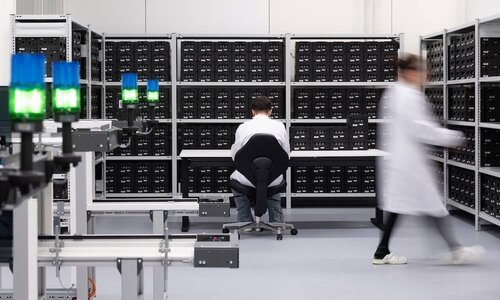
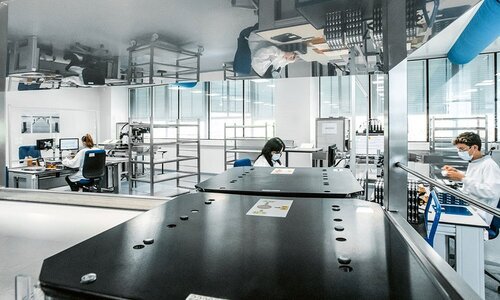
How is R&D structured today at Positive Coating? “We have our own team of seven engineers (out of 32 employees, editor’s note) who are constantly researching, testing and refining,” explains Lucien Steinmann. “We also co-develop with our clients, based either on our ideas or theirs. And in some cases, clients come to us with very specific requests.”
Proactive collaboration is another key “layer” in Positive Coating’s strategy. This natural curiosity has also opened up new avenues for the company, both decorative and functional.
The diversification layer
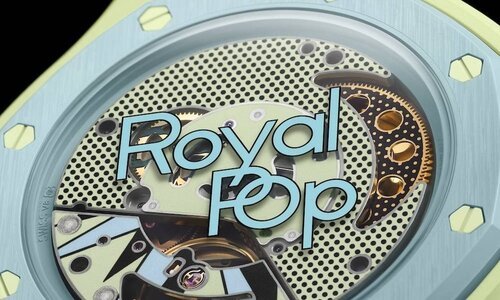
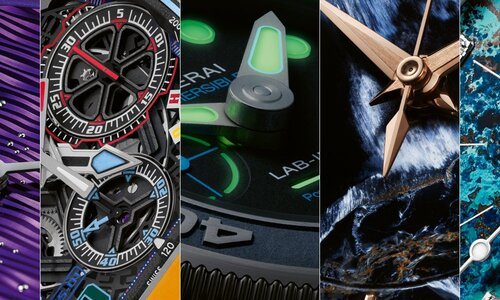
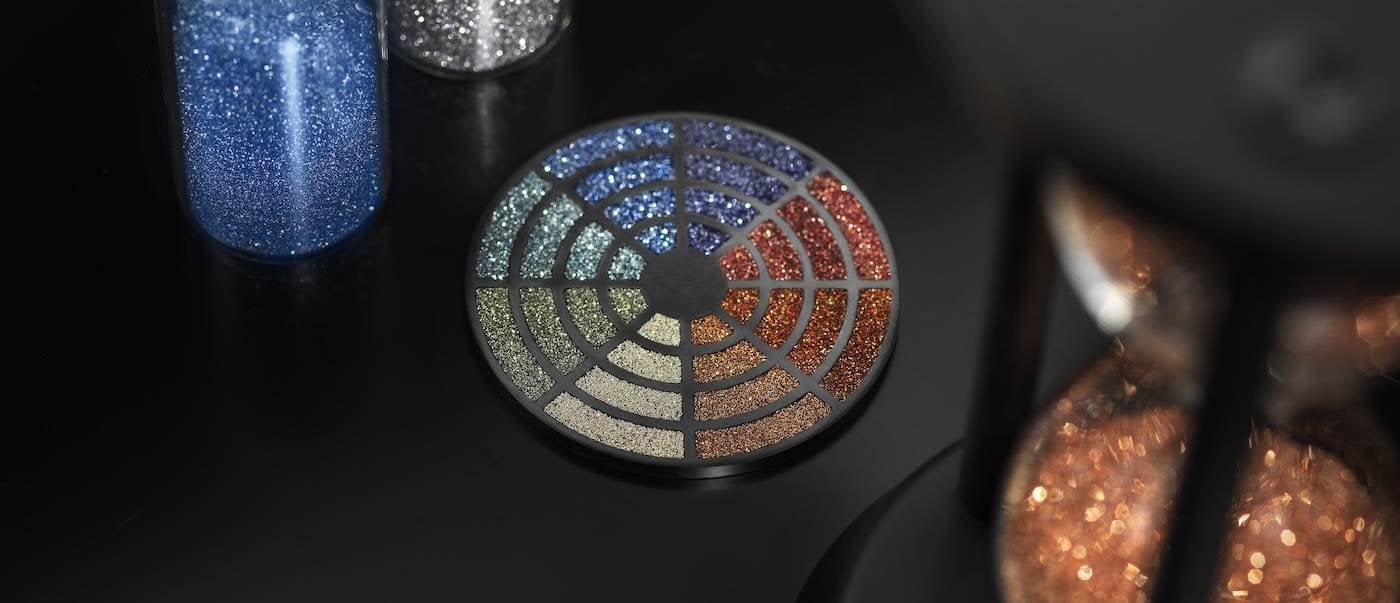
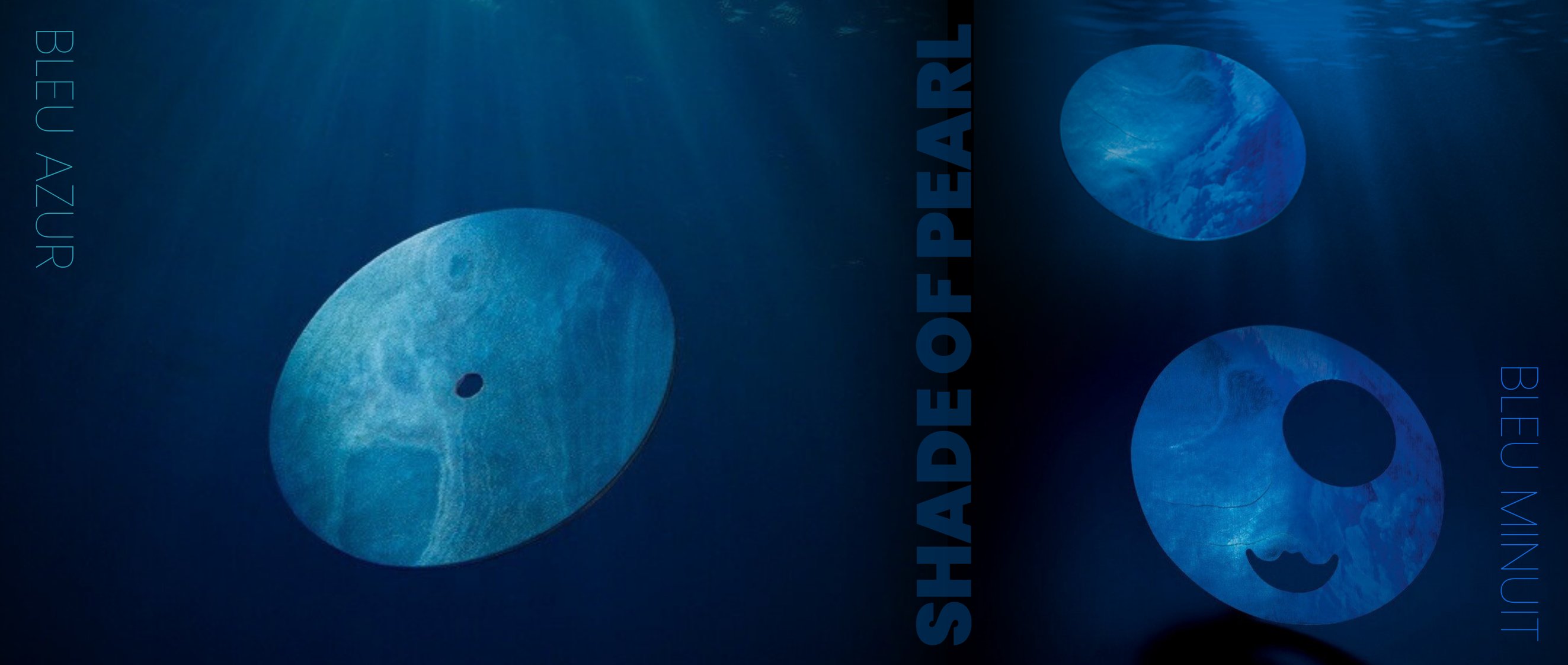
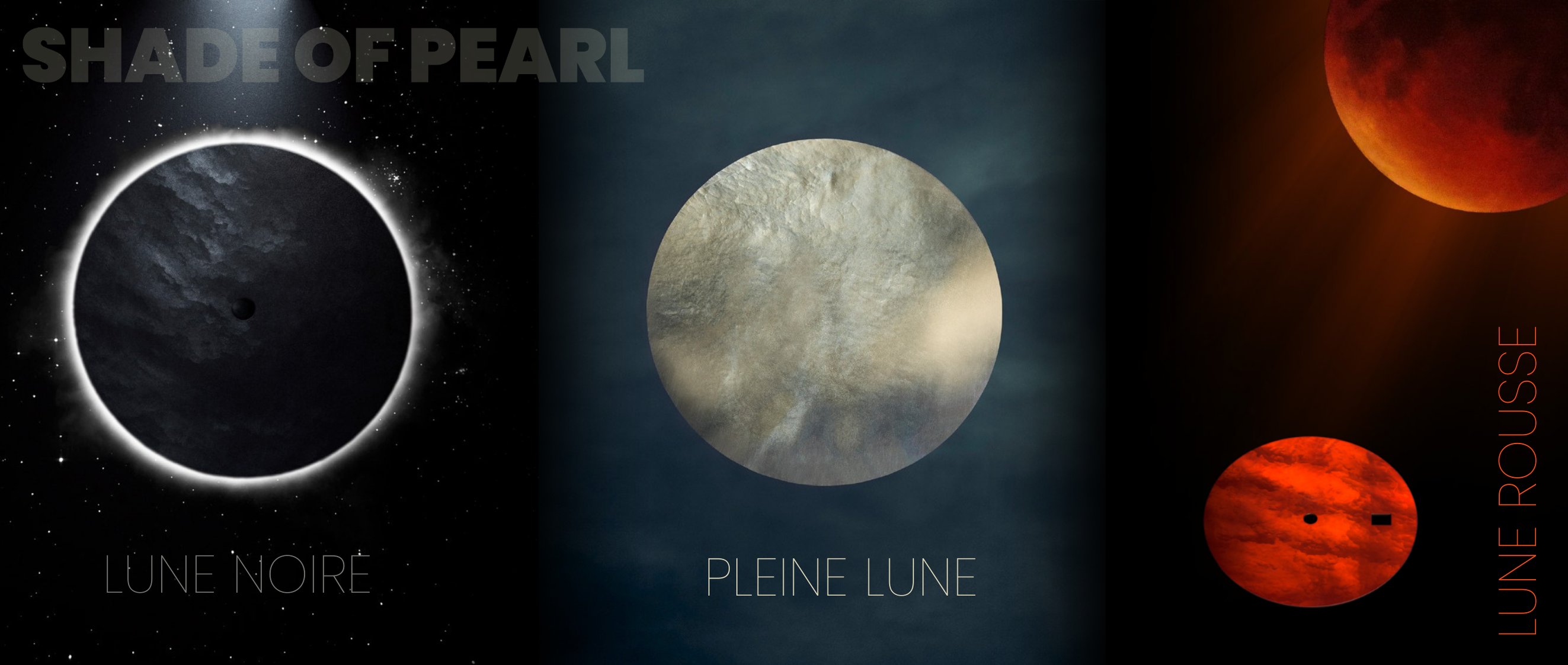
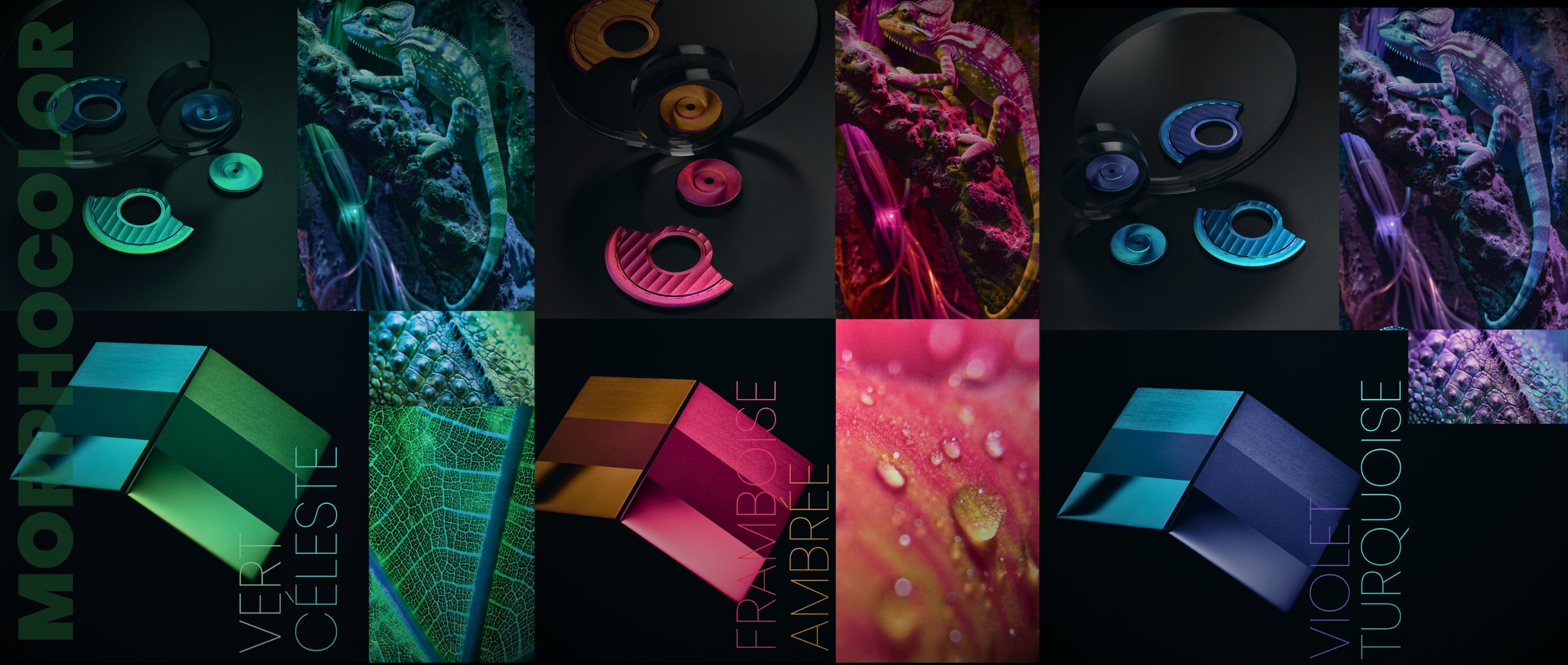
Since its inception, Positive Coating has been developing specific combinations based on a perfect command of PVD and ALD technologies, enabling the creation of entirely new colors, gradients, subtle shading effects, iridescent finishes, or even colors that shift depending on the viewing angle—like a chameleon—such as MorphoColor, one of the company’s latest innovations.
Given the wide range of applications for its technologies, Positive Coating has naturally expanded into other sectors. “We constantly monitor the market—not just watchmaking,” explains Ophélie Steinmann. “We look at all sectors related to aesthetics, decorative applications on metals or metallic substrates, as well as functional uses. This includes fashion, writing instruments, leather goods, jewelry, but also microtechnology and medtech.”
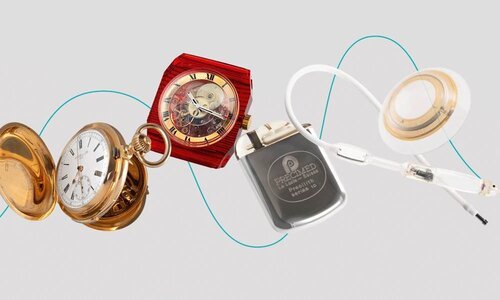
Her brother Lucien adds: “Our activity remains predominantly focused on watchmaking, at around 80%, while luxury more broadly accounts for 15%, covering metallic elements across various products, and medtech 5%, particularly in extending the lifespan of instruments. We see that the properties of our coatings—such as reduced friction or increased hardness—also meet needs across many other sectors.”
Ophélie Steinmann emphasizes that “innovation doesn’t necessarily mean starting from scratch; it can also mean rethinking existing technologies and exploring new possibilities, as Positive Coating did with ALD.” Diversification also helps mitigate risks linked to economic fluctuations and opens the door to significantly broader markets.
The sustainability layer
Positive Coating’s vision goes beyond innovation and creativity alone. The company’s philosophy has always been to add an extra “positive” layer—first in color, then in functionality, but also in ethics and deeper meaning—now embodied in its Positive Impact program.
What does this involve? “We are a local company and naturally contribute to our community, its development and its pursuit of excellence. But we also aim to integrate sustainability and environmental responsibility into everything we do. From the outset, we were fortunate that our technologies are low-impact, require little water, and rely on renewable energy. We were later supported in our ESG approach by one of our clients (Audemars Piguet, editor’s note) through dedicated workshops. We also joined the Swiss Triple Impact programme, which helped us define objectives aligned with our business,” explains Lucien Steinmann.
This approach takes time and requires investment. Positive Coating employs one person part-time to oversee this mission. The company has set clear targets to reduce its carbon emissions across Scopes 1, 2 and 3 by 28% by 2030. It is also adopting a circular economy approach, prioritising responsible and recyclable materials. The strategy is comprehensive and built on strong partnerships—proof that even smaller companies can help drive systemic change.
“We believe we have a responsibility and want to engage our teams in this journey,” adds Ophélie Steinmann. “In 2023, we organised a Climate Fresk workshop within the company. It creates genuine awareness among employees, which is essential to moving forward in a process of continuous improvement.”
Positive Coating may not change the world on its own, but the family business is putting in place a strategy rooted in a strong human vision, strategic partnerships and responsible creativity. All of it wrapped in ever more original colors… as demonstrated once again by its latest NanoDiamonds technology, derived from synthetic diamond powder.