
 Español
 Français
 Pусский
 繁體中文
繁體中文 简体中文
简体中文 Select another language

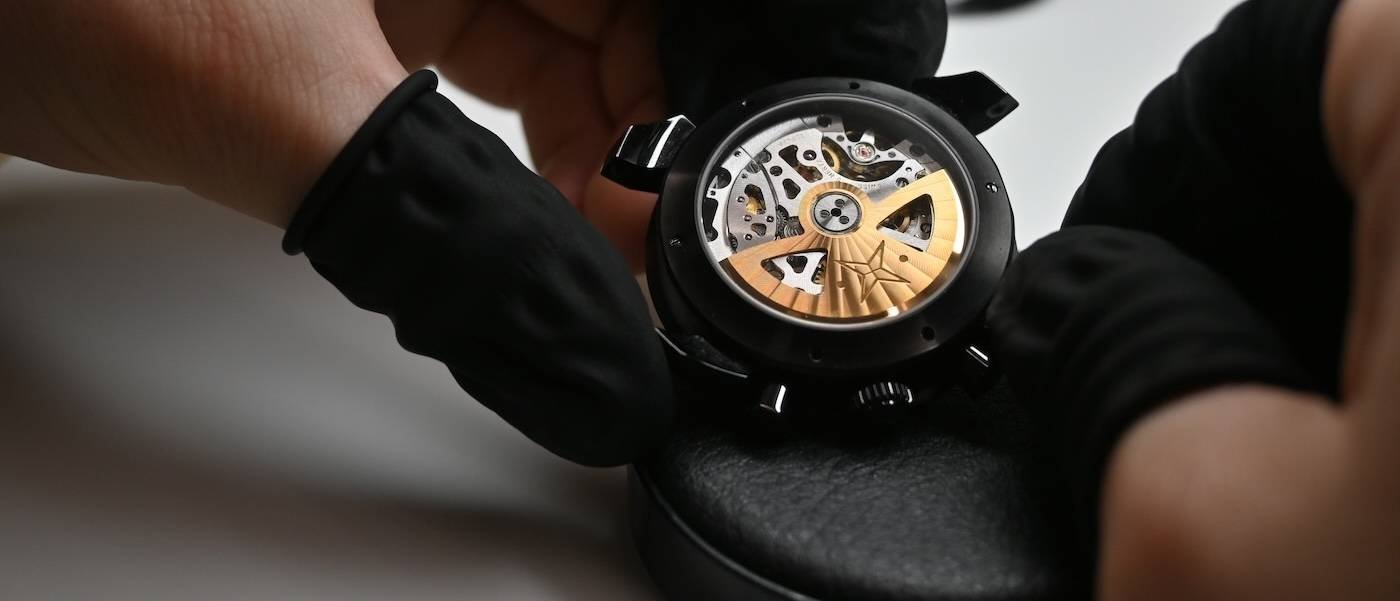
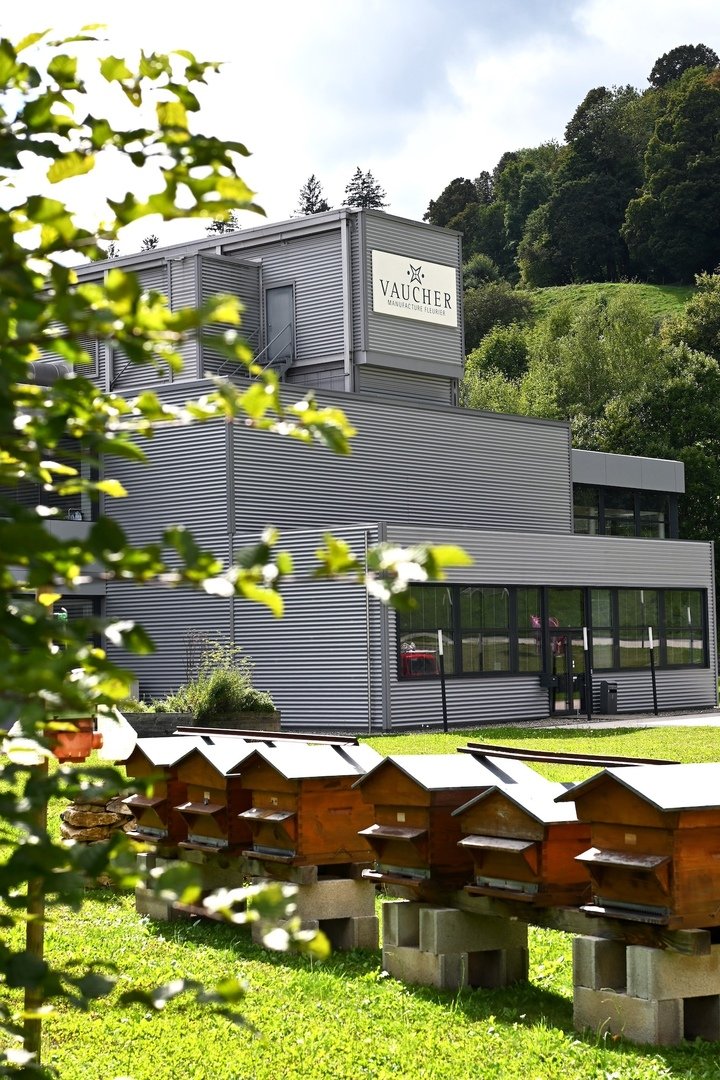
n the shadow of the major maisons, movement specialists are playing an increasingly strategic role. Faced with an industry under unprecedented regulatory pressure – from REACH compliance to cybersecurity and sustainability issues – they must combine technical innovation, industrial agility and long-term vision. Vaucher Manufacture is among the movement makers that have risen to prominence during the new golden age ushered in for mechanical watchmaking at the start of the 2020s.
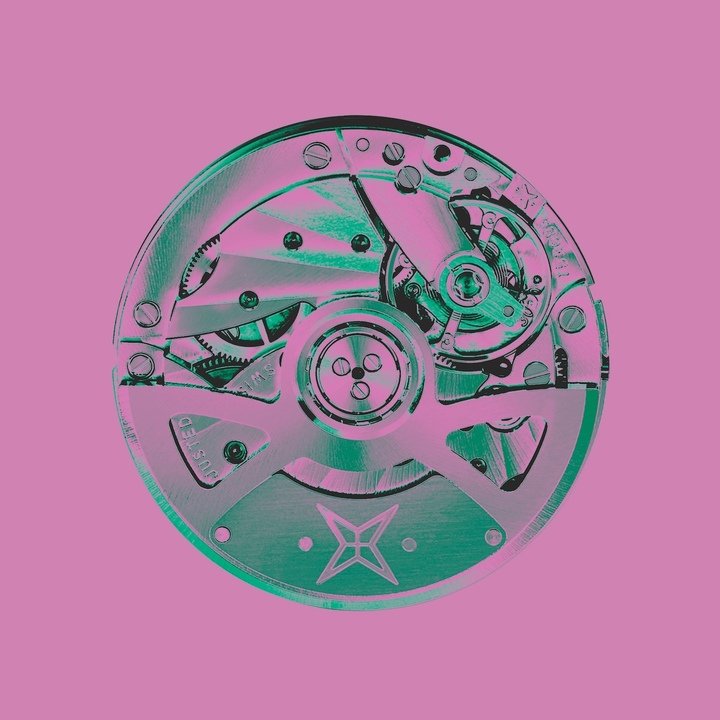
Among the principal movement families produced by Vaucher Manufacture – a manufacture particularly renowned for its customisation capabilities, slim and elegant movements, micro-rotors and haute horlogerie finishing – are the 3000 (classic automatic), the 5401 (ultra-thin micro-rotor, 2.6 mm thick), the 6710 (integrated chronograph, also available with split-seconds function), the 3024 (automatic tourbillon), the 5440 (ultra-thin tourbillon), as well as the 4200 (long-power-reserve automatic, certified for 10 years with a 65-hour power reserve).
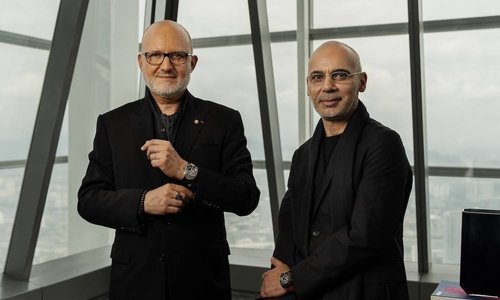
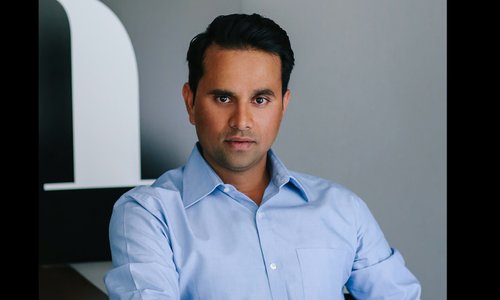
For the manufacture’s CEO Jean-Noël Lefevre and its Head of Development Stéphane Oes, this transformation involves both anticipating future regulations and fundamentally redesigning calibre architectures. Because the risk for movement specialists, like the entire watchmaking subcontracting sector, is to become a pressure-release valve whenever brands experience a slowdown in demand.
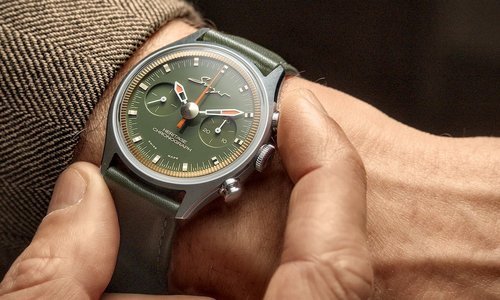
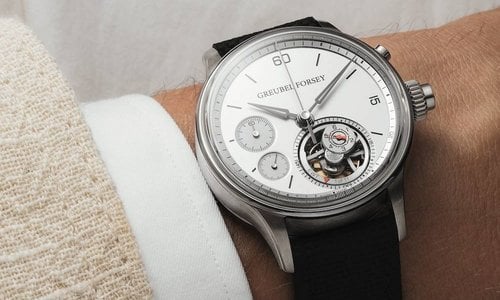
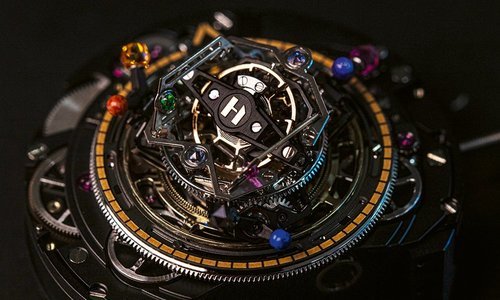
Whether it concerns increased power reserve without compromising slimness, enhanced modularity, or above all certification and reliability, the objective is clear: stay one step ahead of the market. And establish long-term R&D partnerships, as illustrated recently by the skeletonisation of Hermès’ H08 and the development of TAG Heuer’s impressive Monaco Evergraph, both realised in collaboration with Vaucher Manufacture. If only they could reveal the full extent of their achievements! Our interview.
Europa Star: You work with a large number of brands, particularly on exclusive movement developments. How do you adapt to such varied demands?
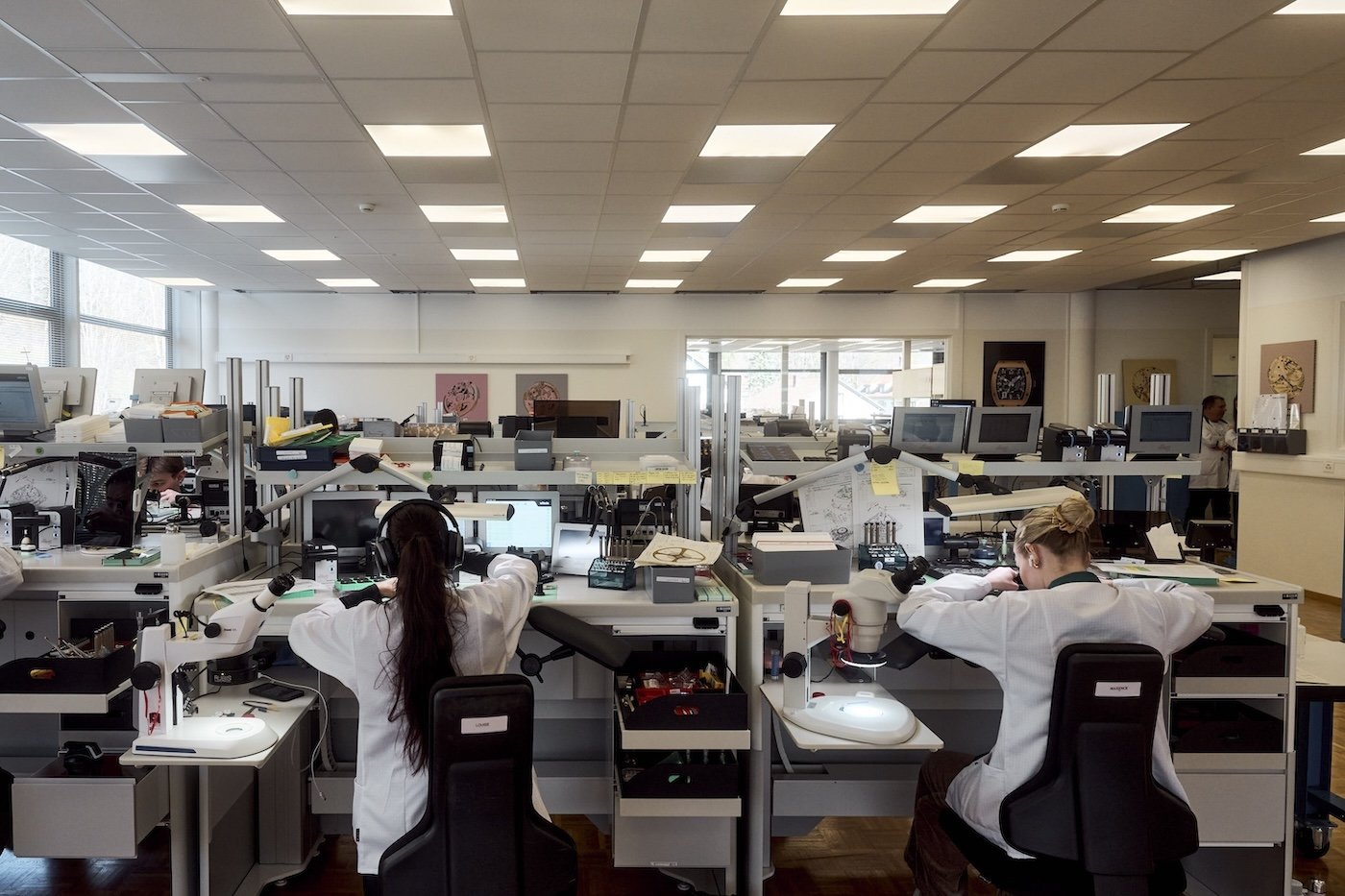
Jean-Noël Lefevre: Rather than adapting to brands, we seek to anticipate their needs. This concerns technical aspects – new chronometry requirements or expectations regarding power reserve, for example – but it goes beyond that in a highly regulated environment, encompassing very diverse topics: REACH compliance, cybersecurity, CSR and more. One essential point today is reliability. For example, we introduced an eight-year warranty well before it became a strong market expectation. Today, 52% of the movements we deliver to our partners are certified for ten years.
Stéphane Oes: This anticipation also involves industrial choices that stay ahead of new standards. Regarding the potential future ban on lead, for example, 95% of our bridges and mainplates are already produced in lead-free brass, and we are actively working to eliminate other substances such as beryllium and certain PFAS. The objective is clear: 100% of our calibres will be certified for ten years by 2030, while remaining ahead of future regulatory constraints.
-
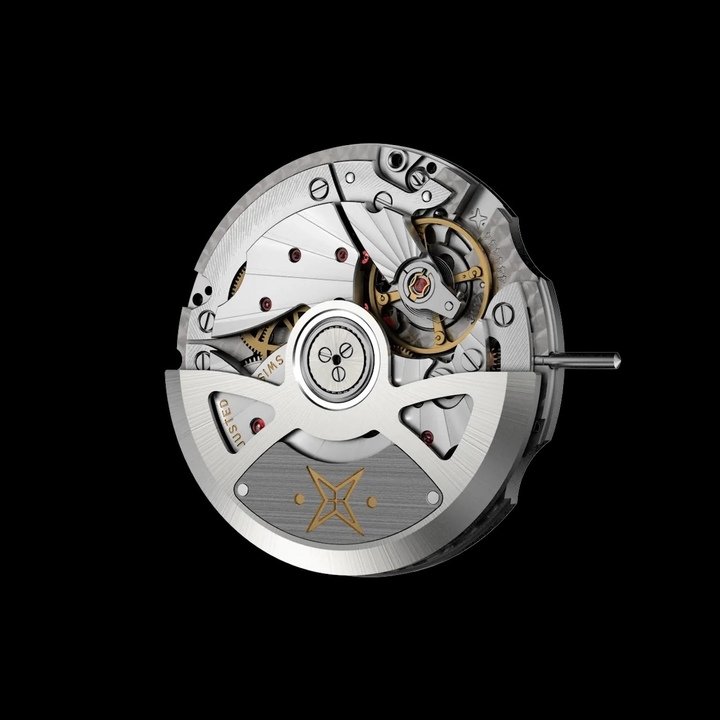
- Vaucher Manufacture’s 3000 calibre (classic automatic).
Precisely regarding this increasing regulatory pressure, is it already a determining criterion for your clients?
Jean-Noël Lefevre: It is not yet the main selection criterion, but it is an extremely sensitive issue. The major maisons are paying growing attention to it. We want to avoid being subjected to these developments and never find ourselves cornered.
Stéphane Oes: Take PFAS: REACH regulations theoretically allow more than a decade to adapt, but we are targeting complete elimination by 2030. It is also a matter of industrial credibility. Our suppliers are beginning to move in this direction, and we hope to achieve 100% lead-free production as early as 2027.
-
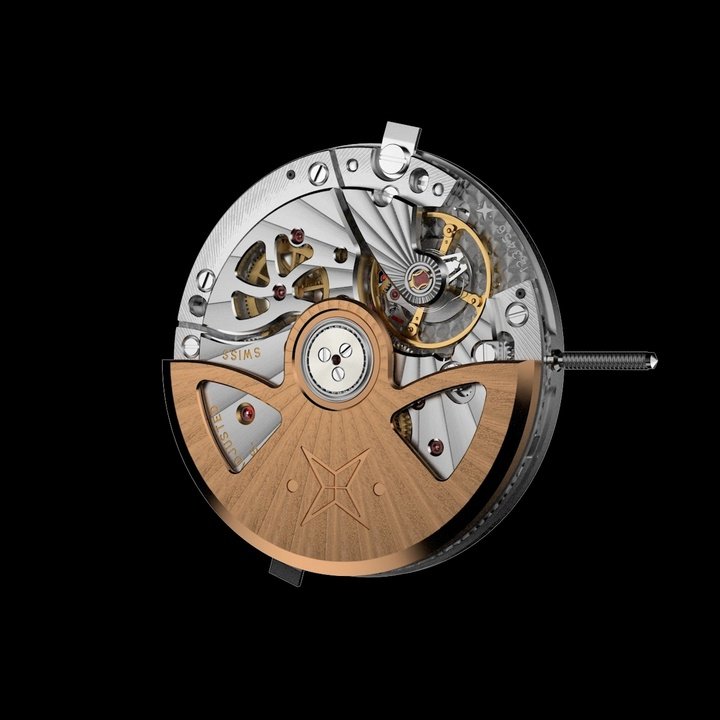
- The 4200 calibre (self-winding, certified for 10 years with a 65-hour power reserve).
From a technical standpoint, what are brands’ priority expectations today?
Jean-Noël Lefevre: Demand regarding precision is relatively stable. COSC standards remain largely satisfactory for many clients, and not all are necessarily seeking higher performance. On the other hand, there is extremely strong demand for reliability, as mentioned, with ten-year certifications and extended warranties.
Power reserve is also a key issue, but with a major constraint: not increasing thickness. Brands want ever thinner watches while simultaneously aiming for three days of autonomy.
-
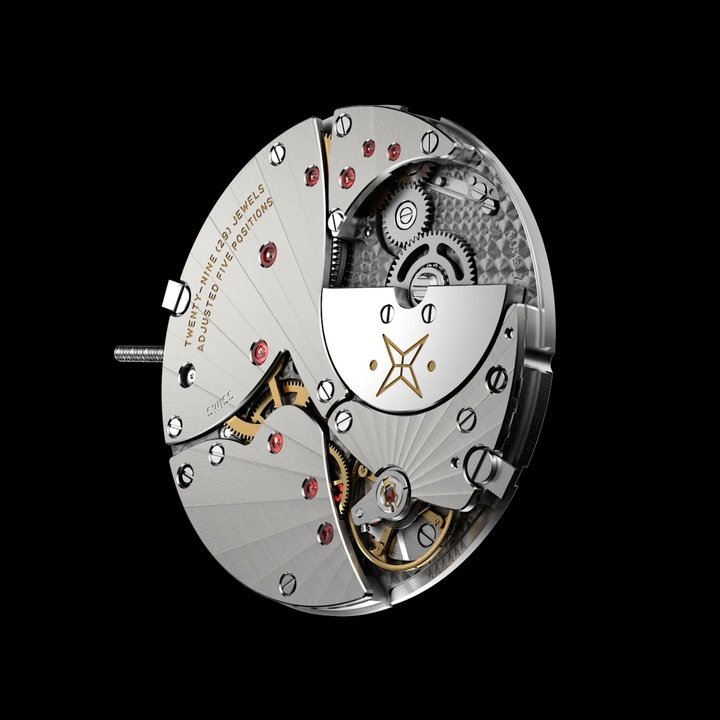
- The 5401 calibre (ultra-thin with micro-rotor, 2.6 mm thick).
A kind of squaring the circle… How do you respond to this tension between slimness and performance?
Stéphane Oes: We have undertaken a complete modernisation of our movements. Starting next year, all our calibres will offer a minimum power reserve of 65 hours. This includes our ultra-thin developments, with thicknesses of 2.6 mm, and 3.9 mm for more conventional calibres. We are working extensively on optimising barrels and movement architecture. This allows us to structure our offering around three major families – ultra-thin, classic three-hand and chronograph – to which complications can then be added.
-
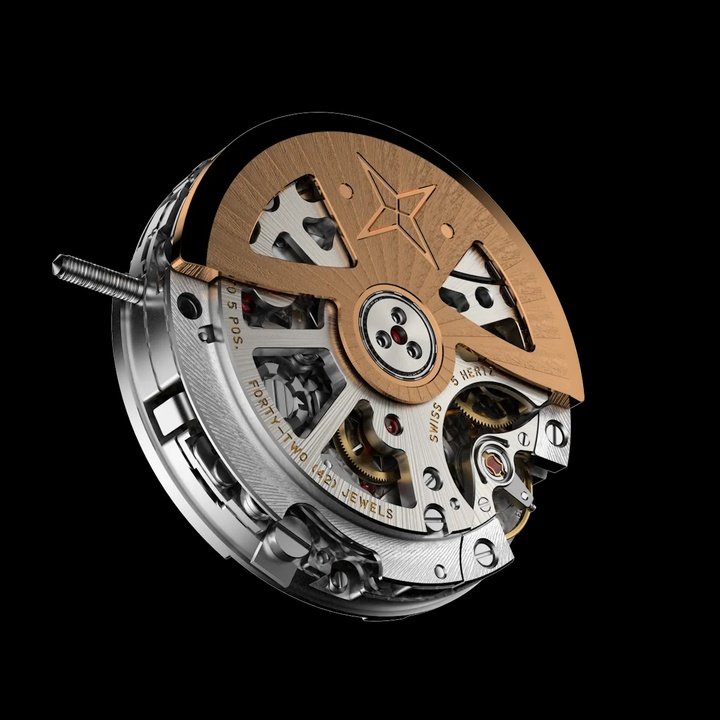
- The 6710 calibre (integrated chronograph)...
-
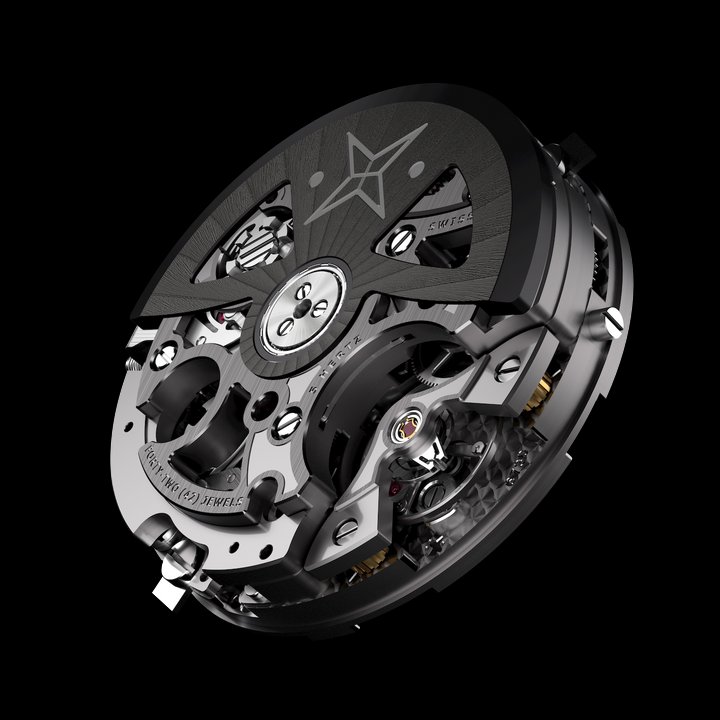
- ...also available with its split-seconds function, here in titanium.
Modularity is naturally at the heart of your strategy…
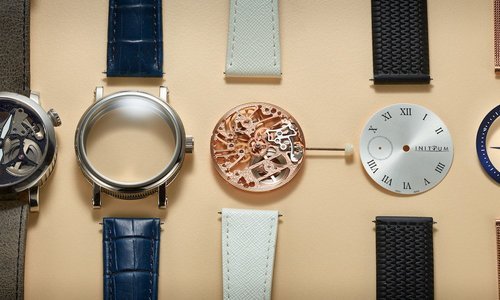
Jean-Noël Lefevre: Absolutely. We are developing fully modular movement platforms. This allows our partners to adapt calibres according to their own creative needs: skeletonisation, additional modules, complications and so on.
Stéphane Oes: We collaborate closely with emblematic watch brands and our entire collection of base movements becomes a true field of expression, enabling the integration of additional functions and complications. We have the ability to co-develop creative solutions with our clients, both aesthetically and technically, while integrating their innovations into our industrial movements.
-
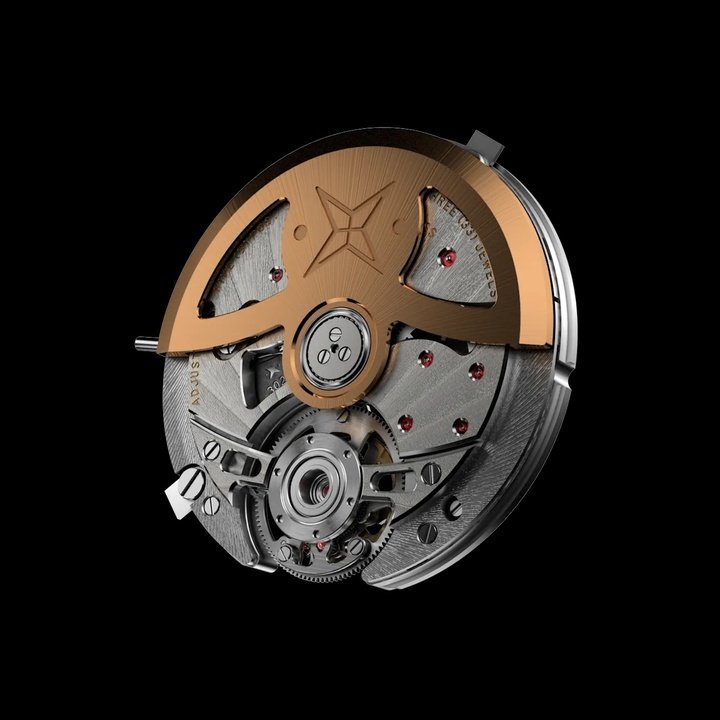
- The 3024 calibre (self-winding tourbillon).
Like almost the entire industry, you are also working on anti-magnetism issues. Where are you in this quest?
Stéphane Oes: This is a major focus. Magnetisation remains one of the principal causes of rate deviation in mechanical watches. We anticipated these challenges as early as 2020 with specific certifications, notably in collaboration with Atokalpa for regulating organs.
We are preparing a classic three-hand movement integrating anti-magnetic solutions exceeding current standards. The NIHS standard is currently under revision, and we want to be ready before it evolves.
But through various protections, access to silicon escapements remains largely reserved for the consortium that developed them. How do you manage?
Jean-Noël Lefevre: We allow ourselves to produce prototypes in order to acquire know-how and anticipate future developments. We do not commercialise movements with silicon escapements and hairsprings, but these developments allow us to be ready when the time comes. Stéphane Oes: We are capable of integrating, securing and industrialising other innovative technologies in collaboration with our clients, such as recently integrating carbon hairsprings for the TH80-00 watch with TAG Heuer. And we are closely monitoring new certifications such as COSC Excellence and market trends. Our role is to respond to our clients’ expectations while remaining a driving force for new ideas.
-
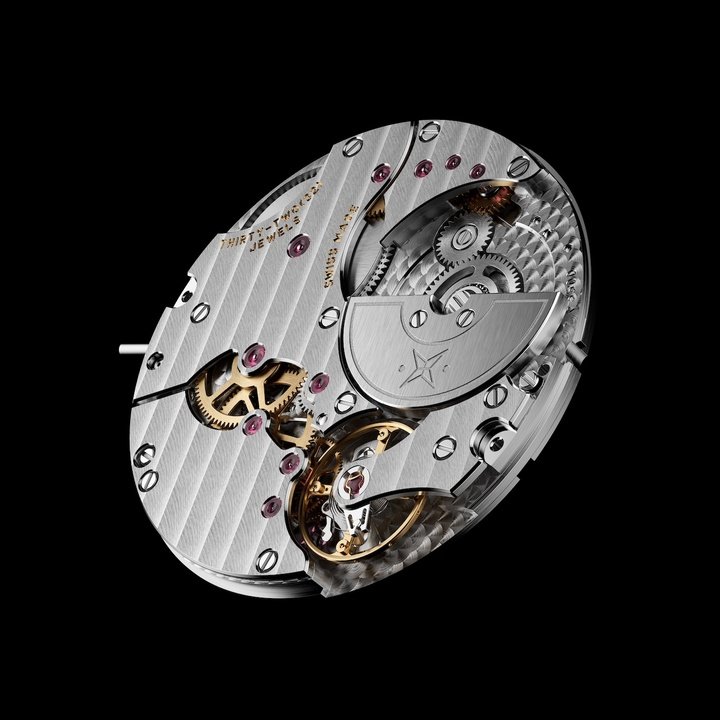
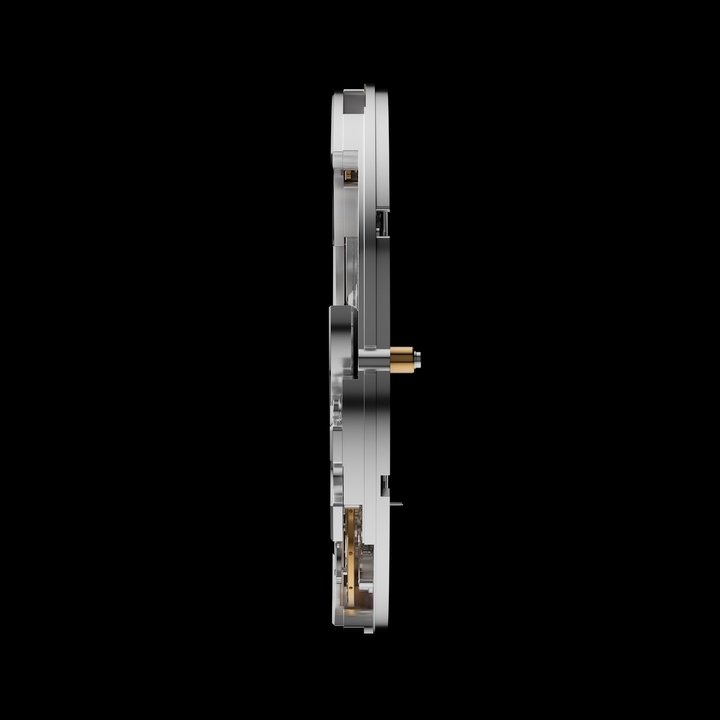
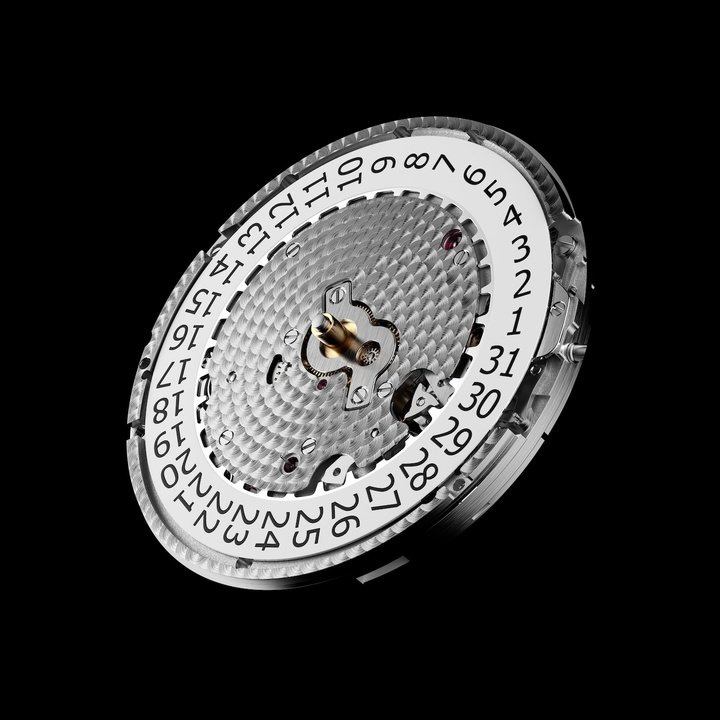
- The new VMF 5500 calibre, to be unveiled at EPHJ: 2.60 mm thick, 65-hour power reserve, fully customizable, and backed by an 8-year warranty.
Finally, what are your next major launches?
Stéphane Oes: We will unveil a new ultra-thin movement at this edition of EPHJ. The ultra-thin calibre 5500 will replace the 5401 while retaining the same dimensions to ensure compatibility with existing watches, but it has been entirely re-engineered from a technical standpoint to offer a 65-hour power reserve, 10-year reliability certification and a complete modernisation aimed at improving industrial performance and anticipating REACH regulatory constraints.
Jean-Noël Lefevre: These developments are part of our strategic ambition to offer reliable, durable and modular movements while maintaining a lead over market expectations.