
 Español
 Français
 Pусский
 繁體中文
 简体中文
 Select another language


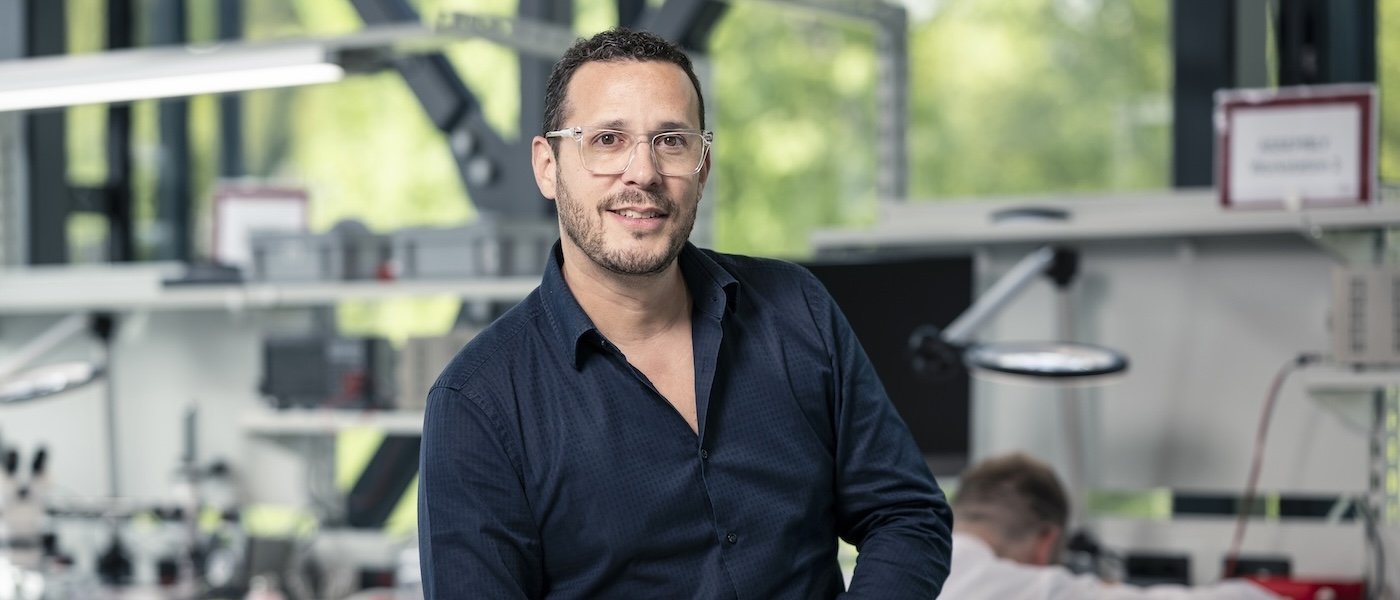
alérien Jaquet is a native son of Switzerland’s watchmaking heartland. Born in La Chaux-de-Fonds, he completed all his schooling there before earning his Swiss Federal Certificate of Competence in micromechanics. Technically minded from an early age, he loved model-making and mechanics. He went on to specialise in watch movement design, qualifying as a watch construction technician in 2000.
He then joined the family business, working alongside his father, the founder of Jaquet SA – which became Manufacture La Joux-Perret in 2003 and was acquired by the Citizen group in 2012. There, he worked his way through every aspect of the business, from CNC programming and the technical office to the watchmaker’s bench and machining traditional components on jig-boring machines.
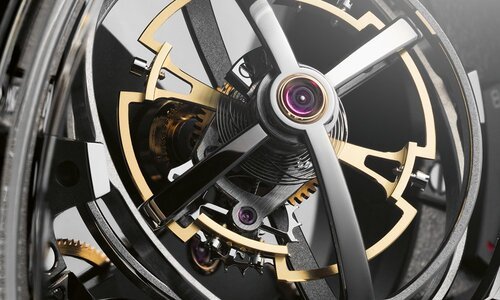
Drawing on this experience and his own vision, he helped develop the technical office. He recalls: “When I arrived, designs were still being drawn in 2D. I shook things up a little so we could move quickly to 3D.” At the time, Jaquet SA mainly worked with ETA movements, adding specific modules to the calibres. The first major turning point came when Corum commissioned a tourbillon.
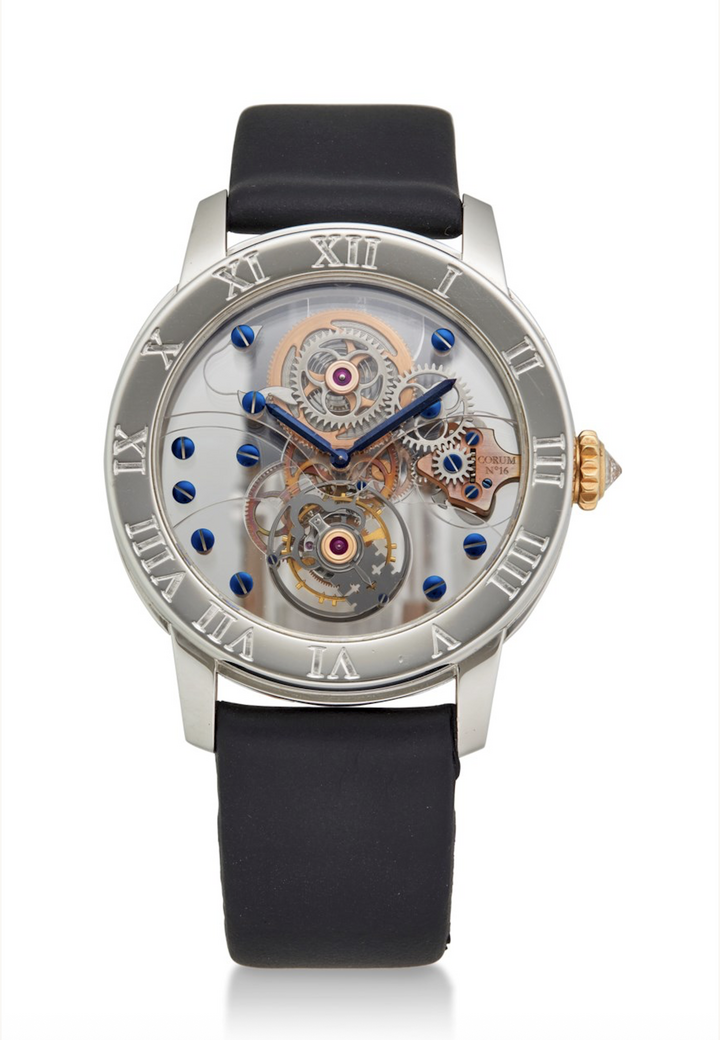
“That Tourbillon Saphir Mystérieux was my first major project in the technical office. From then on, its reputation grew. Other brands, such as Hysek and Louis Vuitton, placed their trust in us.” But after the family business was sold in 2001, Jaquet found his freedom and independence curtailed. He chose to leave in 2004.
A fresh start
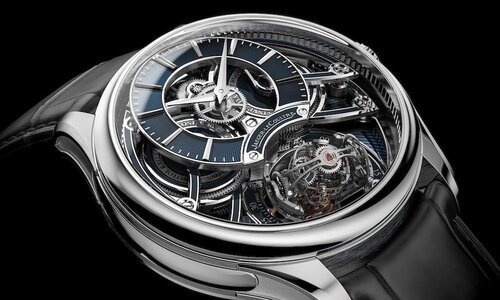
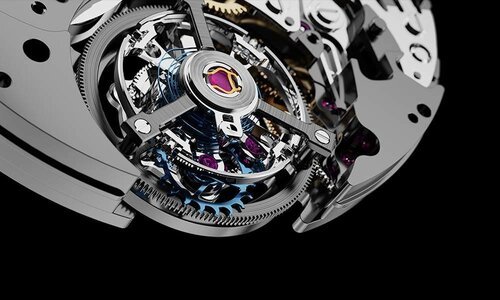
Valérien Jaquet needed a change of scene. He headed to Australia to learn English. “That was where, in 2005, I designed my first Concepto tourbillon, on a laptop I bought out there,” he reveals. He returned to Switzerland with the now-famous Tourbillon C8000, which marked the birth of Concepto as a watch movement design office in 2006.
“Now I had to sell the concept to brands. All I had were the drawings. I had to source the components from the Jura’s network of suppliers, wait for them all to be made, assemble them… only to discover that it didn’t work first time. I wanted to present a finished product – not just a beautiful image, but an actual working calibre.”

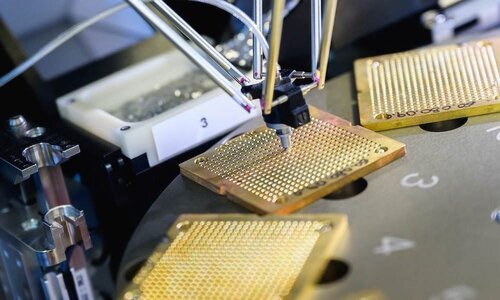
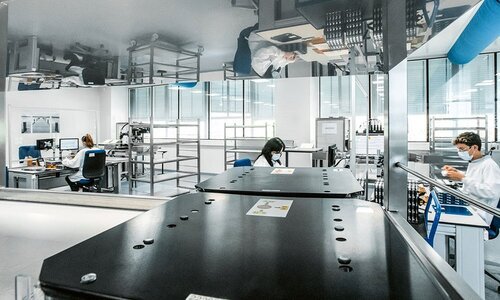
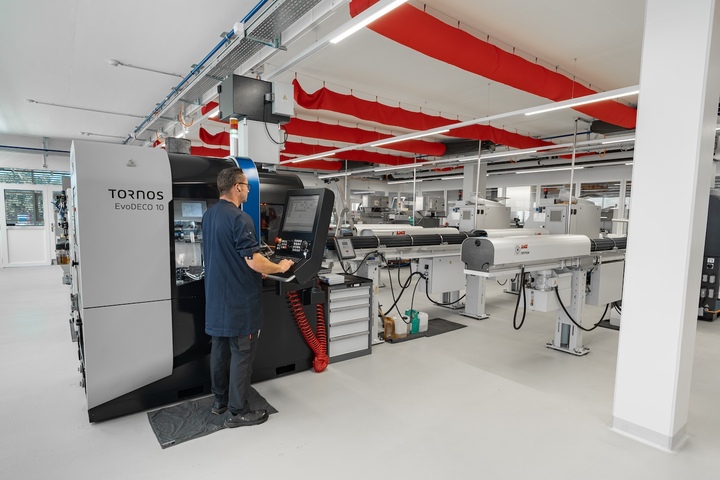
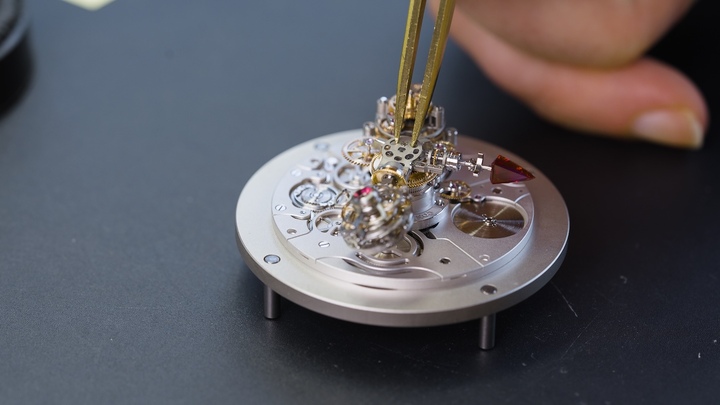
He adds: “The scale changes, lead times grow longer and quality becomes harder to control. The solution became obvious: I had to do everything myself.” So, in 2008, he bought his first machine to make bridges and mainplates, followed by another for moving components. Gradually, a machine fleet took shape. Concepto then brought decoration in-house, followed by watchmakers to assemble everything.
The birth of an integrated manufacture
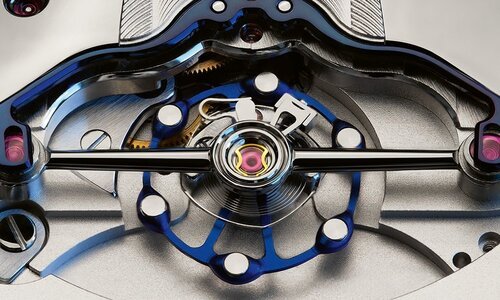
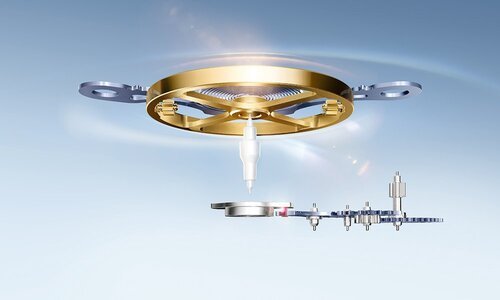
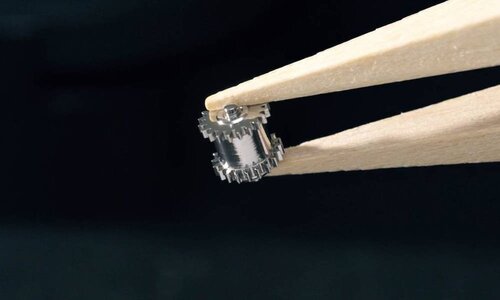
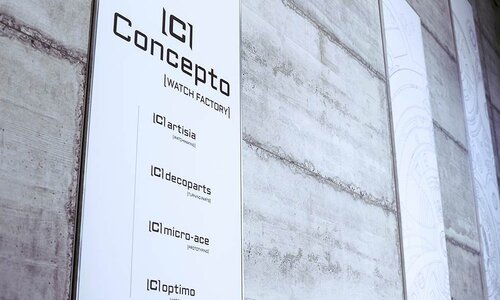
From that point on, the fiercely independent entrepreneur brought all the businesses needed to control the entire manufacturing process under one roof. Artisia SA, the watchmaking and prototyping department, had already been established alongside Concepto. Micro Ace SA had also existed since Concepto’s inception and was brought into the same building. Décoparts followed in 2008–2009, handling bar-turning and component turning. Optimo Assortments joined the group in 2012 to develop and manufacture regulating organs, balance-and-hairspring assemblies and escape wheels.
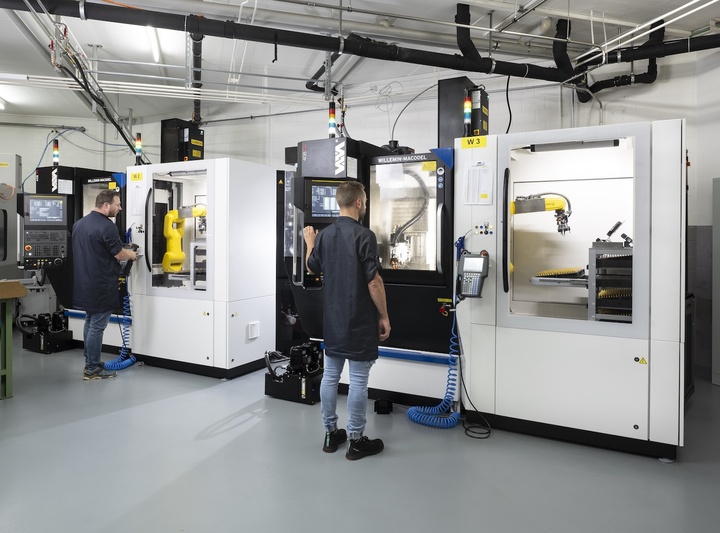
Everything sits within Concepto Holding, a wholly independent structure owned by Valérien Jaquet. The parallel with the development of the major watch brands is striking. Continuing in this vein, Concepto further strengthened its independence by joining forces with the Queloz family to establish Arts&Design Manufacture SA. This new entity brings artistic crafts – including engraving, enamelling, marquetry and miniature painting – fully into the manufacture, expanding its ability to create exceptional pieces.
A hallmark of trust
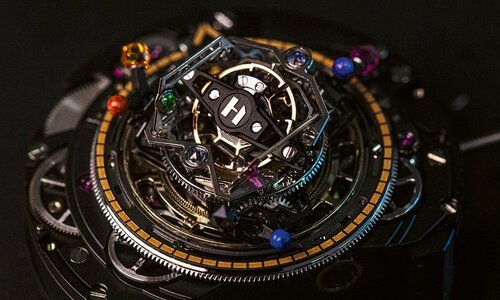
Over the years, Concepto has become a true hallmark of trust. Its CEO singles out two major projects that helped establish the company’s reputation for both creativity and quality: “The first was Jacob & Co, for whom we developed the Quadra with its four tourbillons arranged on a single plane. They trusted us from the outset and helped push us to our limits in terms of creativity and responsiveness. That was hugely motivating and shaped our vision and the way we work. The other is, of course, Bvlgari, with all the Octo Finissimo collections, including the ultra-thin tourbillon in 2012.”
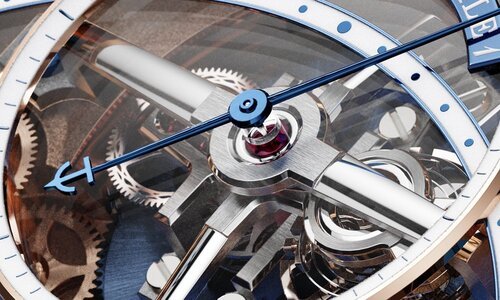
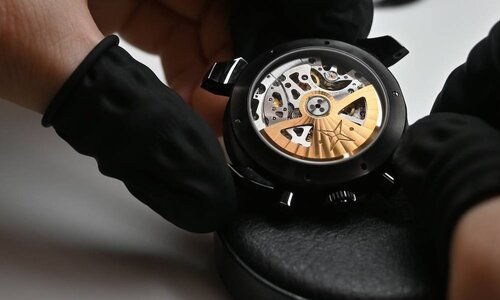
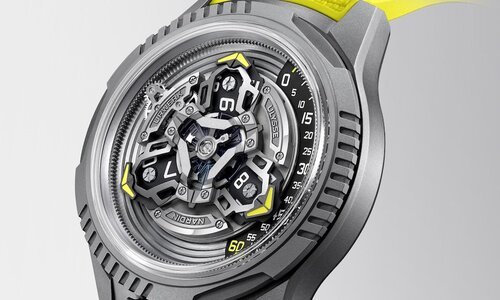
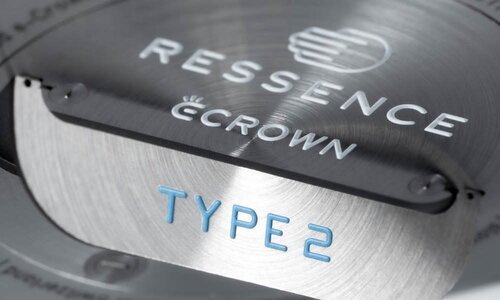
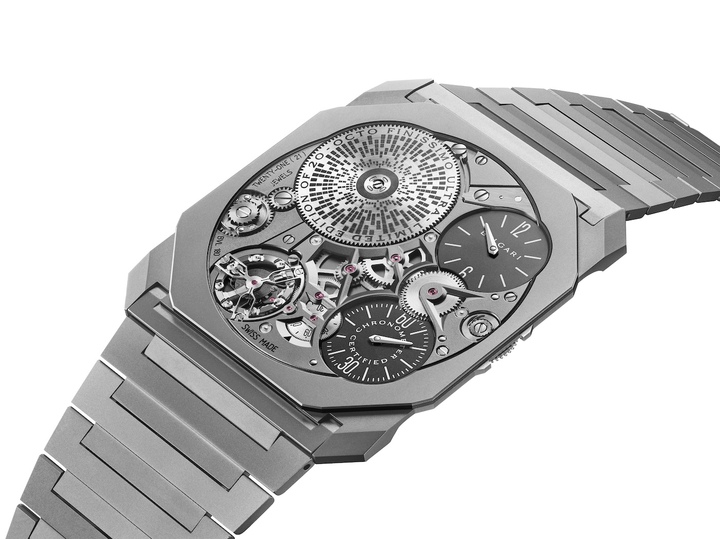
Concepto’s achievements are numerous. To name just a few: Parmigiani Fleurier’s magnificent Tonda PF Chronographe Mystérieux, which impressed at the latest edition of Watches and Wonders; the C01301 calibre in the Ressence Type 11; the calibre powering Corum’s new Admiral collection; Bvlgari’s Octo Finissimo Ultra Tourbillon, measuring just 1.85 mm thick; the micro-rotor movement for Bell & Ross; and Edouard Koehn’s limited-edition Legacy Rattrapante.
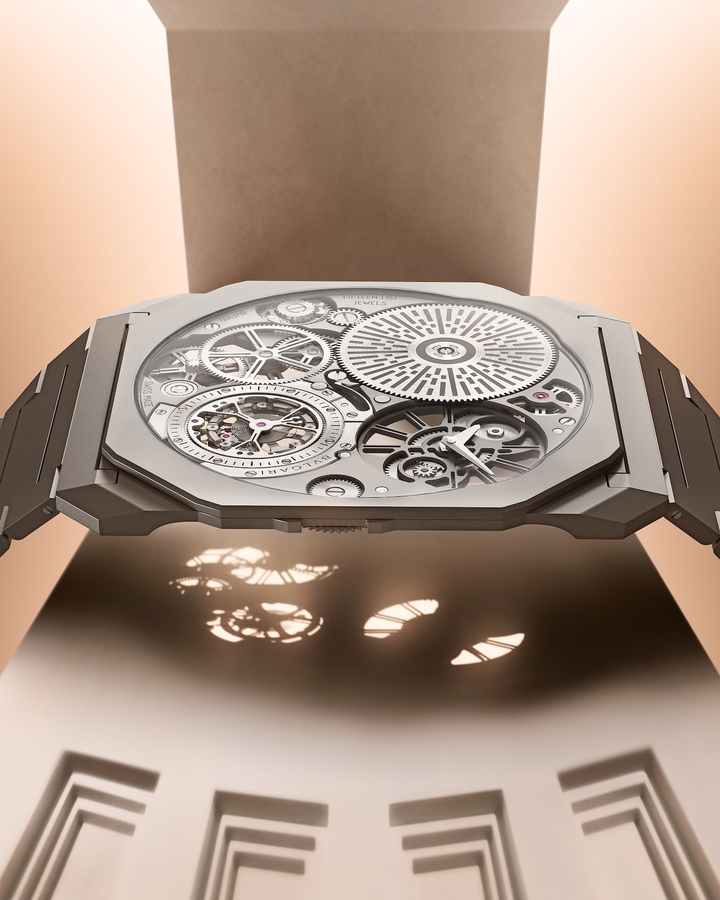
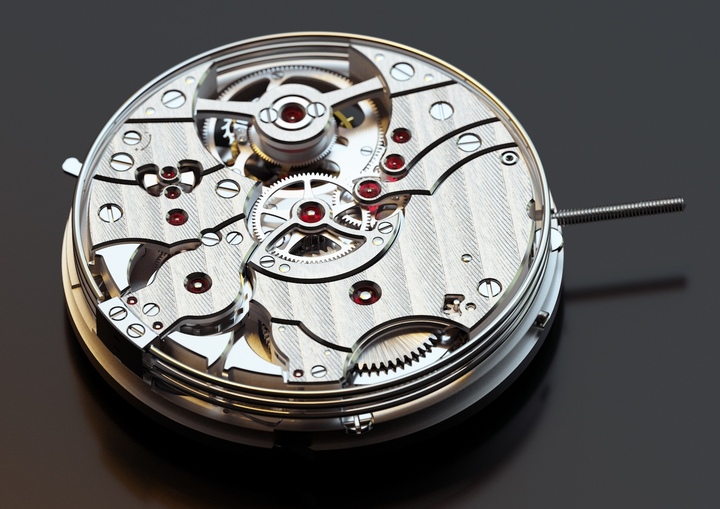
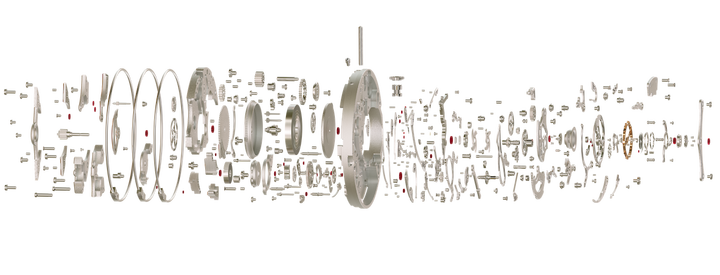
All these models embody the expertise of this integrated company. Yet Concepto continues to draw on the Jura watchmaking ecosystem from which it emerged. “We are vertically integrated. We can make every component ourselves, apart from mainsprings and jewels. But we don’t make everything for every movement. I’m not going to tie up a bar-turning machine making screws, for example. In that case, I’ll turn to a local specialist,” explains Valérien Jaquet.
The Concepto “Watch Factory” currently produces around 30,000 movements a year, including 15,000 to 20,000 chronographs, also benefiting the region’s wider watchmaking industry.
The keys to success
What explains the success of this independent manufacture serving other brands? Its focus on complications, and therefore primarily on the high end of the market, certainly reflects the evolution of watchmaking. But its CEO identifies other decisive factors: “First and foremost, it was our creativity that made our name. Even today, in eight cases out of ten, we develop concepts ourselves and then present them to brands. Next, our ability to execute very quickly is one of our hallmarks. Our vertical integration makes that possible. Finally, what we make and deliver works! That reliability is another key to our success.”
With its focus on the high and very high end of the market, might Concepto consider diversifying into the entry-level segment? Its CEO is unequivocal: “I thought about it, but very quickly abandoned the idea. It’s not our area of expertise. We don’t do large-scale industrial production for high volumes. We remain focused on limited series with high added value.”
With its equipment, expertise and reputation, Concepto could also launch its own brand. Why not do so? Here, too, the answer is clear: “It’s a different business. Distribution, promotion and marketing are not our trades. Even though I contribute to those stages in collaboration with our client brands, I prefer the diversity of the work we do. I don’t want to be constrained by a single identity or one brand’s vision. That diversity also allows us to develop our skills.”
What comes next?
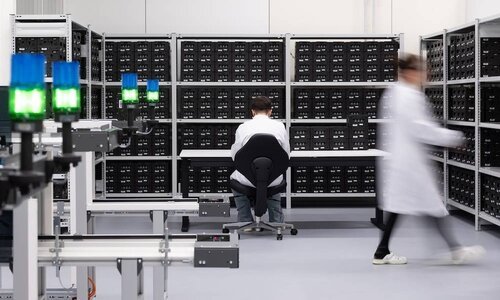
In 2026, Concepto employs 180 people and operates more than 150 machines. The company reports turnover of close to CHF 60 million – considerably more than many of its clients.
What are its goals for the future? “Further strengthening our credibility and quality remains our priority,” says the La Chaux-de-Fonds native. “Constantly improving what we already do, avoiding growth for growth’s sake, and staying independent!”
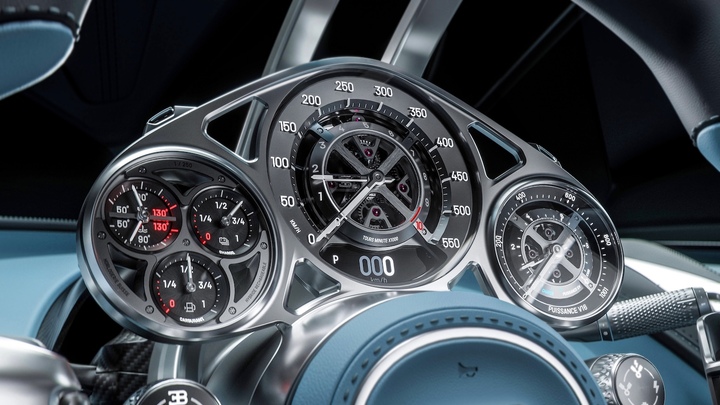
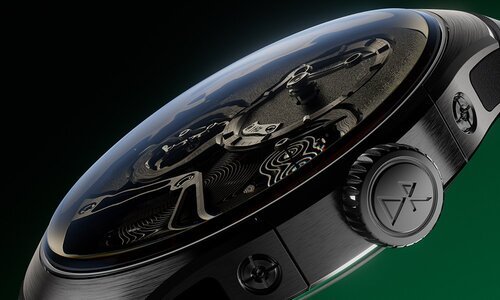
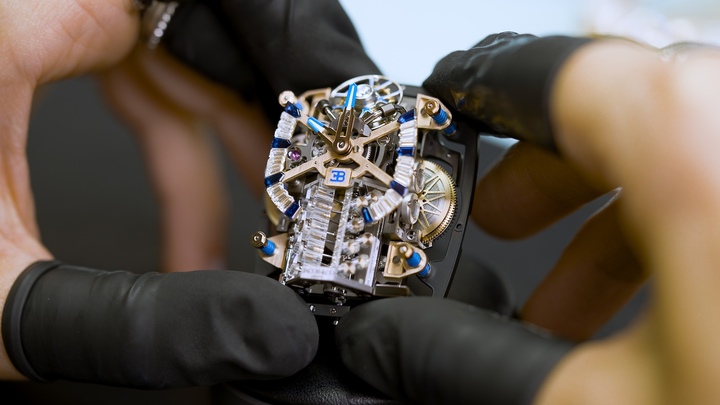
The company is also exploring other fields: “Our work with Bugatti opens up new horizons. The contract was signed in 2021, and the finished product came out this year. It shows that we can put our watchmaking expertise at the service of the automotive industry.”
Concepto certainly has more surprises in store. As Valérien Jaquet assures us: “We have many creations in the pipeline. All of them continue to embody our values of creativity, reliability and quality.”