
 Español
 Français
 Pусский
 繁體中文
 简体中文
 Select another language



hould we go back to Basel? Ever since Basilia was announced, the question has kept coming up in watch industry conversations, usually followed by another: who will be there? Memories of Baselworld are still vivid. There is nostalgia for the international gatherings, but people also remember the costs, the restrictions and the strained relationship between some exhibitors and the organiser.
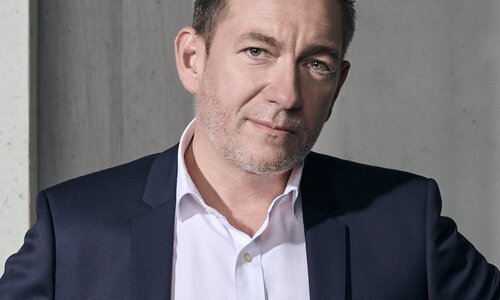
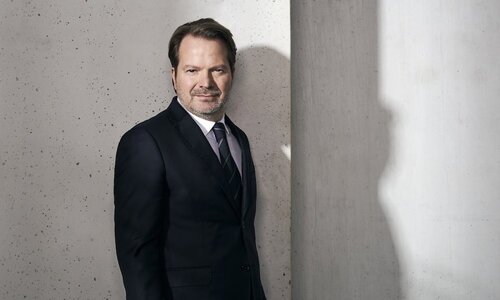
“I’d ask people to judge us by what we do today,” says Roman Imgrüth, CEO of MCH Exhibitions & Events. A former elite athlete, he was not part of the team that saw Baselworld come to an end. “We’re not trying to recreate the same fair. The old model is gone. The market has changed, and so have the buyers. The past isn’t coming back.”
The starting point for Basilia is what the trade needs today. Billed as an international fair where buyers can place orders, it is aimed at multi-brand retailers, chains, department stores and distributors.
The fair will bring together branded, unbranded and private-label jewellery, alongside watches, gemstones and related services. On the watchmaking side, the emphasis is on multi-brand groups, mid-sized companies and emerging brands looking for new outlets.
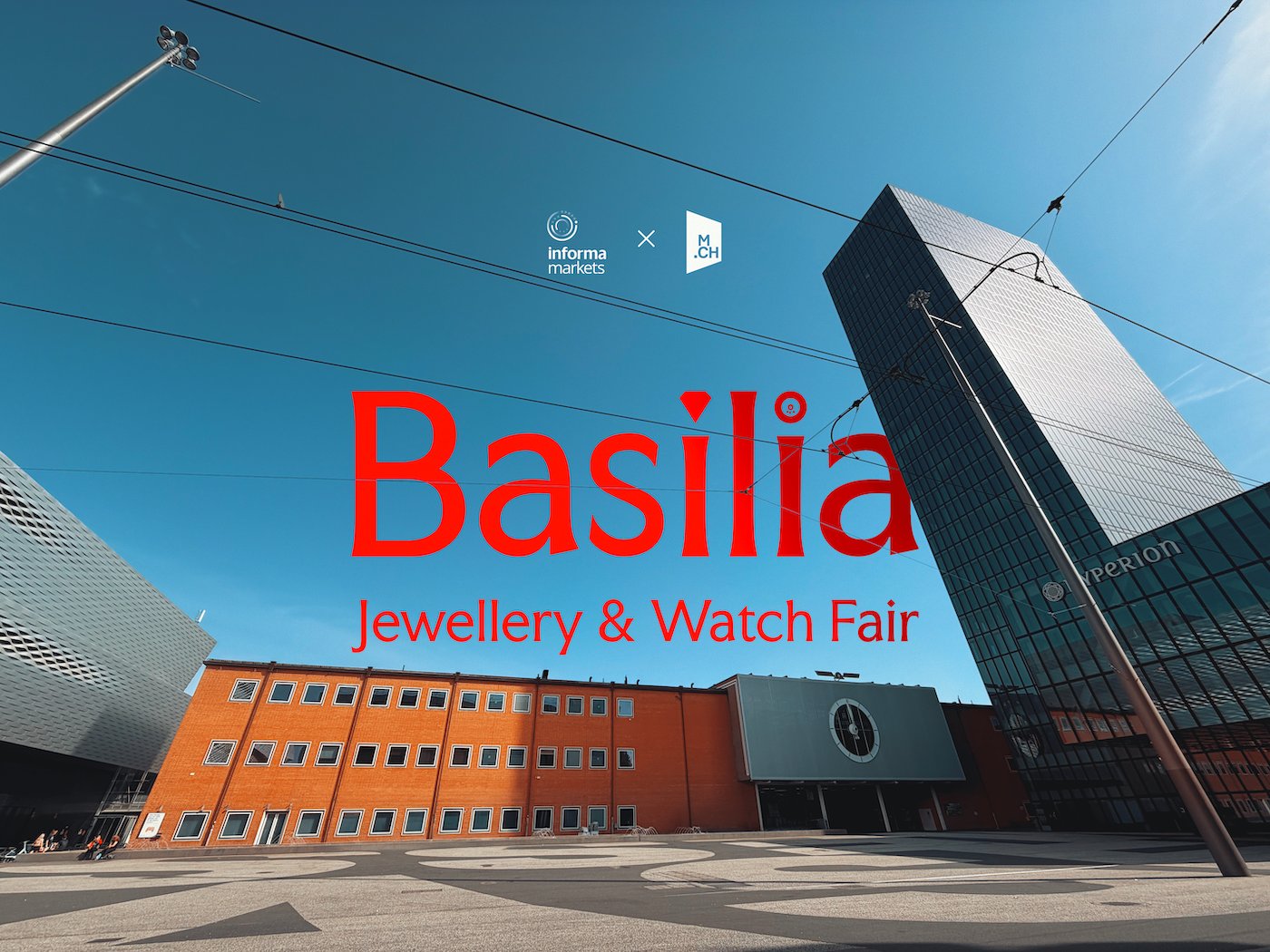
The first edition will take place from 8 to 11 April 2027 in Hall 2 at Messe Basel. Three trade days will be followed by a public day on the Sunday. The organisers are aiming for more than 400 exhibitors, products from over 35 countries and more than 6,000 trade buyers.
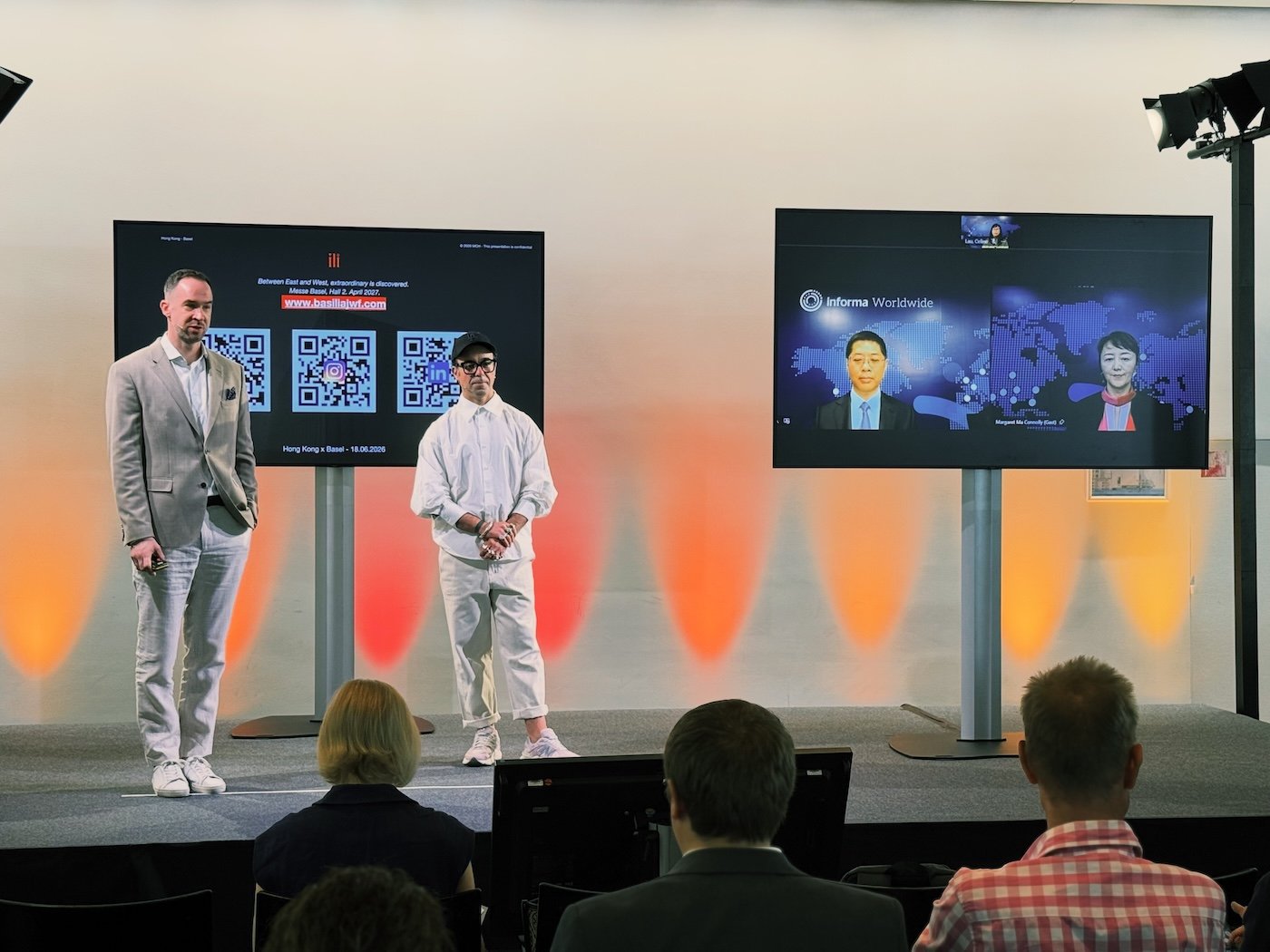
To reach them, MCH has partnered with Informa Markets, whose international portfolio of jewellery and gem fairs gives it access to an extensive network of exhibitors and buyers. The question now is whether that reach can translate into a fair people will keep coming back to. For Imgrüth, the first edition is the start of a process that will take several years. “We won’t be able to do everything at once,” he says. An initial list of exhibitors, most of them from the jewellery and gemstone sectors, is expected shortly.
Europa Star: Why launch a new watch and jewellery fair in Basel now? What need will Basilia meet?
Roman Imgrüth: We see room in Europe for an international fair where watch, jewellery and gemstone companies can meet buyers from around the world.
Much of the attention has shifted to specialist events and the major luxury houses. There’s a much broader segment of the industry that needs somewhere to develop international business relationships. We want to meet that need alongside the fairs that are already working well.
What encourages me is that, in our conversations, people rarely question whether that need exists. What they want to know is how they can take part, whether the dates work and who else will be there.
Which watch companies do you hope to attract?
We’re not targeting the very top end of the market. Those houses already have good options in Geneva.
Among emerging brands, business models vary. Some make very small numbers of very expensive watches. Others want to increase production but have yet to establish international distribution. That second group in particular is one we can help.
We’re also talking to established brands and multi-brand groups in the mid-market, some of which sell in considerable volumes. They, too, need to meet international retailers and distributors.

How much of the fair will be devoted to watches, alongside jewellery and gemstones?
We expect watches to account for about a quarter of the fair, with jewellery and gemstones making up most of the rest. The response from the jewellery trade has been particularly strong. On the watch side, there are more conversations to be had because companies’ needs vary more widely.
What matters is to look at the fair through the buyer’s eyes. Many retailers sell both watches and jewellery. We want them to find what they need for their business in one place.
Why put multi-brand retailers at the heart of Basilia?
Retail in Europe is still highly fragmented. A retailer might stock branded watches and jewellery, sell designs of its own and run a workshop. Unbranded or private-label jewellery can account for a significant share of its margin, while the brands help bring customers through the door.
These retailers need interesting products, including pieces their competitors don’t yet carry. Both independents and mid-market groups can offer them that.
Our job is to put together the right mix for those buyers. When exhibitors pay for a stand, what they’re buying is access to distribution networks.
Will suppliers and private-label manufacturers also have a place?
Yes. They’re part of the same business. For an emerging brand, building a network can mean finding distributors, but it can also mean meeting manufacturing partners or suppliers.
Equally, there are manufacturers around the world looking for a way into Western markets. Companies offering packaging, displays, tools, equipment and services can also bring something to the fair.
Watches, jewellery and gemstones remain at its heart. Anything we add has to be of genuine use to the people taking part.

There’s one question that keeps coming up: which watch brands have confirmed?
We have commitments, including from watch companies. We’ll coordinate the announcements with the brands concerned and respect their own communications schedules.
I understand why people ask. With a new fair, everyone wants to know who else is coming. There’s always a period when people hold back until the first names are announced.
But we’re building this fair over several editions. Whether a brand or a group joins us in the first year or comes on board later makes no difference to our commitment. It’s up to us to give them good reasons to come and to keep coming back.
How important is it to have Swiss brands there?
It’s essential. We want a mix of Swiss and international brands, and overseas exhibitors and buyers alike expect a strong Swiss presence.
For all the difficulties the industry is facing, the Swiss Made label still has considerable appeal. We’d like to help sustain that. The exact mix will become clearer as registrations come in, but Swiss brands are an important part of our plans.
In practical terms, what does the partnership with Informa Markets bring?
It’s a joint venture, and both partners are investing in it.
Informa has extensive international networks in the jewellery trade, with exhibitors and buyers across Asia, the Middle East, the Americas and Europe. Its ability to bring those people to Basel is a major part of what we can offer.
For a time, our priority was to stabilise MCH. After that, we took a fresh look at how these markets were changing and where we could meet a need. We’d been discussing a possible collaboration for some time.
I’m convinced that working together puts us in a stronger position and lets us build a better fair more quickly. We take the same approach in other sectors, working with partners whose expertise complements our own.
Your presentation mentions an Informa portfolio of more than 13 fairs and a network of 200,000 buyers. How do you turn that international reach into a relevant audience for Basilia?
Bringing the right buyers to Basel is one of our biggest investment priorities, particularly in the first few years.
We’re setting up a hosted buyer programme. Who we invite will depend on who exhibits. We need to understand which buyers our exhibitors want to meet and then work on getting those people to Basel.
There’s little point in inviting buyers whose needs bear no relation to what’s on show. What counts beyond the visitor numbers is whether the meetings are worthwhile. We need to invest in bringing people who can open up new business for our exhibitors.
What would you say to a brand that already exhibits at other European fairs? Why add Basilia to its calendar?
It depends on what the brand wants to achieve. If it wants to build or expand its international distribution network, we believe we can introduce it to buyers from several regions.
That’s what keeps coming up in our discussions: the appeal of a meeting place in Europe where a brand can see prospective customers from the Middle East, Asia and other markets.
It needn’t be a case of choosing one fair over another. Different events can serve different commercial purposes.
Basilia opens on 8 April, the last scheduled trade day in Geneva. Are you mainly counting on buyers who will already be in Switzerland?
It’s a significant opportunity. International buyers will already have made the trip. We want to give them a reason to extend their stay and see something different in Basel.
We do have to remember, though, that Geneva and Basel draw different audiences. The buyers who go to Geneva won’t all be the buyers our exhibitors need to meet. We’ll also have to reach out to buyers independently.
We’re working with tourism and rail partners to make the journey easier. We want getting to Basel to be as straightforward as possible for the people we hope to welcome.
People have difficult memories of Baselworld when it comes to hotels, minimum stays and costs. What assurances can you give them?
We knew accommodation would be one of the first concerns. Even before we launched the project, we worked with hotels to secure a substantial number of rooms at attractive rates. More than 2,500 rooms across several categories are available under the arrangement we announced with Basel Tourismus.
We have experience of doing this for major conferences and international events. We’re not starting from scratch.
Basel has also learnt from the past. We’re working with local hoteliers on booking conditions, pricing and how guests are welcomed. That extends to restaurants and to understanding what visitors from different cultures may need.
A fair organiser can’t control every establishment in a city. But the local hospitality industry is genuinely committed.
What will change in your relationship with exhibitors?
We have to develop the fair with our customers. They should be able to see a clear relationship between what they pay and what they get in return.
We’re planning several ways to take part. A small brand should be able to come without having to manage a complicated stand build. A larger company may already have a stand and presentation guidelines it uses worldwide. We have to accommodate both within the fair’s overall design and technical requirements.
The product should be the star of the show. The setting needs to be welcoming and fit for purpose, but spending more on a stand doesn’t automatically bring in more business.
We also know we have to demonstrate that in practice. I’d ask people to judge us by what we do today.
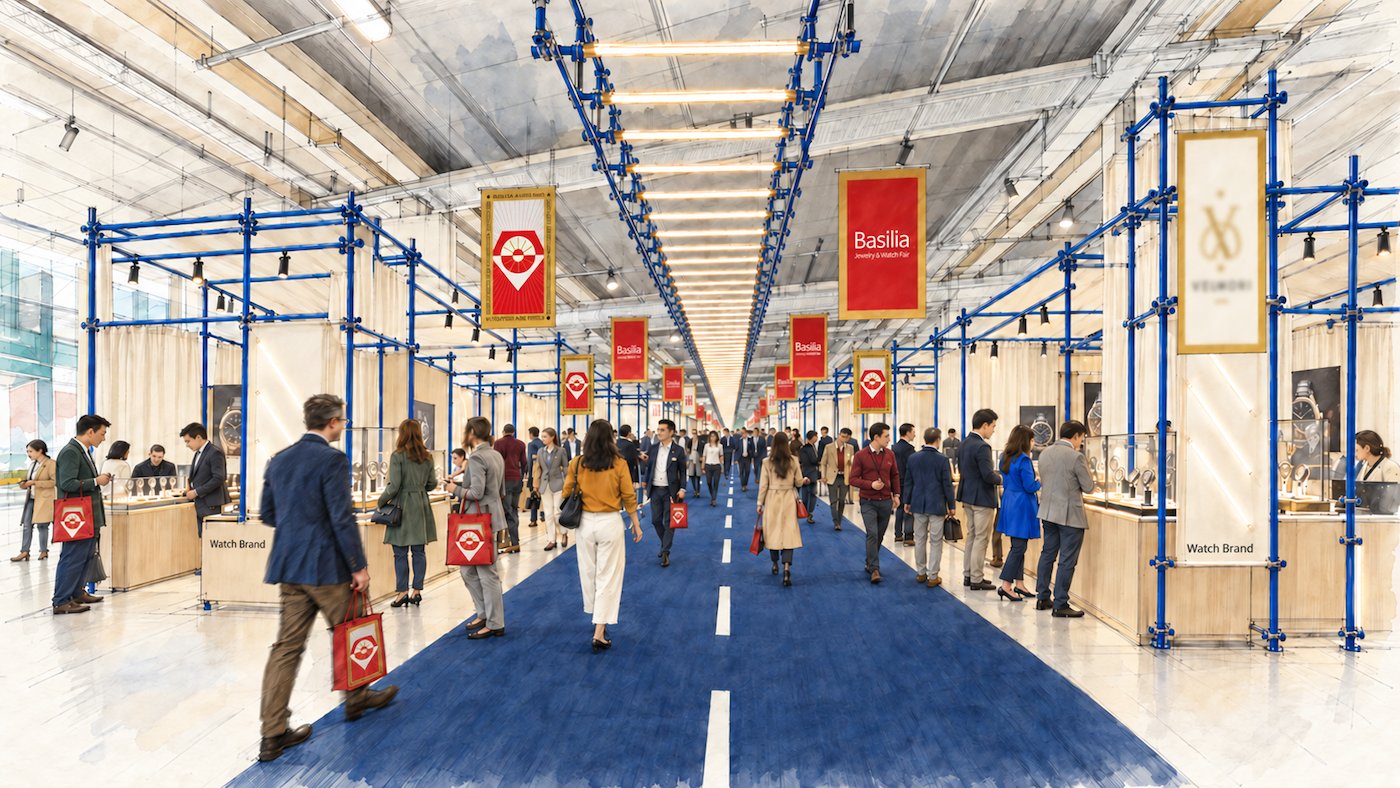
Hall 2 will be laid out like a small town, with neighbourhoods, avenues and a central square. How will that help people do business?
We want to make the most of the building and make it easy to get around. The central square will be somewhere to have a coffee, get something to eat or meet between appointments. Each of the different areas will connect to it.
Watches and jewellery will have clearly identifiable areas. We don’t want to mix everything together. Exhibitors need a setting that makes sense for their category, and buyers need to be able to find their way.
We’re keeping the design simple. It should put the products in view, bring people together and make it easier for them to work. The design should never become an end in itself. We’re still working through the details with participants.
The fair has three trade days and one public day, on Sunday 11 April. What role do you see for consumers?
The trade is our priority. That’s where we’re concentrating our efforts for the first edition.
But people have an emotional connection to watches and jewellery, and some exhibitors would also like to meet consumers. We want to give them that opportunity while leaving others free to choose what suits them.
The public day is a first step. We’re also developing activities in the city that could give exhibitors other ways to meet consumers. In time, we may do more around Basel itself, while the exhibition halls remain the place to do business.
What do you have in mind outside the halls?
One thing we want to offer is places where people can get together after the fair closes for the day.
Some companies will host their own guests. Others won’t have the budget, or simply won’t want to organise everything themselves. We’d like to offer them options too.
Part of what makes a fair successful happens outside the exhibition halls, in the restaurants and bars where conversations carry on. People should be able to get their work done, enjoy themselves and look forward to coming back.
Could you create a dedicated space for young brands, with a selection process and support for those taking part?
Absolutely. For the first edition, though, our priority is getting the buyers here. After that, we can invest in other initiatives, including a programme for emerging brands. We can’t do everything at once, but we’ll need to keep developing what the fair offers.
What support are you getting from the city and the Basel authorities, who are also your main shareholders?
The response from both political representatives and local businesses has been very positive. There’s real enthusiasm for bringing the international watch and jewellery community back together in Basel.
But we’re not trying to recreate the same fair. The old model came to an end for several reasons. The market has changed, and so have the buyers.
The past isn’t coming back. We’re concentrating on what the industry needs today and on building a fair that can serve it in the years ahead.
What’s your biggest challenge between now and April?
Making clear to each of the groups we want to attract what the fair can do for them.
An established fair can point to previous editions. With a first edition, you have to give people a tangible sense of something they haven’t experienced yet. And everyone looks at what the others are doing before making a decision.
Time is always a constraint. But we’ve made a commitment for several years. We see considerable potential and know it will take several editions to build the fair.
There’s something particular about a trade fair: its customers are also part of what it has to offer. The exhibitors make it worth attending for the visitors, and the visitors make it worth attending for the exhibitors. We need the industry to build this fair with us.
That takes trust, and you earn trust through what you do. We believe there’s room to bring these communities together in Switzerland, alongside the events that are working well elsewhere.
This isn’t an experiment. It’s a commitment to an industry and to a fair we intend to develop over the long term.