
 Español
 Français
 Pусский
 繁體中文
繁體中文 简体中文
简体中文 Select another language

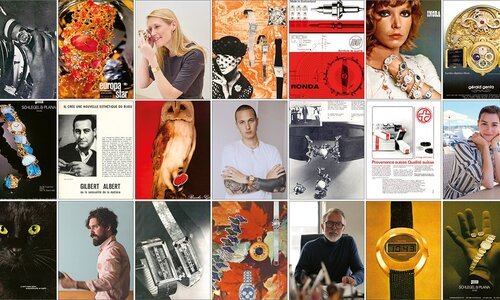
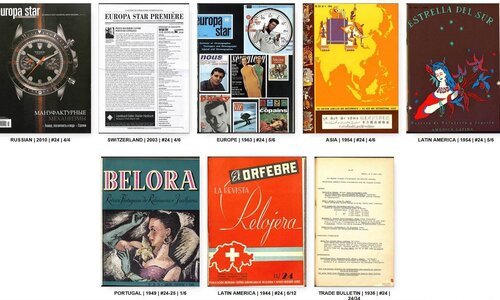
he modern luxury industry has its share of companies which, having almost disappeared, went on to enjoy a second lease on life. Eager to harness the legacy or skills that come with these storied names, entrepreneurs have been buying and relaunching these sleeping beauties, more or less successfully. It’s a subject that warrants greater attention from a luxury brand management perspective. Meanwhile, the Europa Star archives contain a wealth of information on this topic.
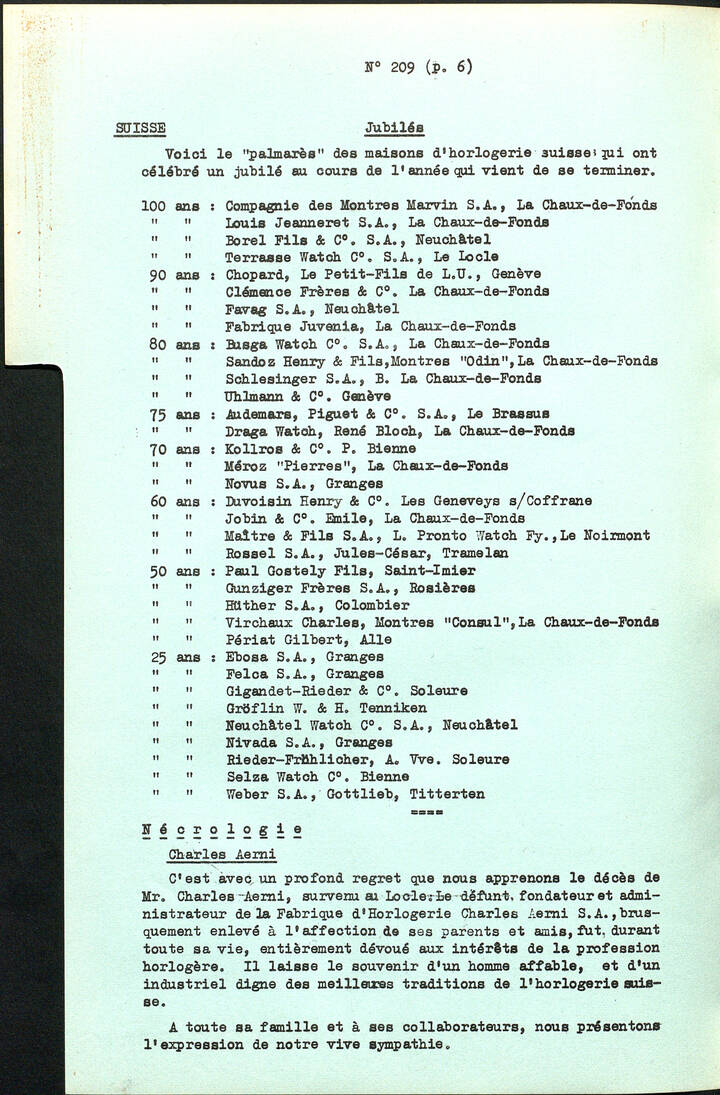
Chopard is an excellent example of these “reawakened” brands. Established in 1860 in Sonvilier, in the Bernese Jura, this family firm moved to Geneva in 1937 so as to be closer to its clientele. A small business, it struggled to remain competitive post-Second World War in an increasingly global market. The brand’s almost complete absence from the Europa Star archives prior to the early 1960s bears witness to its difficulties and weaknesses. The only mention, in 1950, is in a list of brands celebrating an anniversary – its activity and products failed to catch the magazine’s attention.
In 1963 Chopard was bought by Karl Scheufele. A businessman, goldsmith and watchmaker from Pforzheim, Germany, he was heir to his family’s watch and jewellery company which, like others, such as Cartier, sourced its movements from third-party suppliers. However, Karl Scheufele wanted to bring the watchmaking process in-house and control every stage in the launch of his company’s gem-set watches. His acquisition, for a good price, of a small Swiss watch manufacturer was part of that plan. A couple of years after Piaget opened on Rue du Rhône in Geneva (in 1959), Chopard returned as a jewellery brand.
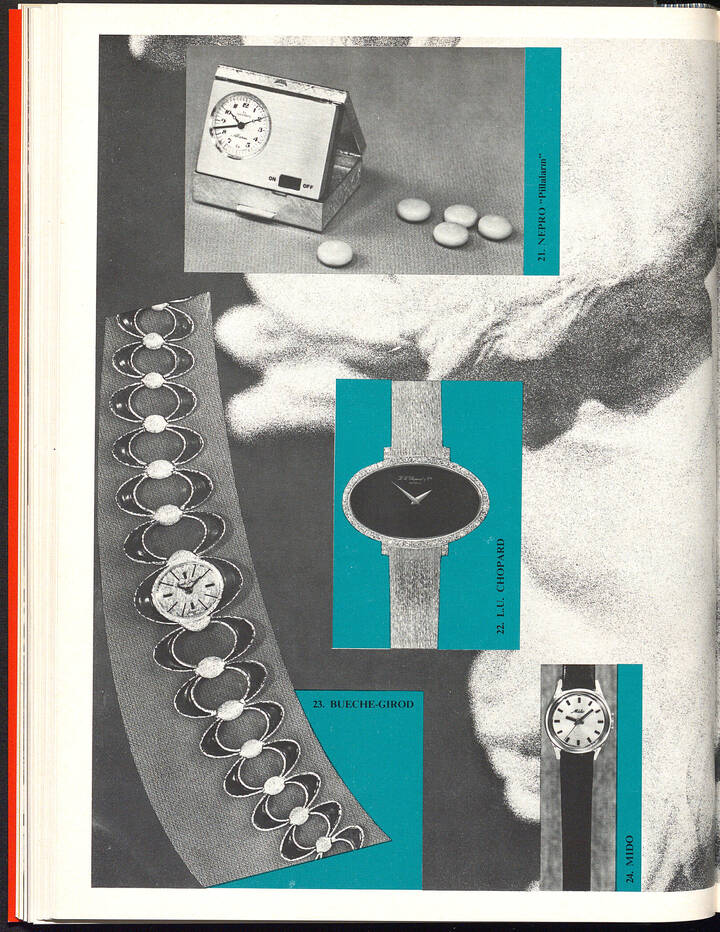
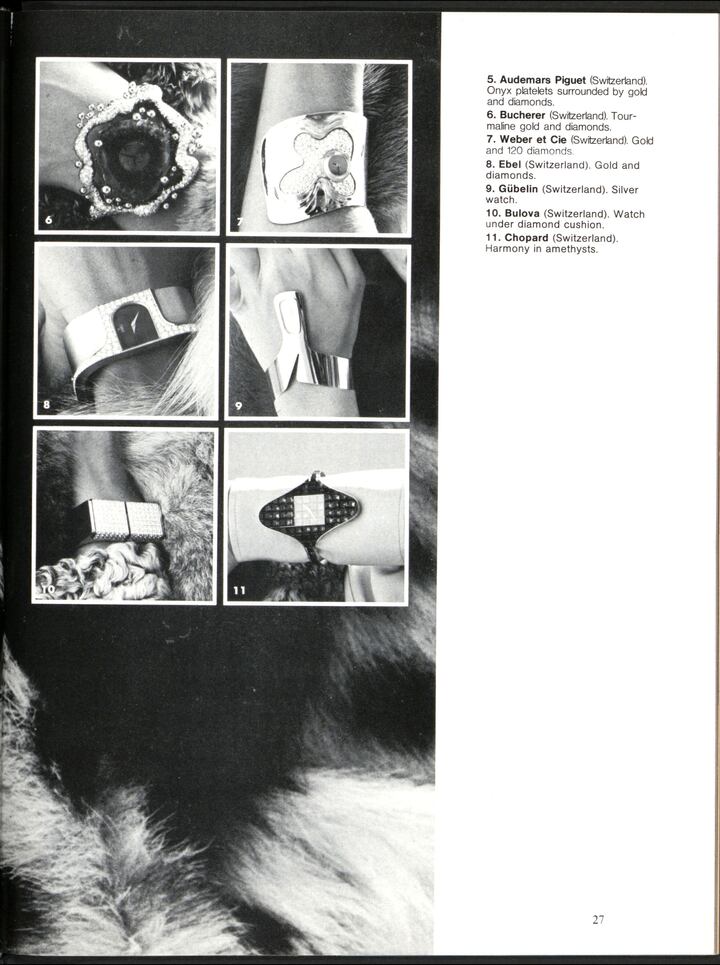
Karl Scheufele also continued to sell jewellery under his company name.
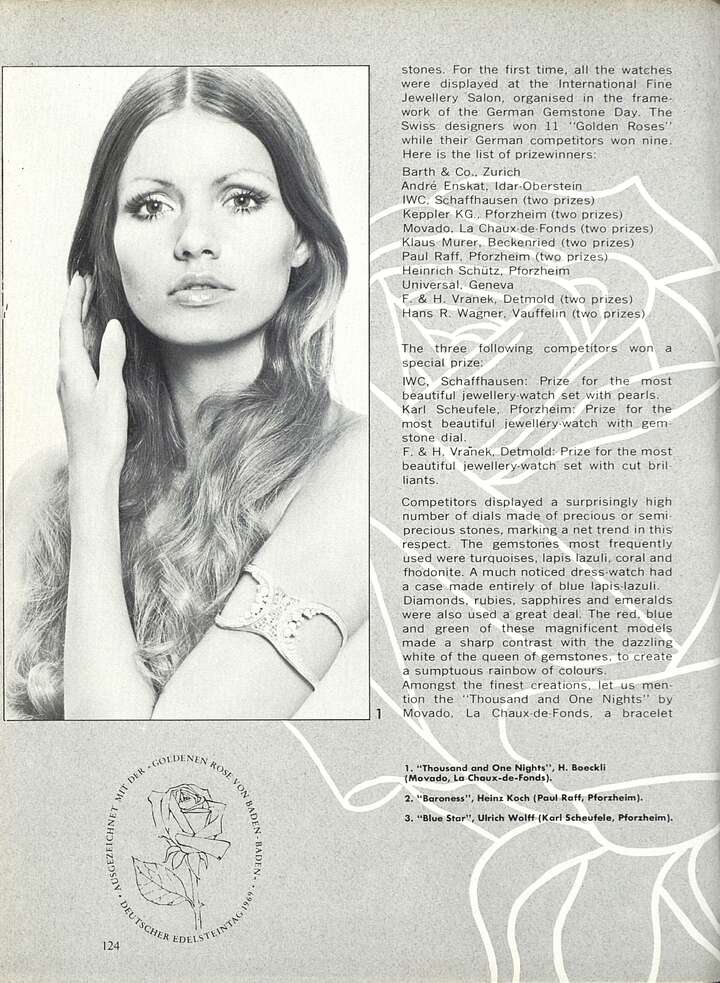
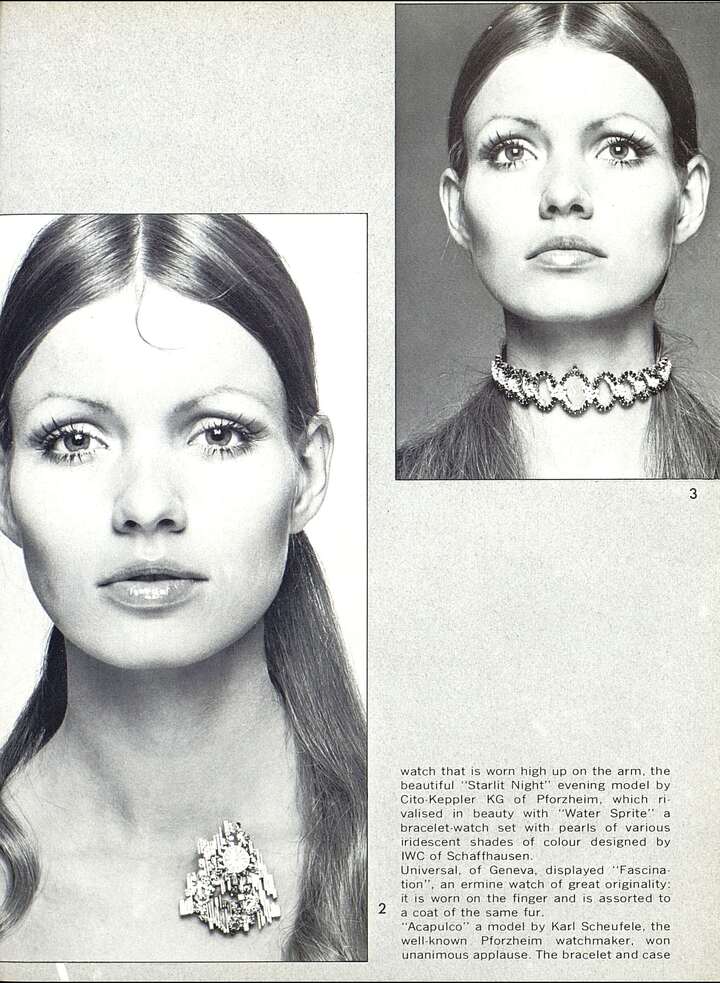
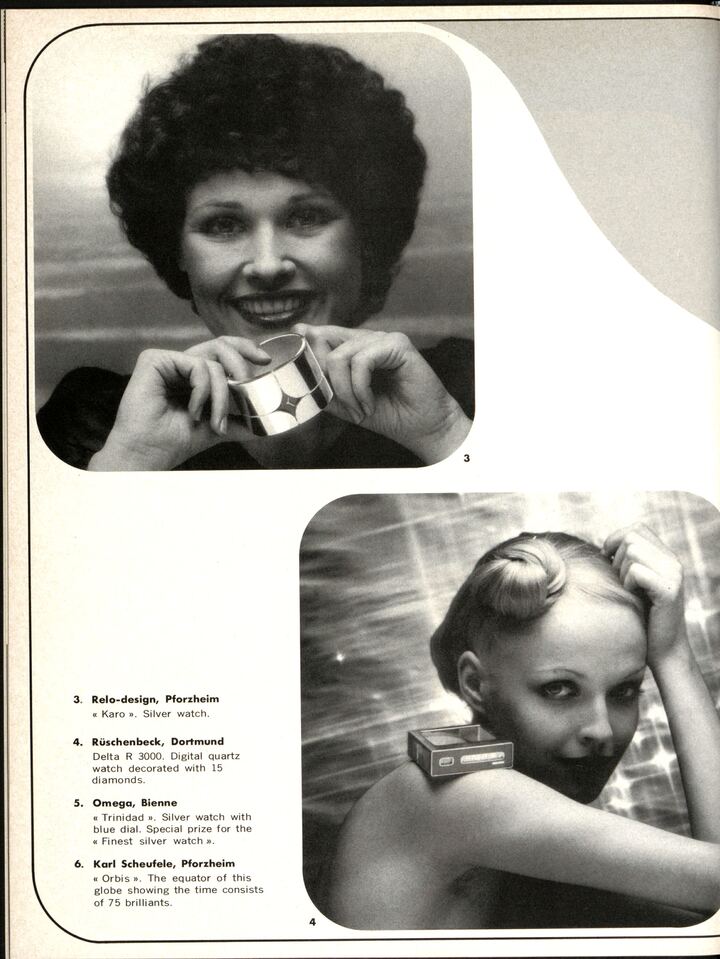
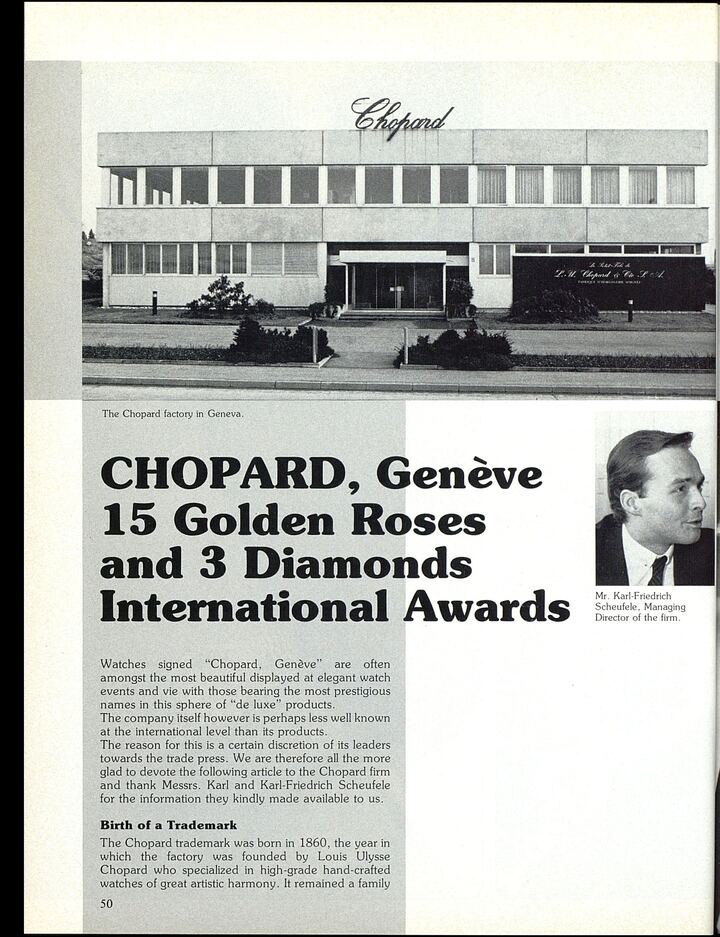
A first milestone in the newly acquired company’s history occurred in 1974. As the Swiss watch industry fell deeper into crisis, Chopard opened a production facility in Geneva-Meyrin.
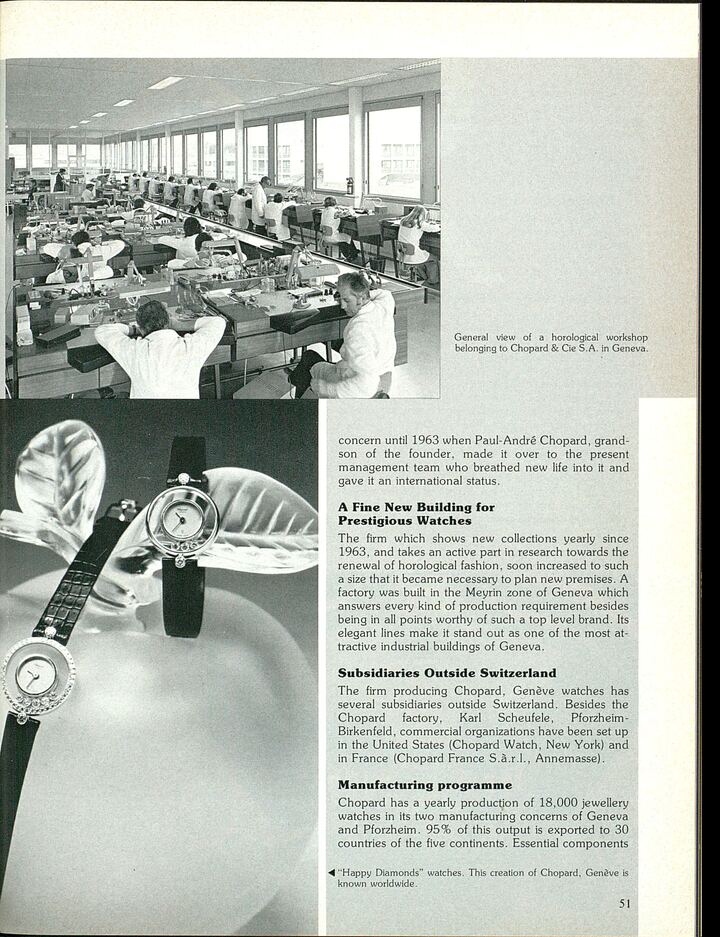
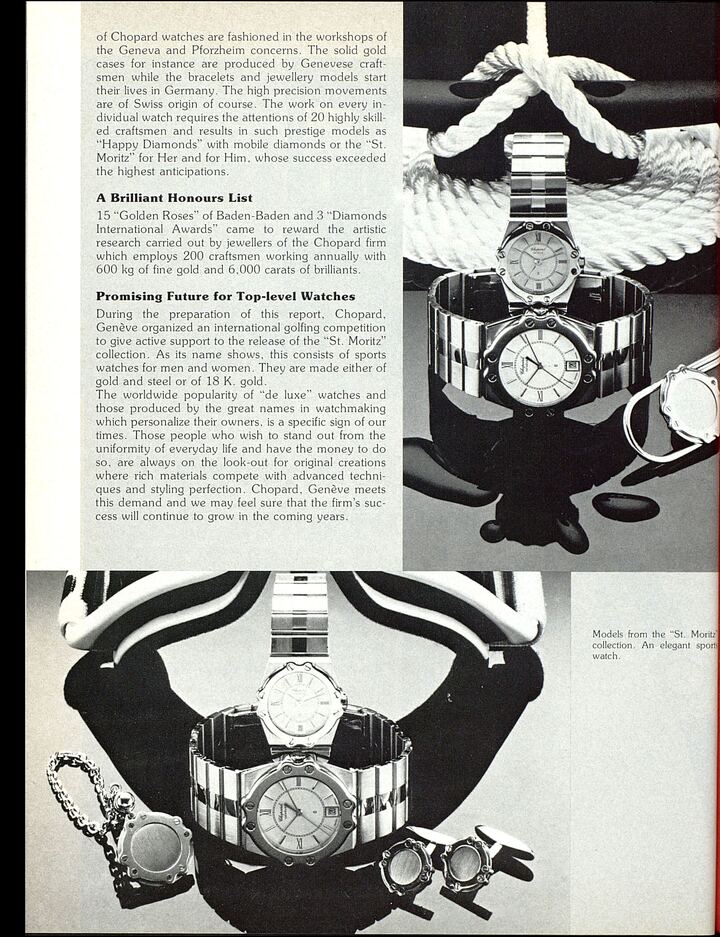
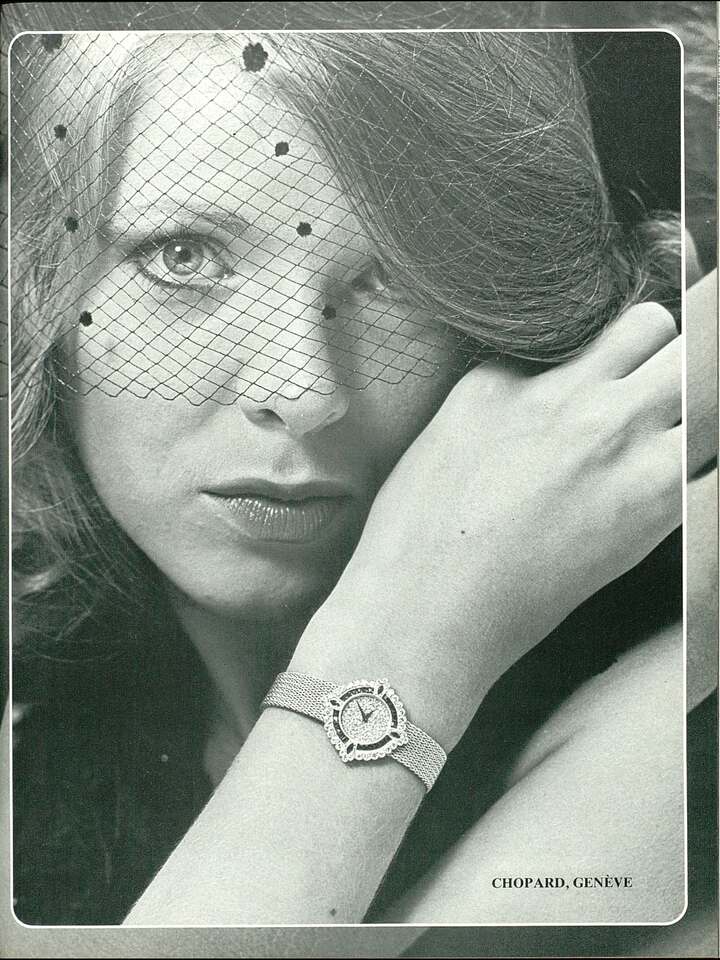
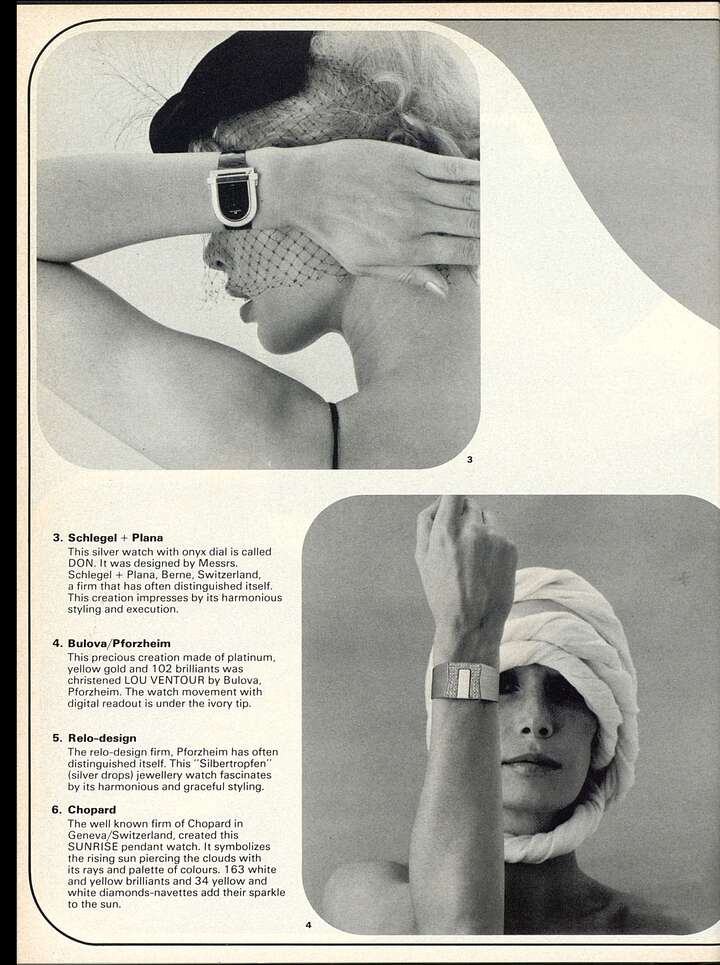
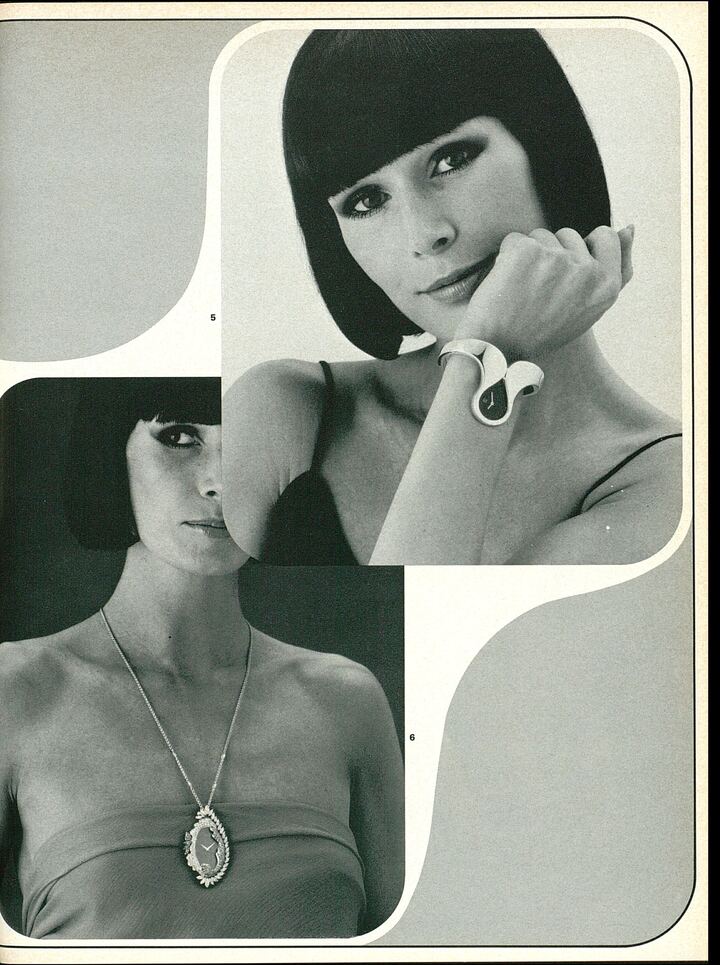
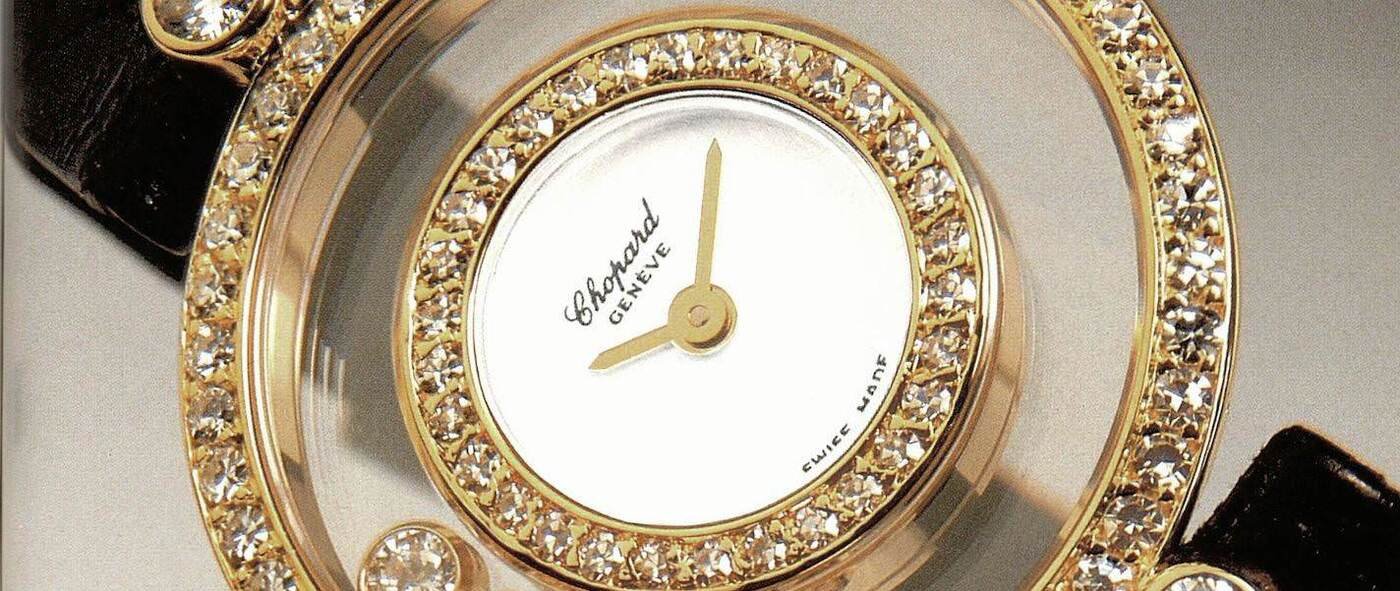
The company launched a succession of gem-set watches including, in 1976, the Happy Diamonds, named for the diamonds that float around the dial between two sapphire crystals. This future icon defined Chopard, in the public eye, as a maker of women’s jewellery watches, despite also producing models for men… in fact the Happy Diamonds was originally also a man’s watch.
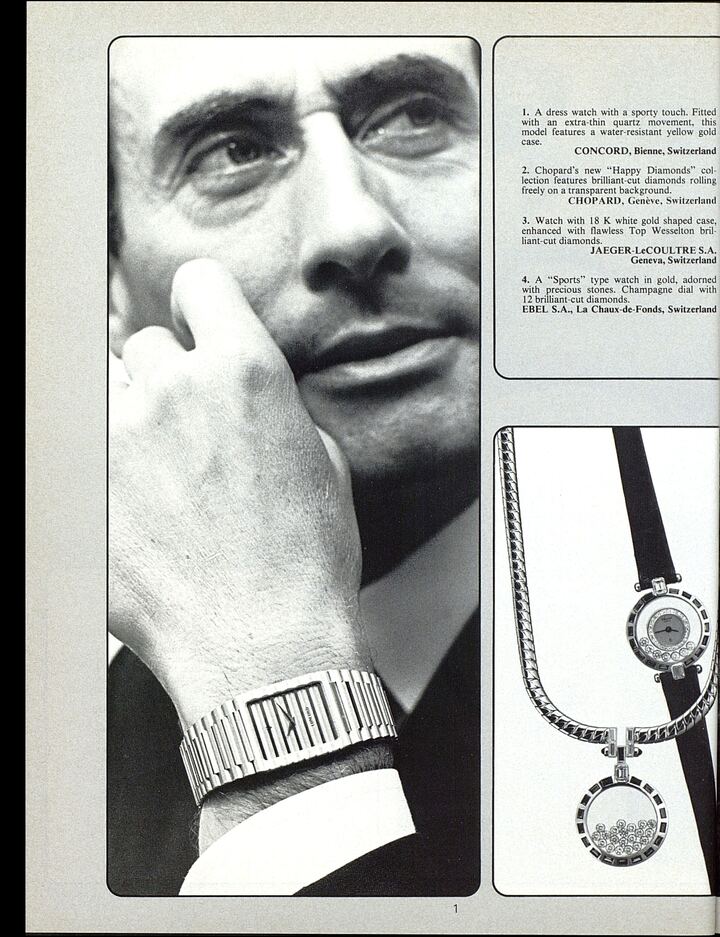
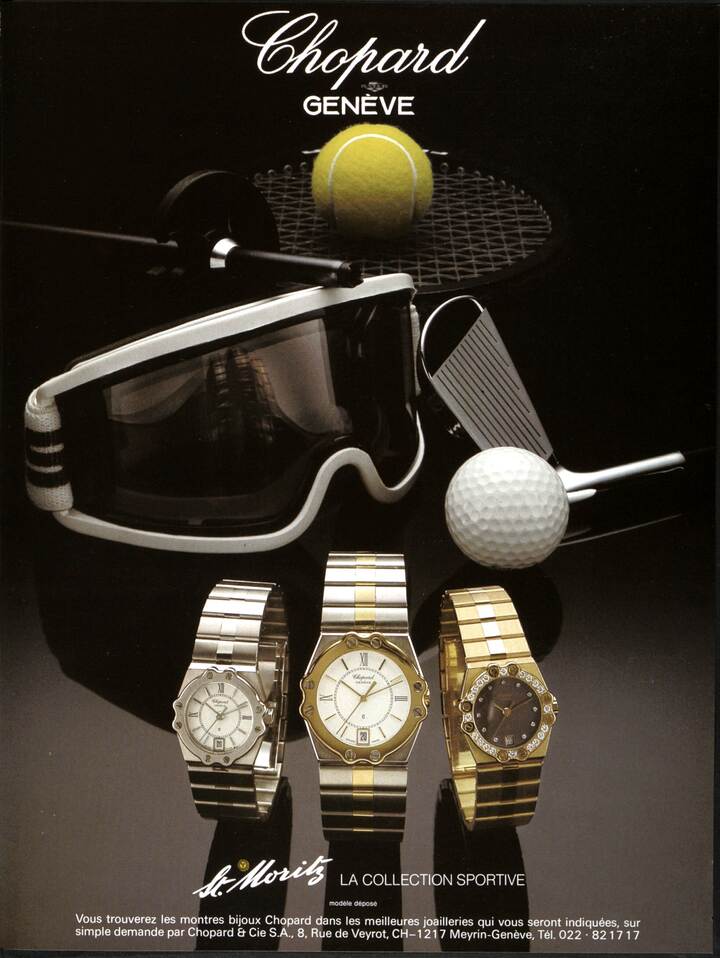
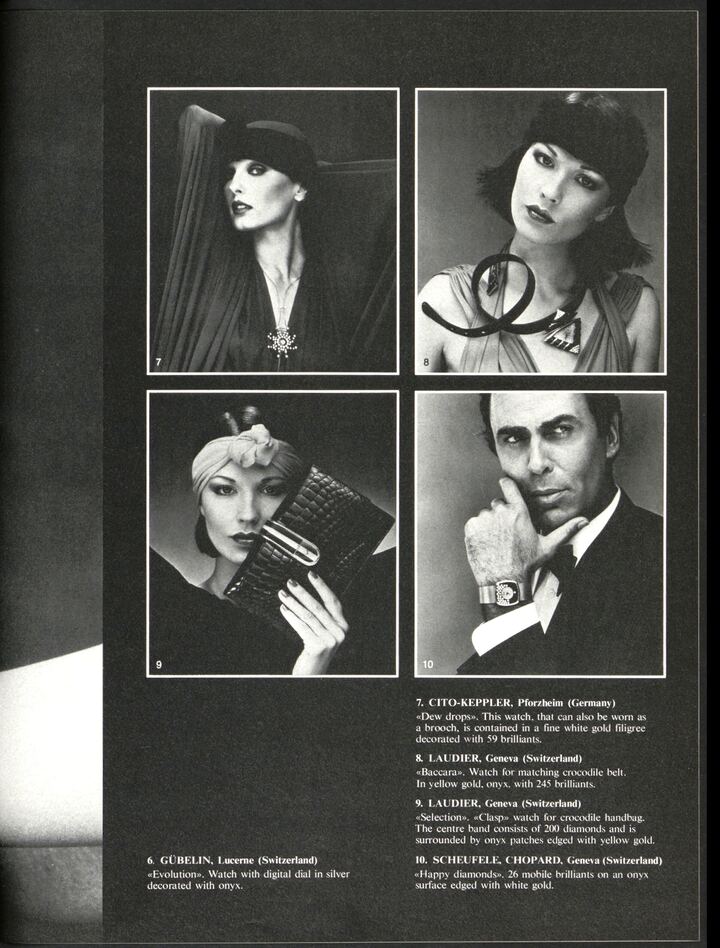
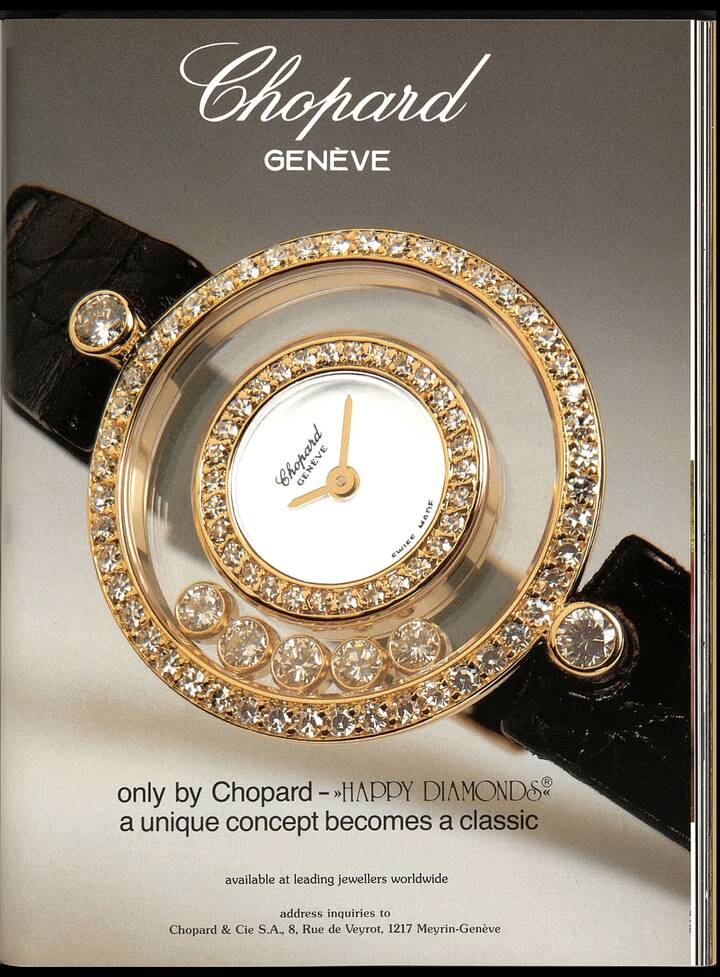
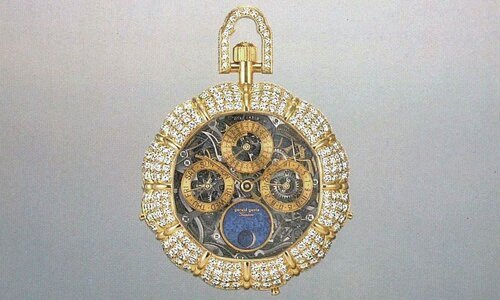
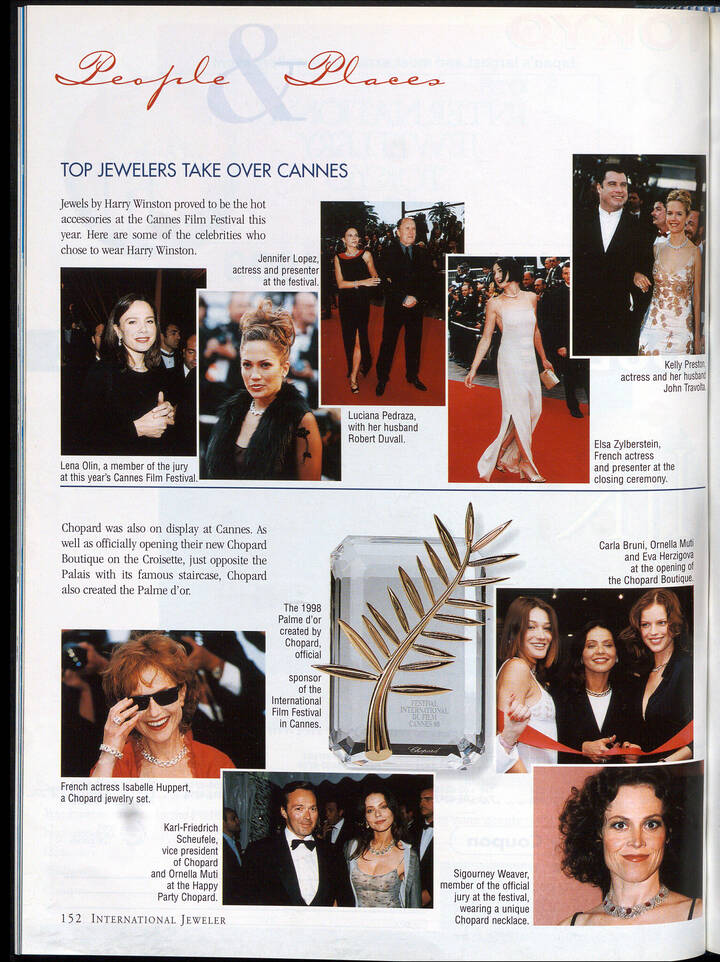
Another important marker was the arrival of Karl-Friedrich Scheufele and Caroline Scheufele at the head of the firm, in the early 1990s. Building on the direction taken with the Happy Diamonds collection, they developed Chopard as a watchmaker but also a jeweller, using marketing and communication to forge this new identity. When Chopard went to the Basel fair in 1997, it took with it the Fleur: the world’s most expensive watch, valued in the region of $25 million. In a similar vein, the brand became partner to the Cannes International Film Festival and since 1998 has been making the Palme d’Or, the festival’s highest distinction, at its premises in Geneva.
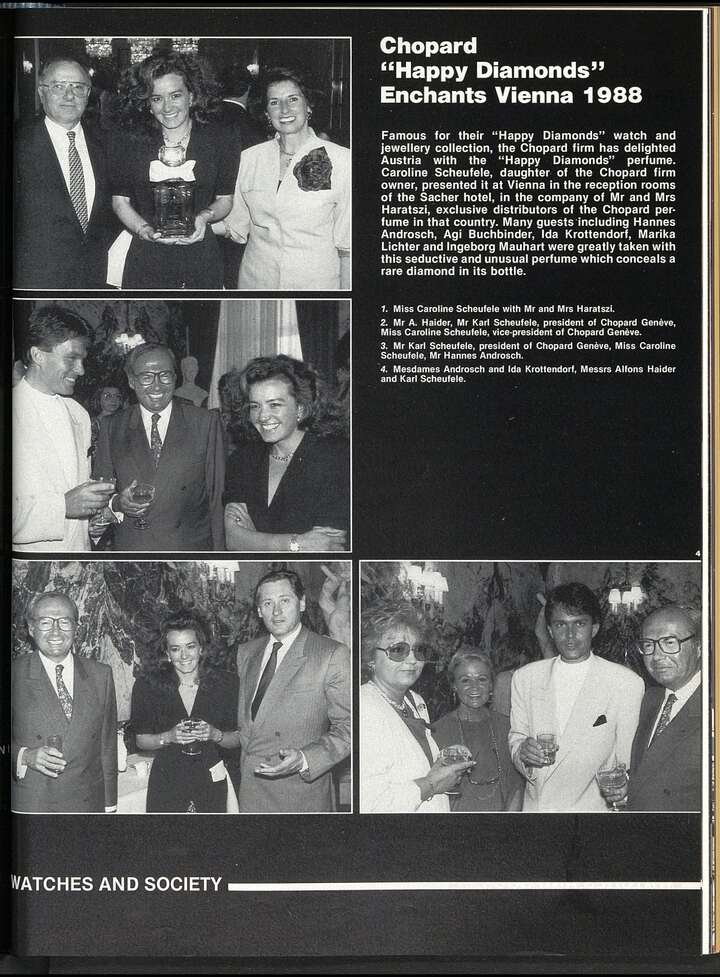
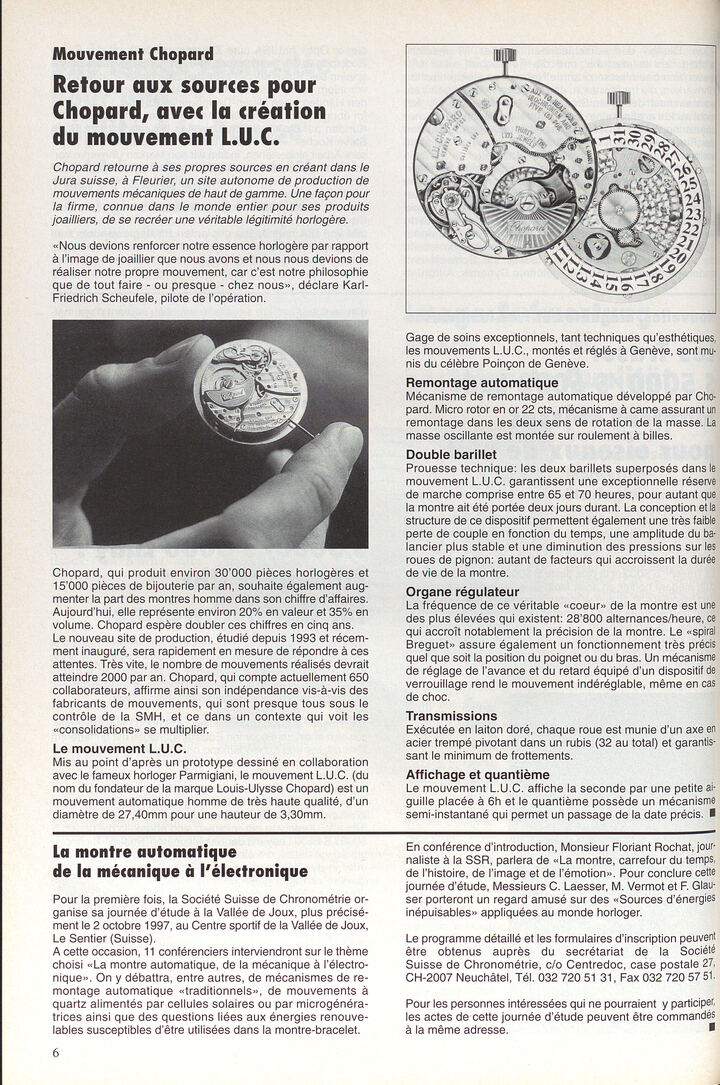
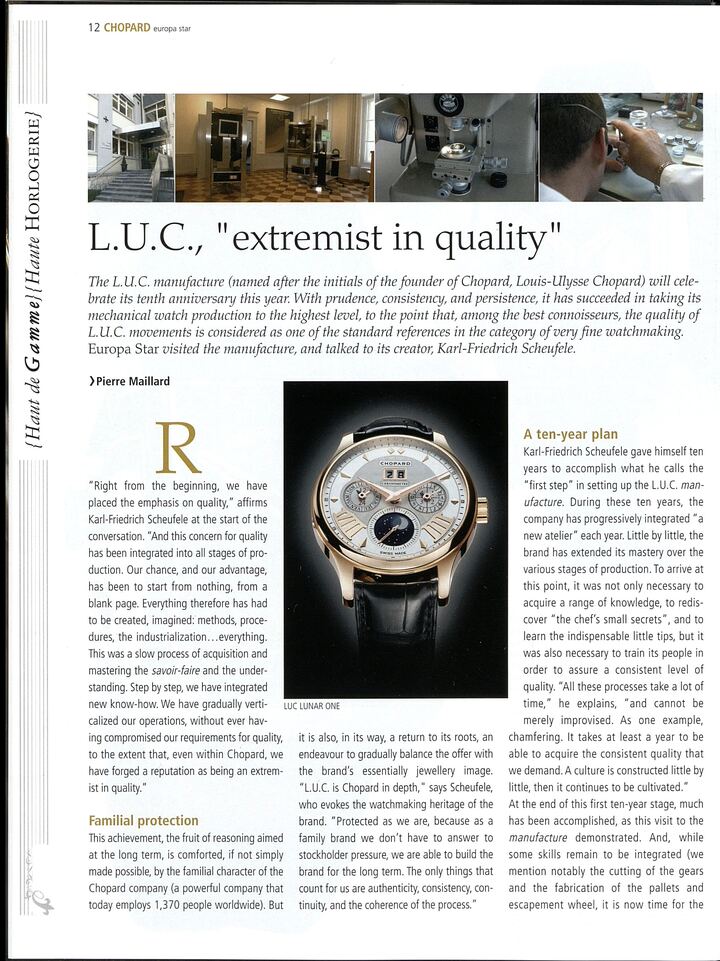
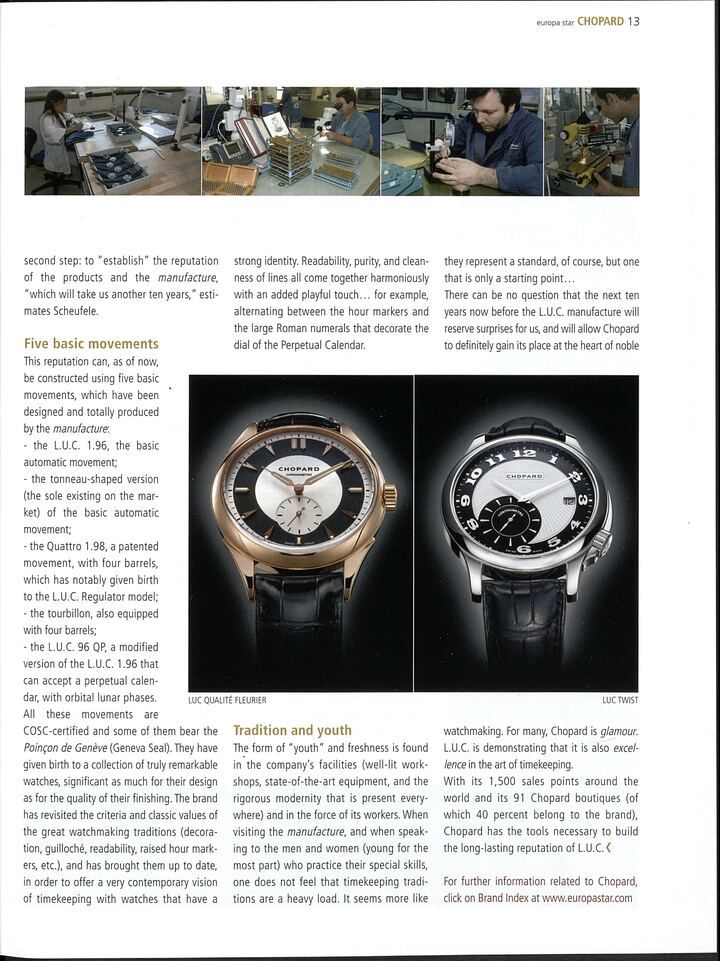
Chopard wasn’t yet producing its own movements, instead equipping its watches with quartz or mechanical calibres supplied by Swatch Group. In 1996 it opened a Manufacture in Fleurier, in the canton of Neuchâtel. A year later it began development of an in-house mechanical movement, headed by Michel Parmigiani. The brand used this L.U.C. calibre to develop its offering of men’s mechanical timepieces, at the same time strengthening its reputation as a maker of watches as well as jewellery. This would be the beginning of the Chopard we know today: a watch and jewellery brand offering a vast array of products.