
 Español
 Français
 Pусский
 繁體中文
繁體中文 简体中文
简体中文 Select another language

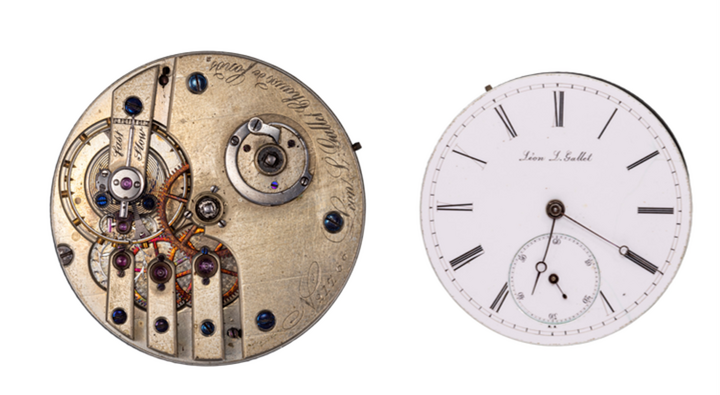
t all began in 1826, when Julien Gallet founded “Gallet & Co., fabricant d’horlogerie” in La Chaux-de-Fonds, Switzerland. Initially, the business traded in watches — pocket watches, naturally — exporting numerous brands overseas. Perhaps this is where its association with exploration first took root. Travelling the world in those days certainly required a taste for adventure.
As early as 1856, the far-sighted founder opened a branch in New York. This marked the beginning of Gallet’s expansion in the United States, fuelled by the American market’s appetite for chronographs — even then! The business continued to grow through the many journeys undertaken by Léon-Louis Gallet, one of the founder’s sons, who built up an extensive clientele there.
The founder’s grandson, Jules Racine, further developed the business by establishing Jules Racine & Co. in New York in 1890, as the sole importer and distributor of Gallet watches in America. He ran the company for 45 years. At the time, it distributed numerous brands, with an equally broad range of calibres — including Breitling and Minerva — but chronographs already held pride of place. At the turn of the 20th century, a significant shift was taking shape.
A taste for exploration
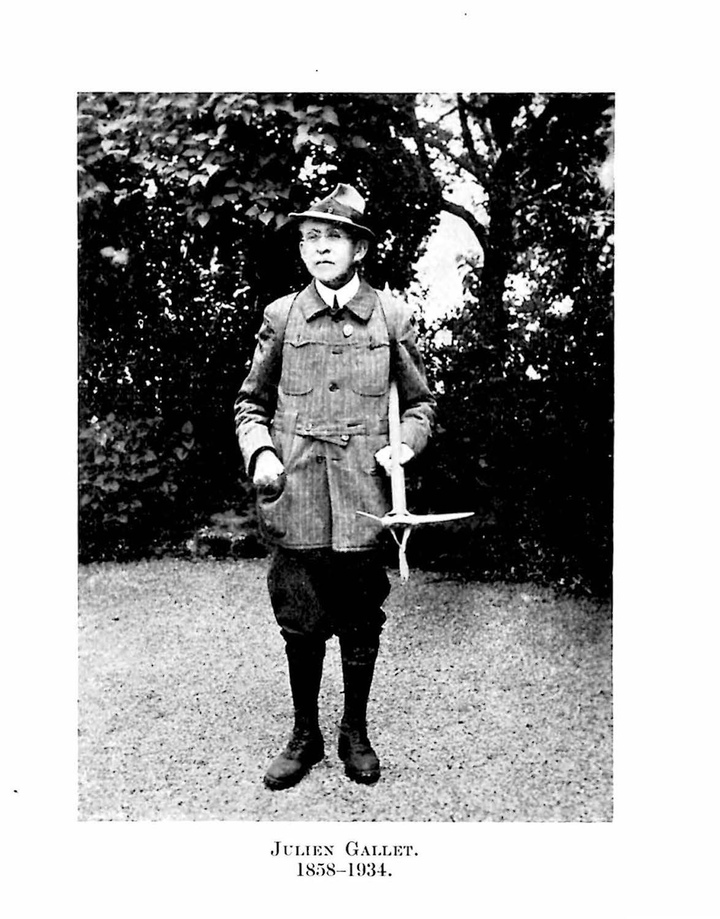
Julien Gallet’s grandson was more than an entrepreneur who opened up new markets: he was a true adventurer. An accomplished mountaineer, he climbed numerous routes in the Swiss Alps and contributed to early mountaineering guides. A route in the Bernese Alps still bears his name: the Galletgrat, which winds its way towards the 3,638-metre summit of the Dolderhorn.
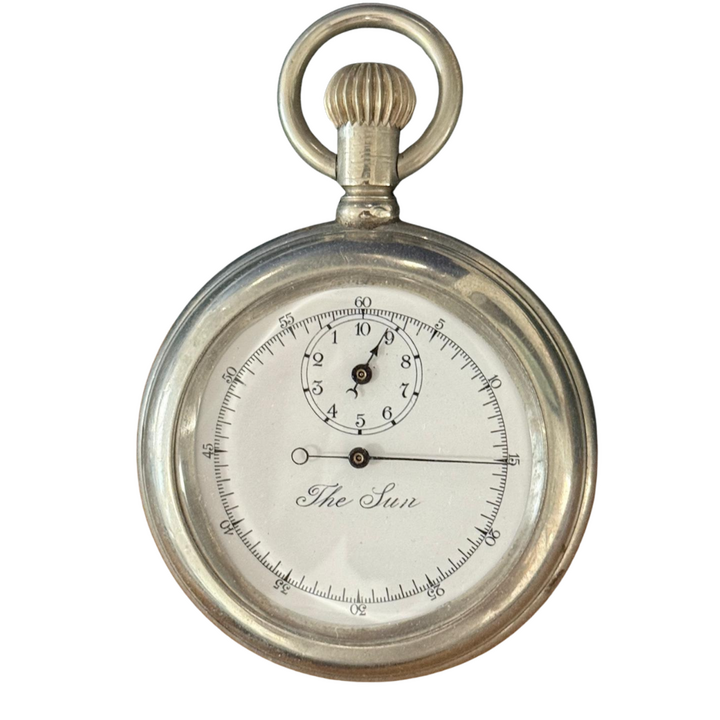
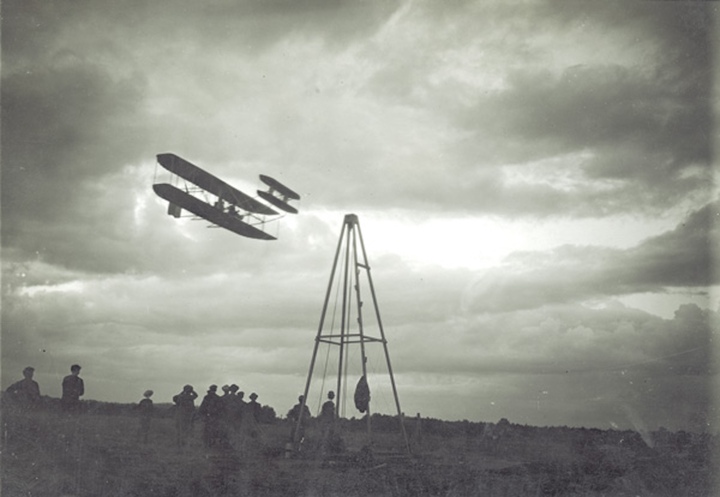
Gallet also earned a place in aviation history in 1903, when the Wright brothers’ first flight was timed at 59 seconds using the now-famous Gallet “The Sun” stopwatch.
Back in 1876, Gallet had acquired a stake in the Société Suisse d’Horlogerie to secure a supply of quality movements for its watches. When Léon-Louis Gallet died in 1898, he left part of his fortune to the city of La Chaux-de-Fonds. The bequest notably helped establish the Musée International d’Horlogerie in 1902, reflecting the watchmaker’s desire to pass on his passion.
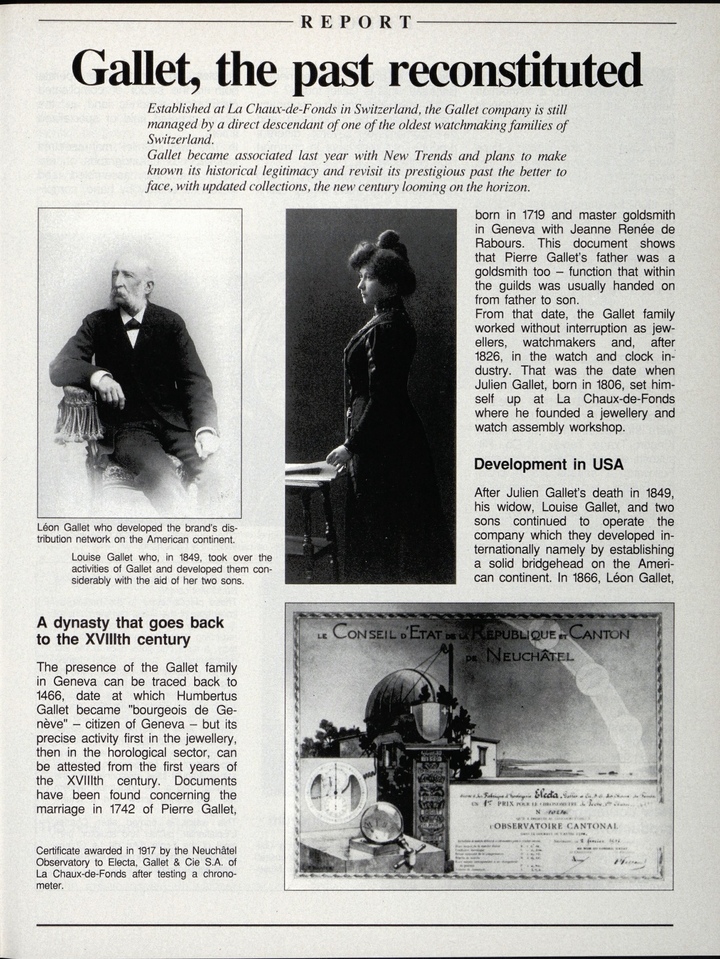
Another of his ambitions — to secure a reliable supply of quality movements — also took shape through Electa. Originally part of the Société d’Horlogerie de Genève, the company specialised in chronographs and repeating watches. It moved to La Chaux-de-Fonds in 1902, becoming the Société d’horlogerie Electa. Gallet acquired it in 1907 and renamed it “Gallet & Co., Fabrique d’horlogerie Electa”.
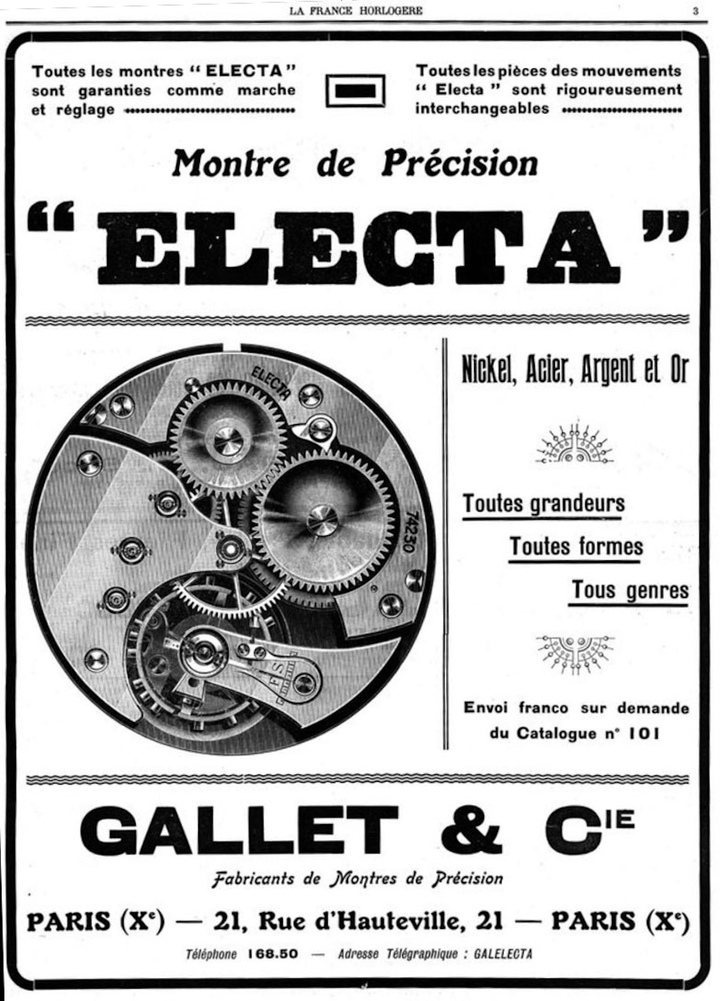
Gallet thus gained a manufacture of its own. Its range of watches and calibres expanded — annual production at the time is estimated at 100,000 units — and international recognition grew, notably with the Grand Prix for chronometry at the Swiss National Exhibition in Bern in 1914.

During the 1920s and 1930s, Gallet became one of the largest importers of chronometers into the United States. The rapid development of aviation and motoring helped drive the brand’s growth and encouraged technical innovation.
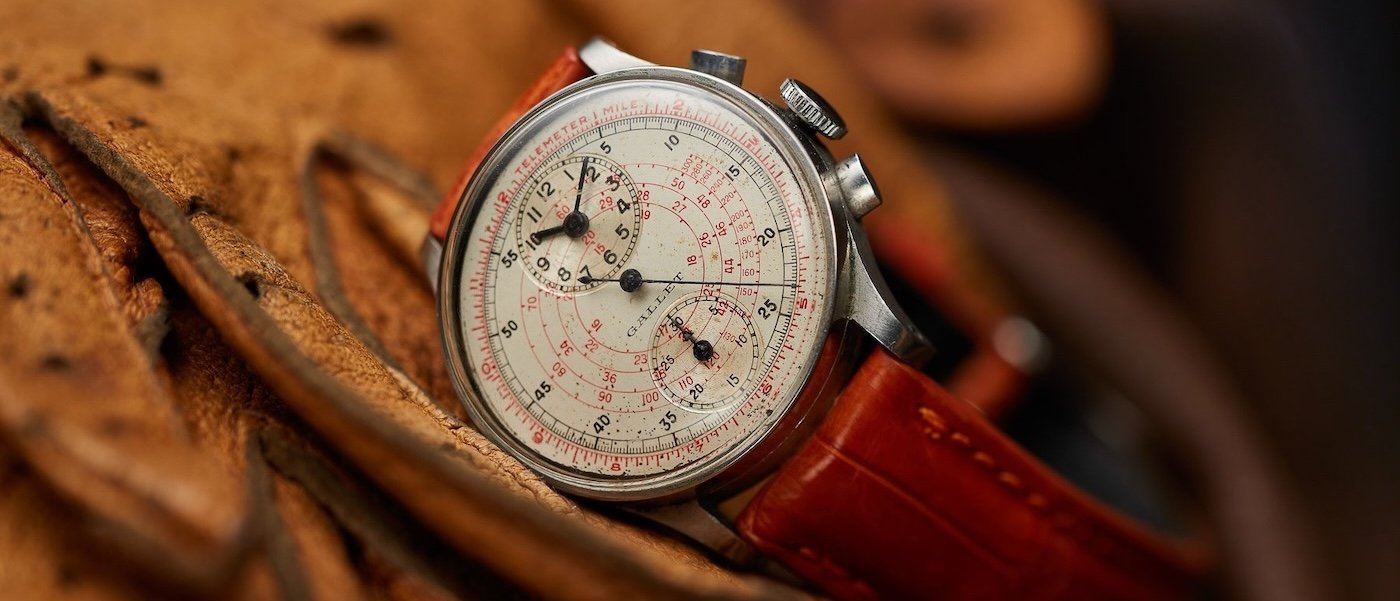
In 1936, Gallet introduced the first model in what would become a signature collection: the Multichron Régulateur. With a design that gave precedence to measuring elapsed time over reading the time of day, it immediately became a reference tool for professions requiring precise timing: pilots, racing drivers, radio operators, laboratory technicians and even… orchestral conductors.
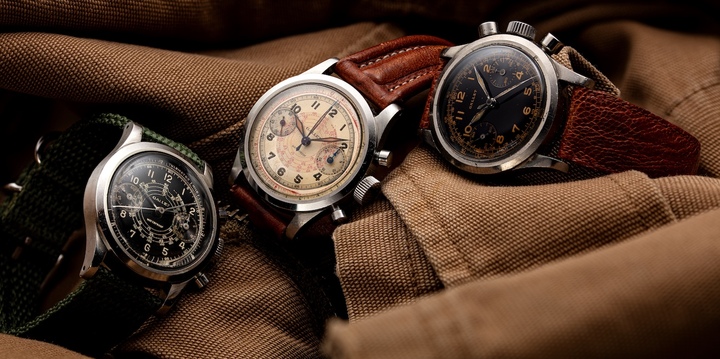
In 1938, Gallet unveiled the Multichron Clamshell, one of the first water-resistant chronographs. It heralded the arrival of the brand’s landmark models and cemented its reputation for watches built for adventurers. In a historical nod to their future relationship, Breitling also used this water-resistant innovation at the time. Gallet was now firmly established as a noteworthy name in chronographs.
Less prominent than Omega, Heuer or Rolex, it was no less worthy of attention, as longstanding Gallet collector Tomas Rosputinsky explains: “I was impressed by the variety, creativity and functionality of Gallet’s chronographs. The Excelsior Park calibres are fascinating. The brand has an impressive heritage and impeccable quality. Its potential is enormous.”
The iconic models
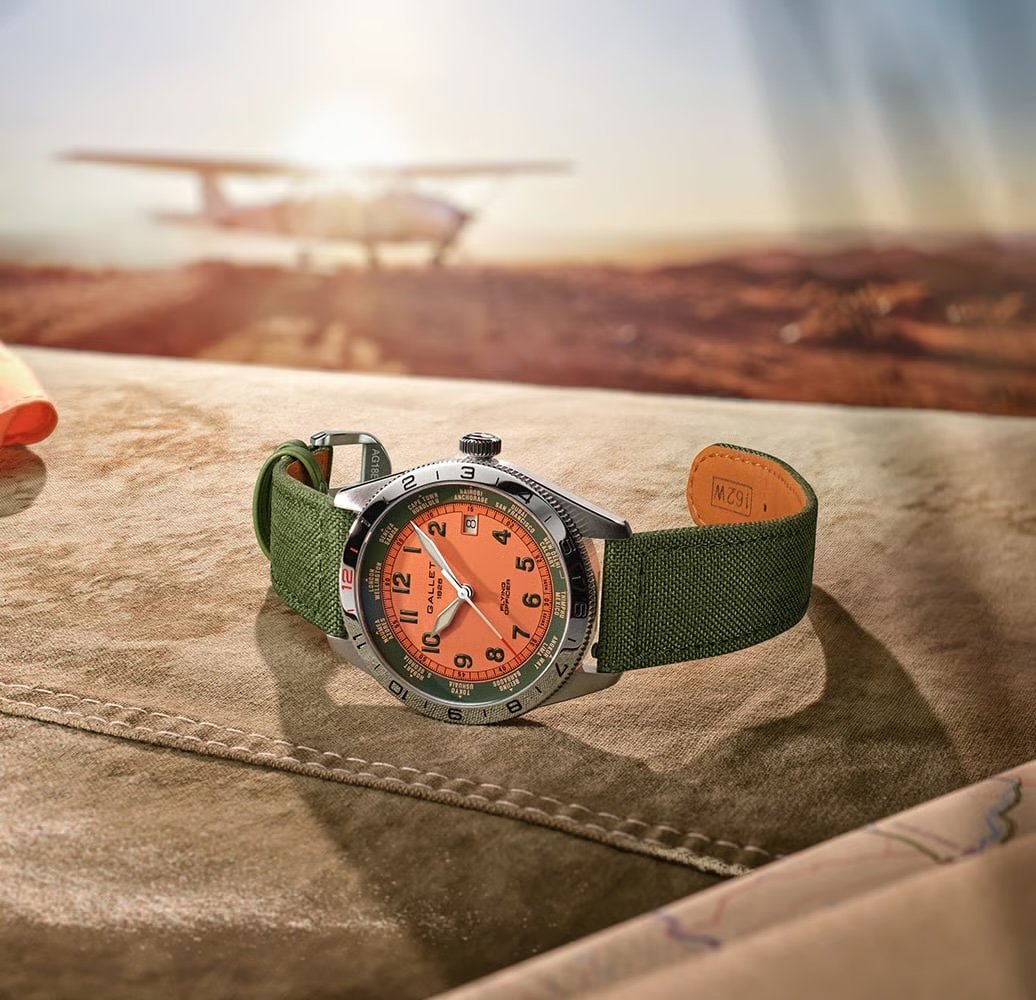
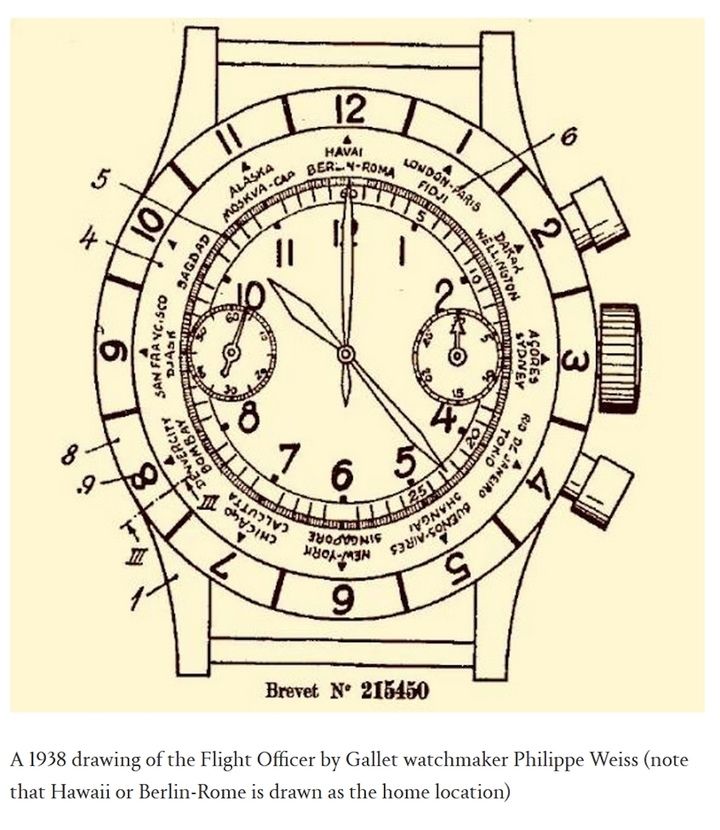
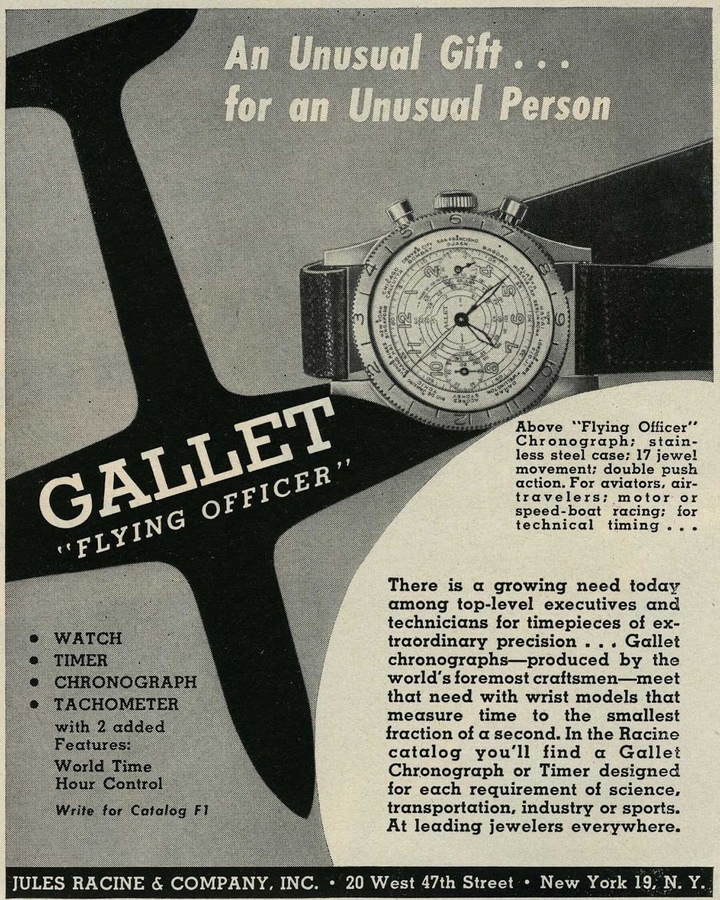
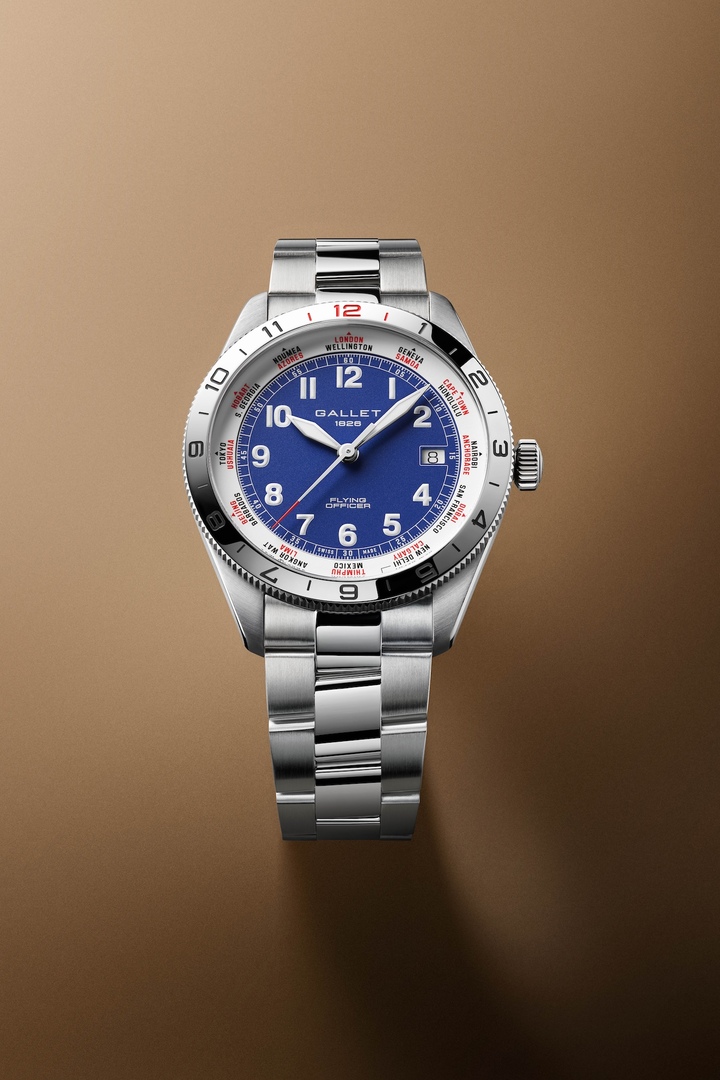
After the Multichron, with its tachymeter and telemeter scales, another model would leave its mark on the history of both Gallet and the chronograph: the Gallet Flying Officer. For the first time, it introduced a time-zone calculator read via a rotating bezel — an innovation still found on many chronographs today.
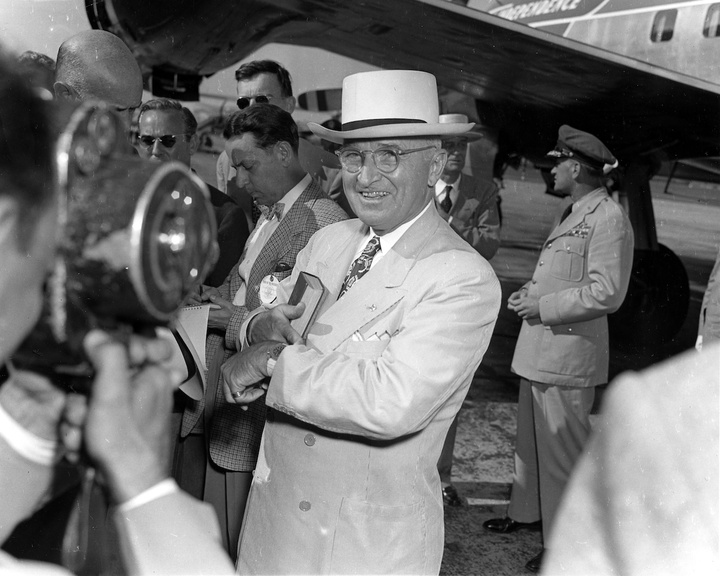
The most famous example is surely the watch presented in 1939 by his staff to Senator Harry Truman, who would become president in 1945. He described it as “the most elaborate watch he had ever seen”.
Numerous iterations of the Multichron followed. Launched in 1940, the Multichron Commander, with its oval JB42 movement, marked the beginning of Gallet’s close collaboration with movement manufacturer Jeanneret-Brehm & Cie, later known as Excelsior Park. Other calibres, including Landeron, Valjoux and Venus, would also be used, though to a lesser extent. The collection remained one of Gallet’s great successes for almost 40 years.
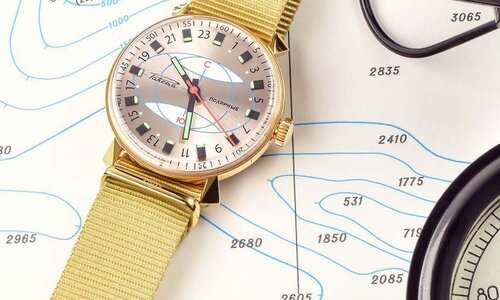
Then came the Multichron Navigator in 1945. Something of a wrist-worn compass, it featured an additional small red central hand indicating north, a peripheral 24-hour display and a second crown at 9 o’clock for precise adjustment of the seconds. The watch was developed for paratroopers to synchronise their jumps — another timepiece with adventure in its DNA.
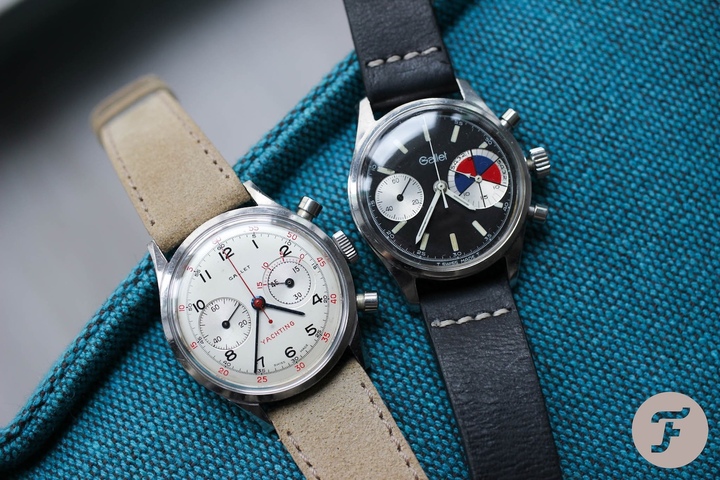
In 1952, more complicated versions featuring a calendar or moon phase joined the range: the Multichron Calendar & Astronomic, conceived for those who took to the skies. The Multichron Yachting followed in 1961, then the Multichron 12 Pilot models in 1969. The 1960s also brought a diving watch, the Multichron Sub, produced by Gallet under the Galco name. In 1973 came the Gallet Excel-O-Graph with its rotating bezel: the ultimate adventurer’s watch, its design recalling another icon of the era, the Breitling Navitimer. Gallet had demonstrated its vocation to make instruments for the skies, the seas and the road — in short, for wherever exploration might lead.
The future
Gallet and its chronographs remained a fixture of Swiss watchmaking, particularly in the United States, until the late 1970s. The difficulties brought on by the advent of quartz eventually saw the brand leave Gallet family ownership in 1994, before its acquisition by the Neresheimer family in 1996. It subsequently lay dormant until Breitling acquired it in 2025.
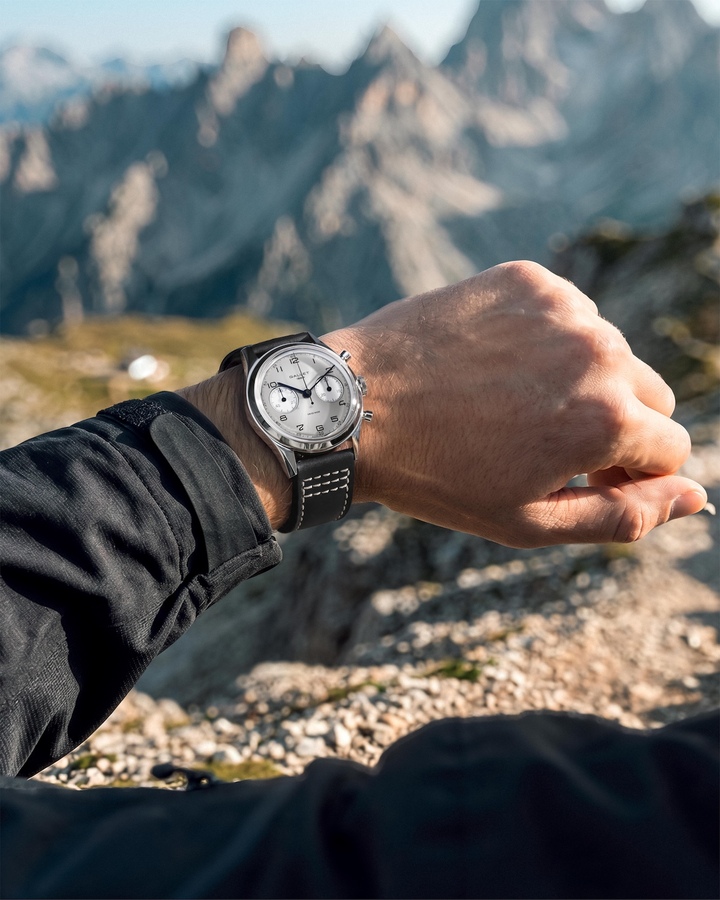
Its reawakening this year coincides with its 200th anniversary and promises compelling reinterpretations of the many emblematic models in its archives. Gallet will draw on Breitling’s production expertise, providing an assurance of quality. Distribution through Breitling boutiques will also give it a dedicated international retail network.
All the ingredients appear to be in place for a successful revival, faithful to the house’s rich past and firmly guided by adventure and the “wanderlust” championed by its new management. As Tomas Rosputinsky puts it: “I am convinced that Gallet will bring some interesting competition to entry-level chronographs. I am curious to see how the market responds to a refreshed interpretation of the brand. Above all, I am delighted that Gallet is back and can once again compete with the best on so many fronts.” Time will tell.
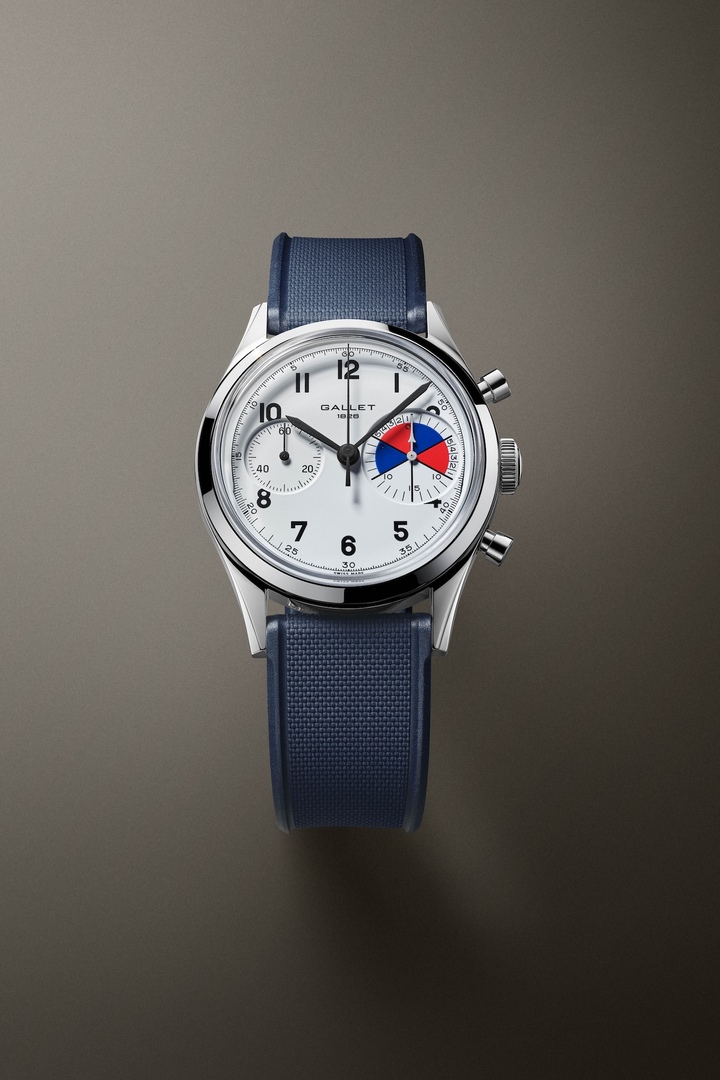
Gallet’s revival in 2026
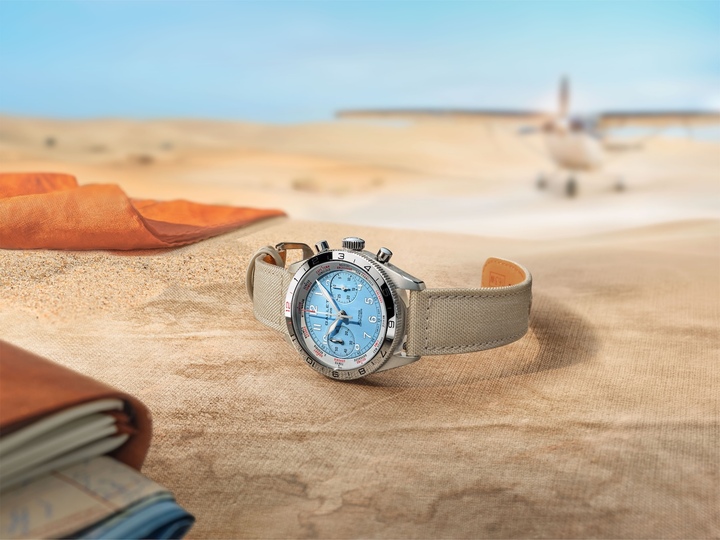
The brand was relaunched during Geneva Watch Days 2026 to mark its bicentenary. Four main collections were introduced, all faithful to the spirit of wanderlust and the urge to explore. These are four families of affordable, robust tool watches, drawing on the past and reinterpreted for today: the Flying Officer, the Multichron Pilot, the Multichron Sport and Gallet Classics, a series of special tribute editions for the bicentenary. All collections are assembled at the Breitling manufacture, an assurance of quality, and offer a wide choice of interchangeable straps and bracelets.

The first three collections each offer a three-hand model and a chronograph, powered respectively by the proven Sellita SW200 and SW510 calibres. Priced at CHF 2,500 and CHF 3,900, they occupy the entry-level segment within House of Brands, which brings together Gallet, Breitling and Universal Genève. The tribute collection, meanwhile, houses the Breitling B09 manufacture chronograph calibre and offers a COSC-certified chronograph for CHF 5,900.

Gallet will benefit from Breitling’s distribution network, with 180 boutiques worldwide now featuring a “Gallet corner”. The relaunch signals House of Brands’ ambitions across the price spectrum of modern watchmaking, complementing the group’s existing brands and reaching out to a new generation of customers.