
 Español
 Français
 Pусский
 繁體中文
繁體中文 简体中文
简体中文 Select another language

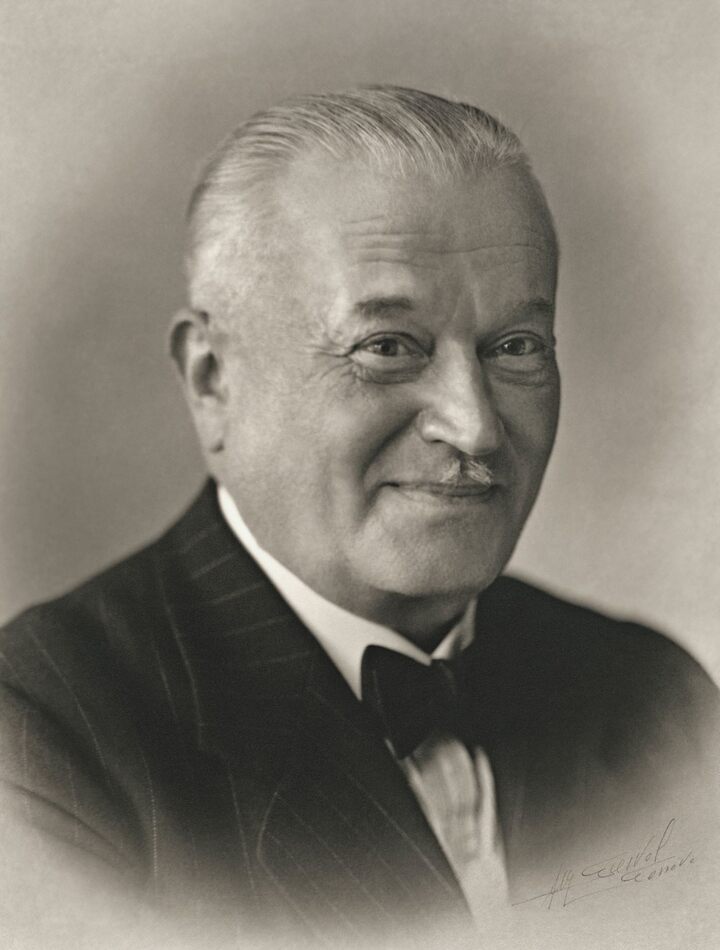
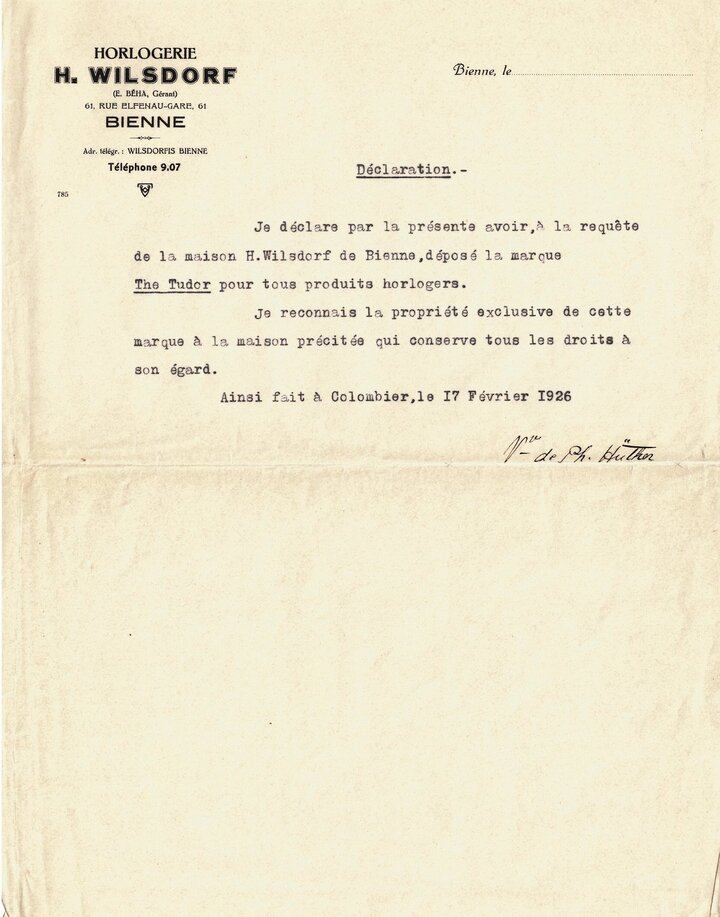
he story begins on 17 February 1926, when the widow of Philippe Hüther, a watch dealer and manufacturer, registered the trademark “The Tudor” on behalf of the watchmaking house of Hans Wilsdorf. The chosen name refers to the British royal dynasty of the 15th and 16th centuries, evoking both strength and grace. From the outset, the notions of robustness and longevity were embedded in the brand’s DNA. Hans Wilsdorf’s original ambition - one that still defines Tudor - was to create “the best possible watch at the best possible price.”
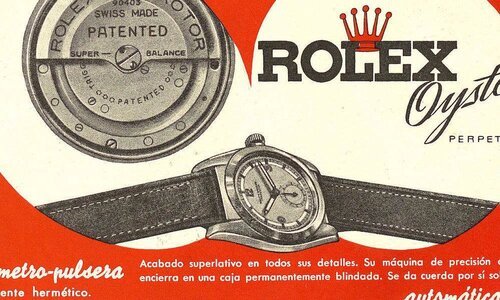
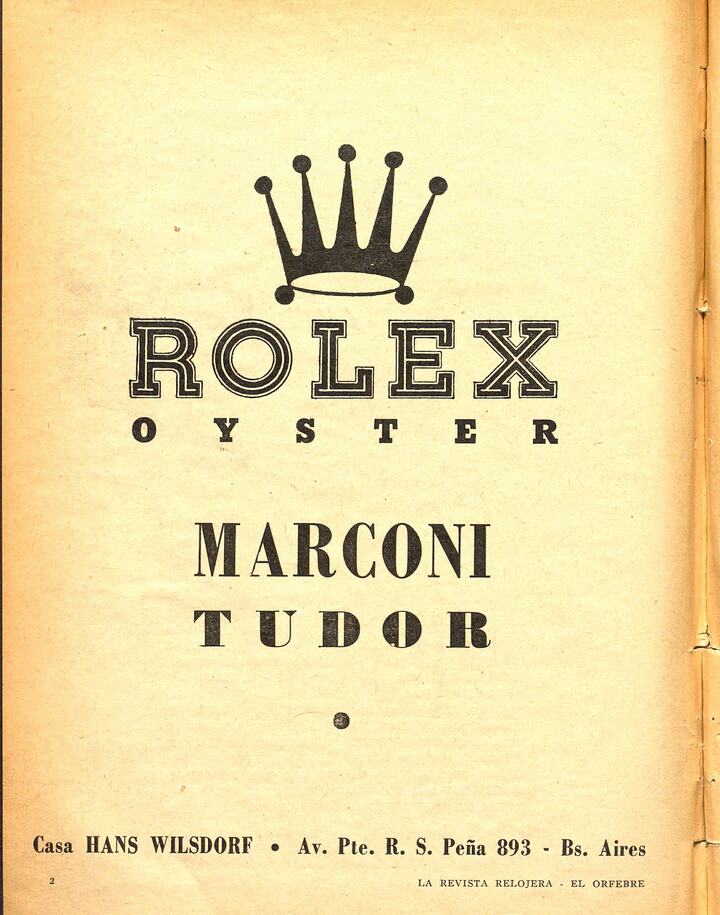
From the 1930s onwards, the first Tudor watches were distributed worldwide, often alongside Rolex models. For equivalent functions, they were typically priced between one-half and one-third less. This positioning - offering more accessible watches with the same technical package as its elder sister Rolex - would come to define the brand. Reliability in humid or dusty environments thanks to the Oyster case (from the 1940s), self-winding via the Perpetual rotor (from the 1950s), and wrist ergonomics became the hallmarks of the quintessential accessible tool watch. The foundations were laid; the story could begin.
The early years
By the late 1920s, Tudor watches - designed for both men and women - came in rectangular Art Deco forms typical of the era, as well as tonneau and round cases. In 1936, the Tudor brand was fully integrated into the Rolex structure, and on 6 March 1946 it became a separate entity, “Montres Tudor S.A.,” to assert its own identity.
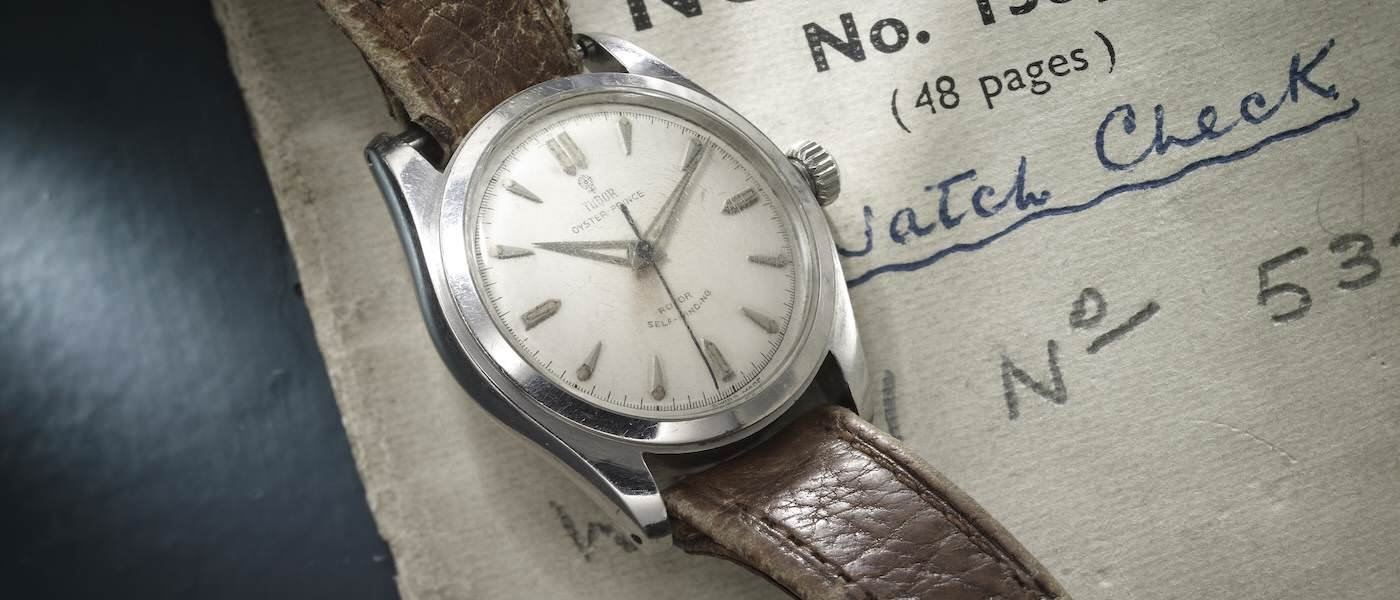
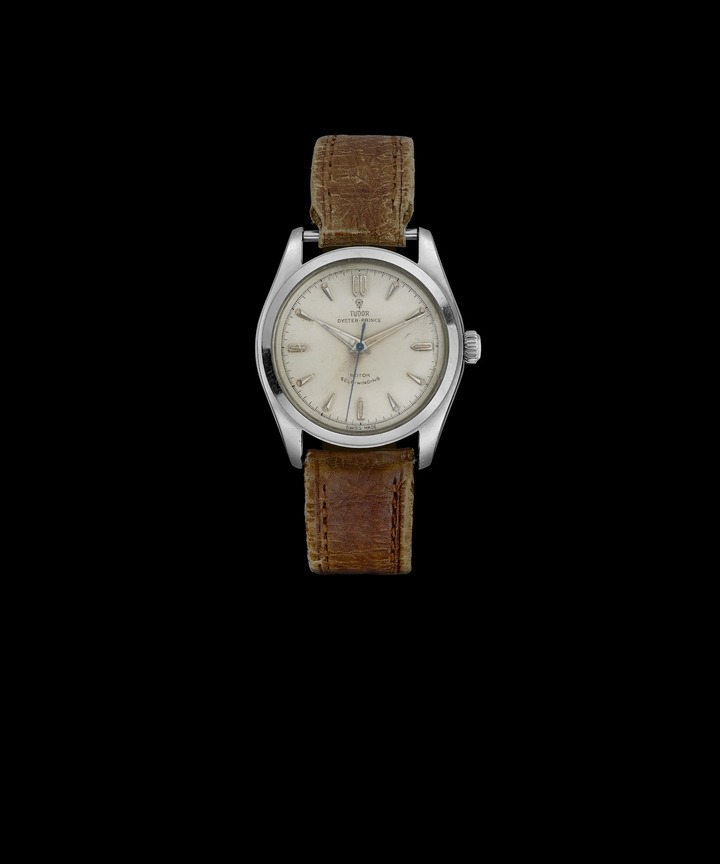
At that time, everything - from technical, functional, and aesthetic design to distribution and after-sales service - was guaranteed by Rolex. Hans Wilsdorf stated: “The aim of Tudor is to make a watch that our dealers can sell at a lower price than our Rolex watches, and yet one that will attain the standard of dependability for which Rolex is famous.” It was truly with the launch in 1952 of the Oyster Prince (featuring an Oyster case and Perpetual winding) that Tudor established its identity as a robust, reliable tool watch for all conditions - an identity that still defines its DNA today.
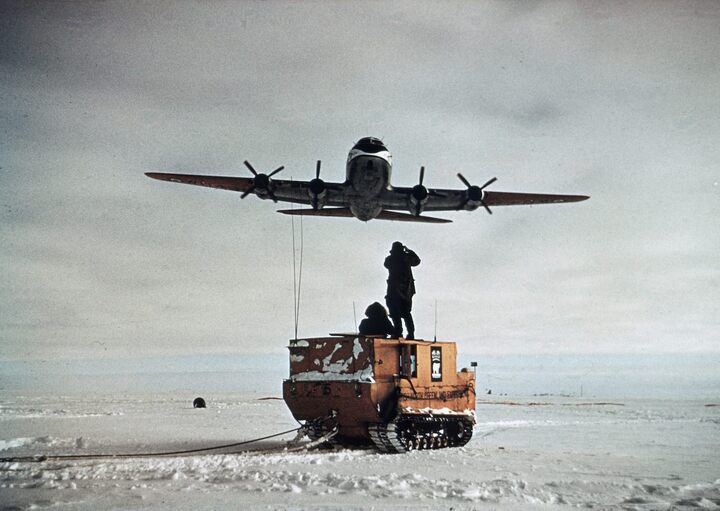
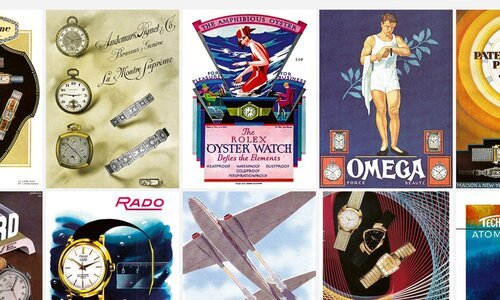
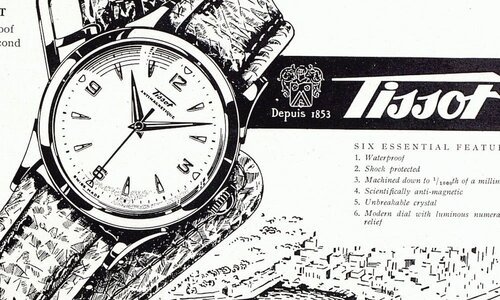
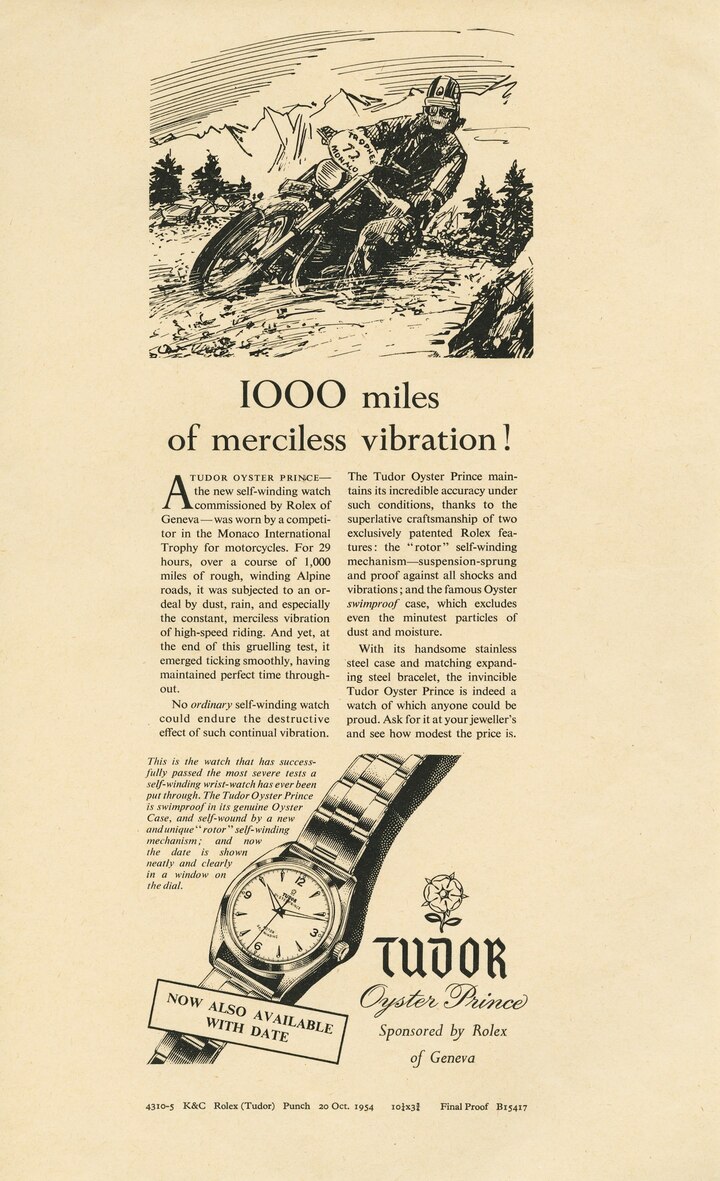
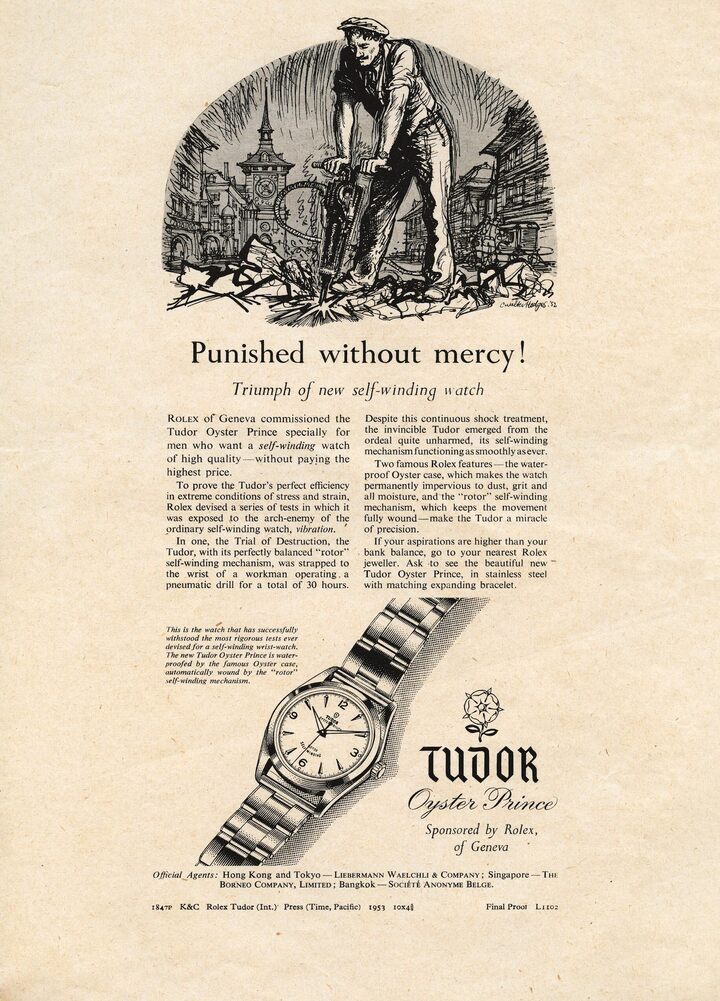
The British North Greenland Expedition - two years in the extreme conditions of Greenland - marked the starting point of this “all-terrain” watch identity. A series of iconic advertisements throughout the 1950s subjected the Tudor Oyster Prince to the harshest trials to demonstrate its robustness and chronometric reliability: 252 hours in manually excavated coal mines, 30 hours on the wrist of a jackhammer operator, three months worn by a stonemason, one month during steel beam riveting operations on construction sites, or even on the wrist of a motorcycle racer over 1,000 miles (Geneva–Monaco–Geneva via mountain roads!).
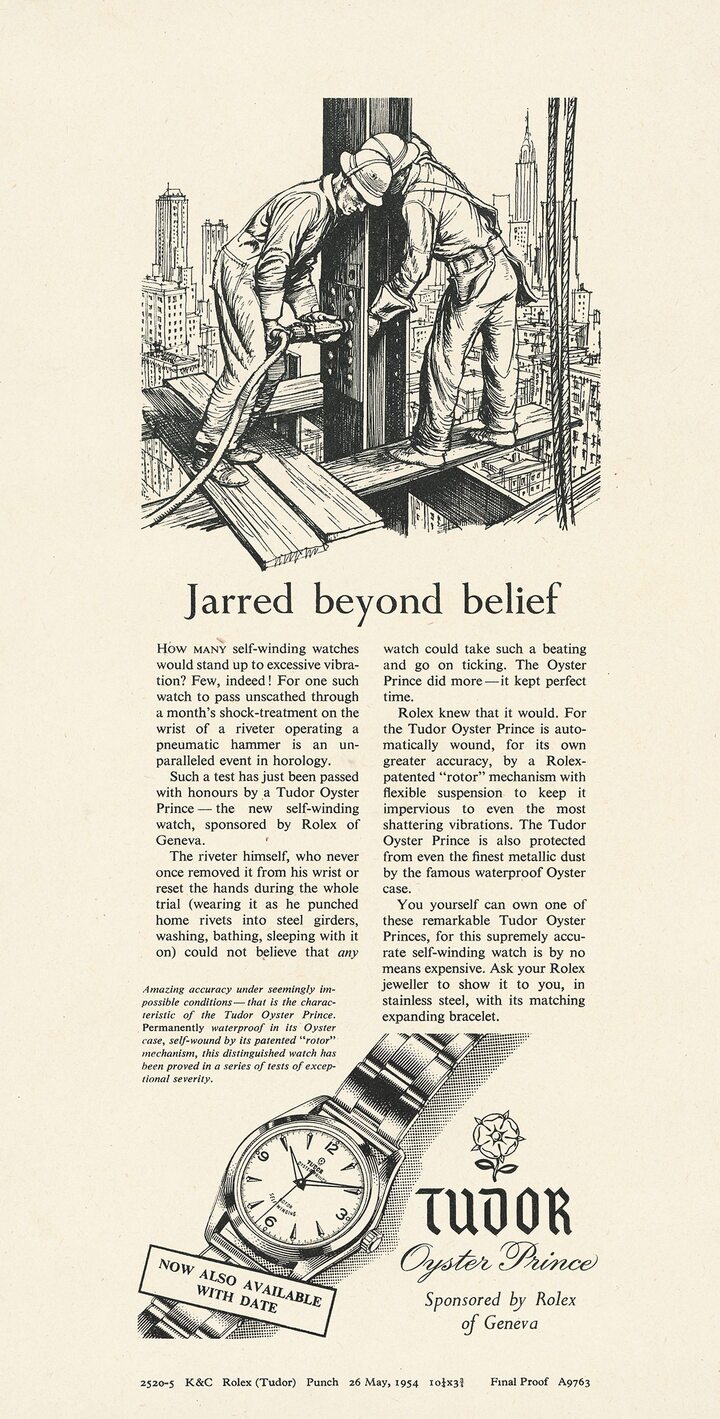
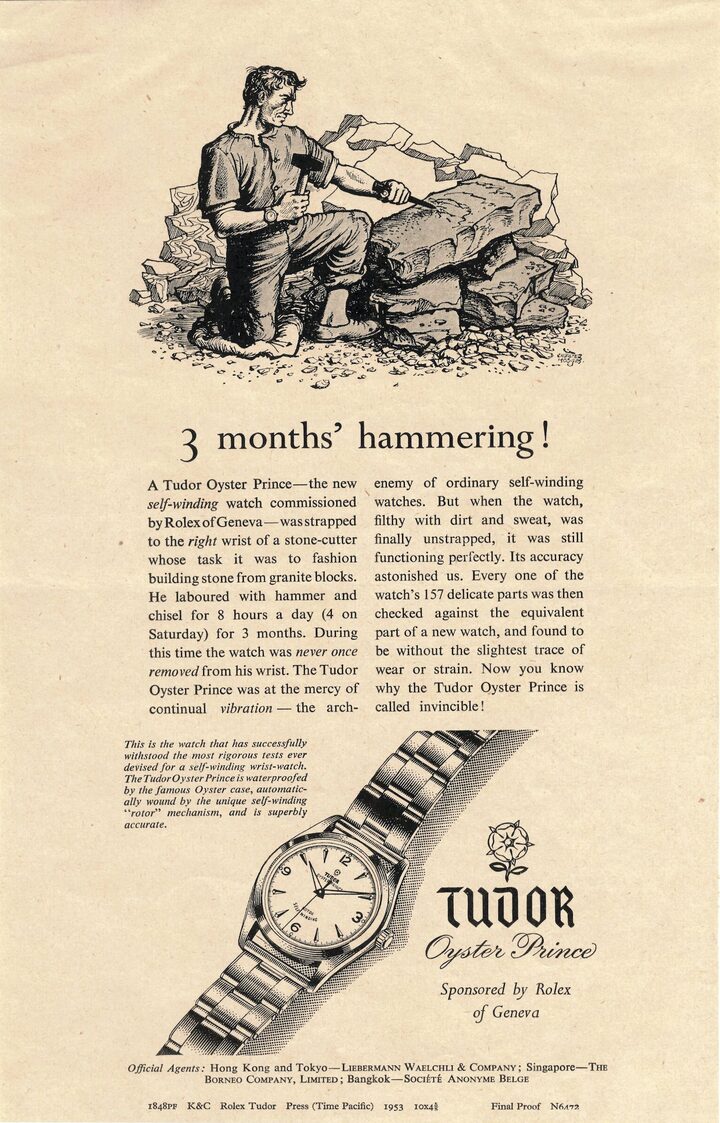
The Tudor legend was forged under the harshest conditions. It would always remain rooted in functionality, durability, and reliability - setting it apart from its illustrious elder Rolex, whose increasingly status-driven image gradually reshaped its own DNA.
Iconic models
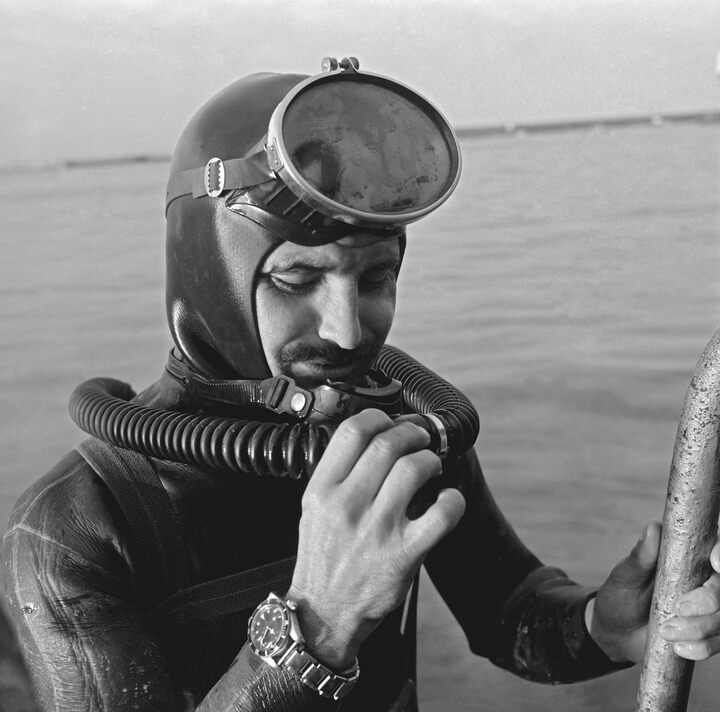
Following the Oyster Prince, Tudor introduced its diving version in 1954: the Tudor Oyster Prince Submariner reference 7922. The model quickly accompanied professional divers, further enhancing its reputation for reliability. It was notably issued to both the US Navy and the French Marine Nationale - a powerful endorsement of its dependability.
With a 37 mm diameter, it was the largest Tudor reference at the time (how times have changed!). The final reference, introduced in 1995 - the 79190 - measured 39 mm. These watches, along with other generations of Submariners, laid the groundwork for today’s Pelagos and Black Bay collections, the brand’s most recognized lines, introduced in 2012.
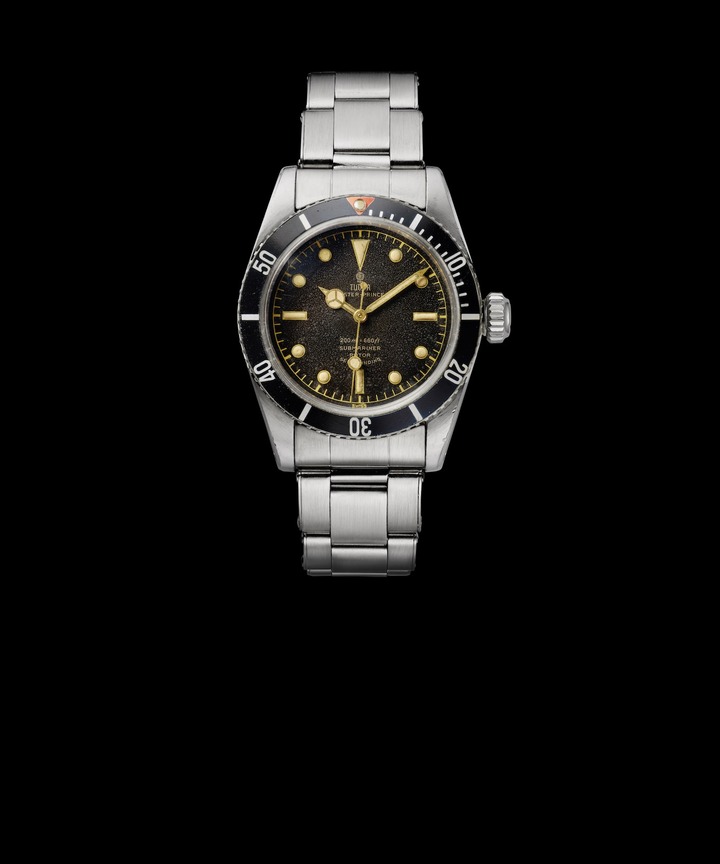
The Submariner name would disappear entirely from Tudor’s catalogue (and dials) in 1999 to avoid confusion with its crown-bearing sister brand. However, collections retained the iconic “snowflake” hand - a defining signature of Tudor.
In 1957, Tudor launched the Advisor, reference 7926, an alarm watch produced until 1977. That same year saw the introduction of the Oysterthin, the brand’s thinnest watch at just 6 mm thick. Produced until 1963, it remains the thinnest waterproof Tudor watch ever made.
In the 1960s, a new model emerged: the Tudor Ranger, reference 7995/0, designed for land expeditions. Its origins date back to 1929, when Hans Wilsdorf registered the name “Ranger.” At the time, it did not yet designate a specific model but already associated the brand with a spirit of adventure.
It was during the 1960s that the Ranger’s aesthetic - still relevant today - took shape, with large luminescent Arabic numerals at 3, 6, 9, and 12 o’clock, along with its distinctive hands. Production continued until 1988, before being reissued in 2014 as the “Heritage Ranger,” which remained in the catalogue until 2020. Today, it remains one of Tudor’s core lines, further reinforced following its expansion at the latest Dubai Watch Week with additional sizes and dial options.
Chronographs
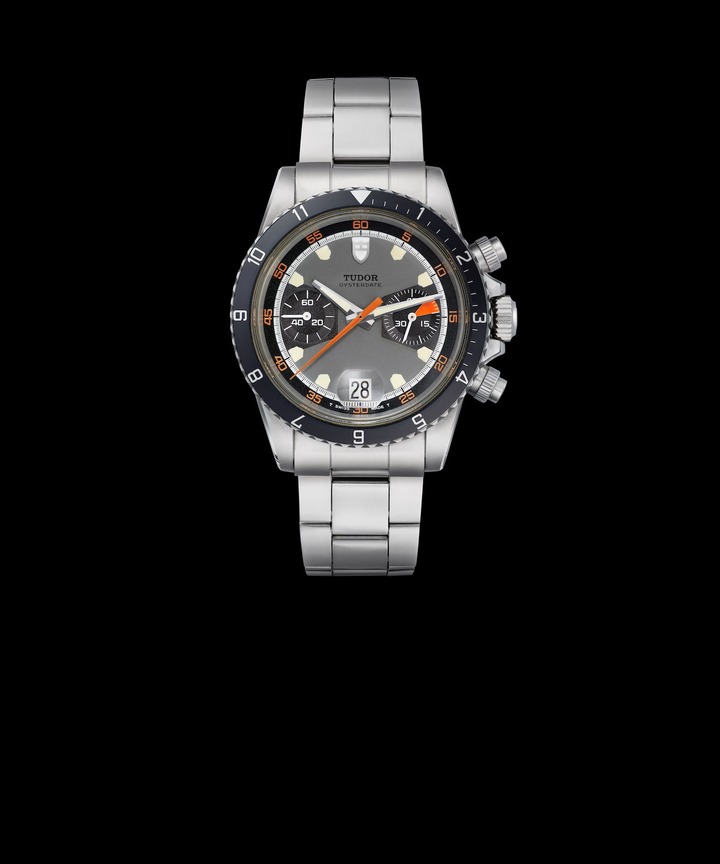
In 1970, Tudor introduced its first manually wound chronograph: the Oysterdate, reference 7301/0. It stood out immediately thanks to its pentagonal hour markers, vivid colours, 39 mm case (large for the time), angular lines, and distinctive lugs.
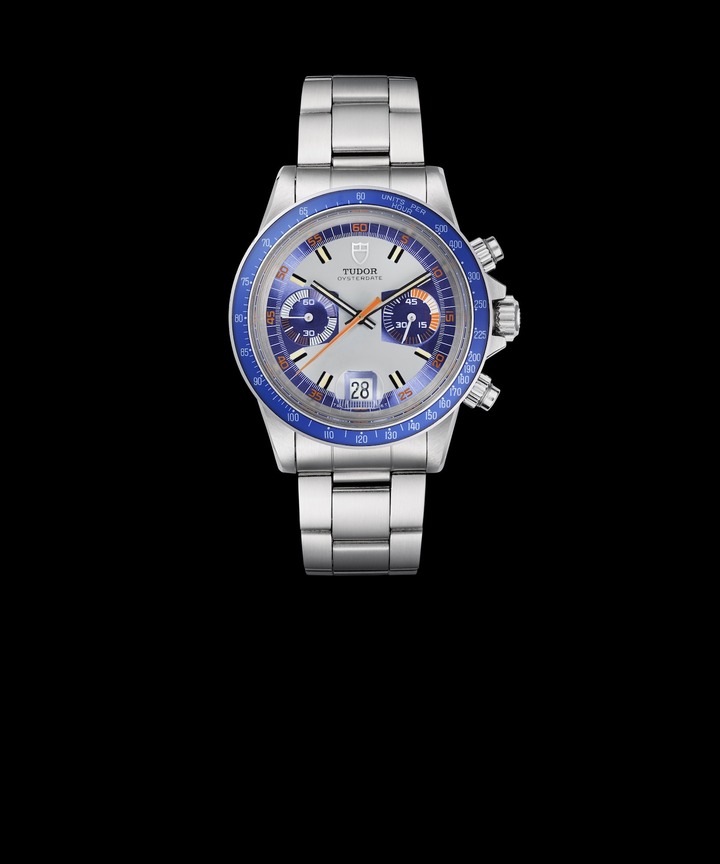
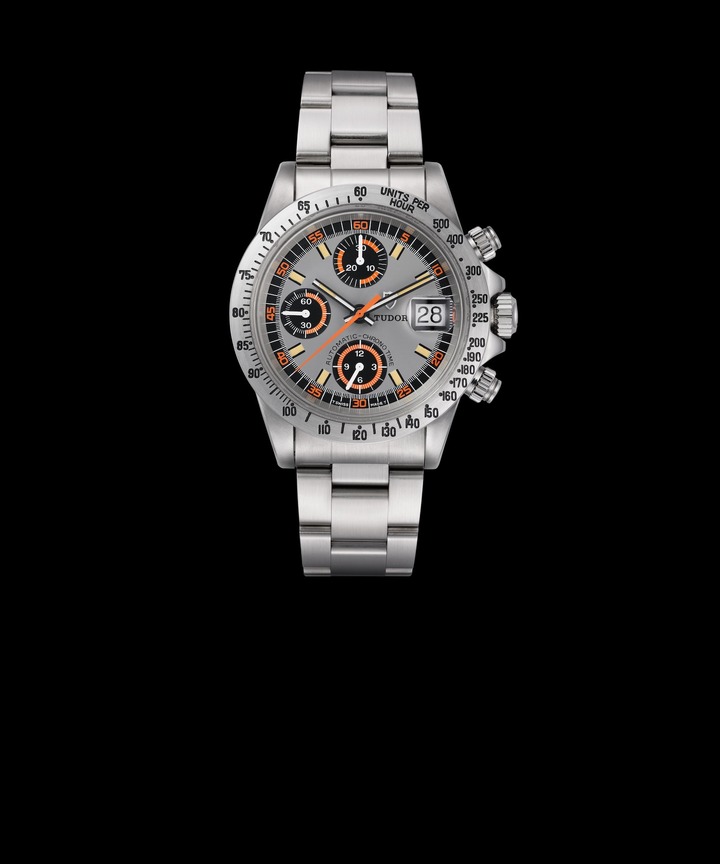
A second series followed in 1971: the Oysterdate “Montecarlo,” produced until 1977. In 1976, Tudor launched its third chronograph family, nicknamed “Big Block,” “Automatic Chrono Time,” or simply “Chrono Time” by collectors. It introduced a major innovation: a self-winding mechanical chronograph movement. In 1989, references 79100 replaced the 9400 series with subtle aesthetic updates.
While the case and crown were still signed Rolex, the bracelet now bore a Tudor logo on its clasp. In 1995, the second series of automatic Prince Oysterdate chronographs (reference 79200) introduced numerous aesthetic and technical improvements, including a refined case and scratch-resistant sapphire crystal. From 1998 onwards, a five-link steel bracelet - signed Tudor - equipped the chronographs, gradually replacing the Oyster bracelet. Rolex references also disappeared from the dials, which now proudly displayed the “Prince Date” signature.
Movements at Tudor
Initially, Tudor watches were equipped with third-party movements renowned for their reliability and robustness. The brand explains: “A wide variety of movements have been used over the years, including, for example, the automatic bumper calibre AS 1250 or the Tudor calibre 59, based on the FHF 30 from Fabrique d’Horlogerie de Fontainemelon.” The famous 1952 Oyster Prince, for instance, was fitted with the Fleurier 390 - a rotor-equipped adaptation of the manually wound Fleurier 350 calibre.
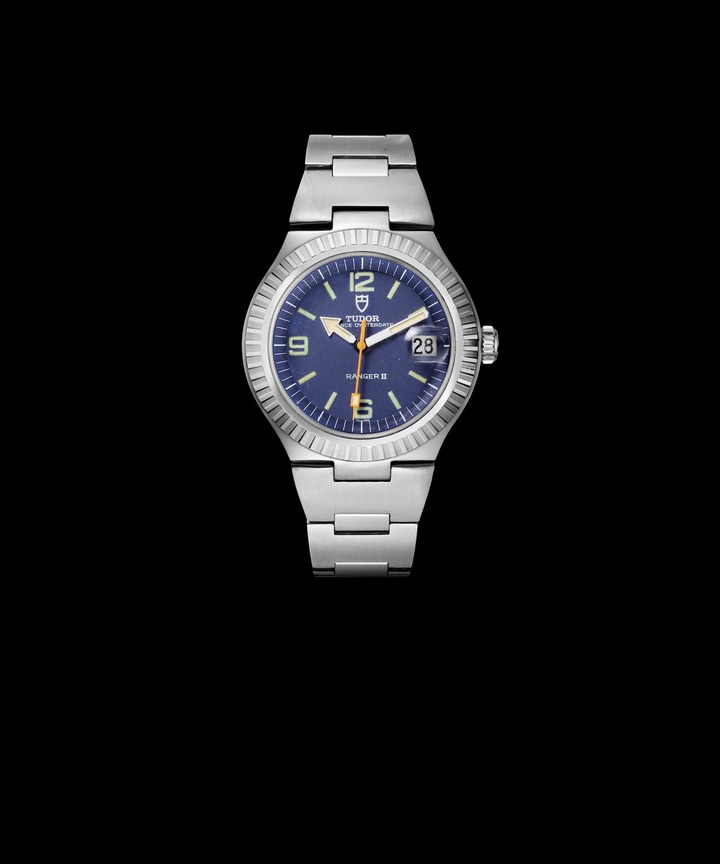
Tudor subsequently relied on various suppliers. The 1969 Ranger featured an ETA 2824/2. The 1970 Oysterdate used a manually wound Valjoux 7734 with cam-actuated chronograph mechanism and a 45-hour power reserve. The second chronograph series (7100) adopted the Valjoux 234 with column wheel, before being replaced in 1976 by the legendary Valjoux 7750 - bringing a third sub-counter for hours, repositioned registers to the left side of the dial, and a date window at 3 o’clock.
This calibre powered Tudor chronographs until 2015, often decorated with Tudor-specific finishes, engravings, and even gilding. At the same time, direct references to Rolex gradually disappeared from cases, crowns, and bracelets. Montres Tudor S.A. became fully independent… paving the way for the final step toward full manufacture status.
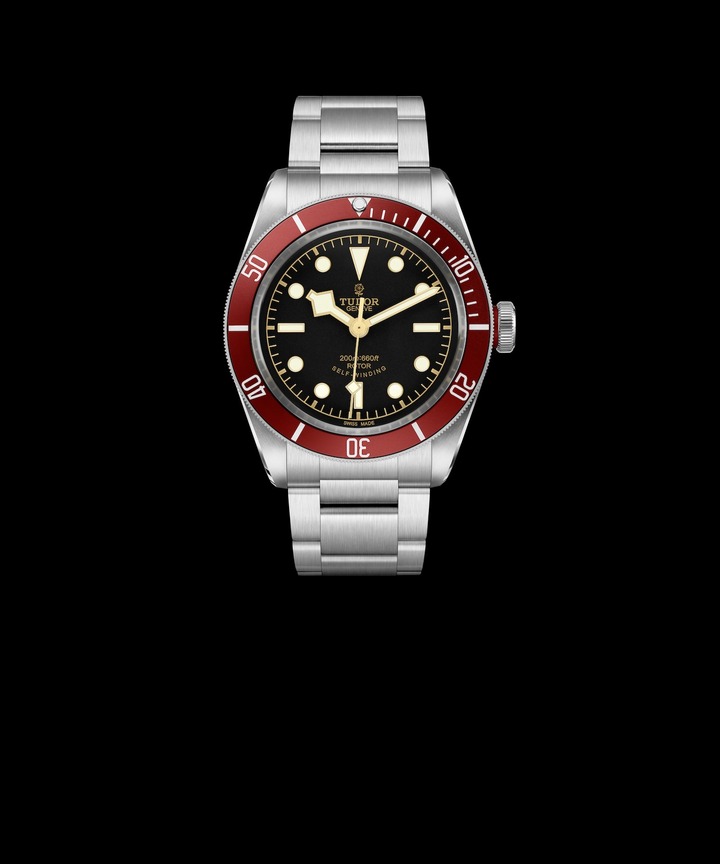
Tudor becomes a manufacture
Until 2014, 100% of Tudor calibres came from third parties. But as early as 2010, the brand began developing its own industrial capabilities for producing mechanical movements. The result was unveiled at Baselworld in 2015, powering the North Flag and Pelagos models. In 2016, Kenissi was established to develop and produce Tudor’s in-house calibres - while also opening to third-party brands.
From 2017, a partnership with Breitling saw the latter supply chronograph calibres to Tudor, while sourcing three-hand movements from Kenissi. In 2018, Chanel acquired a 20% stake in Kenissi, which now supplies movements for the iconic J12. Kenissi also produces calibres for brands such as Norqain, Fortis, Ultramarine, and for a time, TAG Heuer. Today, only Tudor’s 1926 and Royal collections are not equipped with manufacture movements, instead using Sellita calibres built to Tudor specifications.
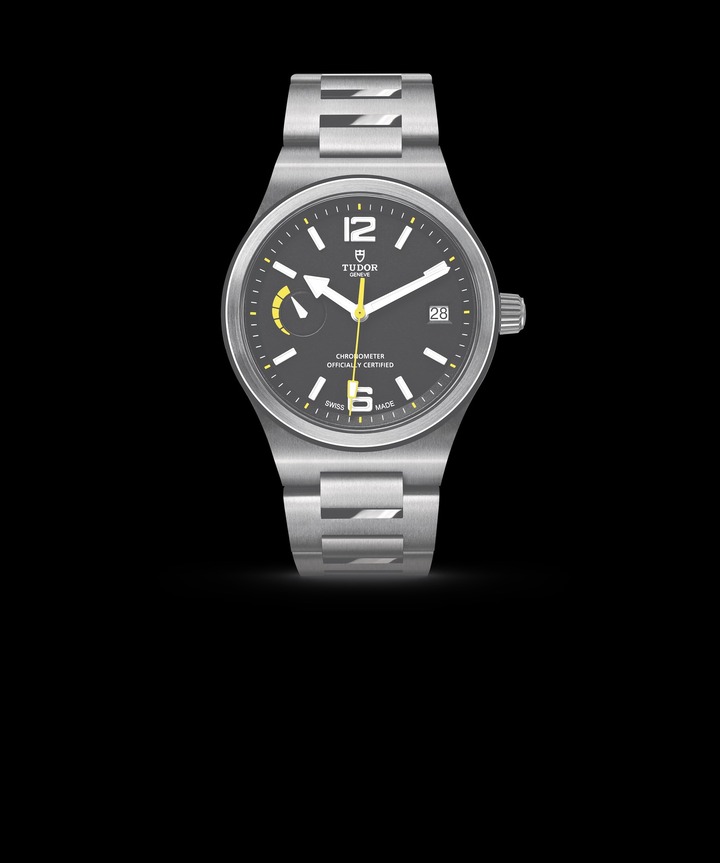
With its own industrial infrastructure and expertise in tool watches, Tudor has also elevated its chronometric standards. Since 2015, all Tudor watches equipped with in-house movements are COSC-certified, and since 2021, some have achieved the demanding METAS Master Chronometer certification. The brand thus reinforces its founding philosophy of reliability and robustness - placing the watch itself at centre stage.
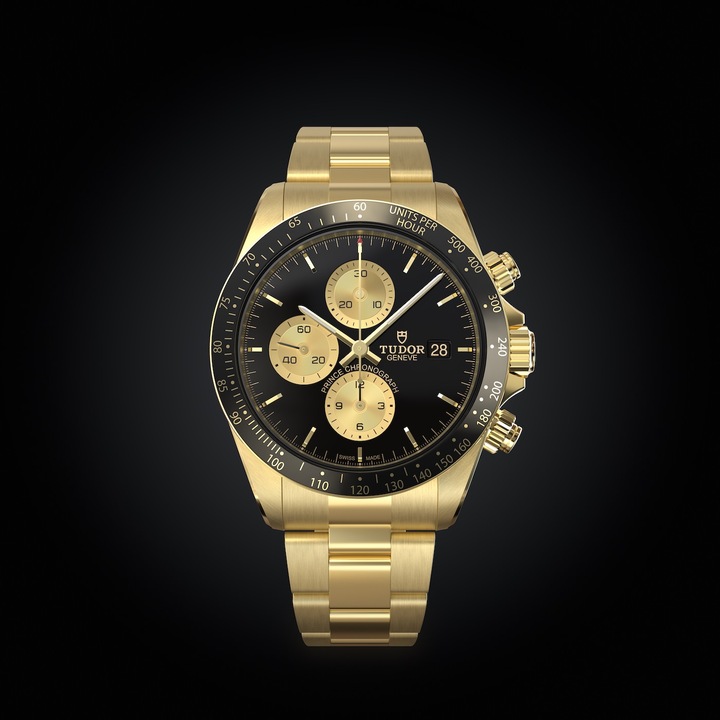
Among anticipated developments, the presentation in 2023 for Only Watch of the first prototype chronograph with an in-house movement - the Prince Chronograph One, with clear “Big Block” influences - suggests the imminent arrival of Tudor’s first series of manufacture chronographs. The collector community is already buzzing…
Evolution of the logo
To complete the brand’s century-long story, a look at the evolution of its logo is equally revealing. From 1926 to 1936, the logo simply featured the name “Tudor” with an elongated horizontal bar, protecting the other letters.
From 1936 onwards, the Tudor rose appeared, set within a shield - symbolising the graceful precision of the movement and the robustness of the Oyster case in a symbiotic union.
Around 1947, the shield was dropped, leaving only the rose to emphasise elegance and highlight the prestige of the Tudor dynasty.
But in 1969, as the brand shifted toward more technical watches, its tool-watch DNA reasserted itself. The shield - symbol of robustness, protection, and reliability - replaced the rose definitively, cementing its essential character.
Working on image
In today’s watch industry, where image is as important as the product itself, Tudor has successfully adapted to enhance its visibility. A strategy of high-profile ambassadors has been implemented. David Beckham has been associated with Tudor since 2017 and still wears its watches today, as seen during the Qatar F1 Grand Prix in December 2025. Partnerships with the legendary All Blacks rugby team and the Rugby World Cup also continue.
Since 2022, Tudor has expanded into cycling - with the Tudor Pro Cycling Team (formerly Swiss Racing Academy) - and sailing as partner of Alinghi Red Bull Racing. A resolutely sporty image, focused on performance and reliability. Yet, as the brand itself states, “the product always remains the star for us. Our duty is to perpetuate our tool-watch heritage, offering high quality at the best possible price.” In the CHF 2,000 to 6,000 segment, Tudor is widely regarded as offering one of the best value propositions on the market.
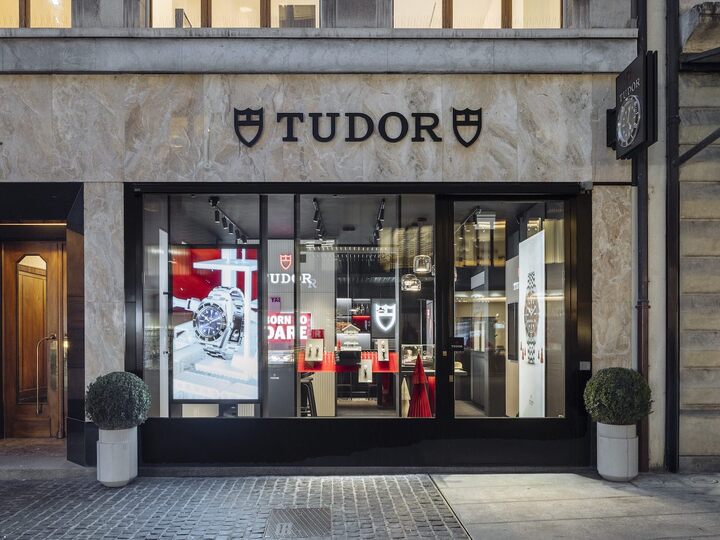
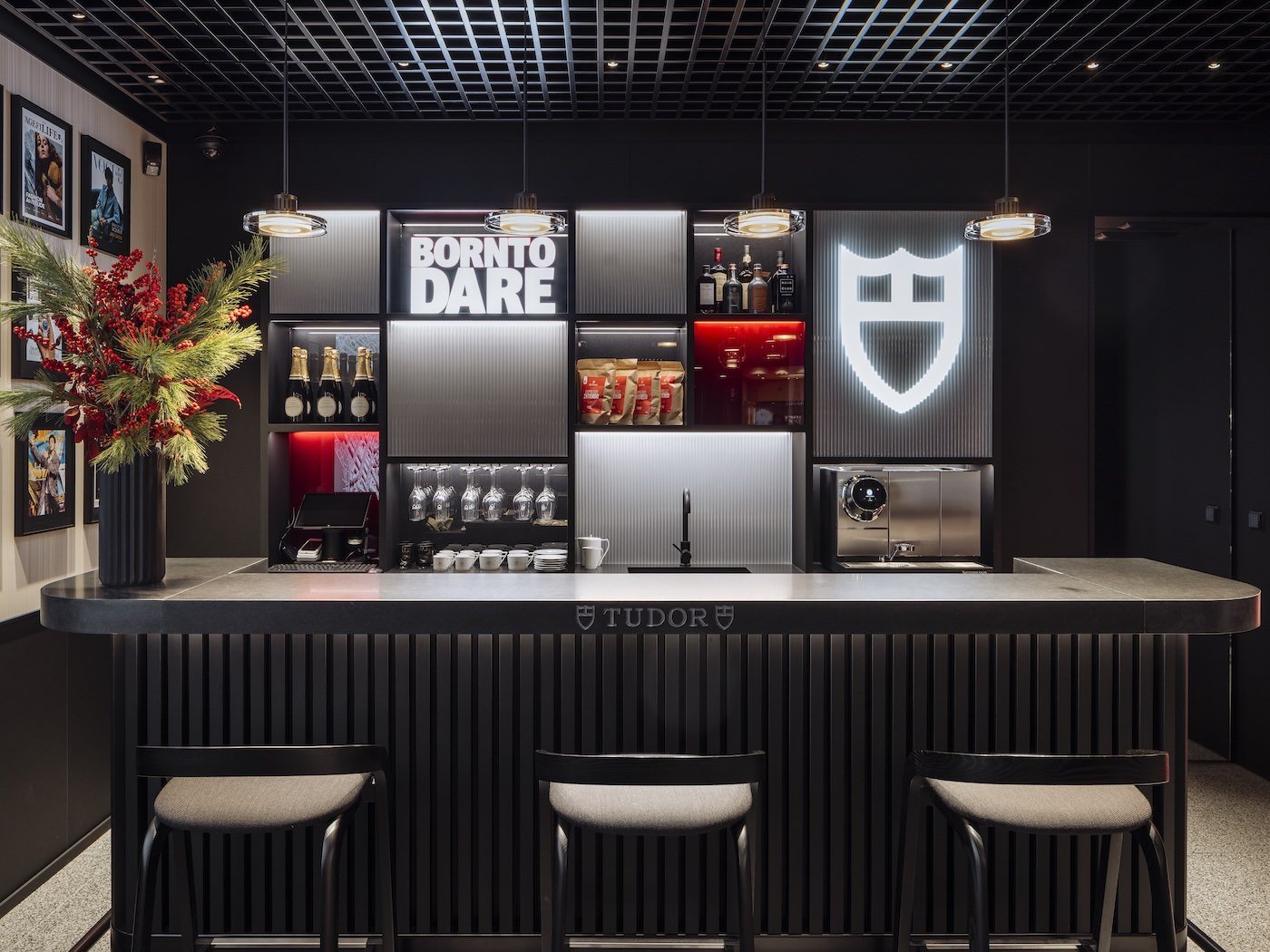
Today, the brand is distributed through 1,600 points of sale worldwide, including 240 dedicated boutiques operated by retail partners rather than owned directly. Distribution is therefore entirely wholesale - contrary to some assumptions. This model also reflects Tudor’s own social philosophy, marked by a certain serenity rooted in trust - both in its industrial production capabilities and in its relationships with partners and employees. The brand’s ownership by the Hans Wilsdorf Foundation, which removes shareholder pressure, is no small factor.
As for production figures, estimates suggest at least 160,000 watches in 2024, generating CHF 360 million in revenue. Although the brand does not communicate official numbers, reality is likely significantly higher. With the discreet celebration of its first centenary, Tudor begins writing its next chapter with the same serenity and humility that have always defined it.