
 Español
 Français
 Pусский
 繁體中文
繁體中文 简体中文
简体中文 Select another language

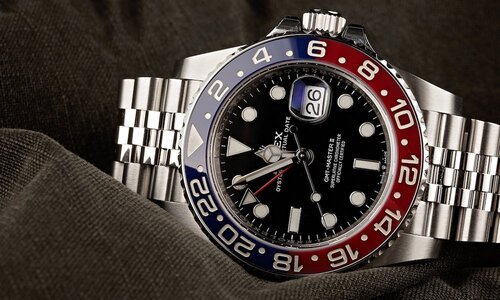
he forces at play are familiar: prices for new watches have risen sharply, inventories have built up at various points along the supply chain, and some customers are looking for more affordable entry points to leading brands. Against this backdrop, pre-owned watches have become a significant commercial proposition in their own right. Yet the market’s growth remains hampered by one central issue: trust.
Across digital platforms, independent dealers, dormant inventories and sometimes opaque distribution channels, authenticity, provenance and condition remain sensitive issues. It is precisely this need for trust that Bonhill intends to build its offering around.
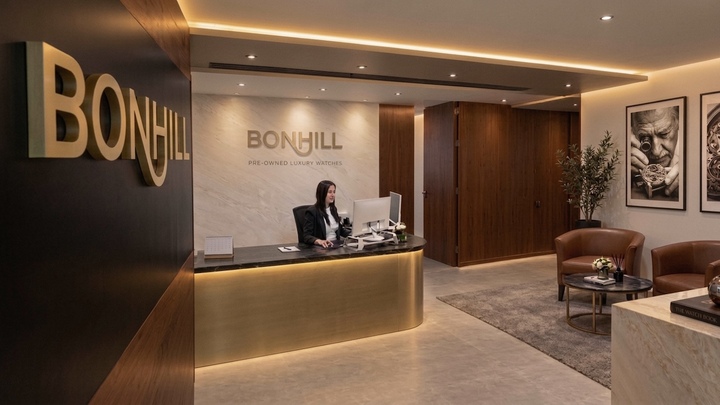
Established in the United States since 1987, the group has developed considerable expertise in a market long accustomed to buying pre-owned. From 2014 onwards, it opened offices in several countries to purchase watches directly from the public, strengthening its sourcing capabilities and deepening its understanding of international customers’ expectations.
A further milestone came in 2023 with the introduction of dedicated spaces inside leading watch and jewellery retailers outside the United States. The aim was to assess the potential for pre-owned watches in traditional retail, in a market previously dominated by online players.
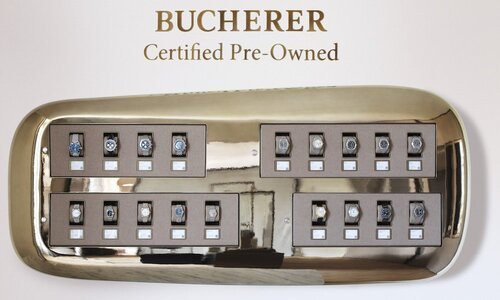
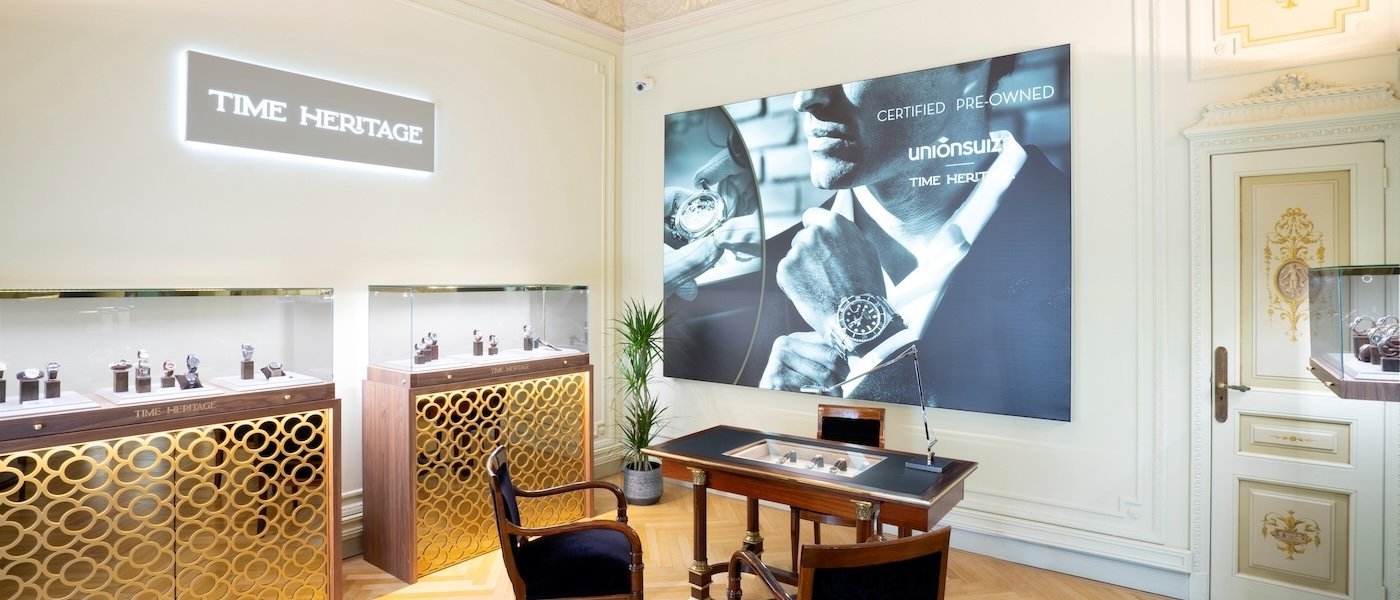
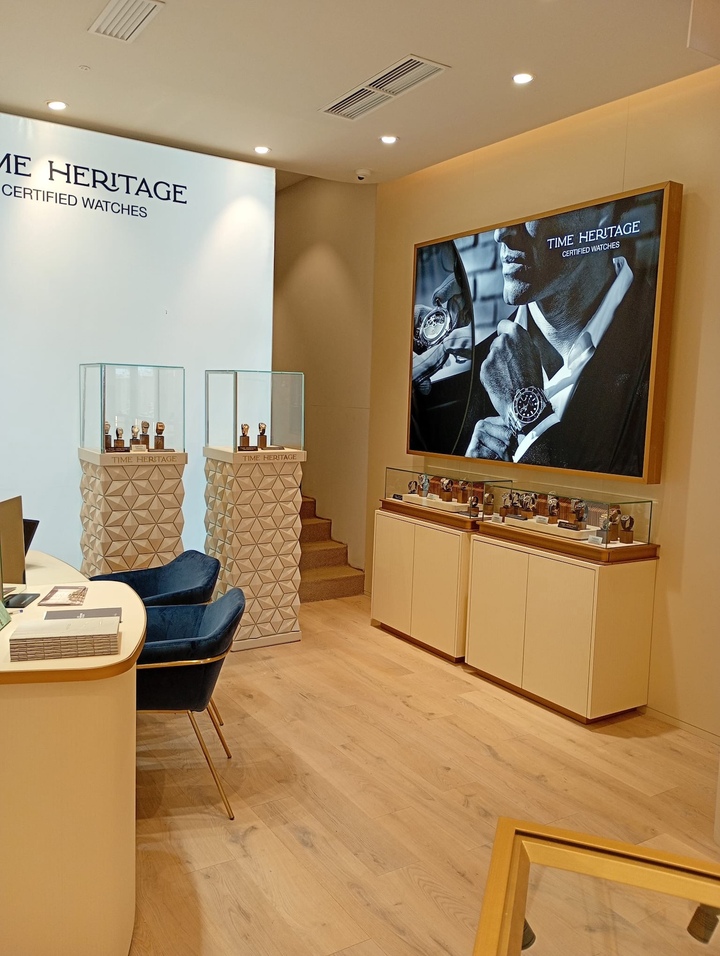
Today, Bonhill is developing its Time Heritage concept across Europe from its base in Barcelona. The principle is to establish corners within partner retailers dedicated to pre-owned watches from brands they do not necessarily carry as new.
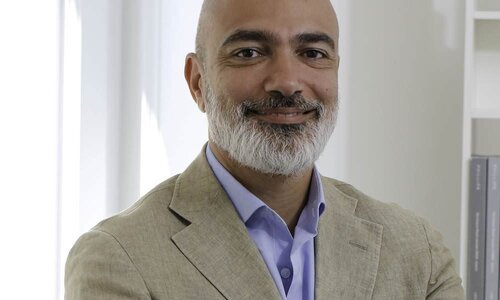
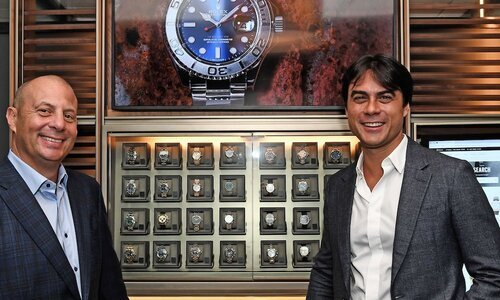
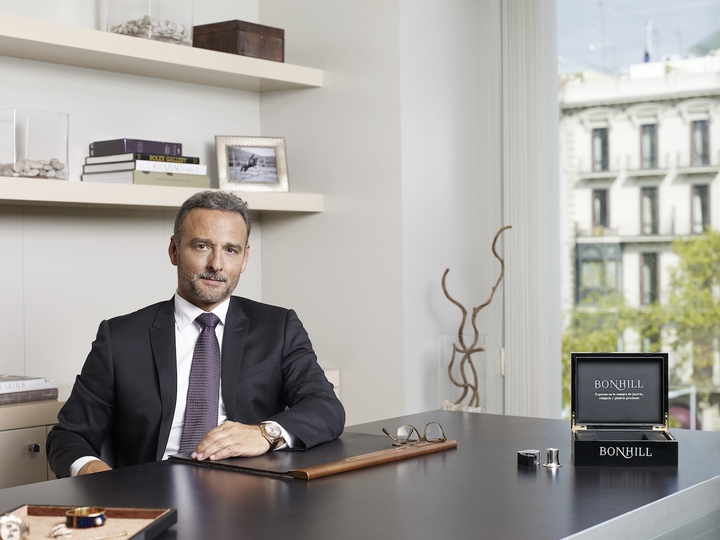
“What began as a pilot project is becoming an international model. We have received more than 100 requests to open corners around the world, but for now we have chosen to limit openings to just ten a year. The next are planned for Bahrain, Qatar, Riyadh, Kuwait, Oman, Mexico, Portugal, Budapest, Tokyo and Paris,” says Javier Cunill, co-founder of Bonhill.
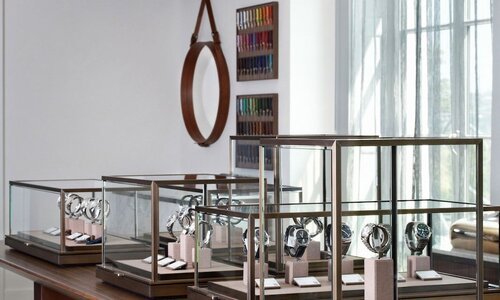
The experience of corners such as the one at Union Suiza in Barcelona has encouraged the group to pursue this approach. The idea is simple: draw on the retailer’s credibility to reassure customers who remain reluctant to buy a valuable watch through entirely digital channels. In-store, customers can examine the watch, learn about its history, try it on and benefit from professional advice.
Time Heritage currently has 18 spaces across Europe, the Middle East and Asia, and continues to expand internationally. Bonhill, meanwhile, reports having sold more than 100,000 watches through its network. In Europe, the group intends to work particularly with independent retailers facing a dual challenge: maintaining their appeal and broadening their offering as the major groups’ distribution policies have restricted their access to certain brands.
Bringing assurance to pre-owned
Each Time Heritage corner houses a tightly curated selection of watches, displayed by brand and integrated into the retailer’s sales floor. Prices are lower than for new watches, with differences depending on age, condition and rarity. “Our network of retailers adheres to a charter and a concept designed to satisfy their customers and help them gain market share,” explains Javier Cunill.
Above all, the group emphasises buying with confidence. Before going on sale, watches are inspected or serviced by watchmakers. They come with a two-year warranty, provided either by the brand or by Bonhill, depending on the watch, and are supplied with a new strap, a dedicated presentation box, an identification sheet and a certificate of authenticity. Time Heritage thus seeks to bring the experience of buying a pre-owned watch closer to that of buying a new one.
This positioning reflects a deeper shift in watch retail. For retailers, pre-owned watches can offer a way to attract new customers, respond to greater price sensitivity and bring watches back into circulation that would otherwise have bypassed the traditional network.
One strategic question remains: how can the pre-owned business grow without undermining sales of new watches? Bonhill argues that the two are complementary, presenting pre-owned watches as a gateway to high-end watchmaking. This approach could appeal to retailers seeking new sources of growth, provided they can maintain a delicate balance between two increasingly intertwined markets.
The expansion of Bonhill and Time Heritage illustrates a broader transformation within the industry. Long confined to the fringes of official retail networks, the pre-owned market is gradually adopting their standards: warranties, traceability, service and an in-store presence. Whether this more structured approach will secure it a lasting place in traditional retailers’ windows remains to be seen.