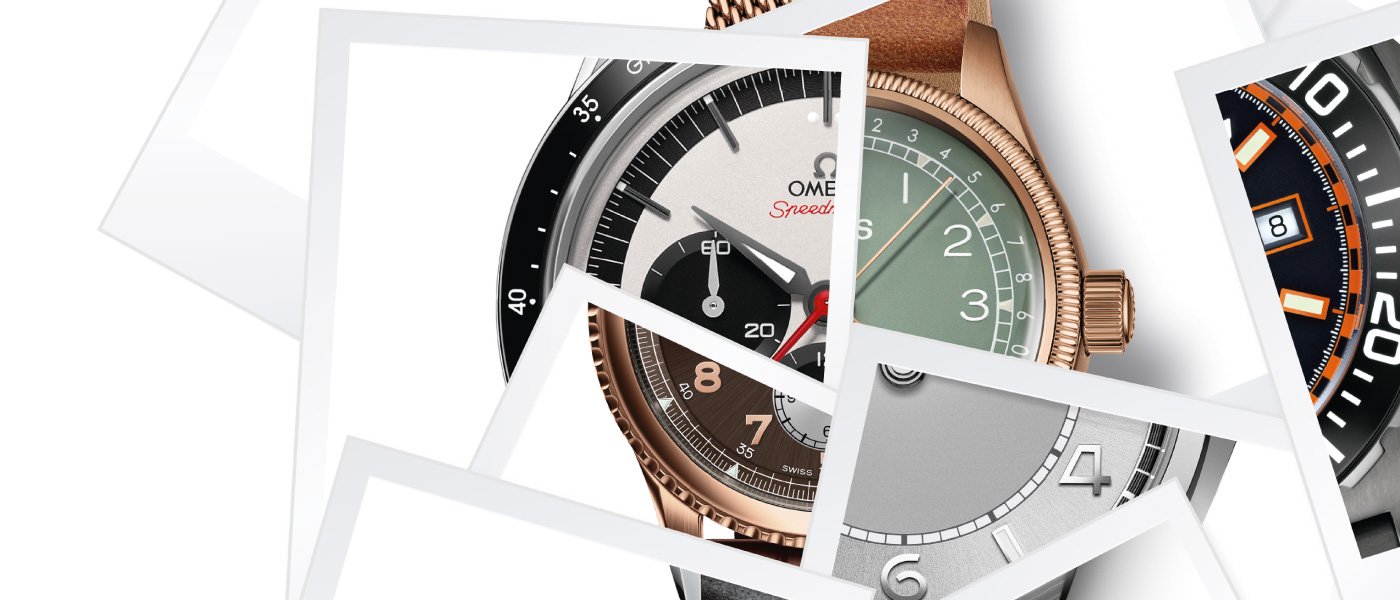
“La nostalgie, c’est le désir d’on ne sait quoi” (”Nostalgia is the
desire for the indefinable something")—Saint-Exupéry.
B
ut what does this mean for vintage? Obviously, it’s a form of nostalgia,
but does it also involve desire? If so, it’s a fierce, powerful desire. What was
initially a fairly marginal interest in pieces from the fifties, sixties and seventies
rapidly expanded beyond the mostly young circle of new collectors where
it originally took hold. Vintage gradually became a dominant interest, and a
booming economic sector in itself (if it’s ever possible to put a number on the
vintage phenomenon, we’ll be sure to include it in an upcoming issue!).
The vintage trend has seeped into all markets to become “neo-vintage”, a style
adopted by almost all brands looking to make something new from something old.
No watch category has been unaffected, from dress watches to sports watches.
(Take a look and see if you can spot the trend in our different galleries.)
The most significant type of nostalgia harks back to the era when watches were
both an expression of style and functional. This was a time when tool watches
reigned supreme, when wearers could use their watches for measurements, as
chronographs, to display the time in different parts of the world, to take their pulse
and get their bearings. Wearers expected their watches to accompany them to the
North Pole, the depths of the oceans, into the stratosphere and even to the Moon.
While it’s true that watches today still have all of these functions, watches
no longer have a monopoly on precision timekeeping. They
have been replaced by much more powerful tools.
The vintage trend is a nostalgia for a time gone
by that isn’t going to come around again.
So, neo-vintage is an attempt at reviving the era.
The vintage trend is a nostalgia for a time gone
by that isn’t going to come around again.
So, neo-vintage is an attempt at reviving the era.
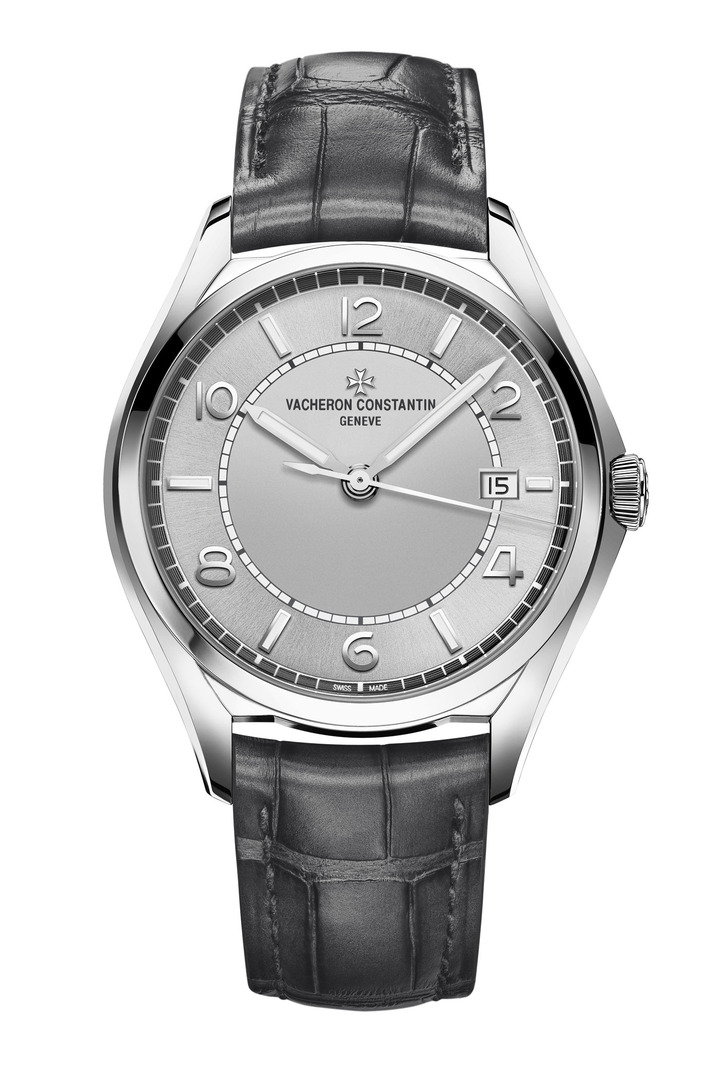
VACHERON CONSTANTIN FIFTYSIX
For Vacheron Constantin, the new Fiftysix collection inspired
by reference 6073 from 1956 represents “a new chapter in our
history... an important new step as this original line, inspired by
a historical Vacheron Constantin watch... instils a modern momentum
capable of opening up the world of fine watchmaking
to every enthusiast.” Or, in other words, it’s destined to attract
a new generation of fans, the infamous millennials everyone’s
raving about. So, is the modern now going to come from the
past? From 10,000 to 20,000$
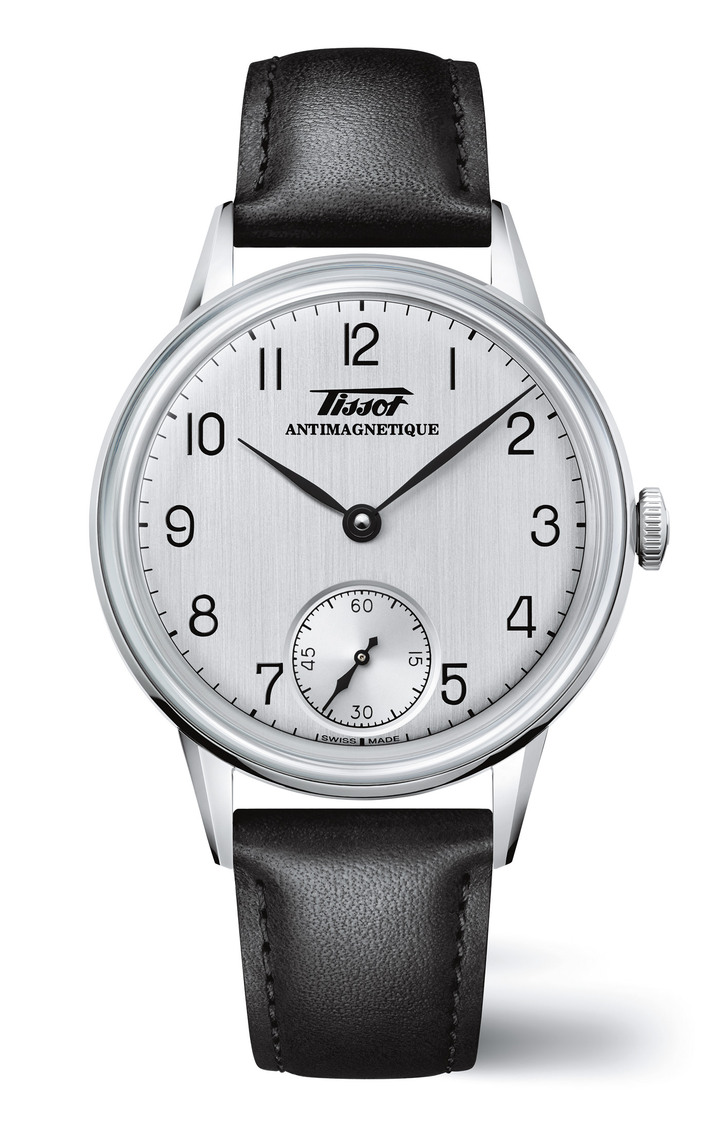
TISSOT HERITAGE 2018
Inspired by the Tissot wristwatch from 1943, the Tissot Heritage
2018 design pays tribute to the original model. This version
featured a nickel and titanium alloy case, a seconds subdial
and a 27 mm calibre exclusive to Tissot. The contemporary
model features a silvery dial that is domed and has a vertically
brushed finish, leaf-shaped hands, a sapphire crystal with antireflective
coating and a manually wound mechanical movement.
Tissot has described its design approach as “nostalgia
with panache”. Less than 1,000$
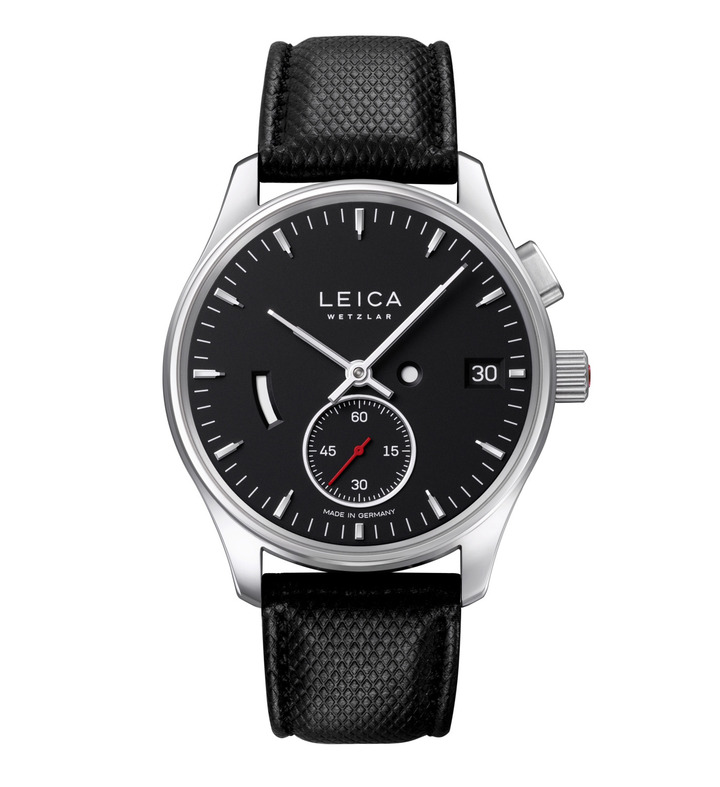
LEICA L1
This isn’t so much a new version of an existing model as a
completely new watch inspired by the famed cameras that had
their finest hour in the ‘vintage’ period. The finely-worked stainless
steel case, grooved crown and curved crystal on the dial
side of the watch, along with a myriad of other small details,
evoke the signature simplicity of the lens of a Leica camera
from 1914. An attractive manually-wound mechanical movement
designed by Lehmann Präzision adds the technical touch
Leica is known for. From 10,000 to 20,000$
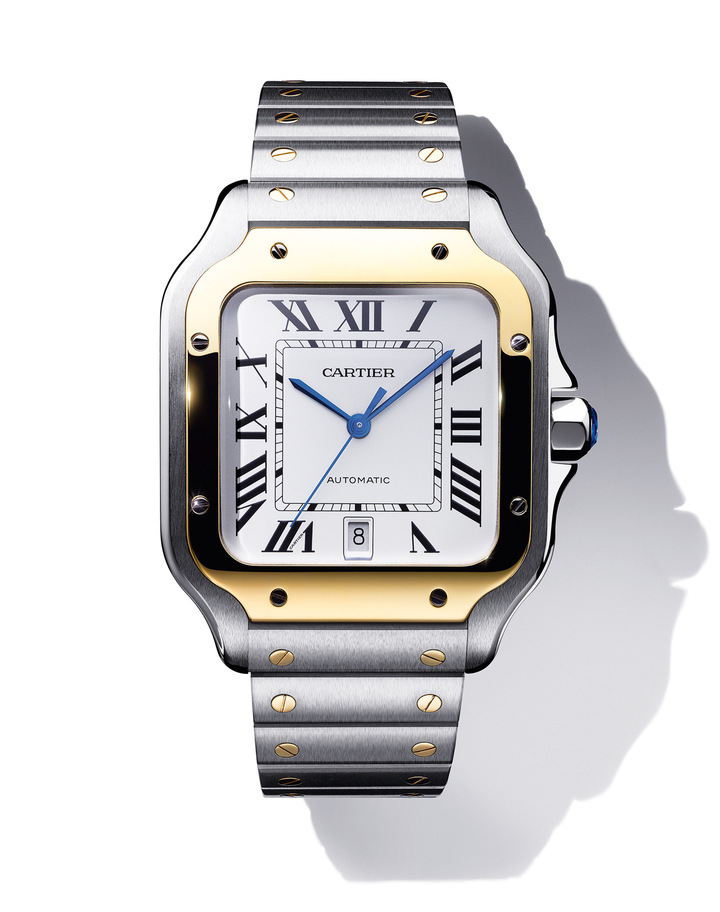
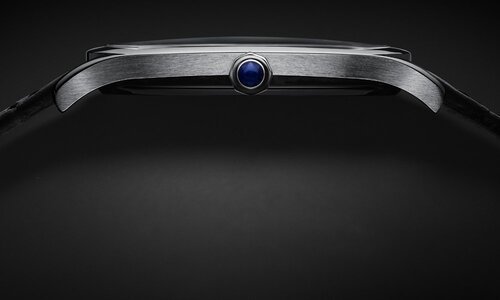
CARTIER SANTOS
The Santos has come in a variety of different forms since the
original was designed in 1904. It’s been reinvented at least
once a decade on average. We’re not going to go into the
timeline of the watch here, but suffice it to say that it was the
first wristwatch, and it has also had the longest-lasting appeal,
with all the ups and downs, moments of glory and moments
that would be best forgotten that that entails. This is something
that goes beyond simple vintage. For the new release this year,
the watch has been updated, but its signature square shape is
much the same. There are still eight screws on the bezel, but
the bezel itself and the case are thinner for a sleeker style that
sits more comfortably on the wrist. Cartier is looking back to
the past to guarantee its future. From 5,000 to 10,000$
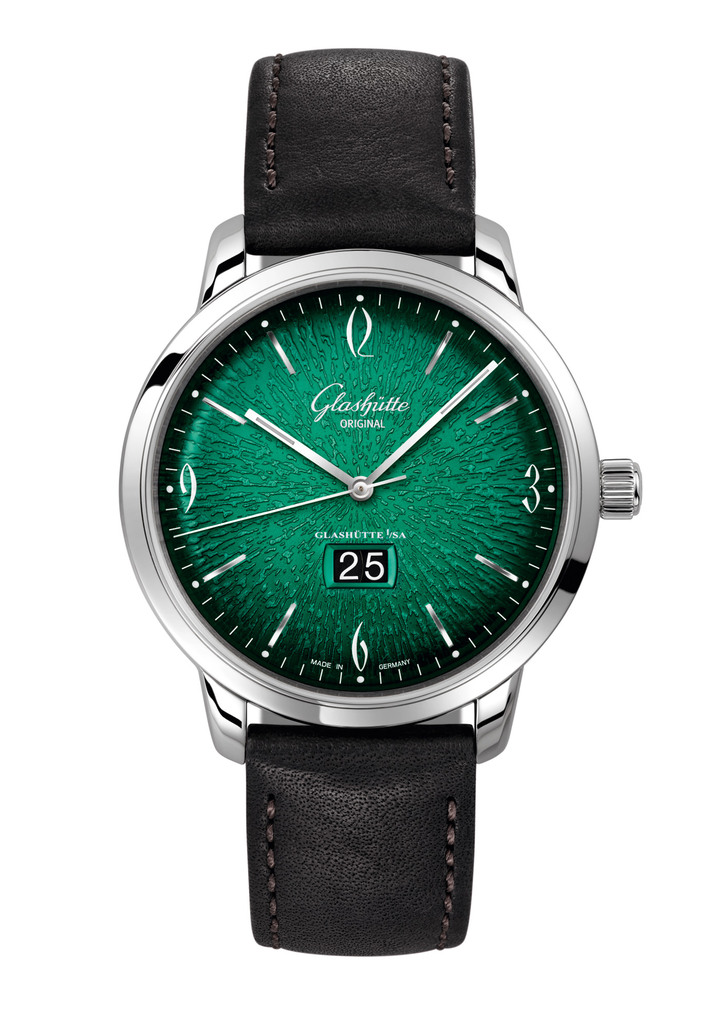
GLASHÜTTE ORIGINAL SIXTIES DATE PANORAMA
This watch features a domed crystal (now in sapphire), curved
hands, original Arabic numerals and a retro curved degradé
dial effect. The surface of the dial is lightly textured “made using
traditional tools and stamps stored in the archives of dial
manufacturer Pforzheim.” The sixties style is reminiscent of the
“Spezimatic” mechanical watch series launched in 1964. While
the watch is now powered by automatic calibres developed
and manufactured in-house, the objective of the collection was
to “bring the creative spirit of the swinging sixties into today’s
world.” From 5,000 to 10,000$
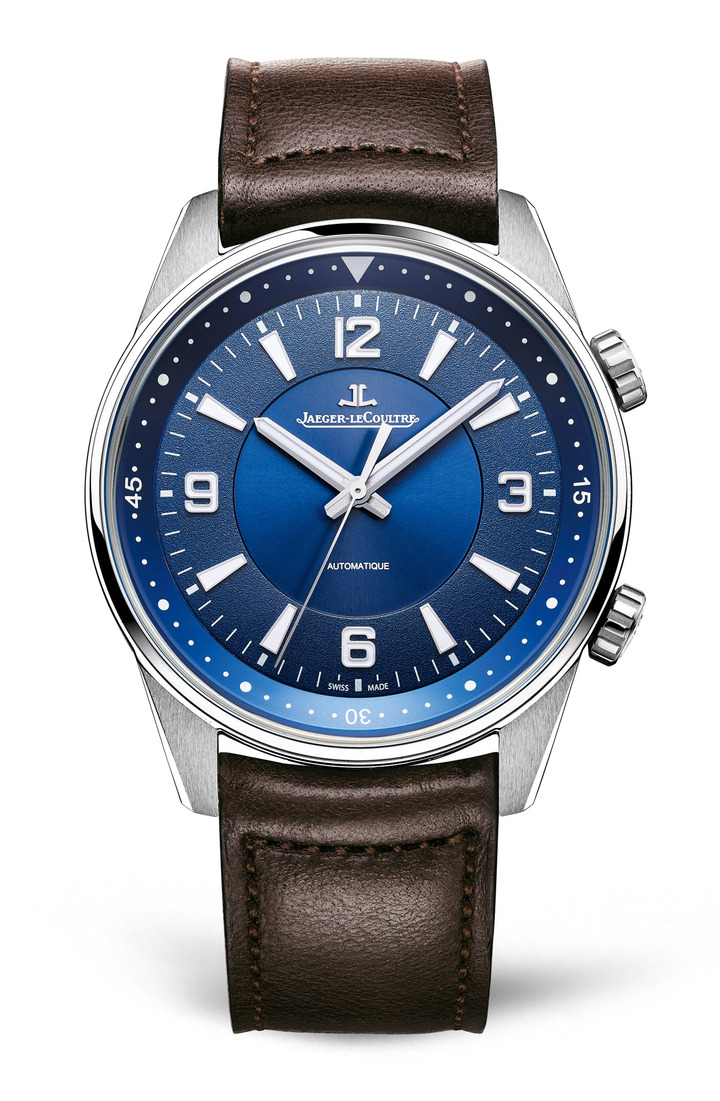
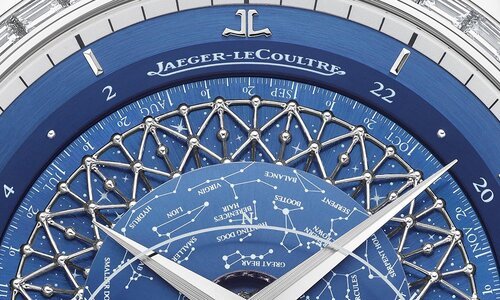
JAEGER-LECOULTRE POLARIS
The Polaris isn’t just a new watch, it’s an entire new collection
that Jaeger-LeCoultre have described as “a new core part
of the brand that redefines sporty elegance.” This statement
reveals the importance the brand has attached to the fledgling
collection. For all that the collection is new, however, it is inspired
by the Memovox Polaris from 1968. Jaeger-LeCoultre has
described the new collection as “embodying the very spirit”
of the previous design. The new watch is emblematic of the
neo-vintage trend, reusing major features of the original design
with a more modern style. From 5,000 to 10,000$
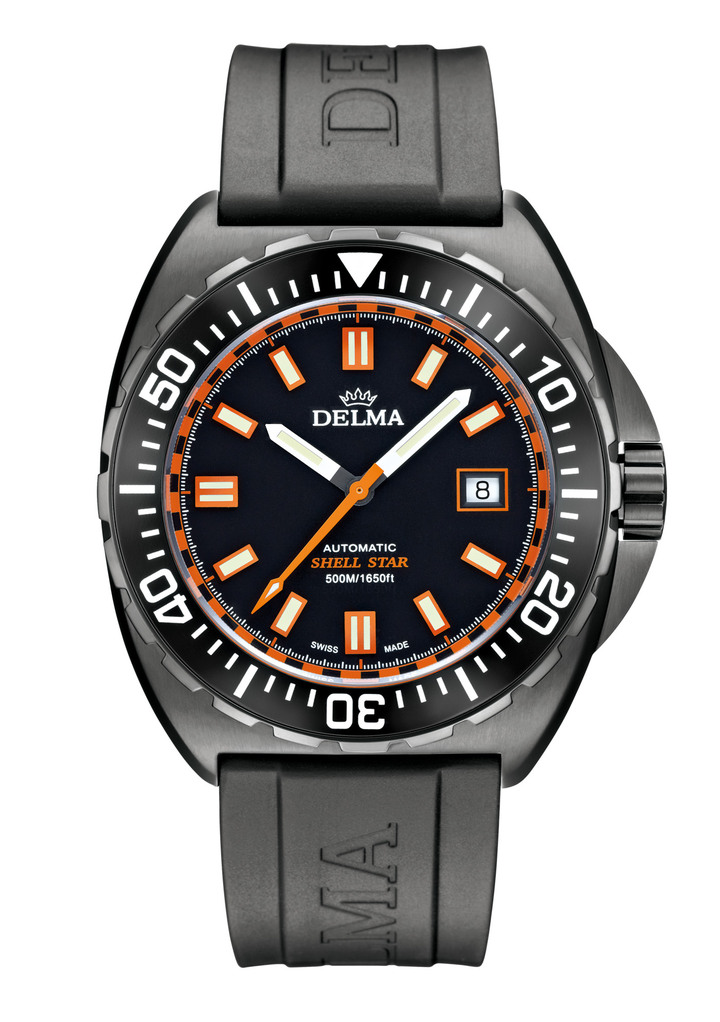
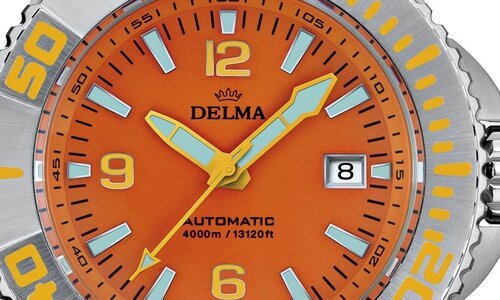
DELMA SHELL STAR BLACK TAG
In 1975, Swiss family brand Delma, founded in 1924, launched
its first professional diving watch under the name “Shell Star.”
The model has since become symbolic of the brand and has
inspired several watch designs. It’s back again, this time with a
44 mm-diameter model featuring a helium relief valve, waterresistance
up to 500 m and a see-through back. The new design
comes in DLC stainless steel with an ETA 2824-2 calibre.
From 1,000 to 3,000$
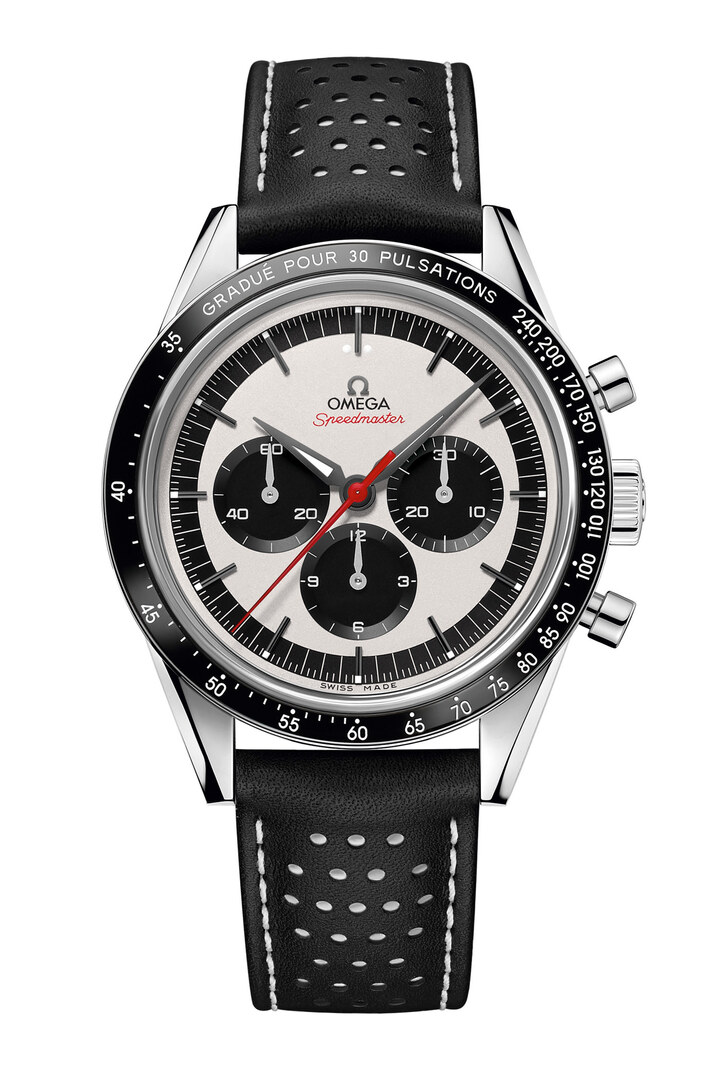
Omega has recently unveiled the new Speedmaster CK 2998
Limited Edition, continuing to build on one of its most popular
watch designs. The original was released in 1959 and has since
become one of the most popular vintage Speedmasters in the
world. Omega has retained many of the iconic features of the
original watch that inspired the design but has added several
updates. All three subdials are black, as well as the minutes
track. The polished ceramic bezel features a white enamel pulsometer
scale. The pulsometer scale in particular is a special
feature of the CK 2998. In the original models, customers could
choose from four different versions of the timing bezel: tachymeter,
pulsometer, decimal or telemeter. The new Speedmaster
has an Omega 1861 calibre, a main feature of the Moonwatch
collection. From 5,000 to 10,000$
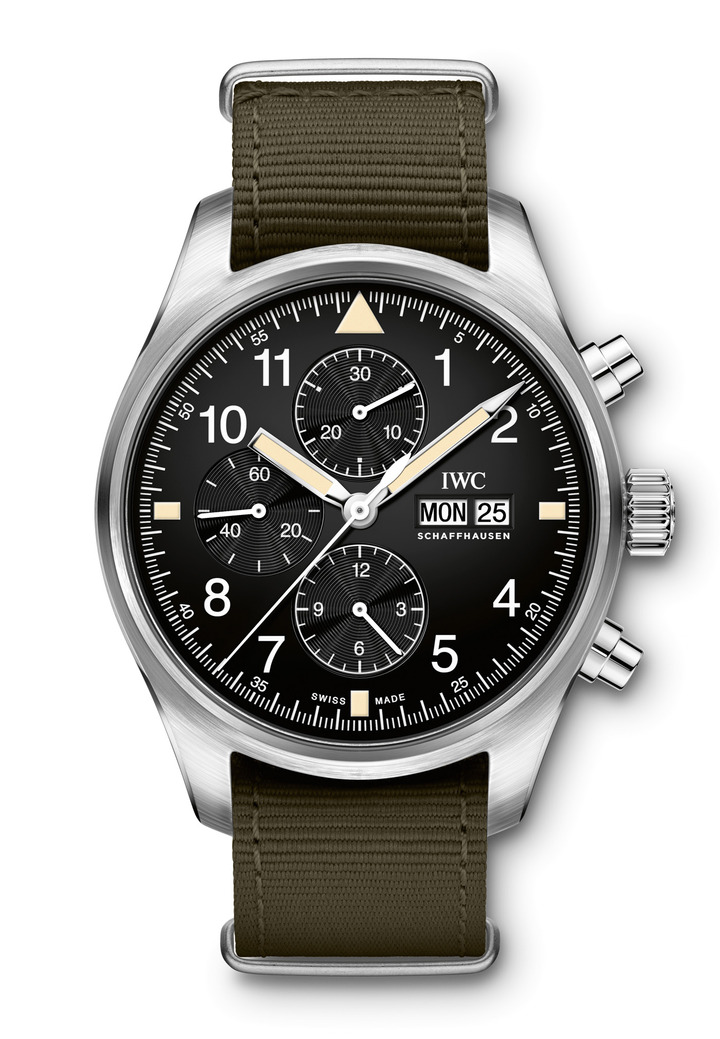
There’s no need to go back to the fifties, sixties or seventies,
people are already using the word ‘vintage’ to describe this pilot
watch inspired by the first IWC mechanical Fliegerchronograph
launched in 1994. Even at the time, reference 3706 was associated
with a vintage look. The instant classic is going back to
its original design: a quarter-seconds scale to measure short
periods of time and rectangular hands covered in a luminous
material. The robust 79320 calibre measures splits and additional
time up to 12 hours. Like all of IWC’s pilot watches, the
movement is protected against magnetic fields by a soft iron
case and the crystal is resistant to sudden drops in pressure.
From 3,000 to 5,000$
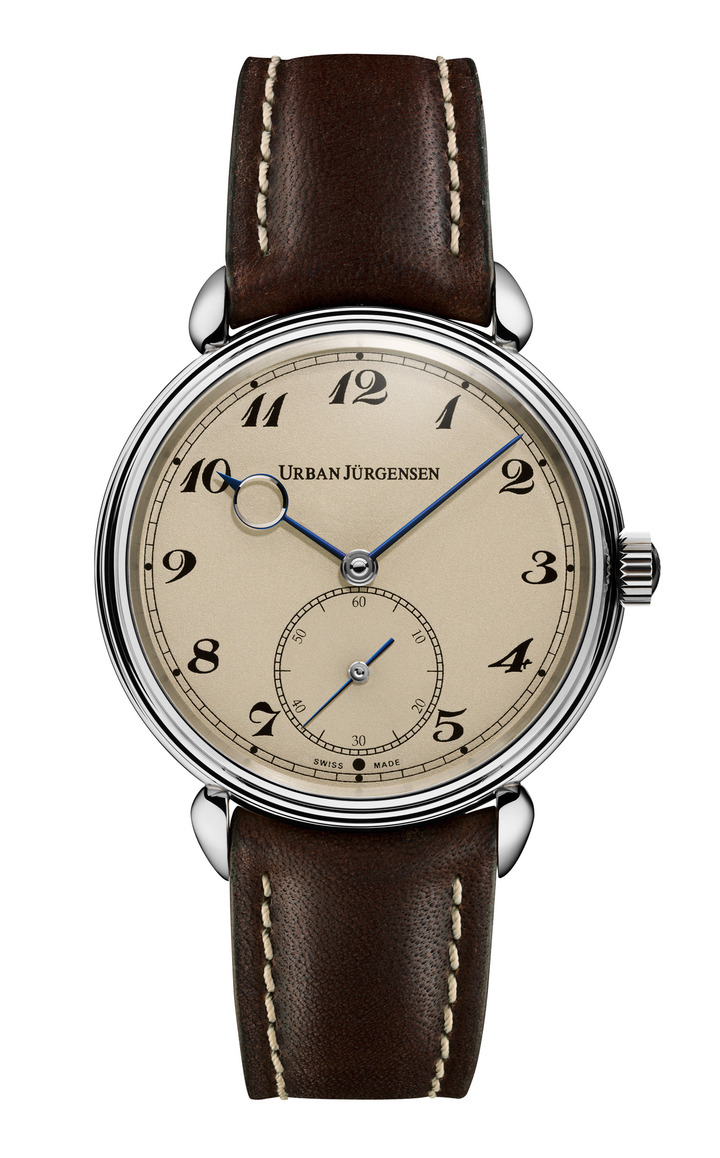
URBAN JÜRGENSEN THE ALFRED
Neither vintage nor neo-vintage, but inspired by a truly classic
design, The Alfred is named after Jacques Alfred Jürgensen
(1842–1912), the last watchmaker in the Jürgensen family. The
watch is the perfect encapsulation of the century-old tradition,
with tear-drop shaped lugs, a domed crystal, signature hands,
grenage dial created using a traditional grenage technique
and the classic seconds subdial. The watch is powered by the
Urban Jürgensen P4 calibre. From 10,000 to 20,000$
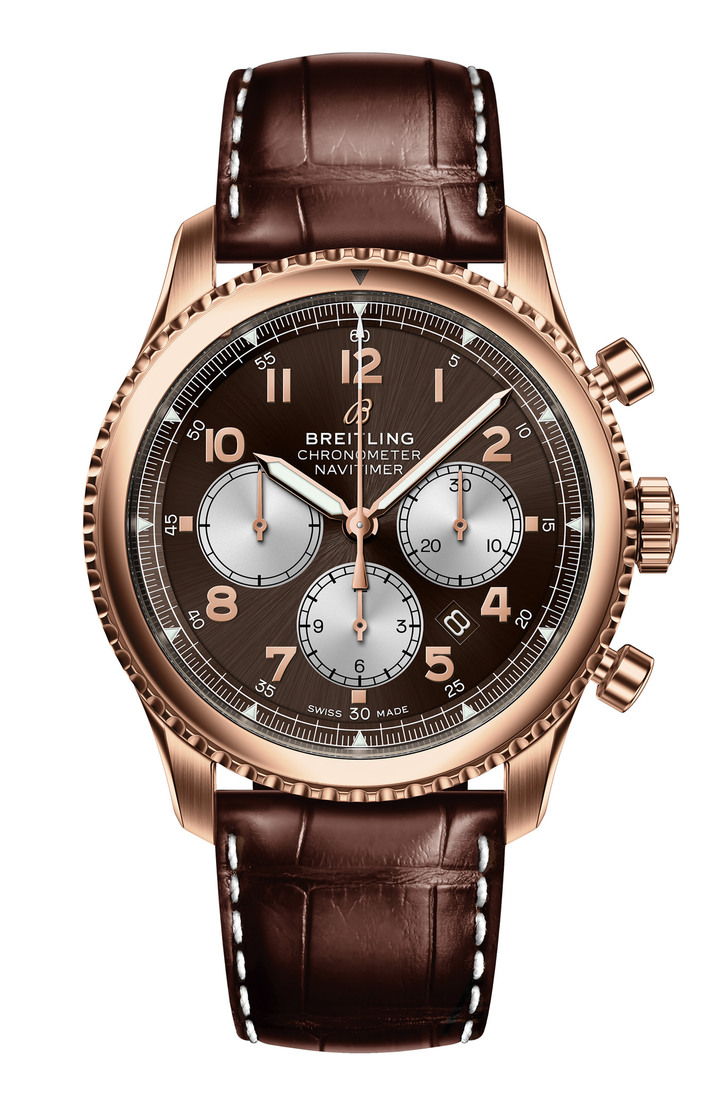
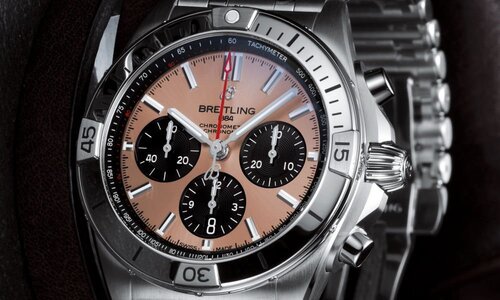
Navitimer 8 watches are based on the designs of the Breitling
Huit Department founded by Willy Breitling in 1938. The
Department’s name refers to the eight-hour power reserve
of the dashboard instruments designed by the company. The
watches are inspired by one of Breitling’s most iconic pilot
watches, reference 768 from 1941. The rotating bezel and triangular
hour markers attracted pilots to the watches. There’s a
strong vintage touch to this limited-edition model in everything
except how it is sold, which is thoroughly modern thanks to a
partnership with Mr Porter, a leading online retailer.
From 10,000 to 20,000$
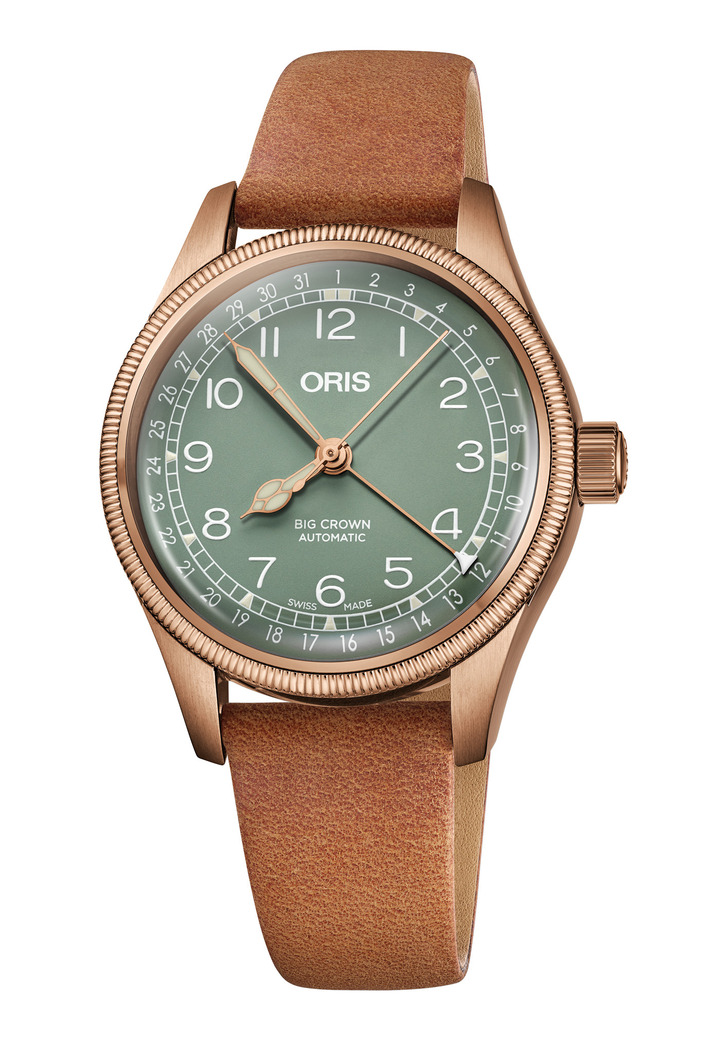
ORIS BIG CROWN POINTER DATE BRONZE VERSION
Oris has launched, relaunched, or even re-relaunched its Big
Crown Pointer Date pilot watch. The history of the watch dates
back to 1938, when it first came out. The model then fell by the
wayside to an extent and was relaunched in the eighties “to
demonstrate Oris’ mission to champion the eternal values of the
mechanical watch”, as it said at the time. The brand was then
somewhat forgotten once again, and is now being relaunched,
this time with the Pointer Date version in steel and bronze. The
bronze version is particularly attractive, with a pistachio green
dial that goes perfectly with the colour and texture of bronze.
Once vintage, always vintage. From 1,000 to 3,000$
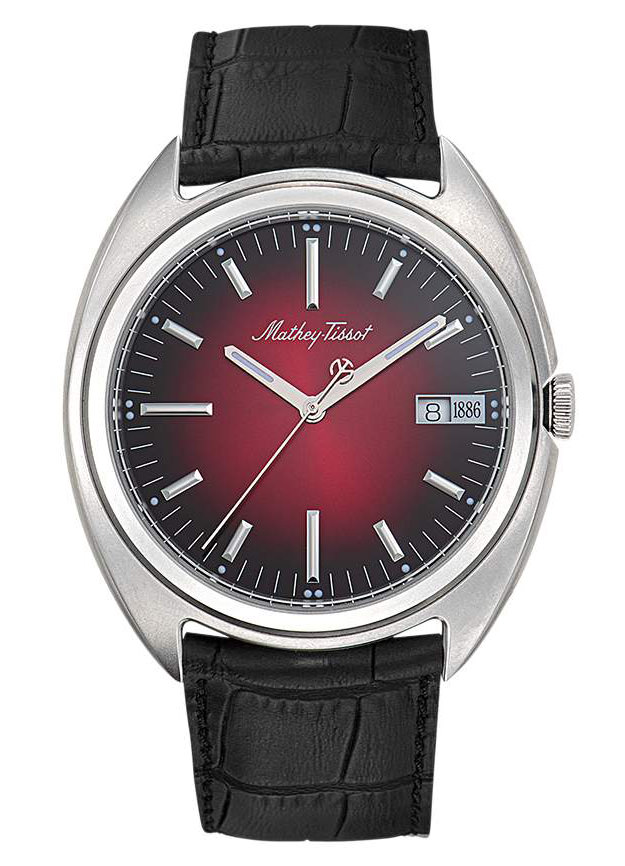
MATHEY-TISSOT 1886
Mathey-Tissot sought the services of Eric Giroud to create, or
indeed, ‘recreate’ a modern classic for the brand. This followed
a recognition that some of the brand’s models were selling
very well on eBay and other online retail platforms and that
seventies style was back in fashion. A special watch custommade
for Elvis Presley was hidden away in the brand’s storage.
Inspired by the discovery, but not content with simply recreating
the watch, the meticulous Eric Giroud wanted to express
the quintessential Mathey-Tissot seventies style by focusing on
the elegance of simplicity. From 1,000 to 3,000$
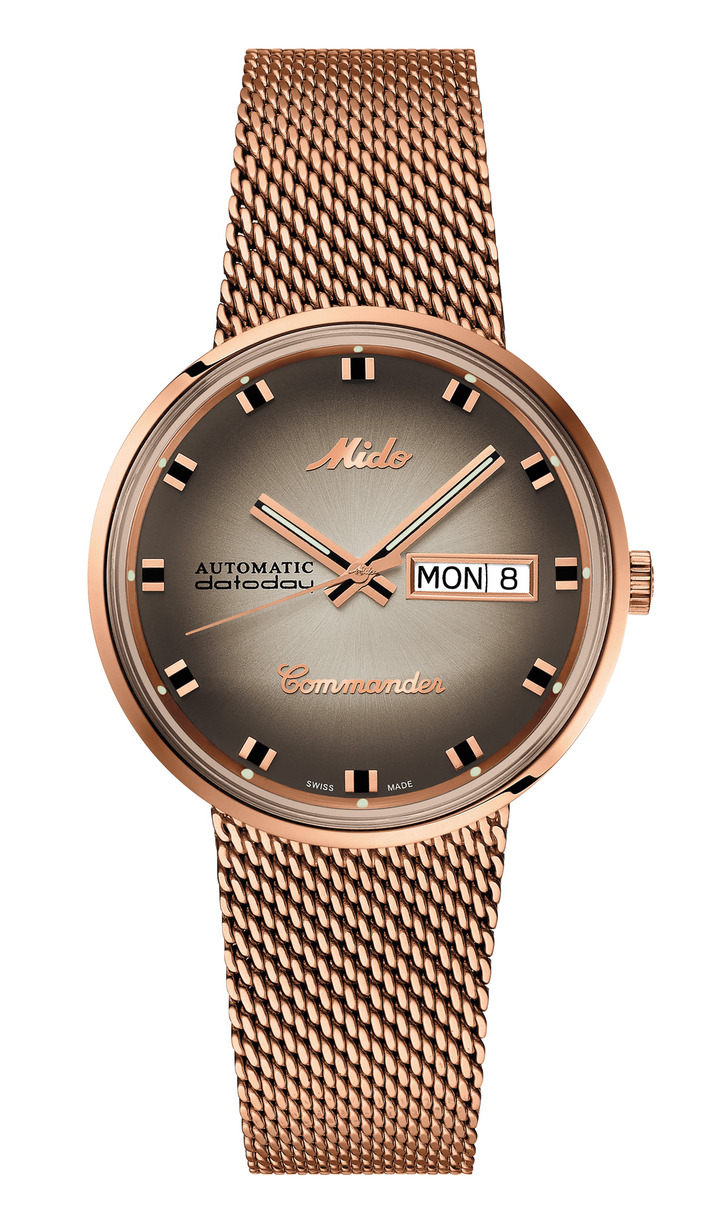
MIDO COMMANDER SHADE PVD OR ROSE
Mido launched its first Commander watch in 1959. It immediately
became an iconic piece and has been sold continuously ever
since. For the brand’s 100th anniversary, they have released an
almost identical model to the Commander Shade from the seventies,
with a single-piece 37 mm round case in polished steel.
Wearers can choose a PVD or rose gold finish. The smoked
sunray satin-finished dial is on full display in the streamlined
design inspired by the 1979 model. The dial’s two-tone graduated
finish in taupe and silver is protected by an acrylic crystal.
The watch features an ETA 2836-2 automatic movement.
From 1,000 to 3,000$
All mentioned prices are indicative and correspond to price segment.



 Español
 Français
 Pусский
 繁體中文
繁體中文 简体中文
简体中文 Select another language