
 Español
 Français
 Pусский
 繁體中文
繁體中文 简体中文
简体中文 Select another language

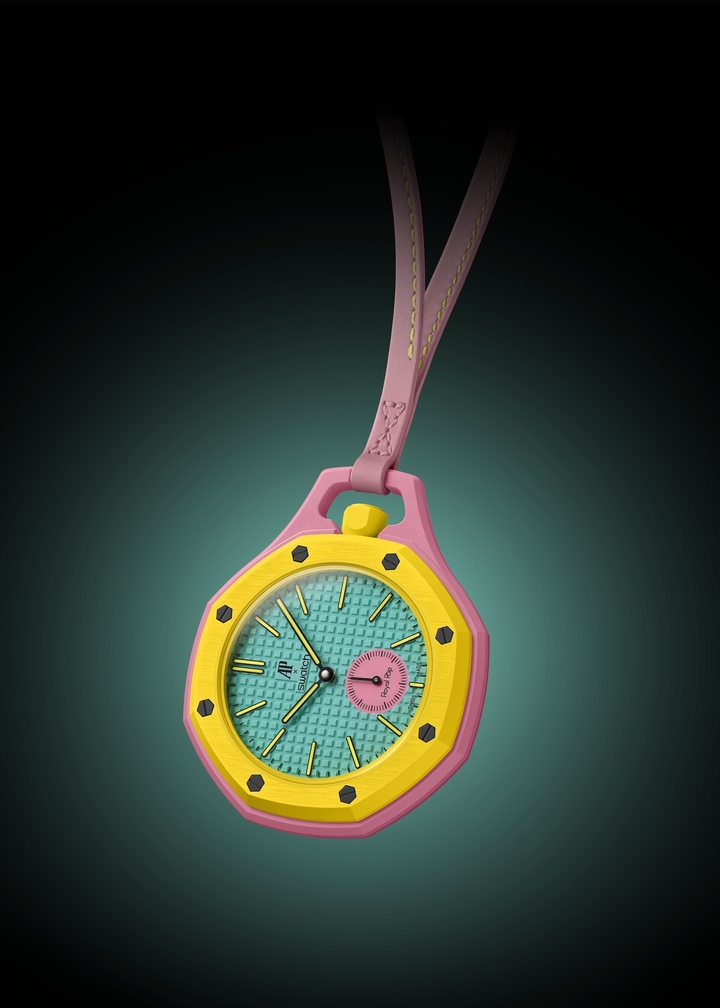
he Royal Pop is not the first “collab” between Audemars Piguet and Swatch Group. The two companies already operated a far more discreet partnership centred on Nivachron™, the highly innovative anti-magnetic balance spring, developed as an alternative to silicon-based solutions, that equips the Royal Pop. Now, the mutual trust forged through this technical collaboration has entered an entirely different dimension.
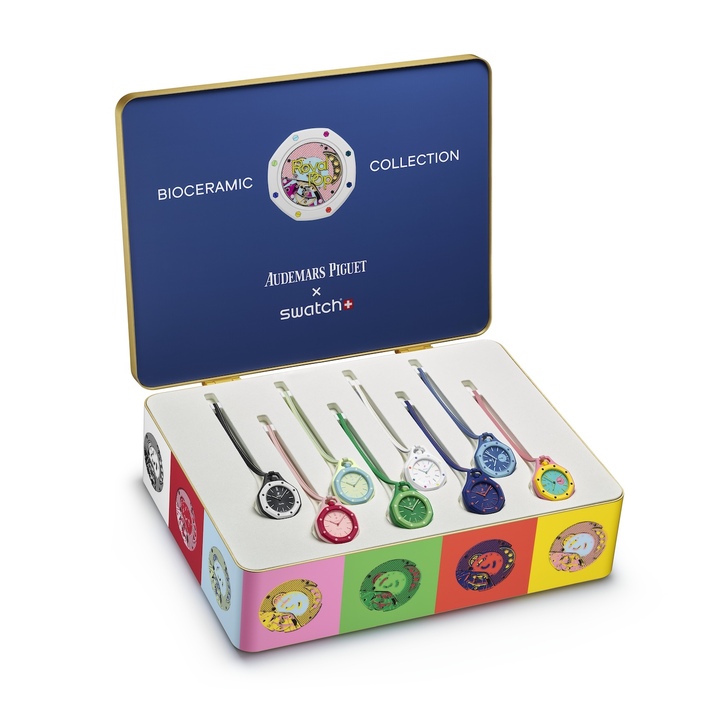
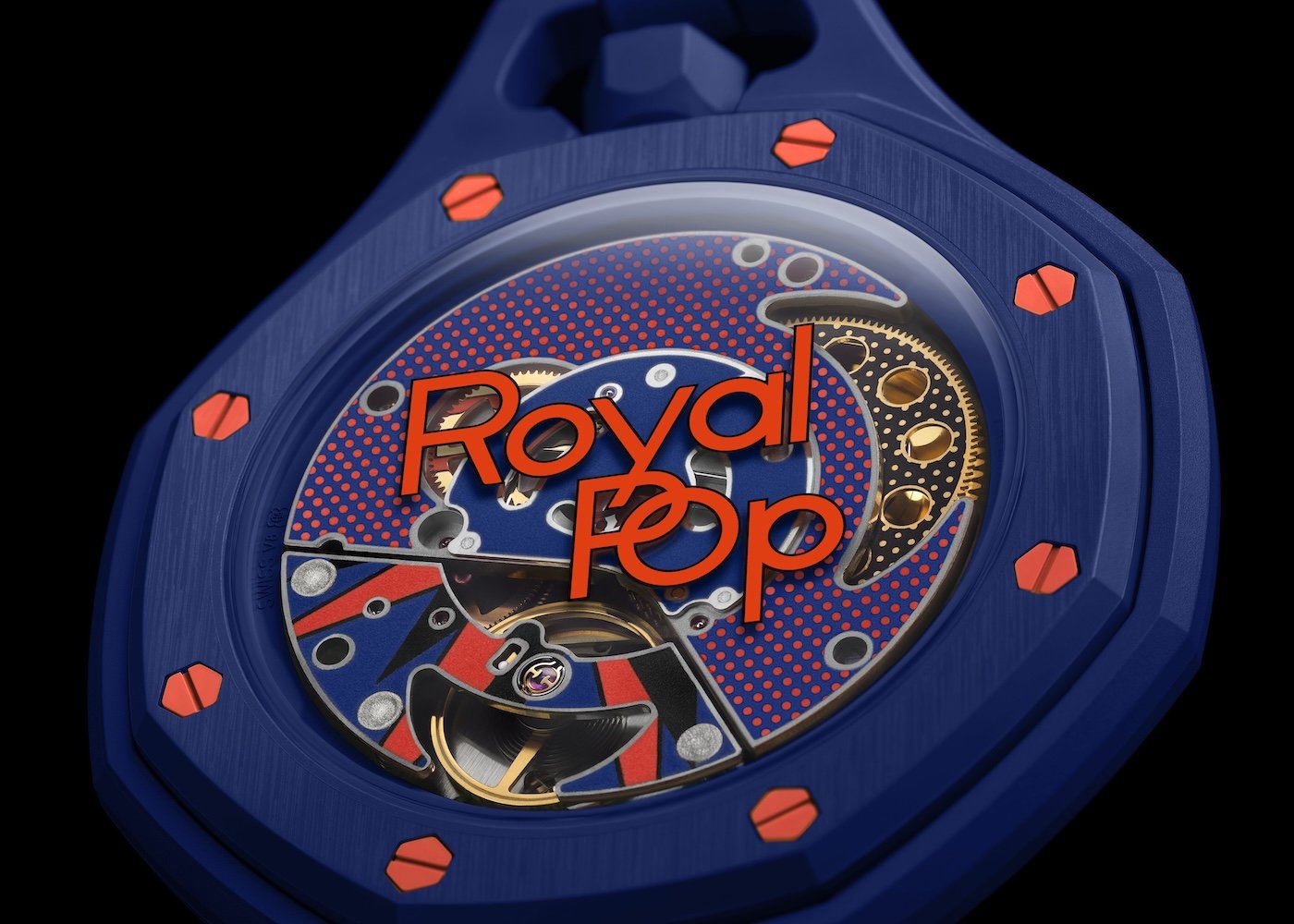
The collection of eight bioceramic models is powered by Swatch’s revolutionary Sistem51 calibre, in a newly developed manual-winding version incorporating 15 active patents. As Swatch once again emphasised at launch, Sistem51 remains a genuine industrial feat: the world’s only Swiss Made mechanical movement to be assembled entirely through automated production. Among its defining features, alongside the Nivachron™ balance spring, are more than 90 hours of power reserve and laser-adjusted precision settings performed directly at the factory.
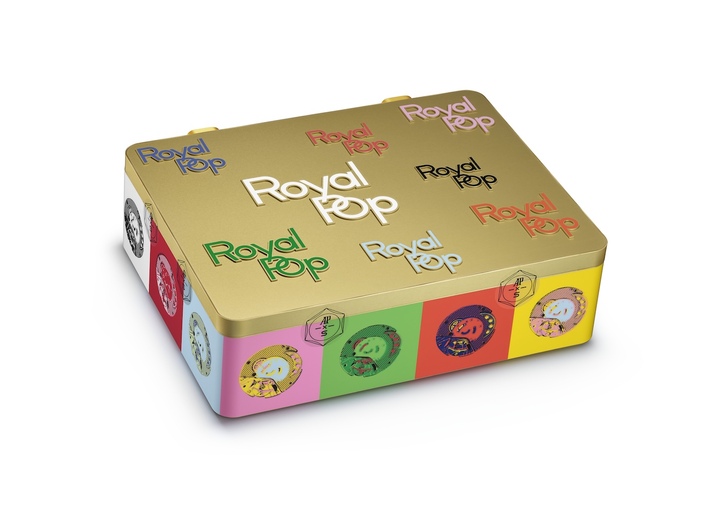
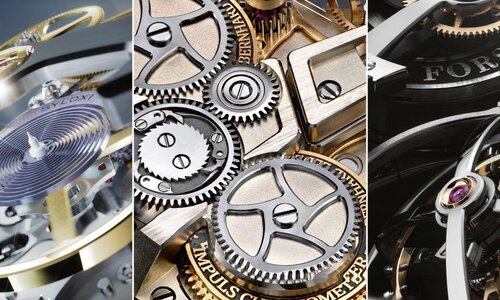
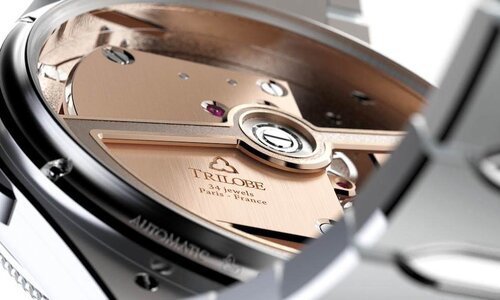
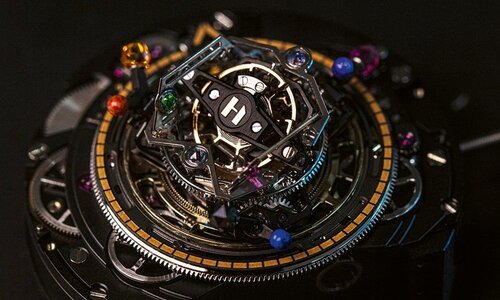
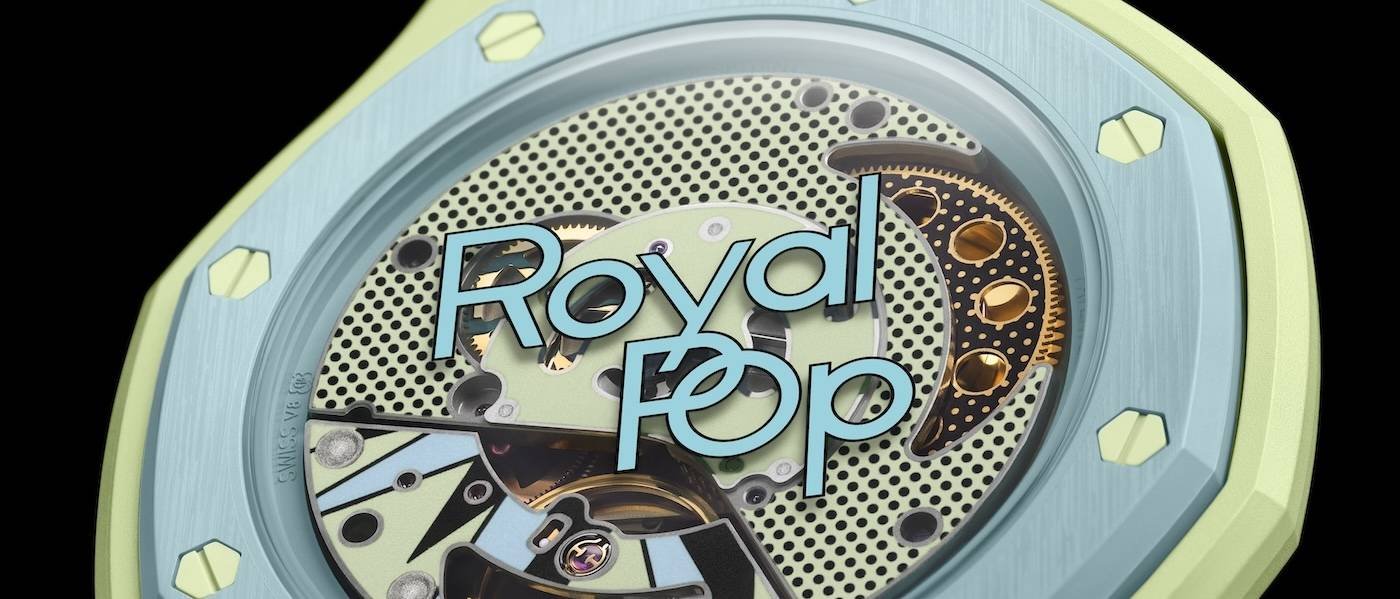
The decision to create eight models references the Royal Oak’s octagonal architecture and its emblematic eight bezel screws: a direct homage to one of watchmaking’s most recognisable designs. One of the patents filed for the Royal Pop concerns the visual treatment of the barrel drum – the watch’s energy store – which serves not merely as decoration but also as a power-reserve indicator. When the barrel chambers appear grey, the mainspring blades become visible, signalling that the watch needs winding. When they glow gold, the spring is fully tensioned, indicating maximum autonomy and optimal performance.
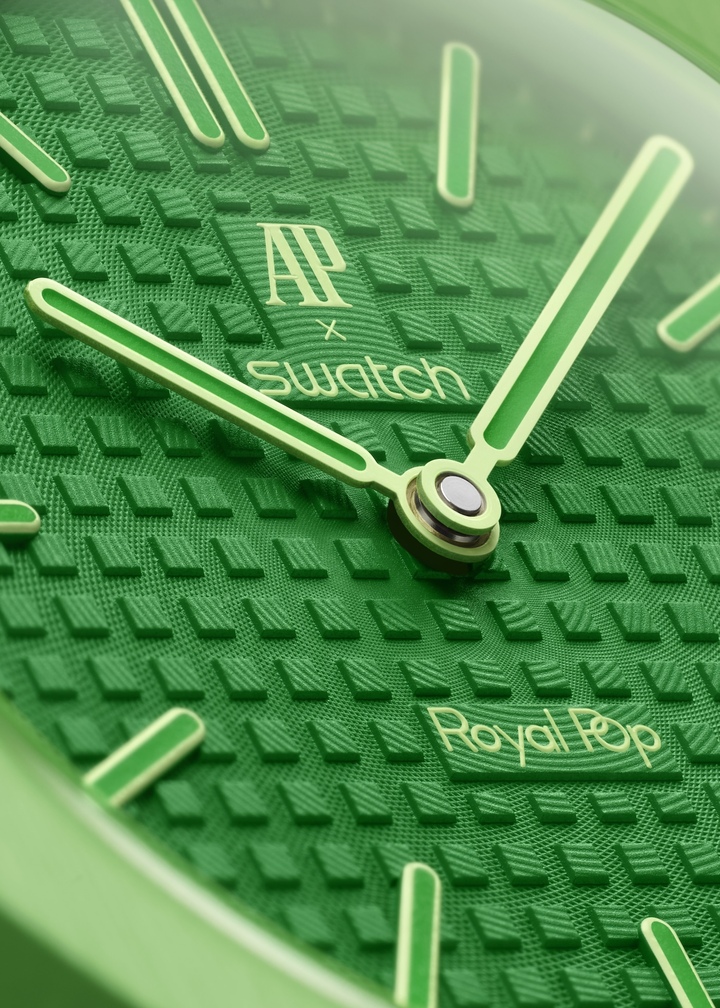
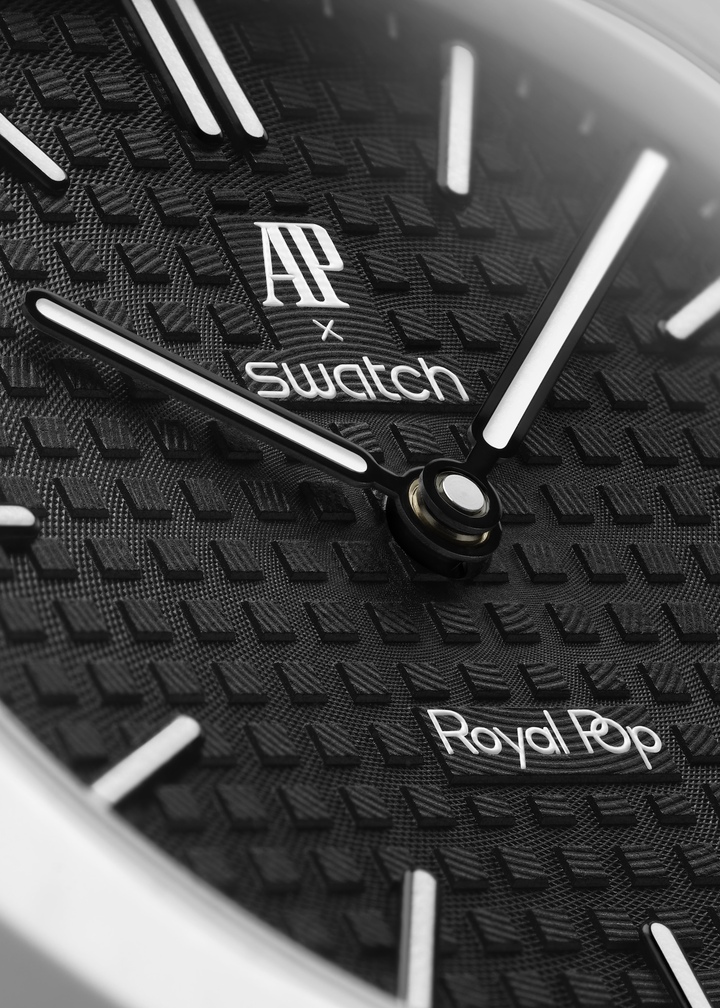
The “Petite Tapisserie” motif, one of the Royal Oak’s defining aesthetic signatures since 1972, also features prominently across all eight Royal Pop references.
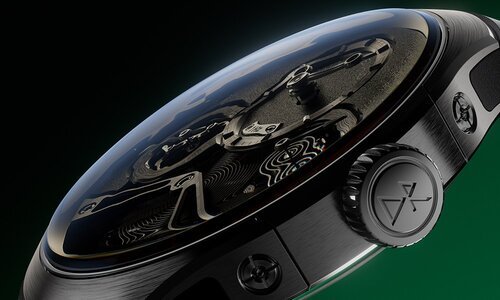
Other technical details further reinforce the connection with the original Royal Oak design language: the vertically satin-brushed bezel and caseback echo Gérald Genta’s iconic finishing codes, while a subtle sunburst effect animates the dial surface. The reverse side of the movement is decorated using digital printing. The crown, case and strap attachment are crafted in bioceramic, while the hands and indexes are coated with Grade A Super-LumiNova® for optimal night-time legibility.


The bioceramic itself – composed of two-thirds ceramic powder and one-third bio-sourced material derived from castor oil – gives the watch a distinctive combination of robustness and tactile softness. Co-branded Audemars Piguet × Swatch signatures appear on both the dial and crown.
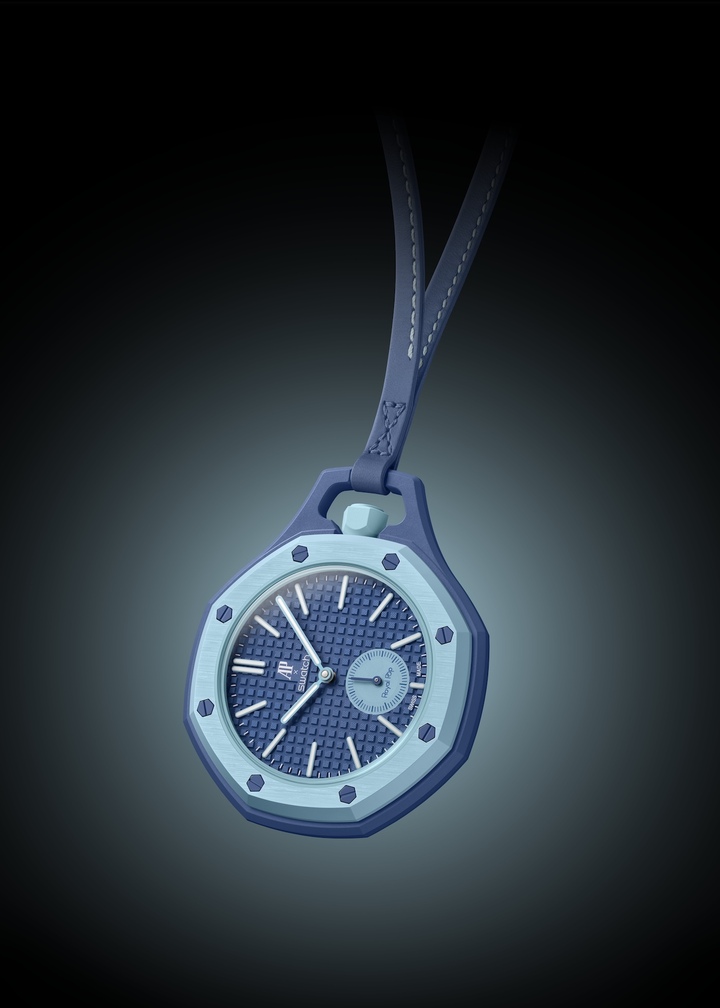
However, perhaps the model’s most radical innovation lies in the way it is worn, directly inherited from the modularity of the original Swatch POP concept. The watch head clips onto a removable attachment, allowing the wearer to detach and reconfigure it at will. Even the audible click produced during the operation becomes part of the collection’s sensory identity.
But to understand the true heart of the Royal Pop, one must travel to where it is manufactured: the ETA facility in Boncourt.
To Boncourt
Sistem51 is one of the most original movements in the history of Swiss watchmaking. The incarnation of a manufacturing vision that seems almost radical in an industry that defines itself more and more through the lens of luxury and craftsmanship.
Unique in its category, Sistem51 stands apart on two fronts: as a technological tour de force with 100% automated production in Switzerland, and as a price proposition, offering what is today the very first gateway into Swiss mechanical watchmaking.
While Swatch continues to cultivate countless collaborations inspired by fashion, pop culture and contemporary art, the future of the brand – now well into its fifth decade – could ultimately hinge on its most mechanical dimension, as recent developments have shown. This recent report from Boncourt, at the ETA factory that reinvented Swiss industrial mechanics, is all the more compelling in light of the recent launch of the Royal Pop.
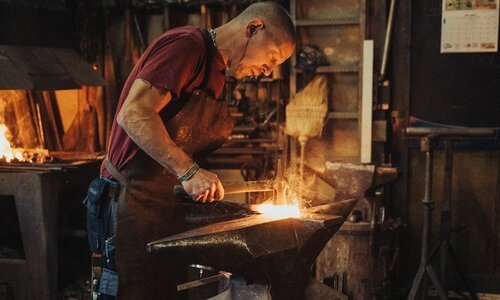
As part of this collaboration, Audemars Piguet announced that it would dedicate all proceeds to funding a specific initiative aimed at supporting the preservation and transmission of watchmaking know-how, with a focus on rare skills and the next generation of watchmaking talent.
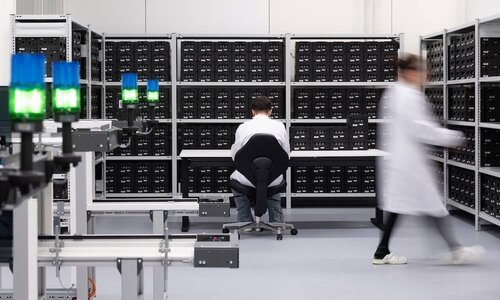
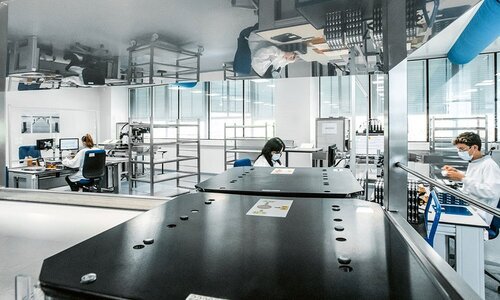
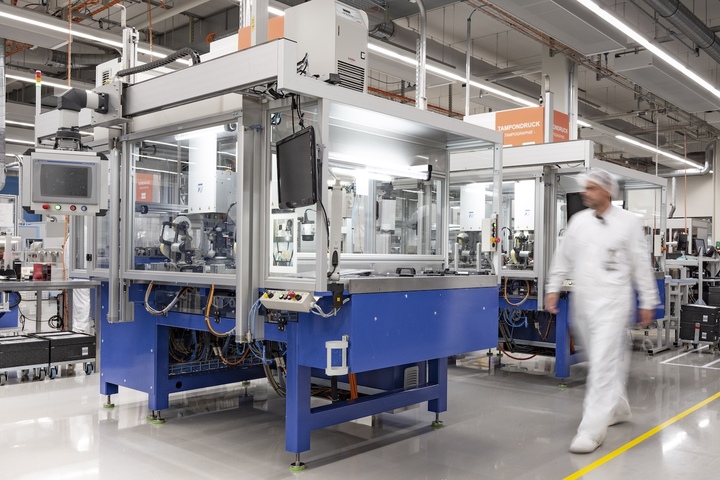
And somewhat symbolically, driving along the road that descends from Saignelégier through the rolling green hills of the Jura, we followed a company car marked “Lehrlinge / ETA Apprentices”, both of us turning into the vast industrial park established by Swatch Group in Boncourt, on the Swiss/French border. Here, the Comadur (specialist in ceramics and sapphire) and ETA factories face each other, and the watchmaker’s “white coat” is standard attire. The site also hosts Nivarox-FAR and Manufacture Ruedin.
It seemed a fitting symbol, as Swatch Group positions itself as a champion of Switzerland’s apprenticeship system – around 500 apprentices at any given time – and prides itself on maintaining its workforce, “whatever the cost,” even amid adverse market conditions. A few years ago, we visited Comadur as part of a report on Rado, a brand synonymous with ceramic watches, this time, after trailing its apprentices’ car, we pull up in front of ETA’s imposing building. This is where the focus shifts from cases to movements – and to Swatch, because it’s here that one of the most original movements in the history of Swiss industrial watchmaking is produced: Sistem51.
The phenomenal success of the MoonSwatch, which first resonated with a community of aficionados before reaching a much broader audience, has made clear that, beyond colour and design, watchmaking culture remains central for Swatch. The Royal Pop confirms this intuition. And the Sistem51 calibre is one of its cornerstones.
2013: an extraordinary industrial adventure
The story began in the late 2000s, when everyone expected Swatch to enter the race to develop connected watches. Nick Hayek chose a radically different path. Instead of a smartwatch, Swatch would unveil a 100% Swiss Made automatic mechanical watch.
A simple idea on paper but extraordinarily complex to bring to life. The project was launched in 2011 with a formidable challenge: to develop an entirely new automatic movement in just two years. Such a process typically takes five to six years.
Around the table were ETA, Nivarox-FAR, Comadur and the group’s industrialisation teams. In total, nearly 100 engineers contributed to the development. However, designing the movement was only part of the challenge. The team also had to envision and build the factory capable of producing it, develop the necessary machinery and recruit more than 400 employees. A true industrial odyssey.
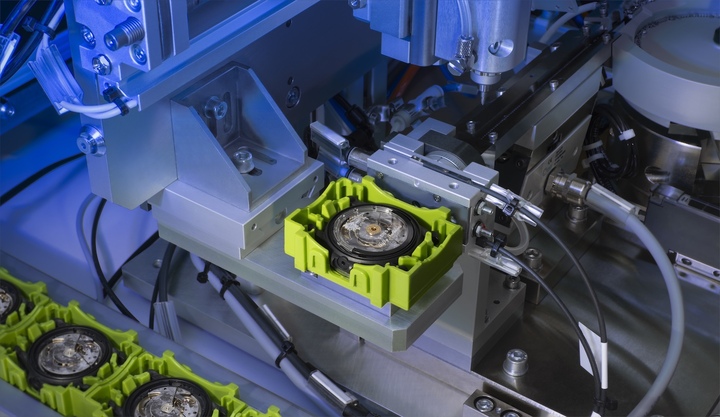
The only Swiss made mechanical movement with fully automated assembly
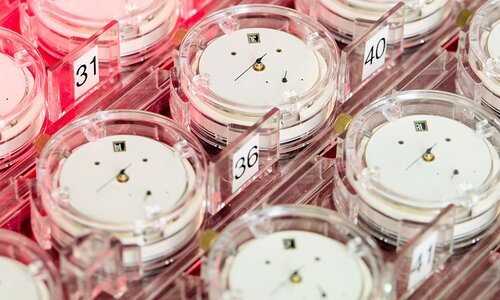
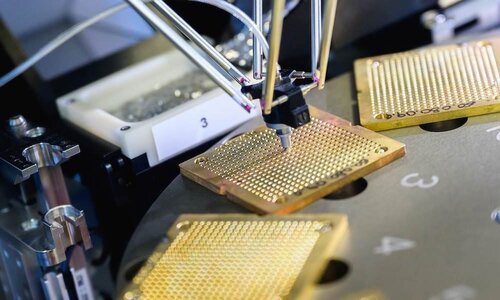
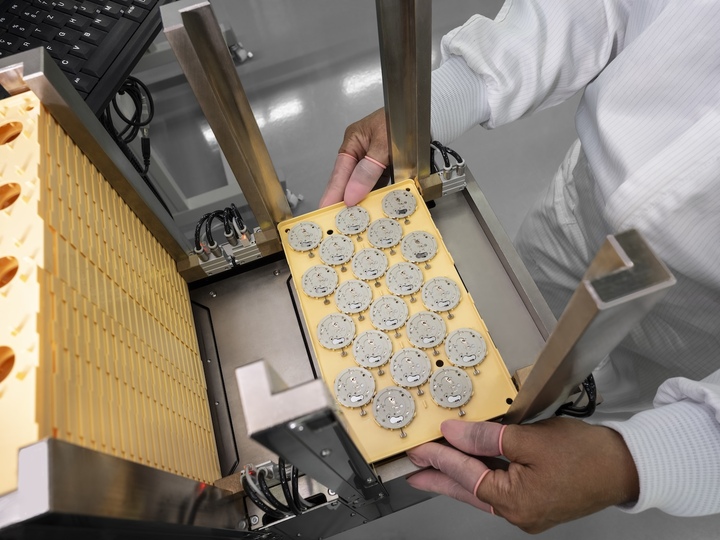
Sistem51 is unique in more ways than one. First and foremost, no human hand touches the movement during assembly. Unlike traditional calibres which are assembled and adjusted by watchmakers, Sistem51 is entirely built by robots. Human operators oversee the machines, monitor processes and ensure quality, but never intervene directly. This fully automated process dictated the movement’s entire architecture.
In a conventional calibre, the gear train is secured under a screwed bridge, which a watchmaker can disassemble and make any necessary adjustments. In an automated process, any such intervention is impossible.
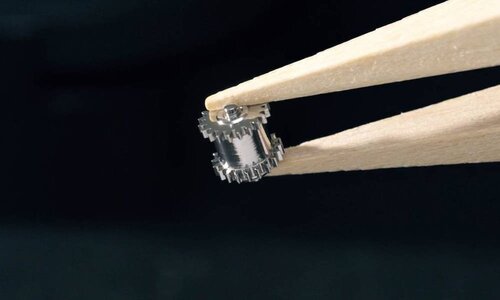
The solution was radical: divide the movement into five independent modules, assembled sequentially, starting with the stem module, a true miniature gearbox; then the gear train, which drives the mechanism; the automatic bridge; the escapement, which is the heart of the system; and finally the display and calendar module.
Each module is automatically tested before moving on to the next stage. The margin for error is extremely narrow: with watches produced in large volumes, even the smallest defect would carry significant cost.
51 components, 17 patents
As its name suggests, in its automatic version the Sistem51 calibre comprises just 51 components (a nod to the component count of the first Swatch quartz models of 1983): an exceptionally low number for a mechanical movement. It is protected by 17 patents, some stemming from research conducted for the Powermatic family (derived from the ETA 2824-2), the base automatic movement now used across several group brands, sometimes under different names, including Tissot, Certina, Mido and Hamilton.
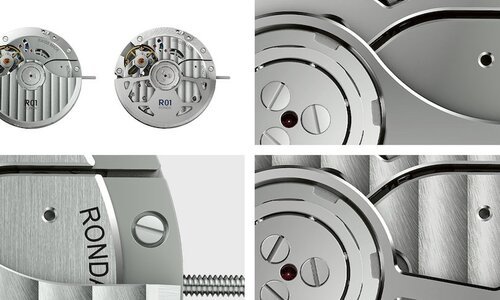
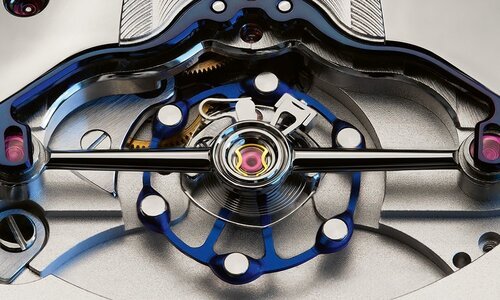
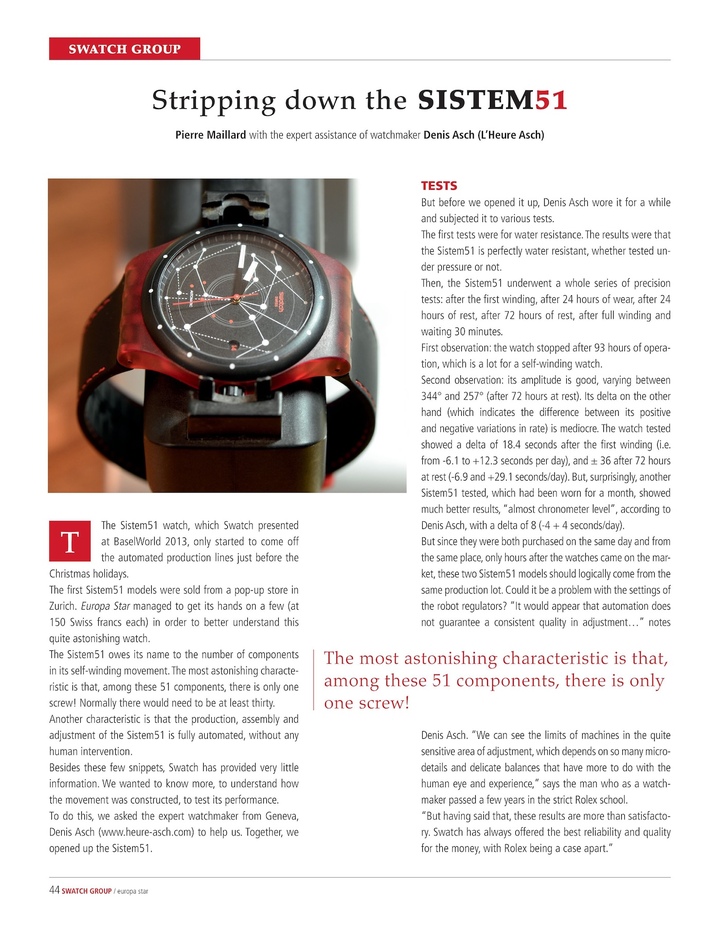
Key features include a 90-hour power reserve, an antimagnetic Nivachron™ balance spring and inertia regulation of the balance instead of a traditional index regulator, delivering a standard tolerance of -5/+15 seconds per day. The five modules are welded together, and a single screw secures the oscillating weight to the automatic winding structure.
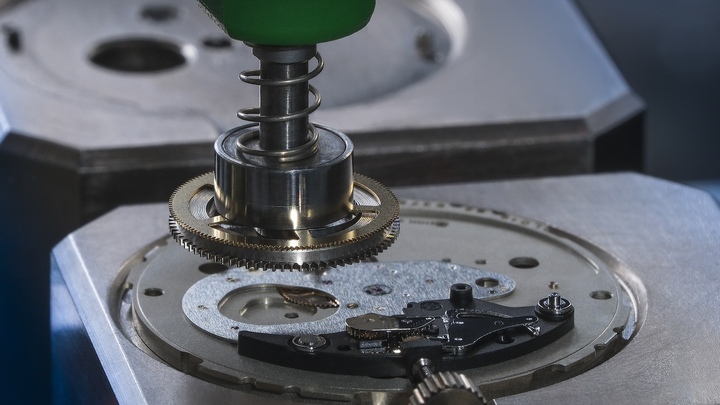
Regulation is set by laser during the manufacturing process. This unique system fine-tunes precision without the need for a regulator or manual adjustment, ensuring stable performance even when there is almost no power left in the mainspring.
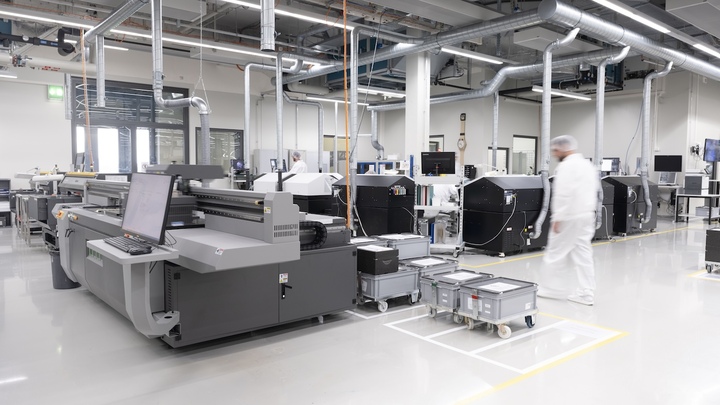
The technological core: ETA and Nivarox-FAR
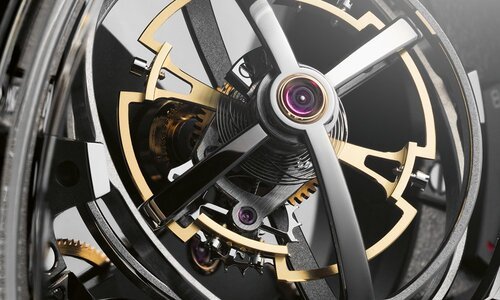
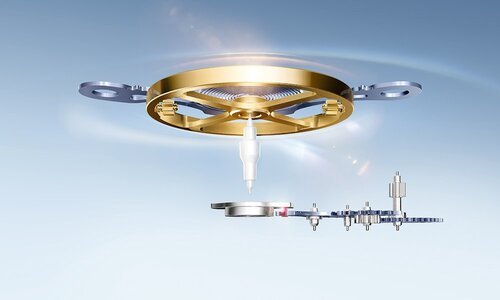
While the movement is developed at ETA, its most critical components are supplied by Nivarox-FAR. This Swatch Group entity delivers the complete escapement, the Nivachron™ balance spring and the barrel. The latter is key to achieving the 90-hour power reserve. Engineers reduced the arbor’s diameter, optimised the material for the mainspring and increased the number of coils, thereby storing more energy in an almost identical volume.
Another defining feature of the automated process: components are welded rather than screwed. The result is permanent – the Sistem51 calibre cannot be repaired like a traditional mechanical movement – and eliminates many potential mechanical weak points.
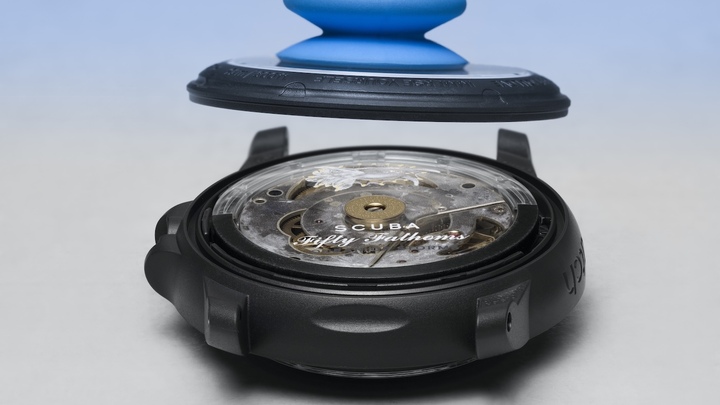
Sistem51 sits at the centre of a fully integrated industrial network of three sites working in close collaboration: Boncourt for movement blanks and assembly (excluding the rotor), Grenchen for casing with bioceramic injection and decoration, and Sion for final assembly of watches equipped with Sistem51 – as well as all Swatch and Flik Flak models.
The rotor, which is transparent, is fitted in the movement at the Sion facility. It is produced by injecting a polymer around a bearing, then weighted with tungsten over 180° to ensure efficient automatic winding (the Royal Pop is manually wound and therefore rotor-free).
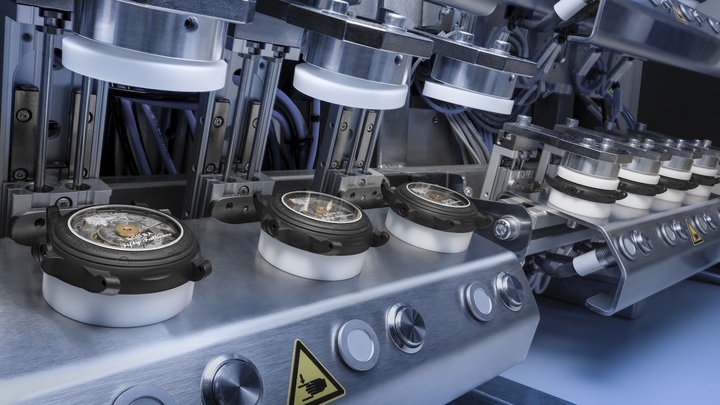
Educational and accessible
With its simplified construction, modular “layered” architecture, extremely low component count and transparent rotor that fully reveals the movement, the Sistem51 calibre serves as an ideal introduction to mechanical watchmaking, a subject that can be daunting for newcomers.
Beyond educational value, Sistem51 delivers value plain and simple, as the only Swiss mechanical movement proposed at such an accessible price point. The models it powers occupy a unique position and represent the most affordable way into Swiss mechanical watchmaking. In an industry where average prices continue to rise, Sistem51 could almost be considered as being “in the public interest”.
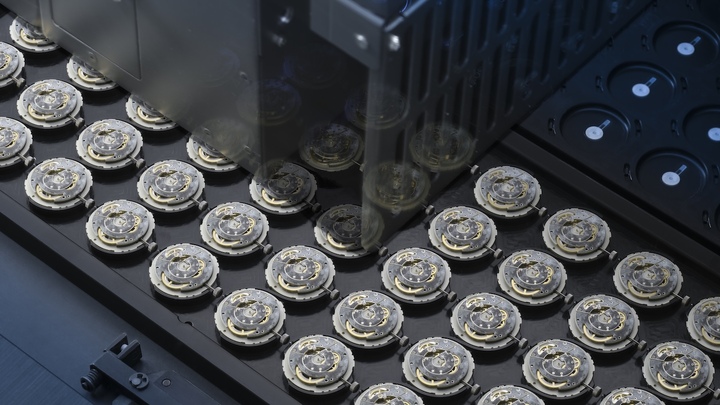
It helps keep things grounded. And demonstrates that Switzerland can still produce mechanical movements at scale, even with some of the highest labour costs in the world. A true industrial case study.
Today, Sistem51 powers several lines and models, including Sistem51 Originals, Irony, the Blancpain x Swatch Bioceramic Scuba Fifty Fathoms and now, in its manual-winding iteration, the Royal Pop.
A living “uchronic laboratory”
Since 2013, the Boncourt facility – capable of operating 24/7 – has continuously refined and optimised entirely new industrial processes. The ongoing challenge lies in reconciling two rarely compatible imperatives: industrial repeatability and creative flexibility. Swatch multiplies references, limited series and collaborations, and Sistem51 was conceived from the outset as an industrial platform capable of personalisation.
The choice of Boncourt also reflects a territorial strategy. Swatch Group wanted to avoid draining traditional watchmaking regions. The Swiss Jura and neighbouring French border area provide a skilled workforce with transferable expertise – particularly from the automotive sector, where car gears and watch gears share common ground.
As we leave Boncourt, it occurs to us that Sistem51 represents a vision of what Swiss watchmaking might have become - and perhaps could still become, who knows – had it chosen a different path: not one of luxury, rarity and high-end craftsmanship, but of radical automation, vertical integration and large-scale production – without sacrificing creativity or accessibility. A living uchronia before our eyes.
In this sense, the Sistem51 “solution,” running counter to contemporary Swiss watchmaking, still has many surprises in store. The newly unveiled collaboration between Swatch and Audemars Piguet is its latest – and perhaps most spectacular – expression.