A
sk most lay people what they know about “blockchain technology,” and few will have much of an answer beyond “Bitcoin.” In fact, cryptocurrencies like Bitcoin are just one manifestation of how the promise of blockchain technology can offer interesting solutions to many of today’s problems that can be solved by items with unique digital signatures (like a currency should have, for example).
Blockchain technology can be thought of as providing an entirely unique digital item in a world where traditional logic suggests that digital things can be copied easily and readily. Tokens (in blockchain parlance) are those items, comprised of complicated, encrypted bits of data that are stored in distributed (versus single and local) digital ledgers.
Blockchain technology can be thought of as providing an entirely unique digital item in a world where traditional logic suggests that digital things can be copied easily and readily.
What does all that mean for the luxury watch industry?
The many promises of Blockchain
Over the last few years, I’ve had high-level discussions with a surprising number of companies that have the same exact goal: to sell blockchain tracing technology to luxury watch brands. So far, none of these business plans has taken off, as far as I know. In this essay, I’d like to generally discuss what promise blockchain technology has for the luxury watch industry, and then explore a few of the major hurdles that entrepreneurs in this space still need to overcome before the traditional watch industry, as it is now constituted, is more likely to embrace this technology.
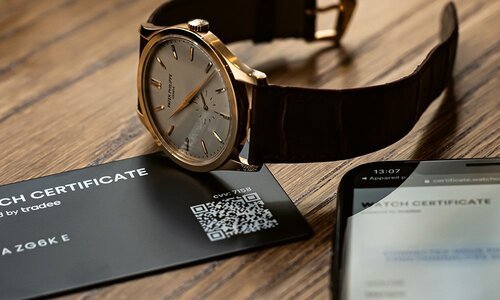
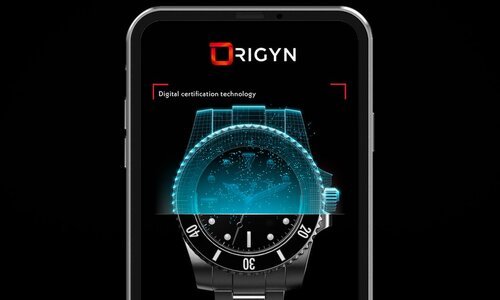
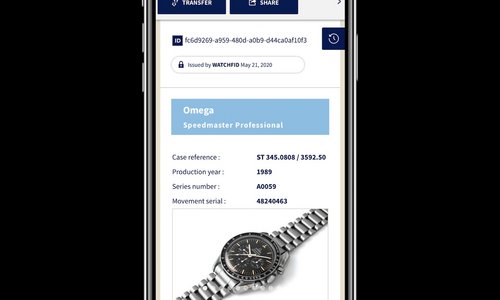
The basic premise of blockchain technology’s compatibility with luxury watches is related to item origination. In theory, a completed wristwatch (or the parts thereof) would each be connected to a digitally unique blockchain token. Because there can be only one blockchain token, there can be only one actual item in the real world that is associated with that item. An authentic watch with a blockchain ledger entry associated with it can protect itself against a fake because only the real one would be connected to a real blockchain identifier.
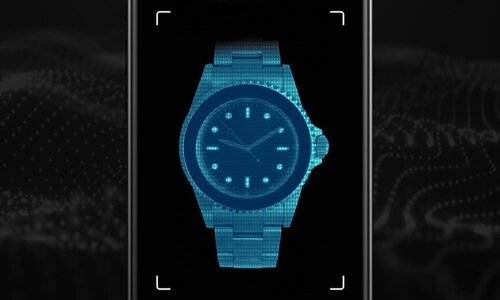
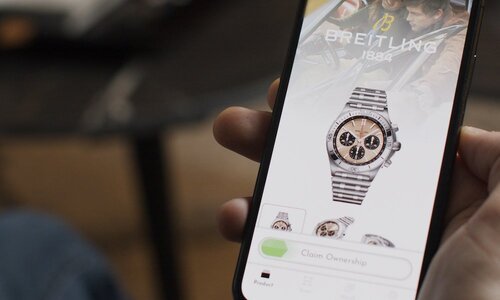
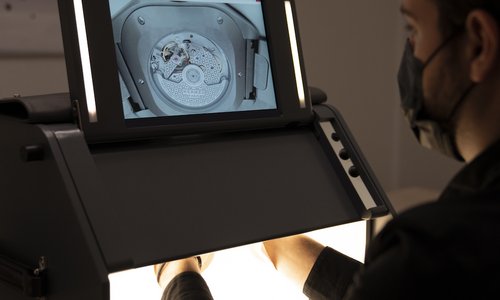
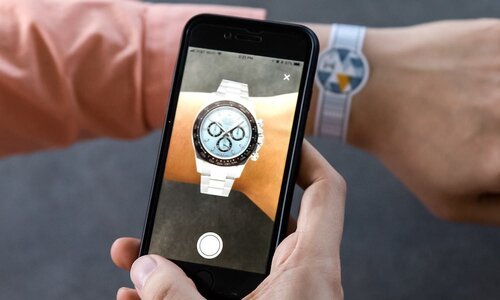
This is potentially revolutionary technology because it means that, to determine if a timepiece is fake or not, special expertise is no longer needed. Rather, a device (some type of reading or scanning instrument) used to compare a blockchain token number against the blockchain ledger is all that is required to know if a watch is real, or not. Fakes would be deemed fake as a result of not being on the official ledger.
This is potentially revolutionary technology because it means that to determine if a timepiece is fake or not, special expertise is no longer needed.
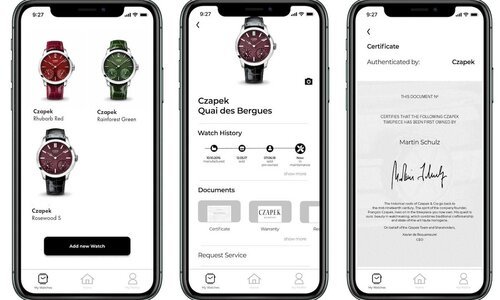
Having unique identifiers connected with finished timepieces has appeal outside of just comparing real watches with fakes. When it comes to customer service, warranties, inventory tracking, and more, the unique numbers associated with each watch, combined with a tracking technology system, can help reduce loss, avoid misinformation, maximize logistic awareness and, in some ways, increase profitability.
Start-up companies in the heart of Switzerland’s watchmaking center are pushing for brands to incorporate all of these new tools into their production systems and workflows. But it isn’t happening very fast. Why?
In my experience, there are three major reasons why blockchain technology is having such a hard time being incorporated into the luxury watch manufacturing industry. The first obstacle is the perceived cost versus the rewards of using the technology. Blockchain companies interested in appealing to the watch industry enter conversations with watch brands with the assumption that brands have an immediate need for more tracking.
The reality is that, for the most part, watch brands already track their watches pretty well and have an excellent history of efficient manufacturing practices. Watches and parts don’t frequently get lost, and inefficiencies in areas such as customer service are less about poor tracking and more about insufficient human labor and infrastructure.
Then, there is the matter of fake watches. It is true the fake watches exist, but I’m not sure watch brands themselves feel the need to be able to identify them. While fake watches are in the market, there isn’t too much evidence to suggest that people actually intending to purchase a real watch actually end up getting a fake watch accidentally. In truth, most fake watch purchases are not displacing the authentic version of the same watch. Given this reality, watch brands don’t benefit much from having a slightly more effective means of determining the difference between a real and fake when it comes to its products in the market.



 Español
 Français
 Pусский
 繁體中文
 简体中文
 Select another language