
 Español
 Français
 Pусский
 繁體中文
繁體中文 简体中文
简体中文 Select another language

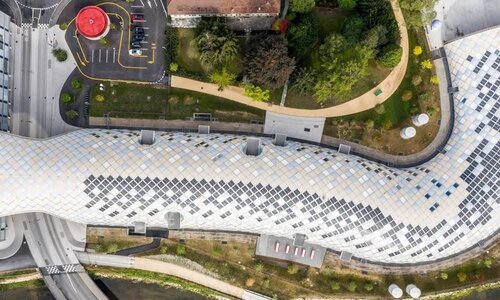
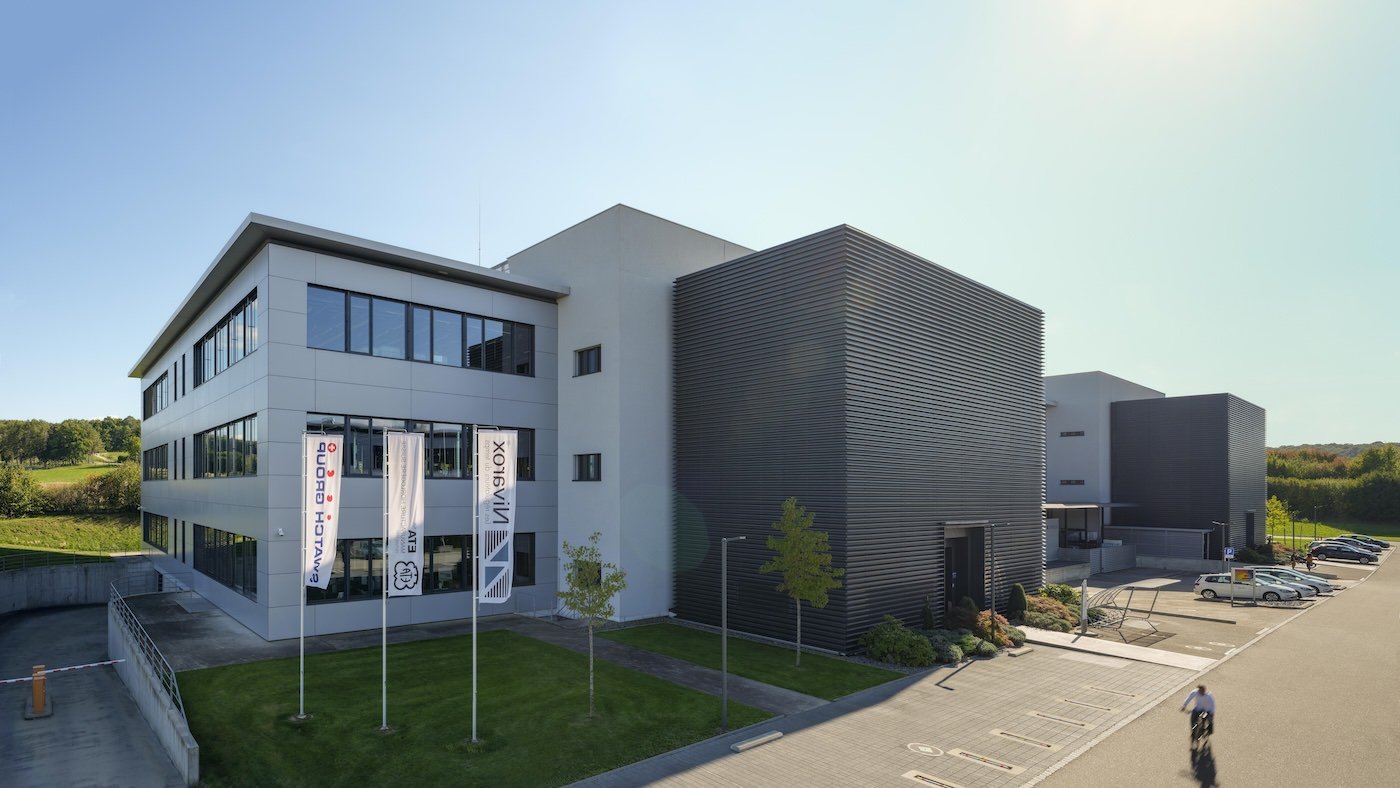
s if symbolic, on the road descending from Saignelégier through the rolling green hills of the Jura, we follow a company car bearing the words “Lehrlinge / Apprentices ETA,” until we reach the vast industrial park established by Swatch Group in Boncourt, on the French border. Here, the Comadur (specialist in ceramics and sapphire) and ETA factories face each other, and the watchmaking “white coat” is standard attire. The site also hosts Nivarox-FAR and Manufacture Ruedin.
A fitting symbol, as the group positions itself as a champion of Switzerland’s apprenticeship system—around 500 apprentices at any given time—and of maintaining watchmaking employment “whatever the cost,” even amid adverse market conditions. This is particularly relevant today, as concern grows among subcontractors over the impending end, for many, of the maximum period of short-time work (state-subsidized reduced working hours, editor’s note).
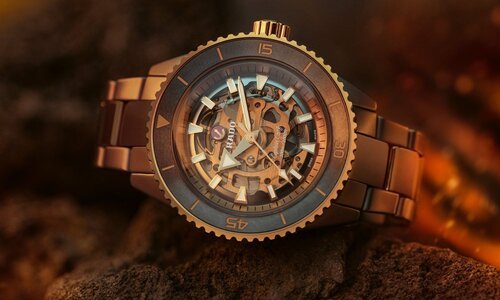
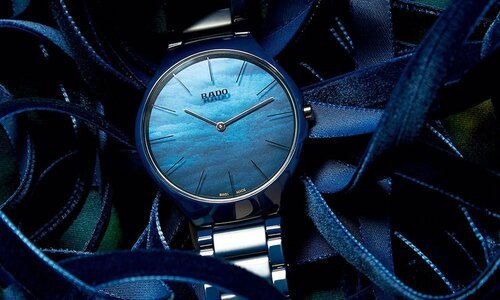
A few years ago, we visited Comadur as part of a report with Rado, which has made ceramic watches its specialty (read our dedicated article here). This time, after trailing its apprentice vehicle, we stop in front of ETA’s imposing building. Here, the focus shifts from cases to movements—and to Swatch. For this is where one of the most original movements in the history of Swiss industrial watchmaking is produced: Sistem51.
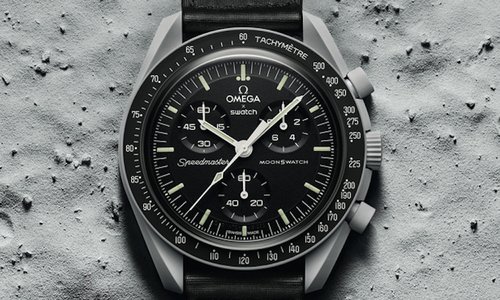
While Swatch remains closely associated with lifestyle culture and artistic collaborations—from Keith Haring and Kiki Picasso to the countless special editions that annually fill the creative wall at its Biel headquarters—its future is also being written, perhaps above all, in its most watchmaking-driven expression. The phenomenal success of the MoonSwatch, which first resonated with a community of aficionados before reaching a much broader audience, has made this clear: beyond colour and design, watchmaking culture remains central. And the Sistem51 calibre is one of its cornerstones.
2013: an extraordinary industrial adventure
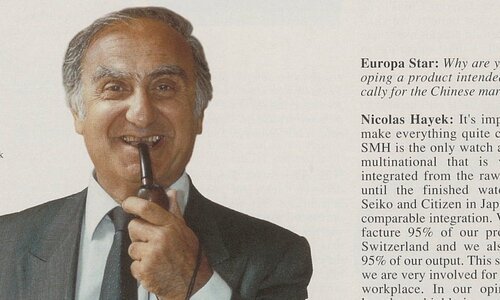
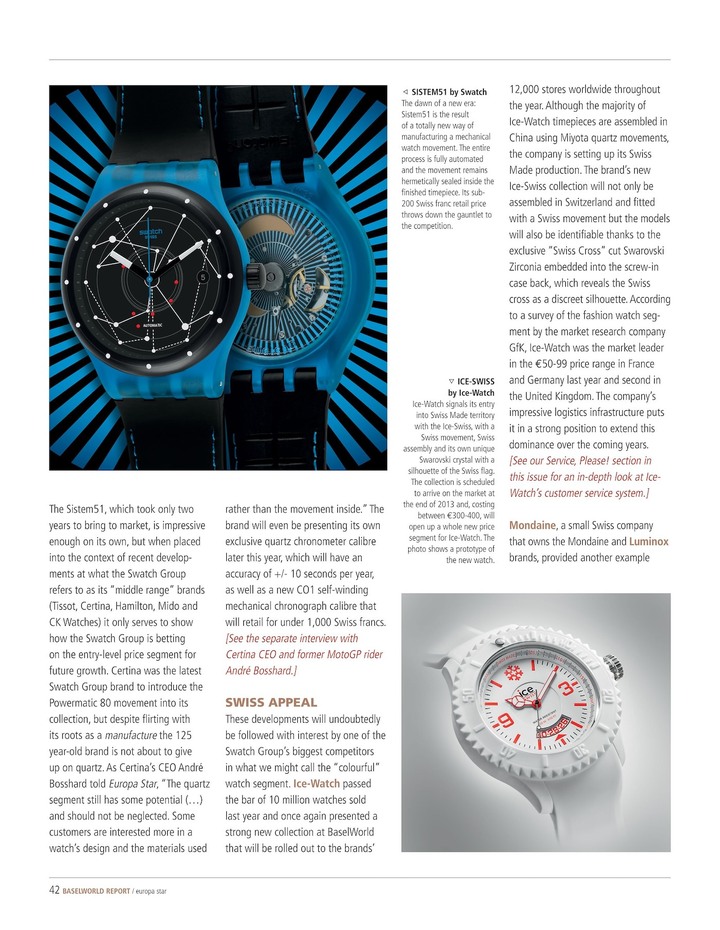
The story begins in the late 2000s. At the time, all expectations pointed to Swatch entering the race for connected watches. But Nick Hayek chose a radically different path. Instead of a smartwatch, Swatch would unveil a 100% Swiss Made automatic mechanical watch.
A simple idea on paper—yet extraordinarily complex to bring to life. The project was launched in 2011, with a formidable challenge: to develop an entirely new automatic movement in just two years. In watchmaking, such a process typically takes five to six years.
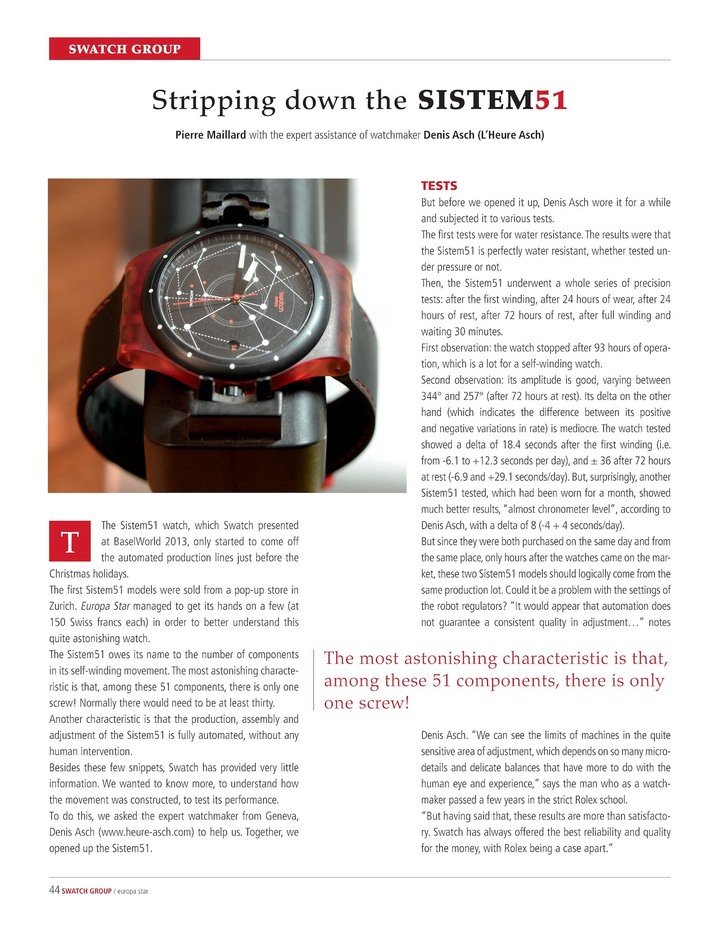
Around the table: ETA, Nivarox-FAR, Comadur and the group’s industrialization teams. In total, nearly 100 engineers contributed to the development. But designing the movement was only part of the challenge. The team also had to envision and build the factory capable of producing it, develop the necessary machinery, and recruit more than 400 employees. A true industrial odyssey.

The only fully automated mechanical movement
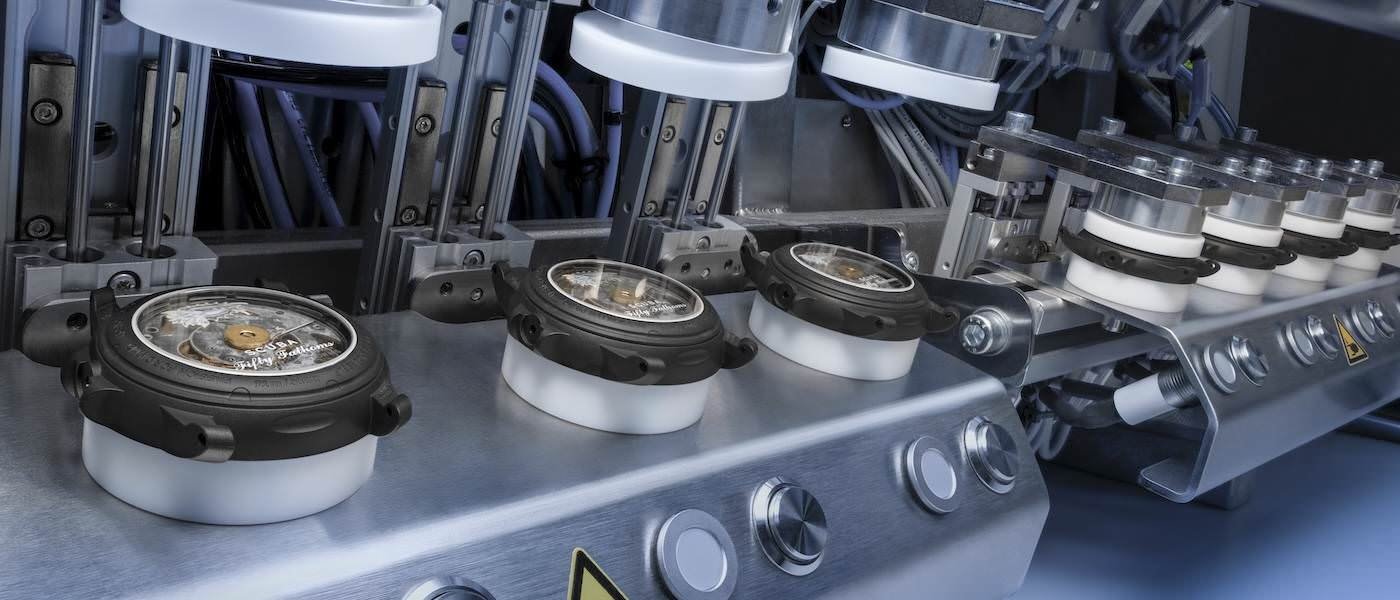
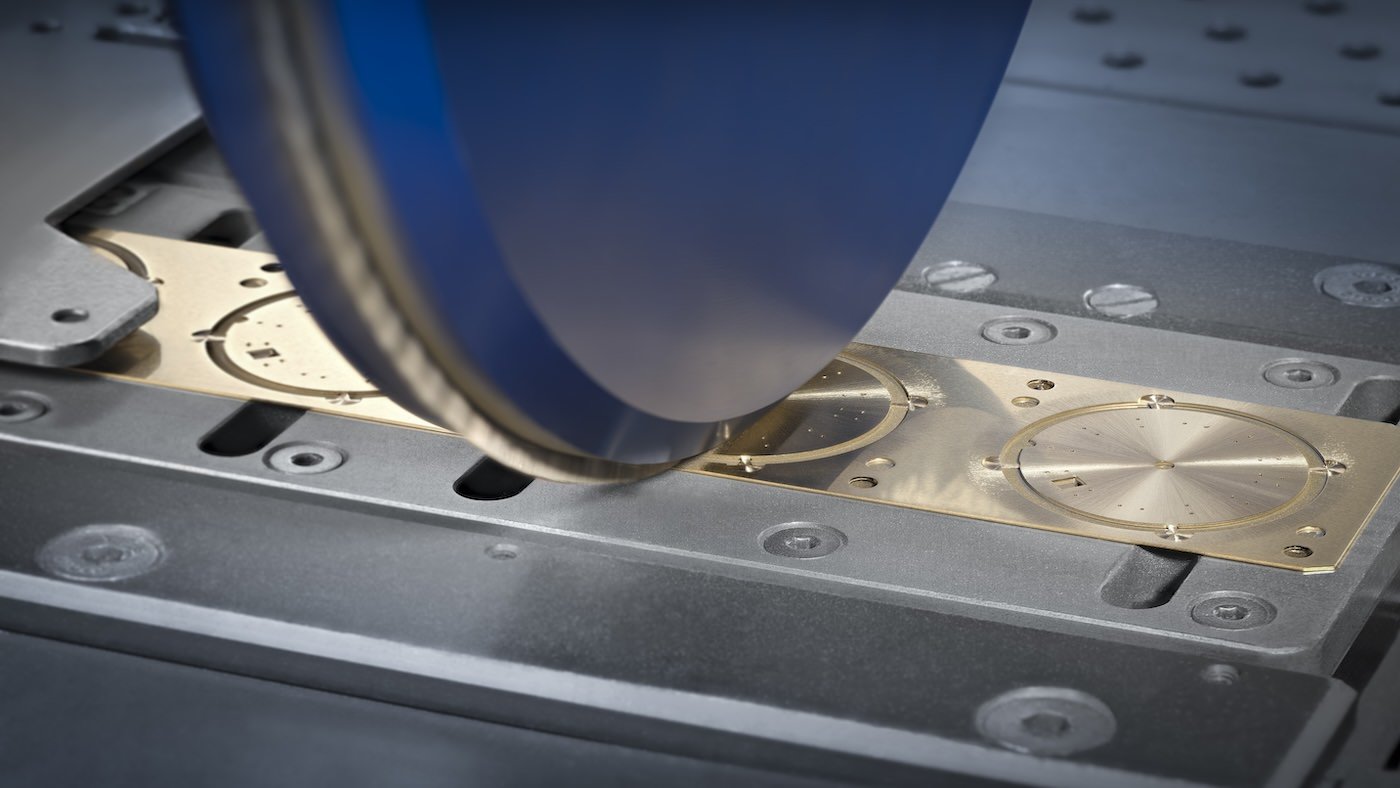
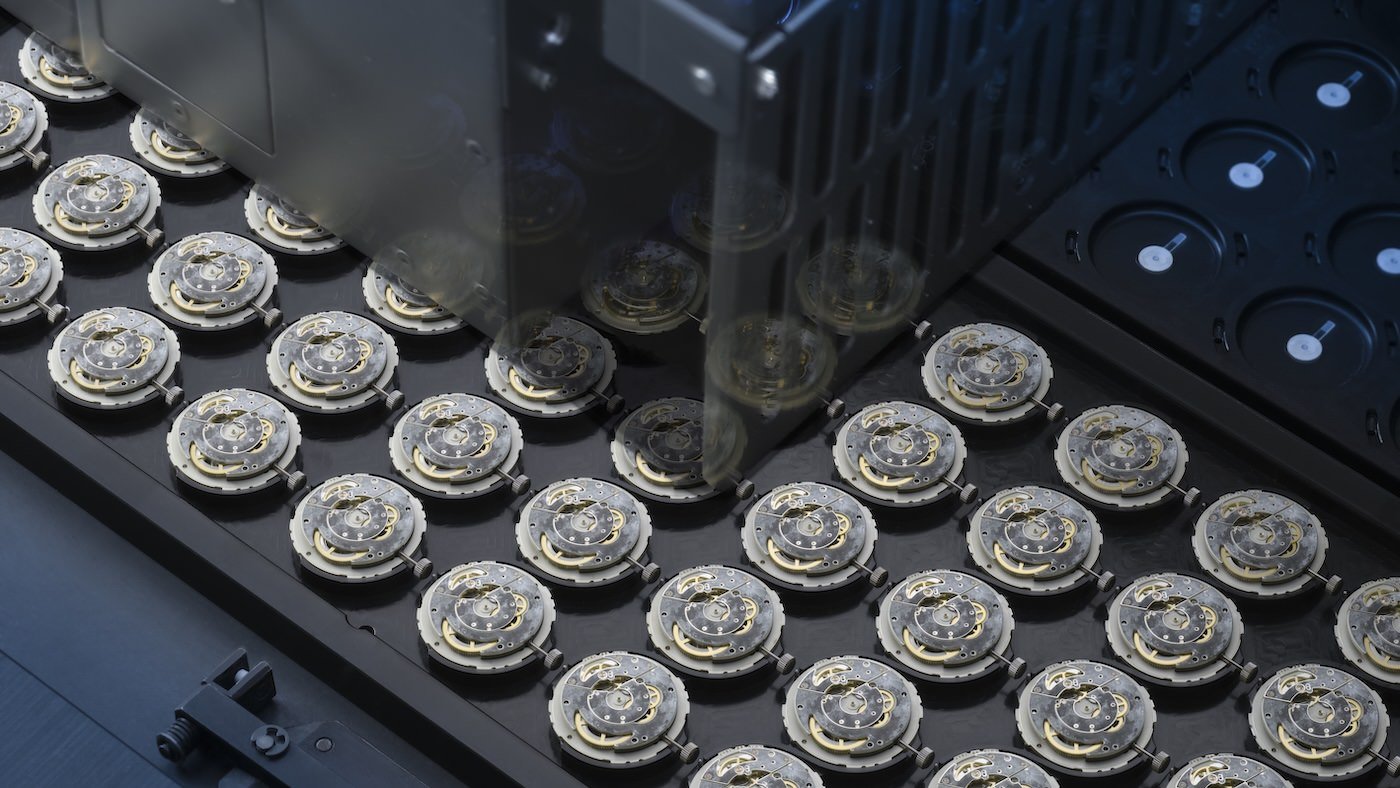
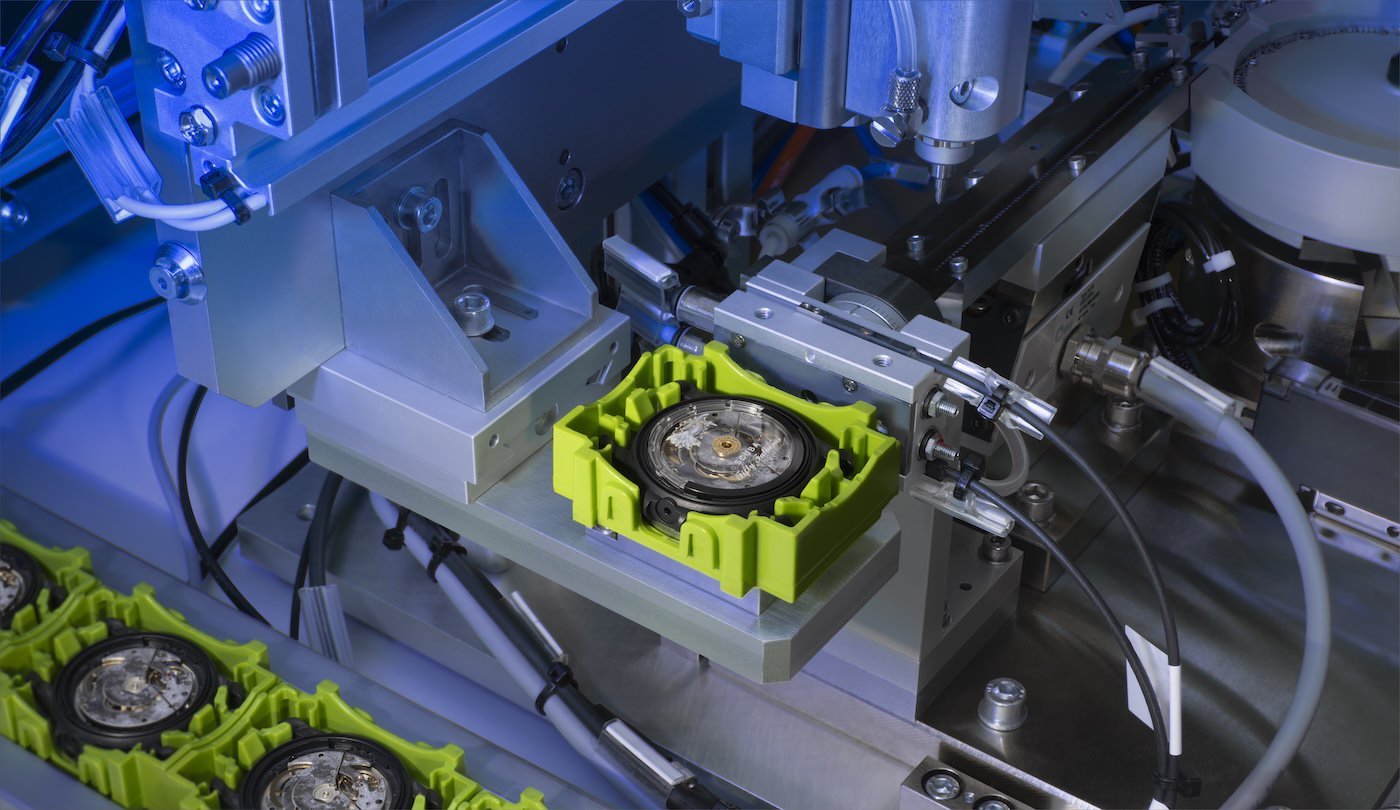
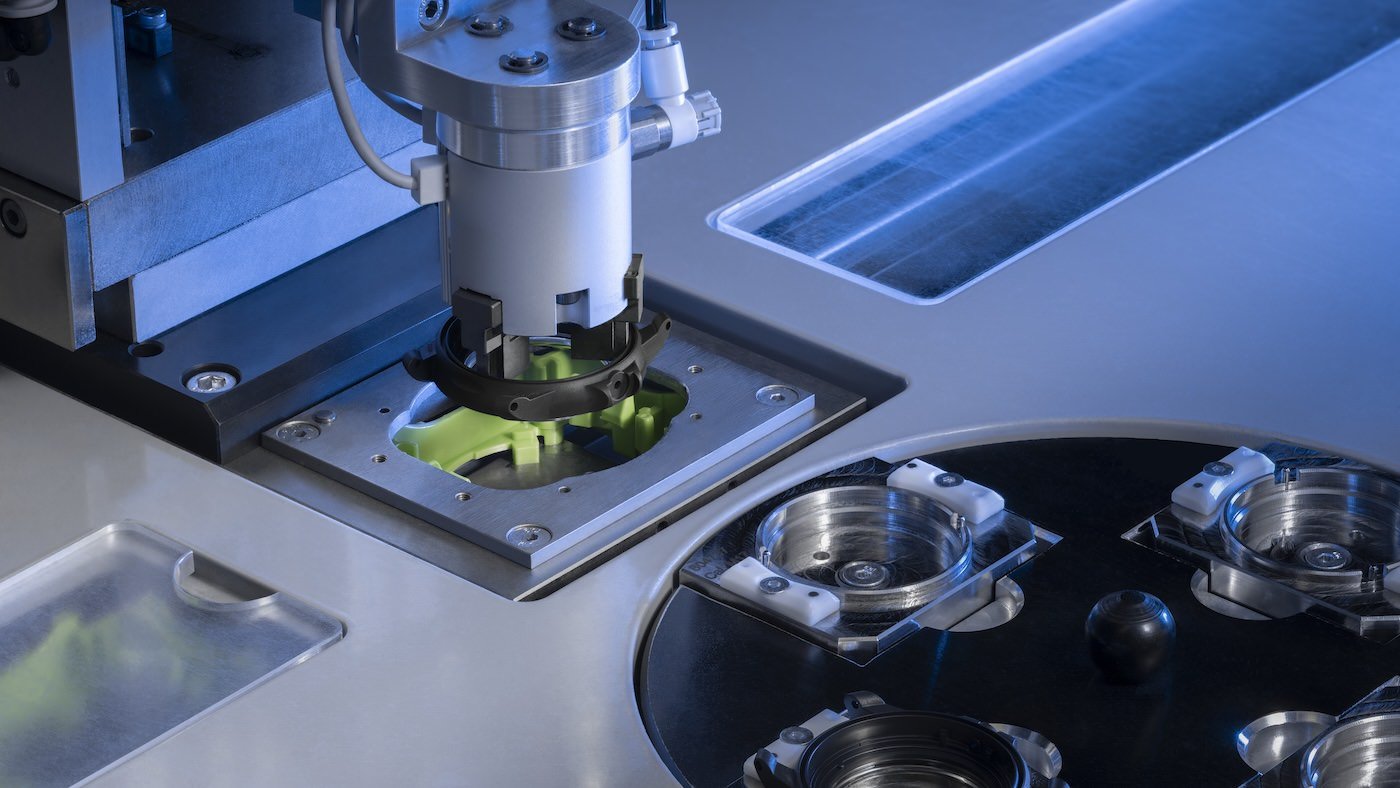
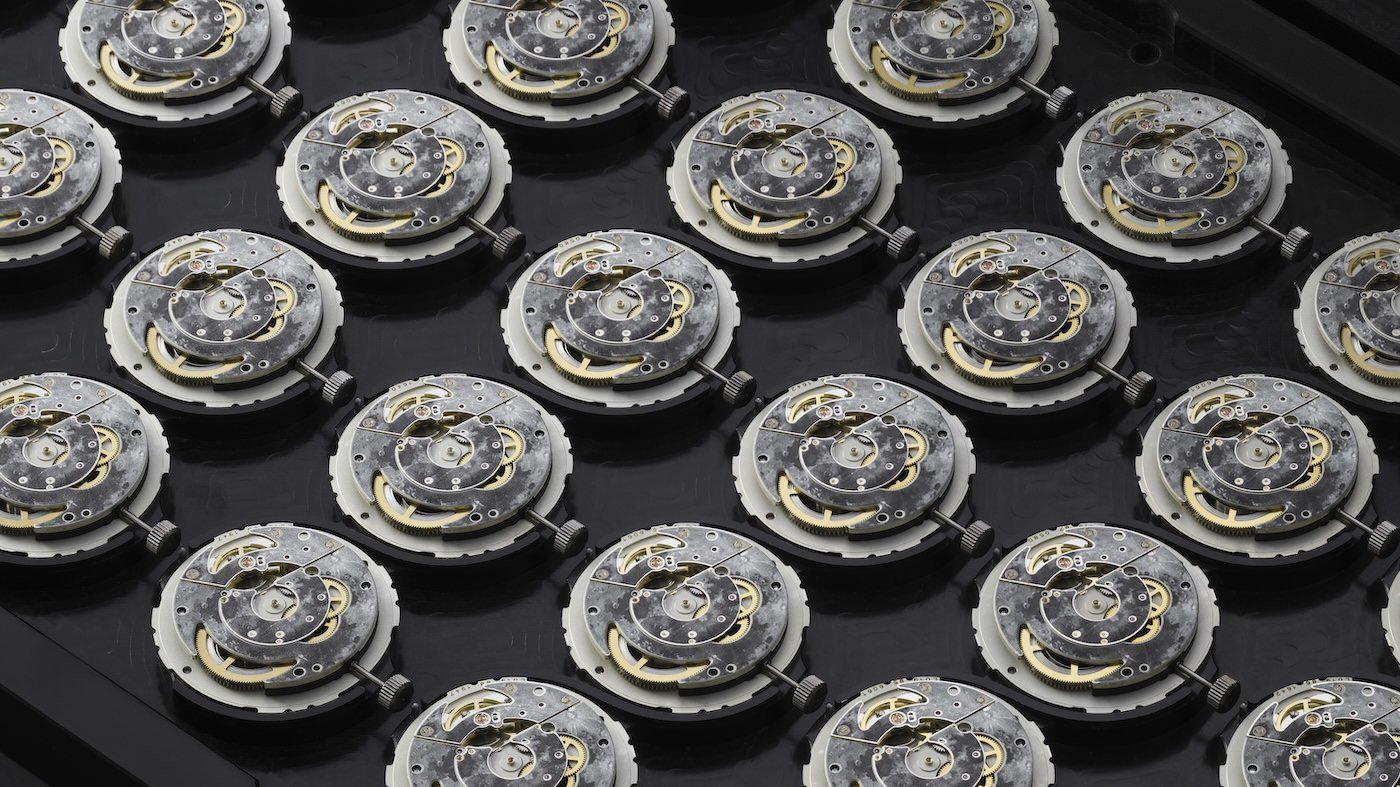
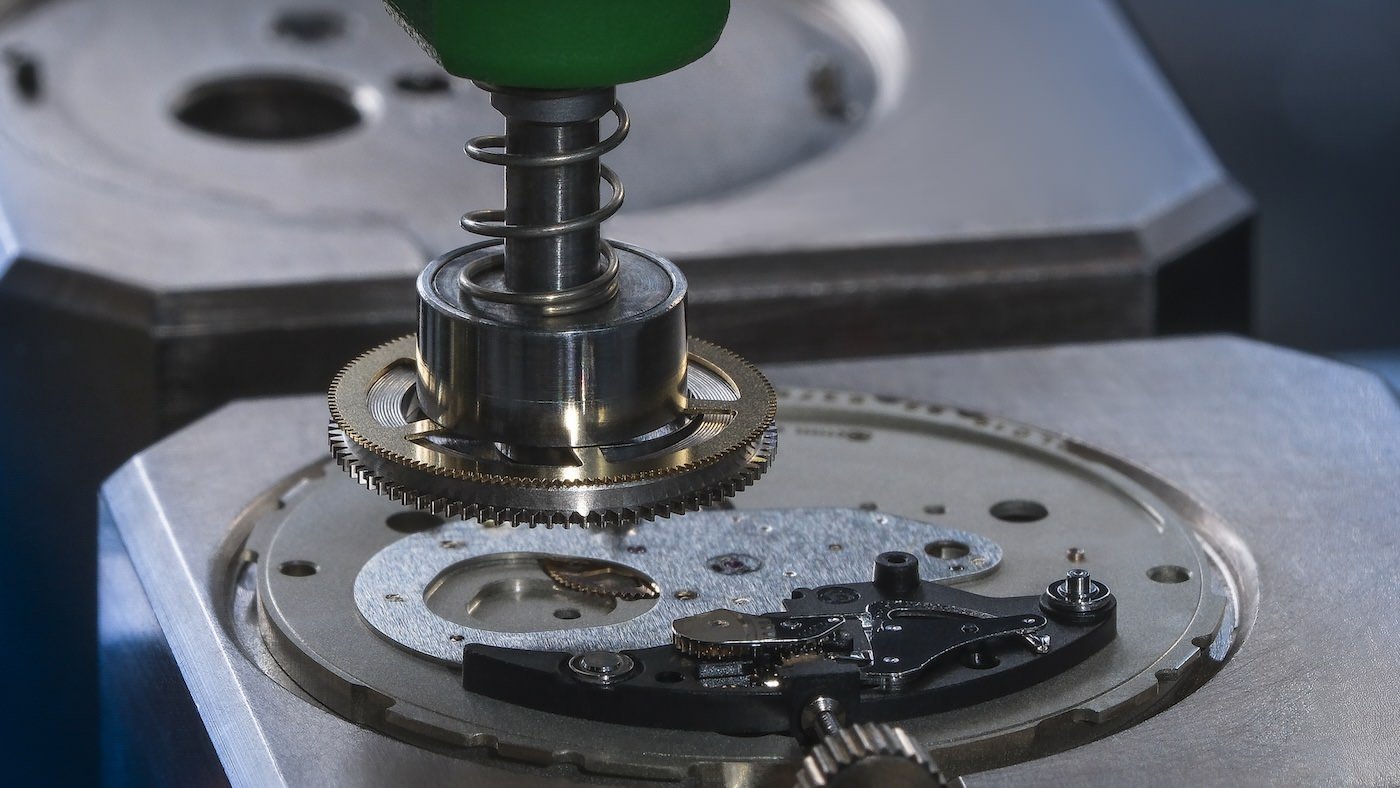
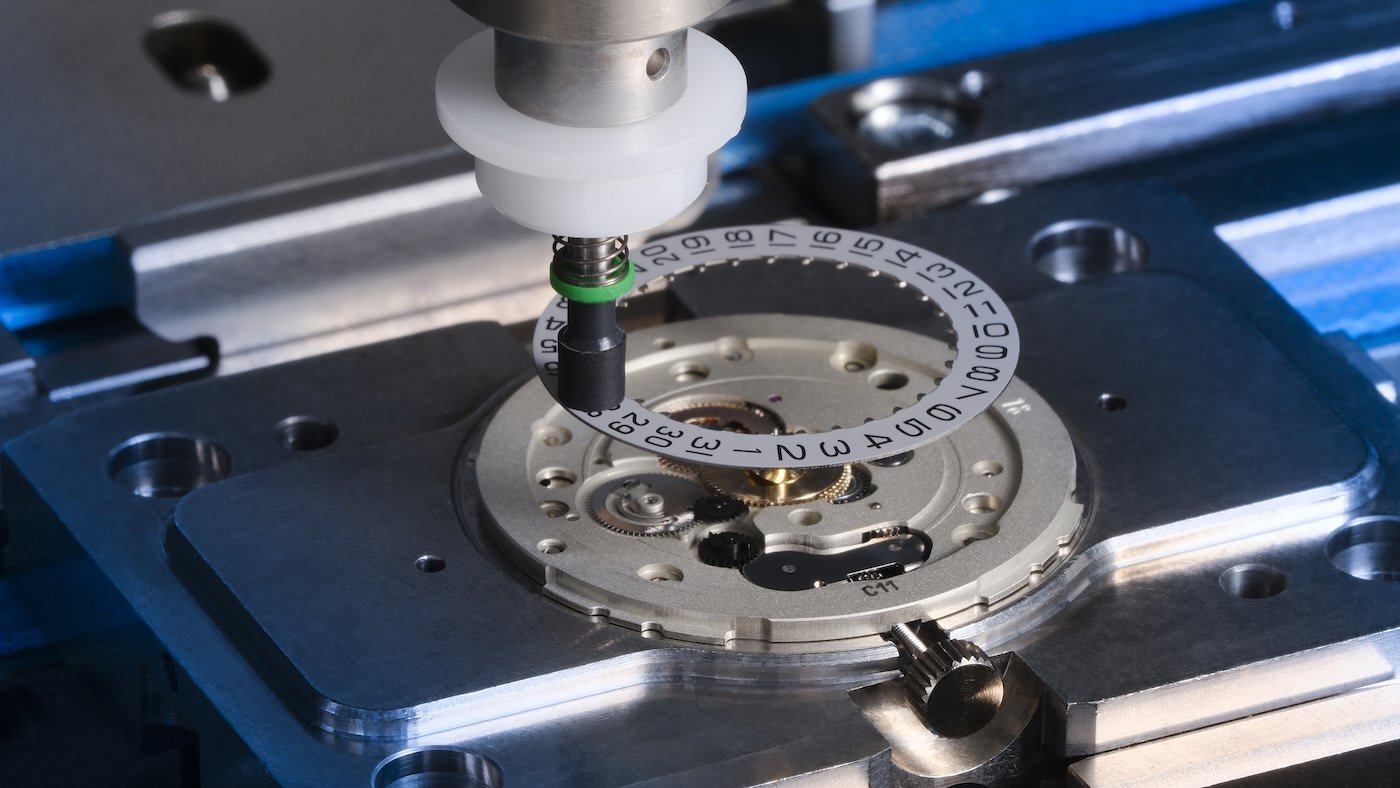
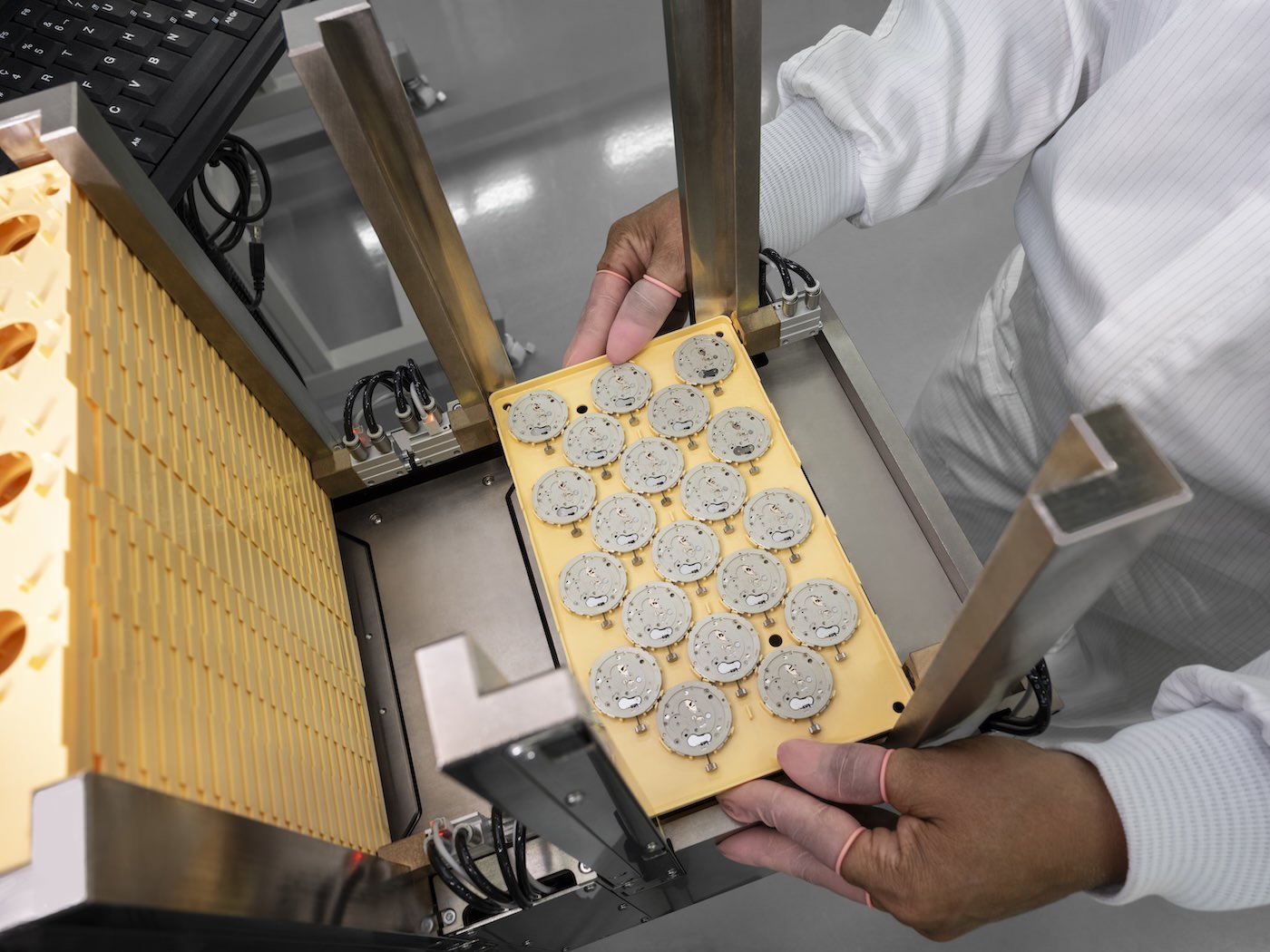
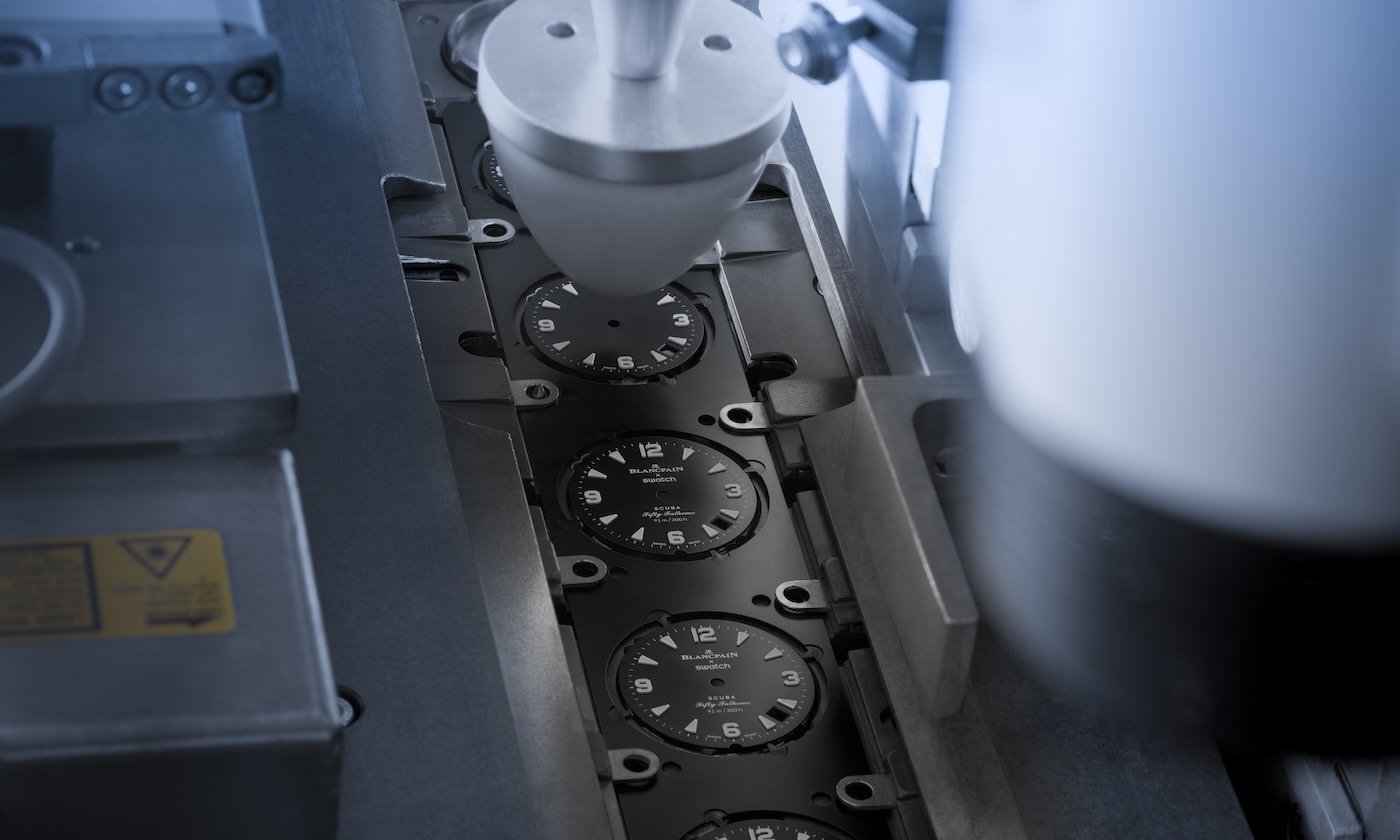
Sistem51 is unique in more ways than one. First and foremost, no human hand touches the movement during assembly. Unlike traditional calibres, assembled and adjusted by watchmakers, Sistem51 is entirely built by robots. Human operators oversee the machines, monitor processes and ensure quality—but never intervene directly. This total automation dictated the movement’s entire architecture.
In a conventional calibre, gear trains are secured under a screwed bridge, allowing watchmakers to disassemble and correct issues. In a robotic process, such intervention is impossible.
The solution was radical: divide the movement into five independent modules, assembled sequentially. In order: the stem module, a true miniature gearbox; the gear train, which drives the mechanism; the automatic bridge; the escapement, the heart of the system; and finally the display and calendar module.
Each module is automatically tested before moving on to the next stage. The margin for error is extremely narrow: with watches priced just above CHF 300 and produced in large volumes, even the smallest defect would carry significant cost.
51 components, 17 patents
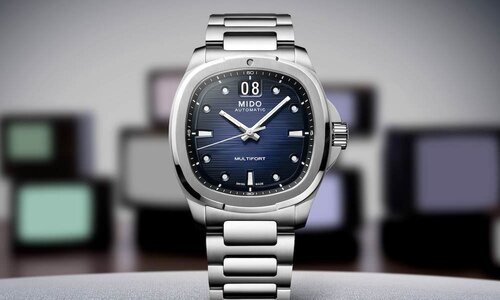
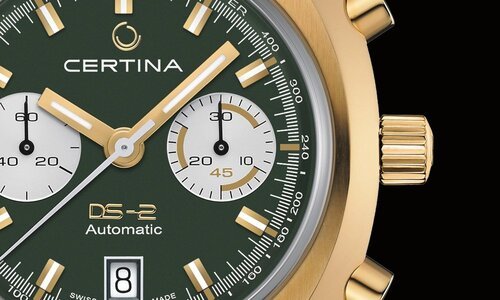
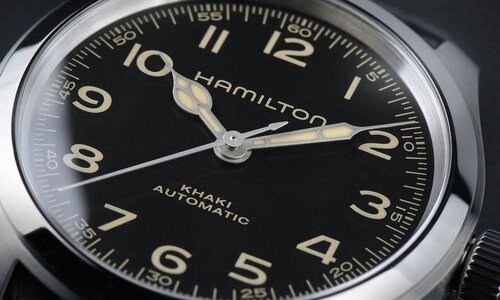
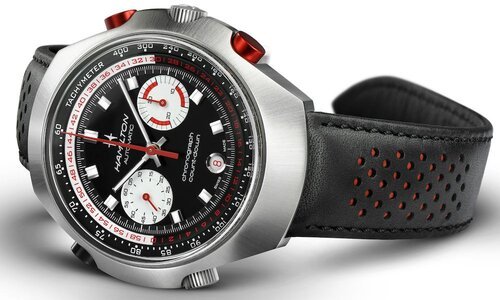
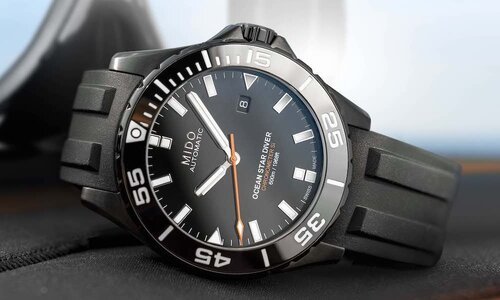
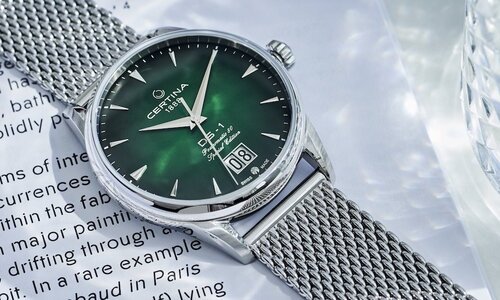
As its name suggests, the Sistem51 calibre comprises just 51 components (a nod to the component count of the first Swatch quartz models of 1983)—an exceptionally low number for an automatic movement. It is also protected by 17 patents, some stemming from research conducted for the Powermatic family (derived from the ETA 2824-2), the base automatic movement now used across several group brands, sometimes under different names, including Tissot, Certina, Mido and Hamilton.
Key features include a 90-hour power reserve, an antimagnetic Nivachron hairspring, and inertia regulation of the balance instead of a traditional index regulator, delivering a standard tolerance of -5/+15 seconds per day. The five modules are welded together, and a single screw secures the oscillating weight to the automatic winding structure.
Accuracy is set by laser during the manufacturing process. This unique system fine-tunes precision without the need for a regulator or manual adjustment, ensuring stable performance even when the mainspring barrel is nearly unwound.
The technological core: ETA and Nivarox-FAR
While the movement is developed at ETA, its most critical components are supplied by Nivarox-FAR. This Swatch Group entity delivers the complete escapement, the Nivachron hairspring and the barrel. The latter is key to achieving the 90-hour power reserve. Engineers reduced the arbor diameter, optimized the spring material and increased the number of coils—resulting in greater energy storage within an almost identical volume.
Another defining feature of the automated process: components are welded rather than screwed. This irreversible approach - the Sistem51 calibre cannot be repaired like a traditional mechanical movement - eliminates many potential mechanical weak points.
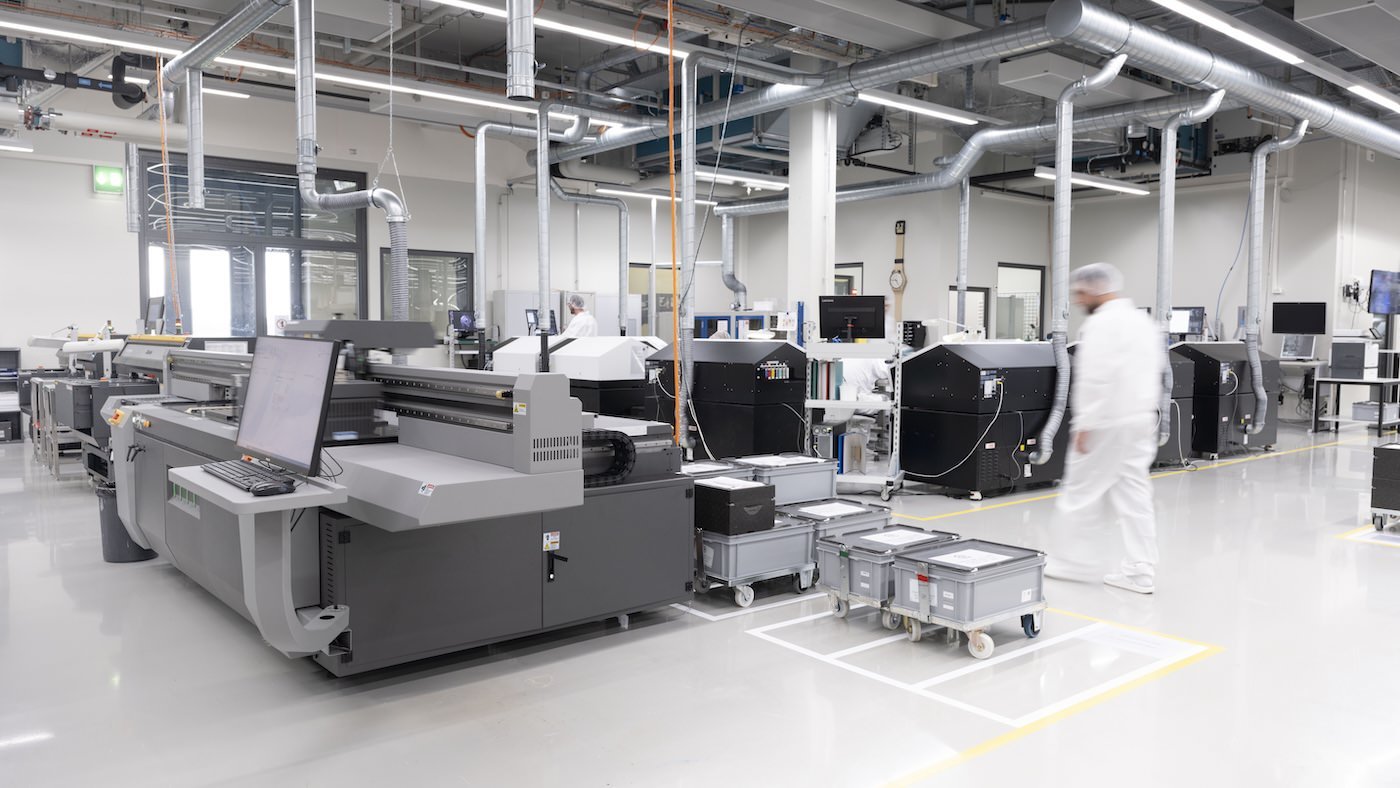
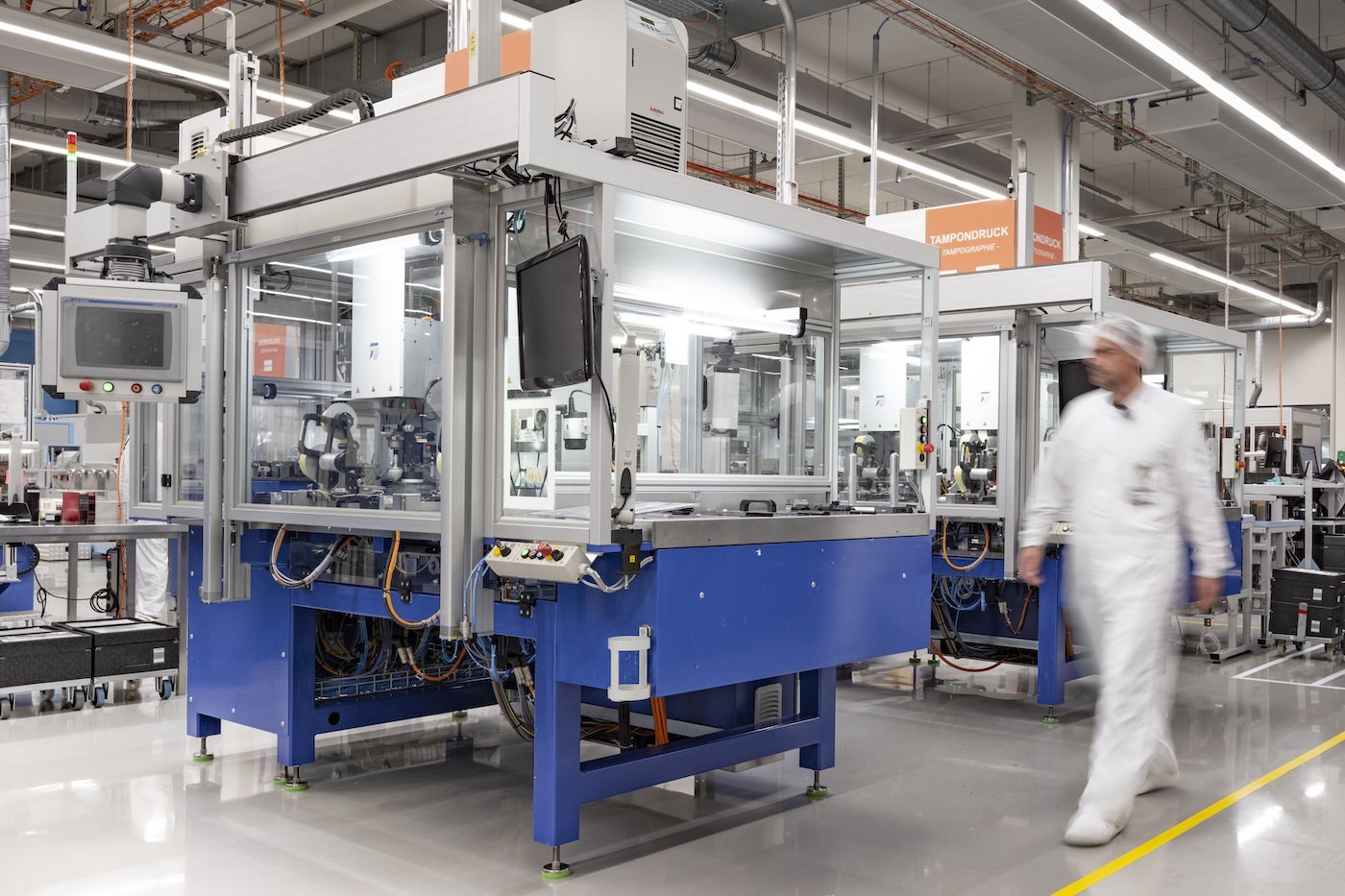
Sistem51 sits at the centre of a fully integrated industrial network. Three main sites collaborate closely: Boncourt for movement blanks and assembly (excluding the rotor), Grenchen for casing with bioceramic injection and decoration, and Sion for final assembly of watches equipped with Sistem51—as well as all Swatch and Flik Flak models.
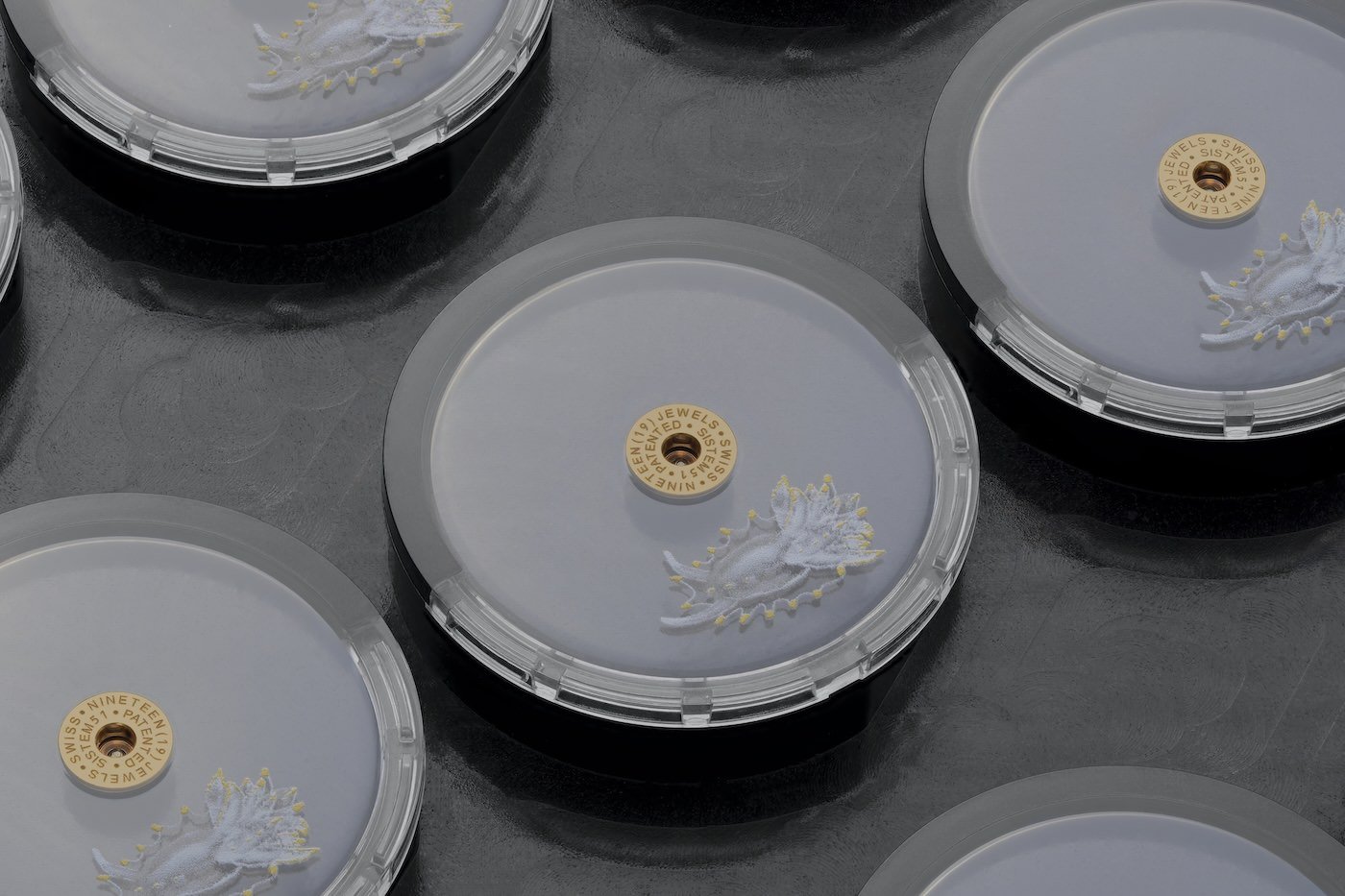
It is in Sion that the movement receives its oscillating weight. A technical curiosity: the rotor is transparent. It is produced by injecting a polymer around a bearing, then weighted with tungsten over 180° to ensure efficient automatic winding.
A pedagogical approach to watchmaking
With its simplified construction, modular “layered” architecture, extremely low component count, and transparent rotor that fully reveals the movement, the Sistem51 calibre serves as an ideal introduction to mechanical watchmaking—a field that can be daunting for newcomers.
This is one of its greatest strengths, both educational and democratic: it is quite simply the only Swiss mechanical movement offering at such an accessible price point. The models it powers occupy a unique position and represent the most accessible entry into Swiss mechanical watchmaking. In an industry where average prices continue to rise, Sistem51 can almost be considered of “public interest.”
It helps keep things grounded. And it demonstrates that Swiss watchmaking can still produce mechanical movements at scale, even in a country with some of the highest labour costs in the world. A true industrial case study.
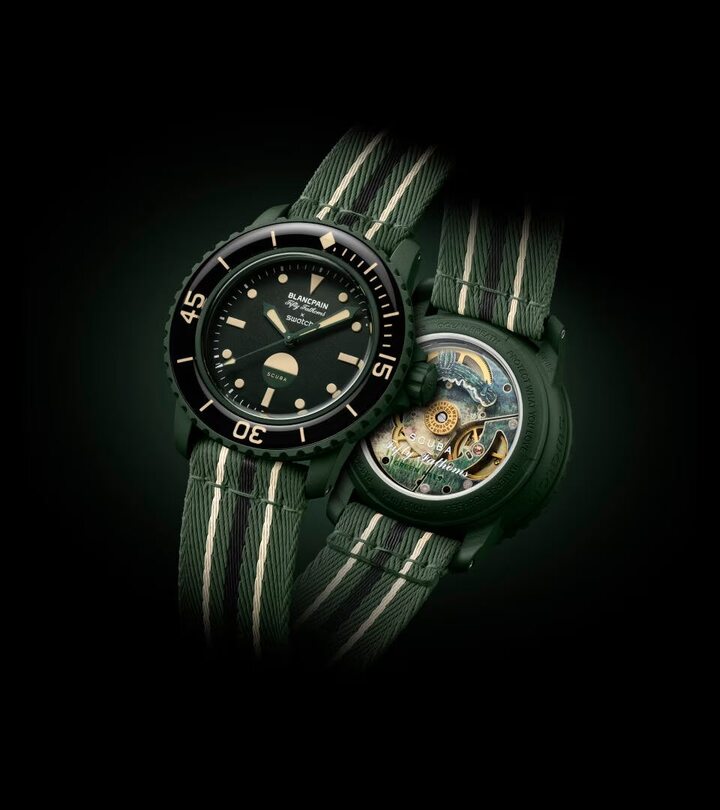
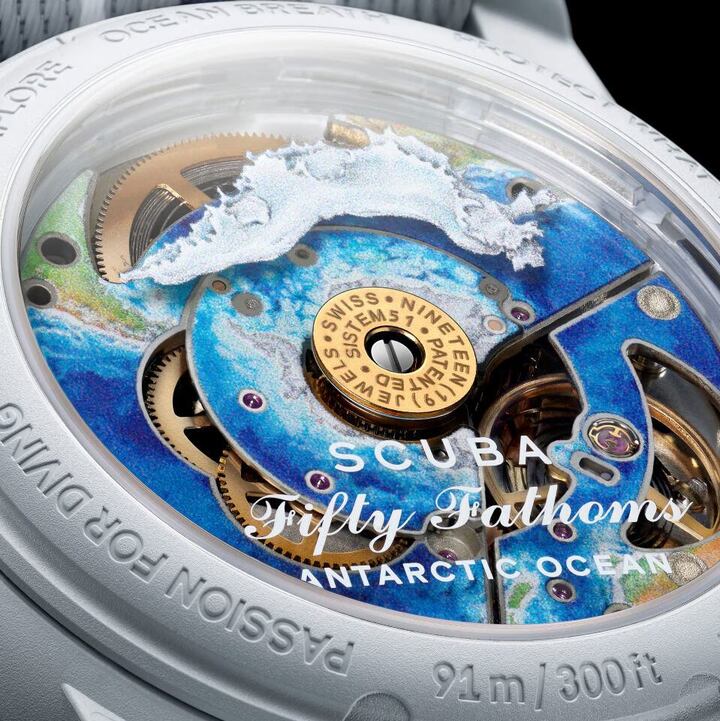
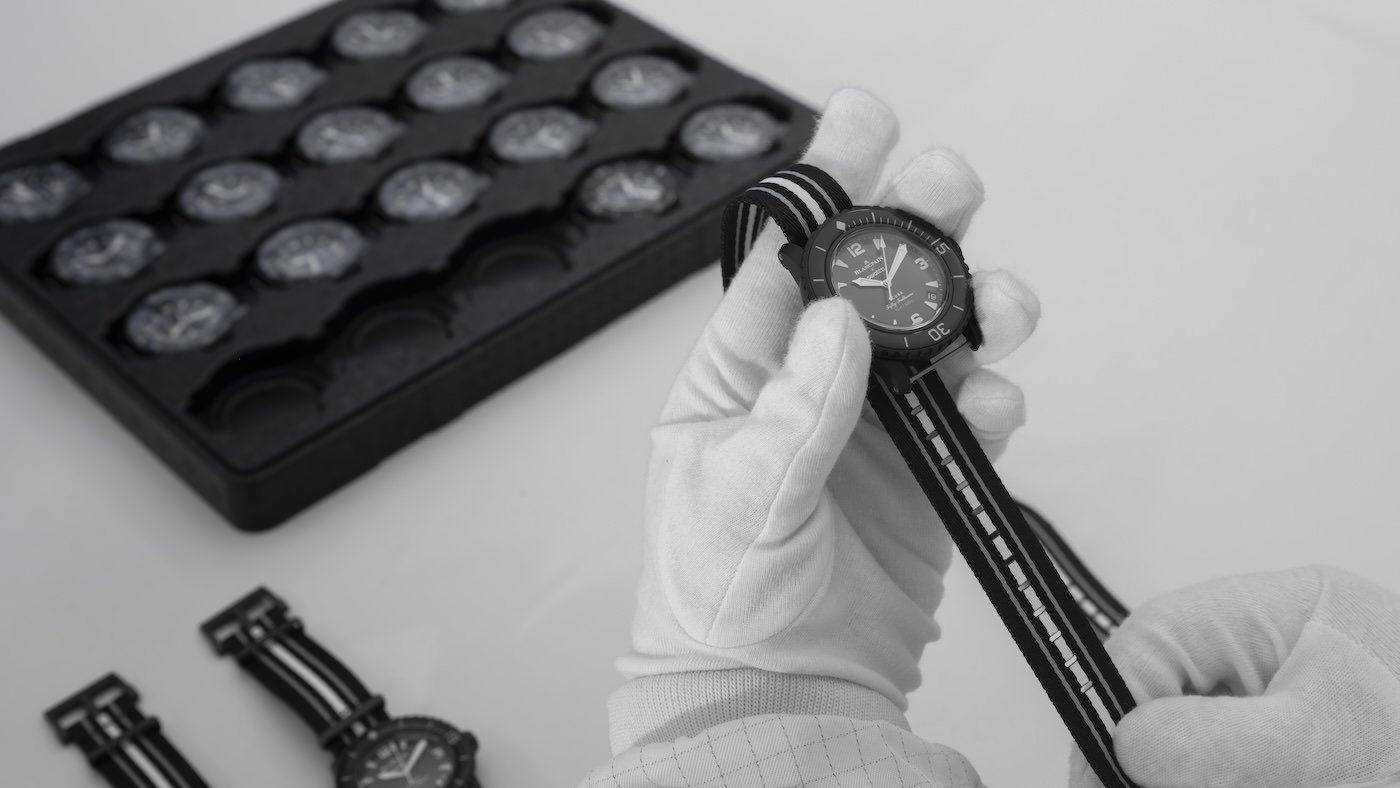
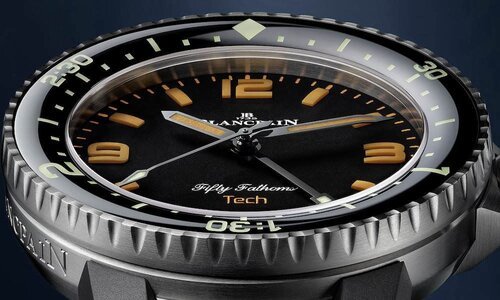
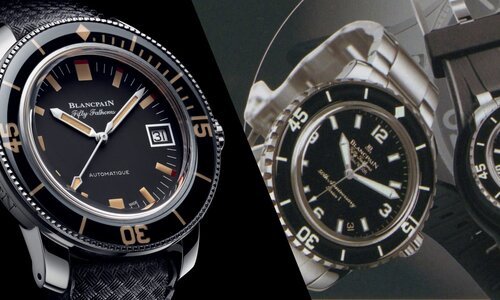
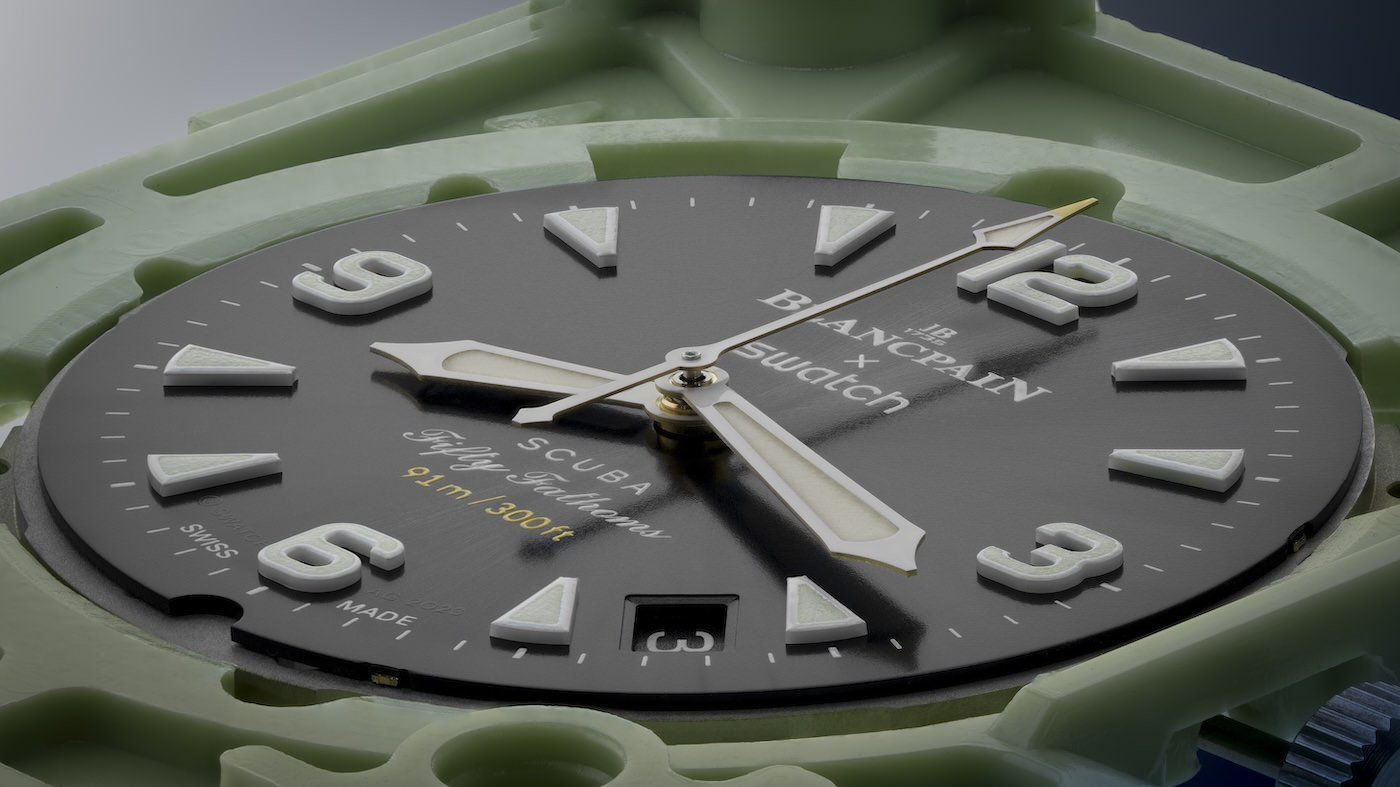
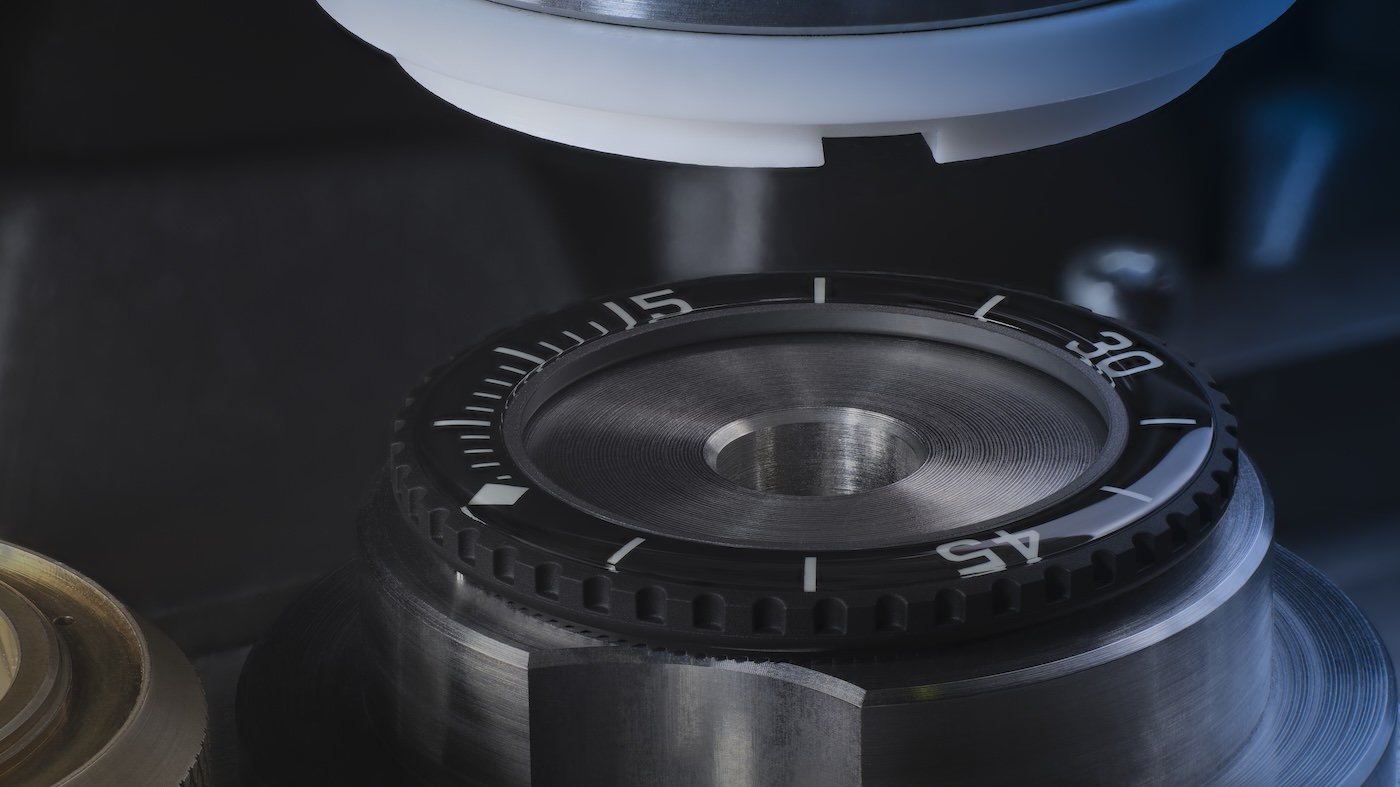
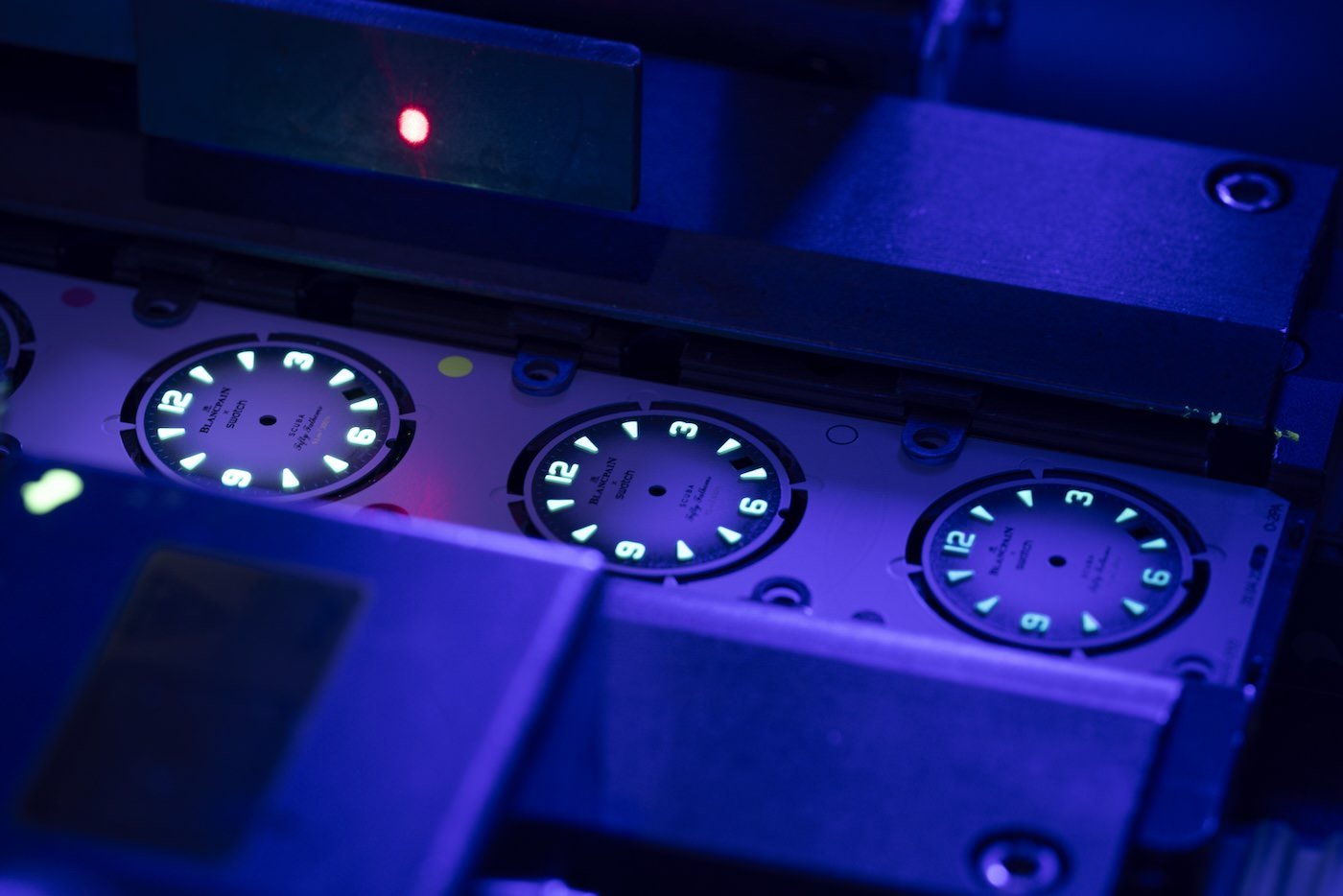
Today, Sistem51 powers several lines and models, including Sistem51 Originals, Irony, and the Blancpain x Swatch Bioceramic Scuba Fifty Fathoms. This latest version is particularly emblematic, echoing—like the MoonSwatch—the design codes of Blancpain’s iconic dive watch: a 120-click unidirectional bezel, Super-LumiNova Grade A, humidity indicator on certain references, and water resistance to 50 fathoms (91 metres). All while remaining true to Swatch DNA: playful, accessible and visually inventive.
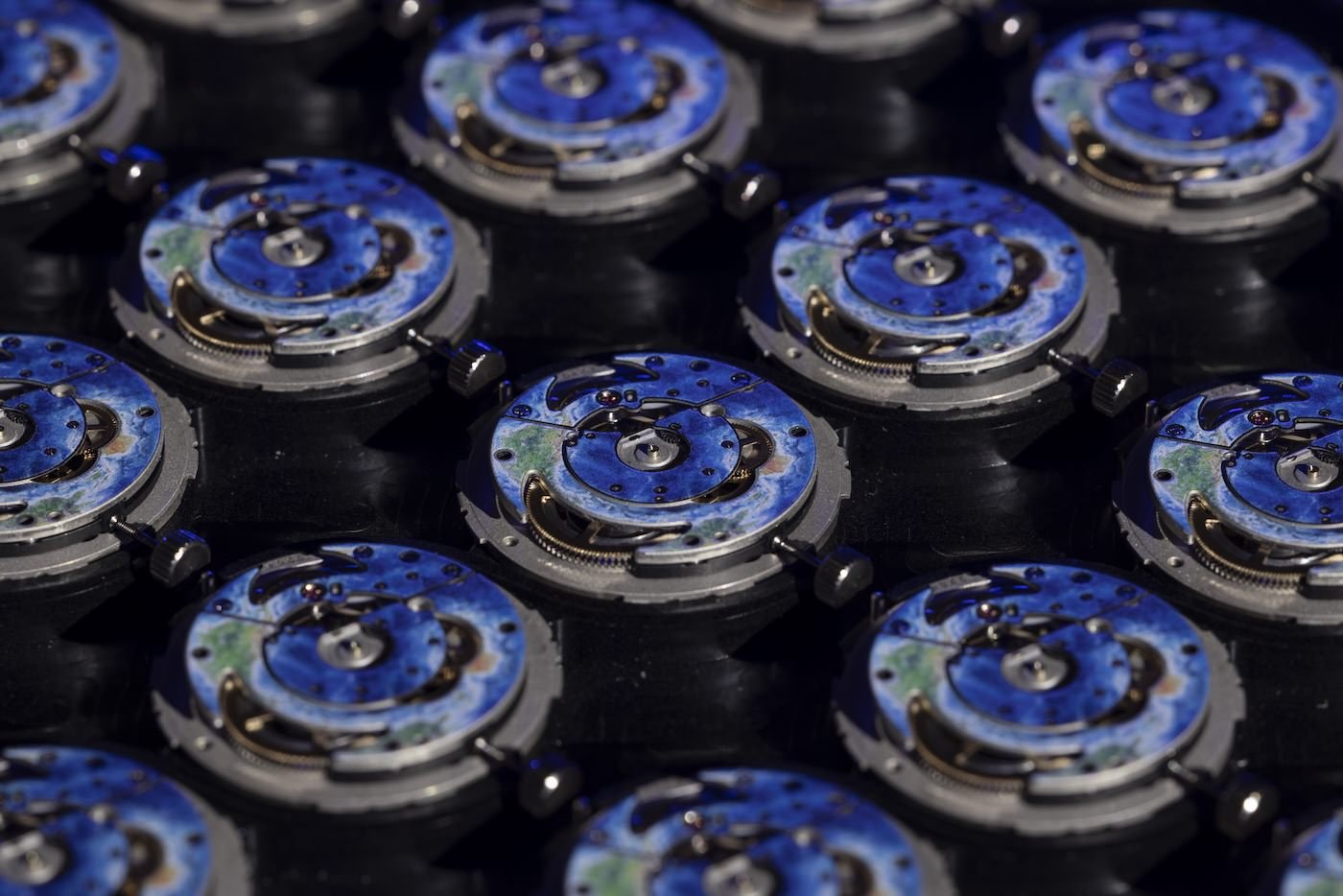
Each movement is decorated by digital printing (digiprint) after assembly. The motifs rotate with the oscillating weight, creating a constantly evolving visual display.

A living “uchronic laboratory”
Since 2013, the Boncourt facility—capable of operating 24/7—has continuously refined and optimized entirely new industrial processes. The ongoing challenge lies in reconciling two rarely compatible imperatives: industrial repeatability and creative flexibility. Swatch multiplies references, limited series and collaborations, and Sistem51 was conceived from the outset as an industrial platform capable of personalization.
The choice of Boncourt also reflects a territorial strategy. Swatch Group sought to avoid draining traditional watchmaking regions. The Swiss Jura and neighbouring French border area provide a skilled workforce with transferable expertise—particularly from the automotive sector, where gearbox gears and watch gears share common ground.
As we leave Boncourt, one idea stands out. More than a movement, Sistem51 represents a vision of what Swiss watchmaking might have become had it chosen a different path—not one of luxury, rarity and high-end craftsmanship, but of radical automation, vertical integration and large-scale production—without sacrificing creativity or accessibility. A living uchronia before our eyes. In that sense, the Sistem51 “solution,” running counter to contemporary Swiss watchmaking, has not finished surprising us.